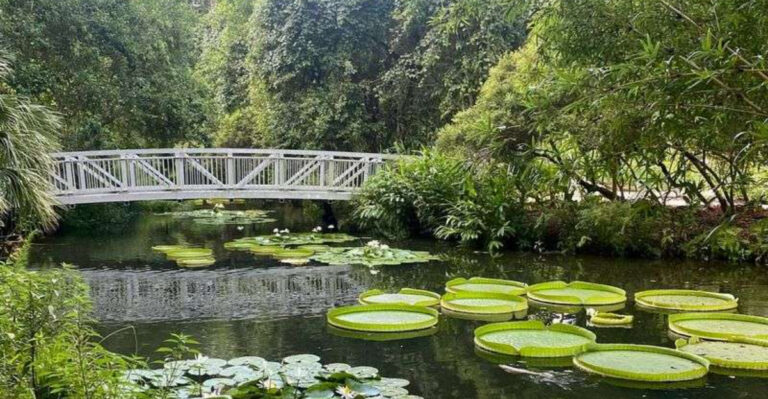
This Florida Boardwalk Winds Through Cypress Swamps, Marshes, and an Actual Alligator Hole
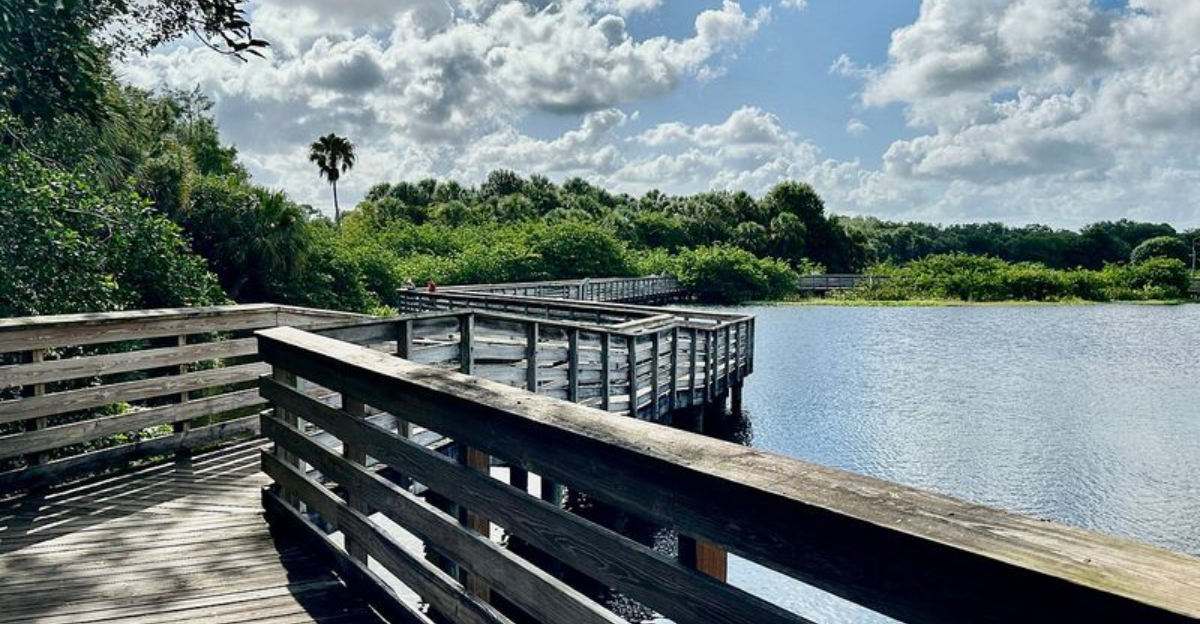
Green Cay Nature Center & Wetlands in Boynton Beach offers one of South Florida’s most immersive wildlife experiences without ever leaving the boardwalk. This 100-acre man-made wetland features a mile-and-a-half elevated path that takes you directly over marshes, through cypress stands, and past an honest-to-goodness alligator hole where these prehistoric reptiles bask in full view. Whether you’re an avid birder, a curious photographer, or just someone who wants to escape the concrete jungle for an hour, this place delivers natural Florida at its finest.
1. The Elevated Boardwalk System That Keeps You Dry and Wildlife Close
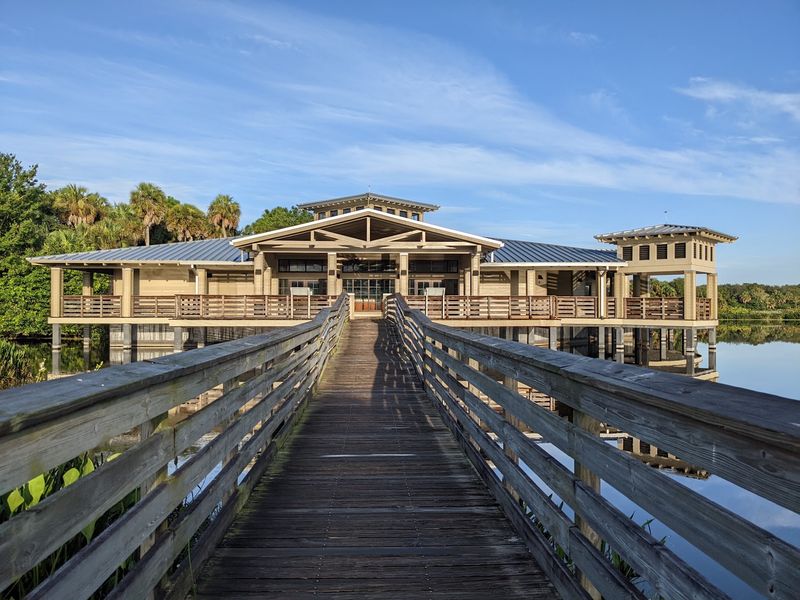
Forget muddy boots and bug spray overkill. Green Cay’s boardwalk hovers just above the water, giving you front-row seats to wetland life without disturbing a single heron or turtle. The entire 1.5-mile loop is wheelchair and stroller accessible, making it one of the most family-friendly nature trails in Palm Beach County.
Two connected loops let you choose your adventure. The shorter half-mile inner loop works perfectly for toddlers or a quick morning stroll before work. The full outer loop takes about 45 minutes at a leisurely pace, with plenty of shaded gazebos where you can pause and scan for wildlife.
Early mornings bring the best action when birds are actively feeding and alligators haven’t retreated to deeper water yet. Afternoon visits work too, especially in cooler months when the harsh midday sun isn’t as intense. The boardwalk itself stays remarkably cool underfoot thanks to constant shade from cypress canopies in several sections.
Bring binoculars if you have them, though the nature center loans them out for free. Railings provide stable support for cameras and phones, and you’ll find interpretive signs explaining the ecosystem every few hundred feet. No hiking experience required, just comfortable shoes and a sense of curiosity about what might be lurking in that next patch of sawgrass.
2. Alligator Encounters That Feel Wildly Close Yet Perfectly Safe
Spotting your first gator at Green Cay hits different than seeing one at a zoo. These wild reptiles sun themselves on muddy banks, glide silently through the water, and occasionally cross right under the boardwalk like they own the place. Spoiler alert: they kind of do.
Visitors report seeing anywhere from one to half a dozen alligators per visit, depending on season and time of day. They blend into their surroundings with shocking effectiveness, so keep your eyes peeled for what looks like a floating log with eyeballs. The boardwalk’s elevation gives you a safe vantage point to observe their behavior without getting anywhere near the danger zone.
Spring and early summer offer the most dramatic sightings when gators are more active and visible. During cooler months, they still appear but tend to stay motionless for hours, soaking up whatever warmth the sun provides. Patient observers sometimes witness feeding behavior or territorial displays between competing males.
The nature center inside houses baby alligators in a beautiful aquarium setup, perfect for kids who want a closer look at these incredible animals. Staff members share fascinating details about alligator biology, their crucial role in wetland ecosystems, and why Florida’s comeback story for this species deserves celebration. Just remember the golden rule: admire from the boardwalk, never feed or approach them.
3. Bird Watching Paradise With Species You Won’t See Anywhere Else
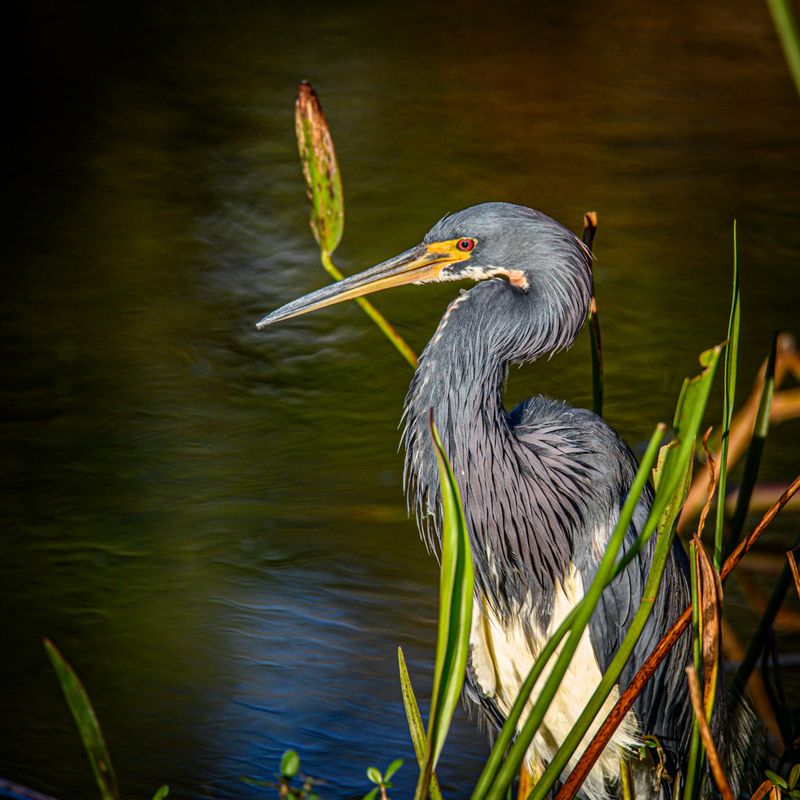
Serious birders travel from across the country to add Green Cay species to their life lists. This wetland attracts an absurd variety of wading birds, waterfowl, and songbirds throughout the year. We’re talking great egrets, tricolored herons, roseate spoonbills, purple gallinules, and the always entertaining anhinga drying its wings like a feathered scarecrow.
The anhinga rookery alone makes the trip worthwhile. These snake-necked diving birds nest in visible colonies, providing incredible opportunities to watch courtship displays, nest building, and chick rearing depending on the season. Their lack of waterproof feathers means they must dry out after every fishing expedition, creating those iconic wings-spread poses photographers adore.
White ibis gather in massive flocks during certain times of year, painting entire sections of marsh with their curved beaks and brilliant white plumage. Migratory patterns bring unexpected visitors seasonally, so repeat visits always offer something new. Local experts have documented well over 100 bird species using this relatively compact preserve.
Bring a field guide or download a birding app to identify what you’re seeing. The birds here show remarkably little fear of humans, often feeding within feet of the boardwalk. Morning light creates perfect conditions for photography, while late afternoon brings different species emerging for evening meals.
Even non-birders find themselves captivated by the sheer abundance of feathered activity.
4. The Nature Center’s Hidden Exhibits and Educational Treasures
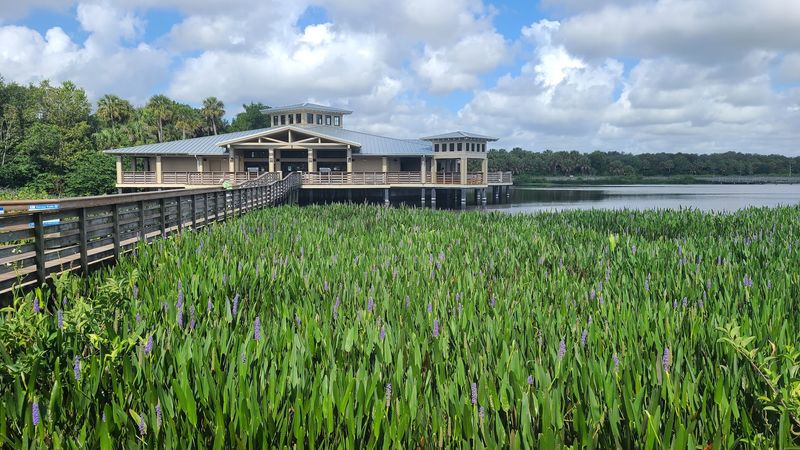
Most visitors come for the boardwalk and completely miss the gem of a nature center waiting inside. This compact educational facility punches way above its weight with interactive displays, live animal exhibits, and a gift shop that actually stocks quality nature-themed items instead of cheap tourist junk.
Oliver the screech owl serves as the center’s ambassador, a senior rehabilitated bird who can’t be released back to the wild. If you time your visit right, you might catch feeding time with educational programming that teaches kids about owl biology and conservation. The baby alligators in their custom aquarium mesmerize young visitors, offering a safe way to observe these animals up close.
Live frogs, snakes, and turtles rotate through various displays, all native Florida species with compelling backstories about how they ended up in human care. Mounted specimens and interpretive panels explain wetland ecology in terms a sixth grader can grasp without talking down to adult visitors. Touch-friendly exhibits let curious hands explore turtle shells, feathers, and other natural artifacts.
The gift shop deserves special mention for reasonable prices and genuinely educational toys rather than plastic garbage. Field guides, binoculars, nature journals, and wildlife-themed gifts make great souvenirs that actually enhance future outdoor adventures. Staff members are knowledgeable locals who love sharing insider tips about the best viewing spots and current wildlife activity on the boardwalk.
5. Turtle Traffic Jams and Reptile Sunbathing Spots
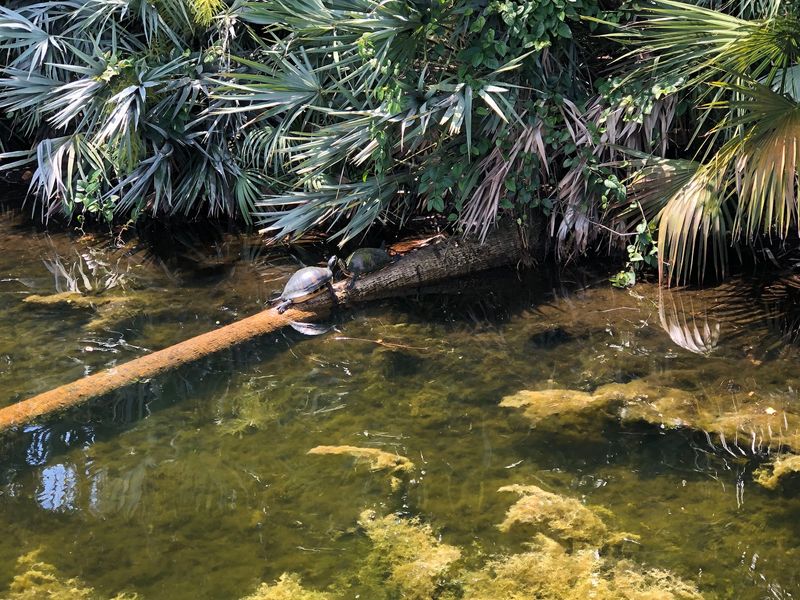
Some sections of the boardwalk pass over what can only be described as turtle condos. Dozens of these shelled reptiles pile onto every available log, rock, and floating debris to catch rays like tiny prehistoric sunbathers at a very crowded beach. The sight of 20 turtles stacked on a single log never gets old.
Florida red-bellied cooters dominate the turtle population here, their distinctive markings visible even from the boardwalk. Peninsula cooters and the occasional softshell turtle round out the cast of characters. Spring brings increased activity as turtles emerge from winter sluggishness and begin their mating rituals.
Watch for the comical moment when one turtle decides to claim prime real estate, forcing others to shuffle aside or plop unceremoniously into the water. They’re surprisingly tolerant of each other, creating multi-level turtle towers that defy basic physics. Patient observers sometimes witness feeding behavior as they snap at aquatic vegetation or small prey items.
The nature center’s turtle exhibits provide context for what you’re seeing on the boardwalk. Staff explain the differences between various species, their ecological roles, and conservation challenges they face. Kids especially love trying to count how many turtles they can spot during a single visit, though the final tally often reaches triple digits.
These ancient reptiles remind us that Florida’s wetlands support incredible biodiversity beyond just the flashy birds and intimidating alligators.
6. Invasive Iguanas Adding Unexpected Color to the Landscape
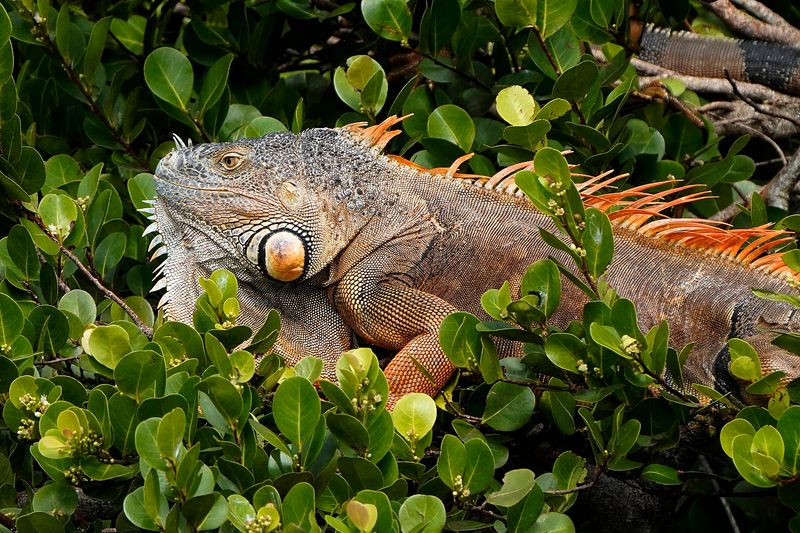
South Florida’s iguana invasion has reached Green Cay, and while these non-native lizards create ecological headaches, they’re undeniably photogenic. Bright green juveniles and massive orange-hued adults drape themselves over railings, bask on the boardwalk, and munch vegetation with zero concern for human observers passing within arm’s reach.
These Central and South American imports thrive in Florida’s climate, breeding prolifically and competing with native species for resources. Wildlife managers consider them invasive pests, yet visitors can’t help but marvel at their dinosaur-like appearance and bold behavior. Some individuals exceed four feet in length, their dewlaps and spiny crests making them look like miniature dragons.
Morning hours find iguanas sluggish and approachable as they warm their cold-blooded bodies in early sunlight. By midday they become more active, climbing vegetation and occasionally dropping into the water with surprising swimming ability. Their vegetarian diet means they pose no threat to humans, though their sharp claws and powerful tails deserve respectful distance.
Photographers love the contrast of brilliant green iguanas against the wetland’s muted browns and greens. Kids find them endlessly fascinating, especially when babies scurry across the boardwalk like tiny speed bumps. The nature center provides context about invasive species and the complex challenges they present, turning these encounters into teachable moments about ecosystem balance and human responsibility for introduced species.
7. Sunrise and Golden Hour Magic That Transforms the Wetlands
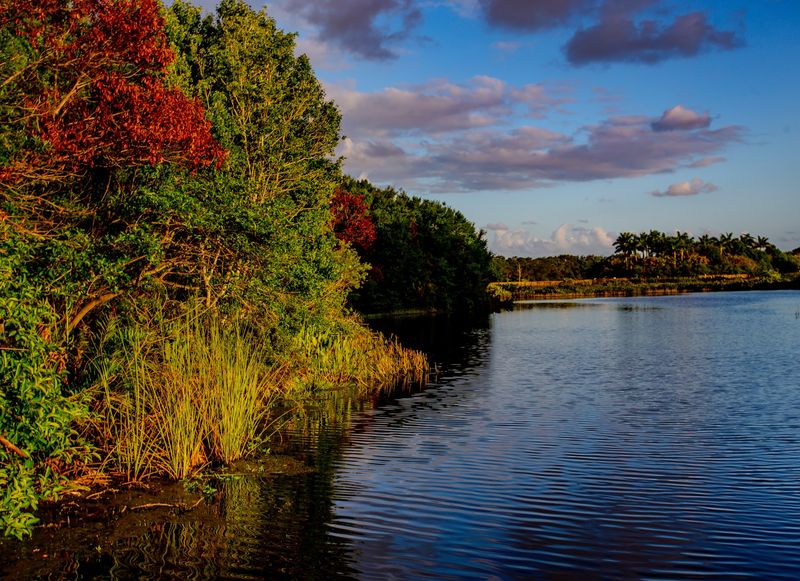
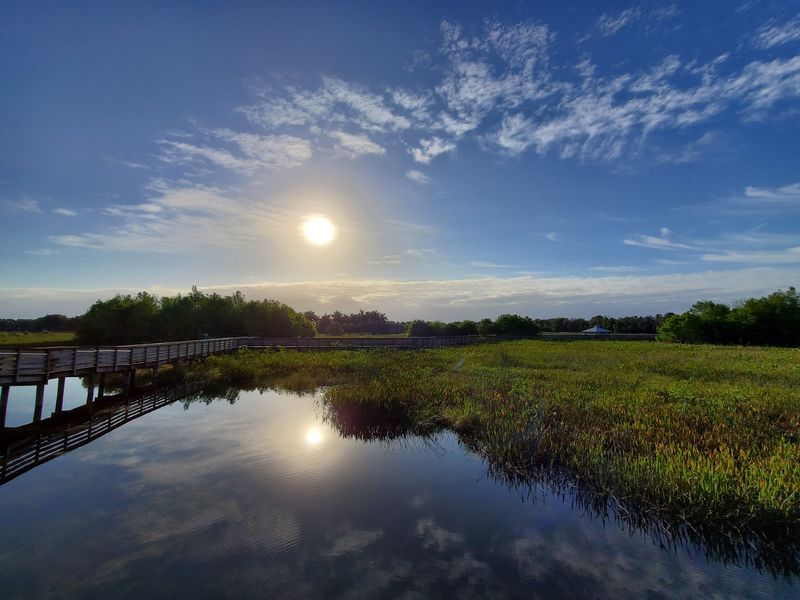
Arriving before the sun clears the horizon transforms Green Cay from a nature preserve into something approaching spiritual experience. The wetlands awaken gradually, bird calls building from scattered chirps to a full symphony as darkness gives way to pink and orange skies reflected in perfectly still water.
Photographers chase this light obsessively, and for good reason. Golden hour illuminates every egret feather, makes alligator eyes glow amber, and paints the entire marsh in colors no filter can replicate. Morning mist rises from the water’s surface, creating ethereal scenes where birds emerge from fog like ghosts materializing into reality.
Wildlife activity peaks during these early hours when temperatures remain comfortable and predators hunt most actively. You’ll see more birds feeding, turtles emerging from overnight hiding spots, and alligators cruising shallow waters in search of breakfast. The experience feels deeply peaceful, with fewer visitors and a sense of witnessing nature on its own schedule rather than yours.
Pack coffee in a thermos and embrace the early alarm. The nature center won’t open until 9 AM, so plan accordingly if you want indoor exhibits after your walk. Bring layers since pre-dawn humidity can feel chilly, and don’t forget your camera because the light will be absolutely ridiculous.
Late afternoon offers similar magic as the sun sets, though morning generally provides calmer conditions and more active wildlife.
8. Free Admission and Facilities That Make Visiting Ridiculously Easy
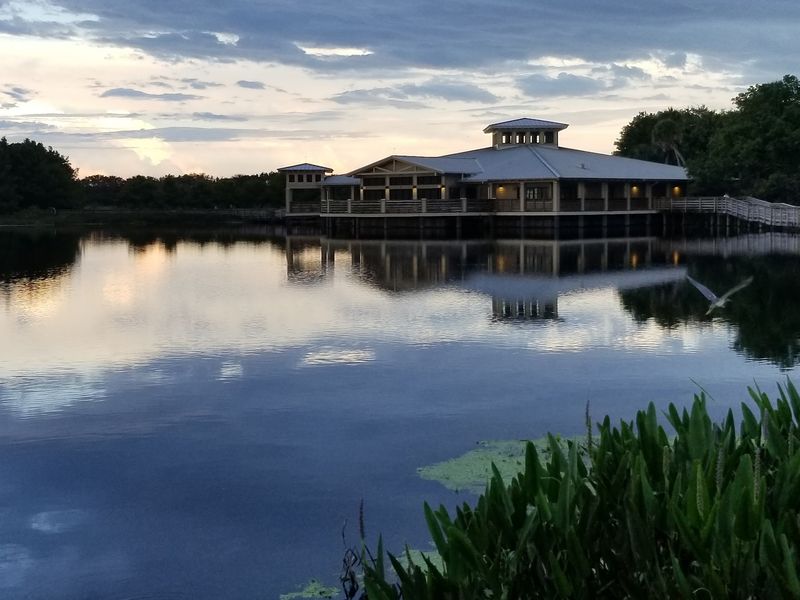
In a world where every attraction seems designed to empty your wallet, Green Cay stands out by charging exactly zero dollars for admission. This Palm Beach County park offers world-class wildlife viewing, well-maintained facilities, and educational programming without asking for a single penny. That alone makes it a South Florida treasure worth protecting.
The massive parking lot rarely fills completely, even on beautiful winter weekends when other parks turn visitors away. Clean restrooms, drinking fountains, and covered pavilions provide comfort breaks during your walk. Benches dot the boardwalk at strategic intervals, perfect for resting legs or simply sitting quietly while birds go about their business mere feet away.
Accessibility features include smooth boardwalk surfaces suitable for wheelchairs, walkers, and strollers of all sizes. Parents appreciate the wide pathways that accommodate double strollers without gymnastics. The relatively flat terrain means even young children or those with limited mobility can complete the full loop without exhaustion.
The nature center operates Wednesday through Sunday, closing Mondays and Tuesdays for maintenance. Trail access remains available sunrise to sunset every day, so early birds and late afternoon explorers can still enjoy the boardwalk when the building is closed. Free binocular loans, ample parking, spotless facilities, and zero admission fees create an experience that feels almost too good to be true in modern Florida.