This Florida Filipino Restaurant Was a 2024 James Beard Finalist for Best New Restaurant
Kaya in Orlando has quickly become one of Florida’s most celebrated dining destinations, earning national recognition as a 2024 James Beard Award finalist for Best New Restaurant. Inspired by the rich culinary traditions of the Philippines, the restaurant combines bold flavors, locally sourced ingredients, and creative techniques to deliver a dining experience that is both authentic and innovative.
Every dish reflects thoughtful craftsmanship, from vibrant appetizers to beautifully prepared entrées that showcase the depth and diversity of Filipino cuisine. The warm, welcoming atmosphere and attentive service make each visit feel special, whether you’re discovering Filipino food for the first time or returning for your favorite flavors.
For anyone seeking one of Florida’s standout culinary experiences, Kaya has firmly established itself as a restaurant worthy of the national spotlight.
The James Beard Recognition That Put Kaya on the Map
Being named a James Beard Award finalist for Best New Restaurant in 2024 isn’t something that happens by accident. Kaya earned this recognition by doing something few restaurants pull off—honoring traditional Filipino flavors while pushing culinary boundaries in ways that feel exciting rather than gimmicky.
The nomination put Orlando’s food scene on a national stage and validated what locals already knew: this little bungalow on Thornton Avenue serves food worth traveling for.
What makes this achievement even more impressive is the context. The James Beard Foundation considers thousands of restaurants across the country, evaluating everything from ingredient sourcing to service quality to cultural impact.
For a Filipino restaurant in Florida to break through speaks volumes about how Kaya approaches its craft. They’re not trying to be all things to all people—they’re focused, intentional, and deeply committed to showcasing Filipino cuisine with the respect it deserves.
The recognition also reflects a broader shift in American dining. Regional cuisines that were once considered niche are finally getting their due, and Filipino food is having a major moment.
Kaya rides that wave beautifully, introducing dishes like Bicol Express mussels and oxtail kare-kare to diners who might never have encountered them otherwise. The nomination didn’t just elevate one restaurant—it helped shine a light on an entire culinary tradition.
Since the announcement, reservations have become tougher to snag, especially on weekends. The restaurant still maintains its cozy, unpretentious vibe despite the accolades, which is part of its charm.
You won’t find stuffy tablecloths or pretentious plating here—just exceptional food served with genuine warmth. That combination of world-class cooking and neighborhood hospitality is exactly what caught the James Beard Foundation’s attention, and it’s what keeps people coming back long after the buzz fades.
Bicol Express Mussels That Steal the Show
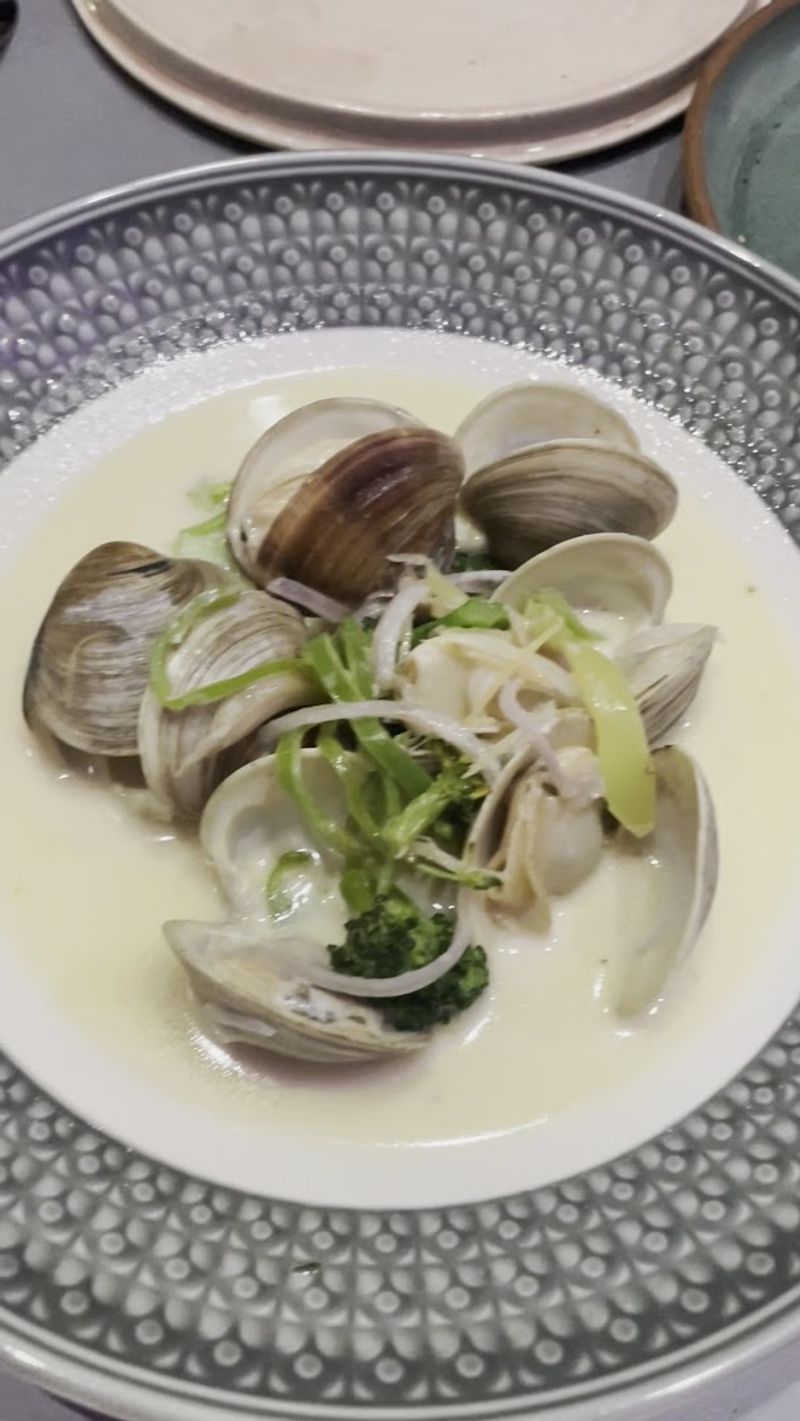
Ask regulars what dish they dream about between visits, and Bicol Express mussels come up again and again. This appetizer takes the traditional Filipino dish from the Bicol region—typically made with pork, coconut milk, and chilies—and reimagines it with plump, sweet mussels swimming in a rich, gently spiced sauce.
The coconut cream balances the heat perfectly, creating a dish that’s bold without being punishing. You’ll want bread or extra rice just to soak up every last drop of that sauce.
The brilliance lies in how the mussels’ natural sweetness plays against the creamy, slightly spicy coconut base. Each mussel arrives perfectly cooked—tender, not rubbery—which shows the kitchen’s attention to timing and technique.
The dish manages to feel both comforting and sophisticated, familiar yet surprising. It’s the kind of food that makes you pause mid-conversation to appreciate what’s happening on your palate.
Multiple reviewers call these mussels a standout, and some admit they’d return to Kaya just for this one dish. That’s high praise considering the strength of the rest of the menu.
The portion is generous enough to share, though you might not want to. The presentation is simple but appealing, letting the glossy sauce and vibrant ingredients speak for themselves.
One important note: a few reviews mention occasional sand in the mussels, which can happen with any seafood but definitely interrupts the experience when it occurs. Most visits seem to avoid this issue, but it’s worth mentioning.
When executed properly—which appears to be most of the time—this dish represents everything Kaya does well: taking traditional Filipino flavors, treating them with respect, and presenting them in ways that feel fresh and exciting without losing their soul.
Oxtail Kare-Kare That Converts Skeptics
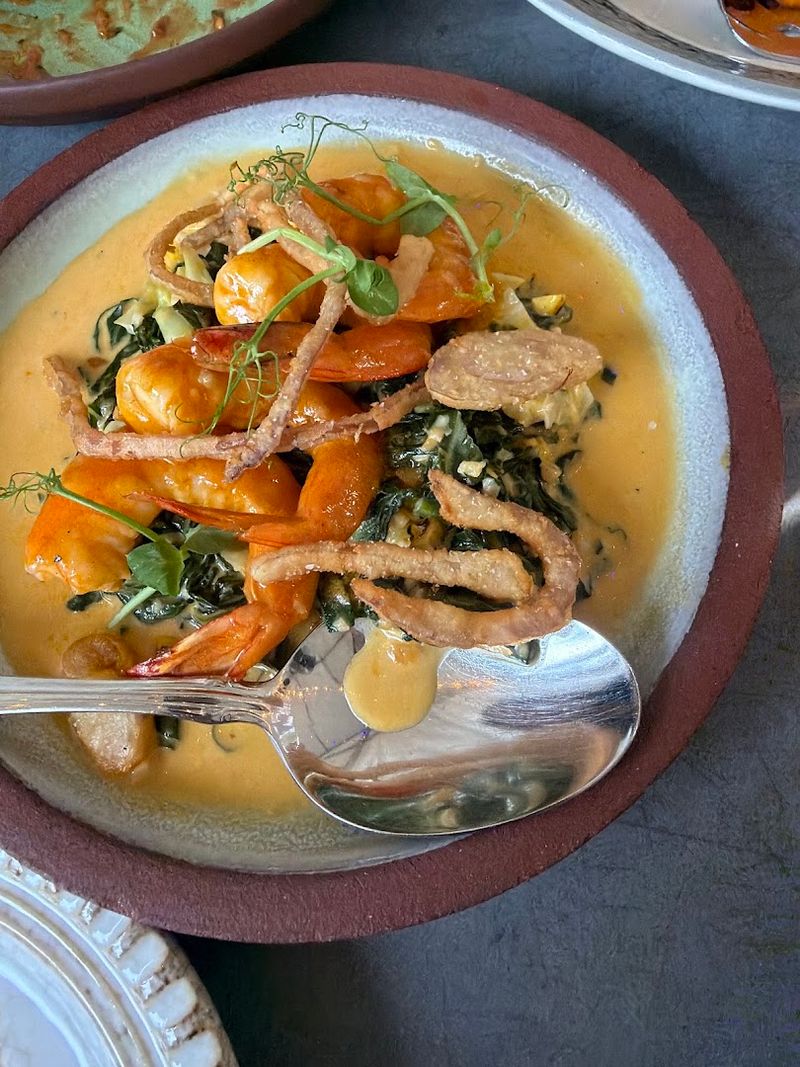
Oxtail might not be everyone’s first choice on a menu, but Kaya’s kare-kare has a reputation for winning over even the hesitant. This traditional Filipino stew features fall-apart-tender oxtail bathed in a rich peanut sauce, typically served with vegetables and bagoong (fermented shrimp paste) on the side.
One reviewer who’d never been a fan of oxtail called it “the most delicious and tender, buttery soft piece of meat” they’d ever tasted. That kind of conversion doesn’t happen with mediocre cooking.
The magic starts with the meat itself. Oxtail requires low, slow cooking to break down the connective tissue and develop that melt-in-your-mouth texture.
Kaya nails this fundamental step, producing meat that practically falls off the bone. The peanut sauce is savory and complex without being heavy, coating the meat and rice with layers of flavor that keep each bite interesting.
Some diners note the sauce could be richer or more intensely flavored, but most find the balance spot-on.
What makes this dish particularly appealing is how it introduces diners to Filipino cuisine’s comfort food side. Kare-kare isn’t flashy or trendy—it’s the kind of food Filipino families have been making for generations.
Kaya treats it with reverence while ensuring the execution meets fine-dining standards. The accompanying turmeric-infused rice adds another dimension, soaking up the sauce and adding subtle earthiness.
The portion is substantial, easily satisfying two people when paired with other dishes. Several reviews specifically call out the kare-kare as a must-order, ranking it among their favorite items on the menu.
If you’re new to Filipino food, this dish offers a gentle introduction to the cuisine’s characteristic blend of savory, slightly sweet, and umami-rich flavors. If you’re already familiar, Kaya’s version will remind you why kare-kare has remained a Filipino favorite for so long.
Lumpiang Shanghai That Sets the Standard
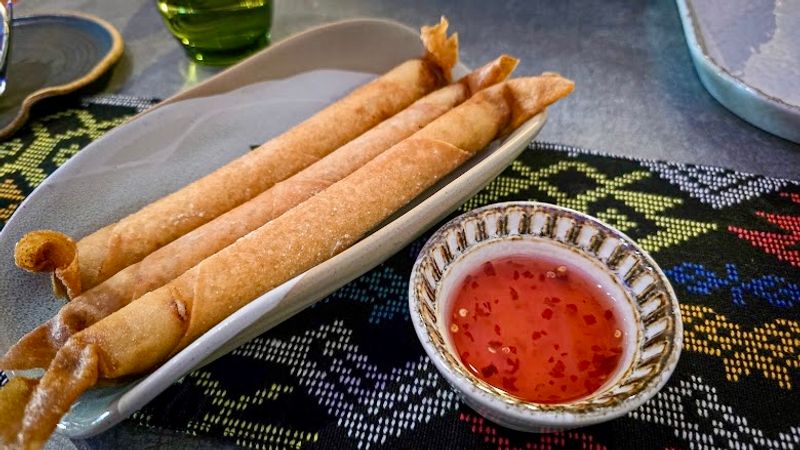
Spring rolls might seem like a simple appetizer, but Kaya’s lumpiang Shanghai prove that even familiar dishes can reach extraordinary levels when made with care. These aren’t the soggy, grease-heavy rolls you might encounter elsewhere.
They arrive at your table straight from the kitchen, crackling-crisp on the outside and packed with savory filling that doesn’t skimp on ingredients. Paired with sweet Thai chili sauce, they’re addictive enough that multiple reviewers call them the best lumpia they’ve ever tasted.
The wrapper achieves that perfect golden-brown color and shatters with the first bite, giving way to a well-seasoned mixture inside. The filling stays moist and flavorful without making the wrapper soggy—a balance that requires proper technique and timing.
Each roll is uniform in size and quality, showing kitchen consistency that matters when you’re serving a dish this straightforward. There’s nowhere to hide with lumpia; they’re either excellent or forgettable, and Kaya’s version firmly lands in the first category.
What elevates these beyond typical spring rolls is the attention to seasoning and the quality of ingredients. You can taste the difference between lumpia made with care and those cranked out in bulk.
The sweet chili sauce provides the right contrast—sticky, slightly spicy, with enough sweetness to complement the savory filling without overwhelming it. Some diners order multiple rounds of these throughout their meal, treating them almost like Filipino french fries.
The portion is generous, making them ideal for sharing as a table starter. They also work well as a gateway dish for anyone unfamiliar with Filipino cuisine—everyone understands spring rolls, and Kaya’s version demonstrates the kitchen’s skill without requiring adventurous eating.
Whether you’re a lumpia veteran or trying them for the first time, these crispy cylinders of goodness deserve a spot on your table.
The Intimate Bungalow Setting That Feels Like Home
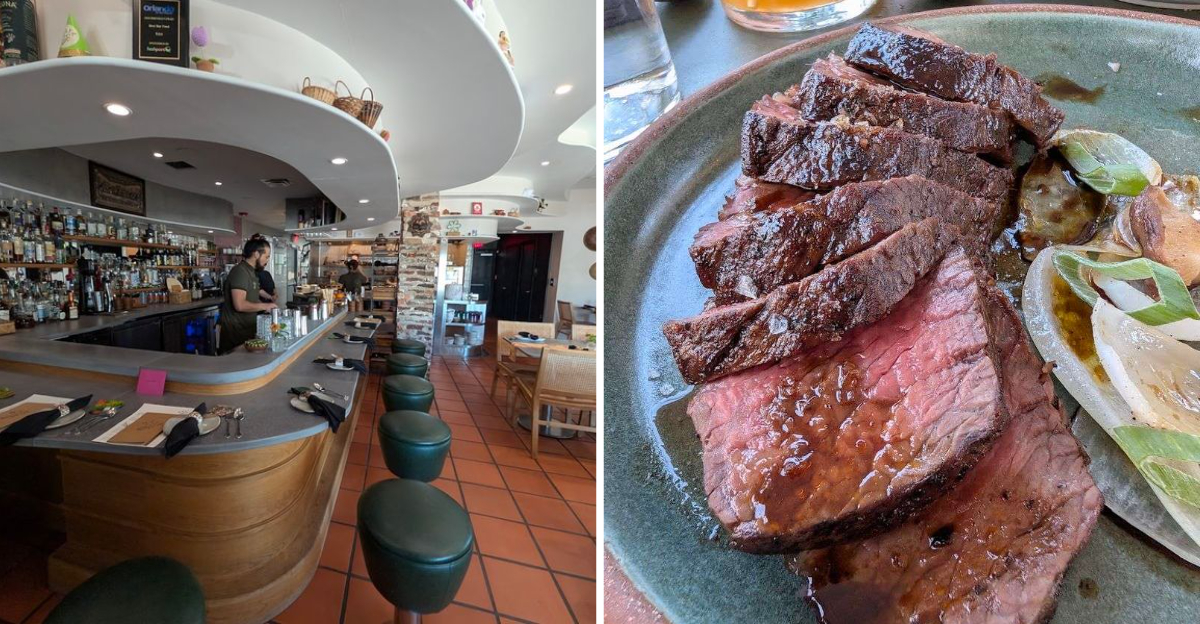
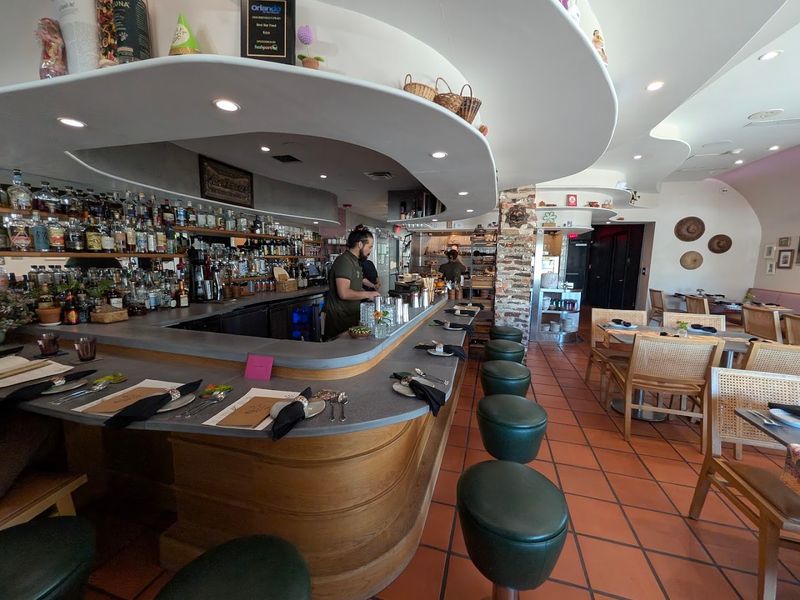
Kaya operates out of a converted bungalow in the Mills 50 district, and that residential-turned-restaurant vibe defines the entire experience. Walking up to what looks like someone’s house immediately sets a different tone than approaching a typical restaurant.
Inside, the space feels intentionally cozy rather than cramped, with eclectic decor that includes family photos, candles, and a piano setup that channels the warmth of a Filipino grandmother’s living room. The goal is making diners feel like welcomed guests rather than paying customers, and it works.
The intimate scale means the restaurant fills up quickly, especially on weekends. Reservations are strongly recommended—several reviews mention that walk-ins can face long waits or disappointment.
But that limited capacity also contributes to the experience. Service feels personal and attentive because the staff isn’t stretched across a massive dining room.
Servers take time to explain dishes, share stories behind cocktails, and check in without hovering. Multiple reviewers specifically praise the service quality, calling it exceptional and warm.
Both indoor and outdoor seating options exist, with the outdoor area offering a garden setting that sometimes features live jazz on certain evenings. The overall aesthetic leans homey rather than polished, which some diners find charming and others note doesn’t quite match the price point.
Tables and facilities are functional but not fancy. If you’re expecting white tablecloths and formal ambiance, you’ll need to adjust your expectations.
The focus here is clearly on food and hospitality rather than expensive furniture.
That homespun atmosphere extends to details like post-dinner towelettes and the way dishes are presented—simple but thoughtful. The R&B music playing in the background adds to the relaxed vibe.
For many diners, this unpretentious setting makes the experience more enjoyable, not less. It reinforces Kaya’s philosophy: this is about sharing Filipino food and culture in a welcoming environment, not performing fine dining theater.
The space might be modest, but the warmth is genuine.
Creative Filipino Cocktails and Spirit-Free Options
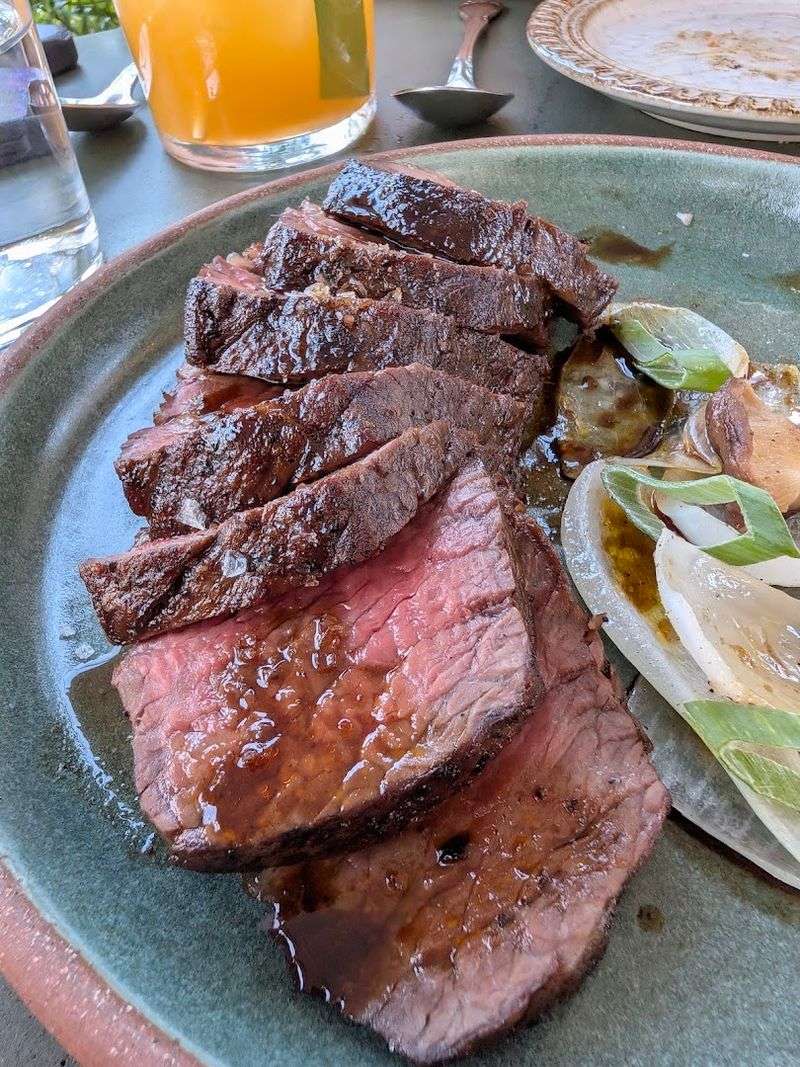
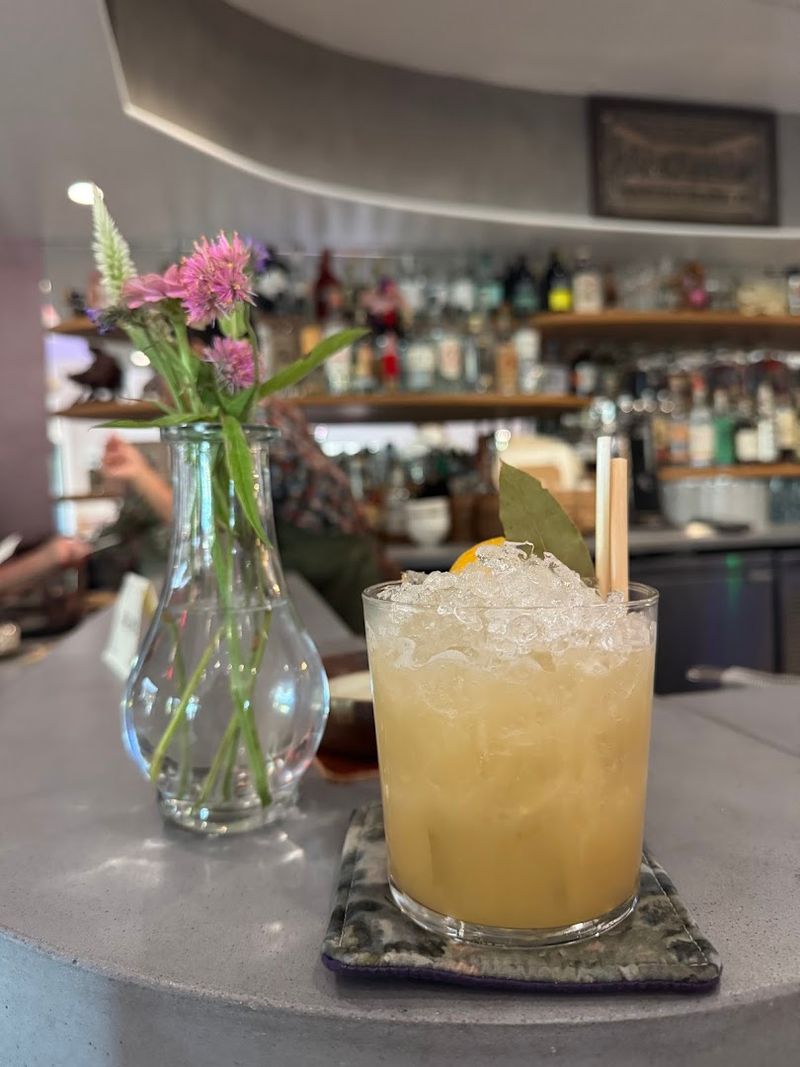
Kaya’s beverage program deserves as much attention as the food menu. The cocktails incorporate Filipino ingredients and spirits in ways that feel creative without becoming gimmicky.
One reviewer specifically mentions a Negroni made with Archipelago Botanical gin—a Filipino spirit they described as “the smoothest gin I’ve ever tried.” The bartenders clearly know their craft and take pride in guiding guests through options that complement the bold flavors coming from the kitchen. These aren’t afterthought drinks; they’re integral to the experience.
What’s particularly impressive is the spirit-free cocktail selection. Multiple reviews call these mocktails the best in Orlando, praising their complexity and refreshing qualities.
Too often, non-alcoholic options feel like an obligation rather than a priority, but Kaya treats them with the same creativity and care as their alcoholic counterparts. For designated drivers, pregnant guests, or anyone choosing not to drink, this attention makes a real difference.
The Filipino rum highball also gets specific mentions as a perfect complement to the food.
The bar staff, including Tim who gets called out by name in several reviews, contribute significantly to the overall atmosphere. They’re knowledgeable about both the drinks and the food, offering thoughtful recommendations and explaining the stories behind various cocktails.
This educational approach helps diners understand the cultural context of what they’re drinking, adding depth to the experience. The bar itself becomes a destination within the restaurant, with some reviewers noting they want to return specifically to sit there.
Drinks are priced reasonably given the quality and creativity involved. The presentation is attractive without being fussy, and flavors are balanced and interesting.
Whether you order a traditional cocktail with a Filipino twist or explore the spirit-free menu, you’re getting beverages that stand on their own merit rather than just washing down your meal. For a restaurant this focused on food, having a bar program this strong is a bonus that elevates the entire experience.
Garlic Rice and Filipino Rigatoni That Surprise and Delight
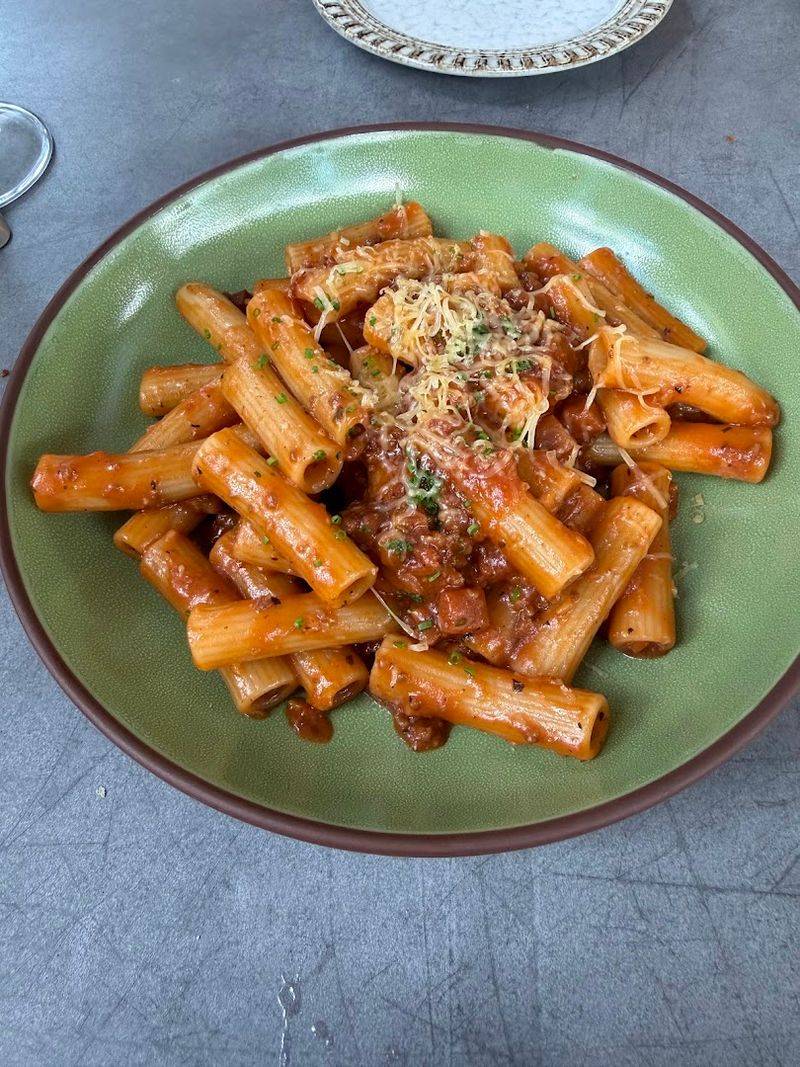
Sometimes the simplest dishes leave the biggest impression. Kaya’s garlic rice gets mentioned repeatedly in reviews, with one diner calling it a favorite despite—or maybe because of—its straightforward nature.
Filipino garlic rice (sinangag) isn’t complicated: day-old rice fried with lots of garlic, creating crispy, fragrant grains that soak up sauces beautifully. But executing it perfectly requires technique, and Kaya delivers rice that’s neither greasy nor bland.
It’s the kind of side dish that makes you understand why rice is central to Filipino cuisine.
The Filipino rigatoni represents Kaya’s willingness to play with tradition in unexpected ways. This dish uses banana ketchup in the bolognese sauce, giving it a subtle sweetness that surprises diners expecting standard Italian-American pasta.
Banana ketchup is a Filipino staple, born from tomato shortages during World War II, and incorporating it here creates something genuinely unique. The pasta itself is cooked al dente, and the sauce ties together familiar and unfamiliar flavors in a way that works.
One reviewer called it one of the best dishes they had, praising how the sweetness balanced the savory elements.
These dishes demonstrate Kaya’s range. The garlic rice shows respect for traditional preparations—it’s comfort food done right, the kind of thing you’d find in Filipino homes across the country.
The rigatoni shows creative confidence, taking a Western format and making it distinctly Filipino. Both approaches work because the kitchen understands flavor balance and isn’t afraid to let ingredients speak for themselves.
The rigatoni might confuse purists, but it wins over open-minded diners looking for something different.
Both items work well as sides or can hold their own as lighter main courses. The garlic rice particularly shines when paired with saucy dishes like the kare-kare or Bicol Express mussels.
The rigatoni stands alone as a complete meal, satisfying and interesting enough to keep you engaged through the last bite. Together, they represent Kaya’s philosophy: honor tradition when it matters, innovate when it makes sense, and always prioritize flavor above everything else.