This Florida Island Has No Bridge, No Crowds, and Miles of Empty Beach
Florida still has places that feel almost completely untouched, and St. Vincent National Wildlife Refuge is one of them. Just off the Forgotten Coast near Apalachicola, this remote barrier island has no bridge, no hotels, no beach rentals, and no easy way in except by boat.
What you get instead is miles of quiet shoreline, shell-strewn beaches, jungle-like trails, dolphins offshore, and the kind of silence that is getting harder to find in Florida. It feels less like a typical beach day and more like stepping into a piece of the state that development somehow missed.
Before you book the boat ride, though, there are a few things worth knowing about this beautifully wild escape.
1. A Island You Can Only Reach by Boat
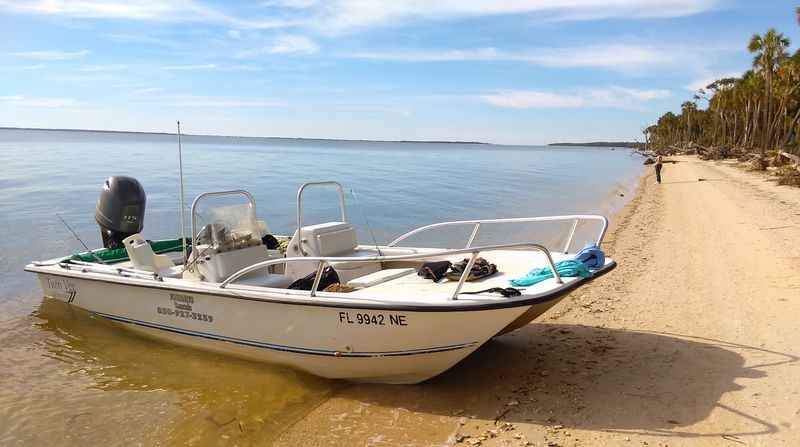
Picture a place where the bridge never got built. St. Vincent sits in the Gulf of Mexico, just off the Apalachicola coast, and the only way over is by boat. That single fact keeps the whole island calm.
The crossing itself is short, about five minutes from the mainland landing. One reviewer paid around twenty dollars for the ride. Shuttle companies run the route, and signs for them are easy to spot along the way.
Reserve at least a day ahead so you are not left standing on the dock.
Kayakers can paddle over from the launch too. One visitor called it a short paddle that feels like a world away. Check the wind and tides before you try it, since open water can change fast.
Once you step off the boat, you will notice something missing. There are no cars rolling past, no stores, and no music drifting from a beach bar. You get wind, birds, and the crunch of your own footsteps.
Plan your timing carefully. Some seasons the shuttle only runs from about nine to noon, and the drop-off and pickup times can be tight. Also remember the time zone line sits close to this area, so a wrong guess could make you an hour late for your ride.
Double check your clock before heading to the landing.
2. Miles of Beach With Nobody On It
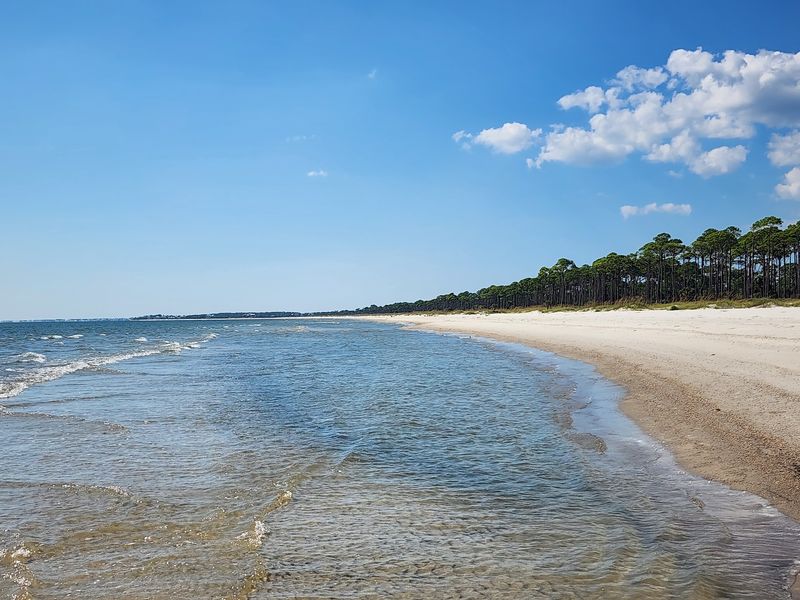
Here is a fun test: count the umbrellas. On St. Vincent, the number is usually zero. The Gulf shoreline stretches on and on, and you can have long sections to yourself.
The sand is soft, the dunes are undisturbed, and the only footprints might belong to a shorebird. Visitors who cut over from the island trails to the beach often say the wide open feel is the best part of the trip. It is a rare view in a state packed with condos.
Bring more than you think you need. There are no shops, so water, snacks, sunscreen, and a hat all have to come in your bag. Pack out everything you bring, including wrappers and bottles.
One reviewer pointed out a smart habit: pick up a bit of trash you spot while walking. A few pieces of litter can wash up even on a remote shore. Grabbing them keeps the place pristine for the next visitor.
Watch your step in some areas. Sandburs hide along certain shoreline paths and can hurt bare feet. Sturdy shoes make the walk far more comfortable, and you can still toss them aside once you find a perfect spot to sit.
3. Shell Hunting Paradise
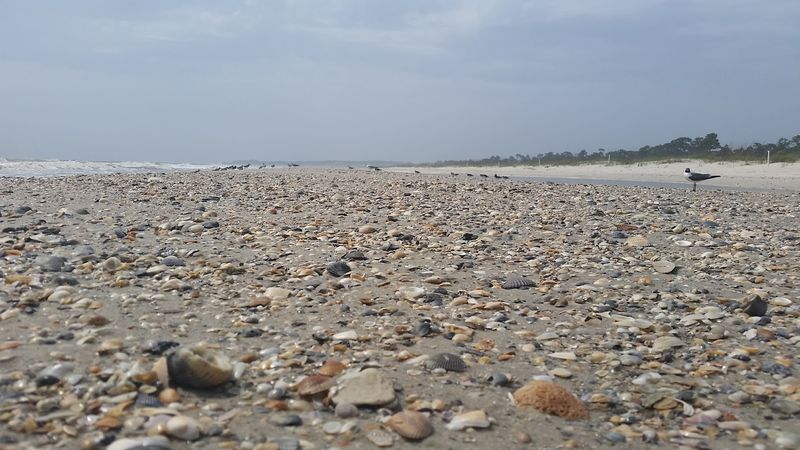
Shell lovers, listen up. With no heavy foot traffic, the shoreline here collects treasures that busier beaches lose by mid-morning. Two different reviewers mentioned gathering many varieties.
Walk slowly along the wrack line, where the tide leaves its newest finds. You might spot scallops, whelks, and tiny spiral shells in a single stretch. Kids tend to treat it like a treasure map.
A small bucket or mesh bag helps a lot. Keep in mind that this is a national wildlife refuge, so check the current rules on what you can take home. Empty shells are often fine in small amounts, but living creatures should always stay put.
If a shell has something inside moving around, set it back gently in the water. A good rule is to look closely, take photos, and keep only a few favorites. That way the beach stays rich for the next person.
The best time to search is after a good tide or a windy day, when fresh pieces wash in. Go early if the shuttle schedule allows, since cooler hours make the hunt more fun. Wear a hat, because there is little shade on the open sand.
4. Jungle-Like Trails and Wild Plants
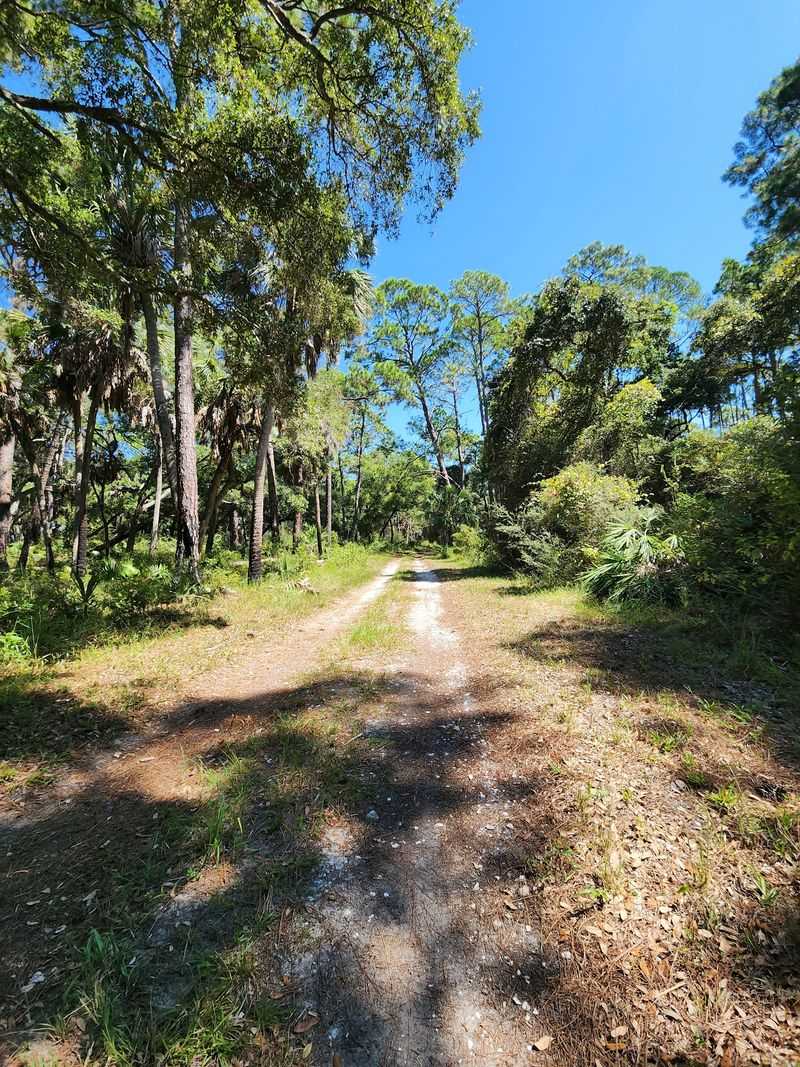
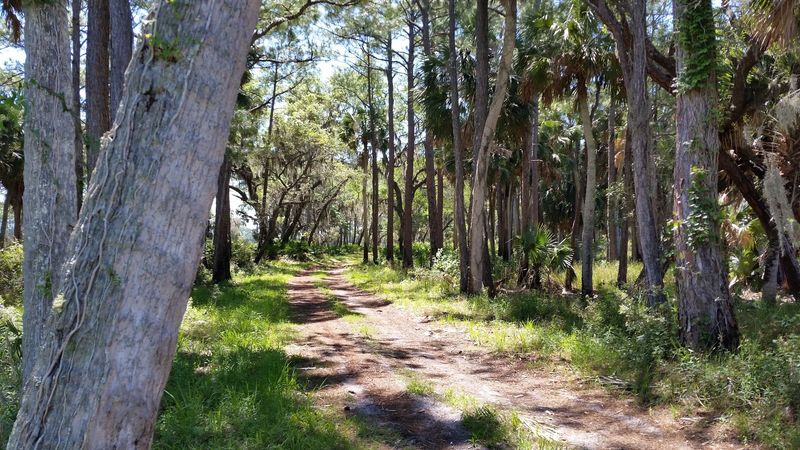
One visitor said the island feels like Jurassic Park meets Treasure Island, and honestly, that is not far off. The interior is thick with palms, pines, and flowering plants. Several reviewers called the flora stunning.
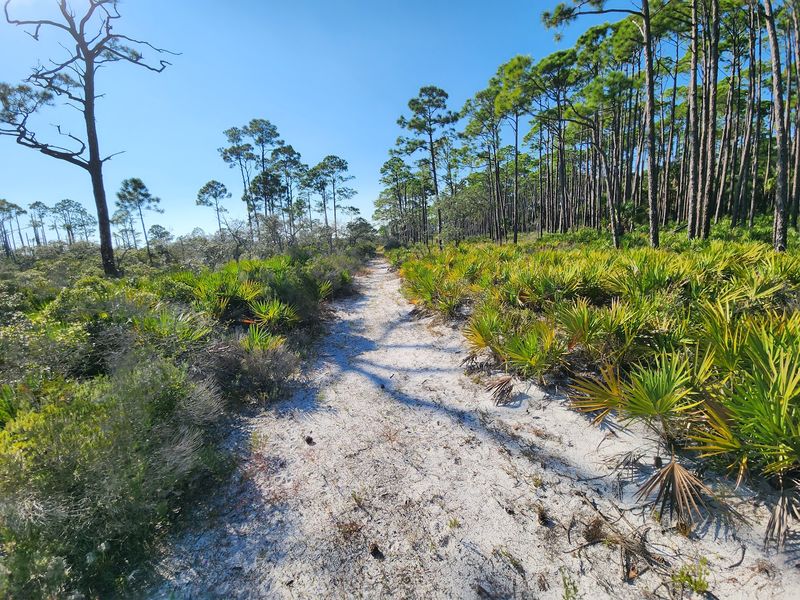
Paths run in long straight lines, often just worn tire tracks left by vehicles over the years. The ground is flat, so hills are not the challenge. Heat and humidity are, so pace yourself and rest in the shade.
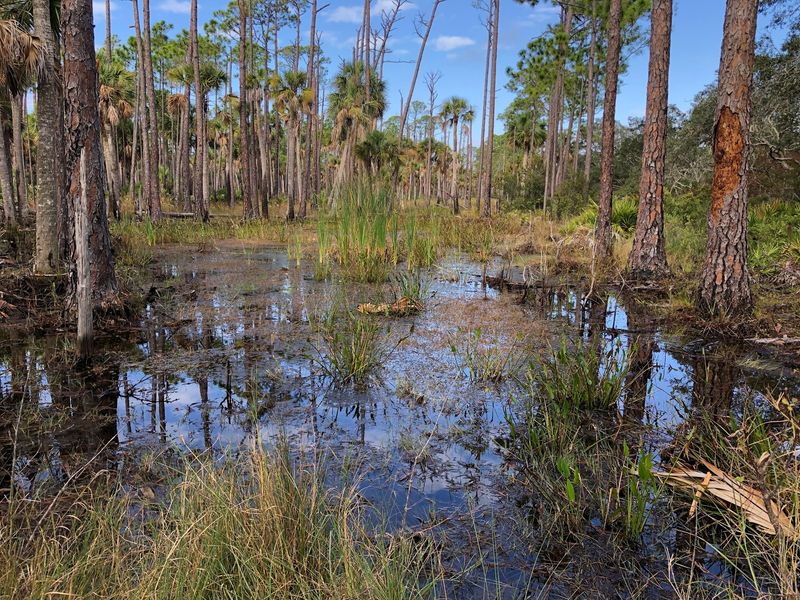
Walking is possible, but biking works well on the firmer tracks. A recent visitor noted that one muddy stretch near the Gulf side was submerged, and they had to push their bikes through. Expect to get a little messy after rain.
The western nature trail, which loops around the bird nesting area, can be narrow and full of sandburs. Stay on marked routes so you do not disturb nesting birds. Those rules protect the animals that live here year round.
Bring a map or download one before you go, since cell service can be spotty. Tell someone your plan, and keep track of your pickup time. The island is bigger than it looks from the boat.
5. Wildlife Spotting From Dolphins to Cottonmouths
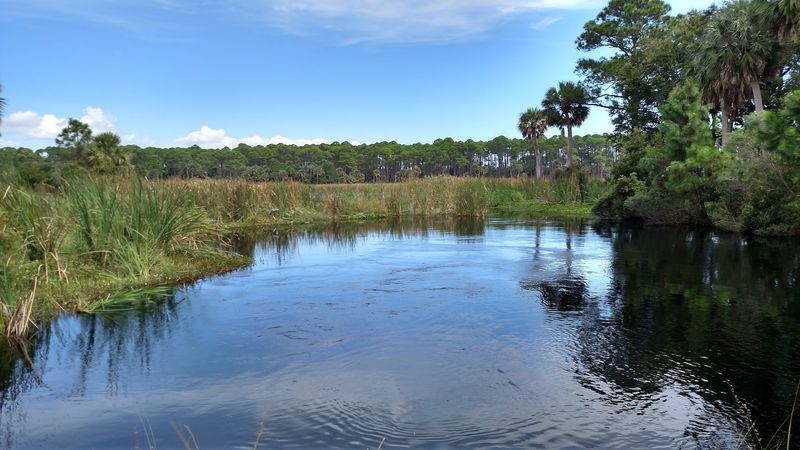
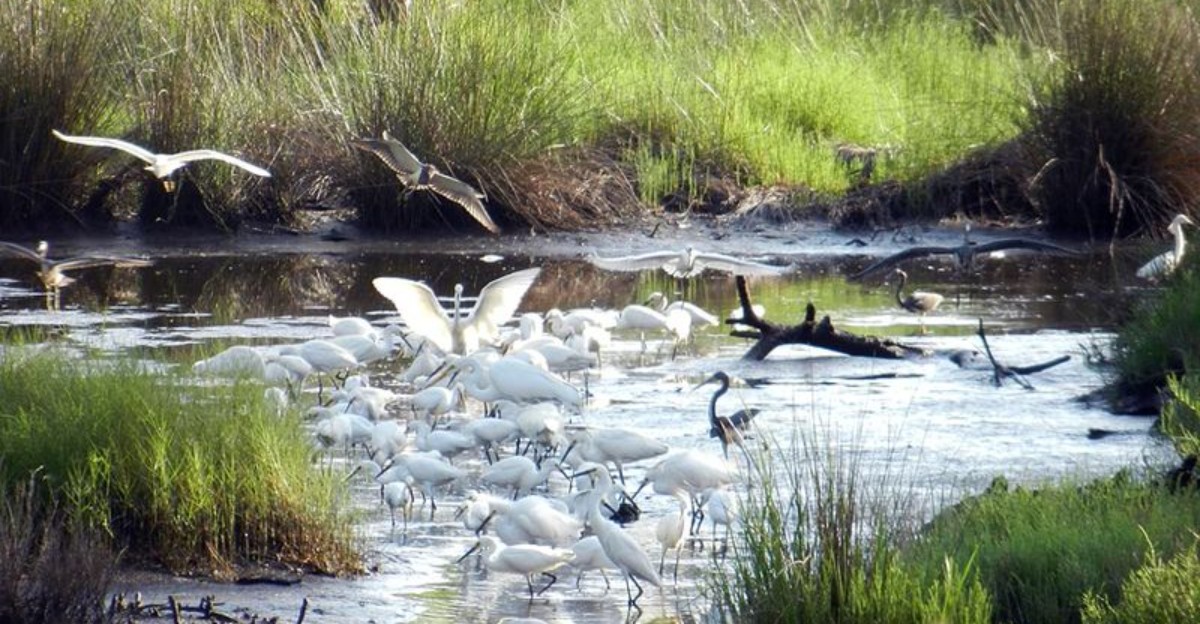
A pod of dolphins popped up in several spots during one reviewer’s trip, and that kind of moment sticks with you. Look out over the water while you walk the beach. Early morning gives the best odds.
On land, wildlife takes more patience. One reviewer put it simply: animals are all over, you just have to keep looking. Birds are the easiest to find, especially along the shoreline and open areas.
Snakes live here too. A visitor saw a cottonmouth during a November walk. Keep your eyes on the trail, never reach into brush, and give any snake lots of room.
Binoculars make a big difference. They let you watch from a distance without scaring anything off. A small notebook is handy for jotting down what you see.
Remember that this refuge exists to protect habitat, so wildlife comes first. Keep your voice low and stay away from nesting zones. The reward is a sense of seeing Florida the way it looked long ago, with animals acting like you are barely there.
6. Bug Spray Is Not Optional
Let’s be honest about the mosquitoes. Multiple reviewers warned they are swarming and very hungry. Biting flies show up too, especially when you stop moving.
Spray before you step off the boat, and bring the bottle along to reapply. Long sleeves and light pants help more than you might expect. A hat with a bug net can be a lifesaver in warm months.
One recent visitor said bug spray helped, but flies still followed them even while biking on the beach. The boat house offered a nice surprise. It had minimal bugs, which made it a smart place to wait for the ride back.
Timing matters as well. Cooler, drier months usually mean fewer pests, and a breezy day on the beach can keep them down. Calm, humid days in the woods are the worst.
Pack water, sunscreen, and snacks next to your repellent. The island is hot, humid, and flat, so staying comfortable keeps the trip fun. Treat bugs as part of the deal, and you will enjoy the wild scenery much more.
7. Biking and Guided Tours
Three hours on foot only scratches the surface. That is why many people bring bikes or sign up for a guided trip. A guide can show you things you would walk right past.
One visitor loved a guided tour and came away knowing the history of the island. Another praised Captain Joey from a shuttle company, who suggested good biking and walking routes. Local knowledge saves time and guesswork.
The straight tracks through the interior are usually good for bikes. Plan to go slowly, since sand and mud can show up without warning. Pack a repair kit and extra water.
Reviewers noted that the shuttle windows can be short, so a bike lets you cover more ground before pickup. A full day is ideal if your boat operator offers it. Ask about drop-off and pickup times when you book.
Check the refuge website or call 850-653-8808 for current details. Rules and schedules can change with the seasons. A quick call beats guessing at the dock.
8. Why This Place Matters
Reviewers keep using the same word: real. One called it a beautiful piece of the real Florida. Another wished there were more places like it.
St. Vincent is a national wildlife refuge, so the land is protected from development. That means birds, plants, and animals can live without bulldozers moving in. Fishing, hunting, and wildlife viewing are part of the refuge story, with rules to keep it balanced.
Visiting also helps the area. Boat operators, guides, and shops around Apalachicola earn income when travelers come for nature. One reviewer pointed out that conservation can support the local economy while teaching people about the environment.
You can do your part easily. Pack out your trash, stay on trails, and keep distance from wildlife. Sign the visitor log near the boat house and say hello to the next group.
The location is also easy to pair with a trip through Apalachicola and along County Road 30A, the road to the landing. Make a day of it, then relax in town afterward. You will remember the quiet long after you head home.