This Florida Museum Has Over 100 Rare Cars, and Some Are Almost Impossible to Find Anywhere Else
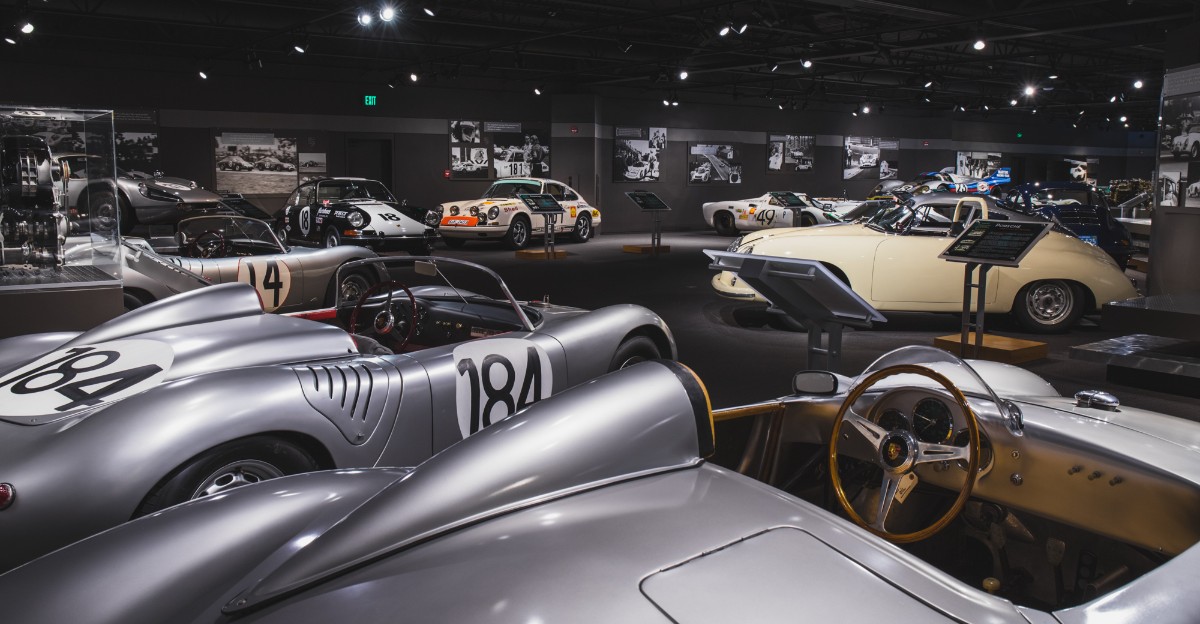
Almost every car in this collection still runs. That includes machines built more than a century ago, kept in working order instead of frozen behind velvet ropes.
The lineup stretches from the earliest days of the automobile to the 1990s. You’ll find early Indy and Grand Prix racers, Le Mans contenders, and a serious Porsche lineup. I like how there are no barriers, so you can lean in close and study every dashboard and rivet.
This place sits quietly in southwest Florida, and plenty of nearby residents have no idea it exists. I believe that’s part of the charm. It feels like a secret that car lovers whisper about.
So how does a building full of priceless race cars stay this low-key? And which car will stop you in your tracks first?
1. A Car Museum Where the Cars Still Have Work to Do
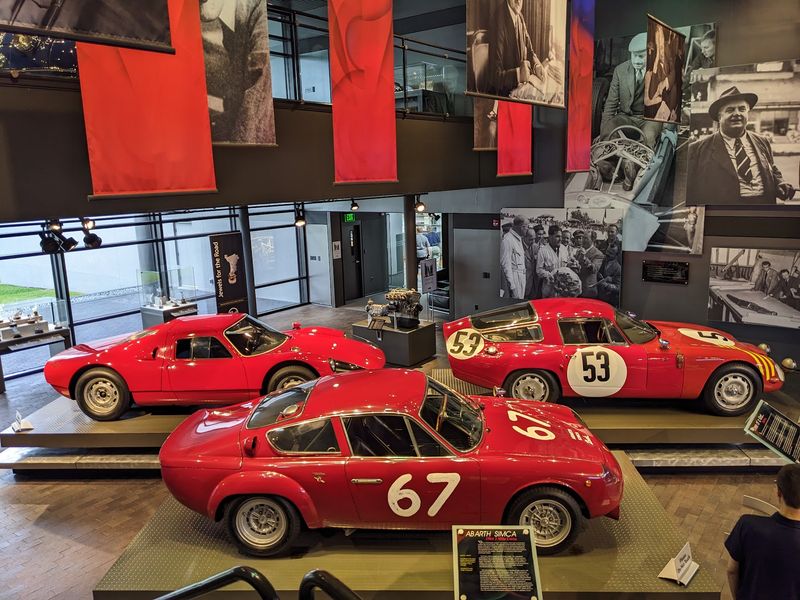
Most museums treat their cars like sleeping beauties. Revs Institute, Inc. in Naples takes a different approach and keeps its collection running.
The organization calls itself a research institution focused on automotive history. That means the cars are studied, preserved, and maintained as working machines. The collection holds over 100 significant vehicles, built from the late 1800s through the 1990s.
Why does running matter so much? A car that still starts tells its story in a way a frozen display never can. Engineers and historians can learn how the parts behaved, not just how they looked.
The vehicles were gathered by Miles Collier, a collector with deep family roots in Naples automotive history. His goal was to build a collection with real historical weight. Every car earned its spot for a reason.
You won’t find random flashy cars parked here for shock value. Each one connects to a bigger chapter, like the rise of racing or a breakthrough in design. It feels more like a library of motion than a showroom.
That focus gives the whole place a serious but welcoming mood. Think of it as a classroom where the textbooks happen to have engines. Pretty great homework, honestly.
2. Bring Your Neck Muscles, Because You Can Get Seriously Close
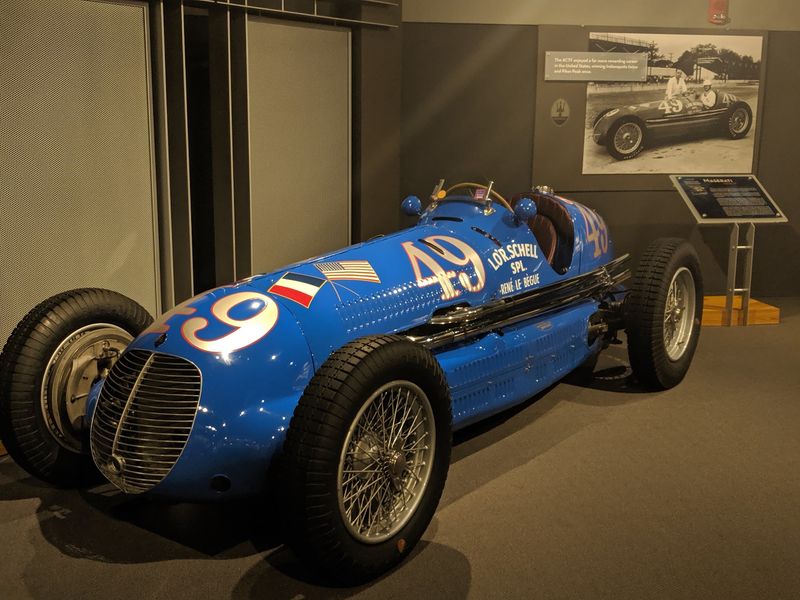
No velvet ropes. No glass walls. The cars at Revs sit right out in the open, close enough to study the stitching on a seat.
That barrier-free setup is one of the biggest reasons car fans love this place. You can peer into a cockpit and see exactly what a driver faced a hundred years ago. Gauges, levers, and thin little steering wheels suddenly feel very real.
Of course, close doesn’t mean touchy. Visitors are asked to keep their hands to themselves, which makes sense when these machines are irreplaceable. Pretend every fender is a sleeping cat.
The upside is huge, though. You can crouch down to look at suspension parts or check how a body panel curves around a wheel. Photographers get angles that most museums simply don’t allow.
Early race cars look especially wild up close. Some seem barely bigger than a go-kart, with almost nothing protecting the driver. You start to respect those racers on a whole new level.
A good tip is to slow down and pick a few favorites. Rushing past everything means missing the small details. The tiny bolts and worn leather often tell the best part of the story.
3. Porsche Fans, Clear Your Schedule Right Now
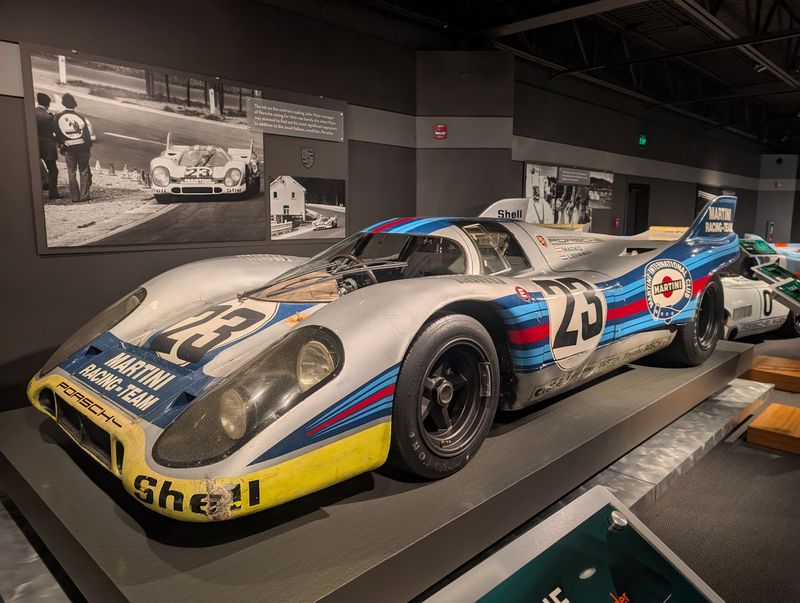
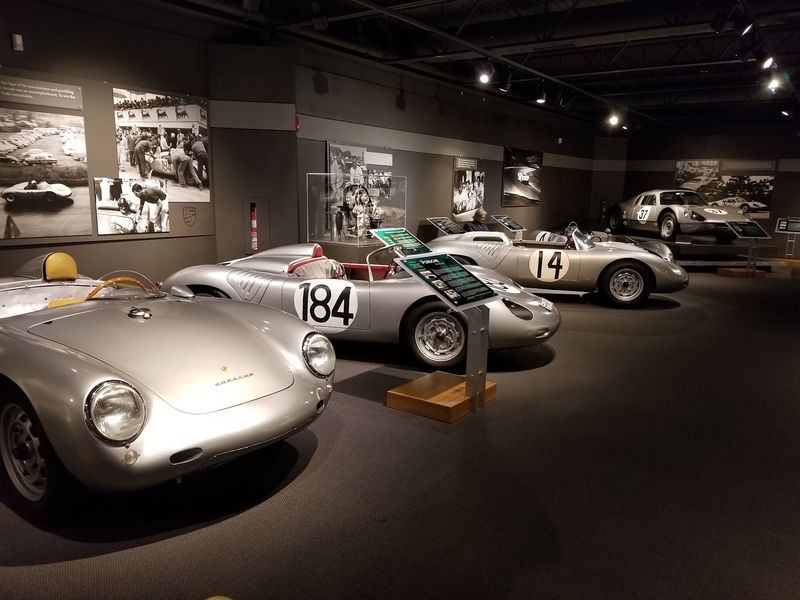
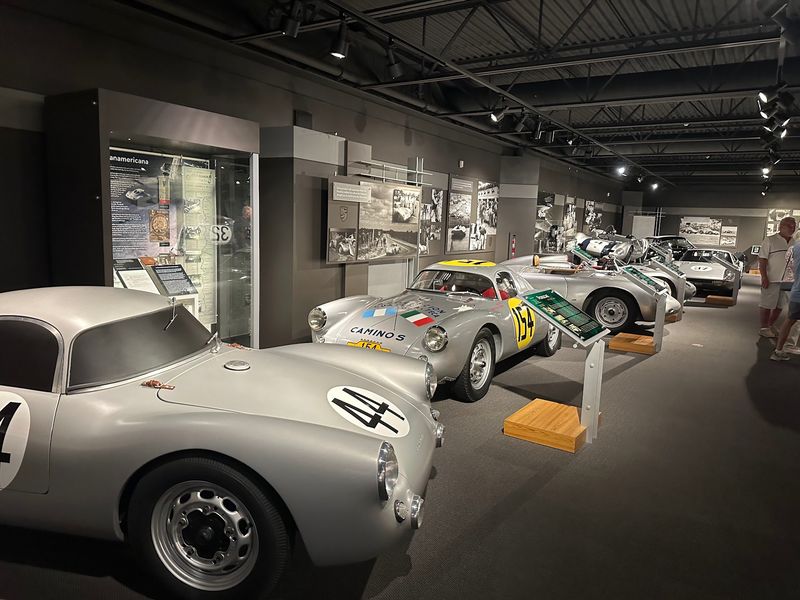
Few collections anywhere can match the Porsche lineup in this Florida museum. It’s one of the main reasons serious fans plan whole trips around a visit.
The collection traces how Porsche grew from small, clever sports cars into a racing powerhouse. You can follow that story from early models toward legendary endurance racers. Many of these cars competed in famous races like Le Mans.
Here’s a fun angle. Porsche built its reputation by making lightweight cars that could outsmart bigger, more powerful rivals. Seeing several generations together shows how that idea evolved over decades.
Even if you can’t tell a 356 from a 917, the shapes alone are worth the trip. Some look smooth and friendly. Others look like they were designed to slice through wind at frightening speed, because they were.
Volunteers at Revs Institute, Inc. often light up when Porsche questions come their way. Ask about a car’s racing history, and you might hear about drivers, wins, and close calls. Those stories turn metal into personality.
Go ahead and take a lot of photos here. Just maybe warn your friends before flooding their phones. Not everyone needs forty pictures of rear engines, but you might.
4. Early Racers That Make Modern Cars Look Pampered
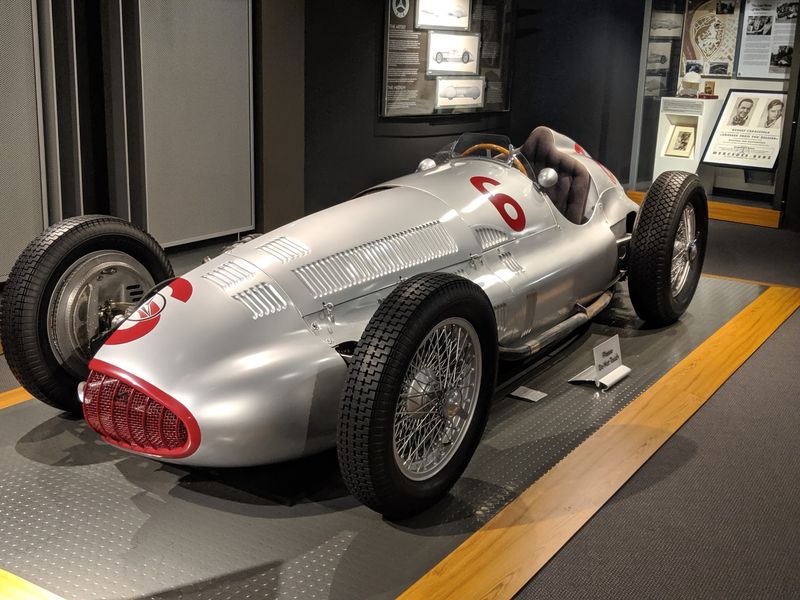
Picture yourself racing at high speed with no seatbelt, no roof, and a steering wheel thinner than a pizza. Early drivers did exactly that, and their cars are waiting for you here.
Revs has a strong group of early open-wheel racers. Some competed in the early Indy 500 and Grand Prix events. These cars show the very beginning of motorsport, when bravery mattered as much as horsepower.
Looking at them helps you understand how racing shaped everyday driving. Racing pushed engineers to improve brakes, tires, and safety. Many features in the family minivan trace back to lessons learned on dangerous tracks.
Kids especially tend to get excited about these machines. They look like something out of an old cartoon, yet they were cutting-edge in their day. It’s a fun way to show young car fans how far things have come.
The museum’s placards explain each car’s background in clear language. That makes it easy to follow along, even without racing knowledge. You’ll leave knowing more than you expected.
One small suggestion: compare an early racer with a later one nearby. The jump in design is dramatic. It’s like watching a bicycle grow into a rocket.
5. The Volunteers Know Things Your Mechanic Never Will
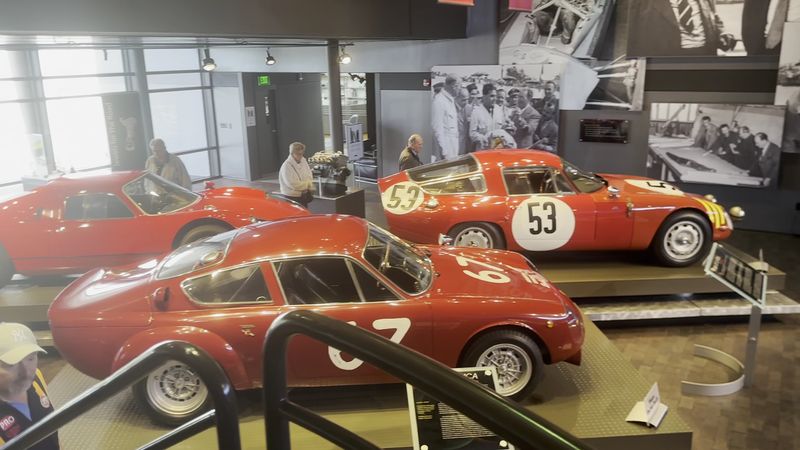
Ask one question, and you might get a ten-minute story you’ll repeat at dinner for weeks. The docents and volunteers at Revs Institute, Inc. are famous for exactly that.
They’re spread throughout the galleries and happy to share details about almost any car. Want to know who raced it, why it looked a certain way, or what made it special? Someone nearby probably knows.
This is where a visit goes from interesting to memorable. Placards give you the basics. People fill in the side stories, the odd facts, and the funny moments history books skip.
Guided docent tours are also available. They’re a smart choice for first-time visitors who want a clear path through the collection. You’ll catch highlights you might otherwise walk right past.
The best part is that you don’t need to be an expert to join the conversation. Simple questions work great. Something like asking which car is a guide’s personal favorite can open up a fantastic chat.
Shy visitors, take note. These folks clearly enjoy talking about cars, so you’re not bothering anyone. Consider it permission to be curious, which is the whole point of coming.
6. Three Floors of Horsepower Without a Single Traffic Jam
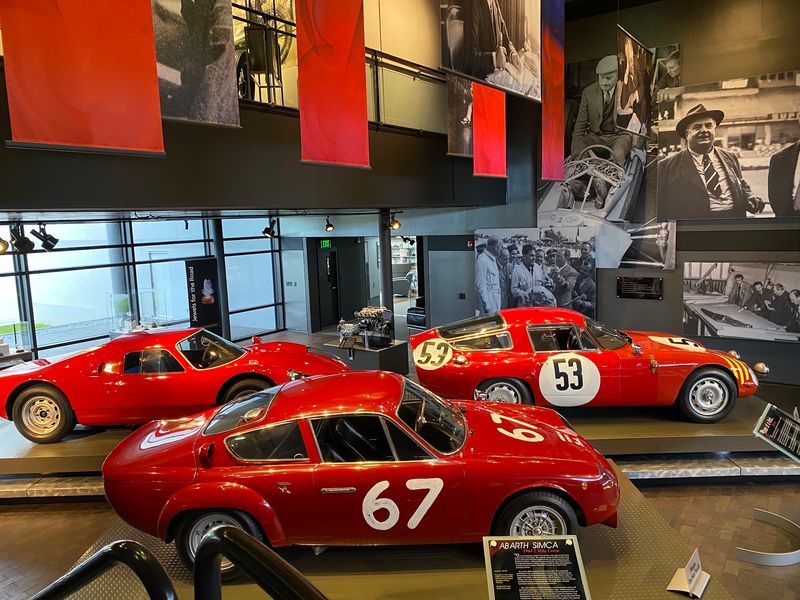
Plenty of museums cram everything into one big hall. Revs spreads its collection across three levels, giving each car room to breathe.
That layout makes the visit feel calm and organized. You can move at your own pace, read the displays, and still have space to step back for a full view. No elbow wars over the best angle.
Planning your time is the main trick. Many people find two hours goes by fast, and some easily spend longer. If you’re a big car fan, give yourself a generous window.
A smart plan is to scan each floor quickly first. Then circle back to the cars that grabbed your attention. That way you won’t run out of time before reaching the upper galleries.
The collection also changes and rotates, since cars come and go for events and research. Repeat visitors may spot something new each time. It’s a nice excuse to come back.
Comfortable shoes are a good idea too. You’ll be standing, crouching, and wandering more than you expect. Your feet will thank you, even if your camera roll begs for mercy by the end.
7. Your Ticket Needs to Be Booked Before You Show Up
Spontaneous road trips are fun, but this stop rewards planners. Revs uses timed tickets and limits how many people enter, so booking ahead online is the way to go.
Online tickets also cost less than buying at the door. That’s a nice bonus for a few minutes of planning. Popular days can sell out, especially during busy season and special events.
You’ll find the museum at 2500 Horseshoe Dr S, Naples, FL 34104. It sits in a business area rather than a flashy tourist strip. That quiet location helps explain why some locals never notice it.
Hours are limited, so check the schedule before you go. The museum typically opens on Tuesdays, Thursdays, and Saturdays from 10 am to 4 pm. Showing up on a Monday will only earn you a nice view of a closed door.
Arriving close to your ticket time keeps things smooth. You’ll have the full window to explore without rushing. Early slots can feel especially relaxed.
Think of the reservation as part of the fun. It builds a little anticipation. By the time you arrive, you’ll already be guessing which car steals the show.
8. Rare Doesn’t Begin to Describe Some of These Machines
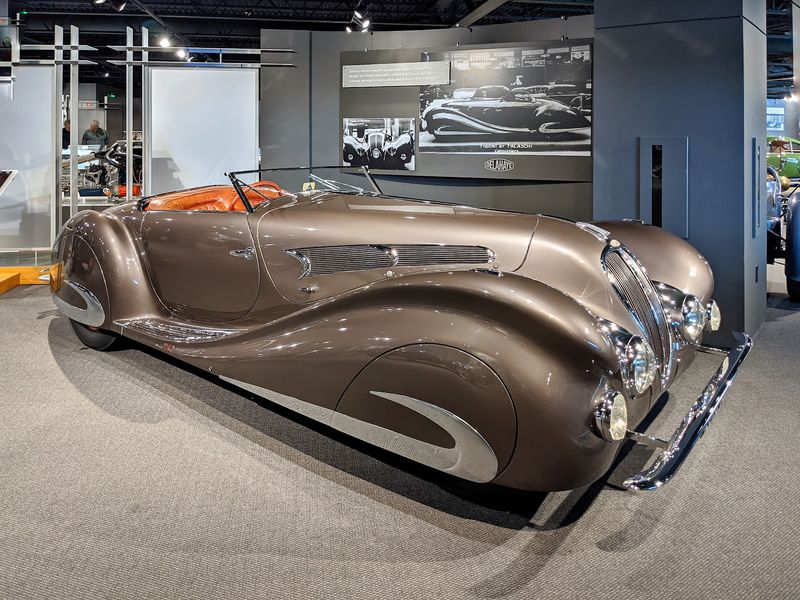
Spot a McLaren F1 in real life, and you’ve seen something many car lovers only know from posters. The Revs collection is the kind of place where that happens.
Many vehicles here are extremely rare, and some are one of a kind. These aren’t cars you’ll bump into at your local car show. Several have racing pedigrees that put them among the most important cars ever built.
The collection covers a wide timeline, from the dawn of the automobile to the 1990s. That range lets you see big shifts in technology side by side. Wooden wheels and carbon fiber share the same building.
It’s easy to focus only on the fastest cars. Try giving the older passenger models some attention too. They show how everyday people first experienced the freedom of driving.
Revs Institute, Inc. also shares its knowledge through a large archive and digital projects. The research side means each car’s history is carefully documented. You’re seeing well-understood artifacts, not mysterious trophies.
Bring a little patience and a lot of curiosity. Some of the most important cars look surprisingly simple. Their stories, though, carry the real horsepower.
9. A Rainy Florida Day Just Found Its Best Plan
Florida weather loves surprises. When a sudden storm or gray afternoon wrecks beach plans, an indoor museum full of legendary cars looks pretty brilliant.
Revs works well for mixed groups, too. Hardcore gearheads will find endless details to study. Less car-crazy companions often end up enjoying the stories, design, and history more than they expected.
Families can turn the visit into a game. Kids might hunt for the oldest car, the tiniest racer, or the wildest paint job. It keeps young minds busy and makes the galleries feel like a treasure hunt.
The museum is also a strong pick for grandparents and older visitors who remember certain eras of cars. Those memories can spark great conversations. Suddenly everyone’s sharing stories about first cars and old road trips.
Because tickets are timed, you can easily build the visit into a bigger Naples day. Pair it with lunch nearby or a sunset stroll afterward. That makes for an easy, well-rounded outing.
Leave with one favorite car in mind. Then look it up later and keep the fun going. Fair warning: you might start browsing classic car listings, and that’s a slippery road.