This Florida Museum Has the Cars You’ve Seen on Screens, Highways, and Childhood Road Trips
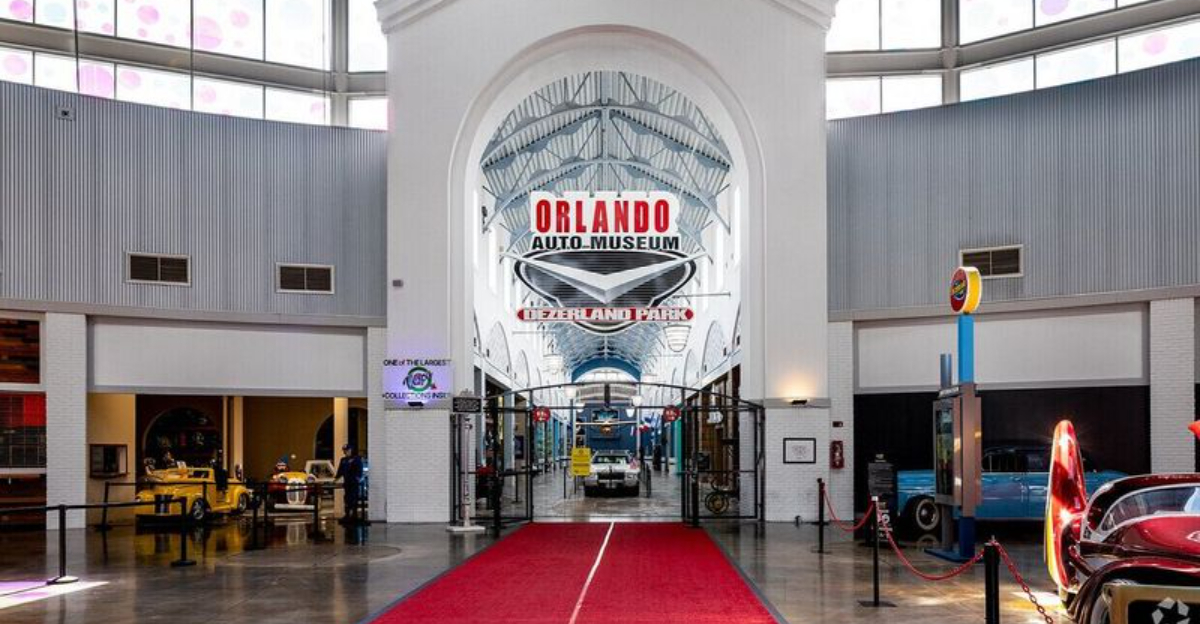
Tucked inside a former shopping mall on International Drive, The Orlando Auto Museum houses over 2,000 vehicles that span decades of automotive history and Hollywood magic. From the Mystery Machine to military Jeeps, classic muscle cars to James Bond’s sleek rides, this massive collection brings together the cars that shaped American culture and dominated the silver screen. Whether you grew up watching Christine terrorize the streets or rode in a wood-paneled station wagon on family vacations, you’ll find pieces of automotive nostalgia around every corner.
1. Hollywood’s Greatest Hits Roll Into One Place
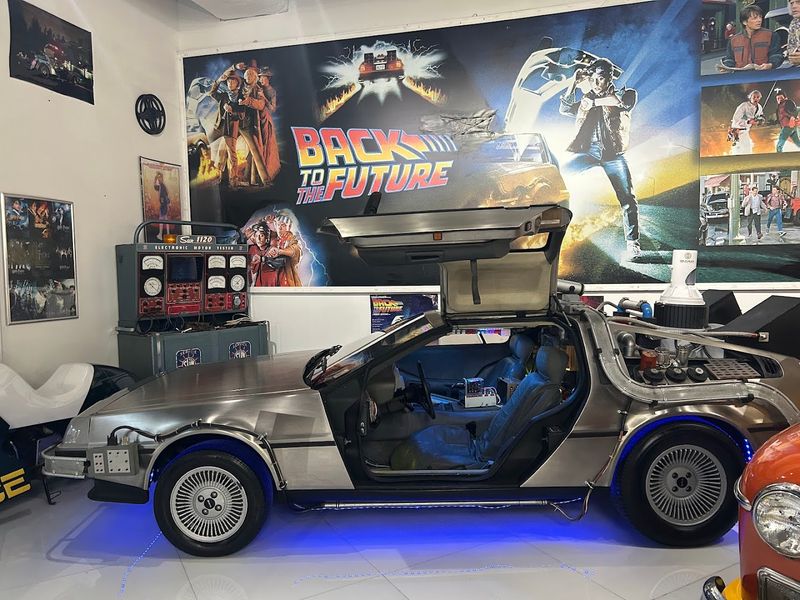
Walking through the movie car section feels like stepping onto a film set where every vehicle tells a story. The actual Ghostbusters ambulance sits ready for paranormal emergencies, complete with all the equipment that made it famous. Next to it, the DeLorean from Back to the Future gleams under museum lights, its gull-wing doors frozen in time.
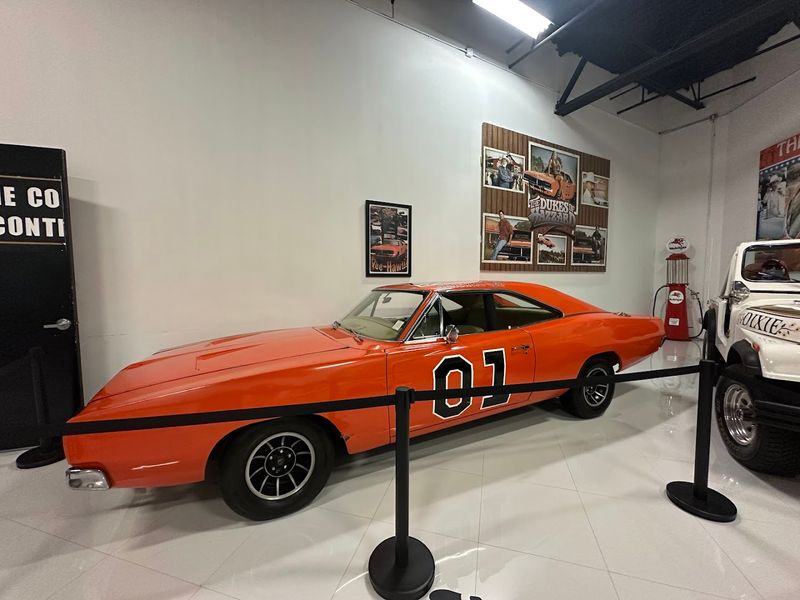
Christine, the killer Plymouth Fury from Stephen King’s nightmare, stares down visitors who dare get too close. The A-Team van, a genuine General Lee that survived filming, and Mad Max’s V8 Interceptor create a lineup that spans action, horror, and adventure genres. Each vehicle represents a cultural moment when cars became characters themselves.
The VIP tour lets you actually sit inside select vehicles, including the Mystery Machine and James Bond’s Rolls Royce from Goldfinger. That hands-on access transforms passive viewing into an interactive journey through cinema history. Photography opportunities abound, and touching these legendary machines creates memories that last far longer than any theme park ride.
2. James Bond’s Garage Deserves Its Own Exhibit
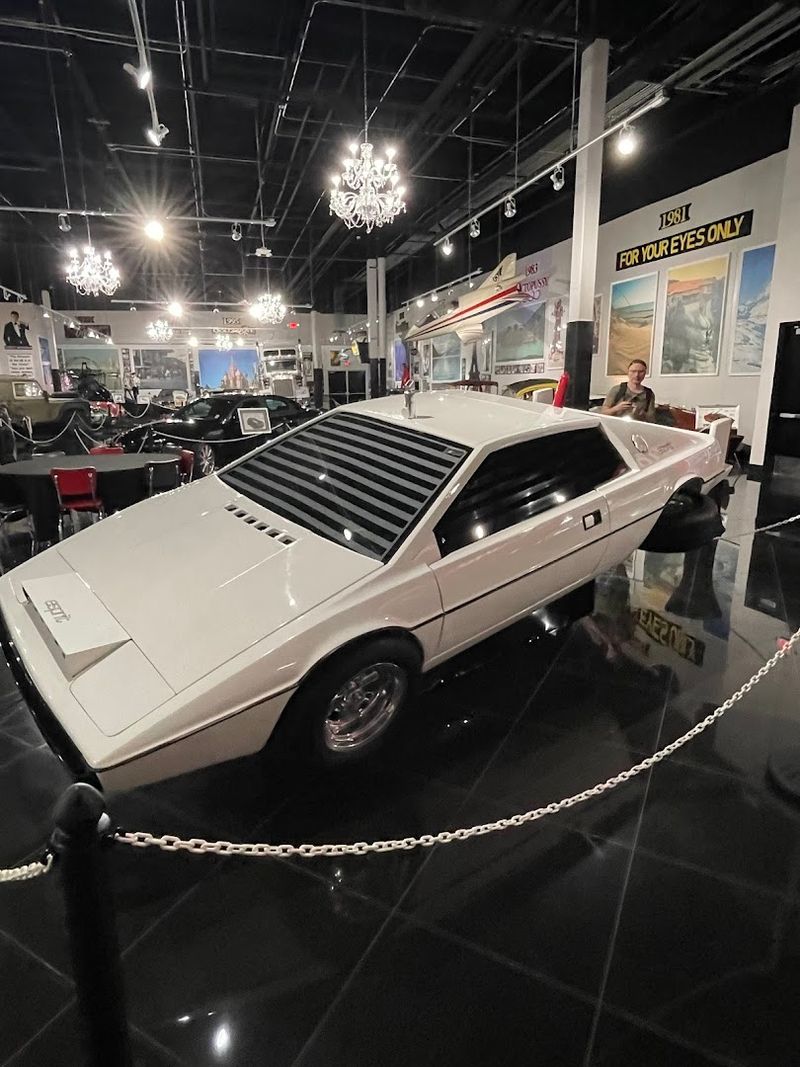
A dedicated 007 gallery showcases the evolution of Bond’s automotive taste across decades of espionage. Aston Martins share space with submarines disguised as cars, amphibious vehicles, and gadget-laden machines that Q would approve of. Video screens play iconic chase scenes, syncing perfectly with the cars that made those moments unforgettable.
The collection goes beyond just automobiles. Motorcycles, helicopters, and other vehicles from Bond films fill the space, creating a comprehensive look at how transportation shaped the franchise. Memorabilia lines the walls, including props and promotional materials that hardcore fans will recognize immediately.
What sets this section apart is the attention to detail in presentation. Each vehicle comes with context about which film featured it and what role it played in Bond’s missions. The lighting and arrangement create an atmosphere that feels both museum-quality and cinematic.
Even casual moviegoers will appreciate seeing these machines up close, understanding finally how filmmakers created those death-defying stunts.
3. American Muscle Flexes Across Multiple Decades
Chrome bumpers and hood scoops dominate the American muscle car section, where horsepower reigned supreme and bigger always meant better. Corvettes from different generations show how Chevrolet’s sports car evolved while maintaining its aggressive spirit. Mustangs, Camaros, and Challengers represent the golden age when Detroit competed for drag strip dominance.
The collection doesn’t just focus on the usual suspects. Lesser-known muscle machines like AMC Javelins and Oldsmobile 442s get equal billing, reminding visitors that muscle car culture extended beyond Ford and Chevy showrooms. Each vehicle represents engineering choices that prioritized acceleration over everything else, creating the soundtrack of American automotive rebellion.
For anyone who grew up in the 1960s and 1970s, this section triggers powerful nostalgia. These were the cars that lined high school parking lots, appeared in countless drag races, and became symbols of freedom and youth culture. The museum preserves them not as static relics but as reminders of when automotive design embraced excess and performance without apology.
4. European Elegance Meets Engineering Excellence
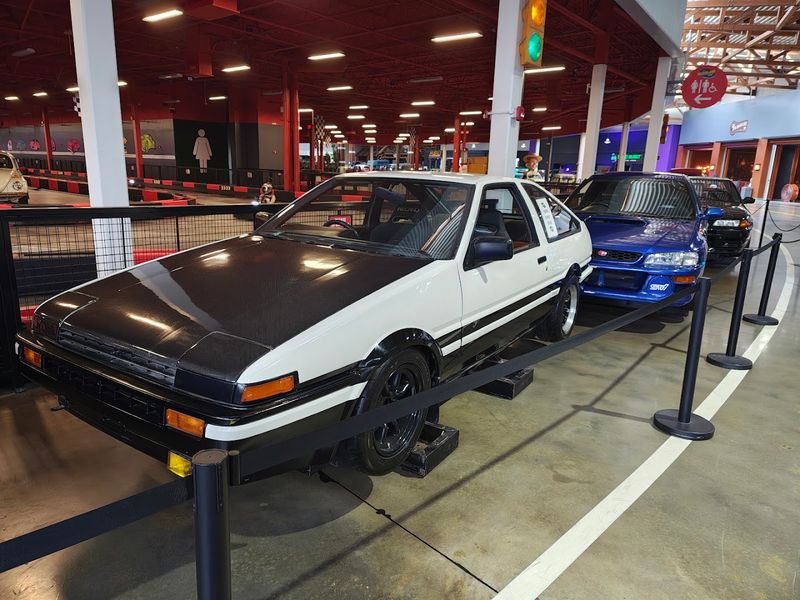
The European galleries showcase automotive philosophy that prioritized precision engineering over raw power. Multiple Volkswagen Beetles demonstrate how one design conquered global markets through simplicity and reliability. These aren’t just cars but cultural ambassadors that changed how the world viewed German engineering after World War II.
Porsches and other sports cars represent European performance philosophy, where handling and balance mattered more than straight-line speed. The collection includes both everyday vehicles that Europeans drove to work and weekend toys reserved for mountain roads. This mix shows the full spectrum of continental automotive thinking.
Thunderbirds fill surprisingly large sections, reflecting the owner’s personal preferences that shape the entire collection. While some visitors note the seemingly random selection favoring certain models, this quirky curation actually makes the museum more interesting. You’re not viewing a committee-approved collection but one person’s passion made public, complete with all the obsessions and favorites that come with genuine enthusiasm.
5. Military Vehicles That Served and Protected
Olive drab paint and utilitarian design define the military vehicle section, where function always trumped form. Original Army Jeeps that served in World War II and Korea sit alongside transport trucks and command vehicles that kept troops mobile. These machines represent American manufacturing at its most purposeful, built to withstand combat conditions and impossible terrain.
The collection includes motorcycles that dispatch riders used for communication before radios became standard. Amphibious vehicles and specialty transports show how military needs drove innovation in automotive engineering. Each vehicle tells stories of service members who depended on mechanical reliability when lives hung in the balance.
What makes this section particularly moving is recognizing how many of these designs influenced civilian vehicles. The original Jeep became the template for SUVs that now dominate American roads. Military surplus vehicles appeared in countless family farms and construction sites after the wars ended.
This exhibit connects military history to everyday automotive evolution in ways most people never consider.
6. Oddities and Rarities Fill Unexpected Corners
Small, strange, and wonderfully weird vehicles populate sections that celebrate automotive experimentation. Microcars from post-war Europe, when fuel rationing made tiny engines practical, sit next to three-wheelers that blur the line between motorcycle and automobile. These aren’t the cars that won races or appeared in movies but the ones that solved specific problems for specific people.
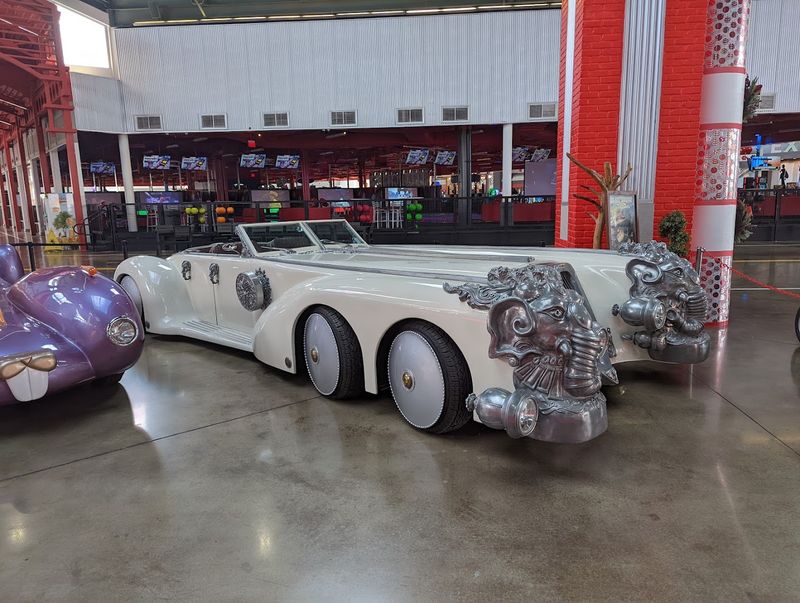
Art Deco designs showcase periods when automotive styling borrowed from architecture and industrial design movements. Streamlined bodies and chrome details reflect optimism about technology’s future, captured in metal and glass. Some vehicles look more like sculptures than transportation, proving that cars can be rolling artwork.
The Tucker replica used in the 1988 film represents both Hollywood history and automotive what-ifs. Tucker’s ambitious designs never reached mass production, but this fiberglass recreation preserves the vision of what American cars might have become. Finding these oddities requires exploration, as they’re scattered throughout the museum rather than grouped together, rewarding curious visitors who wander beyond the obvious attractions.
7. Organization by Era and Origin Makes Navigation Easy
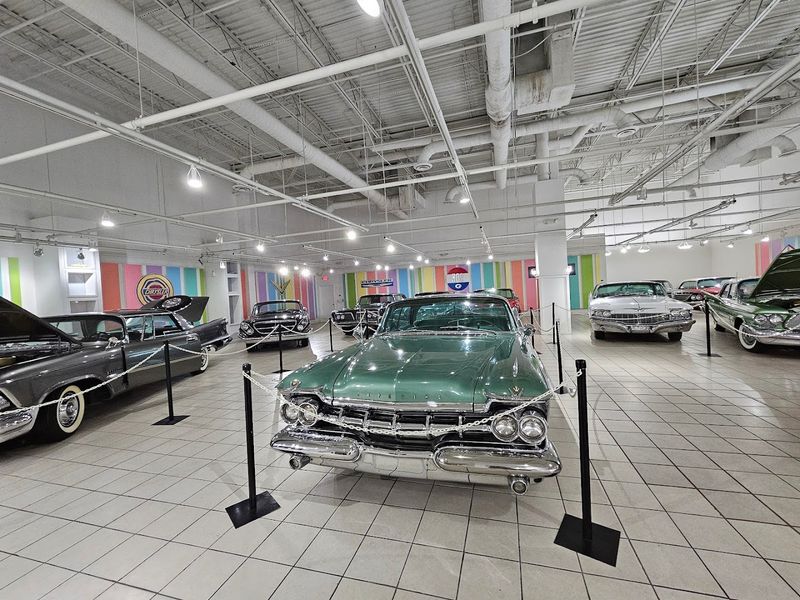
Unlike museums that arrange vehicles by type or manufacturer alone, The Orlando Auto Museum groups cars by both time period and geographic origin. This dual organization helps visitors understand how American, European, and Asian automotive industries evolved differently while responding to similar challenges. Walking through decades of design shows technological progress and changing cultural priorities.
The chronological arrangement creates natural storytelling, where you can literally see how World War II influenced post-war design or how the oil crisis reshaped American thinking about fuel efficiency. Regional groupings highlight national characteristics, from German precision to American excess to Japanese efficiency. This thoughtful curation elevates the museum beyond simple car storage into educational experience.
Clear pathways guide visitors through the collection without feeling forced or restrictive. The former mall space provides enough room that crowds never feel overwhelming, even during busy periods. Multiple hours of exploration become necessary to appreciate everything, and the layout prevents backtracking or confusion about what you’ve already seen versus what’s still ahead.
8. Beyond Cars: Bikes, Planes, and Complete Family Entertainment
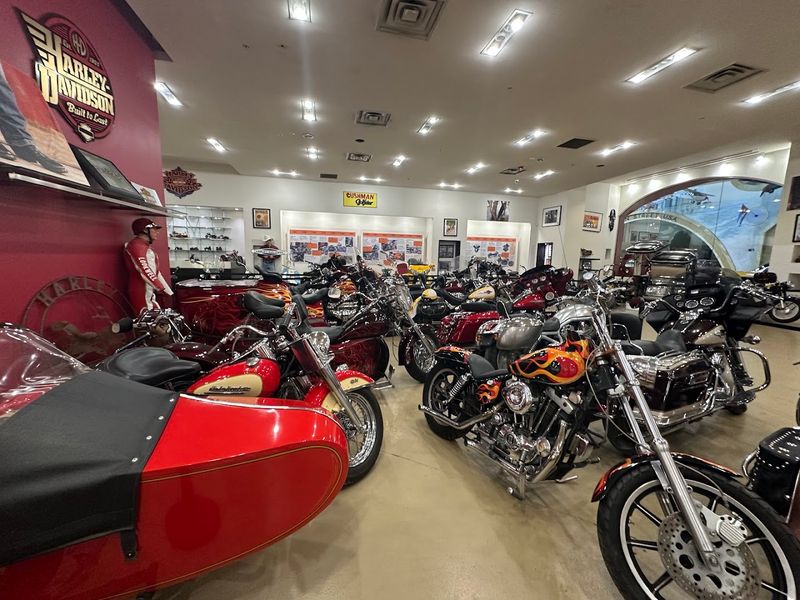
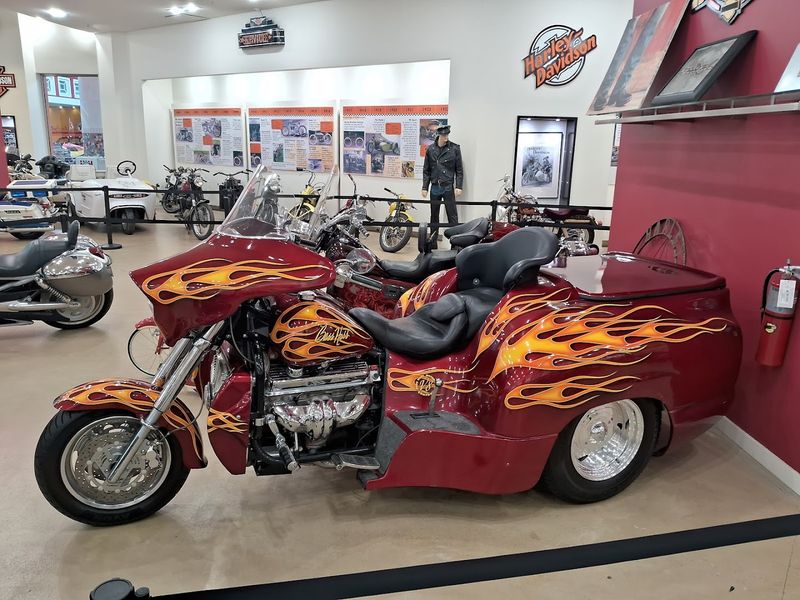
Motorcycles ranging from classic Harleys to racing bikes expand the collection beyond four wheels. These two-wheeled machines represent their own evolution of speed and style, appealing to riders who preferred wind in their faces over air conditioning. The bike collection alone could justify a separate visit, with enough variety to satisfy both cruiser fans and sport bike enthusiasts.
Helicopters and small aircraft hang from ceilings or occupy floor space, adding vertical dimension to the museum experience. These unexpected additions show the owner’s broader interest in all forms of mechanical transportation. Seeing a helicopter next to a car from the same era highlights how different engineers solved similar problems of moving people efficiently.
The museum occupies part of Dezerland Park, which includes bowling, restaurants, and go-karts for kids. This makes it perfect for families where not everyone shares equal enthusiasm for vintage vehicles. Adults can spend hours examining automotive details while knowing kids have other entertainment options nearby.
The complex transforms a simple museum visit into an all-day destination that justifies the International Drive location.