This Florida State Park’s Scenic Boardwalk Leads Straight Into A Towering Cypress Forest
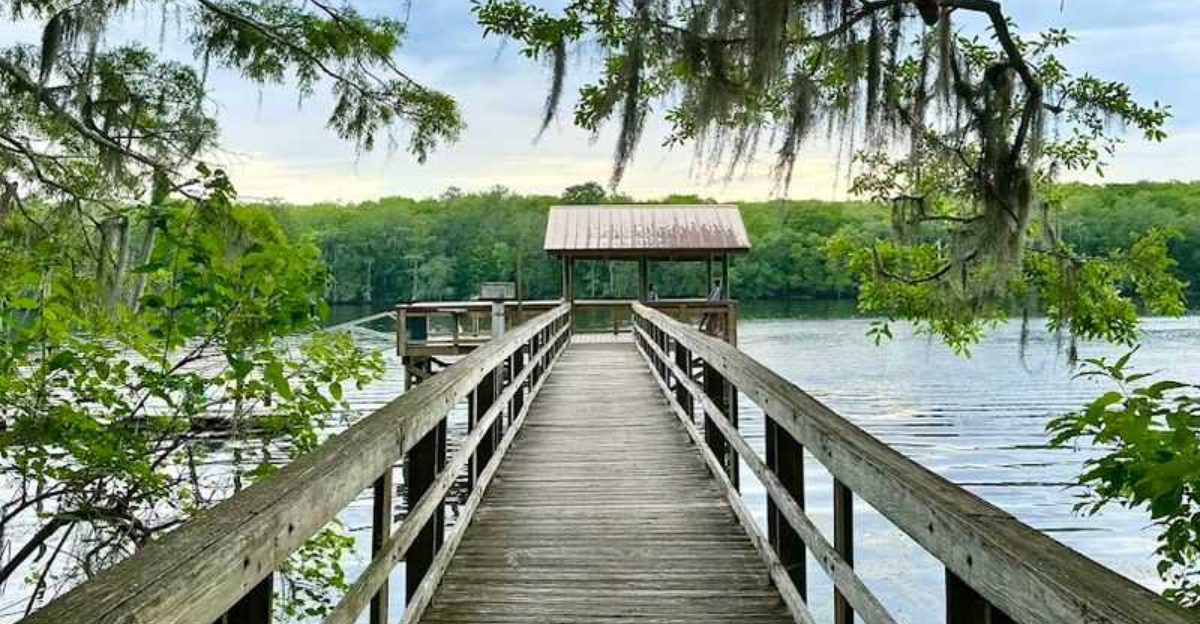
Hidden in the heart of North Central Florida, Manatee Springs State Park offers one of the most magical boardwalk experiences you’ll find anywhere in the Sunshine State. The park’s elevated wooden pathway stretches through a stunning cypress forest before delivering you to the crystal-clear waters of a first-magnitude spring.
Whether you’re chasing wildlife encounters, craving a refreshing swim in 72-degree water, or simply looking to escape into nature for a day, this 2,075-acre gem near Chiefland delivers experiences that’ll stick with you long after you leave.
The Legendary Boardwalk Through Ancient Cypress
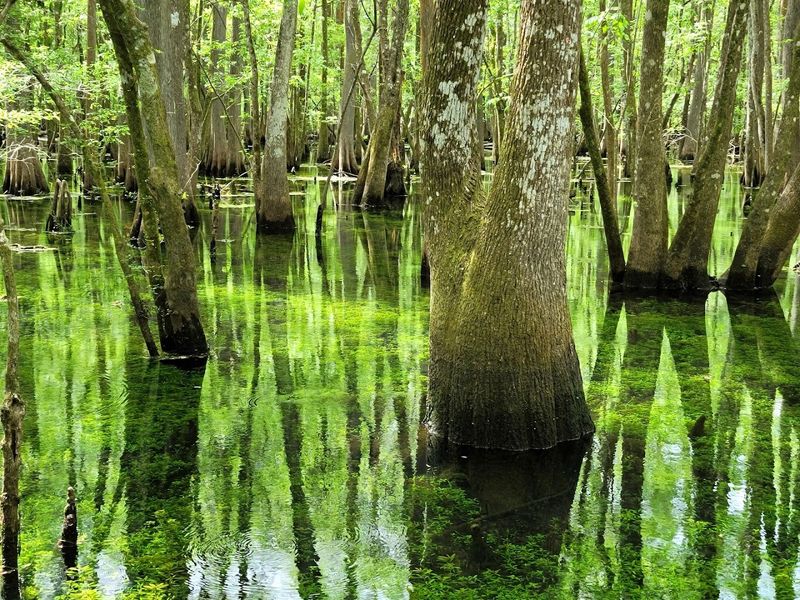
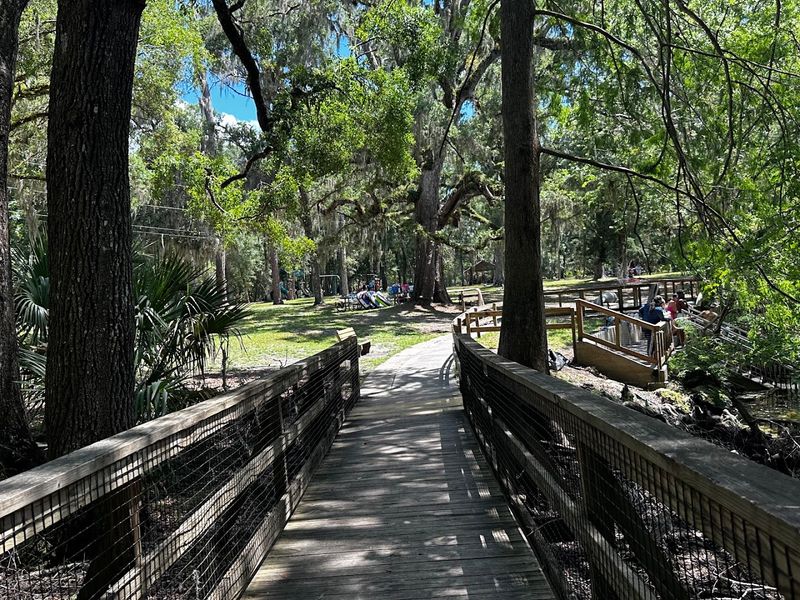
Stretching nearly 900 feet from the spring area to the Suwannee River, this architectural marvel isn’t just a walkway—it’s your front-row seat to one of Florida’s most pristine wetland ecosystems. The boardwalk rises above the swampy forest floor, putting you at eye level with massive cypress trunks that have been standing for decades, their knees poking up through the dark water below.
Every step reveals something different. Spanish moss drapes from branches like nature’s curtains, and the light changes constantly as it filters through the dense canopy overhead.
Morning visits offer the best lighting for photos, with golden rays creating dramatic shadows across the weathered wood planks.
Bird watchers absolutely lose their minds here. Great blue herons stalk the shallows, barred owls call from hidden perches, and woodpeckers hammer away at dead snags.
If you walk quietly, you might spot a river otter slipping through the water or a softshell turtle sunning on a log.
The boardwalk features several observation platforms where you can pause and really take in the scenery. These wider sections are perfect for letting faster walkers pass or setting up a tripod for wildlife photography.
Benches appear at strategic spots, inviting you to sit and simply listen to the forest breathe.
What makes this boardwalk special is how well-maintained it stays despite constant exposure to moisture and heavy foot traffic. The state park staff keeps it in excellent condition, with sturdy railings and smooth walking surfaces that make it accessible for visitors of varying mobility levels.
As you approach the Suwannee River end, the forest opens up and the character shifts from dense swamp to open river views. The transition is gradual but stunning, giving you a complete tour of the park’s diverse habitats in a single walk.
Sunset strolls here are particularly memorable, with the western sky painting the river in shades of orange and pink.
Crystal-Clear Spring Swimming That’ll Take Your Breath Away
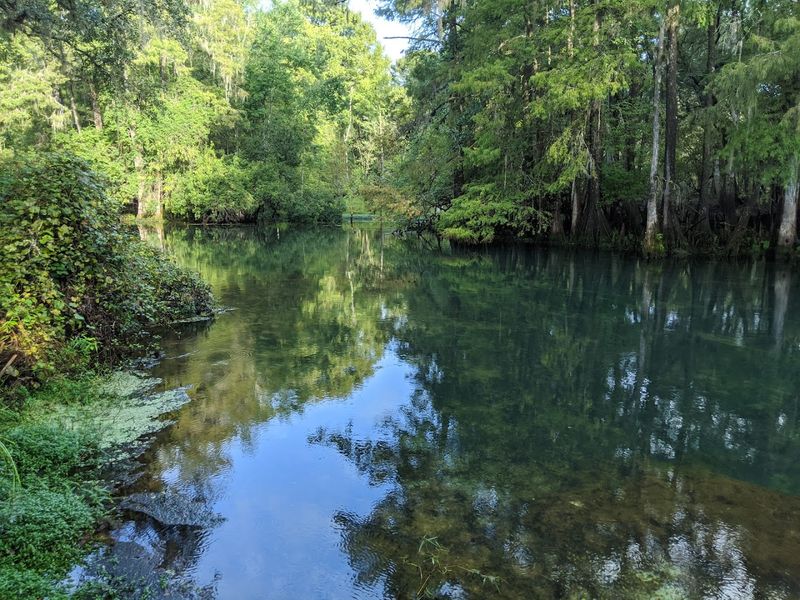
Fed by a first-magnitude spring pumping out 100 million gallons of water daily, the main swimming area at Manatee Springs maintains a constant 72 degrees year-round. That might sound warm until you first step in—the initial shock makes you gasp, but your body adjusts within minutes, and suddenly that cool water feels absolutely perfect, especially during Florida’s brutal summer months.
The spring basin itself is impressively large, with multiple entry points featuring stairs and platforms that make getting in and out easy. Shallow areas along the edges let kids wade and play while stronger swimmers can venture toward the deeper sections where the spring boil creates fascinating upwelling patterns in the sand below.
Visibility here is ridiculous—on calm days, you can see straight to the bottom even where it drops to 30 feet deep. Snorkelers glide above limestone ledges covered in algae, watching fish dart between rocks and occasionally spotting a turtle cruising past.
Scuba divers love this place too, descending into the cave system that feeds the spring (though cave diving requires special certification).
The park provides three separate stairway entries into the swimming area, spreading out the crowds and giving you options based on where you want to position yourself. Floating on your back and staring up at the canopy of trees surrounding the spring creates an almost meditative experience—just you, the cool water, and the sounds of nature all around.
A small beach area with sandy spots lets non-swimmers hang out comfortably while keeping an eye on their group. Picnic tables sit under shady trees nearby, perfect for lunch breaks between swims.
The concession stand sells floats, goggles, and snorkel gear if you forgot yours at home.
During winter months, manatees sometimes make their way up from the Suwannee River into the spring’s warmer waters. When they’re present, certain areas get roped off to protect them, but you can still observe these gentle giants from designated viewing spots.
Swimming alongside Florida wildlife in such clear water creates memories that last forever.
Manatee Encounters Worth Waking Up Early For
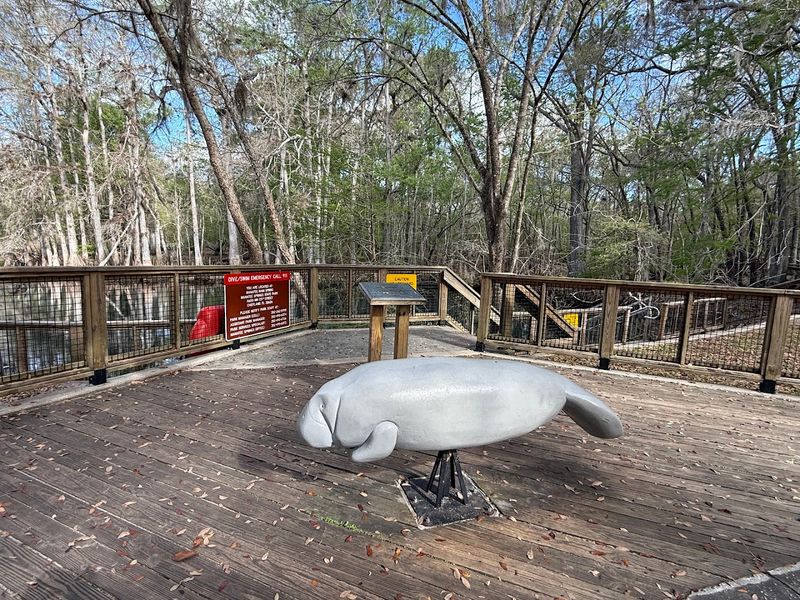
Between November and March, West Indian manatees migrate from the Gulf of Mexico up the Suwannee River and into Manatee Springs seeking the constant 72-degree warmth. These massive marine mammals—some weighing over 1,000 pounds—gather in the spring run where it meets the river, creating one of Florida’s most reliable manatee viewing opportunities outside of commercial attractions.
Timing matters tremendously. Arrive right after the park opens at 8 AM, especially on cold mornings when air temperatures dip into the 40s or 50s.
That’s when manatees congregate most heavily in the spring’s warm outflow. By midday, as temperatures rise, many drift back toward the river to feed on vegetation.
The boardwalk provides excellent elevated viewing angles, letting you spot manatees without disturbing them. Their gray backs break the surface as they come up to breathe every few minutes, and in the clear water, you can watch them moving slowly along the bottom, grazing and resting.
Mothers with calves are particularly common, offering touching scenes of parental care.
Park rangers and volunteers often station themselves along the boardwalk during peak season, answering questions and helping visitors identify individual manatees by their scar patterns. These gentle experts share fascinating details about manatee behavior, migration patterns, and conservation efforts that have helped populations recover from near-extinction.
If you rent a kayak or bring your own, you can paddle out to the confluence of the spring run and Suwannee River for even closer encounters. State regulations require you to practice passive observation—no chasing, touching, or separating mothers from calves.
Just float quietly and let them approach if they’re curious. Some manatees are incredibly social and will swim right up to kayaks.
Photography enthusiasts should bring a camera with good zoom capabilities. The combination of clear water and close proximity creates opportunities for stunning shots, especially during golden hour when warm light illuminates the spring.
Even smartphone cameras capture impressive images here thanks to the exceptional water clarity and cooperative subjects.
Kayaking Adventures From Spring to Suwannee River
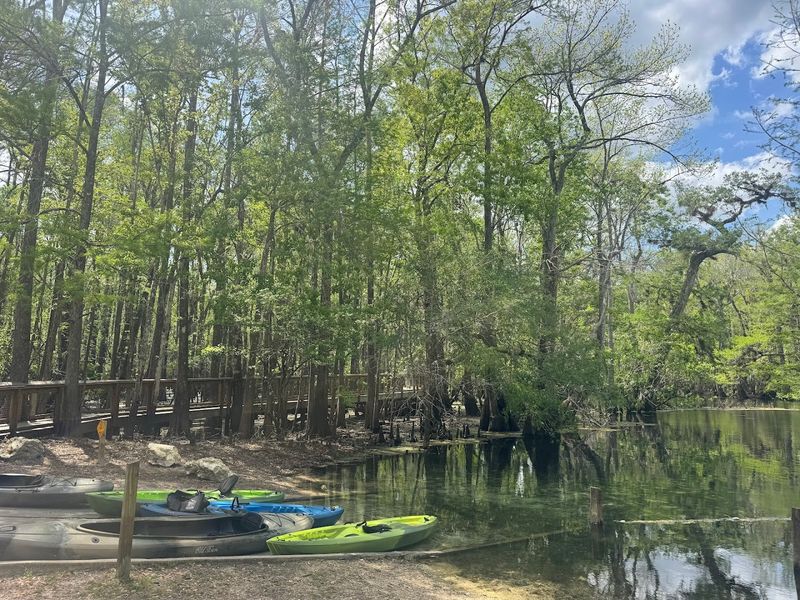
Launching a kayak at Manatee Springs opens up miles of paddling possibilities, from the gentle spring run to the historic Suwannee River itself. The park maintains a dedicated kayak launch area separate from the swimming zone, with convenient parking spots nearby for loading and unloading your own boat.
Don’t have a kayak? The concession stand rents them by the hour, and staff will even help you get them into the water.
The spring run itself offers about 800 feet of paddling before it widens into the Suwannee. This short stretch moves slowly, giving you time to peer down into the incredibly clear water and watch fish swimming below your hull.
Turtles sun themselves on logs, and wading birds stalk the shallow edges hunting for prey.
Once you reach the Suwannee, you can turn upstream or downstream—both directions reward exploration. Heading upstream toward the town of Fanning Springs (about 6 miles) takes you past undeveloped shoreline thick with vegetation and occasional sandbars perfect for beach breaks.
Downstream leads toward the Gulf of Mexico, though most paddlers turn around well before reaching saltwater.
Water levels fluctuate seasonally, affecting current strength and navigability. During high water periods in winter and spring, the current runs stronger, making upstream paddling more challenging but downstream trips faster.
Summer and fall typically bring lower, slower water that’s easier for beginners to handle.
Wildlife sightings are practically guaranteed. Alligators bask on muddy banks—they’re common but generally uninterested in kayakers who give them space.
Ospreys dive for fish, otters play in the shallows, and during migration seasons, the bird diversity explodes with species stopping to rest and feed along the river corridor.
Serious paddlers often make this a multi-day adventure, camping at primitive sites along the river or staying at the park’s campground and exploring different sections each day. The Suwannee River Wilderness Trail offers designated campsites and detailed maps for extended trips.
Even a short two-hour paddle loop from the spring and back provides enough scenery and wildlife encounters to fill your camera’s memory card.
Camping Among Deer and Ancient Oaks
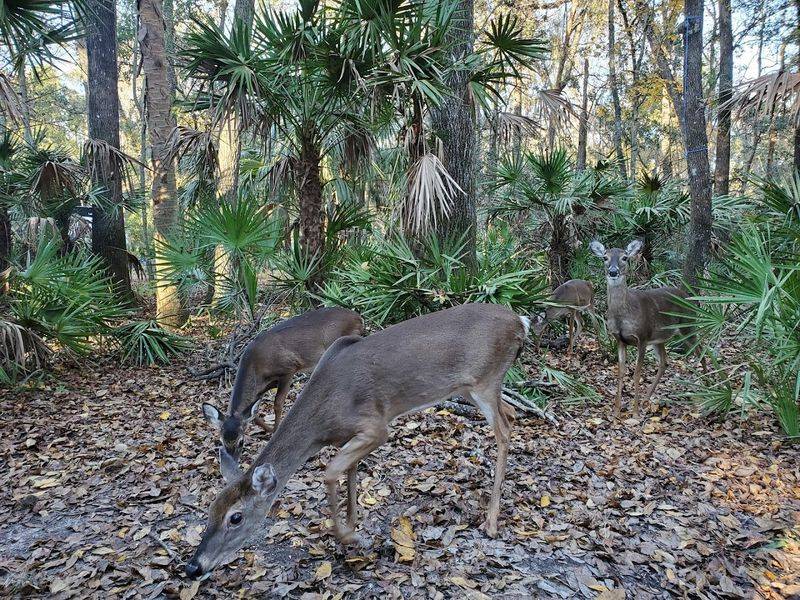
Manatee Springs offers two distinct camping loops—Magnolia and Sinkhole—with sites ranging from basic tent spots to full-hookup RV pads. Magnolia Loop 1 gets the most love from reviewers because it’s the only section with full utilities (water, electric, and septic), making it ideal for larger RVs and campers who want maximum convenience.
Rates are incredibly reasonable at around $20-28 per night depending on the site type and season.
What really sets this campground apart is the wildlife. White-tailed deer wander through campsites like they own the place, often grazing right next to your picnic table while you’re eating breakfast.
They’re so accustomed to humans that you can watch them from just feet away, though feeding them is prohibited and they don’t need your help anyway.
Sites offer decent spacing with vegetation buffers between neighbors, though this isn’t a wilderness experience—you’ll definitely know you have camping neighbors. Live oaks and palmettos provide partial shade, which you’ll appreciate during summer months when temperatures climb.
Each site includes a picnic table, fire ring, and ground grill.
The bathhouses earn consistent praise in reviews for cleanliness and amenities. Large wall fans keep air circulating, spacious changing areas provide plenty of room, and while the water takes a while to warm up in the showers, at least it eventually gets there.
The toilet paper situation is reportedly rough (literally), so bringing your own might be wise.
Some campers in certain sections deal with a quirk—no individual septic hookups, requiring use of a central dump station or portable facilities. This mainly affects older loops, so if having a sewer connection matters to you, specifically request a Magnolia Loop 1 site when booking.
The park staff is generally helpful about relocating campers if sites don’t meet expectations.
Location is everything here. You’re within easy walking distance of the spring, boardwalk, and trails, meaning you can enjoy all the park’s attractions without constantly moving your vehicle.
Evening walks reveal nocturnal wildlife, including owls that vocalize from the trees and occasional armadillos shuffling through the underbrush. Campers consistently mention the peaceful atmosphere, with nature sounds replacing city noise and creating the perfect environment for genuine relaxation.
Hiking Trails Through Untouched Florida Wilderness
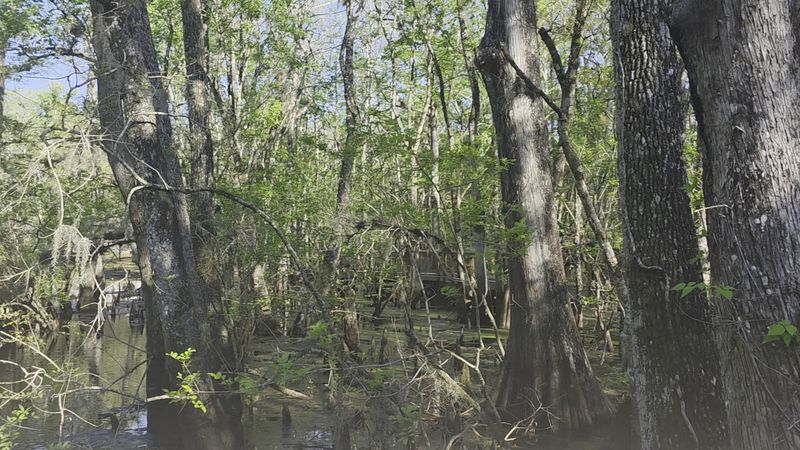
While Manatee Springs gets most attention for its aquatic attractions, the park maintains several miles of hiking trails that reveal a different side of North Florida’s ecosystem. These paths wind through pine flatwoods, hardwood hammocks, and along the Suwannee River, offering solitude even on busy weekends when the spring area buzzes with swimmers.
The trail system doesn’t get the same maintenance love as the boardwalk—some visitors note minimal marking and rougher conditions with downed trees left in place. But that’s actually part of the appeal for nature lovers.
Those fallen logs create critical habitat for mushrooms, insects, and small animals, and the slightly wild character makes you feel like you’re discovering something less traveled.
The 8.5-mile North End Trail is the longest option, taking you deep into the park’s backcountry through diverse habitats. Expect sandy sections that slow your pace, occasional muddy spots after rain, and limited shade in open areas.
Bring plenty of water, wear good shoes, and don’t attempt this in the heat of summer unless you’re an experienced hiker comfortable with Florida’s challenging conditions.
Shorter nature trails near the main facilities work perfectly for families with kids or anyone wanting a quick forest experience. These loop trails typically run 1-2 miles and stay mostly shaded, making them manageable even for casual walkers.
Interpretive signs point out interesting plants and explain the ecological relationships that keep these forests healthy.
Wildlife encounters happen regularly on the trails. Deer are practically guaranteed, wild turkeys scatter into the brush as you approach, and armadillos rootle through leaf litter oblivious to your presence.
Evidence of wild boar appears in churned-up soil and mud wallows, though the pigs themselves usually stay hidden during daylight hours.
Biking is permitted on most trails, and several reviewers mention bringing bikes for kids to explore the paths. The terrain is mostly flat with some gentle rolling sections, making it accessible for various skill levels.
Just outside the park, the 30-mile Nature Coast State Trail offers paved cycling if you want a longer, smoother ride through the Chiefland area.
Scuba Diving Into Florida’s Underground Cave System
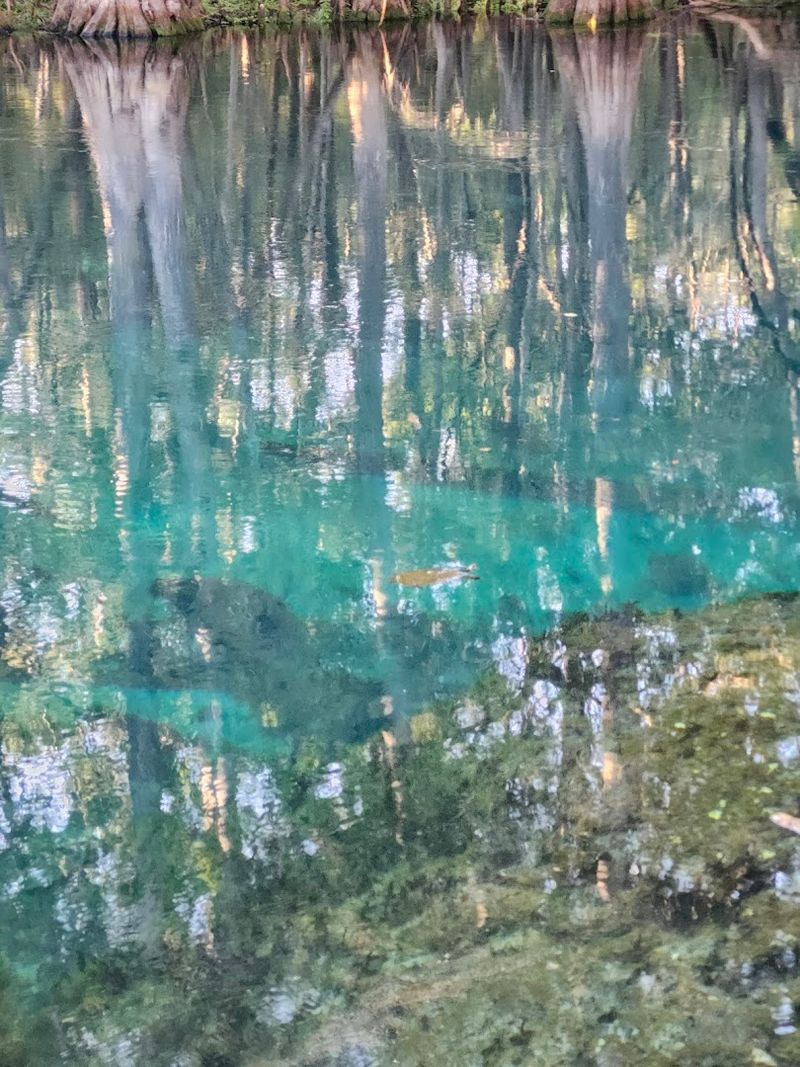
Beneath the tranquil surface of Manatee Springs lies an extensive underwater cave system that draws technical divers from around the world. The spring’s main vent descends into a network of limestone passages that have been explored for thousands of feet, creating one of Florida’s premier cave diving destinations.
But this isn’t a casual activity—cave diving requires specialized training, certification, and equipment that goes far beyond standard open-water scuba skills.
For certified cave divers, the rewards are extraordinary. The water maintains perfect visibility most days, with clarity exceeding 100 feet in the cave system.
Permanent guidelines mark the primary routes, and the relatively stable flow makes navigation more predictable than in some other Florida springs. The cave’s features include dramatic limestone formations, depth variations, and multiple passages that offer different experiences depending on your certification level.
Open-water certified divers who aren’t cave-trained can still enjoy spring diving in the basin area before the cave entrance. The first 30 feet of depth stays within the cavern zone, where natural light still penetrates and you’re not technically in an overhead environment.
This area lets you experience the crystal-clear water, observe fish and turtles, and get a glimpse of the cave opening without entering it.
The park requires all divers to register at the ranger station before entering the water and to display proper certification cards. Cave diving deaths have occurred in Florida springs when untrained divers venture beyond their skill level, so these rules exist for good reason.
Rangers take them seriously and will check credentials.
Dive shops in nearby towns like Gainesville and High Springs rent technical gear and can connect visiting divers with guides familiar with Manatee’s cave system. Local dive operators also offer training courses for those wanting to earn cave certifications, often using Manatee Springs as a practice site because of its accessibility and forgiving conditions.
Non-divers can still appreciate the diving activity from observation points around the spring. Watching divers descend into the clear water with their lights and equipment is fascinating, and many divers are happy to chat about their experiences when they surface.
The diving community here tends to be friendly and welcoming, passionate about sharing their love for Florida’s unique underwater world.
The Suwannee River Boardwalk Overlook Experience
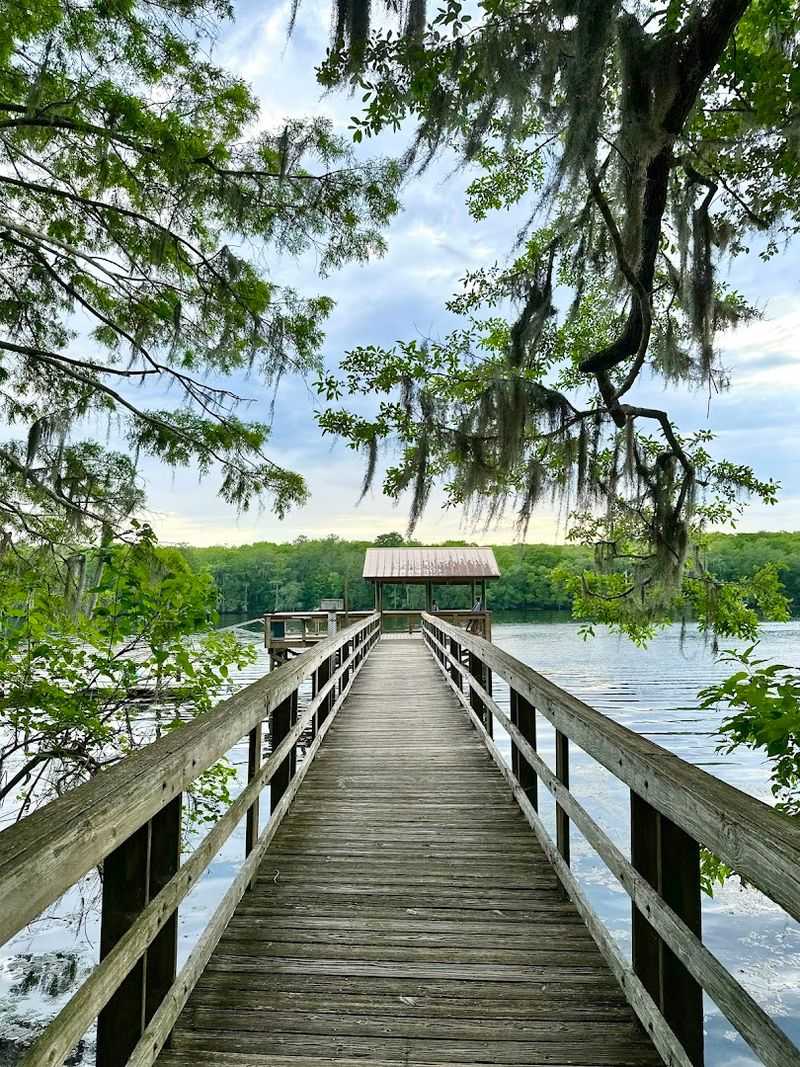
The boardwalk’s terminus at the Suwannee River features an observation platform that ranks among the park’s most peaceful spots. This elevated deck juts out over the river, providing unobstructed views up and downstream while keeping you comfortably above the water.
During sunset, this becomes the park’s most coveted real estate, with photographers and nature lovers gathering to watch the sky ignite in color.
The river itself flows dark and tannin-stained, a dramatic contrast to the crystal-clear spring water. This distinctive tea color comes from vegetation breaking down in the Okefenokee Swamp far upstream in Georgia.
The Suwannee has carved its path through North Florida for thousands of years, serving as a critical wildlife corridor and supporting ecosystems that depend on its seasonal flooding patterns.
What makes this overlook special is the constant activity. Atlantic sturgeon—massive prehistoric fish that can reach 8 feet long and 200 pounds—regularly breach the surface in spectacular leaps.
Nobody’s quite sure why they jump, but theories range from communication to parasite removal. Whatever the reason, watching a 6-foot sturgeon launch itself completely out of the water is jaw-dropping and happens often enough that patient observers usually get rewarded.
Birdlife explodes during morning and evening hours. Great blue herons stalk the shallows, anhingas spread their wings to dry after diving for fish, and white ibis probe the muddy banks with their curved bills.
During migration seasons, the diversity increases dramatically with warblers, tanagers, and other species passing through on their journeys north or south.
The overlook stays open during park hours, and visiting at different times reveals completely different experiences. Early morning brings mist rising off the water and wildlife at its most active.
Midday offers harsh light but fewer crowds. Sunset delivers that golden hour glow that makes everything look magical, with the added bonus of watching the forest transition from day to night.
Benches on the platform let you settle in and really observe rather than just snap a quick photo and leave. Bringing binoculars enhances the experience tremendously, letting you pick out details on distant birds or watch turtles basking on far logs.
This spot embodies what makes Manatee Springs special—it combines natural beauty, wildlife abundance, and accessibility in a way few places manage.
The Concession Stand and Convenience Factor
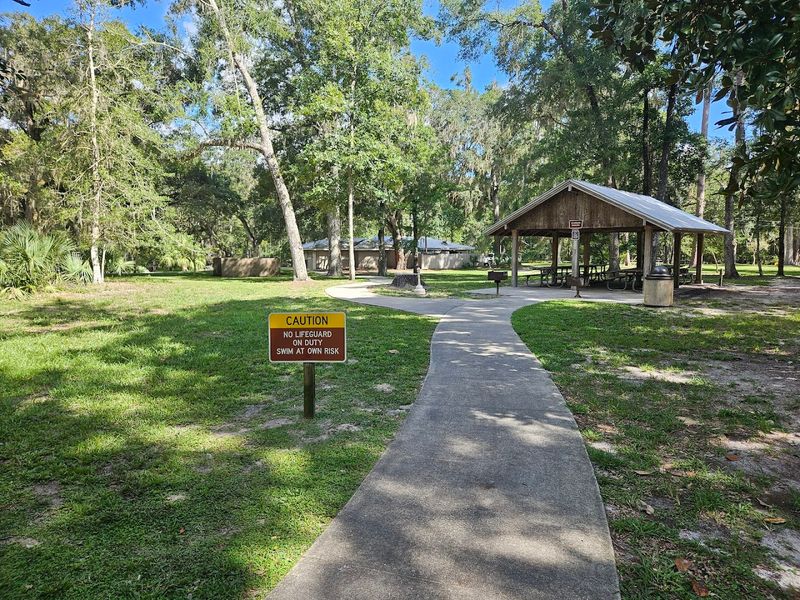
Located near the spring swimming area, the park’s concession stand and small store punch well above their weight in terms of usefulness and quality. This isn’t just a place to grab a soda—it’s a well-stocked operation that can save your trip if you forgot essential gear or need a proper meal without leaving the park.
The food menu surprises people. Instead of the typical state park fare of hot dogs and chips, you’ll find actual quality options including fresh sandwiches, burgers, and items that reviewers consistently describe as “really great food.” Prices stay reasonable, and the staff cooks everything to order rather than serving pre-made items that have been sitting under heat lamps.
During busy weekends, expect a short wait, but it’s worth it.
The retail section stocks snorkel gear, goggles, swim floats, and water shoes—basically everything you might have forgotten at home. Prices are marked up slightly compared to buying in town, but the convenience factor makes it worthwhile when you’re already at the park and don’t want to drive 15 minutes each way to the nearest store.
They also sell bait and fishing supplies for anglers planning to try their luck in the river.
Kayak rentals operate from the concession area, with staff who’ll help you get boats into the water and provide basic paddling instruction if you’re new to it. They rent by the hour or half-day, and the boats are well-maintained recreational kayaks suitable for the calm spring run and river conditions.
Life jackets come included with every rental.
Gift shop items include the usual park t-shirts and magnets, but also field guides, nature books, and educational materials about springs ecology and manatee conservation. It’s actually a decent spot to pick up a meaningful souvenir rather than just tourist junk.
Local honey and other regional products sometimes appear on the shelves too.
The concession stand keeps hours that align with peak park visitation, typically opening mid-morning and staying open through the afternoon. During summer and on busy holiday weekends, they extend hours to accommodate crowds.
Staff members are generally friendly and knowledgeable about park conditions, often able to provide updates on manatee sightings or trail conditions if you ask.
Planning Your Visit and Practical Details
Manatee Springs State Park sits at 11650 NW 115th Street in Chiefland, Florida, about 90 minutes northwest of Gainesville and two hours north of Tampa. The park opens daily at 8 AM and closes at 5:45 PM year-round, giving you nearly ten hours to explore during your visit.
Arriving early maximizes your experience, especially if manatee viewing is a priority or you want prime camping spots.
Entrance fees follow the standard Florida State Park structure—$6 per vehicle for up to eight people, with discounts for single-occupant vehicles, pedestrians, and cyclists. Annual passes covering all Florida state parks cost $60 for individuals or $120 for families, paying for themselves after just a few visits if you’re a regular park explorer.
Occasionally, the park participates in fee-free days like Presidents Day when admission is waived.
The park phone number is 352-493-6072, and calling ahead can provide useful information about current conditions, manatee activity levels, or campsite availability. The official website at floridastateparks.org/park/manatee-springs offers reservation systems for camping, detailed trail maps, and updates about closures or special events.
Cell service works reasonably well in most areas of the park.
What to bring depends on your planned activities, but water shoes are universally recommended for spring swimming since the limestone bottom can be rough on bare feet. Sunscreen is essential—Florida sun is intense even on partly cloudy days.
Insect repellent helps during summer months and around dusk when mosquitoes emerge. Binoculars enhance wildlife viewing tremendously, and a waterproof phone case or camera protects your electronics around the water.
The nearest town of Chiefland offers basic amenities including grocery stores, gas stations, and restaurants about 6 miles from the park entrance. Larger shopping and dining options exist in Gainesville, though that’s a longer drive.
Planning to bring most of what you need prevents frustrating trips back to civilization when you’d rather be enjoying the park.
Accessibility is generally good for a natural area. The boardwalk accommodates wheelchairs and strollers, paved paths connect major facilities, and the swimming area has multiple entry points including steps with railings.
Some trails are rougher and less accessible, but the main attractions remain reachable for visitors with mobility considerations. Calling ahead to discuss specific needs helps the park staff prepare and offer appropriate suggestions for your visit.