This Is Where Florida’s Wild Pitcher Plants Create an Otherworldly Landscape
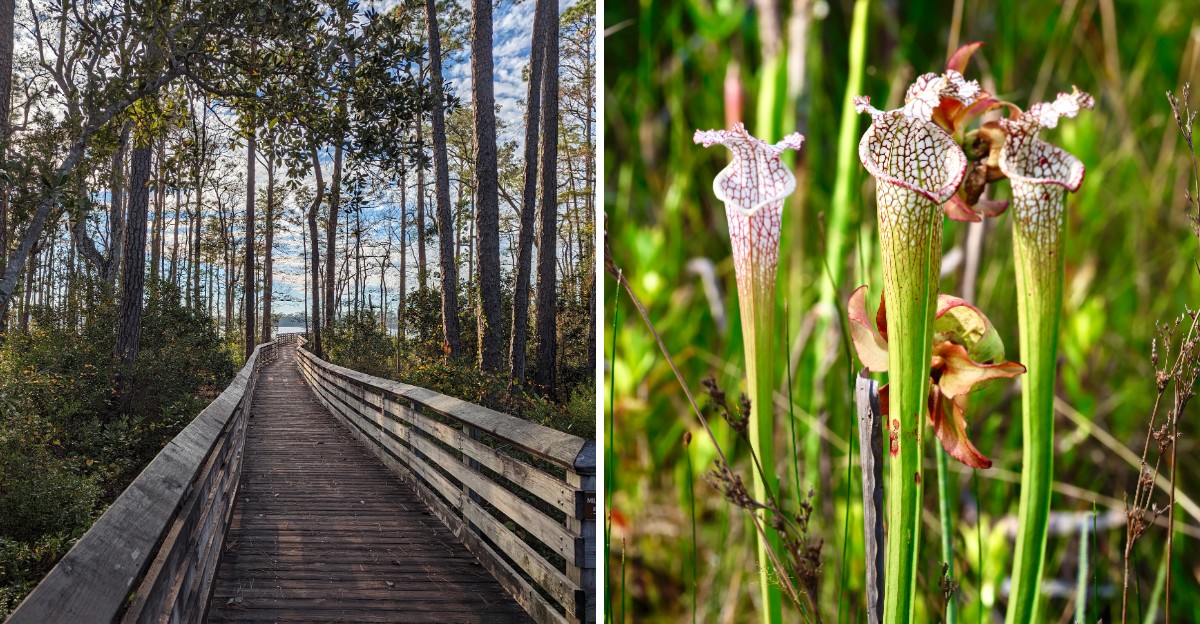
Just west of Pensacola, there is a soggy, sunny patch of land where plants actually eat bugs. Tarkiln Bayou Preserve State Park protects some of the rarest carnivorous plants on the Gulf Coast, and walking among them feels like stepping onto another planet. It is easy to visit, cheap to enter, and full of strange surprises if you know where to look.
Here is why this quiet preserve deserves a spot on your Florida adventure list.
A Pensacola Preserve Where Carnivorous Plants Grow Wild
A plant that sets a trap, waits patiently, and then slowly digests its lunch. No, that is not a sci-fi movie plot. It happens every day at Tarkiln Bayou Preserve State Park, tucked into the southwest corner of Pensacola at 2401 Bauer Road.
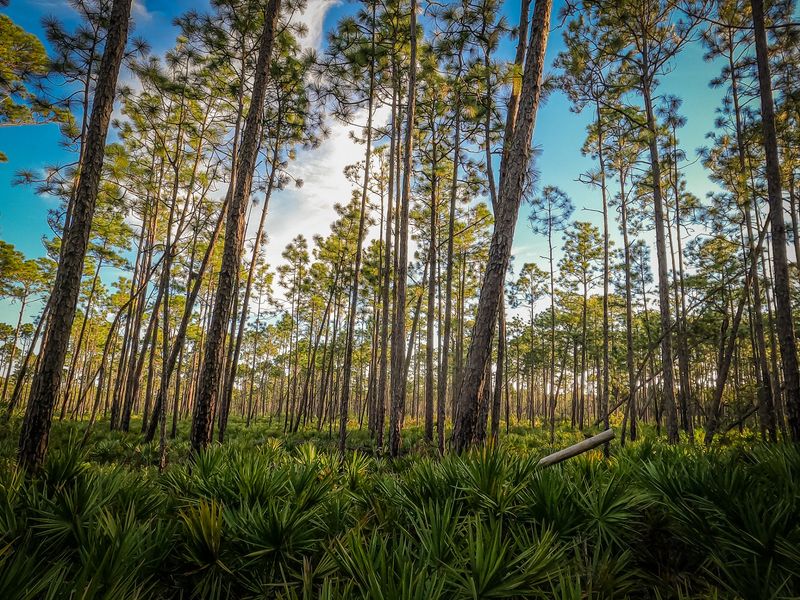
The preserve covers roughly 4,000 acres of wet prairie, pine flatwoods, and bayou shoreline. Much of it looks flat and grassy at first glance. Then you notice the tall green tubes poking up from the ground, and suddenly the whole place feels a little stranger.
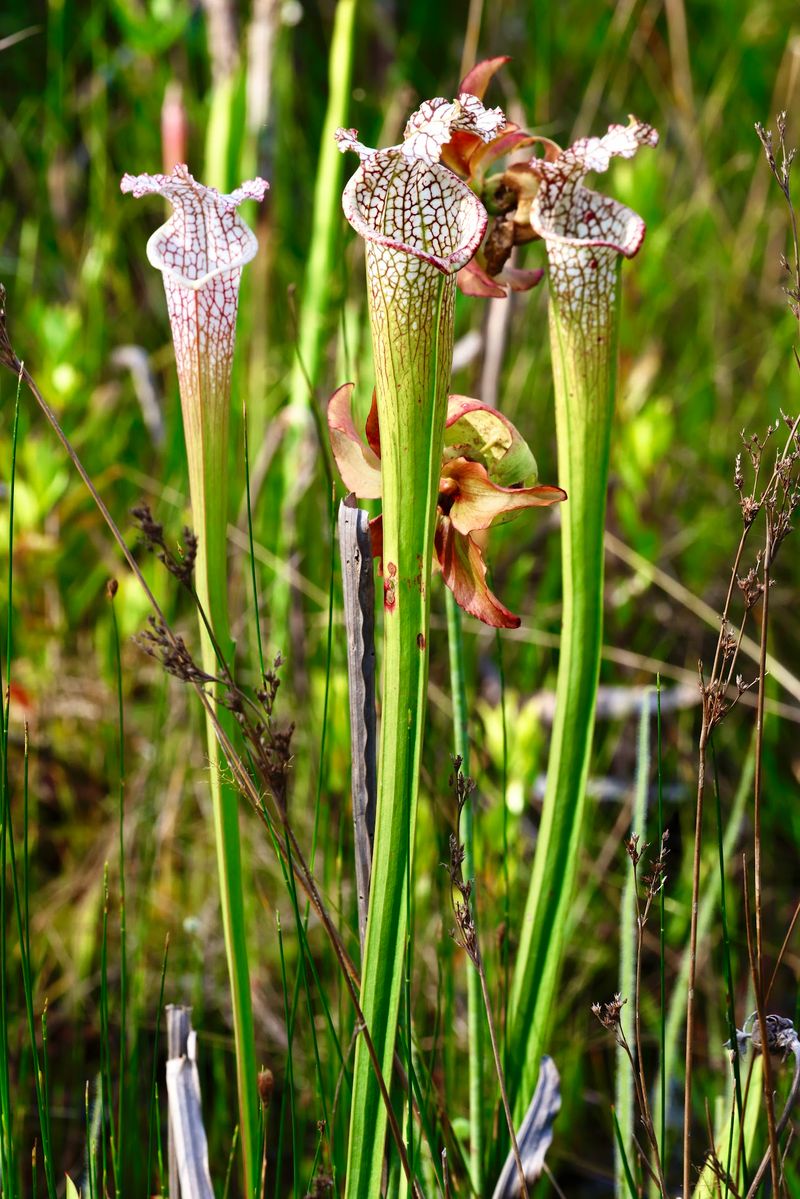
Those tubes are pitcher plants, and they grow here on their own, not in a garden bed or a greenhouse. The soil in this area is soggy, sandy, and low in nutrients. To survive, the plants evolved a clever trick: they catch insects and absorb what the soil cannot give them.
Here is how the trap works. Bugs are lured by color and sweet nectar near the rim of the pitcher. The inside walls are slick and waxy, so once an insect slips, it tumbles down into a pool of digestive fluid at the bottom.
Visitors often say watching the action is oddly addictive. Flies buzz around the hoods, ants march along the edges, and every so often one gets a little too curious. Spiders even hang out nearby, hoping to steal a snack before the plant does.
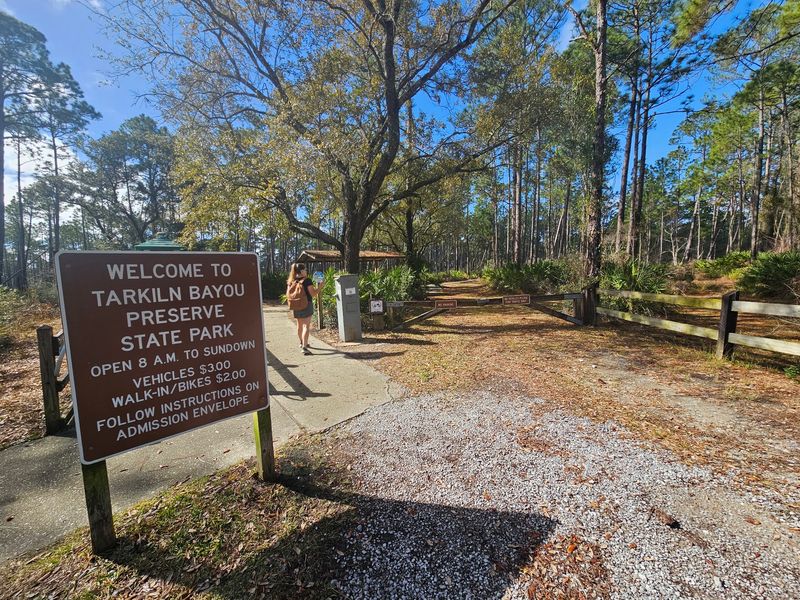
Getting here is simple. The park sits close to Perdido Key and the Gulf beaches, so it fits nicely into a day spent on the west side of Escambia County. Parking costs about $3 per car, paid at an honor box or online, and that small fee helps fund preservation work.
Bring water, sunscreen, and a good pair of eyes. The plants are not hiding, but the tiny details, like veins on the hoods or a beetle exploring the rim, reward people who slow down.
Fun fact: pitcher plants are not the only meat-eaters in the preserve. Smaller carnivores like sundews and butterworts can also grow in these wet soils, so keep scanning the ground near the boardwalk for sticky little surprises.
The Rare White-Top Pitcher Plant Gives This Landscape Its Strange Beauty
One reviewer described them as something straight out of Alice in Wonderland, and honestly, that is a pretty fair comparison. The white-top pitcher plant looks like it could start talking at any moment.
Its scientific name is Sarracenia leucophylla, but locals usually just call it the white-top. Each plant sends up tall, trumpet-shaped leaves that can reach knee height or higher. The top of each trumpet flares into a white hood laced with red or purple veins, almost like stained glass.
That coloring is not just for show. The bright white patches and vein patterns help attract insects, which see the plant as a promising place to find food. Some of the white areas even let light pass through, which can confuse bugs trying to escape upward.
What makes this plant special is where it lives. The white-top grows naturally only in a small region along the northern Gulf Coast, from the Florida Panhandle into parts of Alabama, Mississippi, and Georgia. You will not stumble across wild ones in Miami or Orlando.
Habitat loss has hit them hard. Draining wetlands, building roads, and stopping natural fires have wiped out most of the places where they once grew. That is why seeing big stands of them at Tarkiln Bayou feels like a real treat.
For the best photos, try visiting in the morning when sunlight shines through the hoods from the side. The veins seem to glow, and the dew on the tubes adds sparkle. Overcast days work well too, since the soft light keeps the white from washing out.
A quick tip for photographers: kneel down and shoot at the same height as the hoods. It makes the plants look towering and dramatic, like a tiny alien forest.
Keep in mind that these plants change with the seasons. After winter cold snaps, many pitchers turn brown and dry. That is normal.
Fresh new growth usually pops up as the weather warms, and the show starts all over again.
Wet Prairie and Bog Habitats Make the Park Feel Unlike Most of Florida
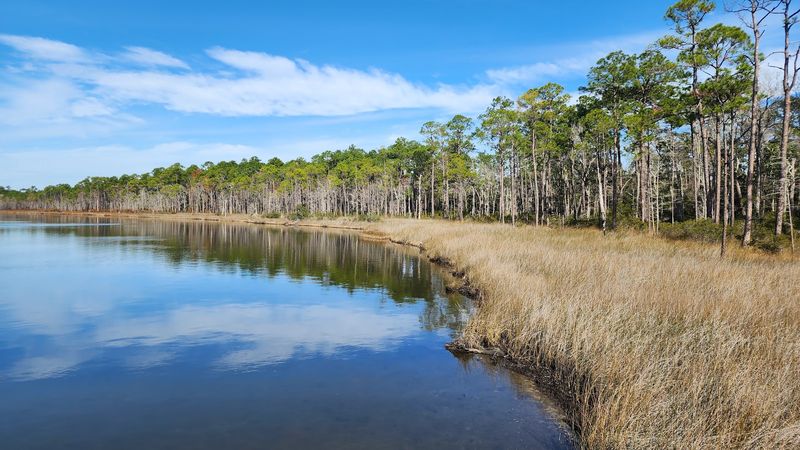
Forget palm-lined beaches and theme park crowds for a minute. Tarkiln Bayou shows off a completely different side of Florida, one that most visitors never even hear about.
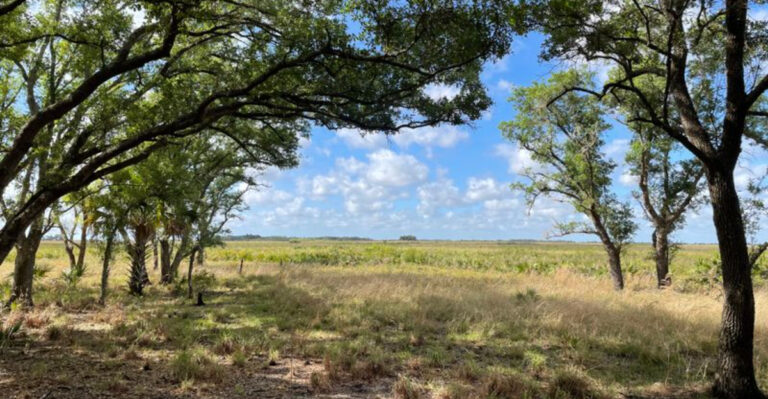
The heart of the preserve is wet prairie. Think of a wide, open meadow where the ground stays damp for much of the year. Grasses and sedges wave in the breeze, and tall pines stand scattered around like quiet guards.
Mixed in are bogs, which are even soggier. Water sits close to the surface, and the soil is acidic and poor in nutrients. Most plants struggle here, but that tough environment is exactly what carnivorous plants love, since they have little competition.
Moving through the park, you will also see pine flatwoods with slash and longleaf pines. Reviewers often mention the pines, and they really do frame the scenery beautifully, especially against a deep blue sky. Toward the water, the land opens to Tarkiln Bayou itself and views across to Perdido Bay.
All these habitats squeezed together create a huge variety of life. Frogs call from wet spots, wading birds hunt along the shore, and dragonflies zip over the grass. Many birders say it is one of their favorite quiet spots in Pensacola.
Wildlife here includes some rare animals too, which is part of why the land is protected. Snakes live here as well, so keep pets on a leash and stay on marked paths.
Here is something many people miss: the wet prairie looks different almost every month. After heavy rain, shallow pools appear. During dry spells, the ground hardens and grasses turn golden.
Return visits are never quite the same.
If you take the longer unpaved trails, expect some mud after storms. Shoes you do not mind getting dirty are a smart choice. That squishy ground is the whole reason this ecosystem exists, so consider it part of the experience rather than a hassle.
A Boardwalk Leads Visitors Into the Heart of the Pitcher Plant Country
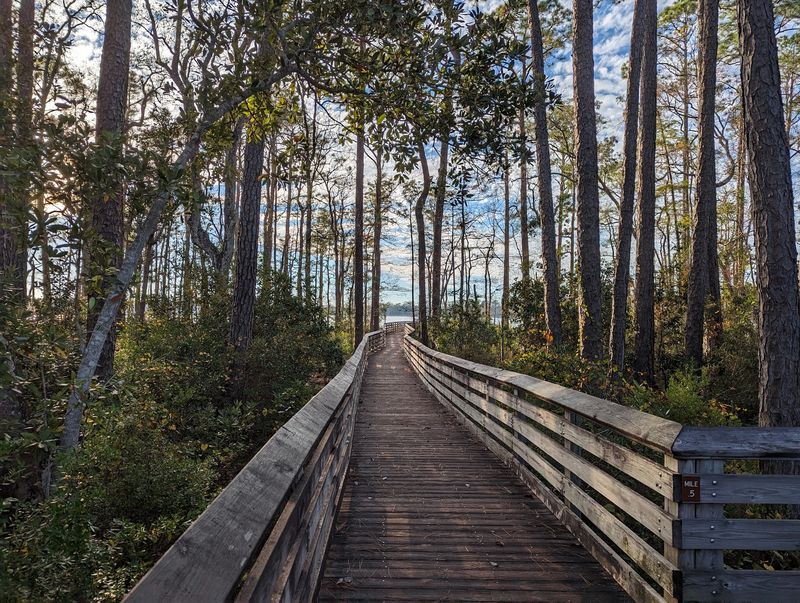
Good news for anyone who hates wet socks: you do not need to slog through a swamp to see these plants up close. A well-built boardwalk does the work for you.
The main trail runs about a mile round trip, starting near the parking area and ending at a dock-like overlook on the bayou. Part of it is paved, and the rest is boardwalk raised above the soggy ground. It is flat, easy, and accessible for wheelchairs and strollers.
Along the way, pitcher plants grow right beside the railing. You can get great views without stepping on fragile soil. Little kids love spotting the tubes, and grandparents appreciate the four or so benches spaced along the route.
One standout feature is the educational signage. Traditional signs explain the plants and animals, and QR codes let you scan for extra info on your phone. Visitors consistently mention how fun it is to learn as you walk.
At the end, the trail opens onto a wide view of the bayou. Lots of people sit on the dock for a while, watching birds and enjoying the breeze. On a calm evening, it is a lovely place to wind down.
Want more distance? A much longer unpaved trail system loops through the preserve, totaling around seven to eight miles. It is better saved for cooler months, since summer heat out there can be intense with little shade.
A few practical notes help a lot. There is a single restroom at the trailhead, a small pavilion with picnic tables, and pet waste stations. Dogs are allowed on trails if leashed, but not on beaches.
Parking fills quickly on weekends, especially Saturday afternoons. Arrive early in the day for an easier spot and cooler temperatures. Weekday evenings tend to be peaceful, too.
Bring bug spray and maybe a small towel. Spiders love building webs near the boardwalk, which is nature doing its thing, but a heads-up never hurts.
Spring Blooms Can Turn the Preserve Into a Surprisingly Colorful Scene
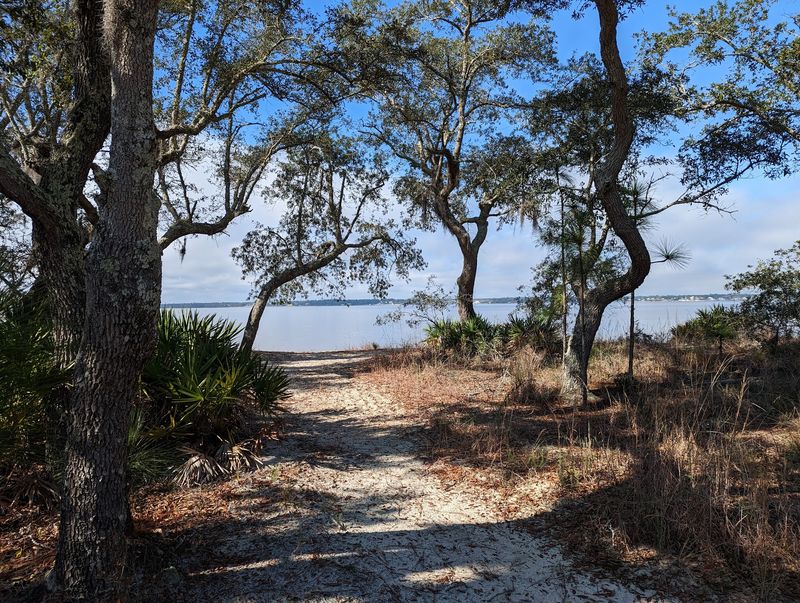
Most people expect a bog to be brown and gloomy. Show up in spring, though, and Tarkiln Bayou might change your mind in a hurry.
Pitcher plants actually bloom before most of their new pitchers fully grow. The flowers dangle from tall stalks and nod downward like little umbrellas. White-top blooms are usually a deep red or maroon, and they look surprisingly elegant swaying over the wet ground.
Why flower first? Scientists think it helps keep pollinators safe. If bees visited the flowers while hungry traps sat right below, the plant might accidentally eat its own helpers.
Smart timing solves that problem.
Soon after, fresh pitchers rise up bright and crisp. The white hoods look their cleanest during this stretch, with sharp red veins that pop in sunlight. Photographers tend to love late spring for this reason.
Pitcher plants are not the only show in town. Wet prairies can host a range of wildflowers, including orchids, small yellow blooms, and purple flowers tucked among the grasses. What appears depends on rain, recent fires, and plain luck.
Fall can bring color too. Some white-tops send up a second round of pitchers later in the year, often with bold coloring. So spring is not the only good window, just the most famous one.
Timing your visit matters. Winter cold snaps can leave pitchers dried up and brown, and some visitors have been disappointed by that. Checking recent photos online or calling the park at 850-492-1595 can help set expectations.
On a warm spring morning, plan to move slowly. Look closely at the flowers, watch for bees and butterflies, and listen for frogs calling from damp spots. Small moments are what make this place memorable.
A friendly reminder: picking flowers or digging up plants is not allowed. The best souvenir is a great photo, and maybe a new favorite plant you never knew existed.
Why This Delicate Ecosystem Needs More Protection Than It Looks
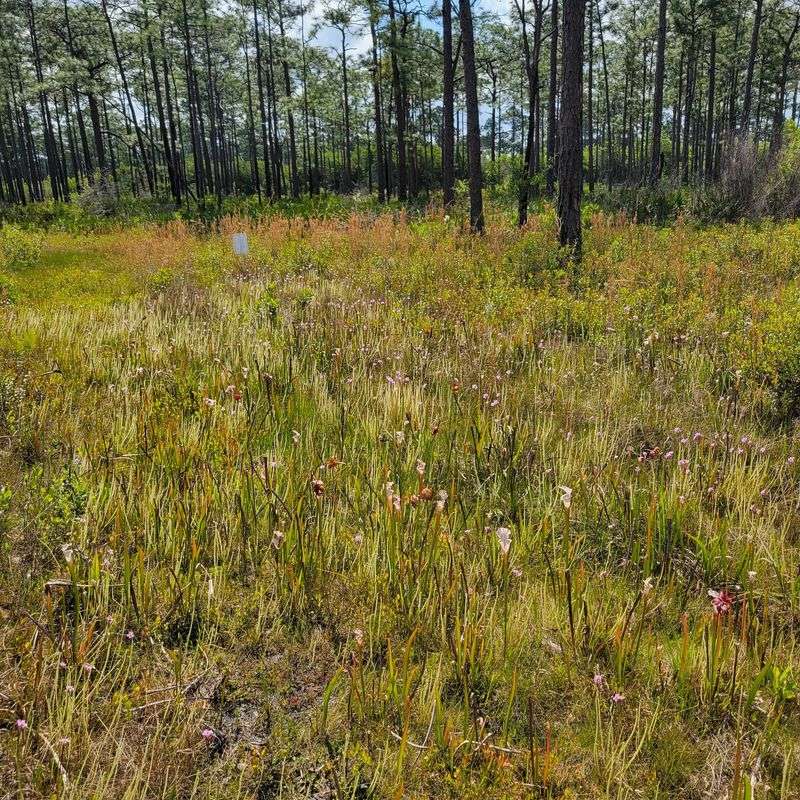
Less than three percent. That is roughly how much of the original pitcher plant habitat along the Gulf Coast is still around today, according to estimates often shared by conservation groups.
Let that sink in for a second. Huge stretches of wet prairie once covered the region. Then came drainage ditches, roads, houses, and farms, and most of those soggy meadows vanished.
Tarkiln Bayou became a state park in the 1990s partly to stop that from happening here. Today the preserve protects rare plants and animals that have very few safe places left. It is less of a playground and more of a living refuge.
Fire is one surprising part of keeping it healthy. Wet prairies naturally burned every few years from lightning. Those fires cleared out shrubs and trees that would otherwise shade out the pitcher plants.
Without fire, the land slowly turns into thick brush, and the sun-loving carnivores fade away. That is why park staff use prescribed burns, carefully planned fires set under safe conditions. If you see blackened ground, do not panic.
Fresh green growth usually follows quickly.
Water matters too. These plants rely on the ground staying damp. Changes in drainage from nearby development can dry the soil and harm the whole ecosystem.
So what can visitors do? Quite a bit, actually. Stay on the boardwalk and marked trails, because trampling crushes roots and packs down soil.
Keep dogs leashed and away from plants.
Never take plants home. Poaching is a real problem for carnivorous plants, and wild ones are protected. Buy from reputable nurseries if you want one for your yard.
And please pay the small entry fee, even when nobody is checking. One reviewer put it well: there is no enforcement at the gate, but doing your part keeps the park maintained. Those few dollars help pay for burns, signs, and upkeep.
Small choices from lots of visitors add up to a big difference.
Tarkiln Bayou Preserve Feels Like One of Florida’s Most Otherworldly Nature Stops
Stand still for a minute in the middle of a pitcher plant bog, and the place starts to feel almost unreal. Pale hoods sway in the breeze, frogs chirp somewhere out of sight, and tall pines frame the sky like a painting.
That eerie, dreamy vibe is what keeps people coming back. Reviewers use words like magical, strange, and fantastical, which is not something you usually hear about a short walking trail.
Part of the magic is contrast. Just a few miles away, beachgoers crowd the sand at Perdido Key. Here, the loudest sounds might be birds and buzzing insects, and you can feel worlds away from busy Pensacola.
The park also packs a lot into a small visit. In about an hour, you can stroll the boardwalk, see rare carnivorous plants, learn from the QR signs, and relax at the bayou overlook. Hikers wanting more can tackle the longer backcountry trails.
It works for almost everyone. Families with small kids, older visitors, wheelchair users, dog owners, birders, and photographers all find something to enjoy. And at around $3 per car, it might be one of the best deals on the Gulf Coast.
Some quick planning tips will make your trip smoother. Visit early on weekends since parking is limited. Pack water and sun protection, especially in summer.
Check the Florida State Parks website for current hours and fees before heading out.
Consider pairing your visit with nearby spots. Big Lagoon State Park and the Perdido Key beaches are close, making it easy to build a full day of west Pensacola exploring.
Above all, slow down. Watch an ant tiptoe along a pitcher rim. Notice how the light shines through the white hoods.
Listen to the wind moving across the prairie.
Florida is full of famous attractions, but few feel quite this unusual. Tarkiln Bayou proves that some of the state’s coolest wonders are not loud or flashy. They are quietly waiting in a bog, catching bugs, and looking like visitors from another planet.