This Isn’t Just a Flea Market—It’s One of South Florida’s Most Unusual Adventures
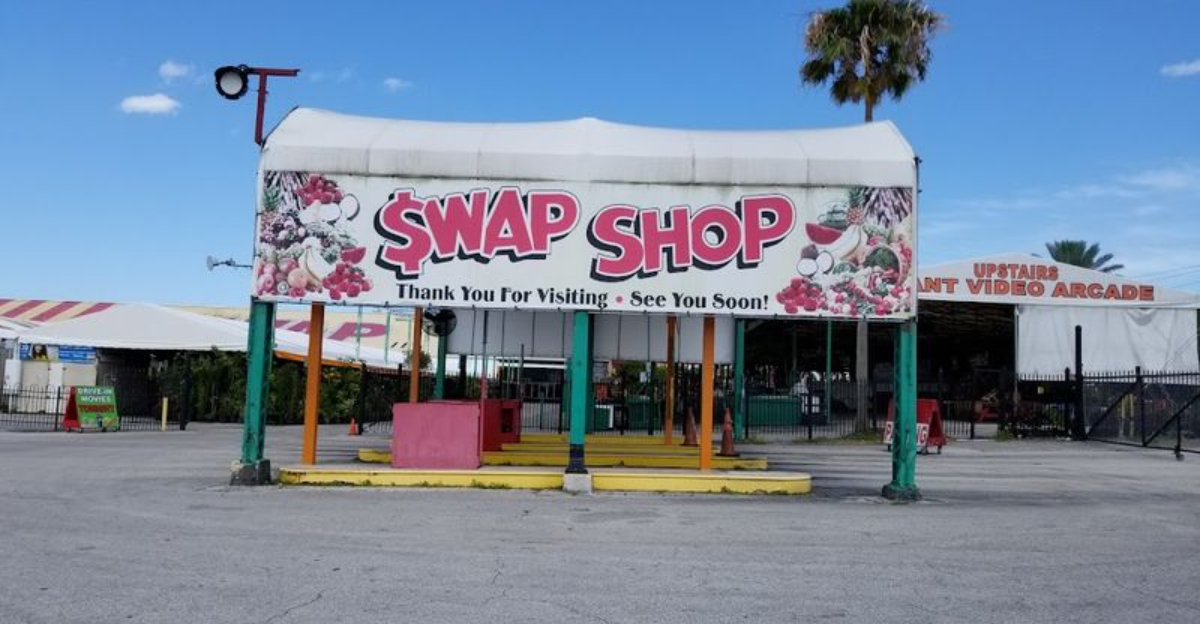
Tucked along Sunrise Boulevard in Fort Lauderdale sits a place that defies simple categorization. The Fort Lauderdale Swap Shop is part flea market, part Ferrari museum, part time capsule, and entirely unforgettable. Since the 1960s, this sprawling compound has been serving up bargains, surprises, and nostalgia in equal measure, making it one of the most wonderfully weird destinations in all of South Florida.
1. A Ferrari Museum Hiding Inside a Flea Market
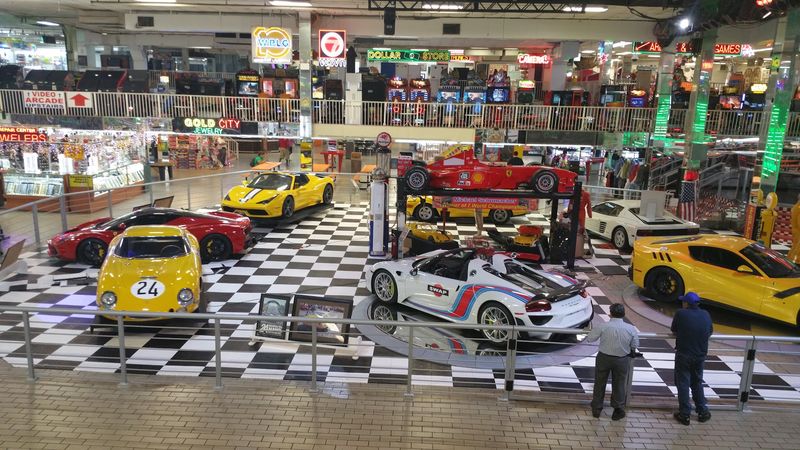
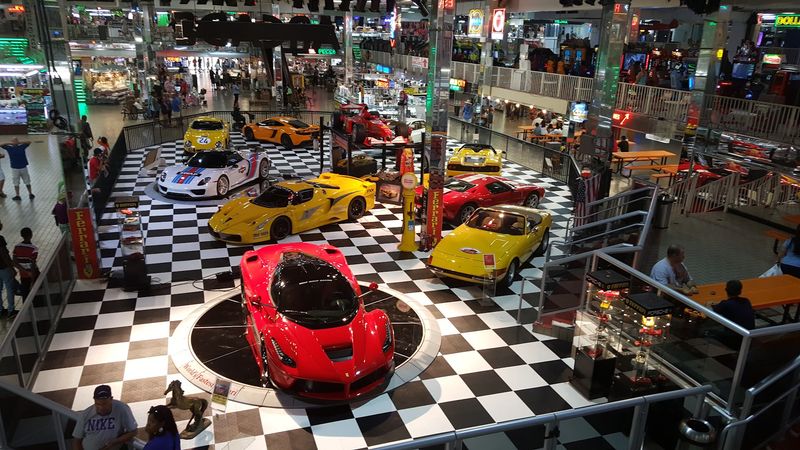
Walking past stalls selling phone cases and tropical fruit, you suddenly stumble upon a world-class collection of vintage Ferraris. Yes, really. The Swap Shop houses an impressive car museum featuring some of the most stunning Italian sports cars you’ll ever see outside of Monaco.
Gleaming reds and yellows catch your eye as you wander past Testarossas, F40s, and classic models that belong in a millionaire’s garage. The contrast is absolutely wild—one minute you’re haggling over a watch battery, the next you’re staring at a quarter-million-dollar automobile. Visitors consistently mention this as one of the most unexpected highlights of their trip.
The collection changes periodically, so repeat visits always offer something fresh. Car enthusiasts travel specifically to see these beauties, but even casual shoppers find themselves mesmerized. It’s completely free to admire, which makes it even more remarkable.
Photography is encouraged, so bring your camera. The museum area stays air-conditioned year-round, offering a cool respite from Florida heat. Whether you’re a gearhead or just appreciate beautiful things in unexpected places, this hidden gem alone justifies the parking fee.
2. Fresh Coconut Water Straight from the Shell
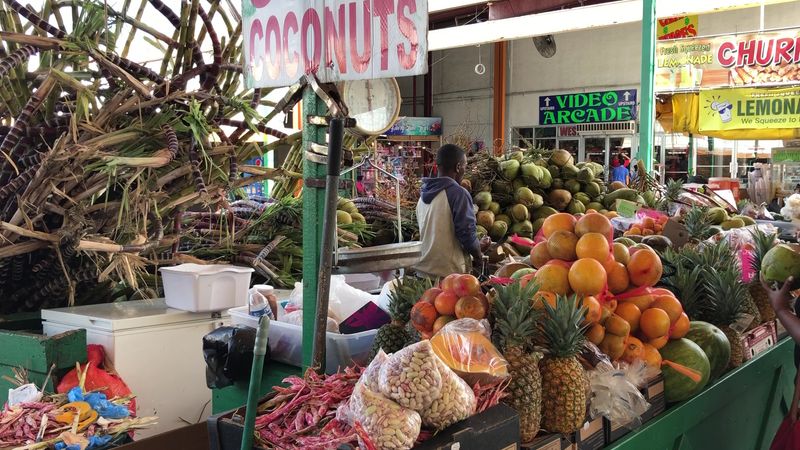
Forget bottled anything—at the Swap Shop’s outdoor farmers market, vendors crack open fresh coconuts right in front of you. The machete comes down with practiced precision, a straw gets jammed in the opening, and suddenly you’re sipping the most refreshing drink imaginable. It costs around eight bucks, but that’s the price of pure tropical authenticity.
The farmers market section explodes with color and fragrance. Mountains of mangoes, papayas, plantains, and exotic fruits you’ve never heard of fill the stalls. Caribbean and Latin American vendors sell spices, herbs, and vegetables that you won’t find at regular grocery stores.
Sugarcane juice is another popular choice here. Watching the vendor feed whole stalks through the press is oddly satisfying, and the sweet green liquid that comes out tastes like sunshine in a cup. Some stalls also offer fresh-cut fruit cups with lime and chili powder.
Come hungry and adventurous. The produce here is incredibly fresh, often picked that same morning. Prices are negotiable if you’re buying in bulk, and vendors love chatting about how to prepare unfamiliar ingredients.
This section alone transforms a simple flea market visit into a genuine cultural experience.
3. The Famous Blues Brothers Statues
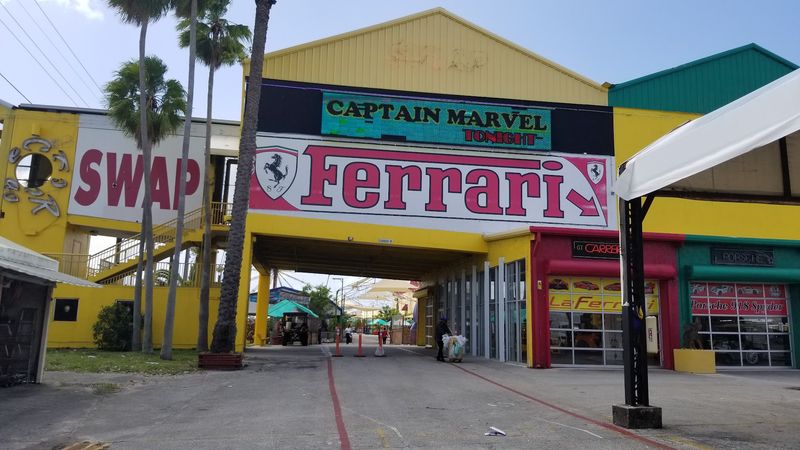
Standing near the entrance, two figures in black suits and signature sunglasses have become unofficial mascots of the Swap Shop. The Blues Brothers statues are impossibly popular photo opportunities, with visitors lining up to strike poses alongside Jake and Elwood. Social media feeds are full of these snapshots, making them one of the most Instagrammed spots in the entire complex.
Nobody seems entirely sure why these particular statues ended up here, but they fit the Swap Shop’s delightfully random vibe perfectly. Kids love them. Adults get nostalgic.
Everyone wants a picture.
The statues have become such a landmark that locals give directions using them as reference points. They’re positioned in a high-traffic area, so you’ll definitely spot them during your visit. The surrounding area usually has live music or entertainment on weekends, adding to the festive atmosphere.
Pro tip: visit early in the day for photos without crowds. The morning light is better anyway, and you won’t have to wait behind fifteen other groups. These blues-singing icons have watched over countless transactions, family outings, and bargain hunts since their installation, becoming as much a part of the Swap Shop identity as the shopping itself.
4. Immaculate Bathrooms That Defy All Flea Market Expectations
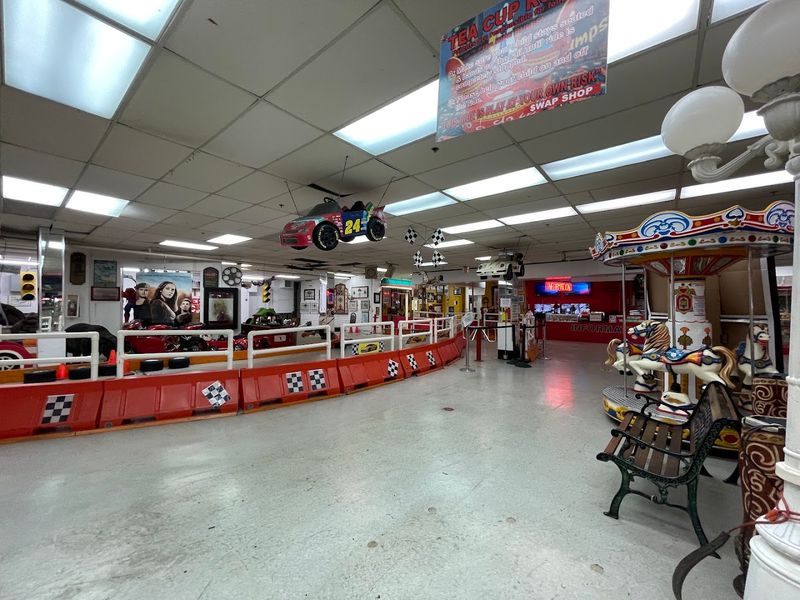
Here’s something nobody expects at a massive outdoor market: bathrooms so clean they earn rave reviews. Multiple visitors specifically mention the restroom quality in their testimonials, which tells you everything about how surprisingly excellent they are. In a place where thousands of people pass through weekly, maintaining spotless facilities is no small achievement.
The air-conditioned indoor section houses the main restroom facilities. They’re well-lit, regularly serviced, and stocked with supplies throughout operating hours. For parents with small children or anyone planning to spend several hours browsing, this detail matters enormously.
Cleanliness might seem like a boring topic, but it dramatically improves the overall experience. You can comfortably spend three or four hours exploring without worrying about basic necessities. The staff clearly takes pride in maintaining standards across the entire facility, not just the shopping areas.
Accessible facilities are available for visitors with mobility needs. The locations are clearly marked on posted maps throughout the complex. First-time visitors often express genuine surprise at the upkeep level, having arrived with low expectations based on typical flea market standards.
It’s a small detail that makes a huge difference in visitor comfort and willingness to linger longer, browse more thoroughly, and ultimately enjoy the entire adventure.
5. Two-Story Indoor Shopping Maze
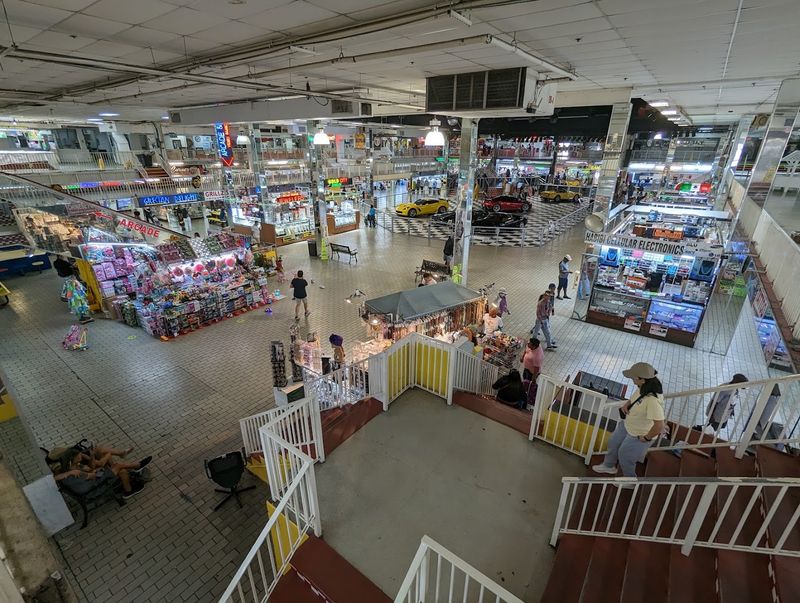
Beyond the outdoor tented areas lies an entire indoor complex that many first-timers don’t even realize exists. Two full floors of air-conditioned shopping await, packed with small businesses selling everything from wigs to paintings to custom jewelry. Escalators connect the levels, and wandering through feels like exploring a slightly chaotic department store designed by someone with wonderfully eclectic taste.
The ground floor features a food court offering Caribbean, Latin American, and American options. Surrounding it are shops selling electronics, beauty supplies, home goods, and clothing. The variety is genuinely impressive—you might find a vendor repairing watches next to someone selling handmade crafts next to a perfume kiosk.
Upstairs gets even more interesting. Furniture stores, art galleries, and specialty shops occupy the second level. Some vendors have operated their stalls for decades, building loyal customer bases who return specifically to visit them.
The nostalgia factor runs strong here, with longtime shoppers remembering when certain stores first opened.
Air conditioning makes summer visits bearable, which is crucial in South Florida. You can easily lose track of time browsing the maze-like corridors. Prices tend to be lower than typical retail, and haggling is often acceptable depending on the vendor.
The indoor section represents a completely different shopping experience from the outdoor market, essentially giving you two adventures in one location.
6. The Massive Outdoor Used Goods Section
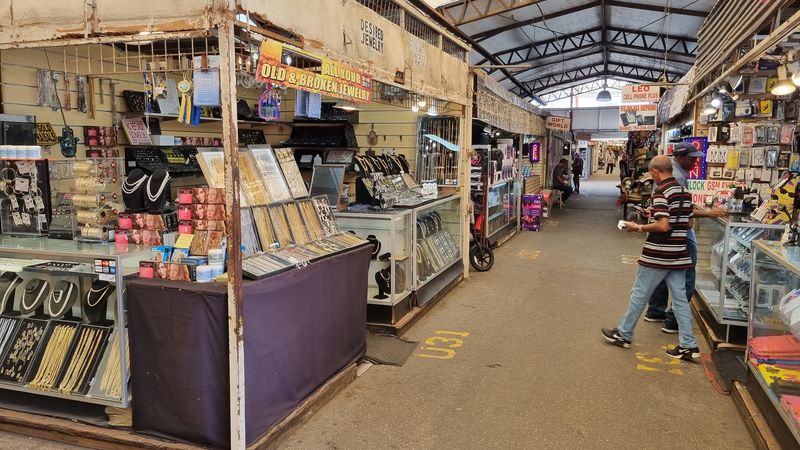
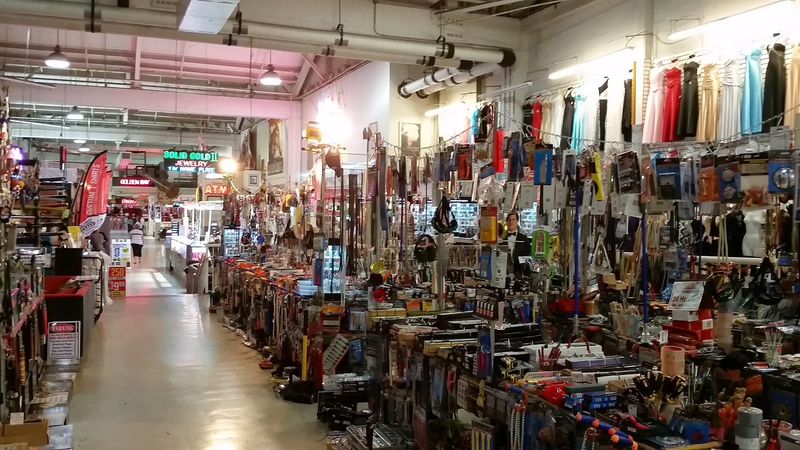
Venture into the covered outdoor areas and you’ll discover what feels like the world’s biggest garage sale. Vendors spread out tools, shoes, bedding, kitchen equipment, toys, and mysterious objects that defy easy categorization. Everything here is previously owned, which means incredible bargains if you’re willing to hunt.
Negotiation is expected and encouraged in this section. Prices are usually flexible, especially if you’re buying multiple items or visiting near closing time. Some vendors specialize in specific categories—one might focus entirely on power tools, while another deals exclusively in vintage kitchenware.
Others seem to sell whatever interesting items they’ve acquired that week.
The treasure hunt aspect makes this area addictive for certain shoppers. You never know what you’ll find. One person’s unwanted blender becomes your perfect replacement.
Someone’s old record collection might contain that album you’ve been seeking for years. The randomness is the entire point.
Weekends bring the largest vendor turnout, particularly Sundays. Serious bargain hunters arrive early for first pick of newly displayed merchandise. The atmosphere gets lively, with vendors calling out deals and shoppers comparing finds.
Services like window tinting operate from this section too, offering practical solutions alongside the shopping. Wear comfortable shoes because you’ll be walking and standing quite a bit while exploring this sprawling treasure trove.
7. A Place That Time Might Forget
Reviews carry an undercurrent of urgency—visit soon, because the Swap Shop won’t last forever. Development pressures threaten this South Florida institution, with some sources suggesting it only has until 2037. That countdown adds poignancy to every visit, transforming casual shopping into something more meaningful.
You’re not just buying stuff; you’re experiencing a piece of living history.
Long-time visitors notice changes. The drive-in theater screens are gone now, which breaks hearts for people who spent childhood evenings watching movies under the stars. Some vendor spaces sit empty.
The complex feels smaller than it did during its 1980s and 90s heyday, though it remains impressively large by any standard.
Yet the Swap Shop persists, adapting and surviving when many similar venues have vanished. The cultural significance runs deep for South Florida residents who grew up making weekend pilgrimages here with their families. It represents a specific era of American retail and entertainment that’s rapidly disappearing everywhere else.
Current visitors report that despite some decline, the essential magic remains intact. Hard-working small business owners still operate their stalls with pride. Families still create memories browsing together.
The weird, wonderful, utterly unique vibe that makes this place special hasn’t disappeared. Nobody knows exactly how much longer it will survive, which makes experiencing it now feel both joyful and bittersweet.
8. Affordable Entertainment for Entire Families
For under ten bucks total—just parking fees—entire families can spend half a day exploring, shopping, eating, and being entertained. That value proposition is nearly impossible to find anywhere else in expensive South Florida. Kids get excited about the carnival atmosphere, while parents appreciate stretching their entertainment budget without sacrificing fun.
Small amusement rides dot the property, though some reviews suggest checking their condition before letting kids board. The sheer variety of sights keeps children engaged even if they’re not particularly interested in shopping. Watching coconuts get opened, seeing fancy cars, taking photos with statues, and exploring the maze-like vendor areas creates adventure without requiring constant spending.
The food court offers kid-friendly options alongside more adventurous international cuisine. Prices remain reasonable compared to restaurants or theme parks. Many families pack this into regular weekend routines, treating it as both entertainment and practical shopping opportunity.
Parking costs either three or four dollars depending on the day, paid in cash. That’s your only mandatory expense. Everything else—browsing, looking at cars, taking photos, walking around—costs nothing.
If you do buy things, prices generally run lower than regular retail. The combination of affordability and genuine uniqueness makes this an unbeatable family destination, especially for visitors trying to experience authentic local culture rather than expensive tourist traps.