This Legendary Florida Location Is Nearer to Cuba Than Almost Anywhere Else in America
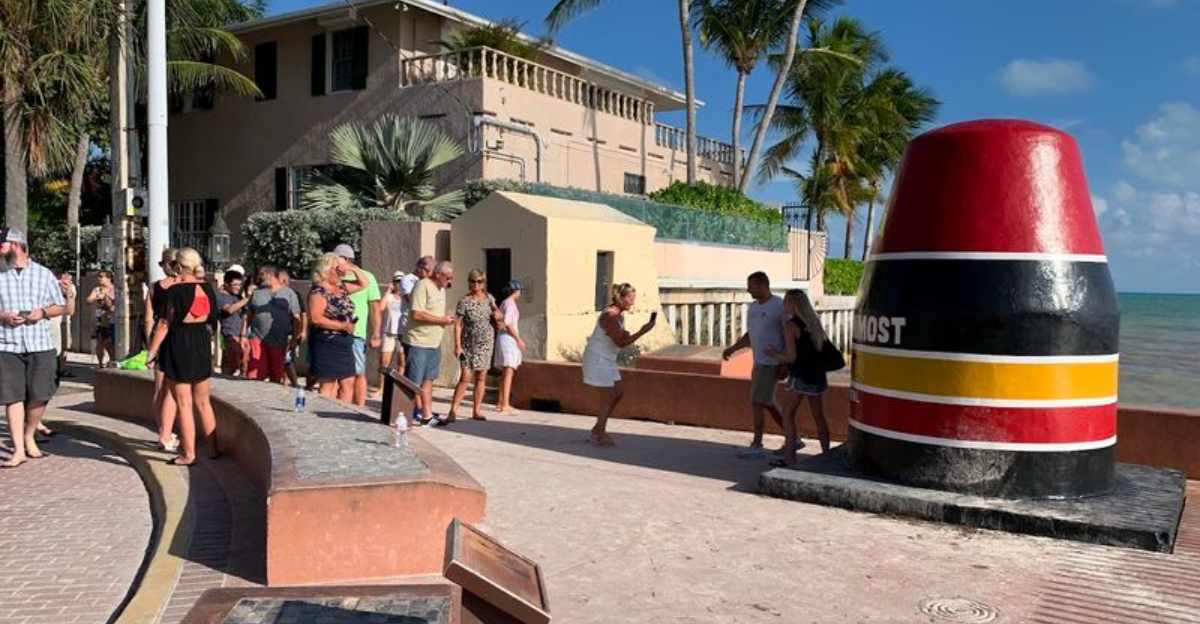
Standing at the edge of the continental United States, just 90 miles from Cuba, the Southernmost Point buoy in Key West marks one of Florida’s most photographed landmarks. This colorful monument has become a pilgrimage site for travelers who want to say they’ve reached the absolute bottom of the country.
Whether you’re chasing Instagram glory or simply curious about this slice of American geography, the buoy delivers a uniquely Floridian experience that blends history, ocean views, and that unmistakable end-of-the-road energy.
The Iconic Buoy That Everyone’s Chasing
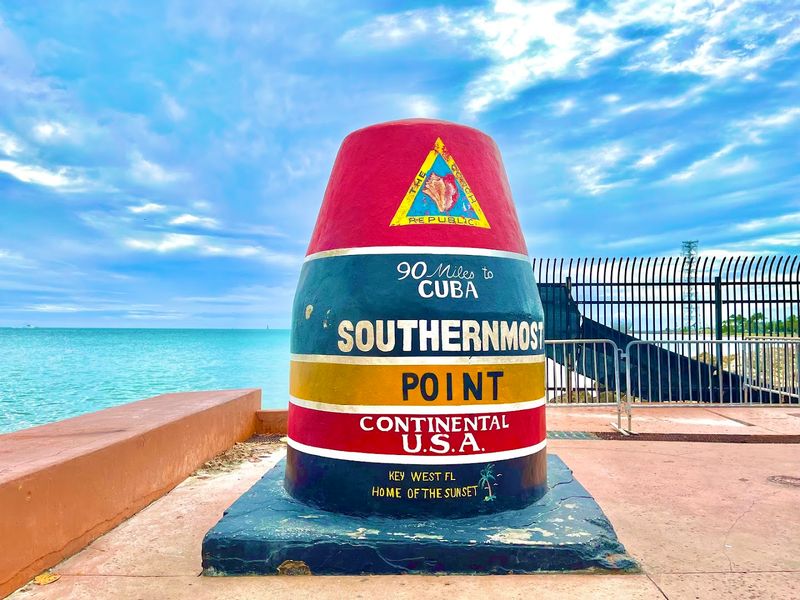
You’ll spot the giant striped buoy from blocks away, painted in bold red, black, and yellow stripes that practically glow under the Florida sun. This isn’t some delicate historical artifact tucked behind velvet ropes.
It’s a chunky concrete monument that’s been standing strong since 1983, weathering hurricanes and millions of tourist hands.
The buoy marks the southernmost spot you can reach by car in the continental United States, sitting at the corner of Whitehead and South Streets. Cuba lies just 90 miles south across the turquoise water, closer than many Florida cities are to each other.
That geographic quirk makes this spot feel like the edge of something bigger than just a vacation destination.
Lines form naturally as visitors wait their turn for that classic photo op. Most people spend about 15 to 20 minutes during slower periods, though weekend afternoons can stretch that to 30 minutes or longer.
The crowd moves with surprising efficiency since everyone understands the unspoken rule: snap your shots and keep it moving.
Early birds who arrive around sunrise or late afternoon golden hour score the best lighting and thinner crowds. Night visits offer a completely different vibe, with the buoy illuminated and practically zero wait time.
The monument stays accessible from 7 AM to 11 PM daily, giving you plenty of flexibility to plan around your schedule.
What makes this spot genuinely charming is the spontaneous community that forms around it. Strangers cheerfully offer to take photos for each other, swapping cameras and smartphones without hesitation.
That small-town friendliness feels refreshingly genuine in our usually guarded world.
The surrounding area hums with Key West energy. Cafes, bars, and shops line the nearby streets, while the ocean stretches endlessly behind the buoy.
You’re not just checking off a landmark here. You’re standing at a geographical endpoint that represents the adventurous spirit of traveling all the way to where the road literally runs out.
The Temporary Move That Caught Everyone Off Guard
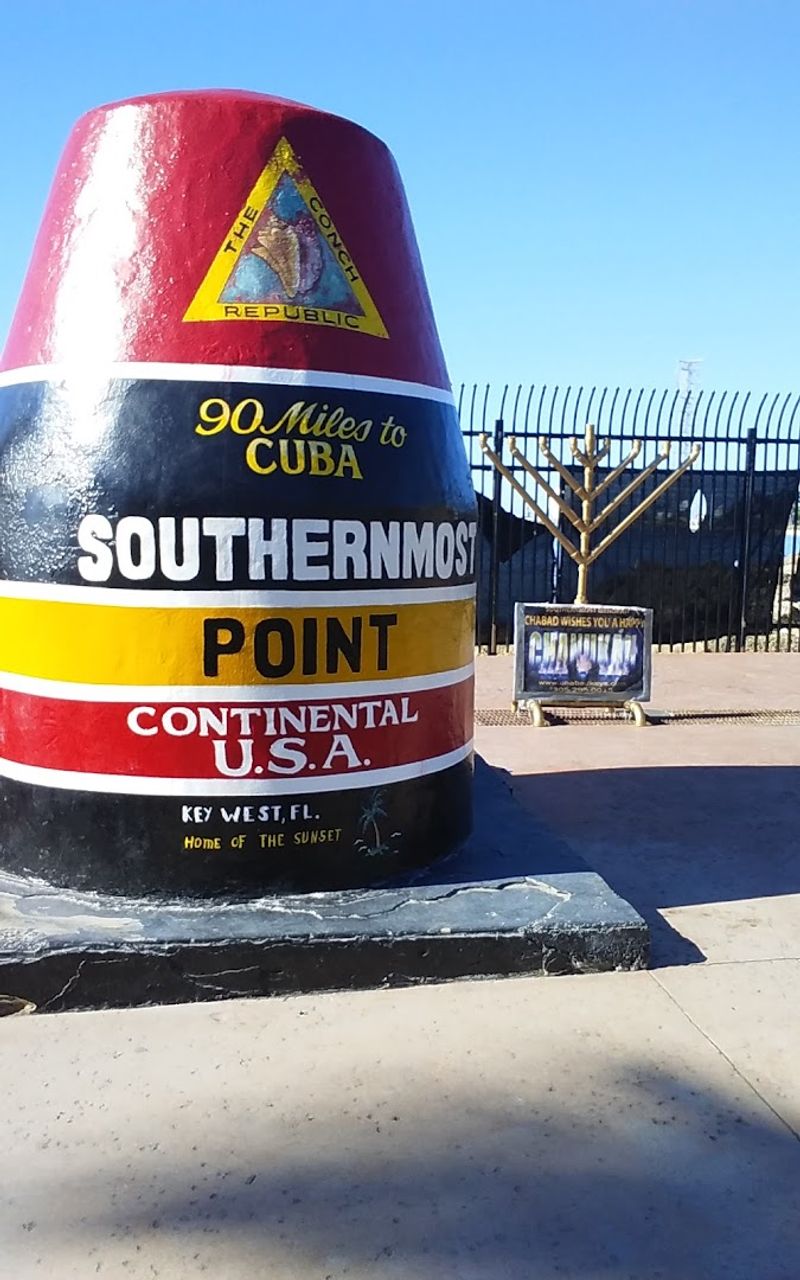
Construction projects rarely make tourists happy, but Key West’s decision to temporarily relocate the famous buoy sparked confusion and curiosity in equal measure. As of recent months, the monument has been chilling at Duval Street Pocket Park, about a block from its original home at 1400 Whitehead Street.
Erosion and necessary repairs forced the move, proving that even concrete landmarks need occasional TLC.
Finding the temporary location is surprisingly easy once you know where to look. The buoy sits in plain sight at the pocket park, impossible to miss with its signature colors and the inevitable crowd gathered around it.
Some visitors actually prefer this spot because it offers better photo angles and feels less cramped than the original corner location.
The original site remains visible behind construction barriers, giving history buffs a peek at the work in progress. Walking past the fenced-off area adds an interesting layer to your visit, like seeing behind the scenes of a beloved attraction.
You can snap photos of both locations if you’re feeling thorough about documenting your trip.
Despite the temporary setup, the experience hasn’t lost its magic. The line still forms, the ocean views still dazzle, and that sense of standing at America’s edge remains intact.
If anything, the relocation has become part of the buoy’s evolving story, adding a chapter that future visitors will look back on with curiosity.
Nobody knows exactly when the buoy will return to its permanent home, so embracing the temporary location makes sense. The nearby Emma Crates Pier offers stellar views and additional photo opportunities that weren’t as accessible from the original spot.
Sometimes construction blessings come disguised as inconveniences.
Local businesses around the pocket park have benefited from the increased foot traffic, creating a livelier atmosphere than before. The Southernmost Point Resort sits right next door, offering beach access and dining options that make the area feel more like a destination than just a photo stop.
This unplanned move might have accidentally improved the overall visitor experience.
Why This Isn’t Actually The Southernmost Point
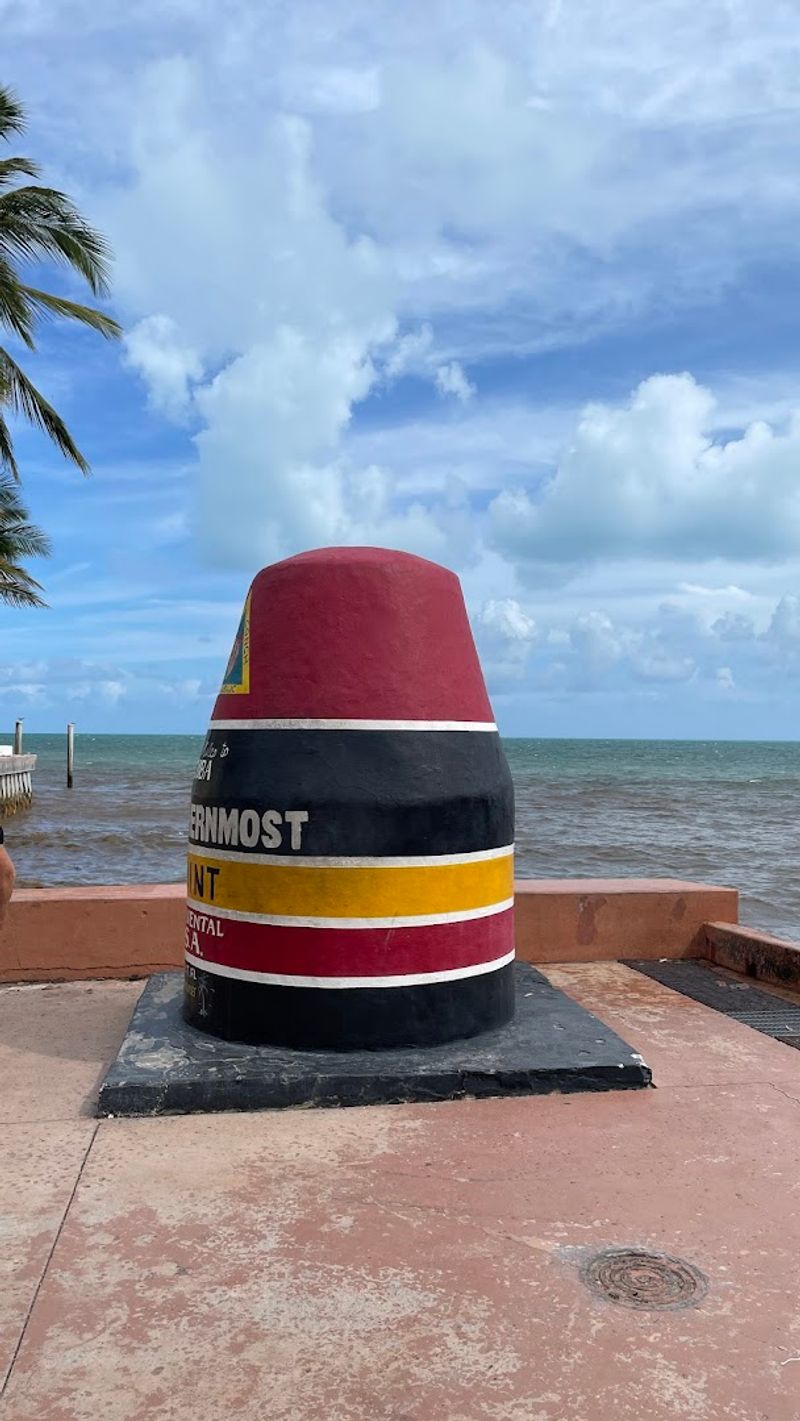
Here’s the truth bomb that geography nerds love dropping: the buoy isn’t technically the southernmost point of the continental United States. That honor belongs to Ballast Key, a private island that sits slightly farther south and remains blissfully inaccessible to tourists.
The buoy marks the southernmost point you can actually visit on public land, which sounds less impressive but matters way more for practical purposes.
Does this technicality ruin the experience? Not even slightly.
Ballast Key might win on a map, but it loses on every other metric that makes a landmark worth visiting. You can’t drive there, walk there, or take a selfie there without trespassing on private property.
The buoy’s designation as the southernmost public point makes it the rightful champion in the eyes of travelers. It represents the spirit of exploration and the American road trip tradition of driving until you literally can’t drive any farther.
That symbolic weight carries more meaning than splitting hairs over a few hundred feet of latitude.
Key West embraces this distinction without apology or asterisks. The city understands that people want an experience they can participate in, not just a fact they can read about.
Standing next to the buoy delivers that tangible connection to geography and adventure that looking at Ballast Key through binoculars never could.
Interestingly, most visitors don’t care about the Ballast Key detail once they’re standing at the buoy with the ocean breeze in their faces. The moment feels authentic and significant regardless of technical accuracy.
Travel is about the stories you collect and the places you touch with your own feet, not about winning geography quizzes.
This quirk actually adds character to the landmark rather than diminishing it. The buoy becomes a symbol of accessible adventure, proving that the best experiences often come from the places we can actually reach.
Ballast Key can keep its geographical crown while the buoy keeps its soul.
The Sunrise Strategy For Avoiding The Crowds
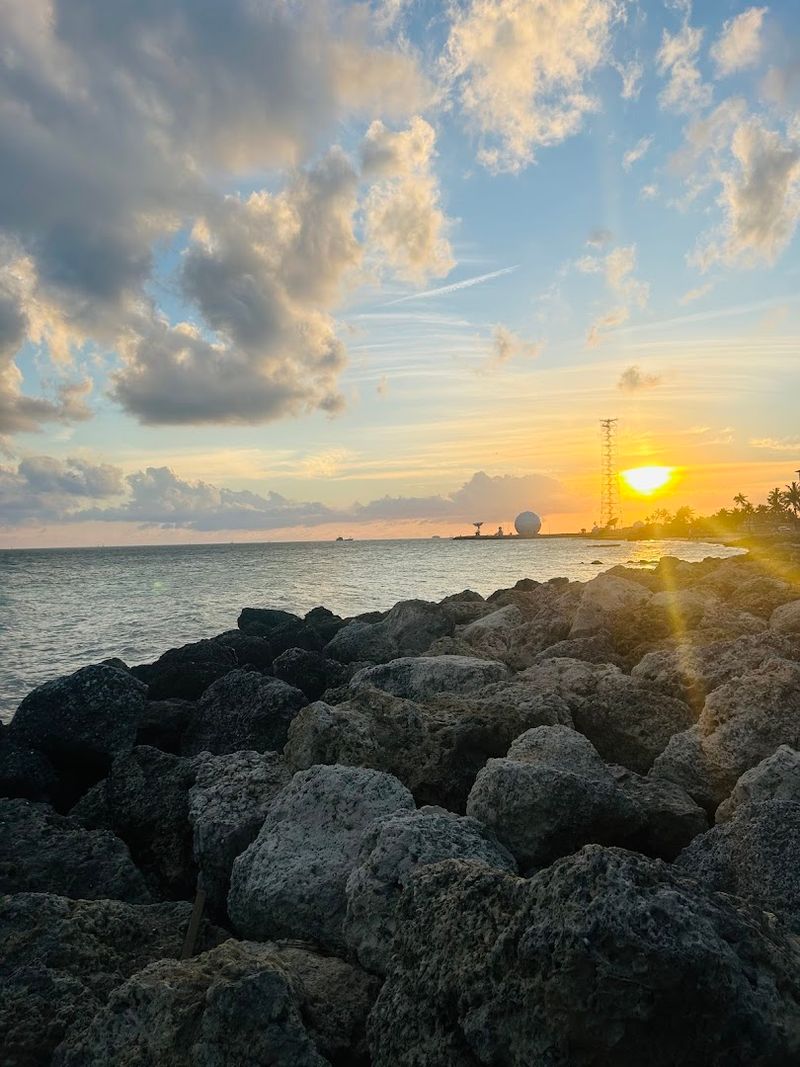
Rolling out of bed before dawn might sound painful on vacation, but early risers at the Southernmost Point get rewarded with an experience that afternoon visitors can only dream about. Arriving around 6:30 or 7:00 AM means you’ll have the buoy practically to yourself, with maybe a handful of other smart travelers who figured out the same strategy.
The morning light at this hour transforms the monument into something almost magical. Golden rays hit the ocean behind the buoy, creating that perfect Instagram glow without needing filters or editing tricks.
The colors pop naturally, and the shadows fall in flattering directions that make everyone look like professional photographers.
Beyond the lighting benefits, the morning vibe feels completely different from the midday tourist rush. Key West still sleeps at this hour, giving the area a peaceful, almost meditative quality.
You can actually hear the waves and feel connected to the location instead of jostling for position in a crowd.
Taking your time becomes possible when lines don’t exist. You can experiment with different angles, try various poses, and even shoot video without feeling guilty about holding up dozens of impatient people.
This freedom to explore and create makes the early wake-up call worthwhile.
Local joggers and dog walkers often pass by during morning hours, adding authentic Key West flavor to your visit. These aren’t tourists checking items off a list.
They’re residents living their daily lives, and their presence reminds you that this landmark exists within a real community, not just as a photo backdrop.
Nearby cafes start opening around this time, so you can grab fresh coffee and breakfast after your photo session. This combination of beating the crowds and fueling up for the day ahead creates a perfect morning routine.
You’ll be back at your hotel or heading to your next adventure while other visitors are still deciding what to wear.
The 7 AM opening time isn’t strictly enforced since the buoy sits in a public space, but respecting the posted hours shows consideration for the neighborhood. Dawn patrol visits work best during summer months when sunrise comes early and the heat hasn’t yet reached its oppressive peak.
Parking And Transportation Secrets The Locals Know
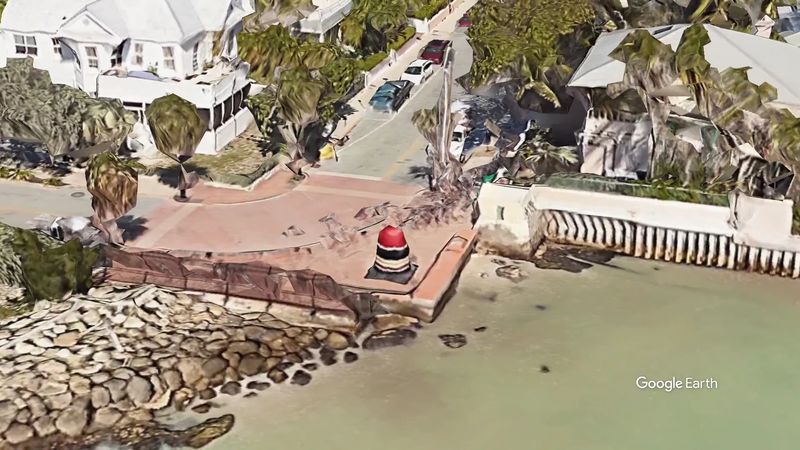
Driving to the Southernmost Point sounds simple until you’re circling the block for the fifteenth time hunting for a parking spot that doesn’t exist. Street parking around the buoy is tighter than a hermit crab’s shell, especially during peak tourist hours when every visitor in Key West apparently has the same idea.
Walking or biking to the monument solves this headache completely. Key West measures only about two miles by four miles, making most destinations easily reachable on foot or bicycle.
The island’s flat terrain means you won’t arrive sweaty and exhausted, even in Florida’s humidity.
If you’re staying in Old Town or anywhere along Duval Street, the walk takes maybe 15 to 20 minutes at a leisurely pace. You’ll pass colorful conch houses, tropical gardens, and quirky local businesses that make the journey more interesting than the destination.
Key West reveals its personality best when you’re moving slowly enough to notice details.
Bicycle rentals are everywhere in Key West, with shops offering everything from beach cruisers to electric bikes. Cruising down to the Southernmost Point on two wheels feels perfectly aligned with the island’s laid-back vibe.
Plus, you can easily explore other nearby attractions without worrying about finding parking multiple times.
Electric scooters and mopeds offer another popular option, though traffic can get congested near major landmarks. The freedom these provide for island hopping makes them worth considering despite the slightly higher rental costs.
Just remember that Florida sun and helmet hair are real challenges you’ll need to manage.
A small paid parking lot exists near the Southernmost Point Resort if you absolutely must drive. Spaces fill quickly, so arriving early or late gives you better odds.
The lot charges reasonable rates by Key West standards, though
The Pier Walk That Nobody Talks About
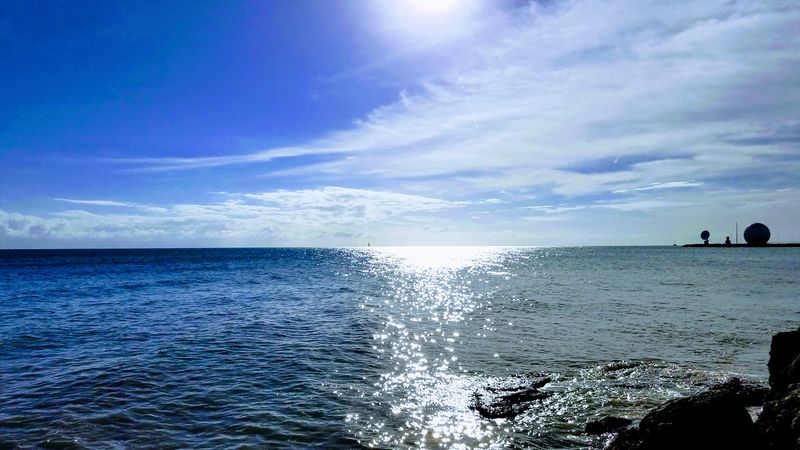
Most visitors snap their buoy photo and immediately leave, completely missing the Emma Crates Pier that extends into the Atlantic just steps away. This wooden walkway offers some of the best ocean views in Key West without the crowds that pack the more famous piers downtown.
Walking to the end takes maybe five minutes, but the perspective you gain makes it feel like discovering a secret spot.
The pier provides unobstructed views of the open ocean stretching toward Cuba. On clear days, the water gradients shift from pale turquoise near shore to deep sapphire blue at the horizon.
Watching pelicans dive for fish and feeling the salt breeze without barriers between you and the sea creates moments worth savoring.
Photographers love this location for capturing the Southernmost Point from a different angle. The pier’s elevation and distance give you shots that include the buoy, the coastline, and the endless ocean in a single frame.
These images often turn out more interesting than the standard posed photos everyone else takes.
Local fishermen sometimes cast lines from the pier, adding authentic island character to the scene. Watching them work their rods and reels while chatting about the day’s catch connects you to Key West’s maritime heritage.
These aren’t performers putting on a show for tourists. They’re residents pursuing their hobby or livelihood.
Sunrise and sunset transform the pier into something almost spiritual. The wooden planks glow in golden light, and the absence of crowds lets you experience these transitions peacefully.
Couples find this spot particularly romantic, though solo travelers and families also appreciate the tranquil atmosphere.
The pier requires no admission fee and welcomes visitors during the same hours as the Southernmost Point monument. Its accessibility makes skipping it feel like leaving money on the table.
You’ve already made the trip to this corner of Key West, so why not explore everything the area offers?
Combining the buoy photo with a pier walk creates a more complete experience than either attraction alone. You’ll spend maybe an extra 15 to 20 minutes total, but the memories and photos you collect will be richer and more varied.
This two-for-one approach maximizes your time while minimizing the tourist-trap feeling that sometimes accompanies famous landmarks.
The Neighborhood Vibe And Surrounding Scene
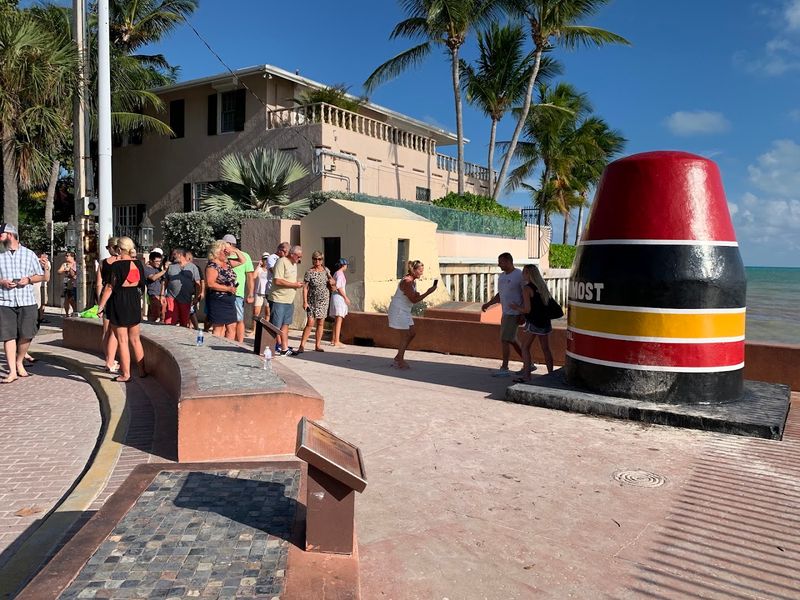
The Southernmost Point sits in a neighborhood that perfectly captures Key West’s quirky personality, where historic homes painted in Caribbean colors share streets with funky shops and laid-back restaurants. This area feels lived-in rather than manufactured for tourists, even though visitors constantly flow through taking photos and exploring.
The Southernmost Point Resort anchors the immediate area, offering beach access and dining that non-guests can enjoy. Their beachfront location provides another angle for viewing the buoy while sipping a cold drink.
The resort’s presence elevates the neighborhood without making it feel corporate or sanitized.
Walking the surrounding blocks reveals architectural gems that architecture enthusiasts geek out over. Conch houses with gingerbread trim, tropical gardens bursting with bougainvillea, and historic markers telling stories about the island’s past create an outdoor museum atmosphere.
Every corner offers something worth photographing beyond just the famous buoy.
Local cafes and restaurants cater to both tourists and residents, creating an authentic dining scene that avoids the theme-restaurant trap. You can grab Cuban coffee from a window counter, sit down for fresh seafood, or pick up snacks from small markets run by families who’ve lived here for generations.
This mix of options means you’re never far from good food or drinks.
The neighborhood’s proximity to other Key West landmarks makes it an ideal starting or ending point for exploring. Hemingway House, the Key West Butterfly Conservatory, and the historic seaport all sit within reasonable walking distance.
Planning a route that includes multiple stops maximizes your day without requiring constant driving or parking searches.
Street vendors occasionally set up near the buoy selling local art, jewelry, and souvenirs. These aren’t aggressive salespeople pushing cheap trinkets.
They’re often artists or craftspeople offering genuinely interesting items that reflect Key West’s creative spirit. Browsing their wares adds another layer to your visit.
The residential character of the area reminds you that people actually live here year-round, dealing with the tourist traffic as part of their daily reality. Respecting their space and keeping noise levels reasonable shows consideration for the community that maintains this landmark.
Good travelers understand they’re guests in someone else’s neighborhood.