This Palm Coast Park Has a Hidden Rose Garden and Florida’s Most Dramatic Shoreline
Palm Coast has plenty of pretty stops on A1A, but Washington Oaks Gardens State Park hits different.
One minute you’re walking tidy garden paths framed by palms and ancient oaks, the next you’re standing at the edge of the Atlantic staring at a jagged ribbon of coquina rock that looks like Florida decided to get dramatic for once.
The best part is how effortless it all feels: park once, wander slow, and let the scenery change on you without a long hike or a complicated plan.
Come for the roses and shade, stay for the shoreline textures, salty air, and the kind of photo-worthy details that don’t need a filter to impress.
1. Why Washington Oaks feels like two parks in one
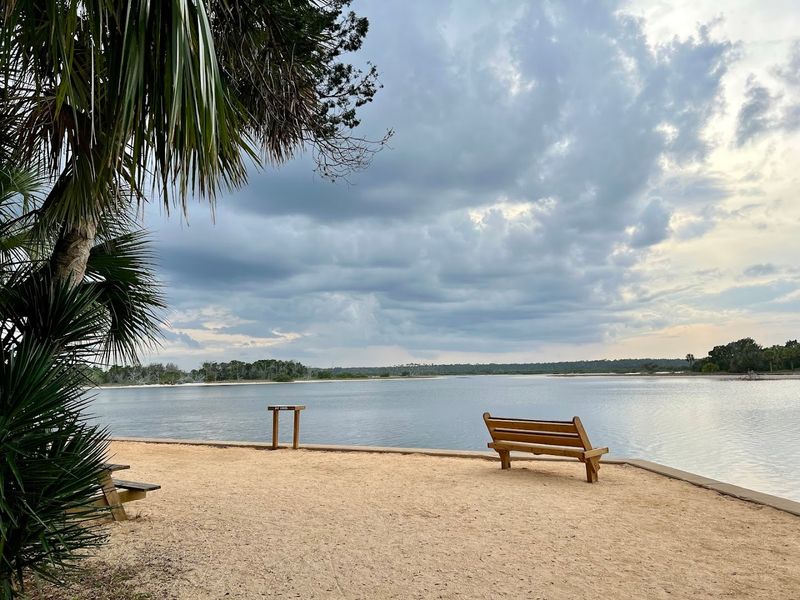
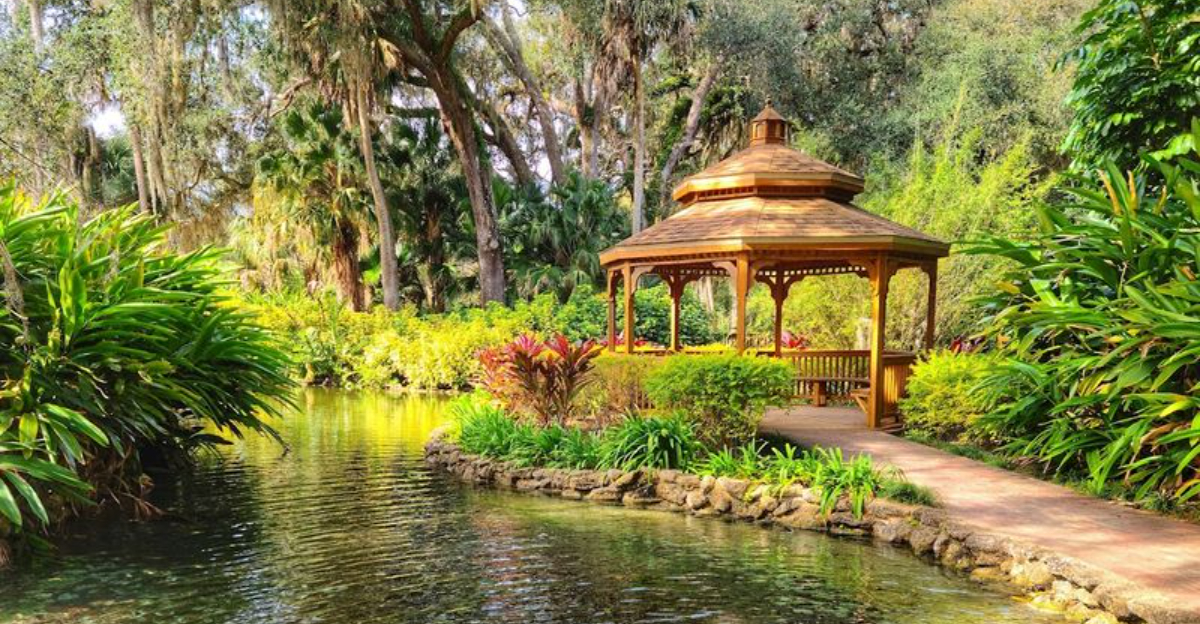
Step through the entrance and you’ll notice the vibe split almost immediately. On the west side, everything feels composed—formal gardens, clipped edges, quiet benches, and that calm, “take your time” pace.
Cross the road to the east side and the mood flips: wind off the ocean, waves thumping, and a shoreline that’s all angles and texture.
It’s a rare Florida combo where you can do a peaceful garden stroll and a rugged beach walk in the same visit, without committing to a big day of trekking.
The contrast is the magic. If you’re traveling with mixed interests—one person wants flowers, another wants the ocean—this park keeps everyone happy.
Even better, you can bounce back and forth depending on the weather, the light, or your patience for sand.
2. The rose garden that surprises first-time visitors
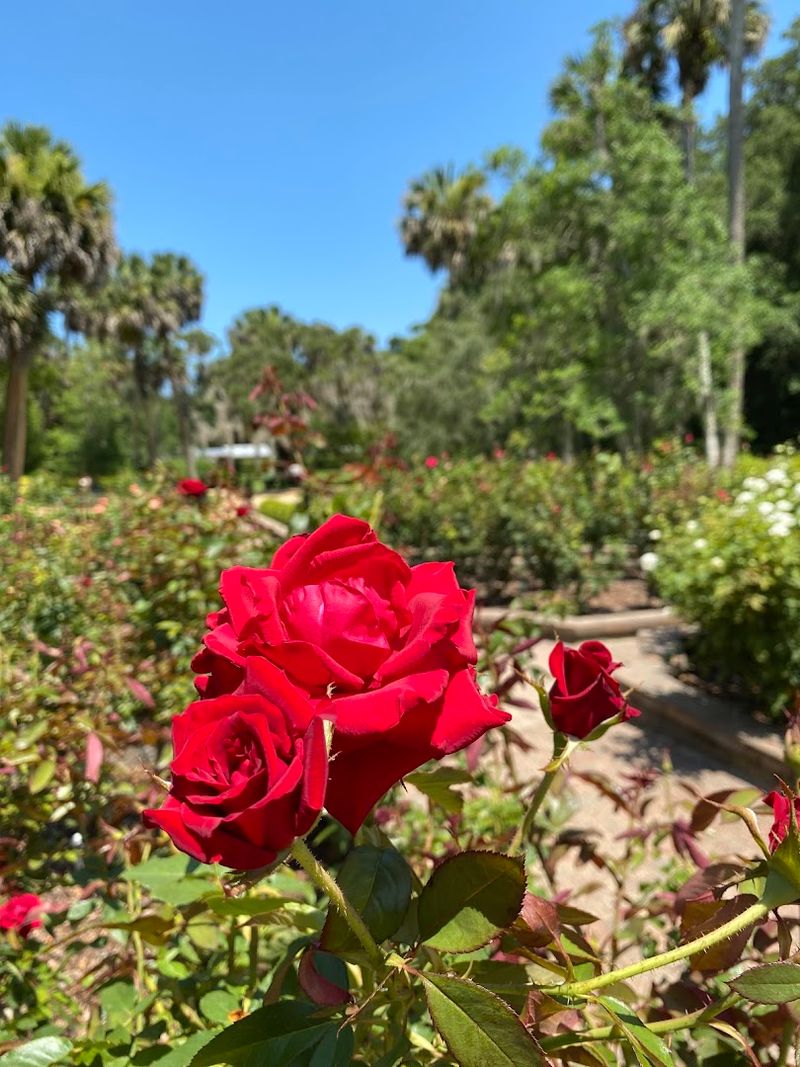
Tucked into the formal garden area, the rose beds feel almost mischievous this close to salty air. You expect dunes and sea oats, not a pop of color that looks like it belongs at an old estate.
The rose garden isn’t huge, but it’s memorable because it breaks the “coastal Florida” script. When blooms are on, it turns into a slow-down zone—people leaning in for photos, catching the scent, and suddenly whispering like they walked into a secret.
Even when the roses aren’t at peak, the structure of the garden still carries the scene: tidy paths, layered plantings, and enough shade nearby to linger without melting.
Look for small details as you wander—arched branches, tucked-away corners, and that satisfying shift from bright sun to cool canopy.
3. Where to wander under towering live oaks
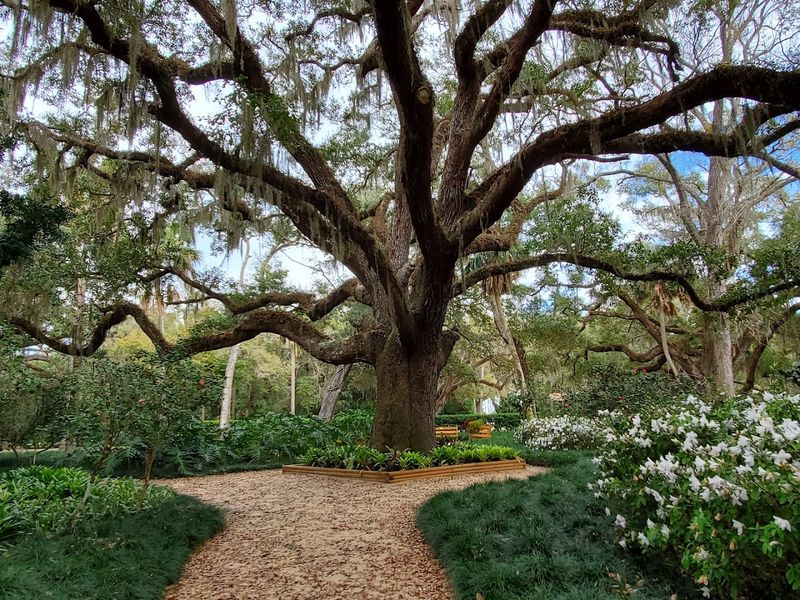
Head into the garden paths when the sun starts feeling a little too enthusiastic. The live oaks here aren’t just “nice trees”—they’re the main character, stretching wide and low with limbs that make you instinctively look up.
In the shaded sections, the air feels calmer and the light softens into that flattering, dappled glow photographers chase. This is where the park turns into a quiet stroll instead of a checklist.
Take the slower routes, the ones that curve and make you wonder what’s around the next bend. You’ll pass palms, ornamental plantings, and pockets that feel almost private even when the park is busy.
If you want a true decompression lap, do a full loop through the garden side first, then reward yourself with the ocean view.
4. The coquina rock shoreline you have to see to believe
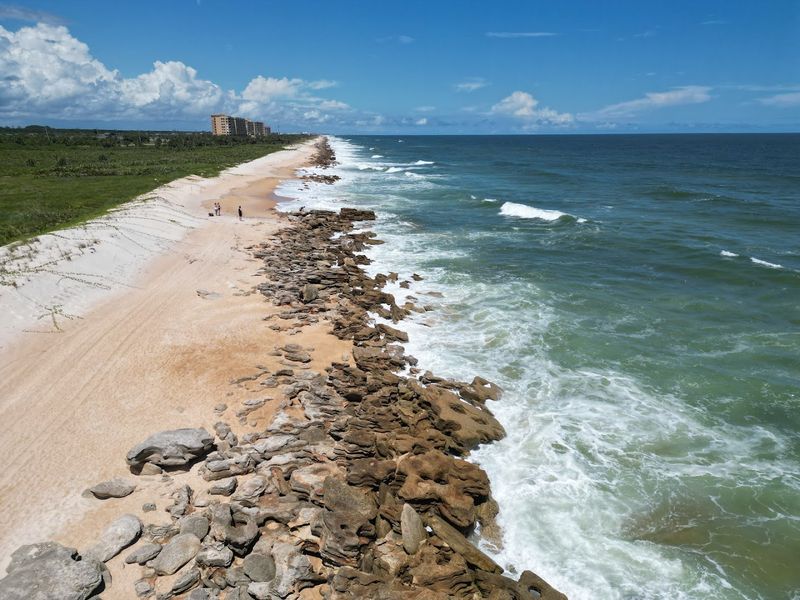
Florida beaches rarely look like this. Here, the sand is broken by rust-colored coquina ledges, pitted and scalloped like ancient sculptures.
Waves slam and retreat, leaving tide pools that mirror the sky and trap tiny crabs.
Walk carefully because the rock is uneven and sometimes slick. Low tide unlocks more textures and safer footing, so check the chart before you go.
Stand back at big sets to keep shoes dry, then step in when the lull arrives for reflection shots.
It is endlessly photogenic. Every angle changes with the swell and sun, and you can frame rock windows against horizon lines without moving far.
If you have only twenty minutes, make them here. The geology does the storytelling, and you feel like you have stumbled onto Florida’s backstage where the Atlantic rehearses all day.
5. The best photo spots for roses, oaks, and ocean views
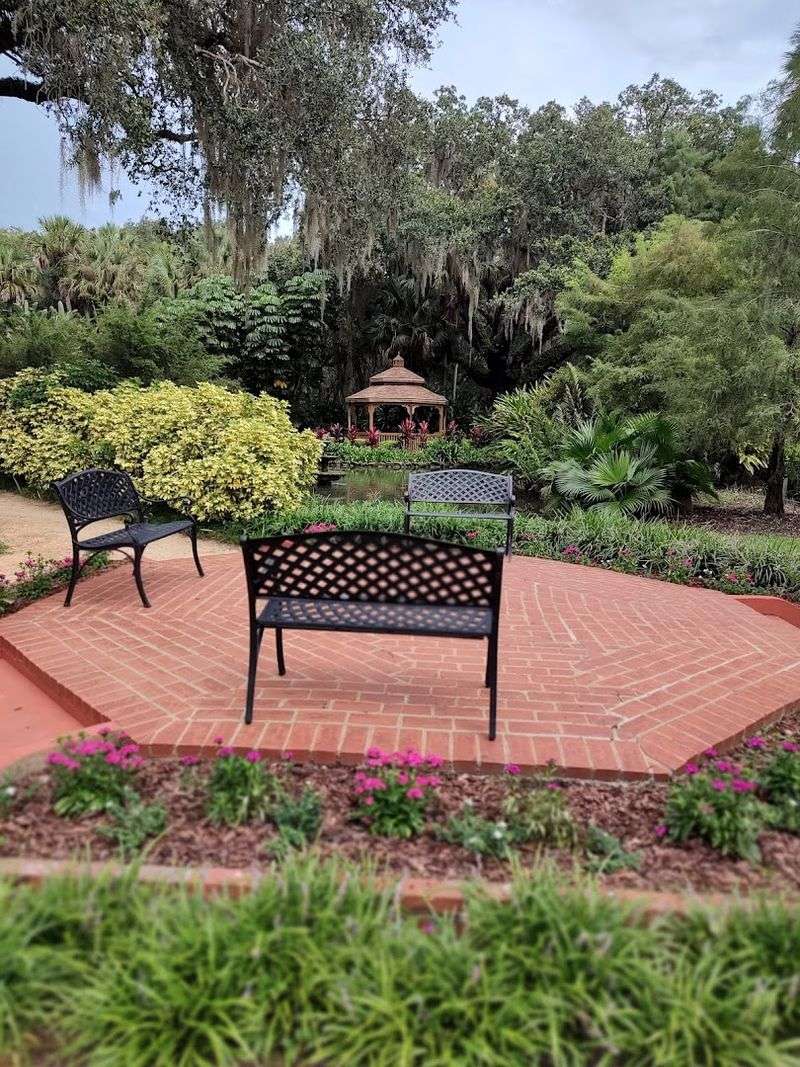
This park makes it almost unfairly easy to come home with great shots. In the gardens, aim for the moments where structure meets softness—pathways that draw the eye forward, layered greenery behind blooms, and oak branches framing the scene like nature’s own vignette.
The shade under the trees gives you flattering light without trying, especially mid-morning or later in the afternoon.
Over on the beach side, switch gears and shoot the texture: coquina patterns, sea foam crawling over rock edges, and wide angles that show how the shoreline stretches.
If you’re chasing a hero shot, time it when the sun is lower so the rocks catch warm highlights. Even phone cameras love this place because the scenery brings the contrast.
Pro tip: wipe your lens after crossing to the ocean—salt mist is sneaky.
6. Easy walking routes that show off the park fast
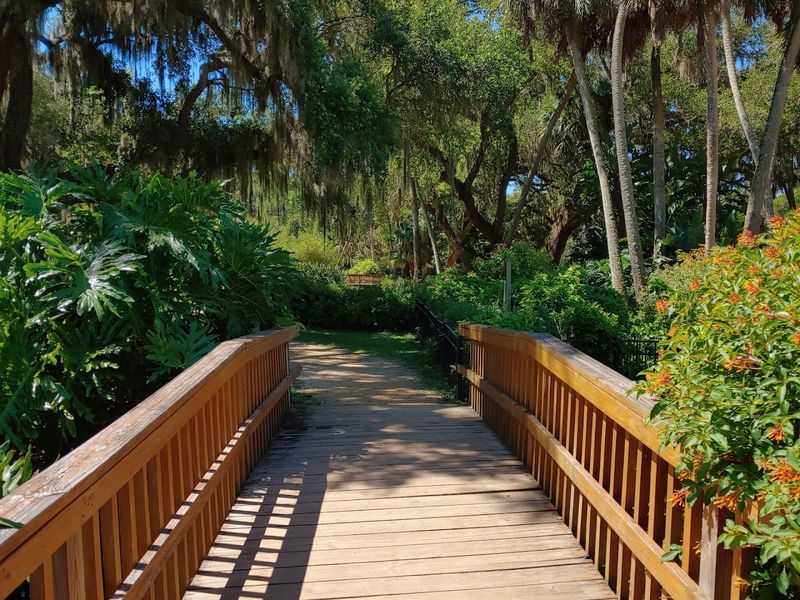
You can see the highlights here without turning it into a marathon. Start on the garden side and give yourself a gentle loop—enough time to wander, pause, and follow whichever path looks prettiest in the moment.
Once you’ve had your fill of shade and flowers, cross to the beach side for a shorter shoreline walk that’s more about looking than covering distance.
The coquina rock area delivers quickly, so even a 20–30 minute wander feels like you “did the thing.” If you’re short on time, do gardens first while you’re fresh, then finish at the ocean for the big finale.
If you’re visiting with kids or anyone who doesn’t love long walks, this park is a win because it gives constant payoff with minimal effort. Just keep an eye on where you’re stepping on the rocky sections.
7. When to visit for cooler temps, better light, and calmer crowds

This park rewards good timing more than extra planning. For the most comfortable stroll, go in the morning when the garden paths are cool and the shade actually feels like shade.
Late afternoon is another sweet spot—softer light, fewer harsh shadows, and a calmer vibe as day-trippers start to clear out. Midday can still work, but you’ll feel the sun hard on the beach side, and the garden becomes the main refuge.
If you care about the shoreline details, check tide timing before you go; lower tide tends to reveal more rock texture and calmer pockets. Season-wise, fall through spring is the easy win for temperature and humidity, while summer visits are best tackled early and with water in hand.
After a windy day, the ocean side looks extra wild, which can be a feature, not a bug.
8. Wildlife you might spot on a casual stroll
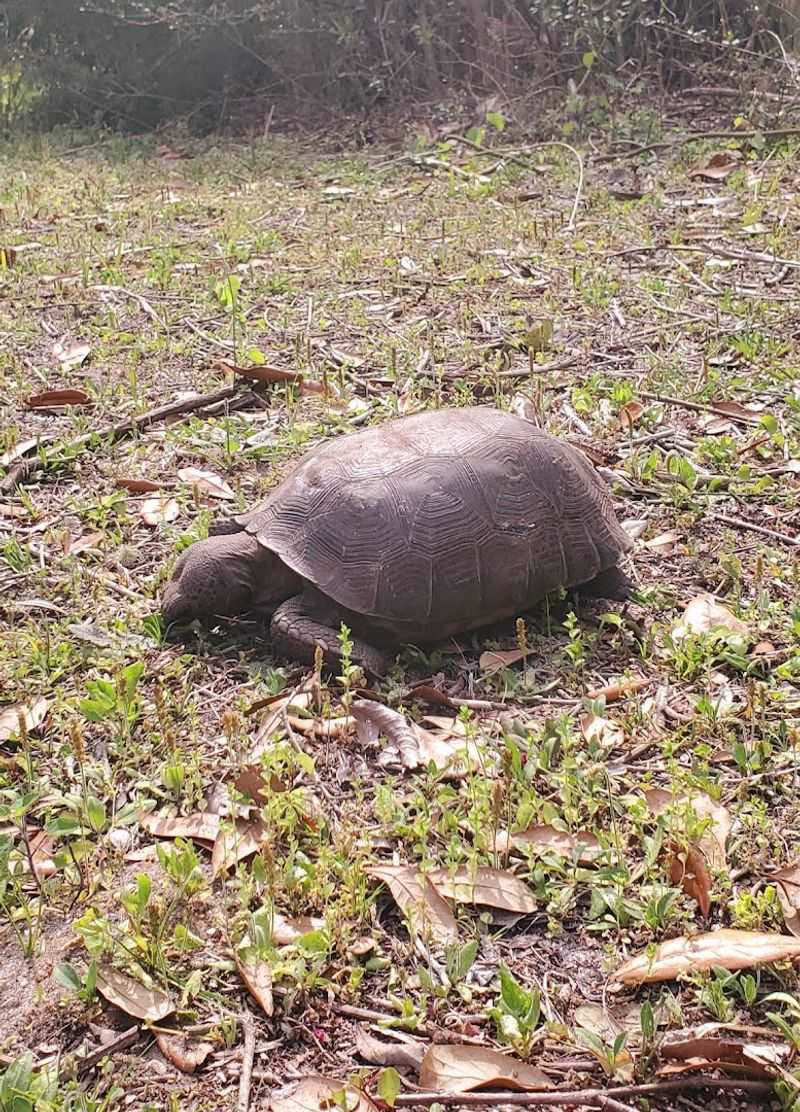
Keep your eyes soft and you will start to notice motion at the edges. Butterflies cruise the flower beds, anoles zip across brick, and woodpeckers drum on oak trunks like tiny metronomes.
Near the river, wading birds work the shallows with patient steps.
On the paths, look for the domed silhouette of a gopher tortoise and give it space. Squirrels treat the gardens like their pantry, and you might spot osprey circling overhead before diving.
Quiet shoes help more than fancy binoculars.
Dawn and late afternoon amplify sightings, but midday shade can surprise you too. Do not feed anything, and keep pets leashed so everyone gets a chance to observe.
A simple goal works: notice five species before you leave. You will hit it without trying and feel more connected to the place.
9. What to know before you go for fees, hours, and parking
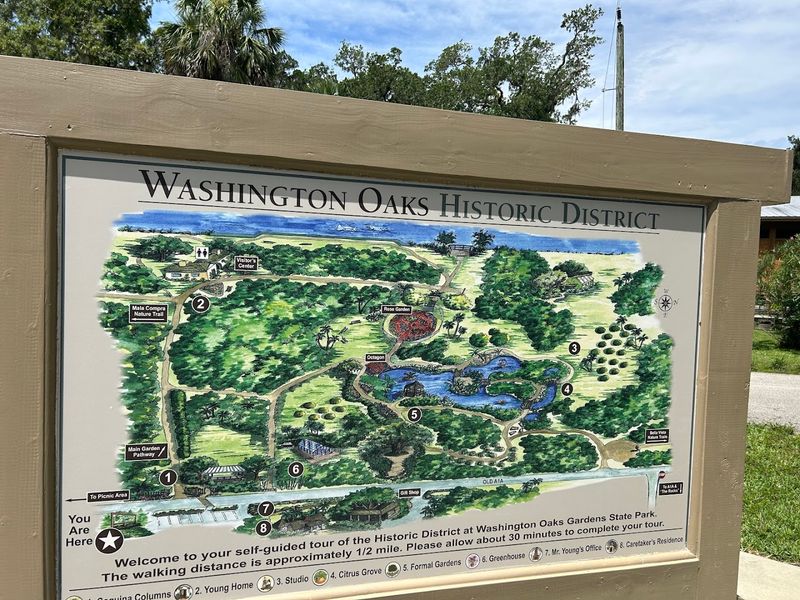
Planning here is refreshingly simple. The park is open daily from 8 a.m. to sundown, which is perfect for a morning wander or a sunset-adjacent shoreline stop.
Entry is budget-friendly too—typically $5 per vehicle for up to eight people, with smaller options for single-occupant cars and for pedestrians or cyclists.
Parking is straightforward, but it can fill up on weekends and gorgeous weather days, especially when everyone has the same idea.
Wear shoes you don’t mind getting sandy, and bring something with traction if you know you’ll spend time on the coquina rocks. A light layer can be clutch on breezy days because the ocean side cools off fast even when inland feels warm.
Restrooms and basic amenities make this an easy, low-stress outing, not a complicated expedition.
10. Simple ways to turn it into a full A1A day trip
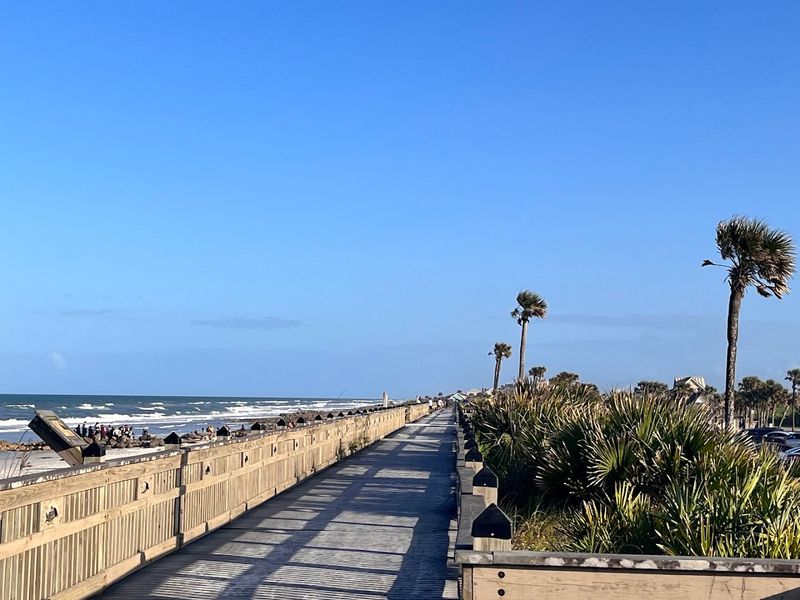
Washington Oaks is a perfect anchor stop because it’s satisfying on its own but also plays well with the rest of Palm Coast’s coastal lineup.
Do the park first, then keep cruising A1A and treat the drive like part of the attraction—water views, pockets of old Florida, and plenty of “pull over for a second” moments.
If you want more nature without extra driving, pair it with another nearby scenic spot for a longer outdoor day, then finish with a casual meal back in Palm Coast. The easiest move is to time Washington Oaks around golden hour and let the ocean side be your closer.
If you’re traveling with someone who gets bored quickly, mix it up: gardens, shoreline, then a quick coffee stop. It keeps the day moving without feeling rushed, and it’s a very Florida way to spend a few hours.