This River Near Orlando Is By Far The Prettiest Float Trip In Florida
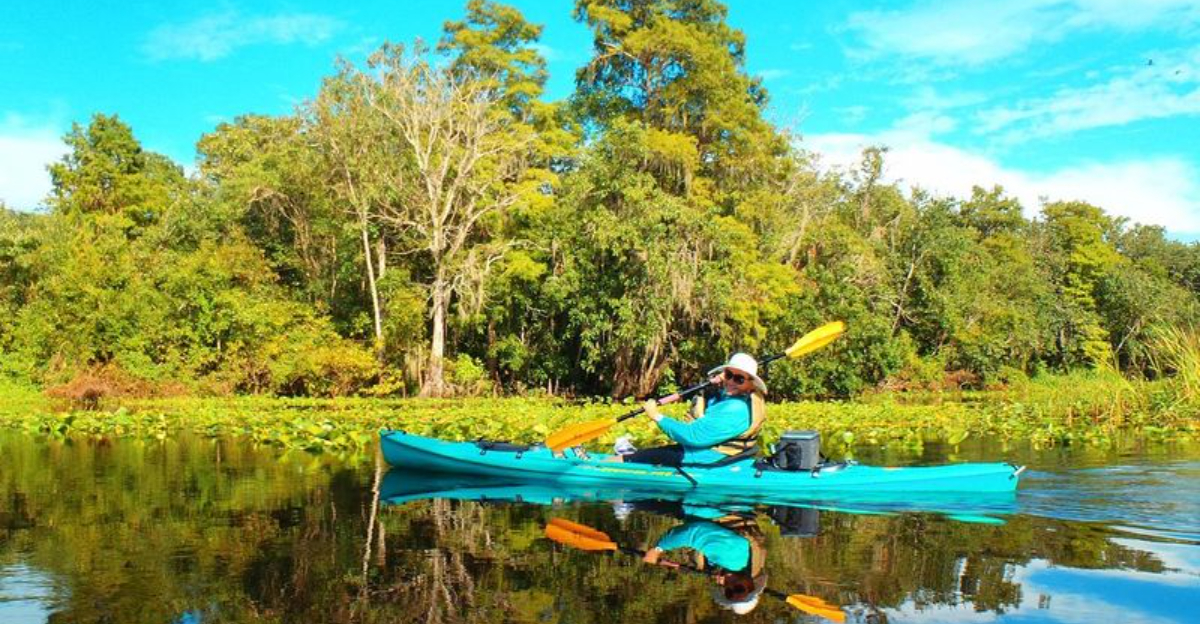
If you’ve ever wished Florida still had a few secret-feeling places left, the Wekiva River is your proof. This is the float where the water looks filtered, the banks turn into a green tunnel, and “Orlando traffic” feels like a rumor from another planet.
It’s spring-fed, slow-moving in the best way, and protected as part of a National Wild and Scenic River system—so the vibe stays wild instead of getting loved to death.
Start early, drift often, and keep your eyes on the shadows: turtles stack on logs, herons hunt the edges, and the whole river feels like it’s doing its own quiet thing—whether you’re ready or not.
1. Why the Wekiva River Is One of Florida’s Only Wild & Scenic Rivers
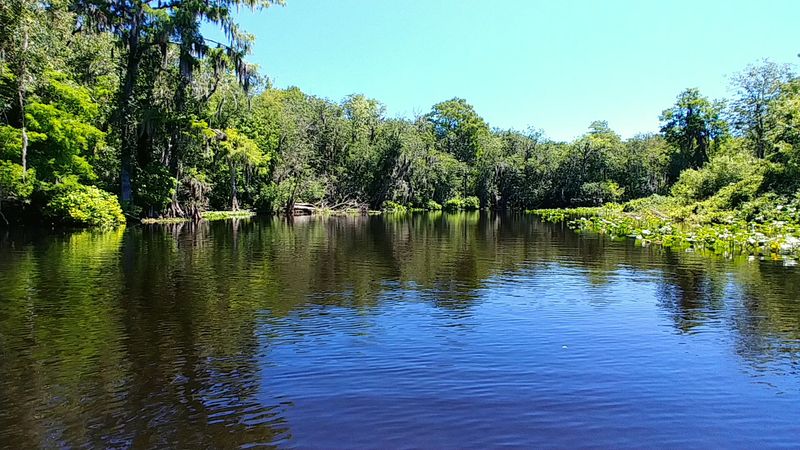
Federal protection isn’t handed out like free sunscreen, which is exactly why the Wekiva feels different the second you hit the water.
The Wekiva River system was added to the National Wild and Scenic Rivers System in October 2000, and it’s managed as a partnership river—meaning local and state stakeholders help keep it flowing, functioning, and not turned into a theme-park canal.
The designation covers multiple connected waterways, not just one ribbon of water, so you’re paddling through an entire protected network that includes Wekiva River, Wekiwa Springs Run, Rock Springs Run, and Black Water Creek.
Translation for your trip: fewer ugly surprises, more intact shoreline, and a float that still looks like “old Florida” even though you’re not far from suburban sprawl.
2. Where the Wekiva River Is (A Surprisingly Wild Escape Near Orlando)
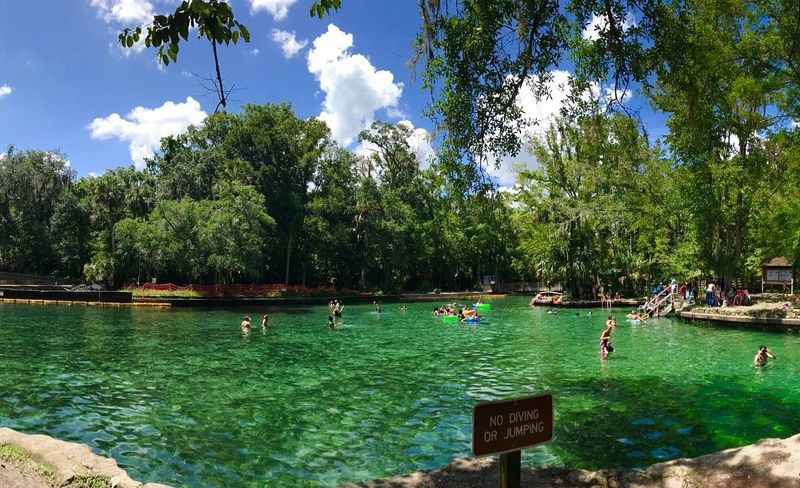
You don’t need a long drive or a remote cabin reservation to get to this kind of scenery—just point yourself to the north side of the Orlando area and you’re basically there.
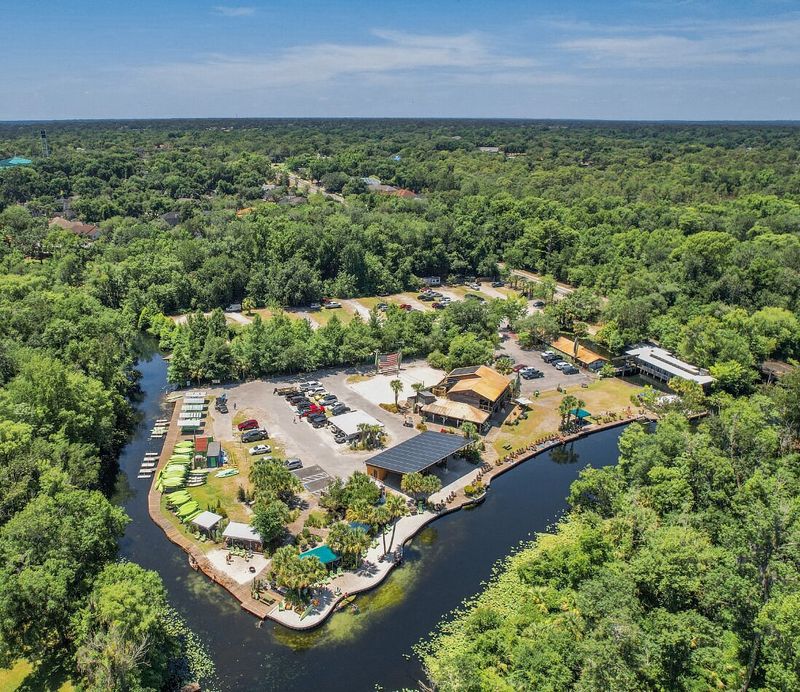
The Wekiva River system sits in Central Florida across Lake, Orange, and Seminole counties, with popular access points around Apopka.
That location is the magic trick: you can grab coffee in the city, then be gliding under cypress and palms before your ice melts. The launch scene varies by spot, but the vibe on the water stays consistent—quiet, green, and surprisingly spacious once you’re a few bends in.
It’s the kind of place where your phone signal fades in and out, and you’ll be grateful when it does. Plan for a morning start and you’ll feel like you stole a whole day.
3. What Makes It So Crystal-Clear (Spring-Fed Water, Explained)
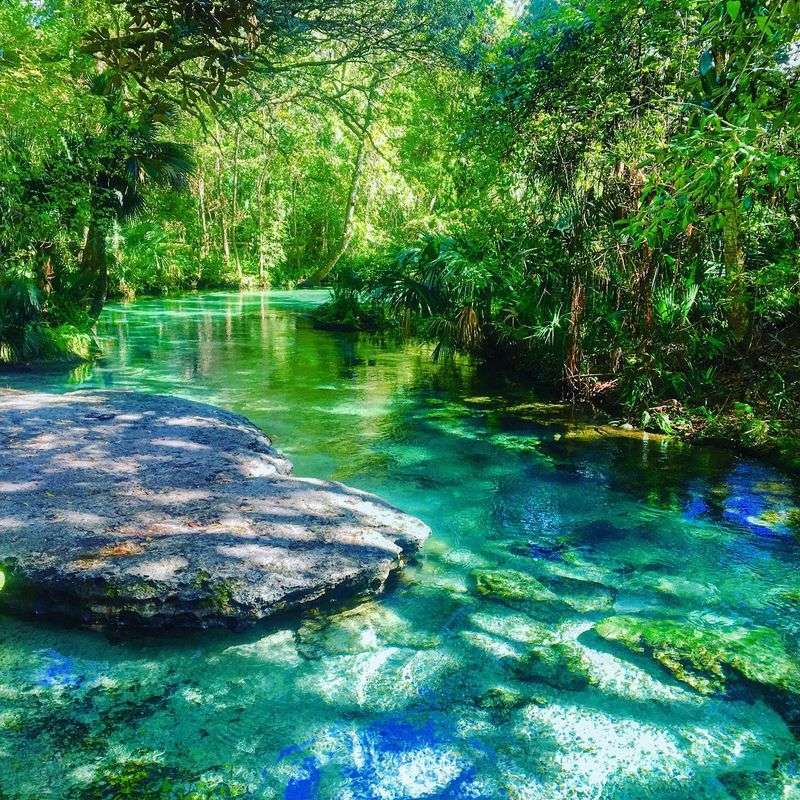
That “how is this real?” clarity comes from springs—lots of them—feeding the river system with groundwater that stays cool and clean-looking compared to most dark, tannin-stained Florida rivers.
Wekiwa Springs State Park is a major headwater area, with emerald spring water feeding the Wekiwa River and a landscape of hammocks and sandy banks that keeps things scenic and photogenic.
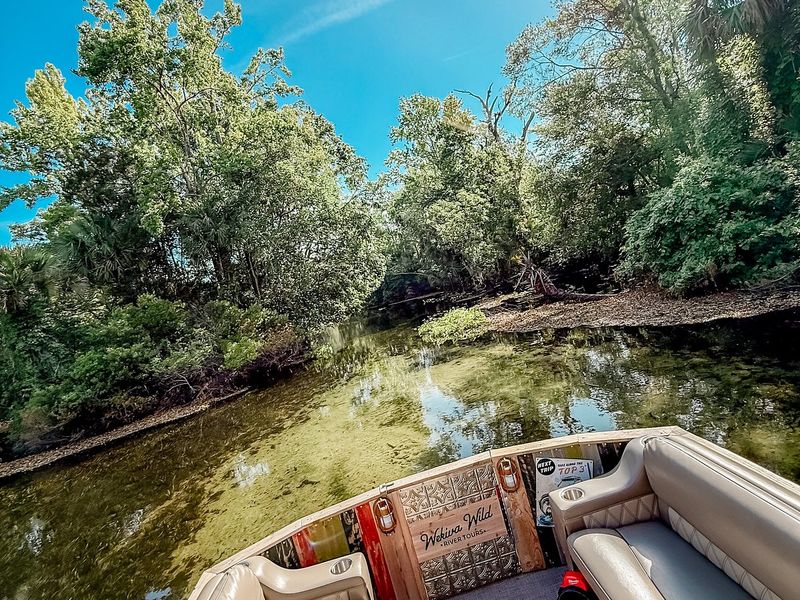
On the classic float routes, you’ll notice a gradient: the water often starts bright and see-through, then shifts to tea-colored as you move downstream and mix with more tannic flows.
That change isn’t “worse,” it’s just Florida being Florida—clear spring runs meeting swampy, wildlife-rich stretches.
If you’re chasing the glassiest water for photos, linger early in the run and look for those sandy bottoms and sunlit shallows.
4. The Must-Do Float: King’s Landing to Wekiva Island (The Classic Route)
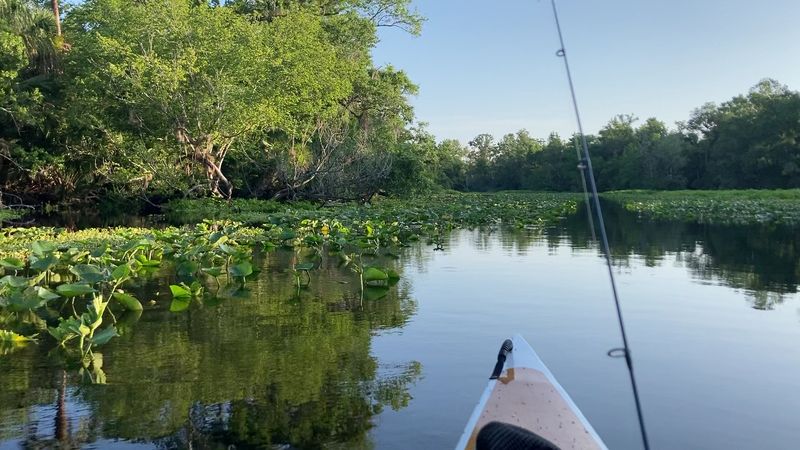
A lot of floats sound good on paper; this one is the real deal because it’s built for drifting.
The most popular setup is the self-guided shuttle run from King’s Landing down to Wekiva Island—8.5 miles of downstream paddling where the current does enough work that you can actually relax.
It starts in clear water (hello, “Emerald Cut” energy) and gradually turns more tannic as you travel, which is when the wildlife sightings tend to pick up. The best part is the logistics: you launch, you float, you finish at Wekiva Island, and the return shuttle is included.
No complicated car shuffle, no begging a friend to play chauffeur. Just show up early, take your time, and treat it like a moving nature show with a front-row seat.
5. What to Expect on the Water (Time, Distance, Difficulty, Current)
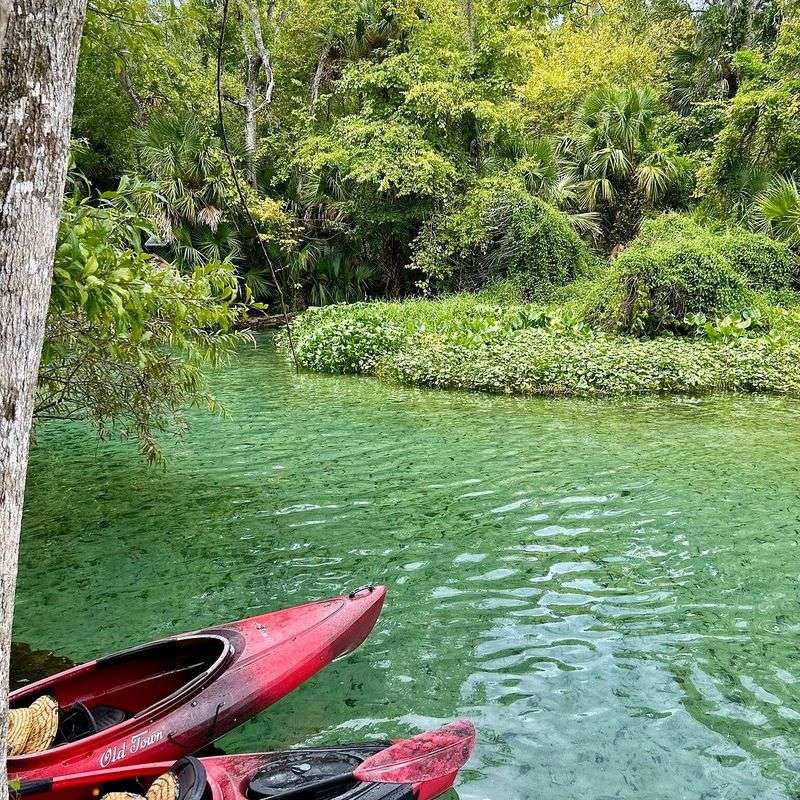
Most people underestimate two things here: how long they’ll want to stop for photos, and how much the river’s gentle pace lulls you into “one more bend.”
The shuttle run is 8.5 miles and King’s Landing lists it as a 4–6 hour trip, which is realistic if you’re pausing to swim, snack, and stare at turtles like it’s your job. The current generally helps you along downstream, but you’re still paddling—this isn’t a lazy river with inner tubes and lifeguards.
Treat it as intermediate-friendly if you’re comfortable controlling a kayak, staying balanced, and being on the water for a few hours straight. Wind can add effort in open stretches, and busy days mean you’ll occasionally maneuver around other paddlers.
The good news: the river is forgiving, the scenery is constant, and the rhythm is easy once you settle in.
6. What You’ll See Along the Way (Scenery + Wildlife Highlights)
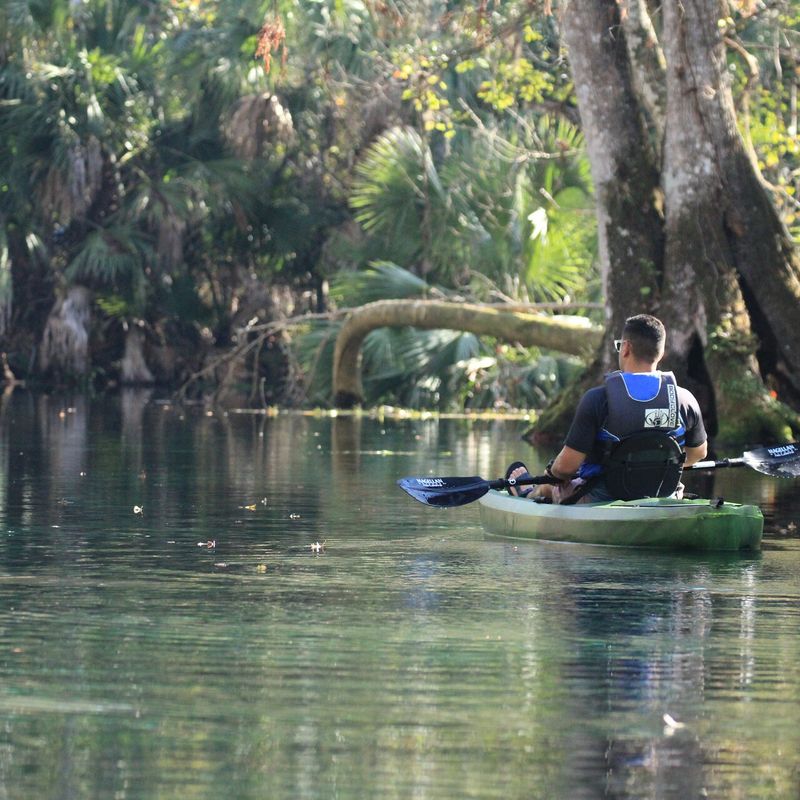
Think of this float as a highlight reel of Central Florida ecosystems packed into one trip. The banks shift from palm-y hammock to cypress-lined corridors, with overhanging greenery that makes the river feel narrower and more dramatic than it actually is.
The water clarity early on turns the whole experience into a moving aquarium—fish flicker over sand, and you can spot submerged logs before you’re on top of them. In the tannic stretches, the vibe gets moodier and more “wild,” and that’s often when you’ll see the most action.
Turtles are the constant co-stars, stacked on fallen trees like they’re sunbathing competitively. Wading birds patrol the edges with that slow, patient stare.
And yes, you might see an alligator—usually doing what they prefer: floating quietly, keeping their distance, and minding their own business as long as you mind yours.
7. When to Go for the Best Experience (Season, Time of Day, Crowds)
If you want the river to feel like it belongs to you, timing matters more than talent. Weekday mornings are the sweet spot—cooler air, calmer water, fewer launch-line vibes.
In warmer months, the water stays inviting, but the afternoons can bring classic Florida pop-up storms, so an early start is your best friend.
For the clearest-looking water and best photos, aim for bright morning light, especially on the spring-run sections where the sandy bottom glows.
Crowds spike on weekends and holidays, and popular access points can fill up fast, so treat this like a “show up early” destination rather than a “we’ll wing it at noon” one.
Cooler seasons are underrated: fewer bugs, more comfortable paddling temps, and wildlife watching tends to feel easier when you’re not battling peak heat.
Whatever you pick, give yourself a buffer—this river rewards slow travel.
8. What to Bring + What to Wear (The Quick, No-Regrets Checklist)
Comfort on this float comes down to two rules: keep your essentials dry, and protect your skin like you’ve learned something from living in Florida.
Quick-drying clothes beat cotton every time, and water shoes are a small upgrade that feels huge when you’re stepping on roots, sand, or the occasional slippery ramp.
A dry bag is non-negotiable for your phone and keys; the river is calm, but kayaks have a way of making “oops” happen without warning. Bring more water than you think you need—hours slide by out there—and toss in a salty snack so you don’t bonk halfway through.
Sunscreen matters even under tree cover because the water reflects light straight up. Bug spray is smart insurance, especially in warmer months and near the shaded banks.
And if you’re even slightly into photos, pack a waterproof pouch so you’re not afraid to use your camera.
9. Safety + River Etiquette (Gators, Swimming Smarts, Leave No Trace)
The safest paddlers here aren’t the toughest—they’re the ones paying attention. Give wildlife space, especially alligators, and never treat a sighting like a photo op that requires getting closer; distance is the whole point.
Swimming is part of the fun in the right spots, but keep it smart: choose clear areas, avoid swimming near thick vegetation or blind turns, and don’t hop out where the banks look fragile.
This river stays beautiful because people don’t “improve” it—so skip the speakers, keep your voice low, and let the soundscape do its thing.
Pack out every scrap, including the tiny stuff like fruit peels and bottle caps, and don’t bring glass. If you stop along the edge, be mindful of private property and sensitive shoreline.
A good rule: leave each spot looking like you were never there, except for a faint trail of ripples drifting downstream.