This Strange Florida State Park Feels Like A Journey Into A Forgotten World
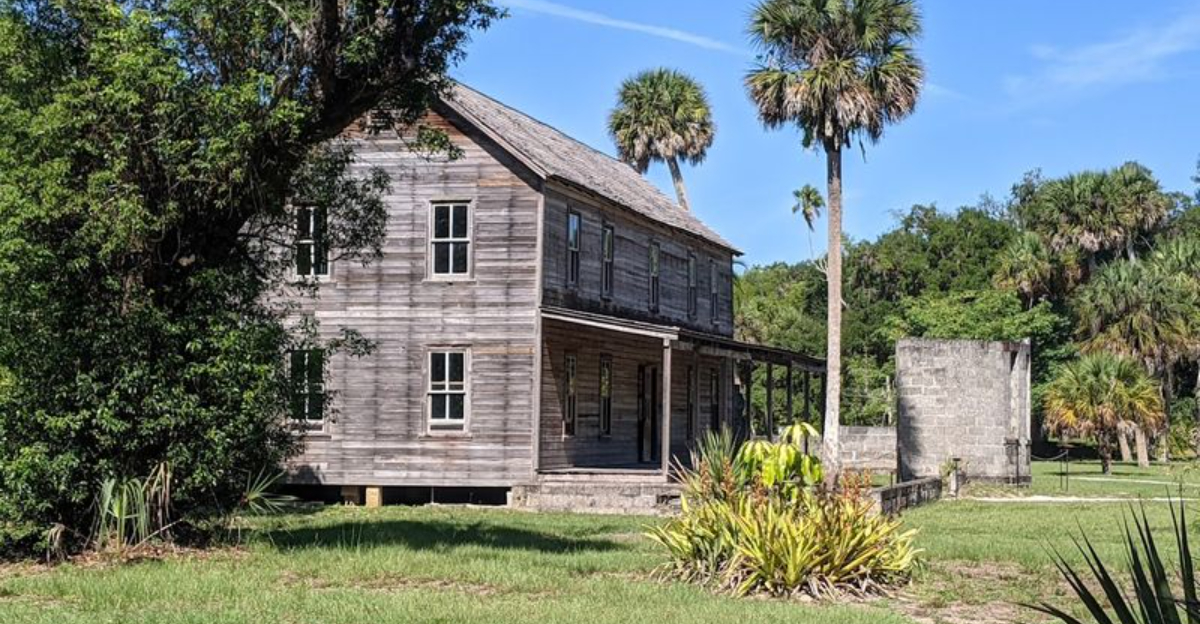
Hidden in the heart of Florida’s Gulf Coast lies one of the most unusual historic sites in the entire state. Koreshan State Park preserves the remains of a utopian settlement where people once believed Earth was hollow and we lived on the inside.
Walking through this preserved community feels like stepping back in time to a world of strange beliefs, beautiful buildings, and fascinating history. This park offers visitors a rare glimpse into one of America’s most unique religious communities.
The Hollow Earth Believers
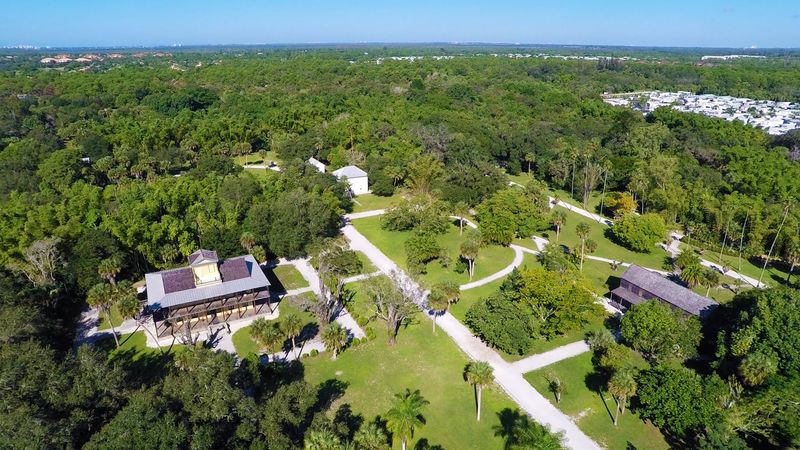
Back in 1894, a group of followers arrived in Florida with beliefs that sound like science fiction. They thought the entire universe existed inside a hollow sphere, with humans living on the inner surface rather than the outer one.
Cyrus Teed led this community called the Koreshan Unity, and they built an entire town based on these wild ideas.
The settlement grew to nearly 250 members at its peak during the early 1900s. These weren’t just dreamers either.
They were skilled craftspeople, engineers, and artists who created a self-sufficient community. They ran their own bakery, printing press, and even a general store that served the surrounding area.
Walking through the park today, you can still see the buildings where these believers lived and worked. Their communal lifestyle meant sharing everything from meals to labor.
Men and women lived in separate quarters, following strict celibacy rules that eventually led to the community’s decline since no children were born to continue their legacy.
What makes this place truly fascinating is how seriously they took their beliefs. They built a complex machine called the Rectilineator to prove Earth was concave.
The device used long beams and careful measurements, though modern science has shown their conclusions were based on flawed readings.
The last remaining member of the Koreshan Unity deeded the land to the state in 1961. Today, it stands as a monument to human curiosity and the power of belief.
Visitors can explore the grounds and imagine what life was like for people who saw the world completely differently than everyone else.
Park rangers offer guided tours that bring the strange history to life. You’ll hear stories about daily routines, bizarre scientific experiments, and the gradual decline of this unusual community.
The preserved buildings create an eerie atmosphere that truly feels like stepping into another world.
Cyrus Teed’s Visionary Architecture
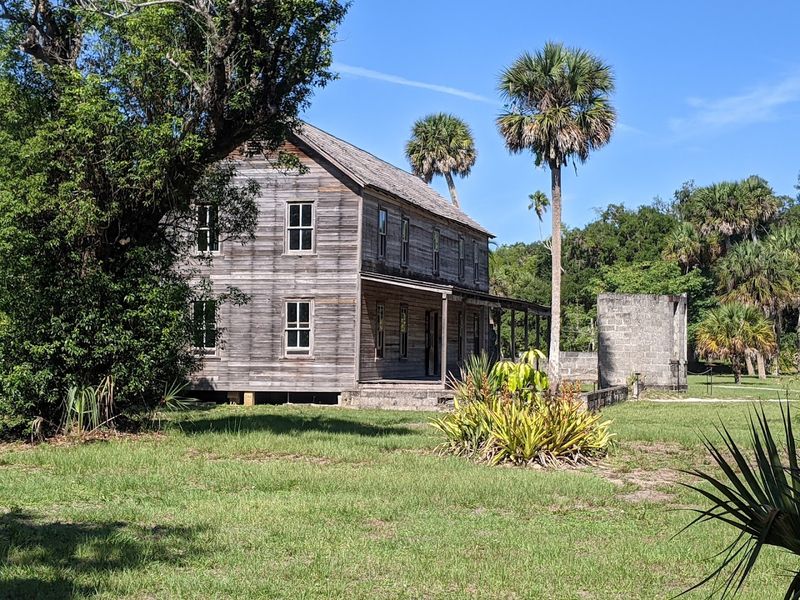
Cyrus Reed Teed renamed himself Koresh after a divine vision in 1869 supposedly revealed the secrets of the universe to him. His charismatic personality and strange cosmology attracted educated people from across America.
He promised his followers immortality and a new world order based on scientific principles that contradicted everything known at the time.
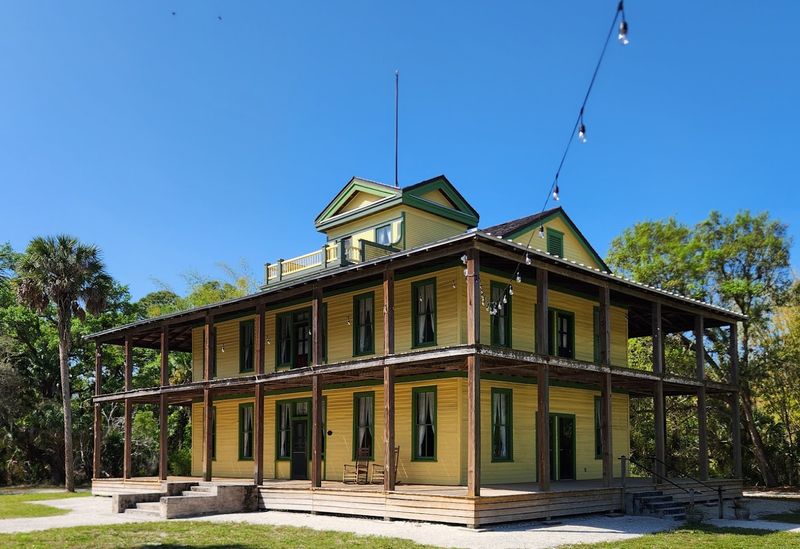
The buildings Teed designed reflected his grand vision for humanity’s future. The Planetary Court served as the community’s administrative center and featured beautiful craftsmanship that still impresses visitors today.
Every structure had a purpose in his carefully planned utopia, from the Art Hall where members created beautiful works to the machine shop where they built tools.
Teed believed he would never die and would lead his followers into a new age. When he passed away in 1908 after injuries from a street fight, his body was placed in a bathtub for days while followers waited for resurrection.
Eventually, authorities forced them to bury him on nearby Estero Island, though a hurricane later washed the tomb away.
His architectural legacy remains remarkably well-preserved. The Founder’s House where Teed lived showcases period furniture and personal items.
You can peek into rooms where he wrote his theories and planned the community’s expansion. The attention to detail in construction shows these people weren’t just dreamers but skilled builders.
Most fascinating is how the layout reflects Koreshan cosmology. Buildings were positioned according to their beliefs about celestial mechanics and the hollow earth.
Walking the paths between structures, you’re literally following a map of their alternative universe.
Interpretive signs throughout the park explain Teed’s philosophy and how it influenced every aspect of community life. Modern visitors often find themselves both amused and impressed by the dedication required to build an entire town based on such unconventional ideas.
The architectural beauty transcends the strange beliefs behind it.
Buildings Frozen Since 1900
Step inside the General Store and merchandise still sits on shelves as if customers might walk in any moment. Original products, vintage packaging, and period advertisements transport you over a century into the past.
The wooden floorboards creak beneath your feet, and sunlight filters through old glass windows creating an almost ghostly atmosphere.
Eleven historic structures remain on the property, each telling a different story about community life. The Bakery building still has its massive ovens where members produced bread for the settlement and surrounding neighbors.
They sold their goods to locals, which helped fund their unusual lifestyle and scientific experiments.
The Art Hall particularly captivates visitors with its beautiful windows and open design. Koreshan women created stunning artwork here, painting and crafting items that combined beauty with functionality.
Their work wasn’t just for decoration. They sold pieces to generate income and spread awareness of their beliefs through artistic expression.
Maintenance of these buildings presents unique challenges for park staff. Florida’s humidity and heat constantly threaten wooden structures.
The state invested significantly in restoration efforts to preserve these irreplaceable historical treasures. You can see where original materials meet careful reconstruction work.
Perhaps most intriguing is the Planetary Court, the administrative heart of the community. Multiple rooms served different functions, from meeting spaces to offices.
Original furnishings remain in many areas, giving visitors an authentic glimpse into how these believers organized their daily affairs.
The printing press building housed equipment that produced their newsletter and promotional materials. They weren’t shy about their beliefs, regularly publishing articles explaining hollow earth theory and recruiting new members.
Seeing the actual machines they used makes their dedication tangible.
Rangers work hard to maintain historical accuracy while protecting fragile structures. Many buildings can only be viewed from outside or during special guided tours.
This preservation ensures future generations can experience this slice of forgotten American history just as we see it today.
The Mysterious Estero River
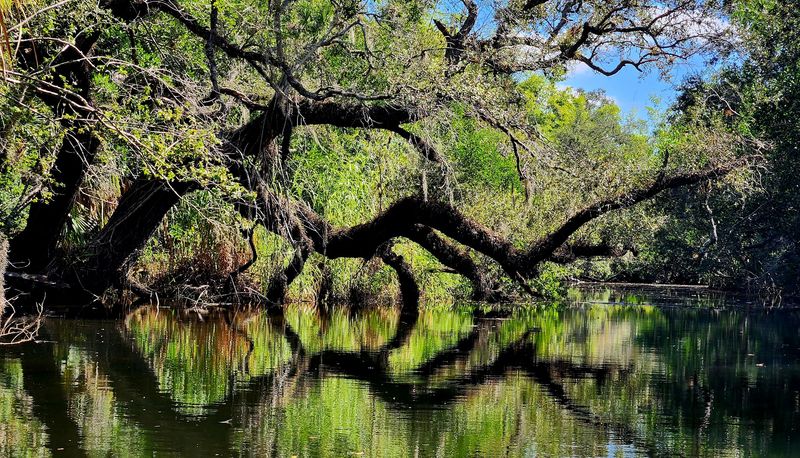
Peaceful waters wind through the park carrying secrets of the past. The Estero River served as the Koreshan community’s highway to the outside world before roads connected this remote settlement.
Members traveled by boat to Fort Myers and other towns, bringing supplies and occasionally new recruits back to their isolated paradise.
Today, kayakers and canoers paddle the same waterway, though the experience has changed dramatically. Modern adventurers glide past mangroves and spot wildlife that the Koreshans would have seen daily.
Herons stand motionless in shallows, while fish jump at insects near overhanging branches. The river remains remarkably unspoiled despite surrounding development.
The community built a boathouse on the riverbank that still stands as a reminder of their connection to this vital waterway. They caught fish to supplement their mostly vegetarian diet and used the river for transportation and recreation.
Swimming in these waters was a popular summer activity for members seeking relief from Florida’s brutal heat.
Launching a kayak from the park opens up hours of exploration possibilities. The river meanders through different ecosystems, from dense mangrove tunnels to open marshes.
Many paddlers report feeling transported to old Florida, imagining how isolated the Koreshans must have felt in this wilderness location.
Wildlife sightings are practically guaranteed on the river. Manatees occasionally visit during cooler months, delighting kayakers with their gentle presence.
Alligators sunbathe on banks but generally ignore human visitors. Ospreys and eagles nest in tall trees, raising families just as they did when the settlement thrived.
The river’s natural beauty influenced Koreshan philosophy. They believed nature revealed universal truths, and this peaceful waterway certainly inspired contemplation.
Members spent hours by the river studying plants, animals, and water patterns, trying to understand their place in their inverted universe.
Park staff recommend early morning or late afternoon paddling for the best experience. Rentals are available nearby if you don’t have your own equipment.
The journey down this historic waterway might be the highlight of your strange park visit.
Art Hall’s Cultural Treasures
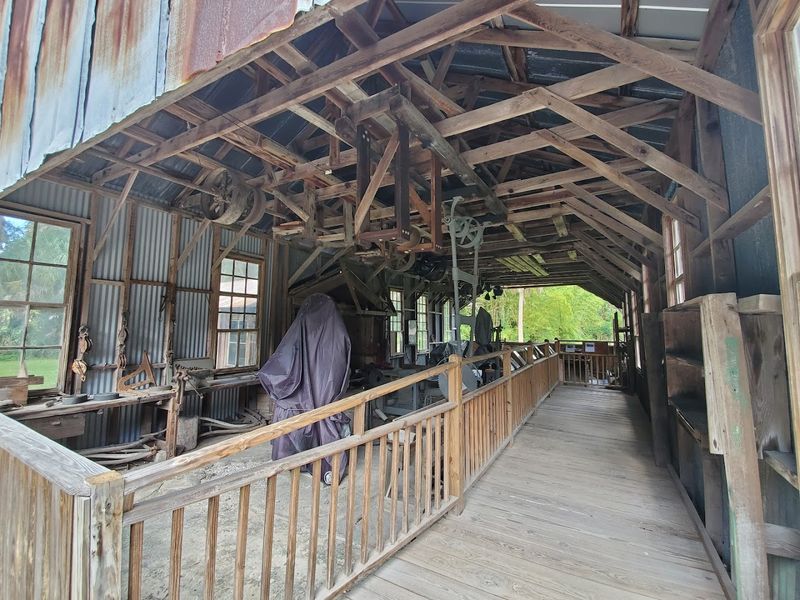
Sunlight pours through tall windows illuminating a space where creativity once flourished despite unusual circumstances. Women of the Koreshan Unity gathered in this building to paint, sew, and craft items that demonstrated their skills to the outside world.
Their artwork wasn’t mere hobby work. These talented women created pieces that sold throughout Florida and helped fund the community’s operations.
The building itself impresses with its spacious design and attention to natural lighting. Architects designed it specifically for artistic pursuits, understanding that proper illumination was essential for detailed work.
Large windows on multiple sides ensured artists could work comfortably throughout the day without straining their eyes.
Examples of Koreshan artwork occasionally appear in the building during special exhibitions. Their style blended Victorian sensibilities with nature themes inspired by surrounding Florida wilderness.
Many pieces incorporated symbols related to their cosmological beliefs, embedding their philosophy into seemingly ordinary decorative items.
Music also filled this hall regularly. The community valued cultural refinement and hosted concerts and theatrical performances for members and visitors.
They owned quality instruments and many members had formal training in music or drama. These performances helped break up the monotony of communal living and shared labor.
Educational lectures took place here too, with Teed and other leaders explaining hollow earth theory to curious newcomers. The open floor plan accommodated large gatherings where believers could socialize after work ended.
Community bonds formed during these cultural events helped sustain the settlement through difficult times.
Restoration work on the Art Hall continues as funding becomes available. Preservationists carefully maintain original architectural elements while ensuring the structure remains safe for visitors.
Walking through the empty space today, you can almost hear echoes of past conversations and creative energy that once animated this room.
Special events occasionally bring the building back to life. Local artists sometimes display work here, creating an interesting dialogue between past and present.
The park also hosts educational programs where children learn about 19th-century crafts and customs, keeping the cultural legacy alive in unexpected ways.
Botanical Gardens of Believers
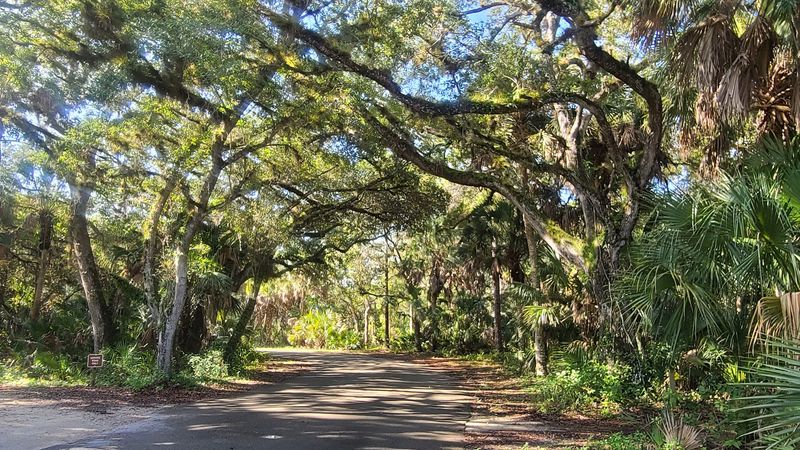
Massive bamboo groves tower overhead creating natural cathedrals that rustle with every breeze. The Koreshans planted these exotic specimens as part of their grand landscaping vision, never imagining they would outlive the community by over a century.
These gardens represent hours of labor from members who believed beautifying their settlement honored divine creation.
Tropical fruit trees dot the landscape, some planted by the original settlers. Mango, avocado, and citrus varieties still produce fruit that park visitors occasionally spot on branches.
The community believed in self-sufficiency and planted species that provided food while also serving ornamental purposes. Walking through these groves feels like discovering a secret garden.
The Koreshans took landscaping seriously, importing plants from around the world. They wanted their settlement to showcase nature’s diversity while proving that humans could create paradise on earth.
Detailed planting records showed they ordered specimens from nurseries across America and even internationally, creating a botanical collection that impressed visiting horticulturalists.
Giant banyan trees now dominate certain areas, their aerial roots creating maze-like passages that children love exploring. These trees weren’t part of the original plantings but have grown over decades into spectacular natural sculptures.
Their shade provides welcome relief during hot summer visits and creates perfect spots for picnicking.
Native Florida plants mix with exotic imports throughout the grounds. The Koreshans recognized local species’ value and incorporated palms, saw palmetto, and native flowers into their designs.
This blend of native and introduced plants creates unique ecosystems that support diverse wildlife populations today.
Spring brings spectacular blooming cycles as flowers planted over a century ago still burst into color. Orchids cling to tree branches, their delicate blooms appearing almost magical in the dappled forest light.
The community’s dedication to beauty transcended their strange beliefs, leaving a living legacy that continues delighting visitors.
Self-guided garden tours let visitors explore at their own pace. Interpretive signs identify significant plants and explain their historical importance to the settlement.
Photography enthusiasts find endless subjects among the varied vegetation, capturing images that blend natural beauty with historical intrigue.
Nature Trails Through Time
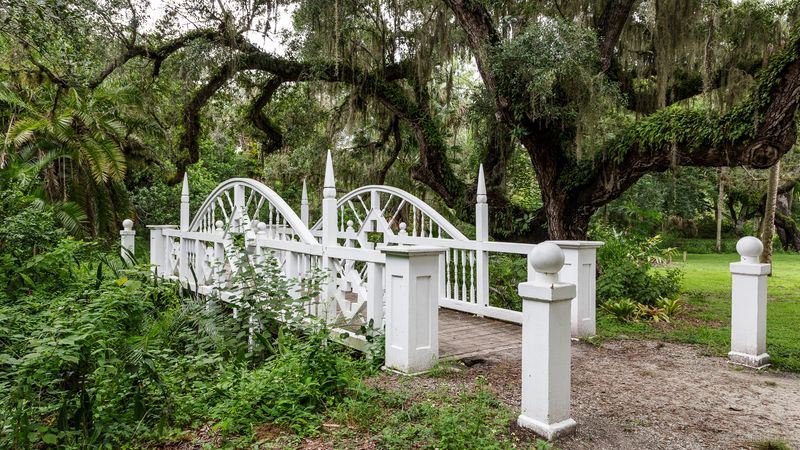
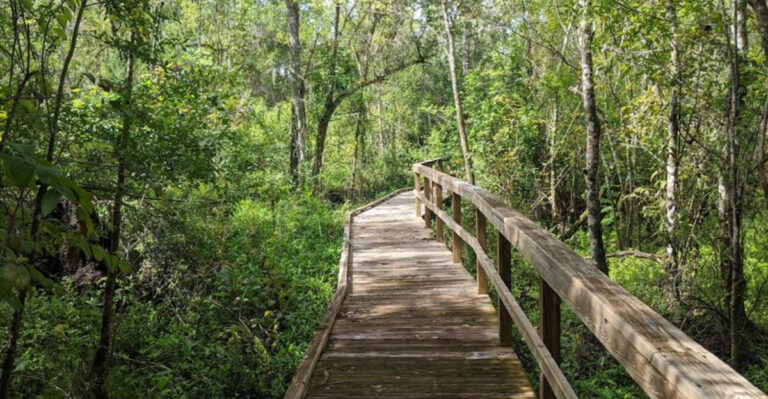
Footpaths worn by believers now guide modern hikers through a landscape that blends history with wilderness. Over a mile of trails loop through the park, passing historic structures before plunging into natural Florida hammock forests.
Each turn offers something different, from manicured historic areas to wild sections that show how quickly nature reclaims cultivated land.
The main interpretive trail takes roughly thirty minutes to complete at a leisurely pace. Along the way, markers explain Koreshan beliefs, describe daily community life, and point out significant trees and plants.
This path offers the most comprehensive introduction to the settlement’s unusual story. Families with children particularly enjoy this route since it’s flat and easy while remaining interesting.
More adventurous hikers can explore backcountry trails that venture deeper into natural areas. These paths wind through different ecosystems, from pine flatwoods to hardwood hammocks.
Wildlife spotting opportunities increase the further you venture from the historic core. Deer commonly graze in early morning, while armadillos root through leaf litter searching for insects.
Birdwatchers bring binoculars to spot species that inhabit the diverse habitats. Over one hundred bird species have been documented in the park, from common cardinals to rare migratory visitors.
The mixture of open areas and dense forest attracts varied species, making every visit potentially rewarding for nature enthusiasts.
Summer heat makes afternoon hiking challenging, but early morning treks offer comfortable temperatures and increased animal activity. Mosquitoes can be intense during wet seasons, so insect repellent is essential equipment.
Proper preparation ensures an enjoyable experience exploring these historic grounds.
The camping area connects to trails, allowing overnight visitors to explore extensively. Tent and RV sites offer modern amenities while maintaining the park’s historical character.
Campers often report feeling transported to earlier times as they fall asleep near buildings where the Koreshans once lived.
Trail maintenance keeps paths clear and safe while preserving the natural atmosphere. Volunteers regularly assist park staff with upkeep, ensuring future generations can walk where followers once contemplated their inverted universe and humanity’s ultimate destiny.