This Stunning Florida Pond Is Where You’ll Find the World’s Largest Lily Pads
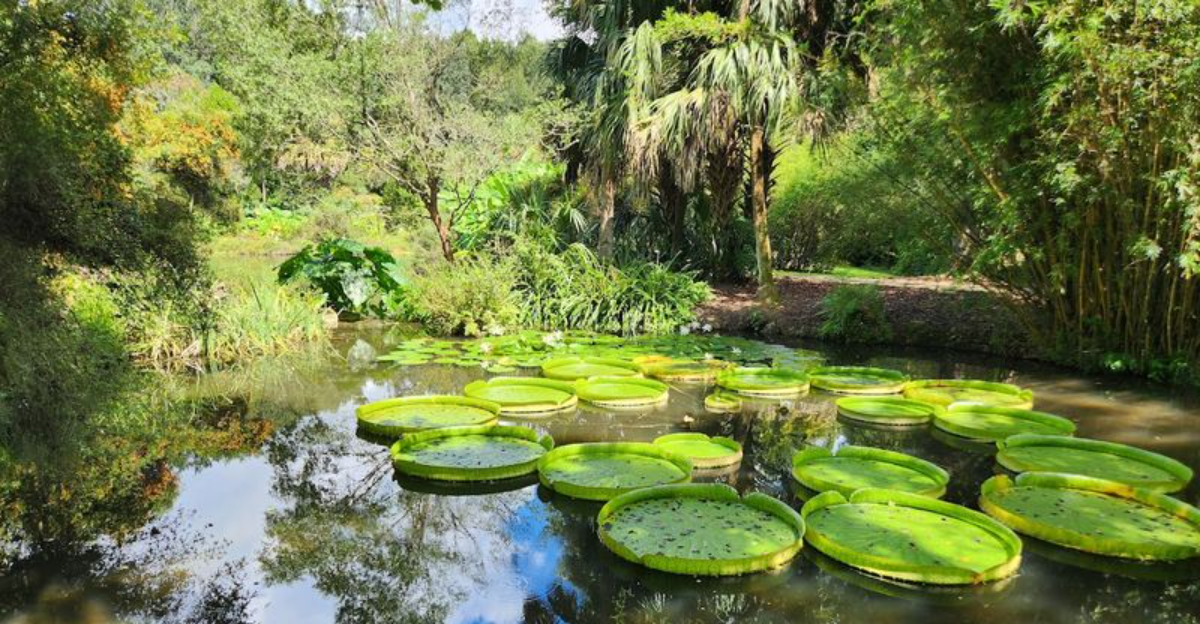
Tucked away in Gainesville, Florida, Kanapaha Botanical Gardens is home to one of the most jaw-dropping natural spectacles in the Sunshine State — a pond filled with the world’s largest lily pads.
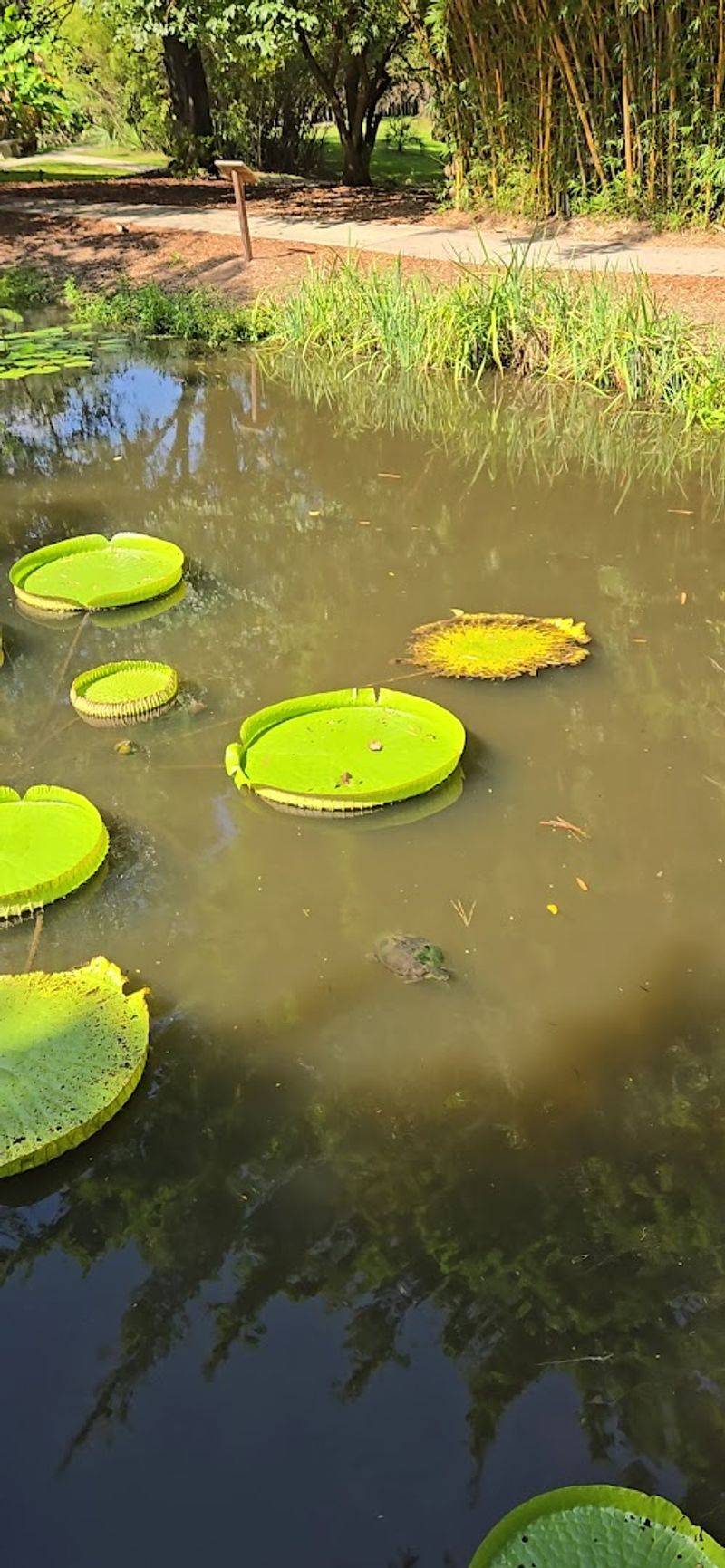
These massive floating giants, known as Victoria amazonica, can grow wide enough to hold a small child, and seeing them in person feels almost unreal.
Spread across 62 acres of lush, themed gardens, Kanapaha offers way more than just lily pads — it’s a full-on botanical adventure that locals and visitors keep coming back to. Whether you’re a plant nerd, a casual walker, or just someone who loves a great photo op, this place delivers every single time.
The Giant Water Lily Pond
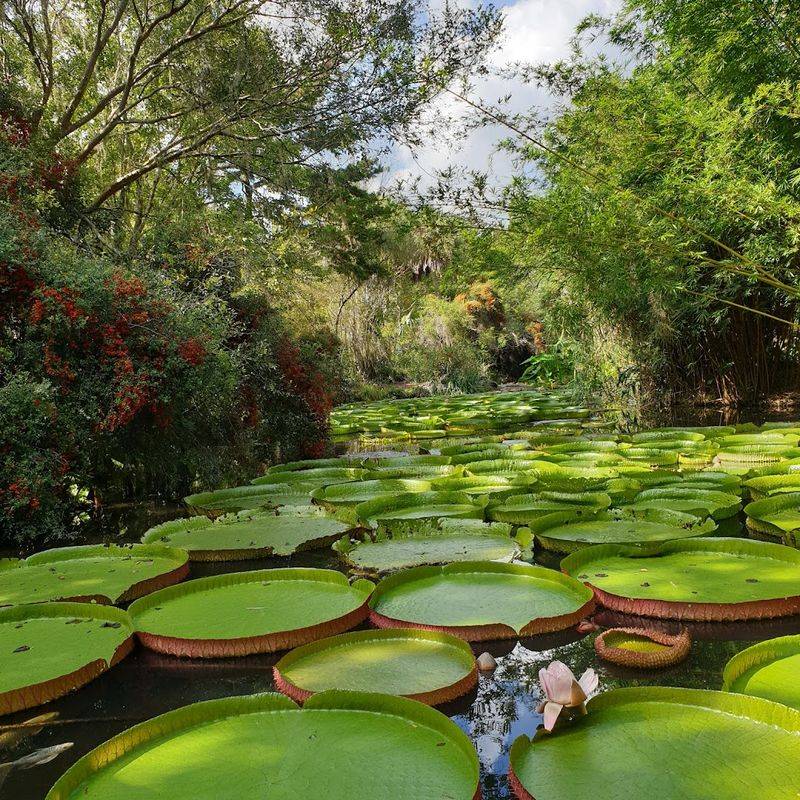
Somewhere between a fairy tale and a nature documentary, the giant water lily pond at Kanapaha Botanical Gardens stops every single visitor dead in their tracks. The stars of the show are Victoria amazonica lily pads — the largest aquatic plant leaves on Earth — and they grow right here in Gainesville, Florida.
Each pad can stretch up to six feet across, with a thick, upturned rim that gives them that unmistakable plate-like look.
The best time to see them in full glory is during the warmer months, roughly late spring through early fall. Visiting in winter or early spring might mean the pads haven’t emerged yet, as one reviewer noted during their off-season visit.
Patience pays off, though — summer visits reward you with blooms in shades of white and deep pink that only open at night and into the early morning hours.
Standing at the edge of the pond and watching these massive pads float effortlessly is genuinely surreal. The pond itself is peaceful, framed by lush greenery and the kind of stillness that makes you want to just stand there for a while.
Bring a camera, because no phone description does this place justice.
Admission to Kanapaha is $12 for adults and $7 for children over five — a steal for what you get. The garden is open Monday through Wednesday and Friday through Sunday from 9 AM to 5 PM, and closed on Thursdays.
Plan to arrive early so you have plenty of time to soak it all in without rushing toward the 5 PM close. The lily pond alone is worth the trip, but trust us — you’ll end up wandering far beyond it.
The Bamboo Grove
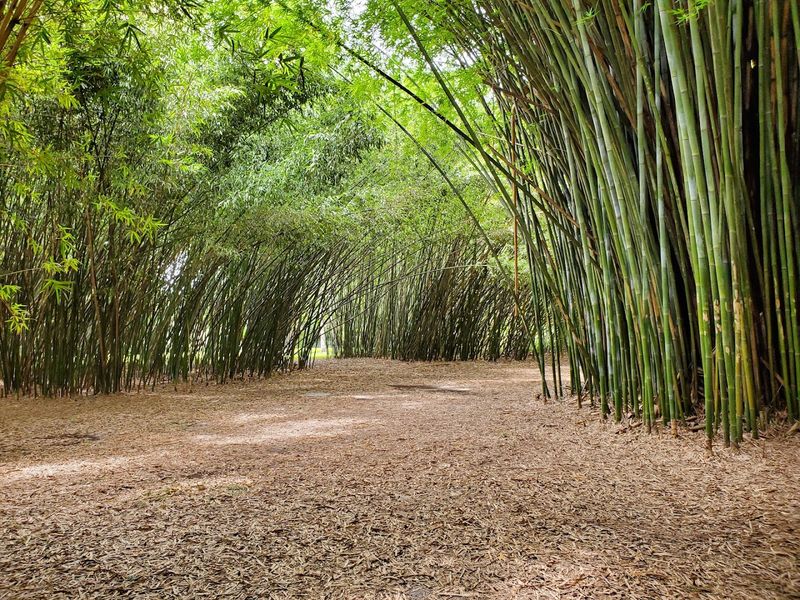
Walk into the bamboo grove at Kanapaha and the world outside completely disappears. Towering stalks shoot skyward on both sides of the path, their leaves forming a natural green canopy that blocks out the sun and muffles outside noise.
Multiple visitors have called it the highlight of their entire trip — and honestly, it’s easy to see why.
The grove has a genuinely cinematic quality. Some of the bamboo stalks are impressively thick, reaching heights that make you crane your neck to see the tops.
One reviewer described it as “peaceful and serene,” which is the kind of understatement that only makes sense once you’ve actually stood inside it. The air feels cooler, the sounds soften, and the whole vibe shifts into something almost meditative.
Bamboo is one of the fastest-growing plants on Earth, and the variety at Kanapaha reflects just how diverse this plant family really is. The grove features multiple species, and the visual contrast between different stalk sizes and colors makes it worth slowing down and actually looking around rather than just passing through.
If you’re visiting with kids, the bamboo grove tends to be a crowd-pleaser for all ages. Kids love the towering scale of it, and adults appreciate the sheer drama of the space.
It’s also one of the most popular photo spots in the entire garden — the kind of shot that genuinely impresses people when you post it. Pro tip: visit on a weekday morning when fewer people are around and the light filtering through the leaves is at its most magical.
You’ll want that moment mostly to yourself.
The Hummingbird Garden
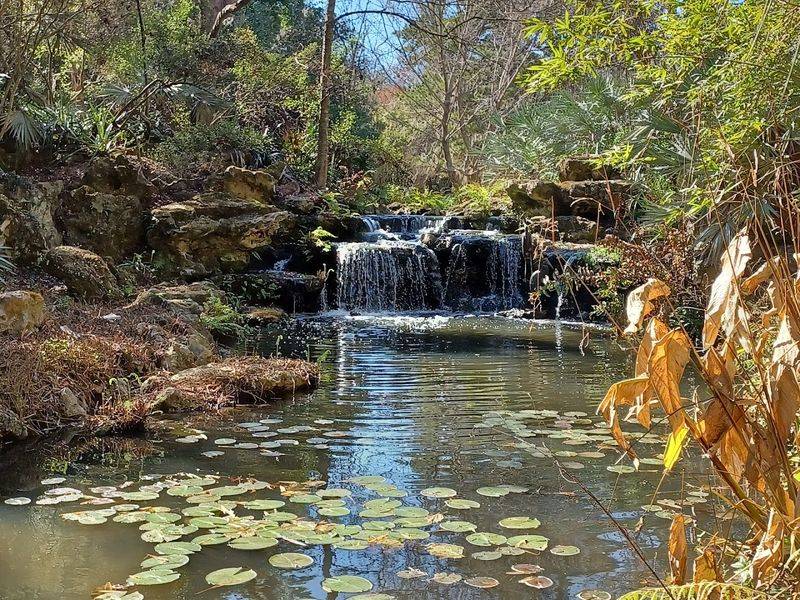
Few things in nature feel as magical as watching a hummingbird freeze mid-air, its wings a blur, hovering inches from a flower. Kanapaha’s dedicated hummingbird garden was designed specifically to attract these tiny aerial acrobats, and it does the job beautifully.
Planted with nectar-rich blooms in the reds, oranges, and pinks that hummingbirds go absolutely wild for, this garden is a living, buzzing spectacle.
The garden is especially active during migration seasons when ruby-throated hummingbirds pass through North Florida on their journeys. Even outside migration windows, resident hummingbirds frequent the space regularly.
Visitors who slow down and spend even just a few quiet minutes here are almost always rewarded with a sighting. Patience is the only tool you need.
Beyond hummingbirds, the garden pulls in a remarkable variety of pollinators. Butterflies drift between blooms, bees work the flowers methodically, and the whole space buzzes with life in a way that feels almost theatrical.
One reviewer mentioned being amazed by the number of butterflies and bees still active in mid-September, which speaks to how well this garden is planted and maintained.
The plant selection is thoughtful — a mix of native Florida species and carefully chosen cultivars that extend the blooming season as long as possible. Salvias, pentas, coral honeysuckle, and firebush are just a few of the plants you might spot.
Each one plays a role in keeping the garden lively across different seasons. If you’re into wildlife photography, this corner of Kanapaha is genuinely one of the best spots in Gainesville to capture pollinators in action.
Bring a zoom lens and prepare to lose track of time entirely.
The Herb and Butterfly Gardens
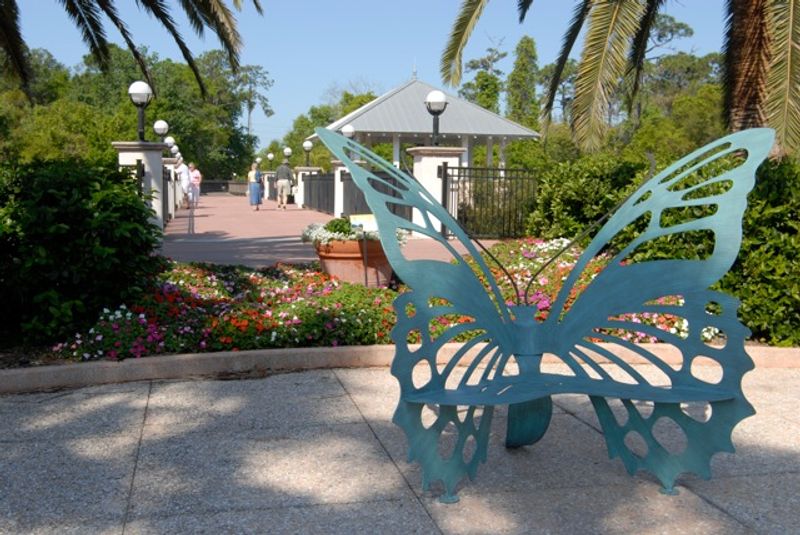
There’s something wonderfully grounding about a garden you can smell before you even see it. Kanapaha’s herb garden fills the air with the scent of rosemary, basil, lavender, and a dozen other plants that most people only encounter in the kitchen.
Walking through it feels like flipping through a cookbook with your nose, and the detailed plant labels make it genuinely educational without feeling like a lecture.
Right alongside the herb section, the butterfly garden operates like a living kaleidoscope. Visitors have raved about the variety of butterfly species floating through, and it’s not hard to understand the enthusiasm.
The garden is planted with host plants — the specific species that butterflies lay eggs on — alongside nectar sources, creating a full lifecycle habitat rather than just a pretty pit stop.
Kids are particularly drawn to this area. Watching a butterfly land on a flower inches away from your hand is the kind of moment that sticks with a child for years.
Parents have noted how engaged even young children get here, which makes it a smart stop if you’re navigating the gardens with little ones in tow.
The combination of herbs and butterfly-friendly plants also means this garden looks and feels alive year-round. Even in Florida’s cooler months, there’s almost always something blooming and something flying.
The layout is open and easy to navigate, with wide enough paths for strollers and wheelchairs on the main routes. One visitor specifically mentioned how well-maintained and clearly marked every section was, which makes exploring independently easy and enjoyable.
Grab a garden map at the entrance and use it as a loose guide — the best discoveries here tend to happen when you wander just slightly off the expected route.
The Kanapaha Vines and Arbors
Grapevines thick as a person’s wrist, climbing roses trained over wooden structures, and flowering vines cascading down trellises in curtains of color — Kanapaha’s vine and arbor sections are the kind of place where you half expect a secret garden door to appear around the next corner. One visitor described the grape vines as “stunning in size,” and that’s not an exaggeration once you’re standing beneath them.
The arbors create a series of shaded walkways that are especially welcome on warm Florida afternoons. Walking under a canopy of blooming wisteria or bougainvillea feels completely different from walking through an open field — there’s a sense of enclosure and intimacy that makes the whole experience feel more personal.
It’s one of those spots where even non-plant people tend to stop and linger.
The variety of vining plants here is impressive. From ornamental species grown purely for their visual drama to edible vines like muscadine grapes, the collection reflects Kanapaha’s commitment to showcasing plants across a wide range of categories.
Each vine is labeled, so you can actually learn what you’re looking at rather than just admiring it blindly.
Photographers love this section because the layered textures and shifting light create natural framing opportunities at every turn. Morning visits are especially rewarding when dew still clings to the leaves and the light is soft and golden.
If you’re visiting in the fall or winter, the bare structure of the arbors reveals an architectural beauty that’s easy to miss when everything is in full leaf. Come back in spring and the transformation is dramatic — the same structures that looked skeletal in January are suddenly draped in cascading green and color by April.
It’s worth seeing more than once.
The Children’s Playground and Family-Friendly Features
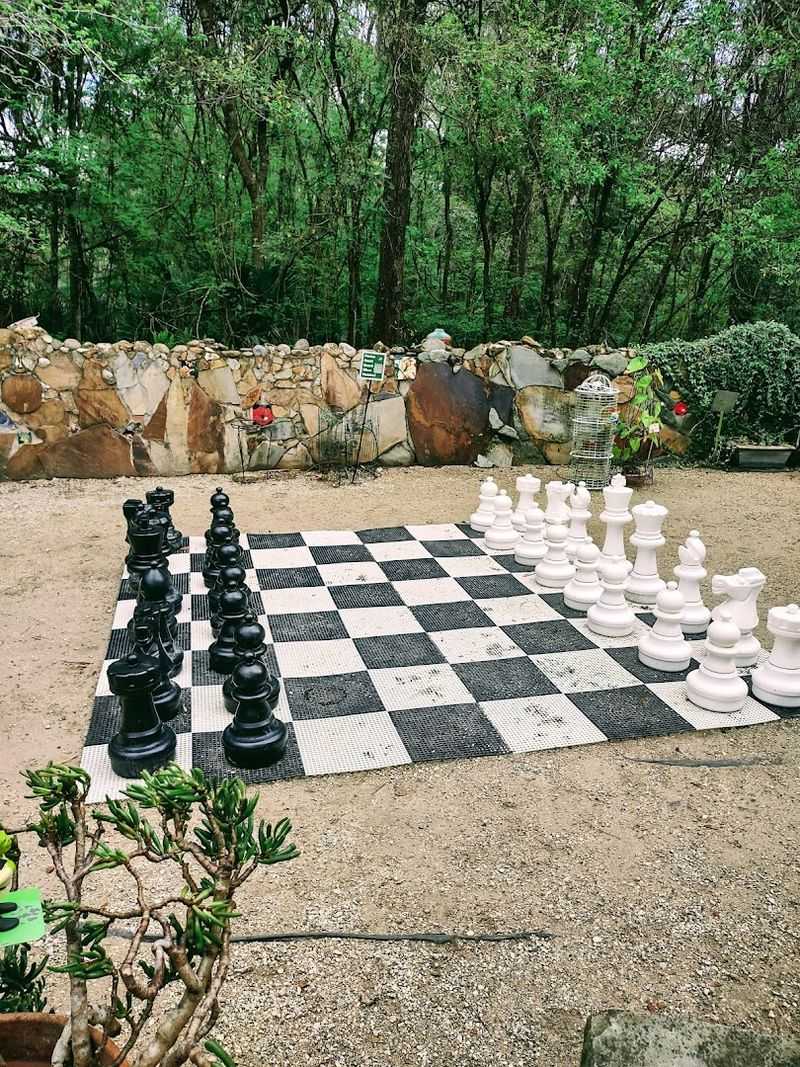
Not every botanical garden thinks about kids, but Kanapaha clearly does. Tucked into the grounds is a well-equipped playground that gives younger visitors a chance to burn off energy between garden sections.
Parents have specifically called it out in reviews as a welcome addition — especially for families with toddlers and elementary-aged kids who need a movement break mid-visit.
The playground is surrounded by greenery, so it doesn’t feel like a jarring interruption to the garden experience. It blends into the overall landscape in a way that keeps the peaceful atmosphere intact while still giving children a dedicated space to run, climb, and play.
One parent mentioned bringing a 3-year-old and a 7-year-old and finding the playground perfectly suited for both age groups.
Beyond the playground, Kanapaha’s layout is genuinely family-friendly in a broader sense. Most of the main trails are paved or well-maintained and wide enough for strollers.
The garden’s manageable scale — around two miles of trails across 62 acres — means families can cover a meaningful portion of the grounds without exhausting little legs completely. The $7 admission for children over five makes it an affordable outing that doesn’t require a full day’s budget.
There’s also a koi pond that tends to captivate kids instantly. Watching brightly colored fish glide through the water is one of those simple pleasures that works on every age group, and the pond setting is calm and pretty enough to satisfy adults too.
Families visiting Gainesville for any reason — whether for a University of Florida event, a road trip stop, or just a weekend outing — consistently rank Kanapaha as one of the best family activities in the area. The combination of education, beauty, and play space is genuinely hard to beat at this price point.
The Azalea and Camellia Collections
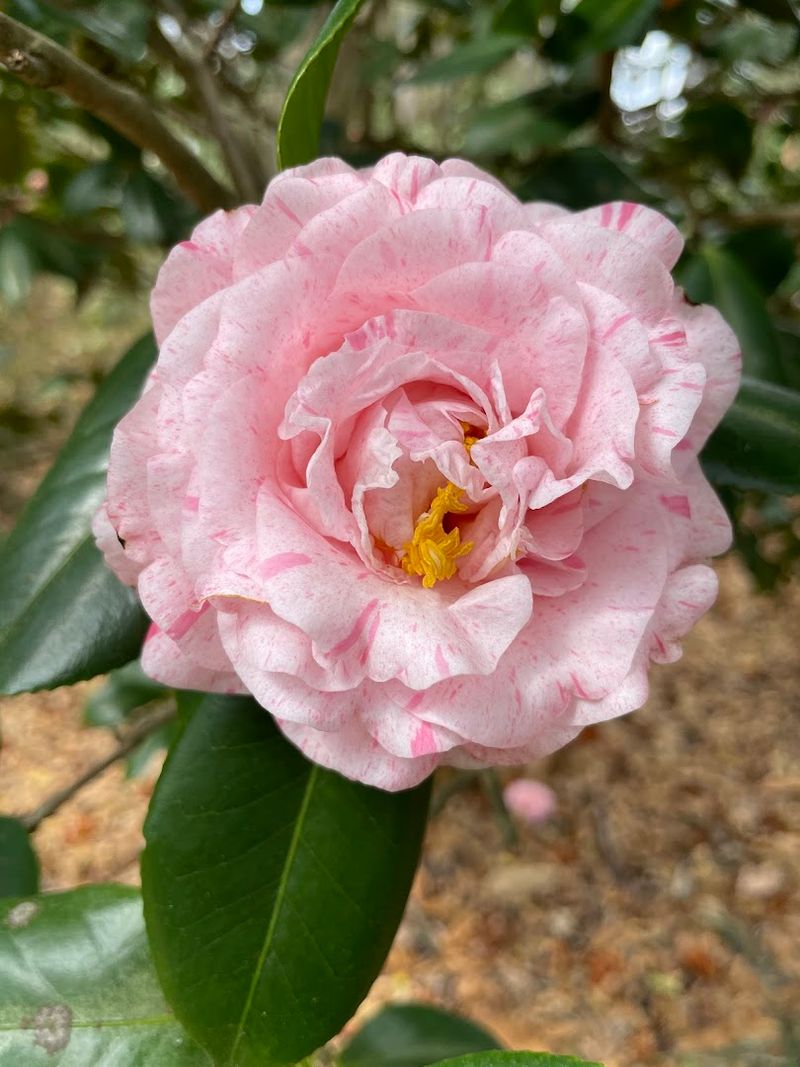
Every February and March, something quietly spectacular happens at Kanapaha. The azaleas and camellias explode into bloom, turning entire sections of the garden into walls of pink, white, red, and coral.
For visitors who time their trip right, it’s one of the most visually rewarding experiences North Florida has to offer — the kind of color saturation that makes you double-check whether you’re still looking at real life.
Camellias tend to lead the charge, often blooming as early as late fall and continuing through winter. Azaleas follow in late winter and early spring, overlapping with the camellias in a way that layers the color beautifully.
One visitor who came the day after Thanksgiving mentioned seeing both azaleas and camellias coming into bloom, calling them among their personal favorites in the entire garden.
What makes this collection particularly impressive is the sheer variety. Kanapaha grows multiple cultivars of each species, meaning the blooms range from small and delicate to large and almost ostentatious.
The differences in petal shape, color depth, and bloom timing mean the collection has visual interest across a longer window than a single-species planting would.
If you’re planning a visit specifically to see these plants at peak bloom, aim for late February through mid-March for the best overlap of both collections. Arrive on a weekday morning if possible — the garden is noticeably quieter, and the soft morning light makes the colors glow in a way that afternoon sun simply doesn’t replicate.
Even outside peak bloom, the evergreen foliage of both plants keeps this section of the garden looking lush and structured. It’s one of those garden areas that rewards repeat visits across different seasons because it genuinely looks different every time you come back.
Admission, Hours, and Planning Your Visit

Getting the logistics right makes a big difference at Kanapaha, and the good news is that this garden is genuinely easy and affordable to visit. Adult admission runs $12, and children over five get in for $7 — prices that multiple reviewers have flagged as an exceptional value for a 62-acre botanical garden with this level of variety and maintenance.
Dogs are also welcome on non-retractable leashes, which is a detail that pet owners absolutely love.
The garden is open Monday through Wednesday and Friday through Sunday from 9 AM to 5 PM. Thursday is the one day it stays closed, so don’t show up on a Thursday without checking first.
Arriving at least an hour before closing is strongly recommended — one visitor who arrived at 4:15 PM noted they didn’t get nearly enough time to see everything. A full visit covering the main highlights comfortably takes about two hours, though serious plant lovers could easily spend three or four.
Kanapaha is located at 4700 SW 58th Dr in Gainesville, Florida, which puts it conveniently accessible from Interstate 75. The parking area is spacious and free, which removes one common urban garden headache entirely.
The entrance area includes a gift shop that reviewers have described as well-curated, making it a solid last stop before heading out.
One practical tip worth mentioning: bring bug spray, especially in the warmer months. The garden’s lush, shaded areas are beautiful but also ideal mosquito territory once the temperature climbs.
Comfortable walking shoes are a must, and a water bottle goes a long way on sunny days. For the most complete experience — including the giant lily pads — plan your visit between late May and September.
You can reach Kanapaha by phone at +1 352-372-4981 or visit their website at kanapaha.org for seasonal updates and event schedules.