This Underrated Florida State Park Proves Bigger Isn’t Always Better
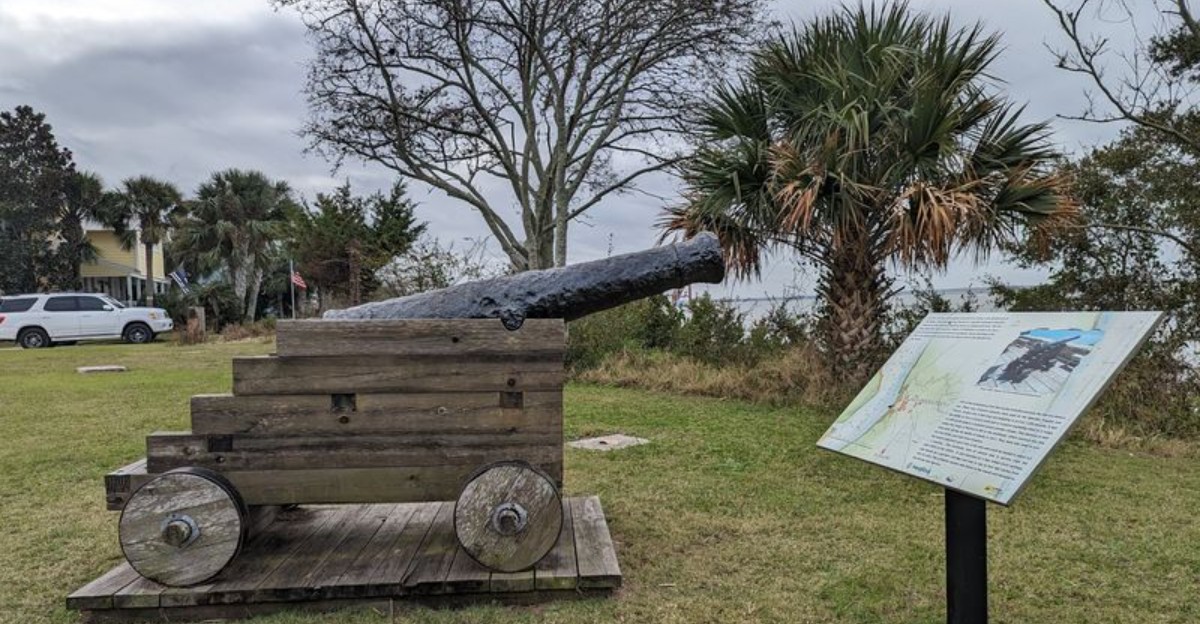
Fernandina Plaza Historic State Park may be small, but its story stretches across centuries of Florida history. Set along the Amelia River in Fernandina Beach, this quiet green space occupies land that once played an important role in the island’s military and political past. The park preserves the former site of Fort San Carlos, a Spanish fortification established in the early 1800s.
Today, visitors won’t find sprawling hiking trails or packed attraction schedules. Instead, the appeal comes from standing on historic ground while enjoying open lawns, waterfront scenery, and a peaceful setting that feels surprisingly removed from busier parts of Amelia Island. Interpretive information helps reveal why this seemingly simple patch of land matters.
The plaza witnessed periods of Spanish control and dramatic changes as different powers competed for influence in Florida. Knowing that history transforms an otherwise tranquil riverside stop into a fascinating glimpse of the state’s complicated past. Its compact size also makes Fernandina Plaza Historic State Park easy to add to a day exploring Fernandina Beach.
Stop for the history, linger for the Amelia River views, and enjoy a Florida state park that proves an interesting destination doesn’t need hundreds of acres to leave an impression.
A Waterfront View That Rivals the Big Names
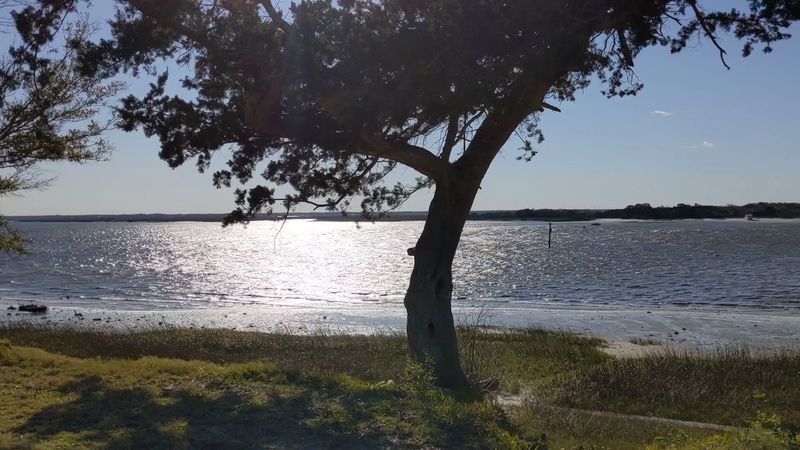
Standing at the edge of this compact park, you’ll get front-row seats to one of the most beautiful stretches of the Amelia River. The water stretches wide and calm, reflecting whatever mood the sky decides to show off that day. Dolphins often cruise by close enough to spot their fins breaking the surface, and the parade of boats ranges from fishing vessels to sunset cruisers.
What makes this view special isn’t just the scenery. It’s the intimacy of the experience. You’re not fighting crowds or hiking miles to reach a decent lookout point.
The waterfront sits right there, accessible within seconds of parking your car. Benches face the river, perfect for sitting with a coffee or just taking a mental break from whatever’s stressing you out.
Photographers love this spot during golden hour when the light turns everything warm and glowing. The intercoastal views shift throughout the day, offering something different whether you visit at sunrise or sunset. Local birds work the shoreline, adding movement and life to an already dynamic scene.
The park’s small size actually works in its favor here. There’s no sprawling landscape to distract from the main attraction. Everything focuses on that gorgeous water view, creating a meditative quality that larger parks can’t quite capture.
You can watch barges glide past, sailboats tacking across the channel, and shrimp boats heading out for their daily work.
Visitors consistently mention the view as the park’s standout feature, and it’s easy to understand why. Sometimes all you need is a beautiful place to sit and watch the world float by. This tiny park delivers that experience without any of the hassle that comes with bigger destinations.
No entrance fees, no long walks, just pure waterfront beauty waiting whenever you need it.
History Packed Into Every Square Foot
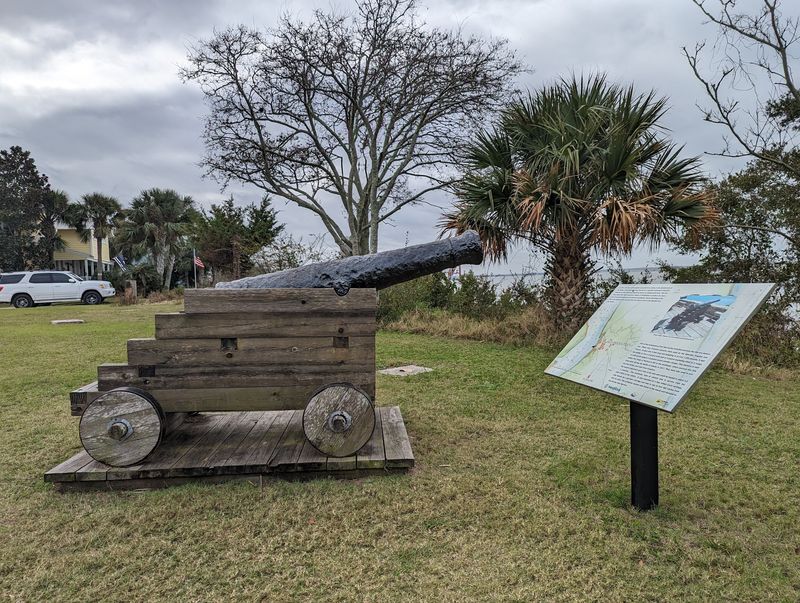
Nothing from the original 1811 Spanish settlement remains standing, but the stories live on through well-placed interpretive signs scattered throughout the park. These plaques tell the tale of when this spot served as the center of Spanish colonial life in Fernandina. Reading them feels like flipping through pages of a really good history book, except you’re standing exactly where it all happened.
The small cannon positioned near the water serves as a tangible connection to those early days. Kids love posing with it, and adults appreciate the reminder that this peaceful spot once played a strategic military role. The cannon isn’t some massive fortress weapon, it’s just the right size for this compact park, fitting the scale perfectly.
What’s remarkable is how much significance got packed into such a small area. This was once the plaza for an entire settlement, the beating heart of a community that predates most of Florida’s modern development. Walking around, you can almost picture the Spanish soldiers, traders, and families who once filled this space with daily life and activity.
The educational value here punches way above the park’s weight class. School groups visit to learn about Spanish colonial Florida, stamp collectors stop by for their Florida State Parks passport stamps, and history buffs appreciate the site’s authenticity. You’re not looking at reconstructions or theme park versions of history, you’re standing on genuine historical ground.
Several reviewers mention coming specifically for the historical significance, even though there are no buildings or ruins to explore. The location itself carries the weight, and the interpretive signs do an excellent job filling in the visual gaps. It’s a different kind of historic site, one that asks you to use your imagination a bit more than usual.
That active engagement with the past makes the experience stick with you longer than simply touring an old building ever could.
The Perfect Sunset Spot Without the Crowds
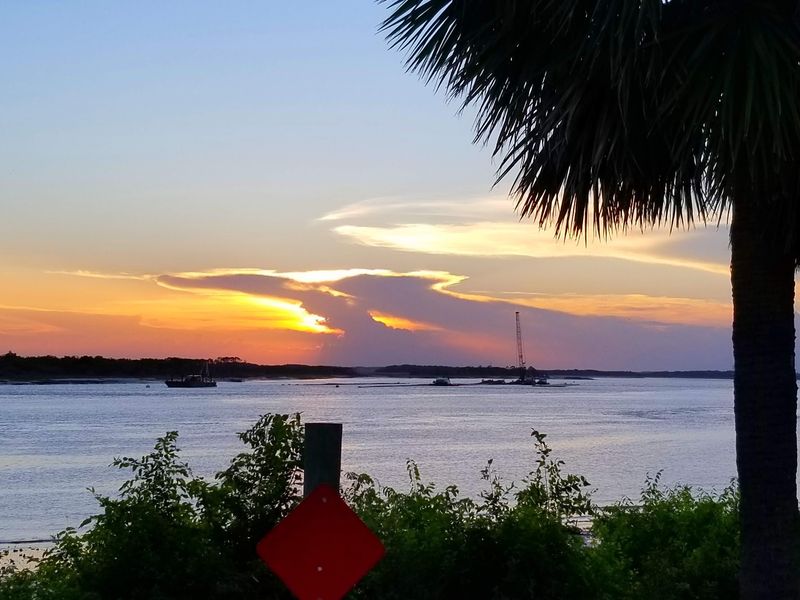
Sunset chasers have found their secret weapon in this little park. While everyone else crowds the beach or packs into waterfront restaurants, you can claim your own spot here with plenty of elbow room. The western exposure over the water creates those picture-perfect Florida sunsets that look almost too pretty to be real, with colors that shift from gold to orange to deep purple.
Locals treat this place like their personal sunset viewing room. Couples bring picnic blankets, friends gather with coolers, and solo visitors find their favorite bench for quiet contemplation. The atmosphere stays relaxed and uncrowded even during peak sunset hours, something almost unheard of at popular Florida beaches.
The park’s compact size means you can’t really pick a bad spot for sunset viewing. Everything faces the water, and the open layout prevents trees or structures from blocking your view. Some people prefer sitting on the grass, others claim the benches, and a few stand at the waterfront edge for the most immersive experience.
Photographers find the scene irresistible. The water reflects the changing sky colors, boats crossing the frame add visual interest, and the foreground elements like the cannon or historic markers can anchor compositions beautifully. You don’t need professional equipment to capture stunning shots here, the natural beauty does most of the work.
What really sets this sunset experience apart is the peaceful vibe. There’s no commercial hustle, no loud music from nearby bars, no beach crowds doing their thing. Just you, the view, and maybe a handful of other people who discovered this gem.
The quiet amplifies the beauty somehow, letting you actually absorb the moment instead of just snapping a quick photo.
Fireworks displays occasionally happen here too, turning special occasions into truly memorable experiences. The combination of sunset followed by fireworks over the water creates those perfect Florida evenings that stick in your memory for years.
A Residential Setting That Adds Unexpected Charm
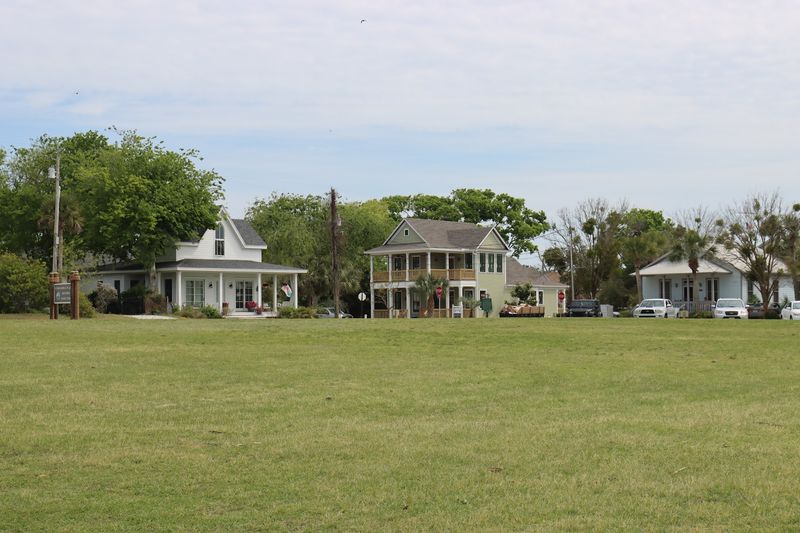
The park sits nestled in a residential neighborhood filled with gorgeous historic homes, creating an unusual but delightful combination. Walking to the park means strolling past beautifully maintained houses that showcase Fernandina Beach’s architectural heritage. The setting feels more like discovering a hidden community treasure than visiting a typical state park.
Across the street stands the house where the original Pippi Longstocking movie was filmed, now privately owned but still recognizable to fans. That quirky pop culture connection adds another layer of interest to an already fascinating location. People who grew up watching Pippi get genuinely excited spotting the house, creating an unexpected nostalgia moment during their park visit.
The residential location does require some parking awareness. You’ll want to be careful not to block driveways or park on anyone’s lawn, as you’re literally parking in someone’s neighborhood. Most visitors find street parking easily enough, and the short walk to the park entrance becomes part of the experience, letting you admire the surrounding homes.
This neighborhood setting creates a different energy than isolated parks surrounded by wilderness or commercial areas. There’s a lived-in quality, a sense that the park exists as part of a real community rather than a tourist destination carved out of nowhere. Local kids ride bikes past, neighbors walk dogs, and the whole scene feels authentically Floridian in the best way.
The beautiful homes also provide excellent photo opportunities beyond the park itself. Architecture enthusiasts can easily spend extra time exploring the surrounding streets, turning a quick park visit into a longer neighborhood walk. The Victorian and historic styles represent Fernandina Beach’s character perfectly, offering visual interest that complements the park’s historical significance.
Some visitors specifically mention the neighborhood charm as part of what makes this park special. The combination of waterfront views, history, and beautiful residential surroundings creates a unique package that you won’t find at larger, more isolated state parks.
The Ideal Quick Stop for Stamp Collectors and Explorers
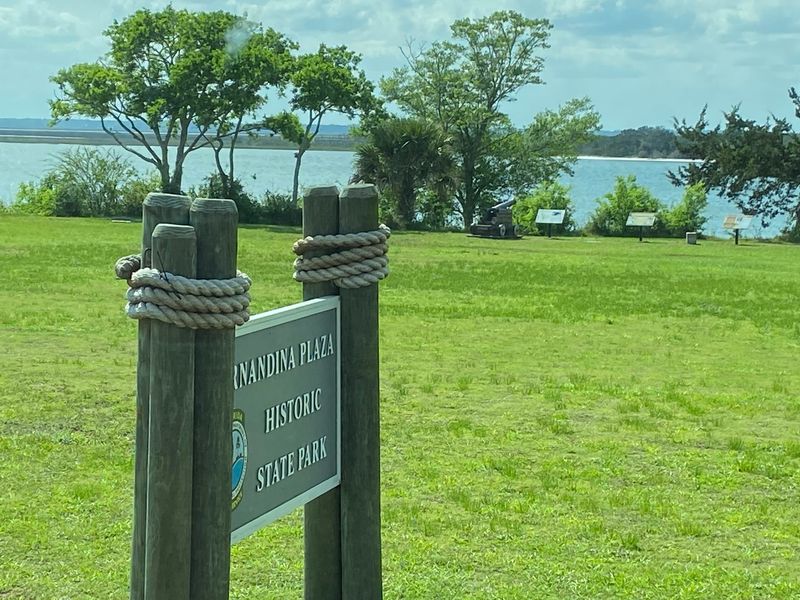
Florida State Parks passport stamp collectors have this park on their must-visit list, and it’s perfectly designed for quick stops. You can park, walk to the stamp station, explore the entire park, and be back on the road in 20 minutes if you’re in a hurry. That efficiency makes it easy to fit into a larger Fernandina Beach day trip without feeling like you’re rushing through something important.
The compact layout works beautifully for families with young kids or visitors with limited mobility. There’s no long hike required to see everything, no confusing trail systems to navigate, and no need to pack extensive supplies for a major outdoor adventure. You literally see the entire park from the parking area, making it accessible in ways that sprawling parks simply can’t match.
Road trippers especially appreciate this park’s convenience. It sits close enough to major routes that stopping doesn’t require a significant detour, yet it offers a genuine break from driving with actual things to see and experience. The combination of history, views, and fresh air provides a much better travel break than another gas station or fast food stop.
Birders find the quick-visit format appealing too. You can scan the shoreline for wading birds, check the water for diving species, and observe whatever’s flying overhead without committing hours to the effort. Several shore bird species regularly work the waterfront, offering decent viewing opportunities for such a small space.
The free admission removes any financial pressure to make the visit last longer than it naturally should. You can stop for five minutes or five hours depending entirely on your mood and schedule. That flexibility feels refreshing compared to paid attractions where you feel obligated to maximize your investment.
Groups collecting all Florida State Parks often share tips about this one being an easy add to a Northeast Florida park tour. Combined with nearby Fort Clinch State Park, it creates a nice day of exploring different aspects of the area’s history and natural beauty without requiring extensive planning or endurance.
A Peaceful Picnic Destination With Character
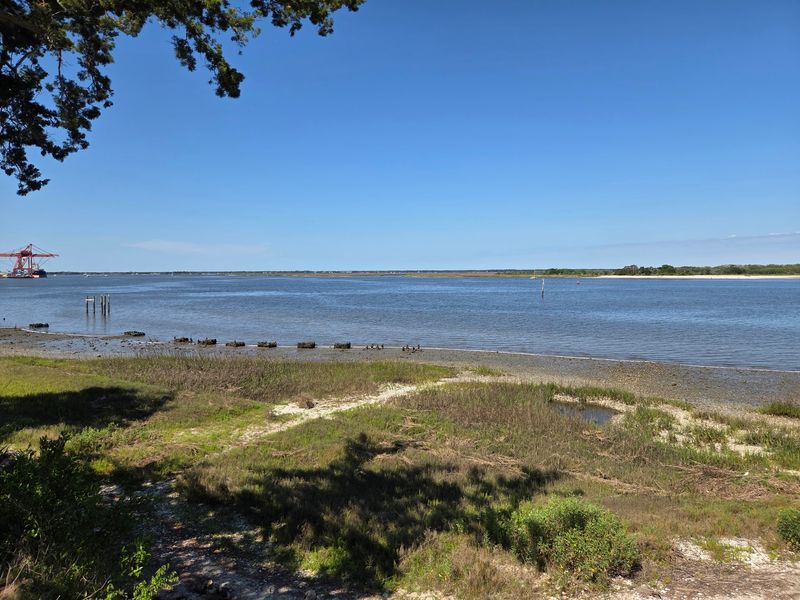
Pack a lunch and you’ve got yourself a memorable picnic spot that doesn’t involve fighting for table space at crowded beach pavilions. The grass areas provide plenty of room for blankets, and the waterfront setting makes even simple sandwiches taste better somehow. Watching boats drift by while you eat turns an ordinary meal into a genuinely pleasant experience.
The lack of facilities like bathrooms means you’ll want to plan accordingly, but many visitors consider that a fair trade for the peaceful atmosphere. Without restroom buildings, playgrounds, or other typical park infrastructure, the space stays open and uncluttered. The minimalist approach lets the natural beauty and historical significance take center stage.
Couples find this spot ideal for romantic picnics, especially during sunset hours. The intimate scale and typically light crowds create privacy that’s hard to find at larger parks. You can actually have a conversation without shouting over beach noise or competing with dozens of other groups packed into pavilion areas.
The view provides built-in entertainment during your meal. Dolphins surfacing, boats passing, birds diving for fish, there’s always something happening on the water to watch between bites. Kids especially enjoy the dynamic scenery, making it easier to keep them settled during a picnic than at parks with static views.
Local residents treat this as their go-to spot for casual outdoor meals. They know the best times to visit, the ideal spots to spread blankets, and how to make the most of the small space without feeling cramped. Following their lead by visiting during weekday afternoons or early weekend mornings can provide an even more peaceful experience.
The historic setting adds an interesting dimension to picnicking here. You’re not just eating lunch at a random park, you’re dining on ground that witnessed centuries of Florida history. That sense of place and story makes the experience more memorable than typical picnic outings, creating moments that stick with families and friends long after the sandwiches are gone.
Where Small Size Creates Big Impact
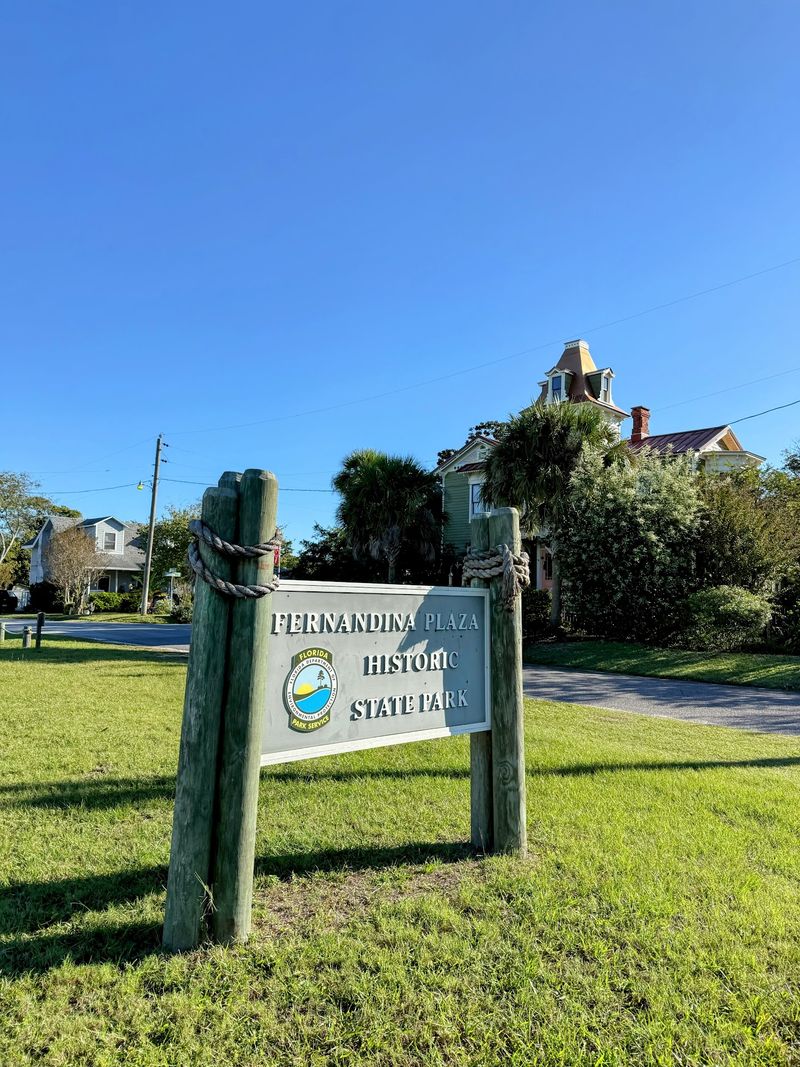
Everything about this park contradicts the usual Florida tourism philosophy that bigger equals better. At barely an acre, it could fit inside most major parks’ parking lots. Yet visitors consistently rate it highly and recommend it enthusiastically, proving that size really doesn’t determine value when it comes to outdoor spaces.
The small footprint forces a focus on quality over quantity. There’s no room for mediocre features or filler attractions. Every element serves a purpose, whether educational, scenic, or functional.
That intentional design creates an experience that feels curated rather than sprawling, complete rather than overwhelming.
Accessibility becomes almost universal at this scale. People who might feel intimidated by large state parks with miles of trails find this space welcoming and manageable. Elderly visitors, families with toddlers, and anyone with limited time or energy can fully experience everything the park offers without feeling like they’re missing out on distant sections.
The intimate atmosphere encourages actual observation and reflection. You’re not rushing to hit all the highlights before closing time or trying to navigate confusing maps. You can simply be present, notice details, and absorb the place at a human pace.
That mindful experience provides mental health benefits that rushed visits to larger attractions often miss.
Maintenance stays consistently high quality because the small area makes thorough upkeep manageable. The grass stays trimmed, interpretive signs remain in good condition, and the overall presentation feels cared for. That attention to detail shows respect for visitors and the historical significance of the site.
Perhaps most importantly, this park proves that Florida’s natural and historical treasures don’t all require massive infrastructure or extensive development. Sometimes preservation means keeping things simple, allowing a beautiful waterfront spot and important historical site to speak for themselves. The result feels authentic and unpretentious, qualities that become increasingly rare and valuable in our developed world.
This little park delivers exactly what it promises, nothing more and certainly nothing less.