Two Forgotten Florida Towns Were Erased To Build America’s Space Coast
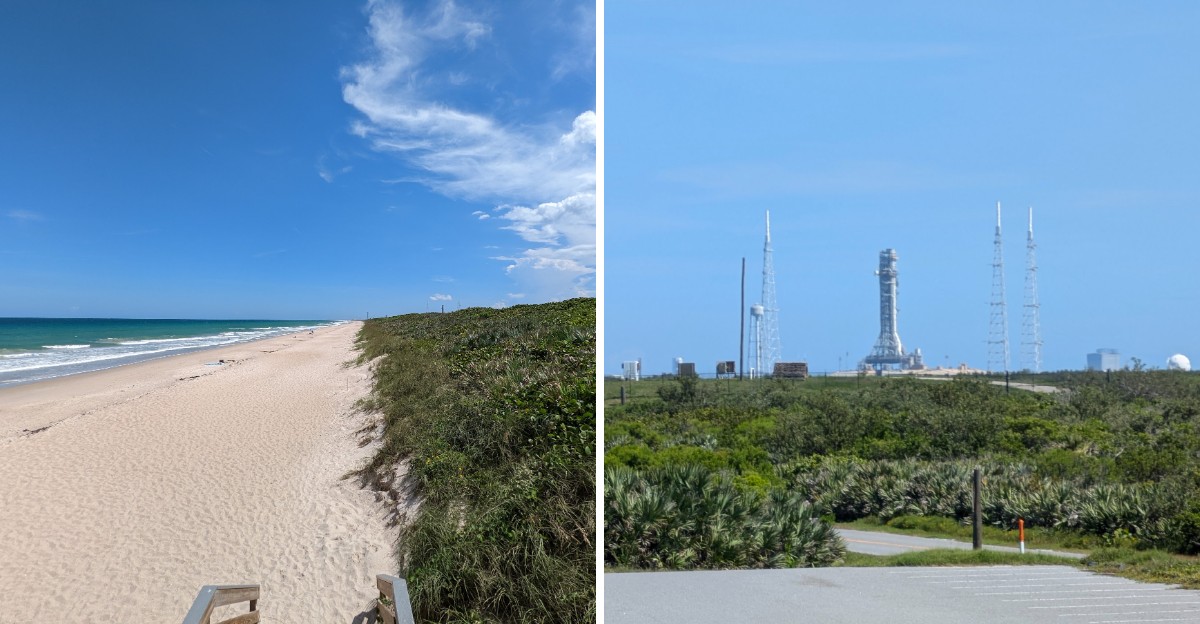
Two whole towns once stood near a stretch of sand where rocket launches now rattle the sky. Shiloh and Allenhurst had homes, citrus groves, and fishing camps long before the space race came knocking.
In the early 1960s, NASA bought up huge chunks of land along this part of the Florida coast. Families packed up, buildings came down, and the wild slowly took everything back.
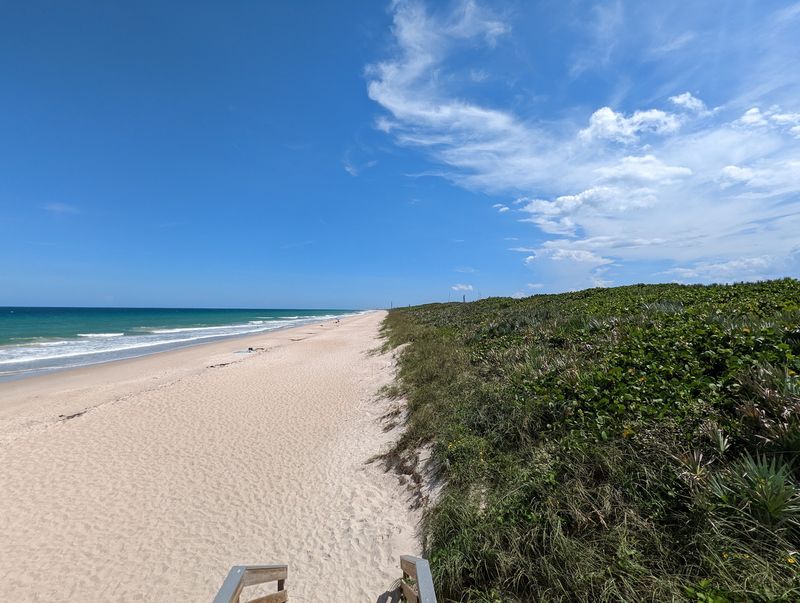
I love how that loss turned into something nobody planned. The quiet safety zone around the space center helped preserve what is now the longest stretch of undeveloped beach on Florida’s east coast.
Today, sea turtles dig nests where front porches once stood, and dolphins roll through the waves just offshore. So what else survived out there, waiting quietly behind the dunes?
Shiloh And Allenhurst Gave Up Their Ground For The Moon
Before Canaveral National Seashore existed, real people called this coastline home. Shiloh and Allenhurst were small communities with houses, groves, roads, and neighbors who knew each other well.
Then the space race arrived and changed everything fast. In the early 1960s, NASA acquired a massive tract of land to support its launch operations on Merritt Island.
That purchase swallowed both towns whole. Residents sold their property and moved on, and most buildings were cleared away over time.
It sounds sad, and in many ways it was. Still, the story didn’t end with empty lots and forgotten street names.
NASA needed open land around its launch pads for safety. Nobody could build condos, hotels, or strip malls inside that zone.
So the land just sat there and slowly went wild again. Scrub, marsh, and dunes crept back across the old roads and yards.
Here’s the twist you can enjoy today. The same decision that emptied two Florida towns also protected miles of coastline from development.
When you stand on these quiet beaches, you’re standing inside that strange trade. Rockets got their room, and nature got a second chance.
An Accidental Wilderness Became A National Treasure
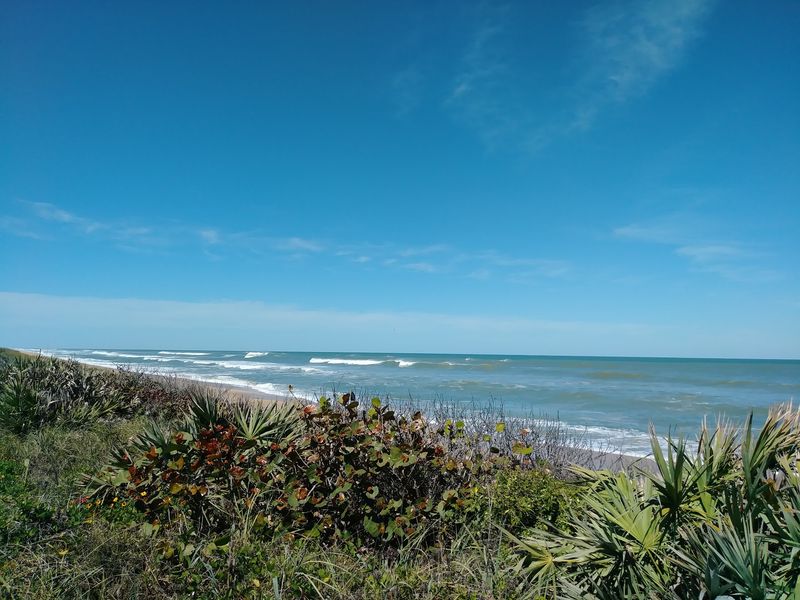
Congress made it official on January 3, 1975. That’s when Canaveral National Seashore was established to protect this rare stretch of untouched coast.
The park covers about 24 miles of beach between New Smyrna Beach and Titusville. Not a single high-rise interrupts the view along the shoreline.
That alone feels a little unbelievable in Florida. Most of the state’s Atlantic coast is lined with towers, parking garages, and busy boardwalks.
Here, the dunes still run wild and the sea oats sway without a hotel shadow in sight. It’s what old Florida beaches looked like before the tourism boom.
The seashore also works closely with its neighbor, Merritt Island National Wildlife Refuge. Together, they share land that overlaps with NASA’s Kennedy Space Center.
That teamwork protects an impressive range of habitats. You’ll find beach, dunes, hardwood hammocks, pine flatwoods, and the brackish waters of Mosquito Lagoon.
The park is known for sheltering a remarkable number of threatened and endangered species. Sea turtles, manatees, and many shorebirds rely on this protected ground.
So when someone calls it a happy accident, they’re not wrong. Few accidents ever turned out this beautifully.
One Lonely House Refused To Disappear
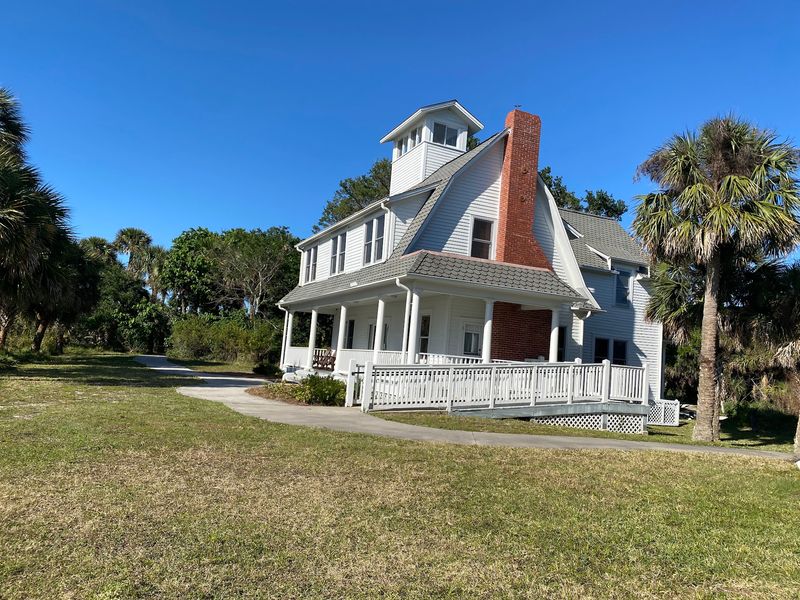
Talk about stubborn survival. The Eldora State House, built as early as 1913, stands as the last remaining original home from the early-20th-century Eldora community.
Eldora was a small settlement along Mosquito Lagoon in the late 1800s and early 1900s. Settlers grew citrus there and relied on boats to reach the outside world.
The community faded long before rockets showed up. Freezes, changing travel routes, and new railroads elsewhere slowly pulled people away.
Yet this one house hung on through all of it. Today, it’s part of Canaveral National Seashore and serves as a small museum.
The two-story wooden home sits close to the water with shady trees around it. It gives you a rare peek at how families lived on this isolated coast.
Exhibits share stories about the settlers and the lagoon life that shaped them. It’s a quick stop, but it adds real depth to your beach day.
Plan ahead, because the house has limited open days that are often handled with volunteer help. Checking with the park first saves you a disappointing drive.
Pair your visit with the nearby Eldora Hammock trail. Then the old house suddenly feels like part of a living story.
A Hill Made Of Oyster Shells Still Watches The Lagoon
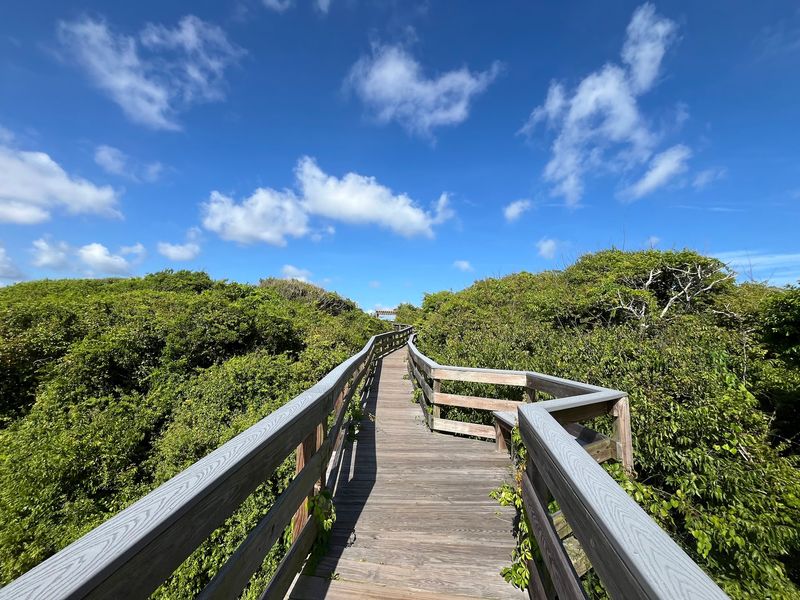
Long before Shiloh or Allenhurst, people were already leaving their mark here. Turtle Mound is a giant shell midden built by the Timucua people over many centuries.
It rises about 35 feet, making it the tallest shell mound on Florida’s east coast. That’s a lot of oyster dinners piled up over time.
The mound wasn’t built in a weekend, of course. Scientists believe it grew gradually over centuries of meals and gatherings.
Early Spanish sailors even used it as a landmark from the sea. On a flat coast like this, a tall green hill really stood out.
Today, a boardwalk winds up the side so you can reach the top without damaging it. The view stretches across Mosquito Lagoon on one side and the ocean on the other.
Please stay on the boardwalk and leave every shell exactly where it sits. This site is protected, and it tells a story no textbook can match.
Turtle Mound sits in the north district, near the New Smyrna Beach entrance. It’s an easy stop on the way to the sand.
Sea Turtles Run The Night Shift Every Summer
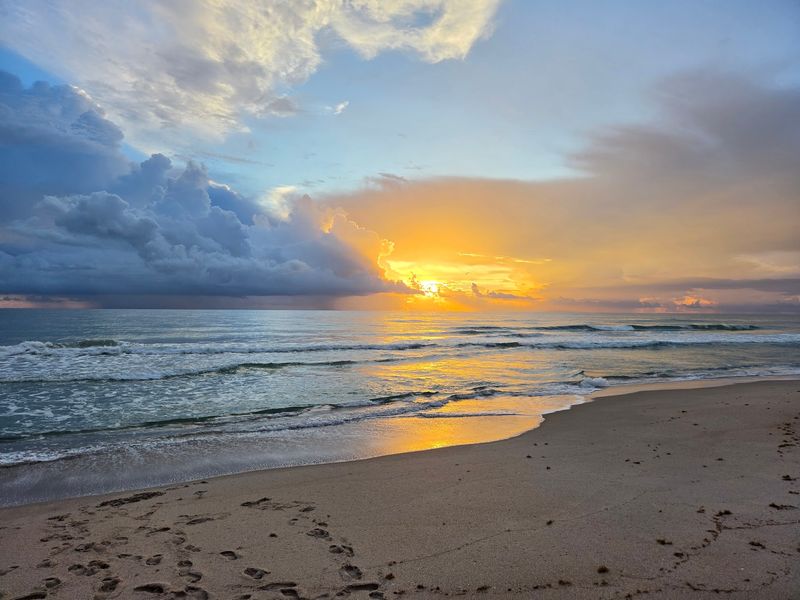
Every summer, the real VIPs come crawling out of the surf after dark. Loggerhead, green, and leatherback sea turtles all nest on these quiet beaches.
Nesting season generally runs from spring through fall. Mother turtles dig into the sand, lay their eggs, and slip back into the waves.
Canaveral National Seashore is one of the most important nesting areas in Florida. The lack of bright buildings helps keep the beach dark and turtle-friendly.
That darkness matters more than you might guess. Baby turtles use natural light from the horizon to find their way to the ocean.
So your beach habits make a difference here. Fill in any holes you dig and pack out every bit of trash before leaving.
Never touch a nest, an adult turtle, or a hatchling. Marked nests often have stakes or tape around them, so give those spots plenty of space.
The park sometimes offers ranger-led turtle watch programs during the summer. Spots tend to be limited, so check early if you want to join one.
Watching a turtle on her own beach is unforgettable. Just let her do the work without an audience crowding in.
Your Easiest Way In Starts At The North End
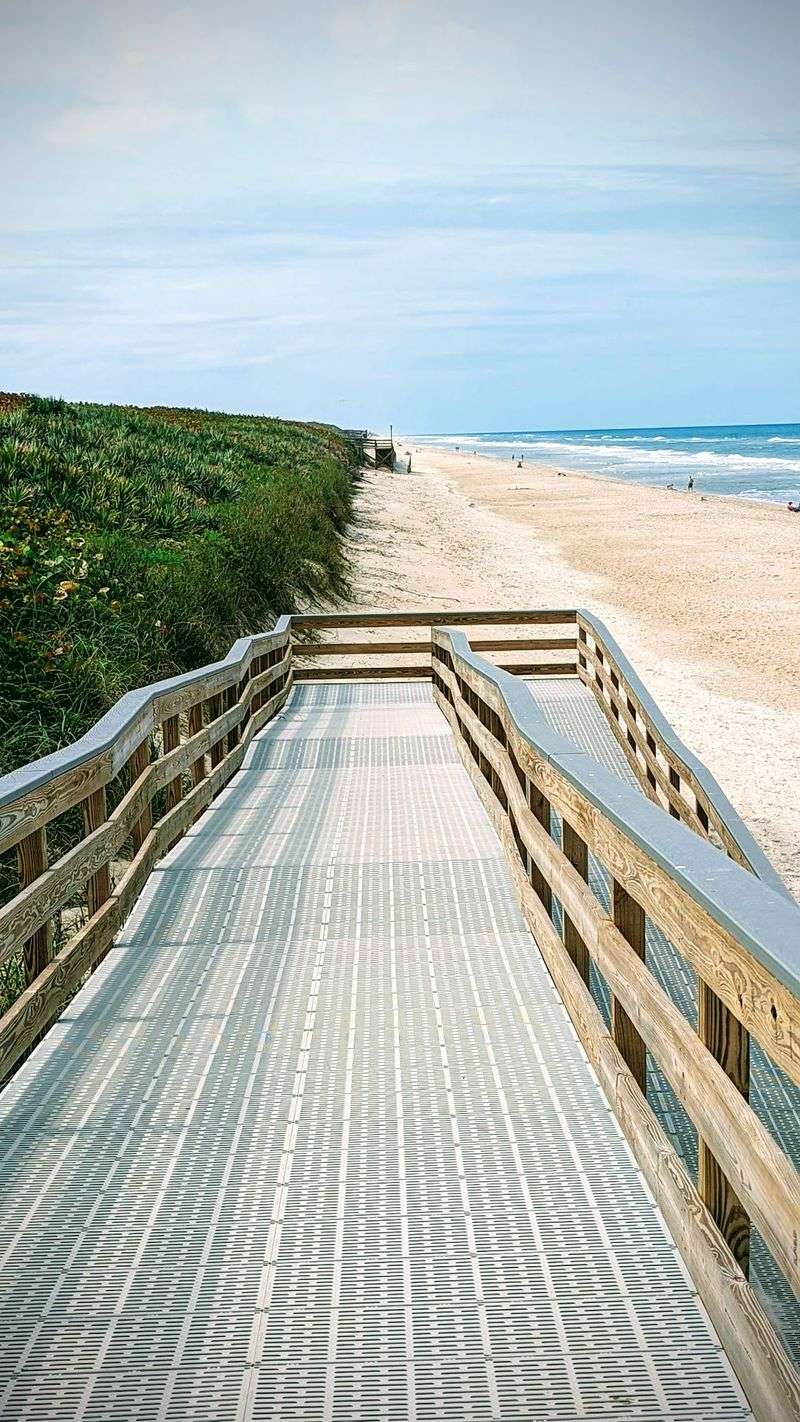
Getting there is refreshingly simple. Head to 7611 Atlantic Ave S, New Smyrna Beach, FL 32169, and you’ll reach the north district entrance.
This side of the park leads to Apollo Beach. The name fits nicely, considering the space program sits just down the coast.
The park currently opens at 6 a.m. and closes at 6 p.m. daily, with last entry at 5 p.m. Early arrivals get cooler sand and first pick of the parking lots.
There’s an entrance fee, and national park passes are accepted. If you collect park passport stamps, the visitor center is a great place to grab one.
That visitor center also has exhibits and helpful rangers. It’s smart to stop there first for maps and current conditions.
A series of numbered parking areas line the road along the beach. Each one connects to a boardwalk crossing the dunes to the shore.
Bring everything you need for the day. Once you’re past the entrance, this is wild Florida, not a snack-bar kind of beach.
Restrooms are available at certain lots, though facilities stay basic. Pack water, sunscreen, and shade, and you’ll be set.
Paddle The Lagoon Where Manatees Cruise By
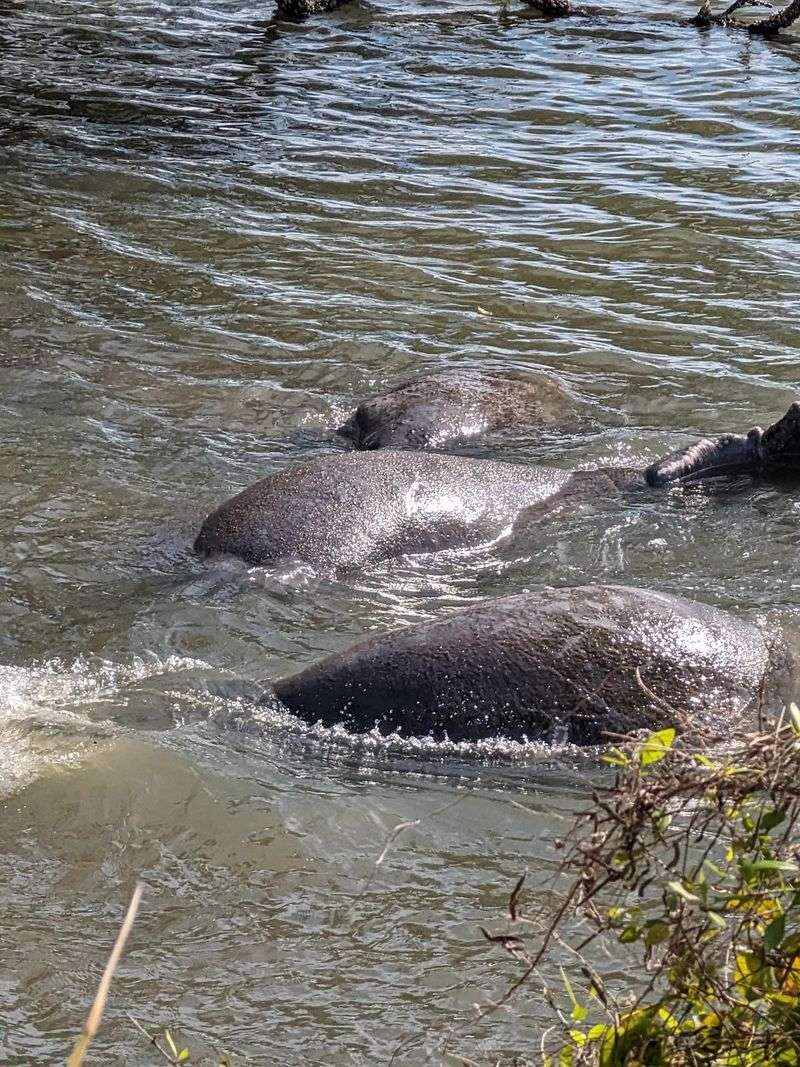
Swap the waves for glassy water on the other side of the island. Mosquito Lagoon stretches along the west edge of the park and feels completely different from the beach.
This shallow, brackish lagoon is famous for its wildlife. Manatees graze in the seagrass, and dolphins often surface close to paddlers.
Kayaks, canoes, and paddleboards are great ways to explore. Small mangrove islands dot the water, creating quiet little channels to drift through.
Bring your own gear or rent from outfitters outside the park. Launch points within the north district make getting on the water pretty easy.
Anglers love this lagoon too. It’s known as a top spot for redfish and spotted seatrout fishing in Florida.
A Florida fishing license is required, so sort that out before you cast. Following size and bag limits keeps the lagoon healthy for everyone.
Wind can pick up quickly on open water. Check the forecast and paddle with a buddy whenever possible.
Birdwatchers should keep binoculars handy. Herons, egrets, pelicans, and roseate spoonbills all show up here, and they rarely care about your schedule.
Short Trails Pack A Surprising Amount Of Shade
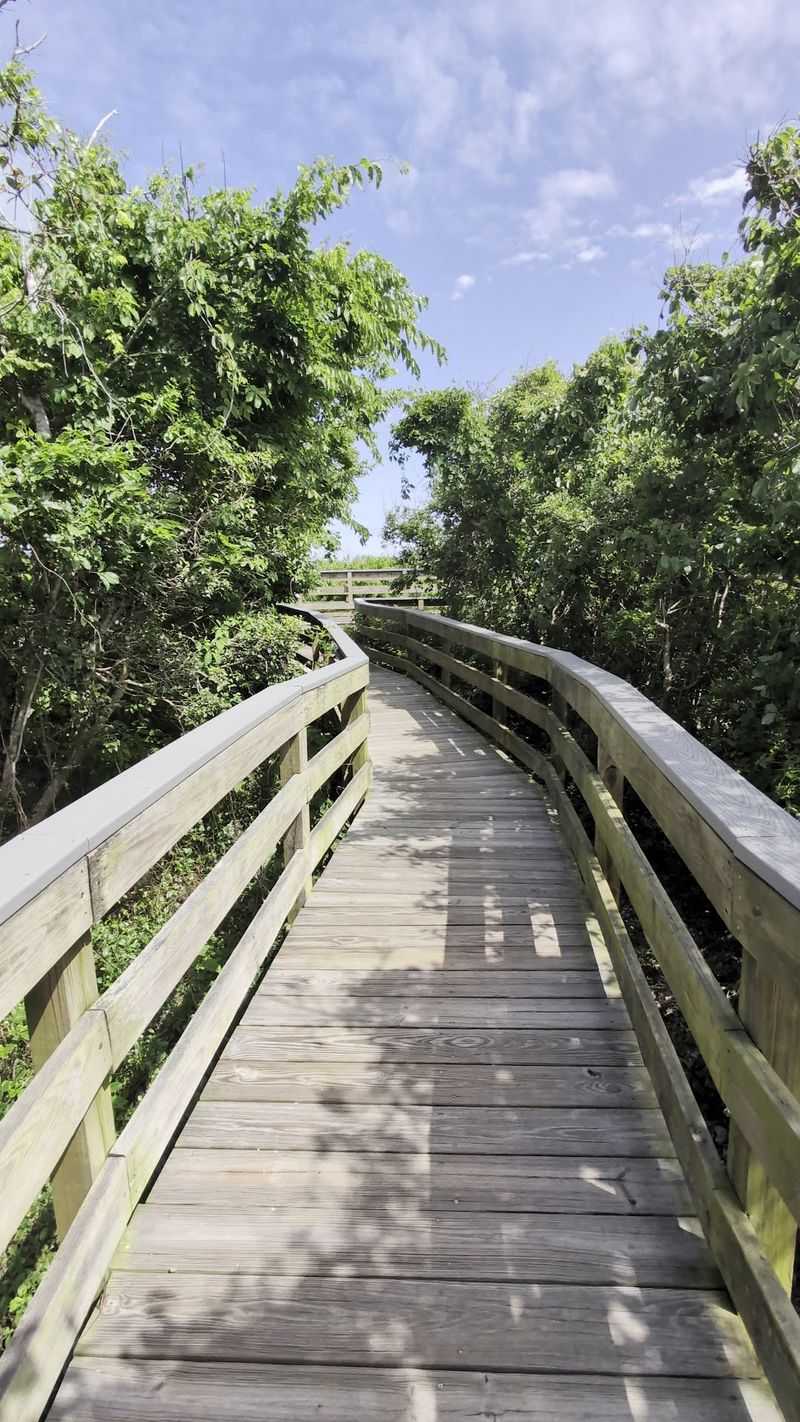
Nobody needs hiking boots for these trails. Most paths in the north district are short, flat, and friendly for casual walkers.
Castle Windy Trail is a favorite. It winds through a coastal hammock from the beach side to the edge of Mosquito Lagoon.
Twisted oaks and palms arch overhead along the way. On a hot Florida afternoon, that shade feels like a gift.
The trail ends at another Timucua shell midden by the water. It’s smaller than Turtle Mound but still a neat piece of history.
Eldora Hammock Trail is another easy loop near the historic house. It shows off the tangled hardwood forest that once surrounded the old settlement.
Bring bug spray, especially in warmer months. Mosquito Lagoon didn’t earn its name by accident.
Stay on marked paths and watch for wildlife. Lizards, armadillos, and birds often dart across the trail.
Snakes live here as well, so watch your step and give them room. Most simply want to slip away into the brush.
These walks make a perfect break from the sun. Then you can head right back to the beach feeling refreshed.
Rocket Launches Bring The Whole Story Full Circle
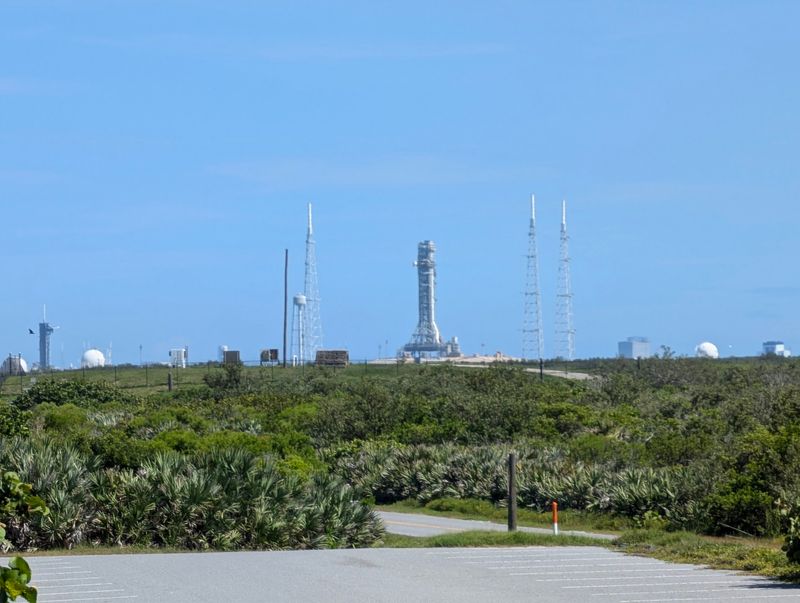
Here’s where history loops back on itself. The south district, reached from Titusville, sits remarkably close to the launch pads at Kennedy Space Center.
Playalinda Beach is the star of that end of the park. On clear days, you can spot launch structures rising in the distance.
Because of that closeness, Playalinda sometimes closes for launches and related operations. Always check with the park before driving down on a launch day.
The north district and the south district don’t connect by road along the beach. Plan which side you want to visit before you set out.
Launches are visible from many spots along this coast. Watching a rocket climb over these empty dunes feels a little emotional, honestly.
That roaring flame rises above ground that once held Shiloh and Allenhurst. Those towns gave up their streets so the space program could grow.
The trade still echoes every time a countdown hits zero. A wild Florida beach on one side, a launch pad on the other.
Canaveral National Seashore lets you hold both stories at once. Few places blend nature, history, and spaceflight quite like this.