Vintage Cars and Rare Finds Make This Florida Museum Impossible to Rush Through
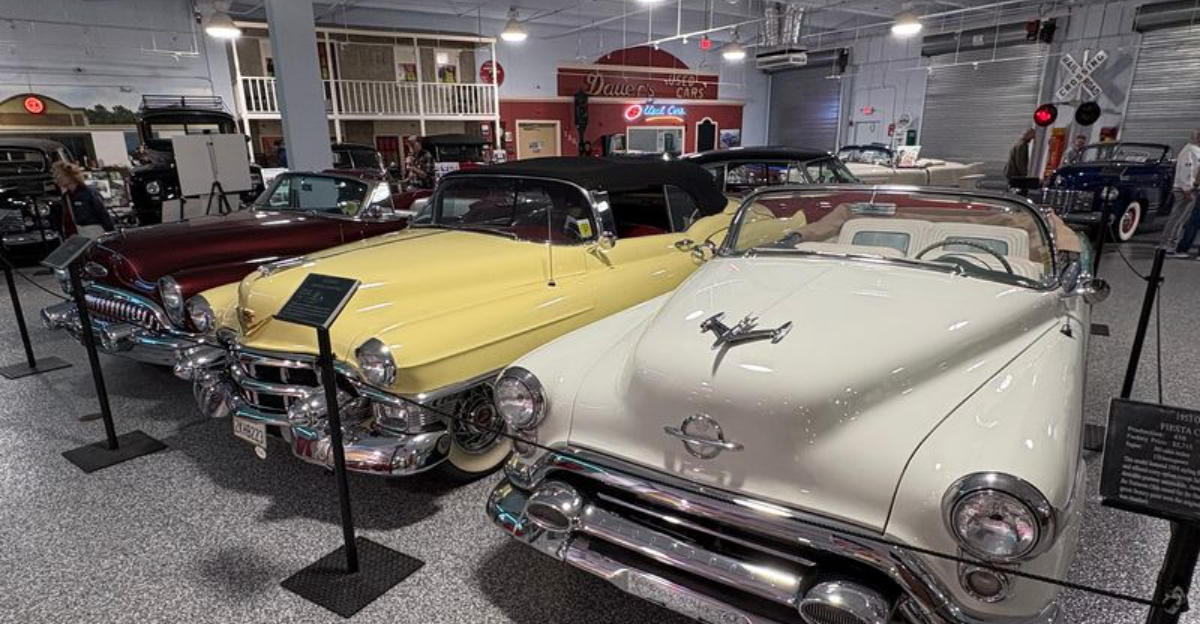
Tucked away in a Sunrise warehouse district sits one of South Florida’s best-kept secrets: a pristine collection of automotive treasures that spans decades of American history. The Dauer Museum of Classic Cars houses over 50 meticulously restored vehicles alongside fascinating memorabilia that transports visitors straight back to the golden age of motoring. With everything from Cold War-era International Harvesters to Marilyn Monroe’s personal Cadillac, this family-owned nonprofit offers way more than your typical car show, and once you step inside, you’ll understand why people easily spend two hours wandering through its carefully curated displays.
Cadillac Collection Showcasing American Luxury at Its Peak
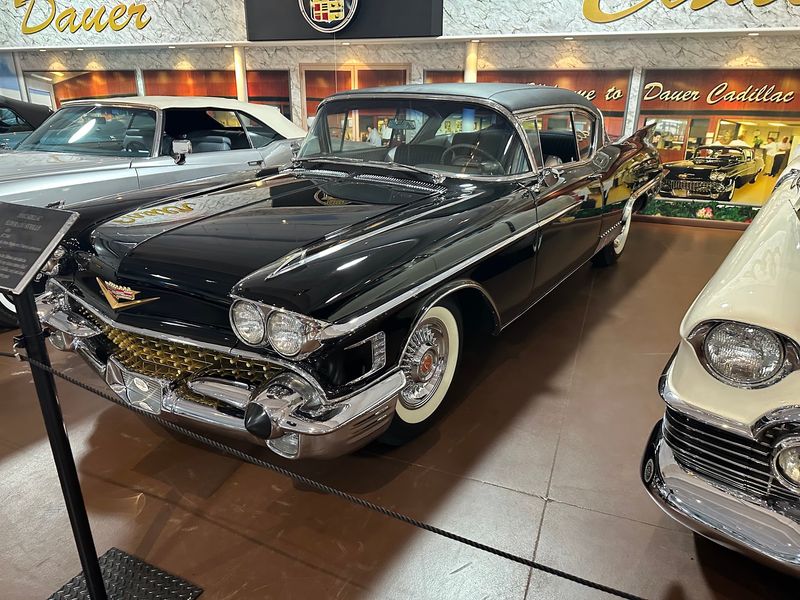
Cadillac dominates the floor space here, and for good reason. These aren’t just cars but rolling monuments to an era when American automotive design reached heights of chrome-plated extravagance that’ll never be matched again. Each model tells its own story about postwar prosperity, tail-fin fever, and the kind of optimism that only the 1950s could produce.
The museum’s Cadillac lineup spans multiple decades, giving visitors a front-row seat to how luxury evolved from the streamlined elegance of early models to the rocket-ship styling of the late fifties. You’ll spot Eldorados, Coupe de Villes, and other models that once turned heads on Main Street America. What makes these examples special is their condition, with restoration photos showing the incredible transformation from rust buckets to showroom perfection.
Owner Eddie Dauer often parks his personal black Eldorado out front, setting the tone before you even walk through the door. Inside, informative plaques accompany each vehicle, explaining not just the technical specifications but the cultural context that made these cars symbols of achievement. The postwar boom created a middle class hungry for status symbols, and Cadillac delivered with vehicles featuring power everything, plush interiors, and enough stainless steel to rival a commercial kitchen.
Walking among these giants, you start understanding why grandparents get misty-eyed remembering their first Cadillac. These weren’t just transportation but statements about having made it in America. The craftsmanship evident in every detail, from the intricate dashboard designs to the quality of the upholstery, reminds modern visitors that planned obsolescence wasn’t always the default setting.
Some models here had production runs so limited that encountering one outside a museum would be nearly impossible, making this collection genuinely irreplaceable for automotive historians and casual enthusiasts alike.
Marilyn Monroe’s Personal Cadillac Drawing Hollywood History Buffs
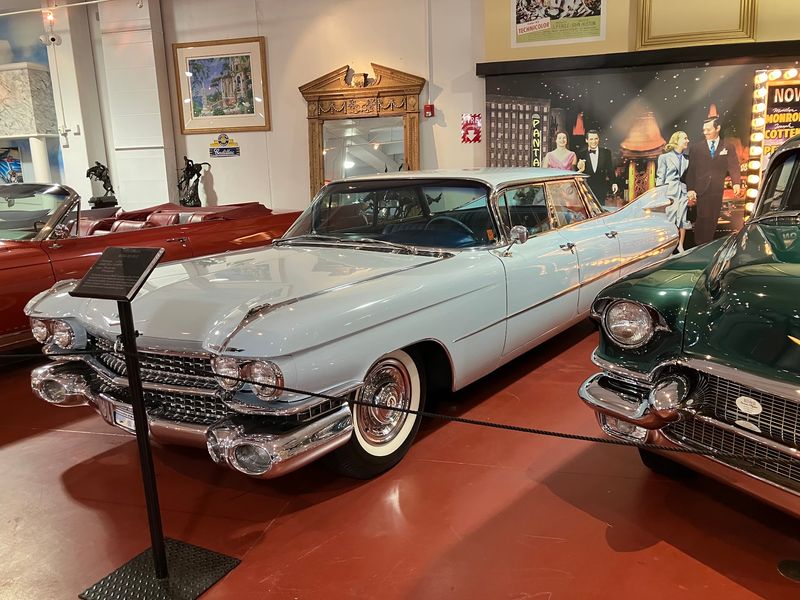
Celebrity provenance elevates certain vehicles from impressive to legendary, and the museum’s crown jewel proves that point perfectly. Marilyn Monroe’s personal Cadillac sits on display, connecting visitors not just to automotive history but to Hollywood’s golden age. Standing before this car, you’re looking at the same vehicle that carried one of the most photographed women in history through Los Angeles streets during her peak fame.
The backstory alone justifies the admission price. Monroe, who struggled financially early in her career, purchasing a Cadillac represented her arrival as a genuine star. This wasn’t a studio loaner or a publicity stunt vehicle but her personal transportation, making it an intimate artifact from her too-short life.
The museum doesn’t sensationalize the connection but presents it with appropriate reverence, letting the car’s history speak for itself through thoughtful documentation.
What strikes visitors most is how the vehicle embodies both Monroe’s public glamour and private person. The color, styling, and luxury features reflect the image she projected, while knowing she actually sat in that driver’s seat, turned that steering wheel, and looked through that windshield creates an unexpectedly personal connection. It’s one thing to see Monroe in films or photographs; it’s another to encounter a physical object she owned and used regularly.
The preservation quality ensures the vehicle looks exactly as it would have during Monroe’s ownership, down to period-correct details that restoration experts obsess over. For visitors who grew up watching her movies or studying mid-century American culture, this car represents a tangible link to that era. Even younger guests unfamiliar with Monroe’s filmography recognize the significance of standing near something once owned by such an iconic figure, making this particular exhibit appeal across generational lines in ways purely automotive displays sometimes can’t achieve.
Cold War International Harvester Used for Missile Site Exploration
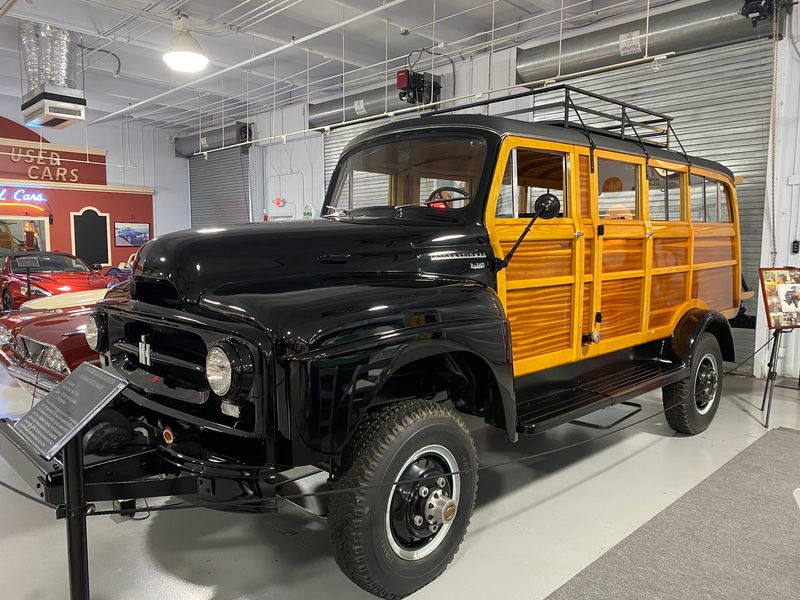
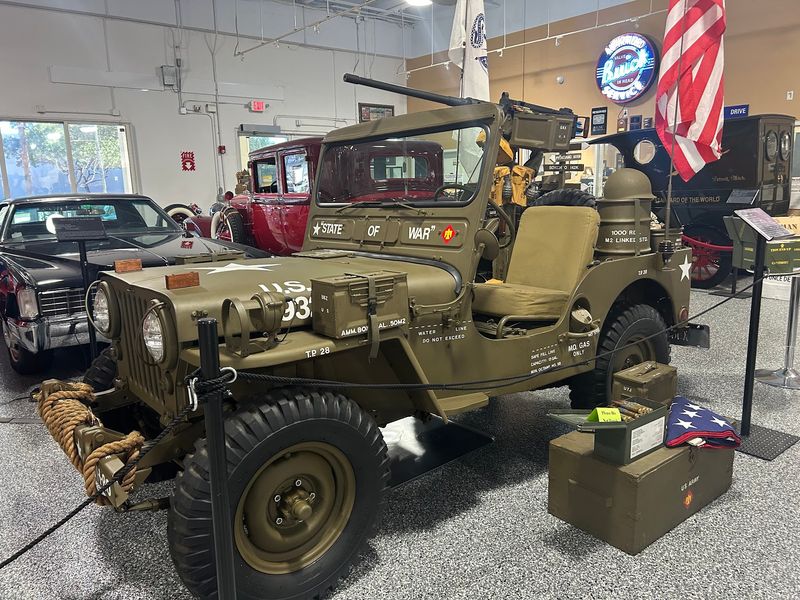
Among the flashy Cadillacs and chrome-heavy cruisers sits something far more utilitarian but arguably more historically significant. The 1954 International Harvester four-wheel-drive wagon represents one of only five ever produced, and its purpose tells a fascinating Cold War story that most visitors never knew existed. This wasn’t built for Sunday drives but for exploring remote backcountry to identify potential underground missile silo locations during America’s nuclear standoff with the Soviet Union.
The rarity factor alone makes this vehicle museum-worthy, but the mission it served elevates it to genuine historical artifact status. While Americans were buying tail-finned dream machines, government contractors were bouncing through wilderness in vehicles like this, literally shaping the nation’s defense infrastructure. The museum’s documentation explains how these specialized wagons needed capabilities far beyond standard vehicles, with reinforced components and four-wheel-drive systems robust enough for truly punishing terrain.
Only five examples rolled off the production line because the specific requirements were so demanding and the intended use so specialized. Finding one today, much less in restored condition, borders on miraculous. The Dauer Museum’s example shows the kind of no-nonsense engineering that characterized military and government vehicles of the era, with function prioritizing over every aesthetic consideration.
No chrome trim here, just honest metalwork designed to survive conditions that would destroy civilian vehicles.
What makes this International Harvester resonate with visitors is how it represents the hidden side of 1950s America. While popular culture remembers the decade for prosperity and optimism, this wagon reminds us that existential nuclear anxiety shaped everything from foreign policy to infrastructure planning. The contrast between this utilitarian explorer and the luxury Cadillacs nearby perfectly illustrates the decade’s contradictions, giving the museum’s collection unexpected depth beyond simply showcasing beautiful automobiles.
Restoration Documentation Showing Before and After Transformations
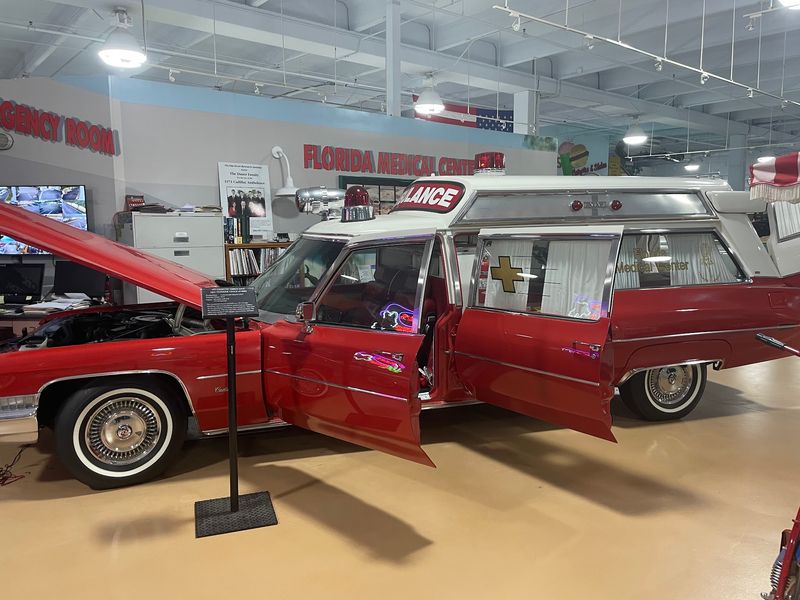
Car museums typically show finished products in all their polished glory, but the Dauer Museum takes a more transparent approach that enthusiasts absolutely love. Throughout the collection, you’ll find before-and-after photographs documenting the painstaking restoration work that transformed rusted hulks into the gleaming examples now on display. These images provide context that makes the finished vehicles even more impressive once you understand where they started.
Some of the before photos are genuinely shocking. Vehicles that now look showroom-fresh once sat in fields with collapsed roofs, missing components, and rust eating through body panels. The transformations required aren’t simple cosmetic work but complete ground-up rebuilds involving metalwork, mechanical rebuilding, interior reconstruction, and countless hours of detail-oriented labor.
Seeing these photos helps visitors appreciate the dedication required to preserve automotive history rather than letting these machines decay into scrap metal.
The documentation also reveals the detective work involved in authentic restoration. Finding correct replacement parts for vehicles built 60 or 70 years ago requires research, networking with other collectors, and sometimes fabricating components from scratch when originals no longer exist. The museum doesn’t hide this process but celebrates it, acknowledging that preservation involves as much problem-solving as wrenching.
Eddie and Joanne Dauer’s decades-long commitment to building this collection becomes more impressive when you understand the challenges each acquisition presented.
For visitors considering their own restoration projects, these displays provide both inspiration and reality check. The before photos prove that even seemingly hopeless cases can be saved with enough skill and determination, while the scope of work involved makes clear why professional restorations command premium prices. Younger guests particularly appreciate this transparency, as it demystifies the restoration process and shows that the museum’s pristine vehicles didn’t start life that way but represent countless hours of skilled craftsmanship bringing automotive history back from the brink of extinction.
Memorabilia Collection Extending Beyond Just Automobiles
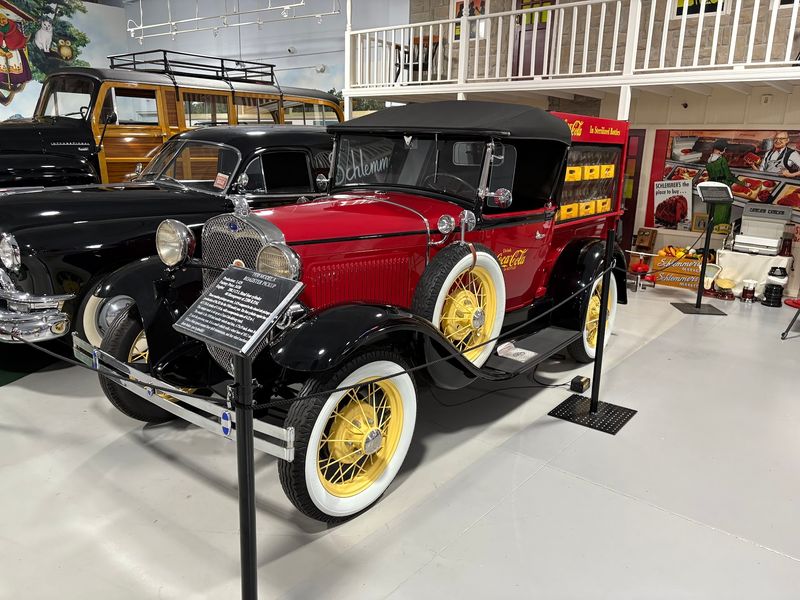
Calling this place just a car museum undersells what you’ll actually experience. The Dauer collection extends far beyond vehicles into a broader exploration of mid-century American life, with memorabilia that creates complete period atmospheres rather than simple automotive displays. Old Coca-Cola machines, vintage gas station signs, antique slot machines, railroad crossing markers, and even a Wurlitzer jukebox fill the spaces between cars, transforming the museum into a time machine that engages all your senses.
This approach works brilliantly because it provides context that pure car displays can’t achieve. Seeing a 1950s Cadillac is impressive, but seeing it alongside the gas pumps, signage, and consumer products from the same era helps visitors understand the complete cultural moment these vehicles inhabited. The memorabilia isn’t randomly scattered but thoughtfully arranged to enhance the automotive displays, creating vignettes that feel like stepping into vintage photographs rather than sterile museum spaces.
Some items surprise visitors who come expecting only cars. An electron microscope sits among the collection, representing scientific advancement during the same decades that produced these automotive marvels. Early television production equipment reminds guests that the car culture and media revolution evolved simultaneously, with drive-in theaters and car-oriented advertising becoming defining features of American life.
Even old telephones and switchboards appear, illustrating how communication technology progressed alongside transportation innovations.
The variety keeps families engaged longer than pure car museums typically manage. While one family member admires a pristine Eldorado, another might be fascinated by vintage vending machine displays or exploring how ice cream trucks evolved. Kids find plenty to capture their attention beyond vehicles, and the hands-on appeal of seeing actual objects from grandparents’ childhoods creates intergenerational conversations that wouldn’t happen in more narrowly focused museums.
This broader collecting philosophy makes the Dauer Museum genuinely unique among South Florida attractions, offering educational value that extends well beyond automotive appreciation into cultural history preservation.
Owner Eddie Dauer’s Personal Knowledge and Welcoming Presence
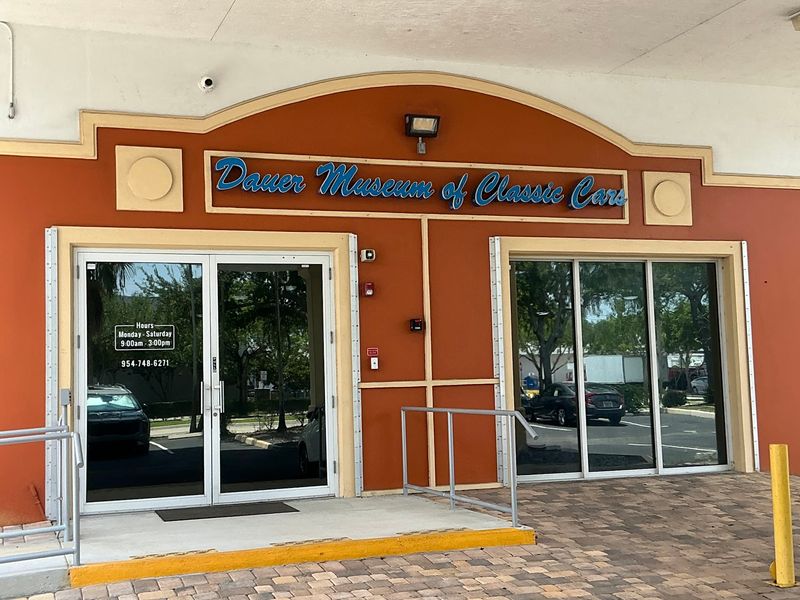
Many museums feel impersonal, with collections assembled by committees and presented through sterile wall text written by people you’ll never meet. The Dauer Museum offers the opposite experience, largely because owner Eddie Dauer regularly interacts with visitors, sharing stories and knowledge that bring the collection to life in ways static displays never could. Meeting him transforms a good museum visit into a memorable personal experience that guests mention repeatedly in their reviews.
Eddie’s background as an educator shows in how he engages with visitors. He doesn’t lecture but converses, asking what interests you and tailoring information to match your knowledge level and curiosity. Whether you’re a serious car enthusiast who wants to discuss engine specifications or a casual visitor who just thinks the cars look cool, he adjusts his approach accordingly.
This personalized attention makes everyone feel welcome rather than intimidated by technical jargon or excluded from insider knowledge.
The depth of information he shares goes far beyond what plaques can convey. He knows not just the specifications of each vehicle but the cultural context, the restoration challenges, the stories behind acquisitions, and countless details that make each car more than just metal and glass. His passion for preservation and automotive history proves genuinely infectious, with many visitors reporting they left with newfound appreciation for subjects they’d never considered interesting before meeting him.
What guests appreciate most is his genuine warmth and lack of pretension. Despite assembling a collection that represents decades of dedication and significant investment, Eddie treats the museum as something to share rather than something to guard behind velvet ropes. He’ll take time to chat, answer questions, and ensure visitors get the most from their experience.
This accessibility creates the family-friendly atmosphere that reviewers consistently praise, making the museum feel less like a formal institution and more like visiting a remarkably knowledgeable friend’s incredible private collection that he’s generous enough to open for public enjoyment.
Nonprofit Mission Supporting Automotive History Preservation
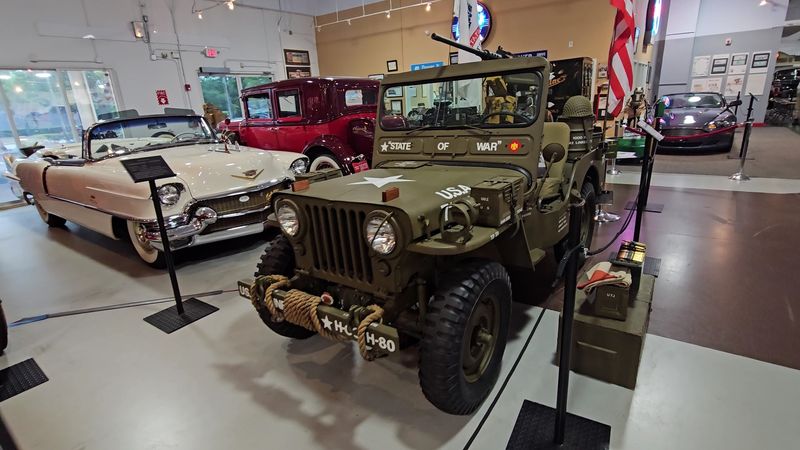
Unlike commercial attractions focused primarily on profit, the Dauer Museum operates as a nonprofit organization dedicated to preserving automotive history for future generations. This mission-driven approach shapes everything from admission pricing to how the collection is presented, with education and preservation prioritized over maximizing revenue. Understanding this nonprofit status helps visitors appreciate that their admission fees directly support historical conservation rather than lining corporate pockets.
The nonprofit structure allows the museum to maintain accessibility that commercial operations couldn’t match. At twenty dollars for adults and half-price for children, admission remains affordable for families rather than pricing out the audiences who might benefit most from exposure to automotive history. This pricing philosophy reflects the Dauers’ belief that cultural education should be available to everyone, not just affluent collectors who can afford premium experiences at high-end automotive museums.
Operating as a nonprofit also influences acquisition and preservation decisions. Rather than focusing exclusively on the most valuable or prestigious vehicles, the museum can preserve examples that tell important historical stories even if they lack blockbuster market value. This approach creates a more educationally diverse collection, with utilitarian vehicles like the International Harvester sharing space with glamorous Cadillacs, providing visitors with a more complete picture of automotive history than collections focused purely on investment-grade exotics.
The nonprofit mission extends beyond simply displaying cars to actively preserving skills and knowledge that might otherwise disappear. The restoration work documented throughout the museum represents traditional craftsmanship that fewer people practice with each passing year. By showcasing this work and explaining the processes involved, the museum helps ensure these skills don’t become lost arts.
Visitors who support the museum through admission fees, donations, or event bookings contribute directly to this preservation mission, making their visit meaningful beyond personal entertainment and transforming it into participation in genuine cultural conservation.
Family-Friendly Atmosphere with Kid-Focused Activities and Spaces
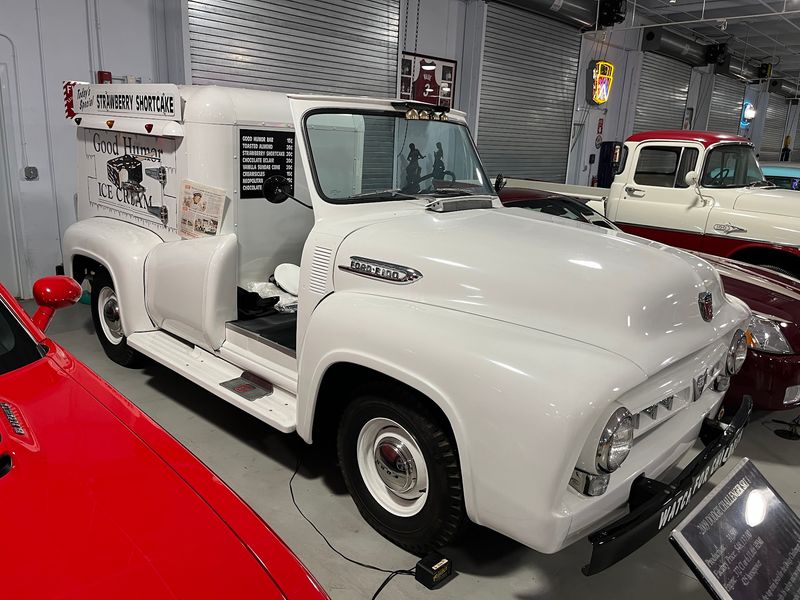
Museums and young children don’t always mix well, but the Dauer Museum deliberately creates an environment where families can enjoy the experience together regardless of kids’ ages or attention spans. Reviewers with young children consistently praise how the museum accommodates families, with dedicated play areas ensuring that even kids too young to appreciate automotive history can stay entertained while parents and older siblings explore the collection.
The family-friendly approach extends beyond just tolerating children to actively welcoming them. Staff members engage with young visitors, understanding that today’s curious kid might become tomorrow’s automotive enthusiast or restoration specialist. Rather than enforcing the hushed, hands-off atmosphere that makes children uncomfortable in traditional museums, the Dauer Museum maintains a relaxed environment where families can talk, point, and enjoy themselves without constant shushing or worried looks from security guards.
The variety of displays helps keep different age groups engaged. While teenagers might gravitate toward the sleekest sports cars, younger children often fixate on the ice cream truck or get excited about vintage toys and slot machines scattered throughout the memorabilia collection. This diversity means families can move through the museum together without anyone getting bored, and the relatively compact size prevents the exhaustion that sets in at massive institutions requiring miles of walking.
Parents particularly appreciate that the museum provides educational value without feeling like homework. Kids absorb history, engineering concepts, and cultural context while simply enjoying cool old cars and interesting objects, making the visit both fun and enriching. The bathroom facilities even get mentioned in reviews for being clean and well-maintained, which any parent knows matters tremendously when traveling with children.
This attention to family needs, combined with affordable admission and the ability to complete a visit in about two hours, makes the Dauer Museum an ideal destination for multigenerational outings where everyone from toddlers to great-grandparents finds something to enjoy.
Climate-Controlled Comfort Offering Heat Relief in South Florida
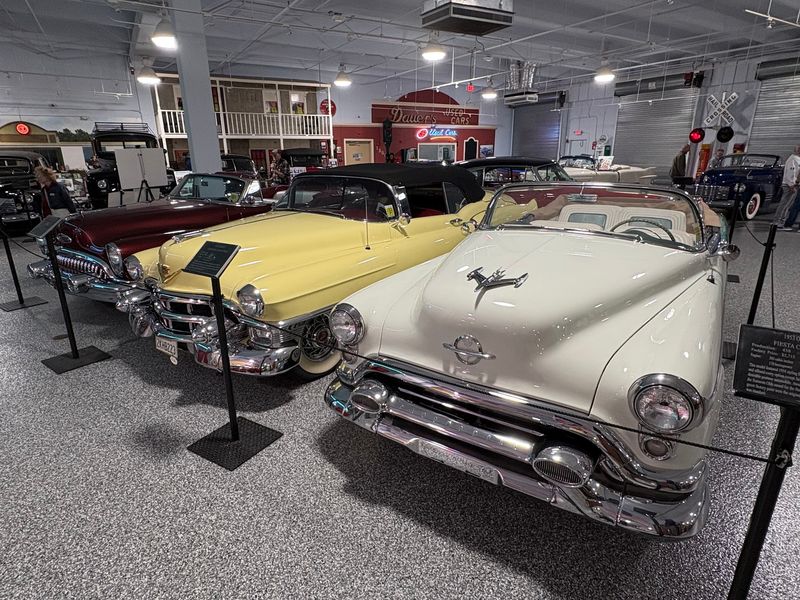
South Florida’s legendary heat and humidity make outdoor activities challenging much of the year, but the Dauer Museum provides a climate-controlled refuge where you can enjoy fascinating displays without sweating through your shirt. This practical advantage shouldn’t be underestimated, especially during summer months when even short walks between air-conditioned spaces feel punishing. Spending two hours comfortably exploring automotive history beats melting at outdoor attractions any day.
The climate control serves purposes beyond visitor comfort. Proper temperature and humidity regulation protects the collection from deterioration that would occur in Florida’s harsh climate. Leather interiors, rubber components, paint finishes, and metal surfaces all benefit from stable environmental conditions, ensuring these restored vehicles remain in pristine condition for future generations.
The same controlled environment that keeps visitors comfortable also functions as essential preservation infrastructure.
For older visitors or those with health conditions that make heat exposure problematic, the museum offers an activity option that outdoor attractions can’t match. Grandparents who might struggle with theme park walking or beach heat can comfortably explore the entire collection, making it an ideal multigenerational destination. The reviews frequently mention older family members having wonderful experiences, with the climate control undoubtedly contributing to their comfort and enjoyment.
The indoor setting also means weather never ruins your plans. Rain, extreme heat, or even the occasional cold snap that sends Floridians scrambling for jackets won’t affect your museum visit. This reliability makes the Dauer Museum perfect for those days when you want to get out and do something interesting but the weather isn’t cooperating with outdoor plans.
The combination of climate comfort, fascinating displays, and reasonable admission pricing creates a value proposition that’s hard to beat, especially when you factor in that you’re supporting nonprofit historical preservation while enjoying a thoroughly pleasant experience that won’t leave you drenched in sweat or sunburned.
Limited Hours Creating Exclusivity and Requiring Advance Planning
The Dauer Museum doesn’t follow typical seven-day-a-week operating schedules that commercial attractions maintain. Instead, it opens Tuesday through Saturday from 9 AM to 3 PM, with Sundays and Mondays reserved for private events or simply closed. This limited schedule means visiting requires some planning rather than spontaneous drop-ins, but it also contributes to the intimate, uncrowded experience that reviewers consistently praise.
The restricted hours reflect the museum’s nonprofit nature and family-owned operation. Unlike corporate-run attractions with large staff rosters enabling round-the-clock operations, the Dauer Museum maintains a more personal scale that allows for quality interactions between staff and visitors. The limited schedule helps prevent the overcrowding that diminishes experiences at popular tourist destinations, ensuring each visitor gets adequate attention and space to properly appreciate the collection.
Smart planning means checking the hours before heading out, especially since the museum closes at 3 PM rather than staying open into evening like many attractions. This earlier closing time actually works well for families with young children, allowing a morning or early afternoon visit that doesn’t conflict with nap schedules or dinner times. The weekday availability also provides options for visitors looking to avoid weekend crowds at other South Florida destinations.
The schedule’s exclusivity adds to the hidden gem appeal that makes discovering this museum feel special. You’re not joining throngs of tourists following guidebook recommendations but finding something relatively few people know about despite its quality. Calling ahead at 954-748-6271 before visiting ensures you don’t arrive during one of the closed days, and the staff can answer questions about current displays or any special events that might enhance your visit.
This advance contact often leads to better experiences, as the museum can prepare for your arrival and potentially arrange for Eddie Dauer to be available if you’re particularly interested in detailed discussions about specific vehicles or the collection’s history.
Event Hosting Capabilities for Car-Themed Celebrations and Gatherings
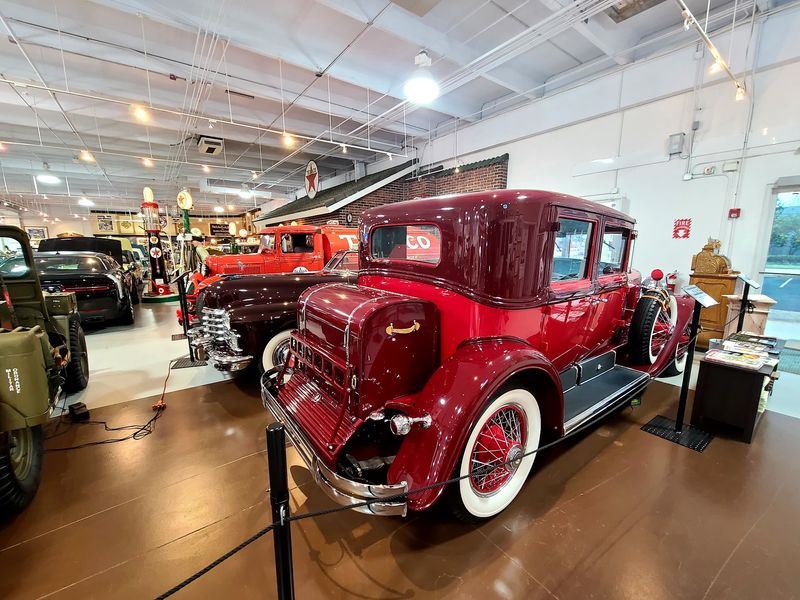
Beyond serving as a public museum, the Dauer facility offers event hosting that transforms special occasions into truly memorable experiences. Imagine celebrating a birthday, anniversary, retirement party, or corporate gathering surrounded by pristine vintage automobiles and nostalgic memorabilia. For car enthusiasts, this venue provides the ultimate party backdrop that standard event spaces simply cannot match.
The reviews mention the museum’s event capabilities, with visitors noting how perfect the setting would be for celebrations. Birthday parties for automotive enthusiasts take on special meaning when held among vehicles representing the guest of honor’s favorite era. The 87th birthday celebration mentioned in reviews exemplifies how the museum creates meaningful experiences for people who grew up during the golden age of American automotive design, surrounding them with tangible connections to their youth.
Corporate events benefit from the unique environment that encourages conversation and creates lasting impressions on clients or employees. Rather than generic hotel conference rooms or predictable restaurant private dining areas, hosting an event at the Dauer Museum demonstrates creativity and provides built-in entertainment and conversation starters. Attendees will remember the vintage Cadillac backdrop long after forgetting yet another standard business dinner.
The museum’s relatively intimate size works in favor of event hosting, creating exclusive atmosphere rather than getting lost in cavernous spaces. Groups can enjoy private access to the collection, with the possibility of Eddie Dauer sharing stories and insights that make the experience educational as well as entertaining. The climate-controlled environment ensures guest comfort regardless of outdoor weather, and the unique setting practically guarantees that your event will be the one people talk about for years.
For car clubs, automotive businesses, or simply families wanting to create special memories, the event hosting option extends the museum’s value beyond standard admission visits into truly personalized experiences that celebrate both special occasions and automotive heritage simultaneously.
Hidden Gem Status Among Warehouse District in Sunrise Location
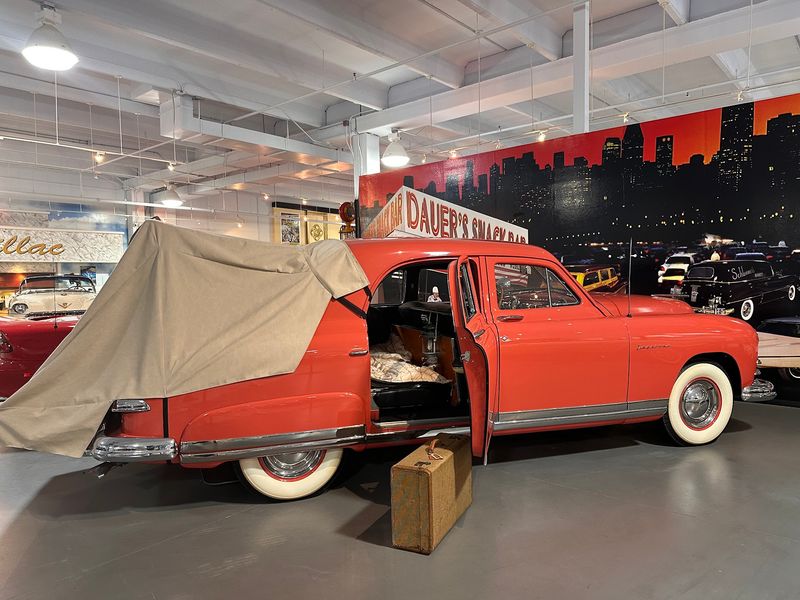
The Dauer Museum’s location at 10801 NW 50th Street in Sunrise doesn’t scream tourist destination. Tucked into a warehouse district, the museum occupies space among industrial buildings and commercial facilities that most people drive past without a second glance. This unassuming setting contributes to the hidden gem status that makes discovering the museum feel like finding insider knowledge rather than following well-worn tourist paths.
The warehouse location offers practical advantages that fancier addresses couldn’t provide. Ample parking surrounds the facility, eliminating the frustration of circling for spaces that plagues museums in dense urban cores. Loading and unloading family members happens easily, and you won’t pay premium parking fees that inflate the total cost of your visit.
The industrial setting also means the museum can utilize significant square footage for displays without the astronomical rent that equivalent space would command in retail or entertainment districts.
Finding the museum requires slight effort, which filters out casual browsers and ensures visitors genuinely want to be there. The people who make the trip tend to appreciate what they find more than crowds who stumble into attractions simply because they’re prominently located. This self-selection creates a visitor community of enthusiasts and curious explorers rather than bored tourists killing time, contributing to the positive atmosphere reviewers consistently mention.
The contrast between the plain exterior and the treasures inside amplifies the discovery experience. You’re not entering a flashy building with massive signage and tourist buses idling outside but finding something special that exists slightly off the beaten path. This hidden quality makes sharing the museum with friends feel like passing along valuable insider information rather than recommending yet another obvious attraction everyone already knows about.
The location perfectly matches the collection’s character: unpretentious, genuine, focused on substance rather than marketing hype, and rewarding for those who make the small effort required to seek it out and experience what Eddie and Joanne Dauer have spent decades assembling and preserving.