Wake Up Among Manatees on This One-of-a-Kind Florida Houseboat Getaway
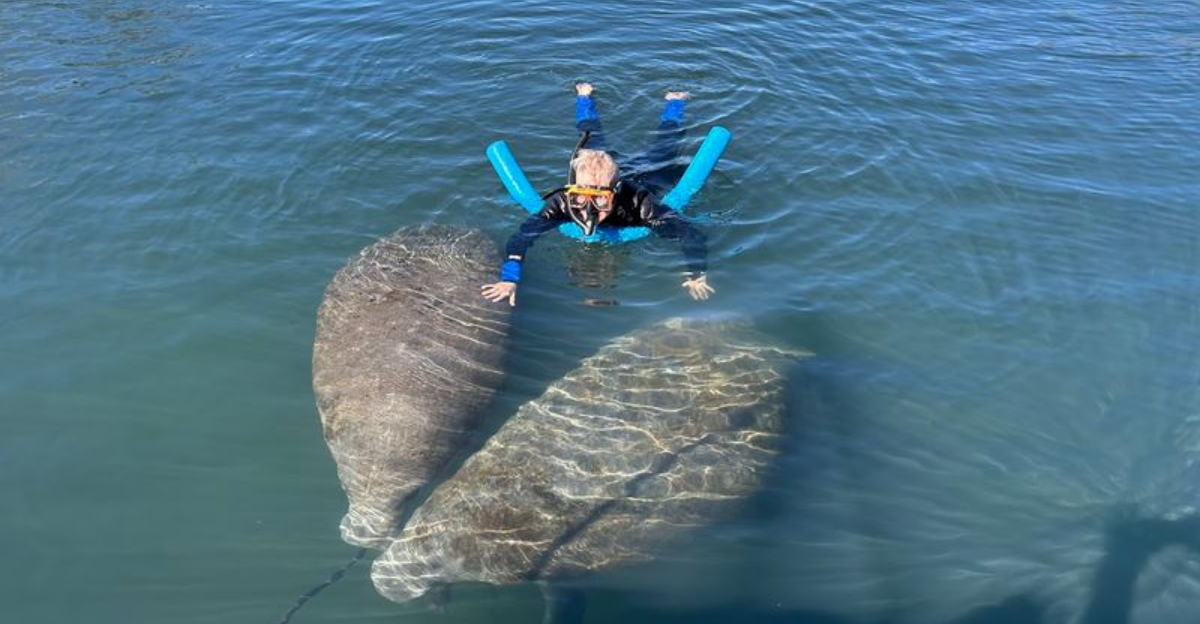
Waking up to the gentle splash of a manatee surfacing just feet from your floating bedroom. Crystal River, Florida offers something you won’t find anywhere else in the country: the chance to sleep on the water in a cozy houseboat while these magnificent sea cows glide beneath you.
This tiny coastal town on Florida’s Nature Coast has become the premier destination for anyone who wants to trade ordinary hotel rooms for an unforgettable adventure on Kings Bay, where over 600 manatees gather during the cooler months, making it the only place in North America where you can legally swim with these gentle giants.
Houseboat Accommodations That Float You Into Another World
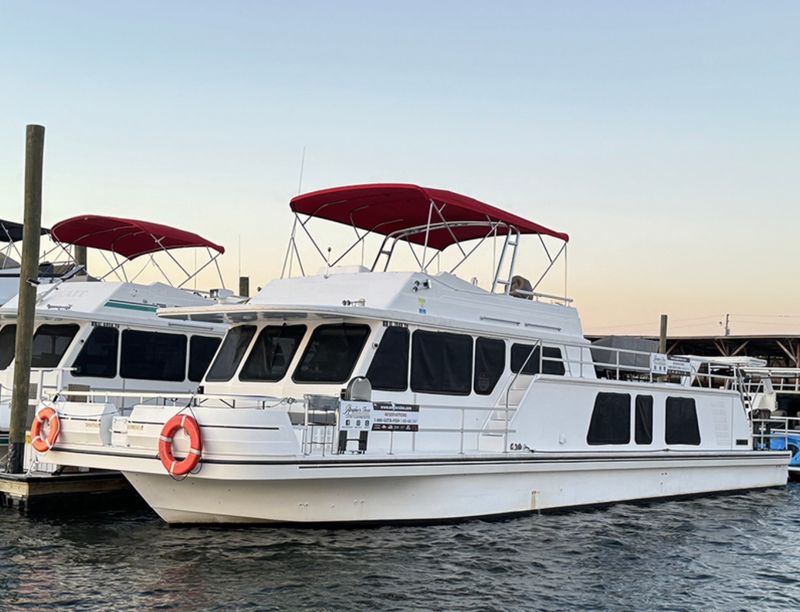
Houseboats in Crystal River aren’t your typical cramped boat cabins. These floating homes come equipped with full kitchens, bathrooms with hot showers, climate control, and surprisingly spacious sleeping quarters that comfortably fit families or groups of friends.
Picture yourself brewing morning coffee while watching the sunrise paint the water gold, all without leaving your pajamas.
Most rental houseboats feature expansive deck space where you can lounge in the Florida sunshine, fish directly into Kings Bay, or slip into the water for an impromptu swim. The best part?
You’re anchored in prime manatee territory, so these curious creatures often investigate your temporary home, popping up to say hello at any hour. Some visitors report waking to the sound of manatees breathing at the surface just below their windows.
Booking a houseboat requires planning ahead, especially during peak manatee season from November through March. Prices vary based on size and amenities, but most accommodate four to eight people, making the cost per person surprisingly reasonable.
Many rentals include kayaks or paddleboards, giving you multiple ways to explore the crystal-clear springs and waterways surrounding your floating basecamp.
The houseboats stay anchored in designated areas of Kings Bay, which means you won’t be piloting the vessel yourself. This stationary setup actually works in your favor because it positions you in the heart of manatee country without requiring any boating experience.
You simply show up, settle in, and let the magic of sleeping on the water take over.
Most houseboat rentals provide detailed information about manatee etiquette and local regulations. Remember that these are protected animals, so passive observation is the rule.
The manatees will approach you on their terms, creating encounters that feel even more special because they’re completely voluntary. Pack light, bring your sense of adventure, and prepare for a stay unlike anything you’ve experienced before.
Kings Bay: The Manatee Capital of the World
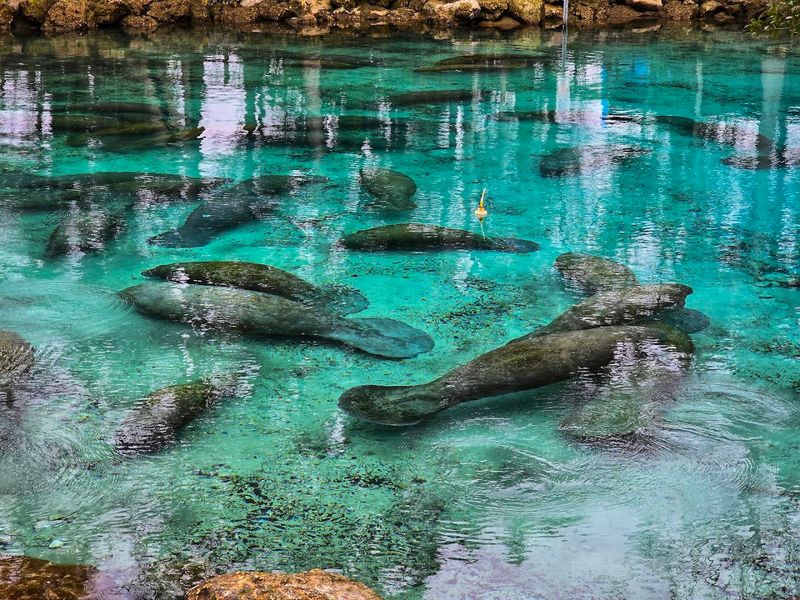
Kings Bay earned its title as the Manatee Capital of the World for good reason. This shallow bay system, fed by more than 70 natural springs pumping out 600 million gallons of 72-degree water daily, creates the perfect winter refuge for manatees fleeing colder Gulf waters.
When temperatures drop, these marine mammals congregate here in staggering numbers, transforming the bay into an underwater gathering of giants.
The constant spring flow maintains year-round water temperatures that feel refreshingly cool in summer and welcomingly warm in winter. This natural temperature control explains why manatees have chosen this spot for thousands of years as their cold-weather sanctuary.
During peak season, you might spot dozens of manatees from your houseboat deck, their gray backs breaking the surface as they breathe and socialize.
Kings Bay connects to the Gulf of Mexico through a series of channels, allowing manatees to move freely between feeding grounds and the warm spring waters. The bay itself spans about 600 acres of mostly shallow water, with depths rarely exceeding 10 feet in most areas.
This shallow environment, combined with the crystal-clear spring water, creates ideal conditions for observing manatees from above or alongside them in the water.
Beyond manatees, Kings Bay supports an incredible diversity of wildlife. Dolphins occasionally venture into the bay, while countless fish species dart through the seagrass beds.
Wading birds like herons and egrets stalk the shallows, and ospreys dive for fish overhead. The entire ecosystem thrives because of those constant spring flows delivering clean, mineral-rich water.
The bay’s protection under various wildlife refuge designations means strict rules govern human interaction with manatees. From your houseboat, you’ll have a front-row seat to observe these regulations in action as tour groups and individual swimmers practice passive observation.
The rules exist to protect the manatees, but they also enhance your experience by ensuring these animals remain comfortable and approachable rather than stressed or harassed.
Three Sisters Springs: The Crown Jewel of Manatee Viewing
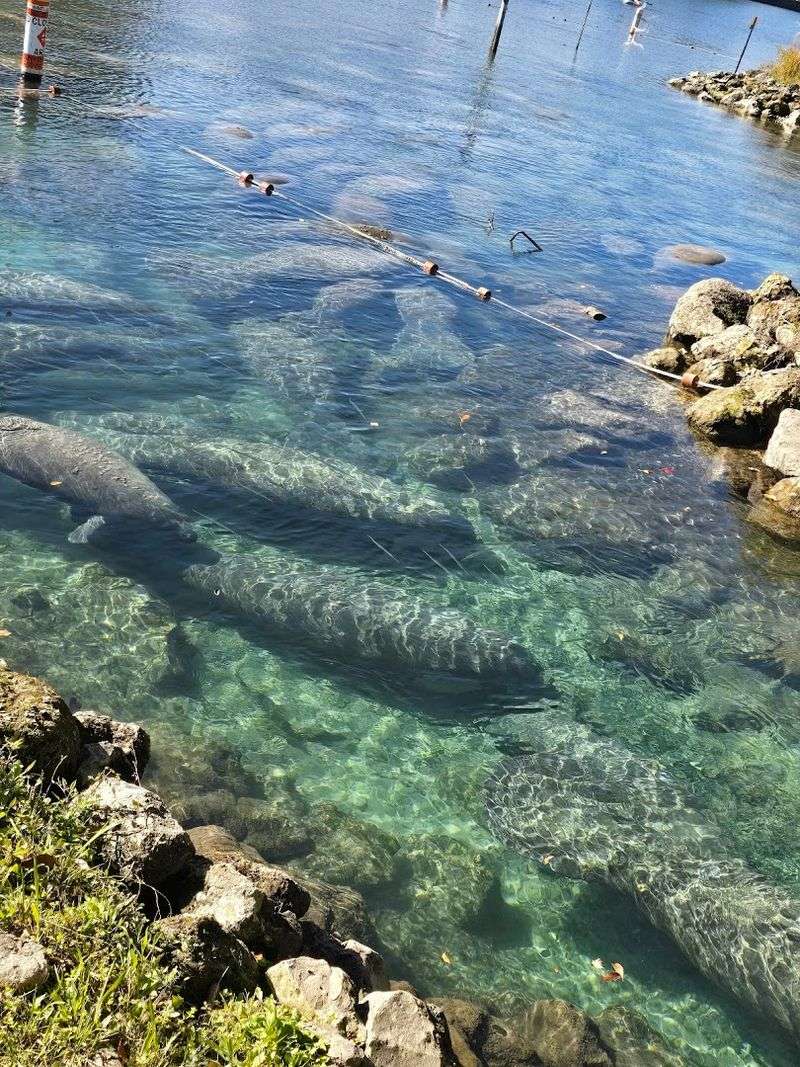
Three Sisters Springs represents the heart of manatee protection efforts in Crystal River. This spring complex, accessible via a scenic boardwalk that winds through a maritime hammock forest, offers some of the most spectacular manatee viewing opportunities on the planet.
During winter cold snaps, hundreds of manatees pack into these springs, creating scenes that look like something from a nature documentary.
The boardwalk system allows visitors to observe manatees without disturbing them, which becomes crucial during critical cold weather periods when the animals need undisturbed rest in the warm spring water. Elevated platforms provide perfect vantage points for photography, and the water clarity often exceeds 100 feet of visibility.
You can count individual whiskers on manatee faces from the boardwalk.
In-water access to Three Sisters Springs operates seasonally and depends on manatee numbers and behavior. When conditions allow swimming, snorkelers can enter designated areas and experience the surreal sensation of floating among these gentle giants.
The springs maintain their 72-degree temperature year-round, making winter swims surprisingly comfortable while manatees rest just feet away.
Getting to Three Sisters Springs from your houseboat requires a short kayak or boat ride, making it an easy day trip during your stay. Many visitors paddle over in the early morning when mist rises off the warm water and wildlife activity peaks.
The springs sit within the Crystal River National Wildlife Refuge, so expect ranger presence and strict enforcement of protection rules.
Photography enthusiasts should bring underwater cameras or waterproof housings for their phones. The combination of clear water, abundant manatees, and beautiful spring formations creates incredible photo opportunities.
Just remember that touching, chasing, or otherwise harassing manatees carries serious penalties. The animals’ willingness to approach humans on their own terms makes forced interaction completely unnecessary and counterproductive.
Crystal River National Wildlife Refuge: Protected Waters
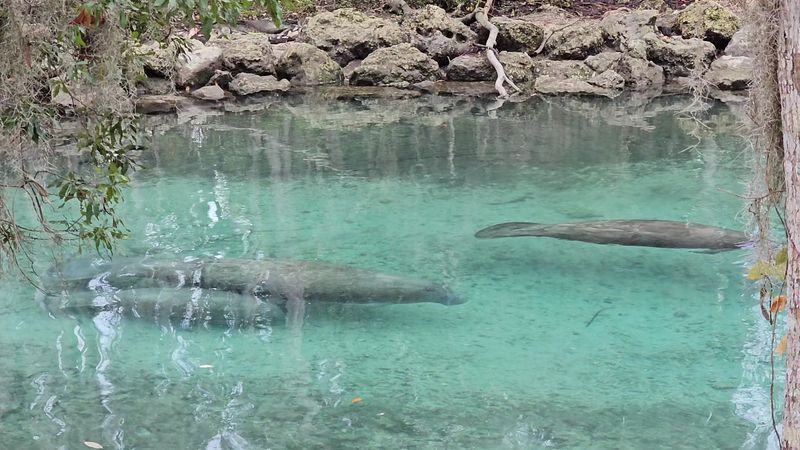
Established in 1983, the Crystal River National Wildlife Refuge exists for one primary purpose: protecting manatees and their critical habitat. This refuge encompasses the springs and waterways where manatees congregate, creating a sanctuary that has proven essential to the species’ recovery from near-extinction.
Your houseboat stay places you directly within or adjacent to these protected waters.
The refuge operates under strict regulations designed to minimize human impact on manatees while still allowing the unique opportunity to observe and swim with them. Designated sanctuaries within the refuge close to all human access during peak season, giving manatees guaranteed rest areas.
These closures might seem restrictive, but they ensure the animals remain healthy and continue returning year after year.
Refuge staff and volunteers work year-round monitoring manatee populations, rescuing injured animals, and educating visitors about proper wildlife etiquette. From your houseboat, you might spot research boats conducting population surveys or rescue teams responding to reports of entangled or injured manatees.
This active management has helped manatee numbers rebound significantly over recent decades.
The refuge also protects the spring systems that make manatee survival possible. Without these constant flows of warm water, manatees would have nowhere to escape cold Gulf temperatures that can prove fatal.
Spring protection involves monitoring water quality, preventing pollution, and managing groundwater extraction that could reduce spring flows. Your visit supports these conservation efforts through permit fees and increased public awareness.
Understanding the refuge’s purpose enhances your houseboat experience. You’re not just taking a vacation; you’re participating in one of America’s greatest conservation success stories.
The manatees swimming beneath your floating home exist because people decided their survival mattered enough to protect critical habitat. That context transforms casual wildlife watching into something more meaningful and memorable.
Swimming With Manatees: A Once-in-a-Lifetime Experience
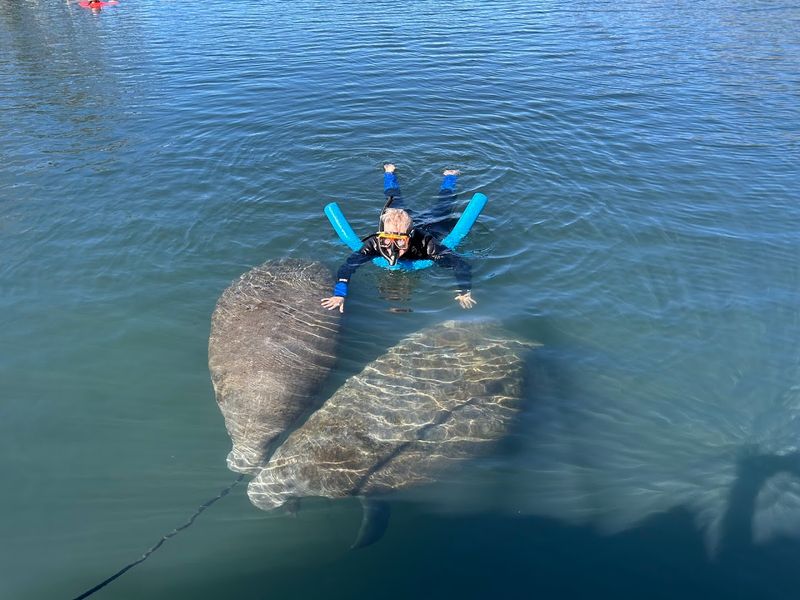
Crystal River stands alone as the only place in the United States where swimming with wild manatees is legal. This extraordinary privilege comes with serious responsibilities, but when done correctly, it creates memories that last forever.
Slipping into the warm spring water and having a thousand-pound manatee choose to interact with you ranks among the most humbling wildlife encounters imaginable.
Proper manatee swimming etiquette centers on passive observation. You float quietly, hands at your sides, allowing manatees to approach you if they choose.
Chasing, touching, or cornering manatees violates federal law and can result in significant fines. The paradox?
When you follow these rules, manatees often become incredibly curious and may swim right up to investigate you, sometimes even nuzzling snorkels or gently bumping into swimmers.
Most houseboat rentals provide snorkel gear, or you can bring your own. The shallow depths and clear water make snorkeling easy even for beginners.
No scuba certification is required since you’ll be surface swimming. The 72-degree spring water feels cool initially but becomes comfortable within minutes, especially when you’re focused on the manatees gliding beneath you.
Timing your swims increases your chances of memorable encounters. Early morning often brings the most manatee activity, particularly on cold days when animals gather tightly in the springs.
Midday can be excellent too, as tour groups thin out and manatees become more relaxed. Some houseboat guests report their best encounters happening at sunrise, when they’re the only humans in the water.
First-time manatee swimmers often feel surprised by how large these animals appear underwater. Adult manatees can exceed 10 feet in length and weigh over 1,200 pounds, yet they move with surprising grace.
Their gentle nature becomes immediately apparent as they carefully navigate around swimmers, their small eyes watching with what seems like calm curiosity. It’s an encounter that fundamentally changes how people think about wildlife and conservation.
Crystal River Archaeological State Park: Ancient History
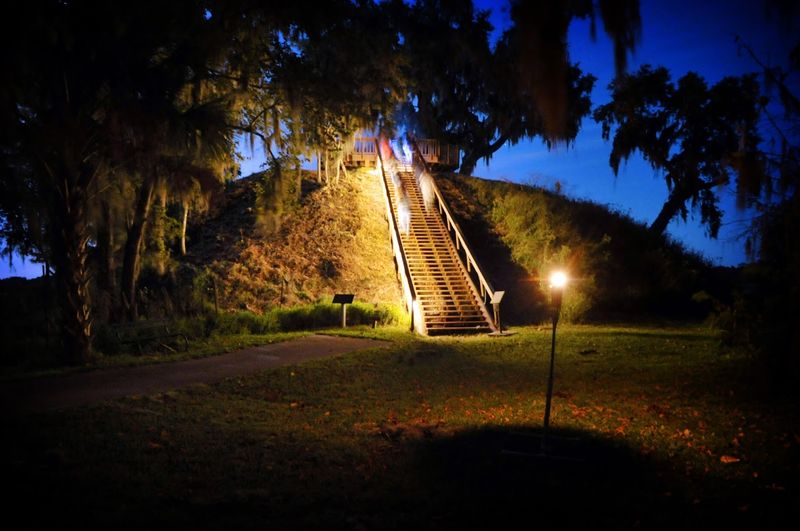
Before houseboats and manatee tourism, Crystal River served as home to Native American communities for over 1,600 years. Crystal River Archaeological State Park preserves the remains of one of the longest continuously occupied sites in Florida, featuring ceremonial mounds, burial grounds, and evidence of a complex pre-Columbian society.
Taking a break from your houseboat to explore this park adds unexpected depth to your visit.
The site’s most prominent features are six mounds, including two temple platform mounds and at least one burial mound. These earthworks, built between 200 BCE and 1400 CE, demonstrate sophisticated engineering and social organization.
The largest mound rises 30 feet above the surrounding landscape, offering views across the coastal marshes that likely looked similar when indigenous peoples gathered here for ceremonies.
Archaeologists have uncovered artifacts at Crystal River that originated from as far away as Ohio and the Great Lakes, proving these coastal dwellers participated in extensive trade networks. Shell tools, pottery, and ornamental objects found at the site reveal artistic sophistication and cultural connections spanning thousands of miles.
Walking the trails through this ancient complex makes you realize Crystal River’s importance extends far beyond its modern manatee fame.
The park includes a small museum displaying artifacts and explaining the site’s history through exhibits suitable for all ages. Interpretive signs along the walking trails provide context for the mounds and explain how archaeologists piece together ancient lifeways from buried clues.
The entire visit takes about an hour, making it a perfect morning activity before returning to your houseboat for afternoon manatee watching.
Connecting with Crystal River’s deep human history enriches your understanding of this special place. The same springs that attract modern visitors and manatees provided fresh water and abundant resources for indigenous peoples.
The area’s natural wealth supported complex societies long before European contact, reminding us that recognizing a place’s value isn’t new—it’s something humans have done here for millennia.
Best Time to Visit: Planning Your Houseboat Adventure
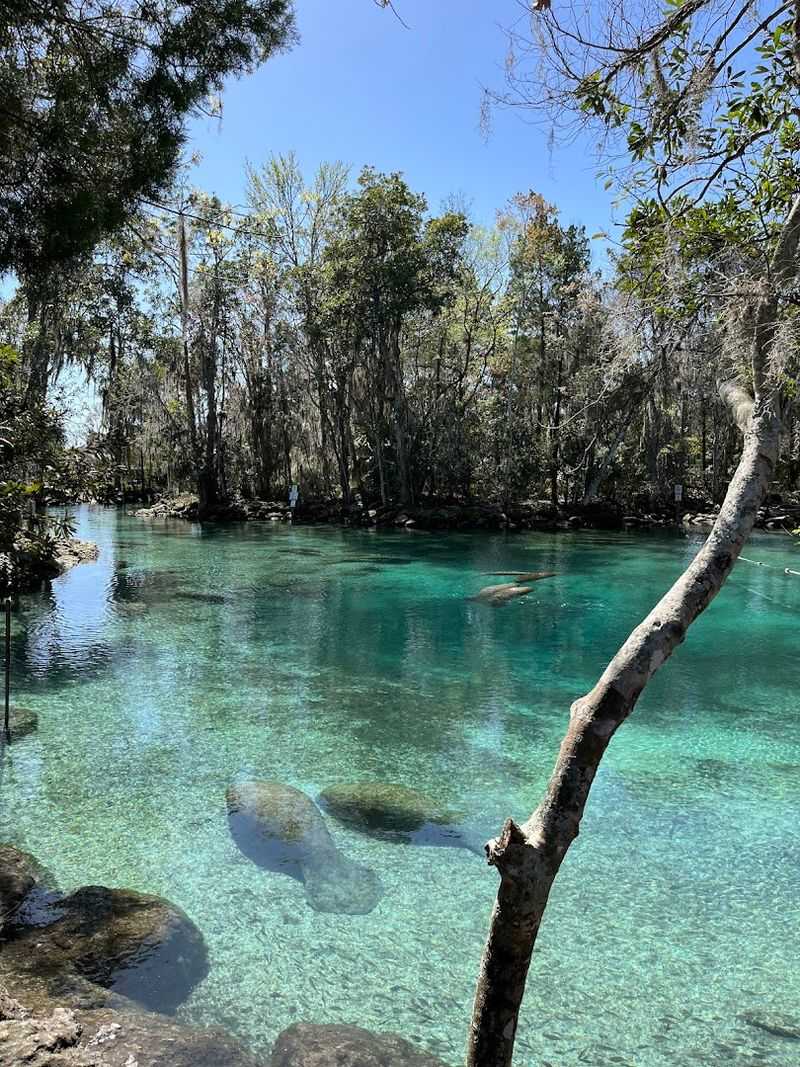
Timing your Crystal River houseboat adventure dramatically affects your experience. Peak manatee season runs from November through March, when cooling Gulf waters drive hundreds of manatees into the warm springs.
January and February typically see the highest concentrations, sometimes with 500 or more manatees crowded into Kings Bay during cold snaps. Book your houseboat months in advance for winter weekends.
Summer brings a completely different but equally appealing experience. Manatee numbers drop significantly as animals disperse into the Gulf to feed, but the ones that remain tend to be more relaxed and curious.
Water temperatures climb into the 80s, making swimming and kayaking more comfortable for extended periods. Summer also means fewer tourists, lower prices, and easier booking availability.
Weather considerations matter more than you might expect. Winter cold fronts that drop temperatures into the 40s or 50s create the best manatee viewing as animals pack into the springs, but they can make your houseboat deck less comfortable.
Bring layers, warm sleeping bags, and be prepared for chilly mornings. Summer heat rarely poses problems since you can always cool off in the water.
Weekdays offer advantages over weekends year-round. Tour boat traffic decreases, swimming areas feel less crowded, and manatees often behave more naturally with fewer humans around.
If your schedule allows flexibility, aim for a Tuesday through Thursday stay. You’ll enjoy a more peaceful experience while still having access to all the area’s attractions and services.
Special events occasionally affect availability and crowds. The Crystal River Manatee Festival in January attracts extra visitors but also offers educational programs and entertainment.
Checking the local calendar before booking helps you decide whether you want to experience these events or avoid the additional crowds. Regardless of when you visit, Crystal River’s unique combination of wildlife and waterborne accommodations delivers something special.
What to Pack for Your Floating Stay
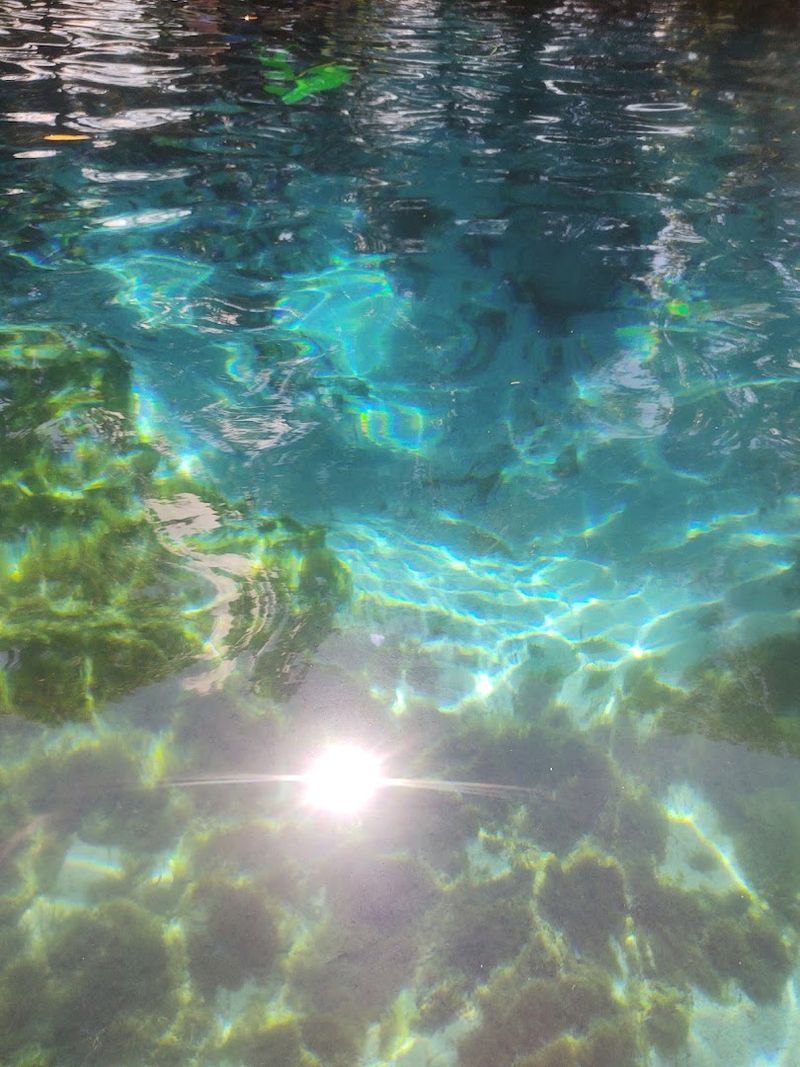
Packing for a houseboat stay requires thinking differently than a typical hotel trip. Soft-sided bags work better than hard suitcases since storage space on houseboats tends toward the compact side.
Focus on casual, water-friendly clothing that dries quickly and doesn’t mind getting damp. Nobody dresses up in Crystal River—this is a flip-flops and swimsuit kind of destination.
Snorkel gear tops the essential list. While some rentals provide equipment, having your own ensures proper fit and hygiene.
A good mask, snorkel, and fins make swimming with manatees infinitely more enjoyable. Consider bringing a wetsuit or rash guard for winter visits, as even 72-degree water feels chilly during extended swims.
An underwater camera or waterproof phone case captures once-in-a-lifetime moments.
Sun protection deserves serious attention. Sunscreen, hats, sunglasses, and UV-protective clothing prevent the misery of severe sunburn that can ruin your trip.
Reef-safe sunscreen protects both your skin and the springs’ delicate ecosystems. Don’t forget bug spray for evenings—Florida mosquitoes show no mercy, especially near the water at dusk.
Kitchen supplies depend on your rental’s amenities and your cooking ambitions. Most houseboats include basic cookware and dishes, but bringing your own coffee maker, favorite seasonings, or specific cooking tools might enhance your comfort.
Stock up on groceries before boarding since making supply runs requires either driving to shore or arranging boat pickup. Coolers keep drinks cold and catch-of-the-day fresh.
Entertainment for downtime makes evenings more enjoyable. Books, cards, board games, or music provide entertainment after the sun sets and manatee watching winds down.
Binoculars help spot distant wildlife, and a good field guide to Florida birds and marine life adds educational value. Waterproof Bluetooth speakers let you enjoy music on deck without worry.
Remember that houseboat life moves at a slower pace—embrace it by packing items that encourage relaxation rather than constant activity.
Local Dining and Provisions: Fueling Your Adventure
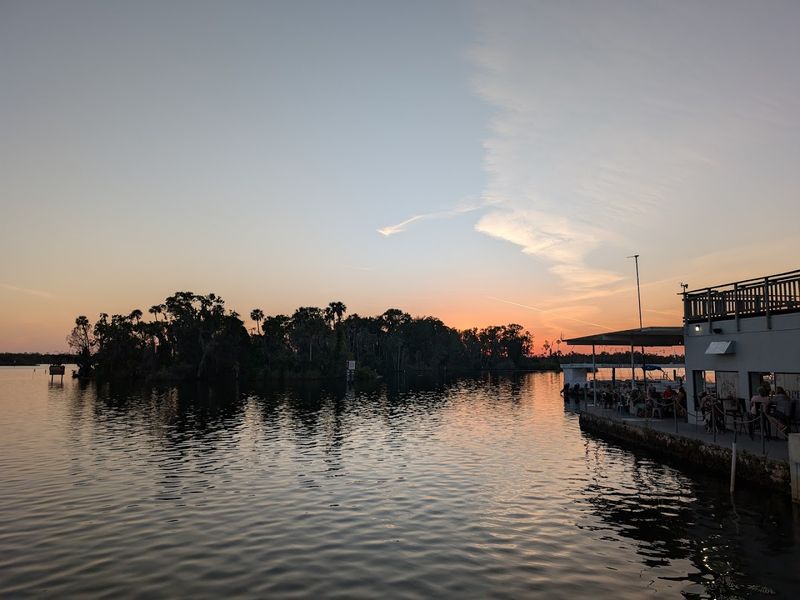
Crystal River’s dining scene reflects its small-town coastal character with an emphasis on fresh seafood and casual atmospheres. You won’t find fancy restaurants requiring reservations weeks in advance, but you will discover family-owned spots serving grouper sandwiches that spoil you for life.
Most restaurants welcome guests in swimsuits and flip-flops, understanding that everyone just came from or is heading back to the water.
Stocking your houseboat kitchen starts with a grocery run. Several supermarkets in Crystal River provide everything needed for onboard cooking, from breakfast supplies to ingredients for elaborate dinners.
Shopping before boarding saves time and ensures you have provisions for the entire stay. Many houseboat guests enjoy cooking at least some meals aboard, finding that grilling on deck while watching manatees surface creates a uniquely satisfying dining experience.
Local seafood markets sell fresh-caught fish, shrimp, and scallops that transform simple meals into memorable feasts. Buying directly from these markets supports local fishermen and guarantees the freshest possible ingredients.
A simple preparation of grouper or snapper cooked on your houseboat’s grill, served with local vegetables, beats most restaurant meals while costing significantly less.
When you do venture ashore for meals, waterfront restaurants offer the best atmosphere. Several establishments feature docks where you can tie up your kayak or arrange boat pickup.
Outdoor seating provides views of the water while you eat, and servers share insider tips about the best manatee viewing spots and local conditions. Don’t skip the stone crab claws if they’re in season—they’re a Florida delicacy.
Breakfast spots in Crystal River serve hearty meals perfect for fueling a day of swimming and exploring. Classic Southern breakfast fare—grits, biscuits, fresh orange juice—appears on most menus alongside healthier options.
Coffee shops provide caffeine fixes and pastries for quick starts. Planning meals strategically, mixing onboard cooking with occasional restaurant visits, maximizes both your budget and your experience of local flavors.
Beyond Manatees: Other Crystal River Adventures
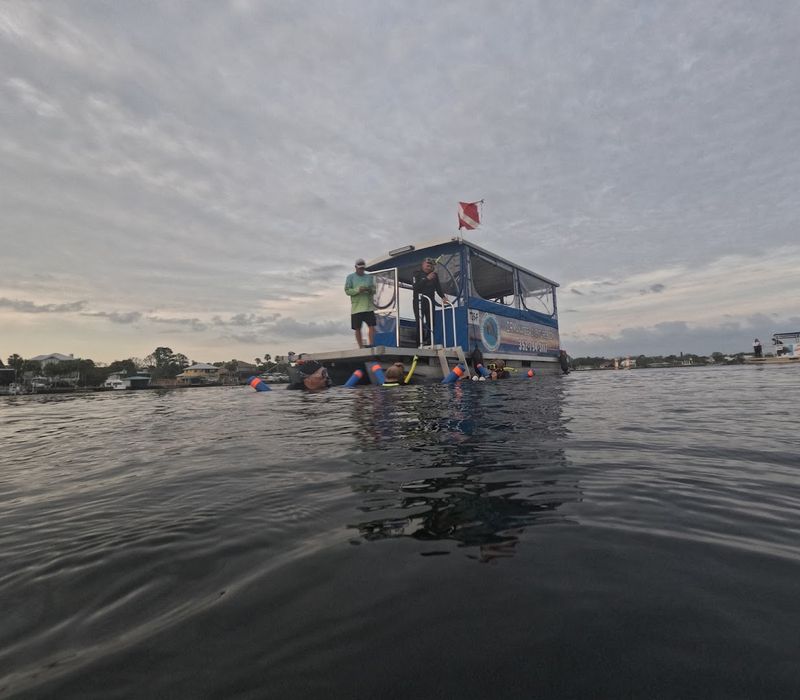
While manatees rightfully claim top billing, Crystal River offers numerous other adventures that complement your houseboat stay. The same spring-fed waterways that attract manatees create a paddler’s paradise.
Kayaking through narrow channels lined with mangroves and cypress trees reveals hidden springs, secluded coves, and wildlife that ranges from alligators to river otters. Rental shops throughout town provide kayaks and detailed maps of the best routes.
Fishing in Crystal River ranks among Florida’s best, with redfish, trout, snook, and tarpon all within reach. The grass flats surrounding Kings Bay hold legendary populations of redfish, while the channels produce consistent trout action.
Anglers can fish directly from their houseboat, cast from kayaks in shallow water, or hire guides who know every productive spot. Just remember to obtain a Florida fishing license before wetting a line.
Scalloping season from July through September attracts crowds of families to the shallow grass beds offshore. These bay scallops provide easy harvesting in waist-deep water, making it a fun activity for all ages.
The limit is generous, and fresh scallops cooked within hours of harvest taste incredible. Many houseboat guests time summer visits specifically for scallop season, enjoying the activity while avoiding peak manatee-watching crowds.
Nature photography opportunities extend far beyond manatees. Crystal River’s coastal environment supports hundreds of bird species, from tiny warblers to massive wood storks.
Sunrise and sunset provide dramatic lighting for landscape photography, especially when mist rises off the warm springs. Patient photographers can capture dolphins, rays, and countless fish species in the clear water.
Downtown Crystal River, though small, offers quirky shops, ice cream parlors, and a glimpse into Old Florida before theme parks dominated the state’s tourism. Walking the main street takes maybe 20 minutes, but browsing the local shops and chatting with residents provides cultural context for your visit.
This isn’t a resort destination manufactured for tourists—it’s a working waterfront town that happens to host one of nature’s greatest spectacles.