Warm Pastelitos Straight From the Oven Keep Locals Coming Back to This Miami, Florida Cuban Bakery
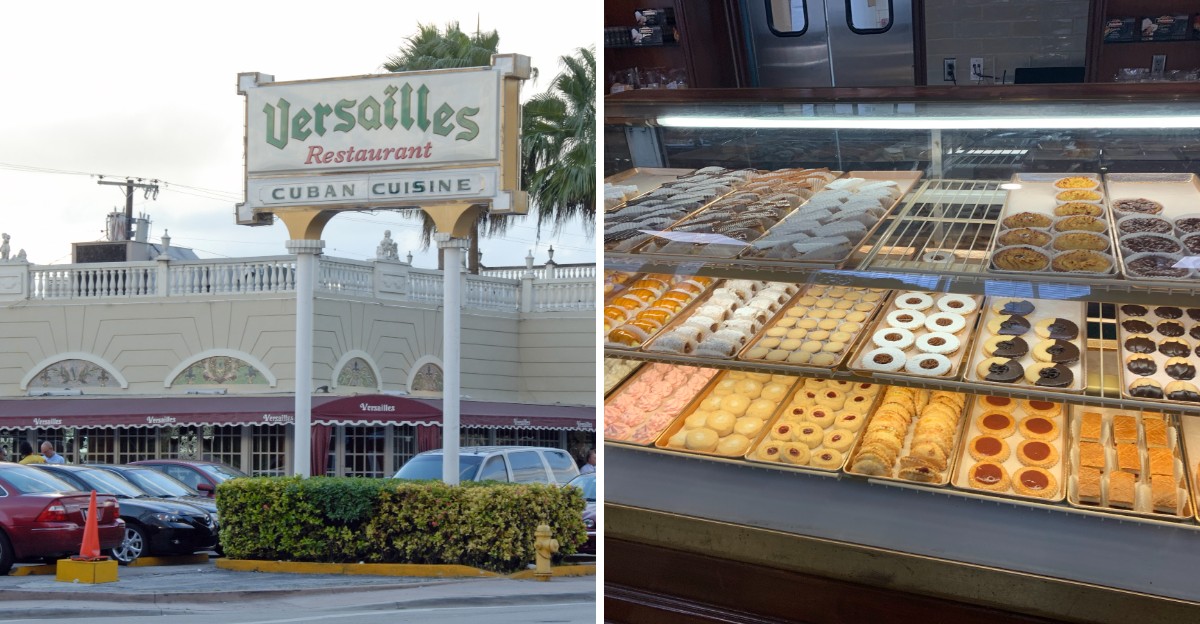
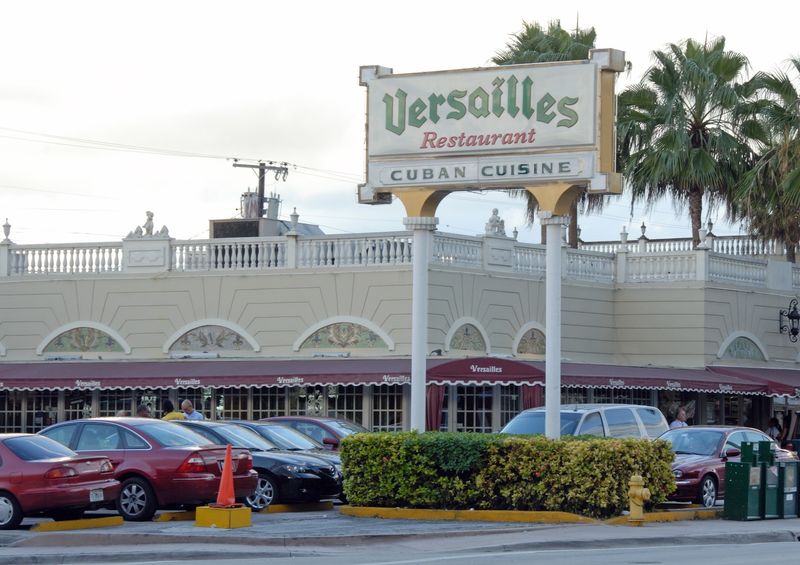
Versailles Restaurant has been serving up authentic Cuban flavors in Miami’s Little Havana since the 1970s, earning its reputation as one of the most famous Cuban dining spots in the world. While the full restaurant menu draws crowds for lunch and dinner, it’s the attached bakery that keeps locals lined up from morning until night. Fresh pastelitos emerge from the ovens throughout the day, filling the air with sweet and savory aromas that pull people off Calle Ocho and through the bakery doors.
Flaky Beef Pastelitos That Disappear Within Minutes of Hitting the Counter
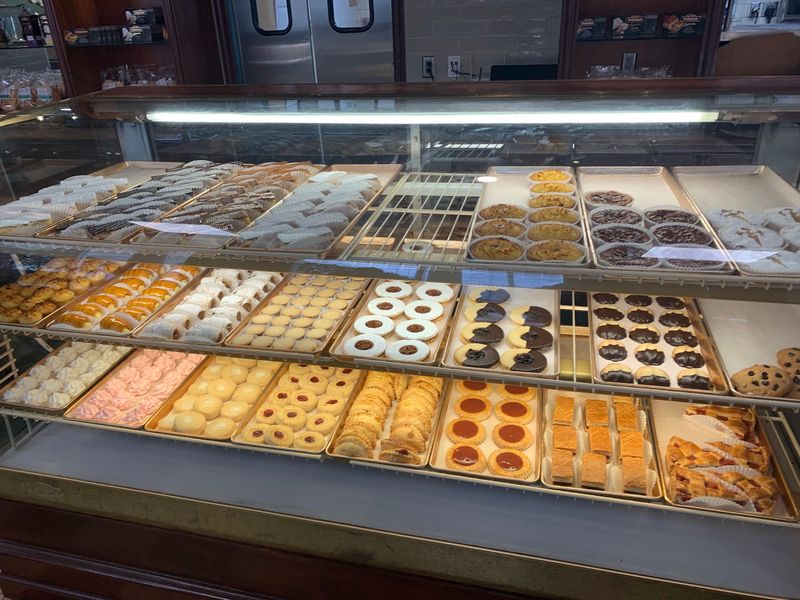
Walk into the Versailles bakery any time after 8 AM and you’ll witness something magical. Trays of beef pastelitos emerge from the back kitchen, their golden shells glistening under the lights. Within minutes, half the tray vanishes as regulars snatch them up before they’ve barely cooled.
The beef filling inside these triangular pastries packs serious flavor without overwhelming spice. Ground beef gets seasoned with sofrito, a blend of peppers, onions, and garlic that forms the backbone of Cuban cooking. Each bite releases steam and a burst of savory goodness that explains why people keep coming back.
What makes these pastelitos special isn’t just the filling. The pastry itself shatters when you bite down, sending tiny flakes across your napkin or lap if you’re not careful. That texture comes from proper lamination and baking at just the right temperature, something Versailles has perfected over decades.
First-timers often make the mistake of ordering just one. Locals know better and grab at least three or four to take home, though most don’t make it past the parking lot. The pastries taste best warm, which is why the bakery keeps pumping them out all day long.
You’ll spot people eating these pastelitos while standing at the counter, leaning against their cars outside, or sitting at the outdoor tables near La Ventanita. Nobody waits for a plate or proper seating when fresh beef pastelitos appear. The informal eating style fits the neighborhood vibe perfectly.
Prices stay remarkably reasonable considering the location and reputation. A single pastelito costs less than most coffee shop pastries, and the portion size actually fills you up. Grab a few with a cortadito and you’ve got yourself a proper Cuban breakfast or afternoon snack that won’t drain your wallet.
Guava and Cheese Pastelitos That Balance Sweet and Creamy Perfectly
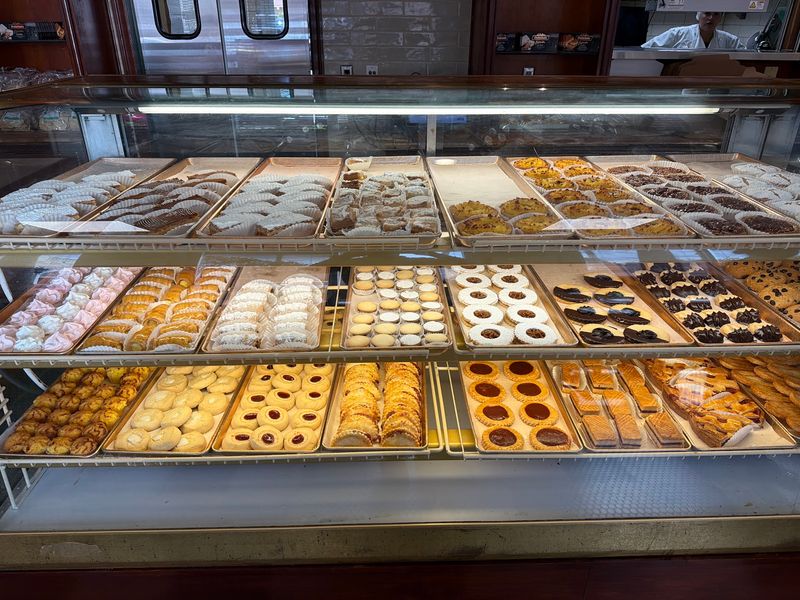
Right next to the beef pastelitos sits their sweeter cousin, the guava and cheese version that converts people who claim they don’t like pastries. The combination sounds simple until you taste how the tangy cream cheese cuts through the sweetness of the guava paste. It’s the kind of balance that makes you understand why this pairing shows up in Cuban desserts everywhere.
Guava paste gets made from the tropical fruit that grows throughout Latin America and the Caribbean. When baked inside flaky pastry with cream cheese, it transforms into something between a danish and a turnover. The guava becomes jammy and intense while the cheese stays cool and slightly tangy.
These pastelitos often get dusted with powdered sugar after baking, though sometimes they skip this step depending on who’s working. Either way works fine because the pastry itself provides enough sweetness without being cloying. You can taste each component distinctly rather than just getting hit with generic sugar.
Morning customers pair these with Cuban coffee, using the strong espresso to balance the sweetness. The combination has fueled Miami locals through early shifts and long commutes for generations. Even tourists who stumble in without knowing what to order usually walk out happy after trying one of these.
The guava and cheese pastelitos hold up better than the beef ones if you’re taking them to go. They travel well in a paper bag and still taste good at room temperature hours later, though they’re obviously better warm. Some people buy a dozen to share at work or bring to family gatherings.
Kids generally prefer these over the savory options, which makes them a smart choice for families visiting Versailles. Parents can grab beef pastelitos for themselves while keeping the little ones happy with the sweeter version. Everyone leaves satisfied without anyone having to compromise on what they actually want to eat.
Ham Croquetas That Prove Simple Ingredients Can Create Magic
Croquetas might not technically be pastelitos, but they come from the same bakery counter and disappear just as quickly. These cylindrical fritters pack creamy ham filling inside a crunchy fried coating that shatters when you bite down. Versailles goes through hundreds of these every single day, which tells you everything about how good they are.
The filling starts as a thick bechamel sauce loaded with finely minced ham. Getting the consistency right takes practice because too thin and they fall apart, too thick and they taste pasty. Versailles nails it every time, creating a filling that stays creamy and smooth while holding its shape during frying.
Each croqueta gets rolled in breadcrumbs before hitting the fryer, creating that essential crispy shell. The contrast between the crunchy outside and creamy inside makes these addictive in a way that’s hard to explain until you’ve tried them. One customer review mentioned they taste like deviled ham, which isn’t entirely wrong, though that description doesn’t do them justice.
Locals often order a plate of assorted croquetas that includes ham, chicken, and cod versions. The ham remains the most popular by far, probably because it’s the most traditional and the flavor profile works for any time of day. You can eat these for breakfast, lunch, or as a late-night snack without feeling like you’re eating at the wrong time.
The bakery keeps fresh batches coming out throughout operating hours, though they do run out during peak times. If you show up on a Saturday afternoon, you might have to wait a few minutes for the next batch. Most people consider the wait worthwhile rather than settling for croquetas that have been sitting.
These travel reasonably well if you’re taking them somewhere, though they lose some crispiness as they cool. Eating them fresh from the fryer remains the ideal way to experience what makes Versailles croquetas special and keeps the line moving at that bakery counter.
Potato Stuffed Balls That Pack Surprising Flavor Into Each Bite
Papa rellenas don’t get the same attention as pastelitos or croquetas, but regulars know these stuffed potato balls deserve respect. Mashed potatoes get formed around a center of seasoned ground beef, then breaded and fried until the outside turns golden and crispy. The result looks simple but delivers complex flavors that make you reconsider what fried food can be.
The potato layer stays fluffy and light rather than dense or gummy. Achieving this texture requires the right potato variety and careful seasoning so the outside doesn’t taste bland. The beef center echoes the filling used in pastelitos, creating a familiar flavor profile wrapped in something completely different.
Size matters with papa rellenas, and Versailles makes them substantial enough to count as a snack or light meal. You’re not getting some tiny appetizer that disappears in two bites. These actually fill you up, especially if you pair them with a cortadito or cafe con leche from La Ventanita next door.
The frying technique creates a shell that stays crispy for a reasonable amount of time after leaving the fryer. Unlike some fried foods that go soggy within minutes, these maintain their texture long enough for you to actually enjoy eating them. That quality control separates good Cuban bakeries from mediocre ones.
Some people squeeze lime over their papa rellenas or dip them in hot sauce, though they taste perfectly fine plain. The seasoning in both the potato and beef layers provides enough flavor that you don’t need much help. Still, having condiments available lets everyone customize their experience.
These make excellent road trip food if you’re heading out of Miami and want something more interesting than fast food. They survive a car ride better than most bakery items and taste good at room temperature. Grab a few extra when you stop at Versailles and thank yourself later when hunger hits somewhere on the Florida Turnpike.
Passion Fruit Pastries That Bring Tropical Brightness to the Bakery Case
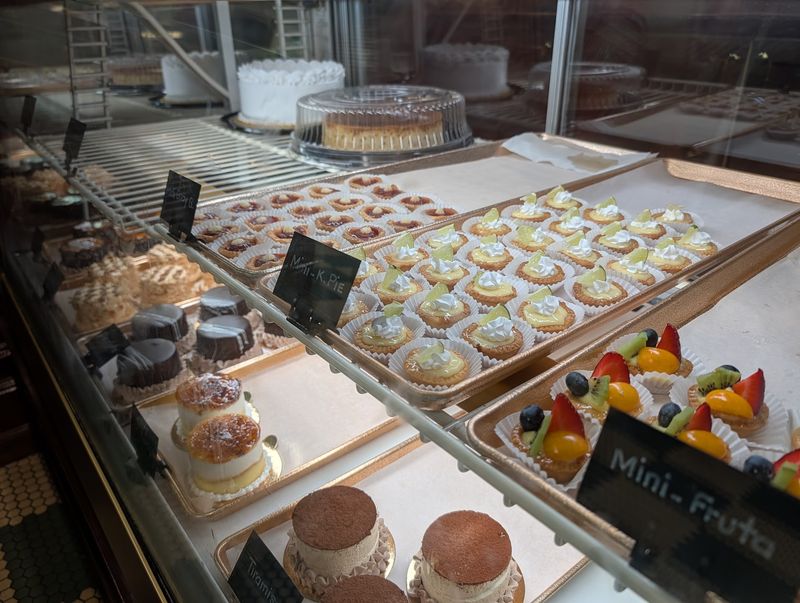
Tucked between the guava pastelitos and the tres leches cake sits a less famous but equally delicious option. Passion fruit pastries bring a tart, tropical punch that wakes up your taste buds differently than the sweeter options. The bright yellow filling looks almost neon under the bakery lights, hinting at the intense flavor packed inside.
Passion fruit has this unique quality where it tastes both sweet and sour at the same time. The seeds add little crunchy bits throughout the filling, creating texture variation that keeps things interesting. Not everyone loves the seeds, but they’re part of what makes passion fruit special and authentic.
These pastries work particularly well during Miami’s brutal summer months when you want something refreshing rather than heavy. The acidity cuts through the humidity in a way that chocolate or caramel desserts simply can’t match. Smart locals know to grab one of these with an iced cortadito when the temperature climbs above 90 degrees.
The pastry shell here uses the same dough as the other pastelitos, maintaining that signature flakiness Versailles does so well. What changes is the filling, which needs to be thick enough to stay put but loose enough to spread when you bite down. Getting this balance right takes skill that comes from years of practice.
Passion fruit pastries don’t sell out as quickly as beef or guava versions, which actually works in your favor. You can usually find them even during busy periods when other options have vanished. This makes them a reliable choice for people who don’t want to gamble on availability.
The tropical flavor profile makes these pastries feel quintessentially Miami in a way that’s hard to articulate. Something about eating passion fruit while palm trees sway outside just makes sense. Tourists often discover these by accident and end up wishing they’d tried them sooner in their trip.
Cortadito Coffee That Pairs Perfectly With Every Pastry Choice
You can’t talk about Versailles bakery without mentioning the cortadito that everyone orders alongside their pastelitos. This small but mighty coffee drink combines strong Cuban espresso with steamed evaporated milk and a touch of sugar. The ratio matters tremendously, and Versailles has been getting it right since long before specialty coffee became trendy.
Cuban espresso hits harder than regular coffee, using a darker roast and a specific brewing method that creates a thick, almost syrupy consistency. The addition of evaporated milk rather than regular milk or cream adds richness that regular lattes can’t match. Sugar gets added during brewing, not after, which changes how the sweetness integrates into the drink.
The size might surprise first-timers who expect American coffee portions. A cortadito comes in a small cup that you can finish in a few sips, delivering a concentrated caffeine hit rather than something to nurse for an hour. This makes sense when you understand it’s meant to accompany food rather than replace a meal.
La Ventanita, the walk-up window attached to Versailles, serves these cortaditos all day and late into the night. You’ll see people from all walks of life lined up there, from construction workers starting their day to couples ending a night out. The democratic nature of the coffee window captures something essential about Miami’s Cuban community.
Ordering in Spanish helps but isn’t required.
Empanadas Fresh From the Fryer That Locals Grab By the Half Dozen
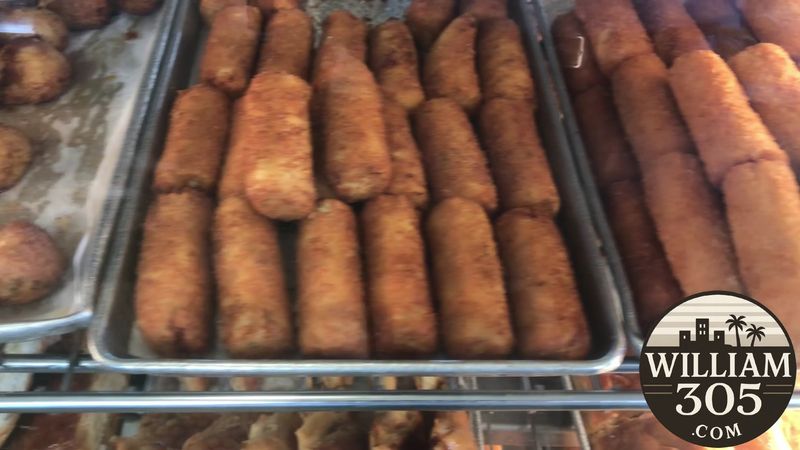
Empanadas and pastelitos share similar DNA, but the cooking method creates completely different results. While pastelitos get baked until flaky, empanadas hit the deep fryer for a crunchier, more indulgent experience. Versailles makes both, giving customers options depending on whether they want something lighter or more decadent.
The dough for empanadas needs to withstand hot oil without falling apart or absorbing too much grease. When done right, you get a shell that shatters when you bite but doesn’t leave your fingers slick with oil. The filling stays the same as the baked versions, usually beef or chicken seasoned with that essential sofrito base.
Fried empanadas taste best within the first 15 minutes after leaving the oil, which is why the bakery makes small batches throughout the day. That first bite into a fresh empanada, when the shell is still crackling and the filling steaming hot, represents one of life’s simple pleasures. Letting them sit too long means sacrificing that perfect texture.
Locals often buy empanadas by the half dozen or more, taking them to work, family gatherings, or just keeping them at home for quick snacks. They reheat reasonably well in a regular oven, though they’ll never quite match the freshness of eating them right at the bakery. Still, having a stash in your fridge beats not having them at all.
The pricing structure encourages buying in bulk, with better per-unit costs when you order more. This makes economic sense if you’re feeding multiple people or planning ahead for the week. Even solo eaters sometimes spring for extra because willpower tends to fail when warm empanadas sit within reach.
Some customers develop strong preferences between baked pastelitos and fried empanadas, defending their choice with surprising passion. Others wisely refuse to choose and grab both options depending on mood and appetite. The beauty of Versailles is having these choices available without traveling to multiple locations or settling for mediocre versions.
The Bakery Counter Experience That Feels Like Stepping Into Old Havana
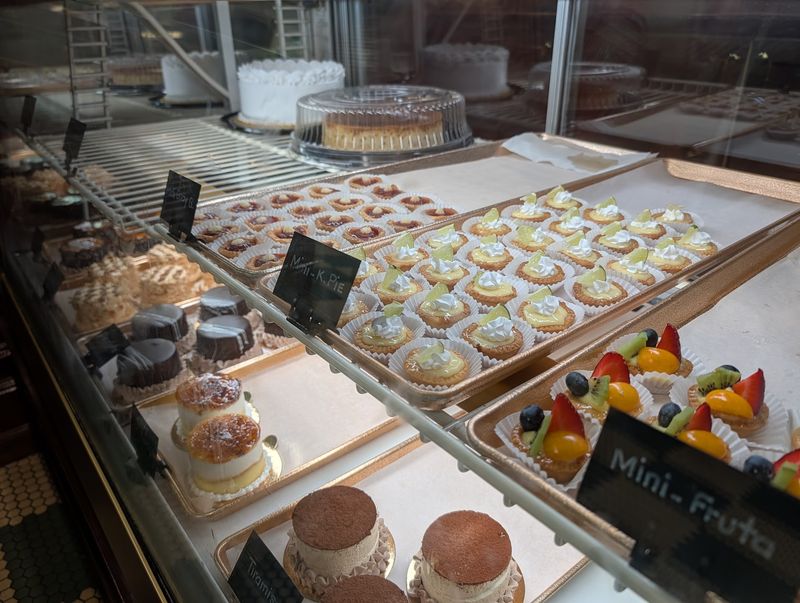
Beyond the specific pastries themselves, the experience of ordering at the Versailles bakery counter deserves recognition. Glass cases display rows of pastelitos, croquetas, and pastries while customers crowd around trying to catch the attention of staff working behind the counter. The energy feels chaotic but somehow functions efficiently despite appearances.
Staff members switch between English and Spanish seamlessly, often mid-sentence, reflecting the bilingual reality of Miami’s Cuban community. If your Spanish is rusty or nonexistent, pointing at what you want works perfectly fine. Nobody judges, and the staff has dealt with every type of customer imaginable over the decades.
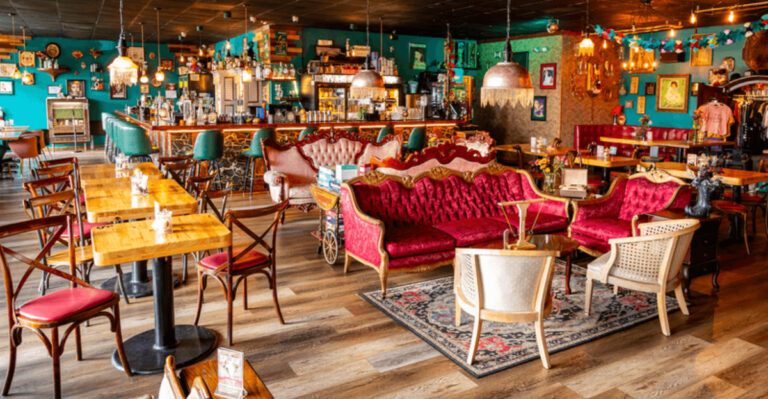
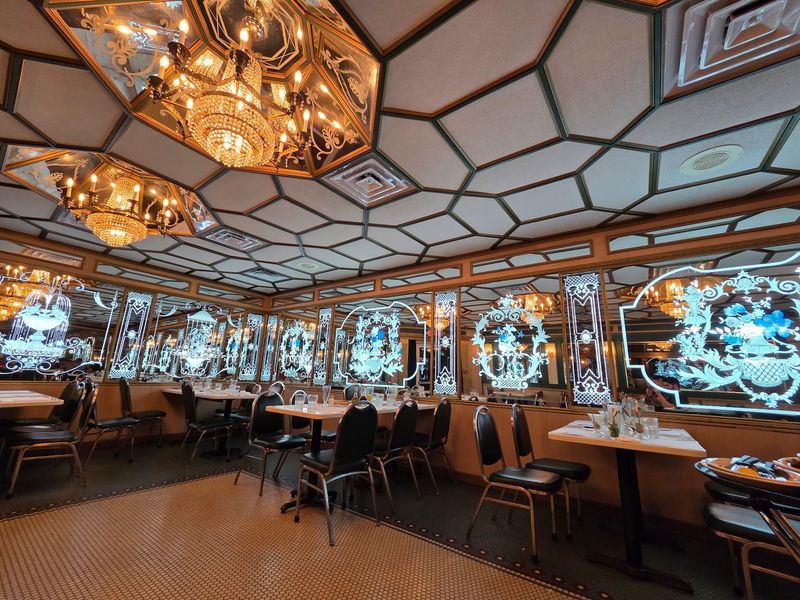
The physical space hasn’t changed much since Versailles opened in 1971, maintaining that vintage Miami aesthetic that newer restaurants try desperately to recreate. Mirrors line the walls, chandeliers hang from the ceiling, and everything feels slightly over the top in the best possible way. Walking in feels like time travel to a different era of Miami.
During peak hours, expect crowds and a bit of organized chaos. The system involves taking a number, though people don’t always respect the order when fresh pastelitos emerge. Regulars know the unwritten rules while tourists figure things out through observation.
Either way, everyone eventually gets fed.
The bakery operates as a separate entity from the full restaurant next door, though they share the same building and ownership. You can grab pastries without waiting for a restaurant table, which makes it perfect for people who want authentic Cuban food without committing to a full sit-down meal. This flexibility explains why the bakery stays busy even when the restaurant has empty tables.
Watching the staff work provides entertainment while you wait. They move with practiced efficiency, wrapping pastries, pouring coffee, and handling cash simultaneously without missing a beat. The choreography comes from years of repetition and represents a kind of working-class artistry that deserves appreciation.
These folks keep Miami fed one pastelito at a time.