We Found A Little-Known State Park In Florida That Feels Miles Away From Everything
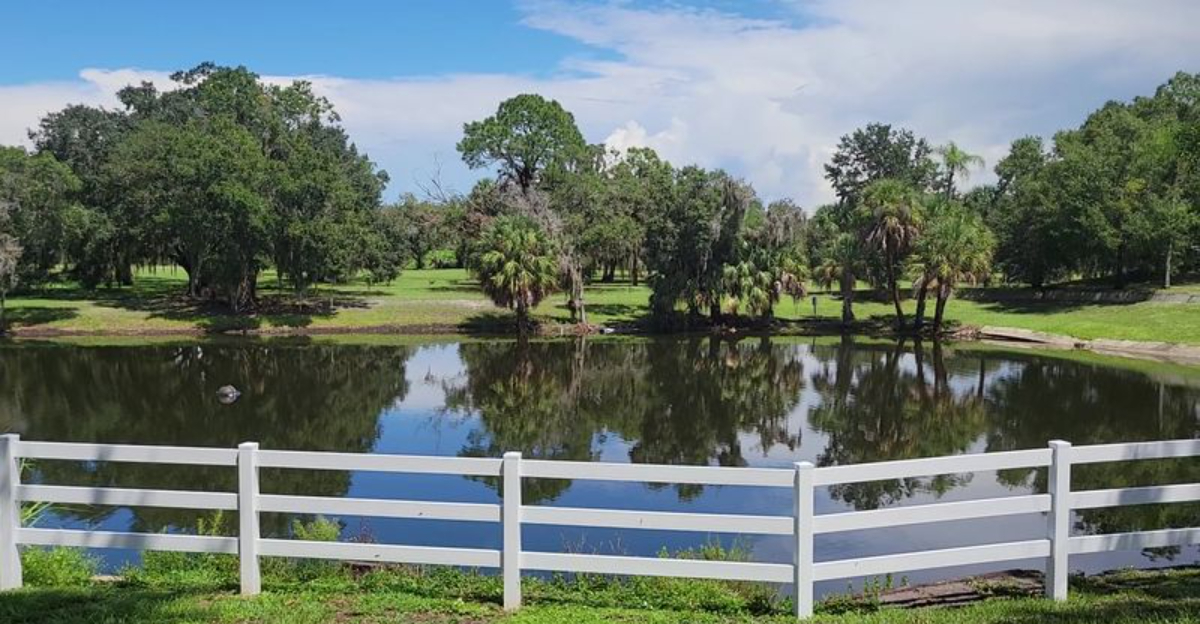
Little Manatee River State Park is one of those rare places where the noise of modern life just fades away. Despite being close to Tampa, this 2,416-acre preserve feels like a secret escape into Old Florida, complete with winding rivers, shaded trails, and wildlife around every bend. Whether you’re looking to paddle through tea-colored waters, camp under the stars, or simply breathe in some peace and quiet, this park delivers an experience that feels refreshingly far from the everyday hustle.
1. A Winding River That Defines the Whole Experience
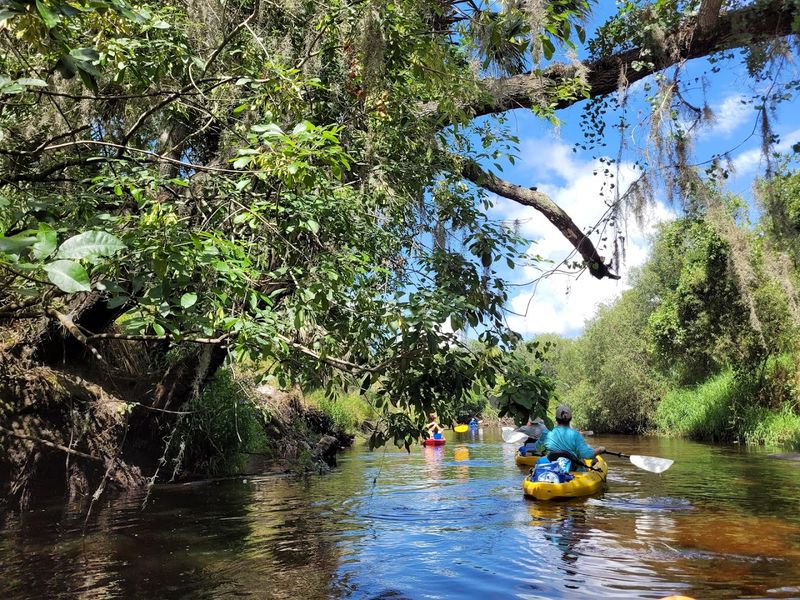
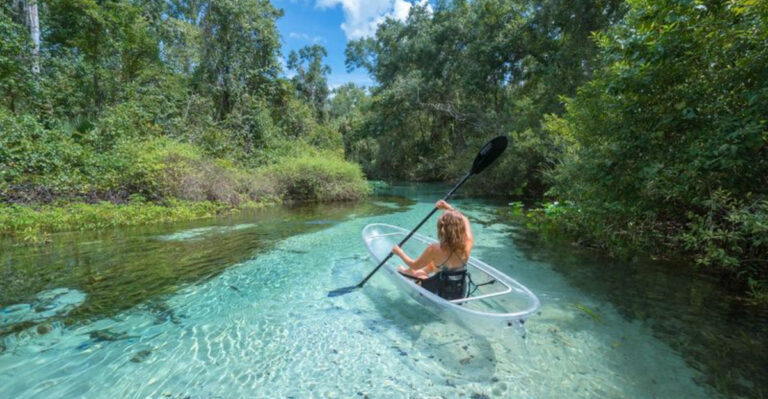
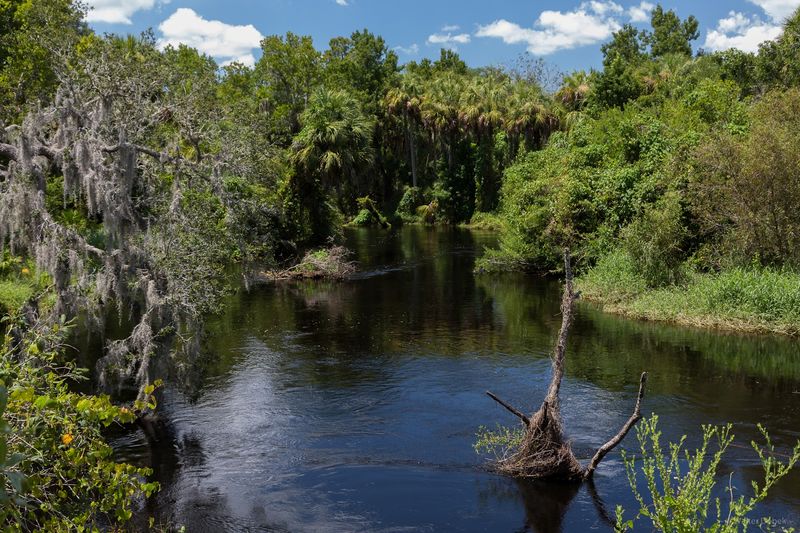
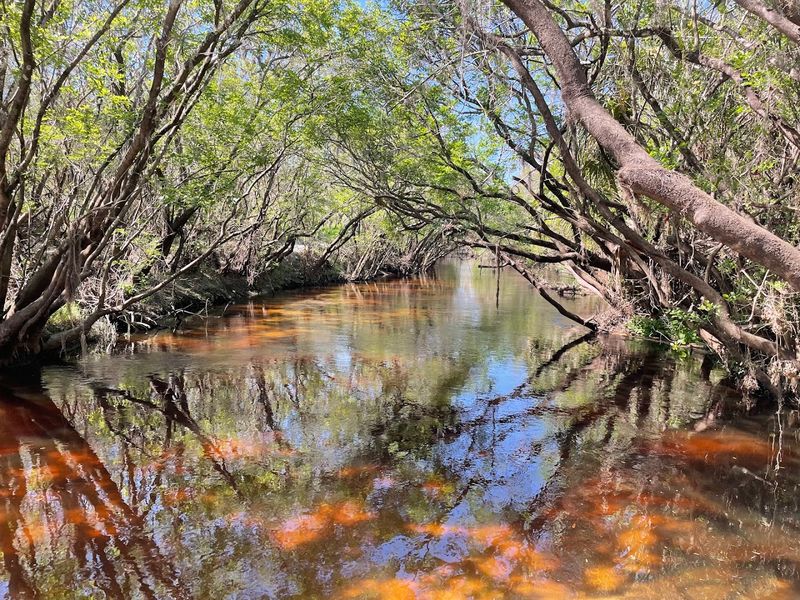
The Little Manatee River is the beating heart of this park, and once you see it up close, you’ll understand why. Its dark, tannin-stained water winds through dense Florida wilderness like a living thread connecting past and present. Paddlers love it here because the current moves at just the right pace—not too fast, not too slow—making it ideal for leisurely kayaking or canoeing trips.
Launching from the park’s accessible boat ramp is a breeze, even if you’re new to paddling. The ramp is thoughtfully designed and works well for people of all abilities. As you glide downstream, you’ll pass under canopies of oak and cypress, with Spanish moss swaying overhead like nature’s own curtains.
Wildlife sightings are common along the river. Herons stand still as statues in the shallows, turtles sunbathe on fallen logs, and if you’re lucky, you might spot an alligator basking near the water’s edge. The river isn’t just a place to paddle—it’s a front-row seat to Florida’s wild side.
Even when water levels dip during drier months, the river maintains its charm. It’s a reminder that nature moves at its own rhythm, and sometimes the best adventures are the ones that ask us to slow down and pay attention.
2. Trails That Capture Old Florida’s Soul
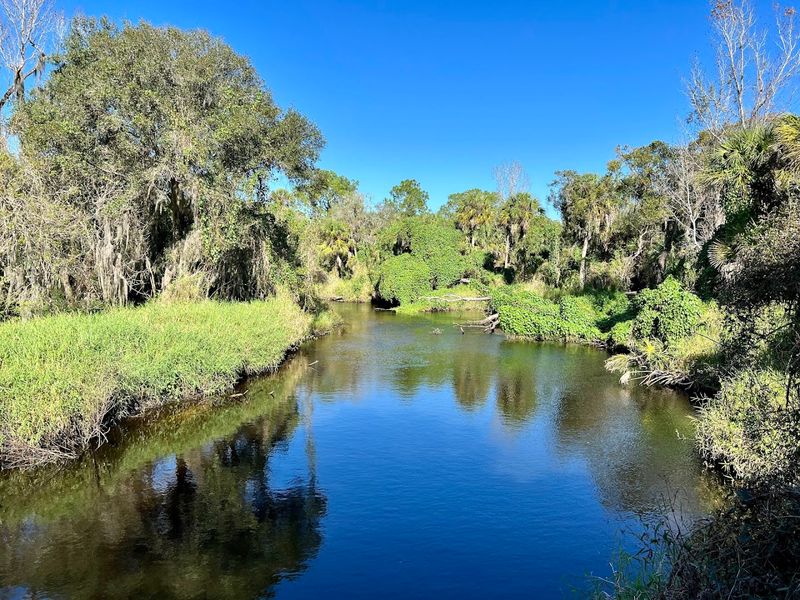
Walking the trails at Little Manatee River State Park feels like stepping back in time. Pine flatwoods stretch out in every direction, dotted with saw palmettos and wildflowers that bloom in bursts of color depending on the season. The Oxbow Trail and Dude Lake Trail are two favorites among visitors, each offering a different slice of Florida’s natural beauty.
The Oxbow Trail hugs the river and takes you through shaded bends where alligators are known to hang out. It’s still recovering from recent hurricane damage, so some sections may feel more rugged than others. That rawness, though, adds to the sense of adventure—you’re not on a manicured path; you’re in the real deal.
Dude Lake Trail, on the other hand, is sunnier and more open. It’s an easy walk that’s perfect for families or anyone looking for a peaceful stroll. Birdsong fills the air, and the landscape feels alive with movement—lizards darting across the path, butterflies zigzagging through the grass.
Fair warning: the trails here are mostly soft sand, which can make walking a bit of a workout. Wear sturdy shoes and bring plenty of water. Trail markers can be easy to miss in overgrown areas, so a GPS or trail map is a smart backup.
3. Campsites That Feel Like Your Own Private Hideaway
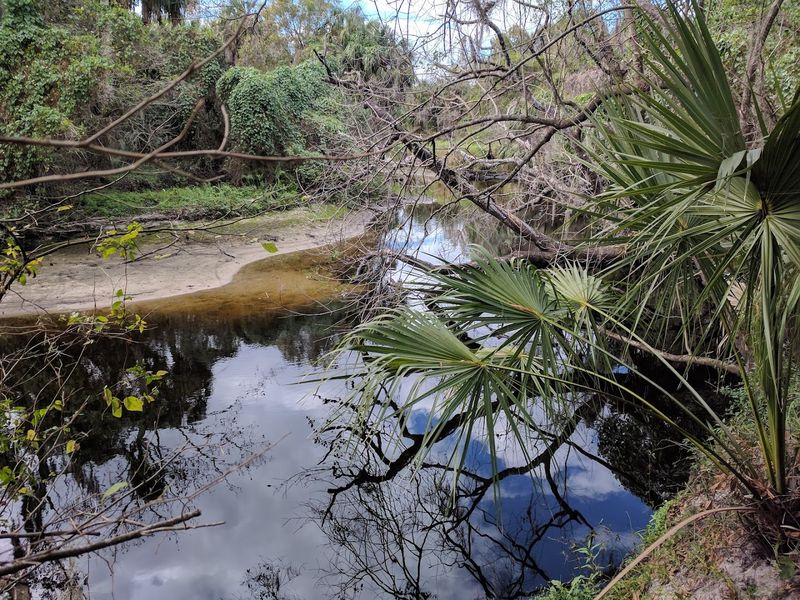
Camping at Little Manatee River State Park isn’t your typical crowded campground experience. The sites here are tucked behind thick walls of vegetation, giving you the kind of privacy that makes you feel like you’ve claimed your own little corner of the wilderness. It’s the kind of setup where you can sit by your campfire and forget there’s anyone else around.
Most campsites come with full hookups—electric and water—making them perfect for RVs or trailers. The sites themselves are dirt and sand, which can get dusty in dry weather or muddy after a rain. Some campers wish they were gravel or shell-based, but the natural surface fits the park’s low-key vibe.
The campground is small and quiet, with clean restrooms and hot showers that work well most of the time. There’s even a laundry facility on-site, which is a nice bonus if you’re staying for several days. A small playground and amphitheater add family-friendly touches without cluttering the peaceful atmosphere.
One thing to note: you might hear occasional gunshots from a nearby shooting range, especially during the day. It’s not constant, but it’s something to be aware of if you’re sensitive to noise. Despite that, the overall experience remains calm and restorative—perfect for disconnecting and recharging.
4. Wildlife Encounters Around Every Corner
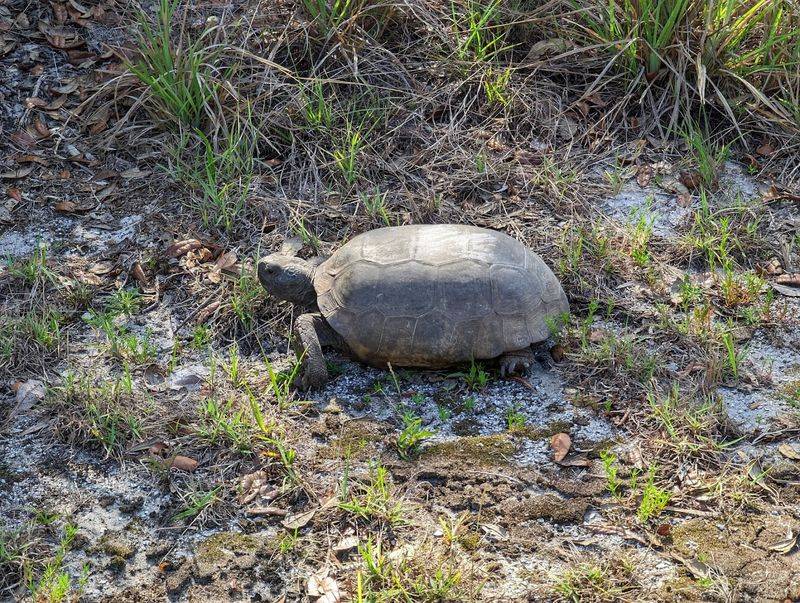
One of the best parts about visiting Little Manatee River State Park is never knowing what you’ll see next. Armadillos shuffle through the underbrush like tiny armored tanks, completely unbothered by human presence. Gopher tortoises dig their burrows in sandy clearings, and if you’re patient, you might catch one lumbering across a trail.
Birdwatchers flock here for good reason. Red-tailed hawks circle overhead, kestrels perch on fence posts, and herons wade through the shallows with elegant precision. The park’s diverse habitats—from wetlands to pine forests—support a wide variety of species, making it a paradise for anyone with binoculars and a little time.
Alligators are a regular sight, especially along the river and near Dude Lake. They’re usually content to sunbathe and ignore visitors, but it’s important to keep a respectful distance. This is their home, after all, and observing them from afar is part of the experience.
Lizards are everywhere—mostly Bahamian anoles that dart up tree trunks and across picnic tables. Lubber grasshoppers, with their bright colors and slow movements, are another common sight. Even on a scorching summer day, the park buzzes with life, reminding you that Florida’s ecosystems are endlessly fascinating and always worth exploring.
5. Equestrian Trails for Horseback Riders
Little Manatee River State Park isn’t just for hikers and paddlers—it’s also a haven for horseback riders. The park features dedicated equestrian trails that wind through pine flatwoods and open scrubland, offering miles of scenic riding. There are even equestrian campsites where riders can stay overnight with their horses, making it a popular destination for multi-day trail riding adventures.
The equestrian community here is active and friendly, and you’ll often see riders trotting past on weekends. The trails are well-suited for horses, with soft sandy footing that’s gentle on hooves. Riders appreciate the park’s commitment to maintaining these trails and providing amenities that cater specifically to their needs.
Even if you’re not riding, it’s fun to watch horses and riders pass by. There’s something timeless about seeing someone on horseback moving through the Florida wilderness—it connects you to a slower, more deliberate way of experiencing the land. The park occasionally hosts horse shows and equestrian events, adding another layer of community and activity.
If you’re considering bringing a horse, check ahead for trail conditions and availability of equestrian campsites. The park staff is helpful and knowledgeable, and they’ll make sure you have everything you need for a safe and enjoyable ride through one of Florida’s most authentic natural settings.
6. A Day-Use Area Perfect for Picnics and Relaxation
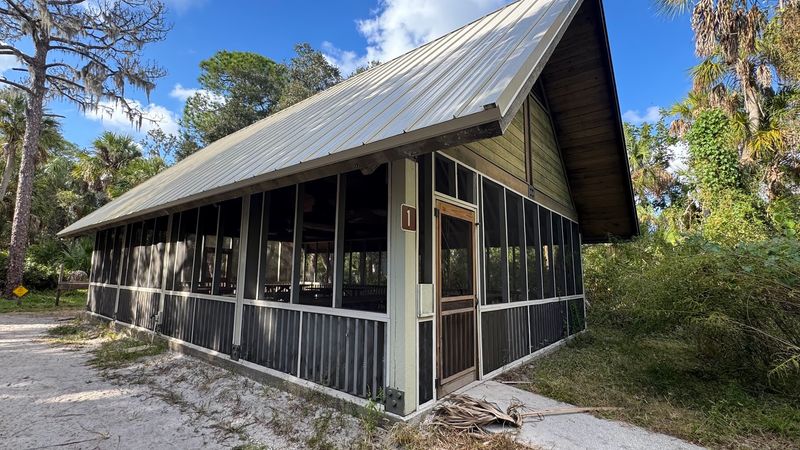
Not everyone who visits Little Manatee River State Park is looking for a rugged adventure. Some just want a peaceful spot to spread out a blanket, fire up a grill, and enjoy a meal surrounded by nature. The day-use area delivers exactly that, with covered pavilions, picnic tables, and grills scattered throughout a shaded grove.
It’s a great setup for families with young kids. There’s a playground nearby where children can burn off energy while parents relax at a picnic table. The atmosphere is laid-back and welcoming, with plenty of space to claim your own little spot without feeling crowded.
Firewood is available for purchase at the ranger station if you want to build a campfire or use one of the grills. The facilities are clean and well-maintained, which makes a big difference when you’re spending the whole day outdoors. Restrooms are conveniently located, and there are even cold water fountains to refill your bottles.
The day-use area is also a good starting point for exploring the rest of the park. You can hike a short trail, check out the boat launch, or simply sit and enjoy the sounds of the forest. It’s proof that you don’t need to camp overnight to experience the magic of this place—sometimes a leisurely afternoon is all you need.
7. Peaceful Solitude That’s Hard to Find Elsewhere
In a state as busy and crowded as Florida, finding true solitude can feel impossible. Little Manatee River State Park offers something increasingly rare: the chance to be genuinely alone with your thoughts. Even on a Friday afternoon, you might hike for hours and see only one or two other people.
That sense of isolation isn’t lonely—it’s liberating. You can hear your own footsteps crunching on the sand, the wind rustling through pine needles, and the distant call of a hawk. There’s no traffic noise, no honking horns, no blaring music.
Just the natural world doing its thing, indifferent to the chaos happening outside the park’s borders.
This quietness is part of what makes the park feel so restorative. People come here for what some call a “therapy hike”—a chance to clear their heads, reset their stress levels, and reconnect with something bigger than themselves. The park doesn’t demand anything from you; it simply invites you to slow down and be present.
Of course, solitude doesn’t mean danger. The park is safe and well-managed, with friendly rangers and clear signage. But it does mean you should come prepared—bring water, snacks, a map, and maybe a GPS app.
When you’re miles from the nearest trailhead, self-sufficiency is key.
8. A Glimpse of Real Florida Before It Was Developed
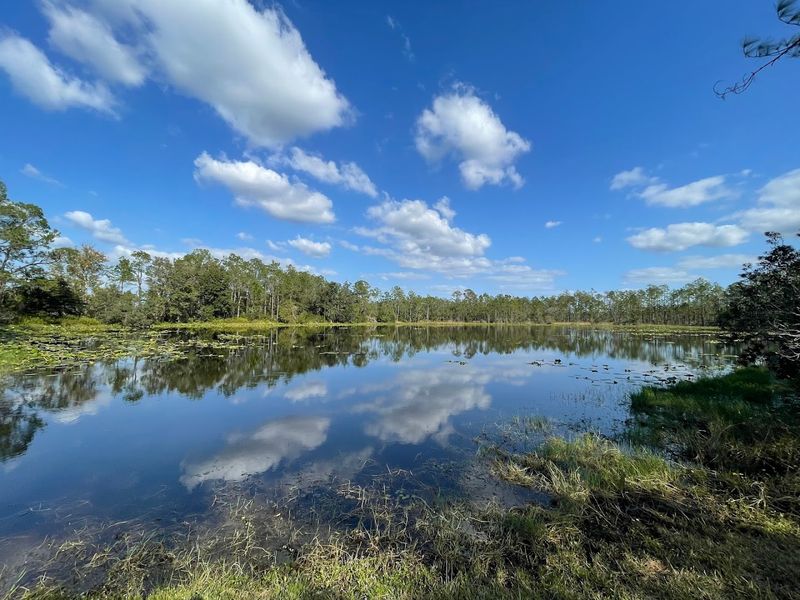
Little Manatee River State Park is more than just a pretty place to visit—it’s a living snapshot of what Florida looked like before developers arrived with bulldozers. The ecosystems here—pine flatwoods, river swamps, and scrublands—are the same ones that covered much of the state centuries ago. Walking these trails is like time travel, minus the DeLorean.
This authenticity is what draws people back again and again. There are no strip malls, no manicured lawns, no artificial lakes. Just raw, unfiltered Florida in all its sandy, swampy, sun-baked glory.
It’s not always comfortable—summer heat can be brutal, and mosquitoes don’t take holidays—but it’s honest.
Preserving places like this matters more than ever. As Florida’s population grows and open land disappears, state parks become crucial refuges for both wildlife and people. They remind us that wildness isn’t something to conquer or eliminate—it’s something to protect and cherish.
Visitors often leave with a deeper appreciation for Florida’s natural heritage. They see gopher tortoises, armadillos, and alligators not as nuisances but as vital parts of a functioning ecosystem. They understand that the tannic river, the scrubby palmettos, and the relentless heat are all pieces of a larger story—one that’s worth preserving for future generations to experience and enjoy.