You Can Listen To Music Underwater At This One-Of-A-Kind Florida Festival
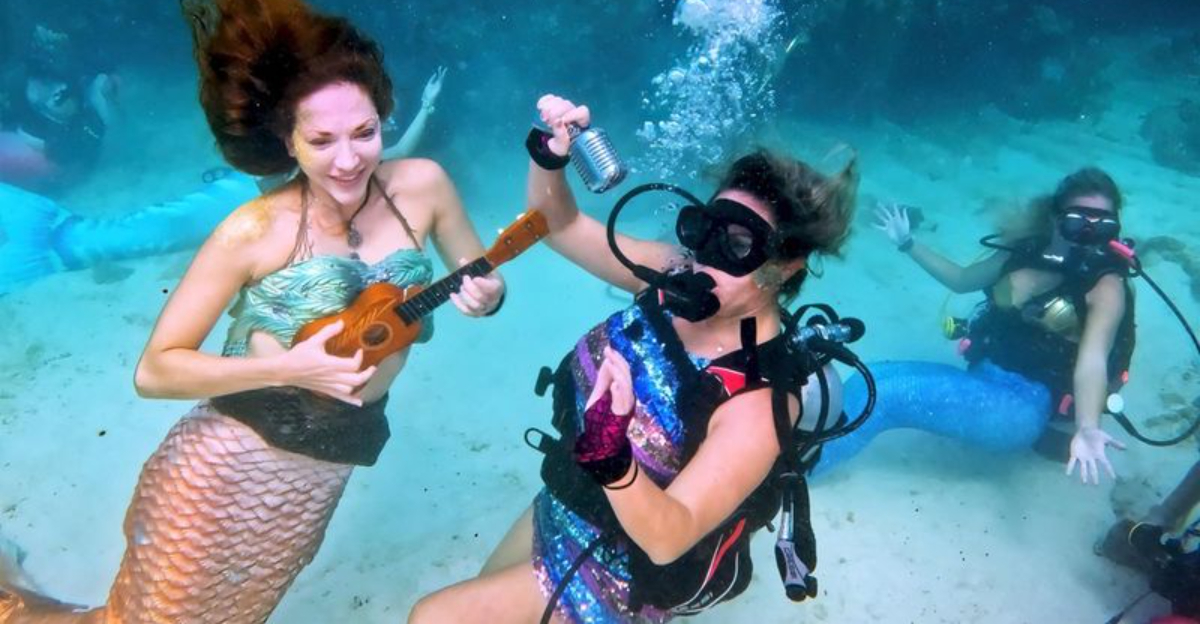
Picture yourself floating above a vibrant coral reef while The Beatles’ Yellow Submarine plays all around you—not through headphones, but through the water itself. That’s exactly what happens every July at the Lower Keys Underwater Music Festival, where hundreds of divers and snorkelers gather at Looe Key Reef for one of Florida’s most unusual celebrations. Since 1985, this quirky event has combined ocean conservation with pure fun, creating an experience you won’t find anywhere else on the planet.
1. Music That Literally Surrounds You
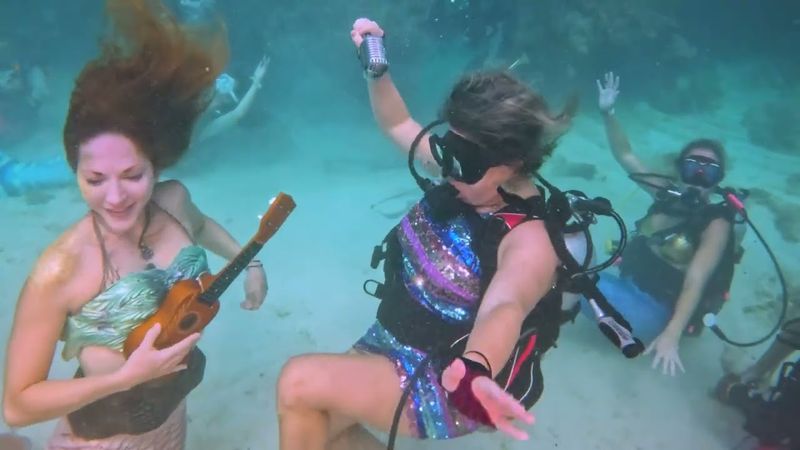
Sound moves about four times faster through water than through air, which creates a completely different listening experience when you’re submerged. At Looe Key Reef, special underwater speakers hang from boats positioned above the reef, broadcasting ocean-themed tunes to everyone below. Instead of hearing music from one direction like you would on land, the sound seems to come from everywhere at once.
The sensation feels almost magical—like the ocean itself is singing to you. Divers describe it as ethereal and immersive, with vibrations you can feel in your chest as much as hear in your ears. The playlist includes classics like Jimmy Buffett’s Fins and other sea-inspired songs that fit the underwater vibe perfectly.
Between musical selections, you’ll hear important messages about protecting the reef and practicing responsible diving techniques. The organizers cleverly use this captive audience to spread awareness about coral conservation. It’s entertainment with a purpose, making sure everyone leaves not just entertained but also educated about the fragile ecosystem they’re enjoying.
First-time participants often report being surprised by how clear the music sounds underwater and how the experience differs from anything they’ve encountered before.
2. Whimsical Underwater Performers in Costume
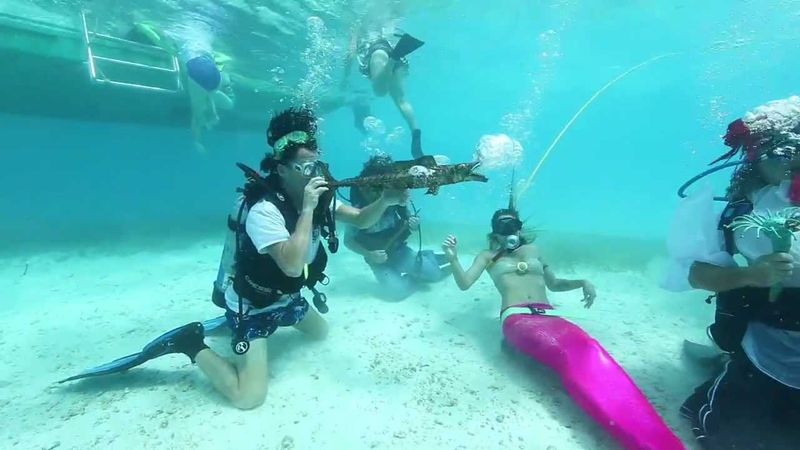
One of the festival’s most delightful traditions involves divers transforming into sea creatures and mythical beings for the occasion. Mermaids with shimmering tails glide past schools of actual fish, while people dressed as giant lobsters or tropical fish species add bursts of color to the already vibrant reef. These aren’t professional performers—they’re regular festival-goers who embrace the playful spirit of the event.
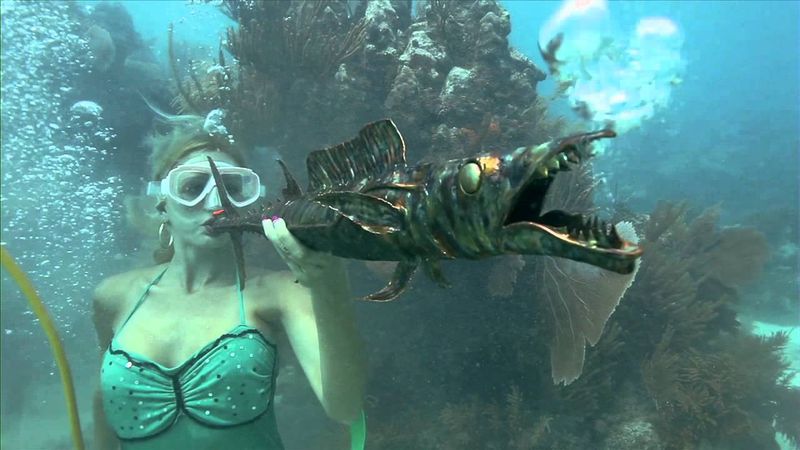
Local artists create fantastical fake instruments specifically for the festival, and costumed divers “play” them underwater while the real music broadcasts through the speakers. You might spot someone strumming a “trom-bonefish” or shaking a “clambourine,” both crafted with humor and creativity. These props have become iconic symbols of the festival over its four-decade history.
The combination of colorful costumes, whimsical instruments, and the natural beauty of the reef creates photo opportunities unlike anything else. Underwater photographers flock to the event to capture these surreal scenes. Even if you’re not dressed up yourself, watching the costumed performers adds an extra layer of entertainment to your dive.
The lighthearted atmosphere helps achieve the festival’s serious goal: making reef conservation memorable and fun enough that people actually care.
3. Looe Key Reef’s Living Coral Ecosystem
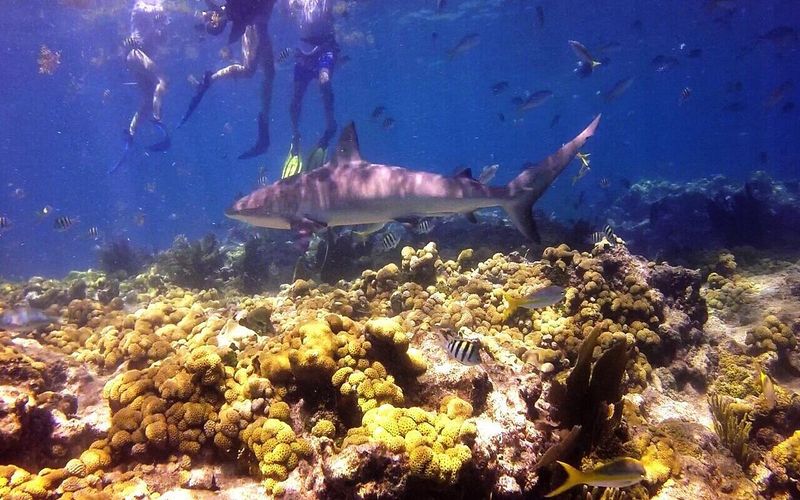
Located six miles south of Big Pine Key, Looe Key Reef sits within the Florida Keys National Marine Sanctuary and represents part of the only living coral barrier reef in the continental United States. The reef stretches in a crescent shape and features an incredible diversity of coral species, tropical fish, and marine life. Brain coral, elkhorn coral, and sea fans create an underwater landscape that rivals anything you’d see in the Caribbean.
The reef’s name comes from the HMS Looe, a British frigate that wrecked here in 1744. Today, the site attracts divers year-round for its exceptional visibility and abundant sea life. Depths range from shallow areas perfect for snorkeling to deeper sections for experienced divers, making it accessible to various skill levels.
What makes this location ideal for the music festival is its combination of natural beauty and relatively calm conditions during summer months. The reef’s protected status ensures it remains healthy and vibrant for future generations. Choosing this spectacular setting for the festival wasn’t random—it showcases exactly what organizers want people to protect.
Swimming among parrotfish, angelfish, and occasionally sea turtles while listening to underwater music creates memories that stick with visitors long after they’ve dried off.
4. Four Decades of Conservation Through Celebration
Back in 1985, local radio news director Bill Becker and Dr. Fred Troxel hatched an unusual plan to raise awareness about reef protection. They figured that bringing people to experience the reef’s beauty firsthand while entertaining them would create lasting connections to ocean conservation. Their gamble paid off spectacularly—the Lower Keys Underwater Music Festival has now celebrated 40 years of success.
The Lower Keys Chamber of Commerce and US1 Radio 104.1 FM have presented the festival every year since its founding. What started as a quirky local event has grown into an internationally recognized celebration that attracts participants from around the world. Yet it maintains its grassroots charm and community feel despite the growth.
The festival’s longevity proves that environmental education doesn’t have to be boring or preachy to be effective. By wrapping important messages about coral reef preservation in fun and novelty, organizers have reached thousands of people who might otherwise never think about marine ecosystems. Many participants return year after year, becoming reef advocates themselves.
The 41st annual festival scheduled for July 11-12, 2025, will continue this proud tradition of blending entertainment with environmental stewardship in a way only the Florida Keys could pull off.
5. Getting There and Joining the Fun
Reaching Looe Key Reef for the festival requires some planning, but the journey is straightforward and part of the adventure. Big Pine Key serves as your base, located about 30 miles north of Key West along the Overseas Highway. The reef itself lies six miles offshore, accessible only by boat—you can’t swim or kayak there from land.
Most participants book spots on dive boats operated by Lower Keys dive shops and charter services. These operators know the reef intimately and provide all necessary equipment if you don’t have your own. Reservations fill up quickly as the festival date approaches, so early booking is essential.
Prices typically include boat transport, tank rentals, and sometimes snacks or lunch.
If you own a boat or can rent one, you’re welcome to navigate to the reef independently and anchor in designated areas. Just remember that the marine sanctuary has strict rules about where boats can anchor to prevent damage to the coral. GPS coordinates for Looe Key are widely available, and the reef is well-marked.
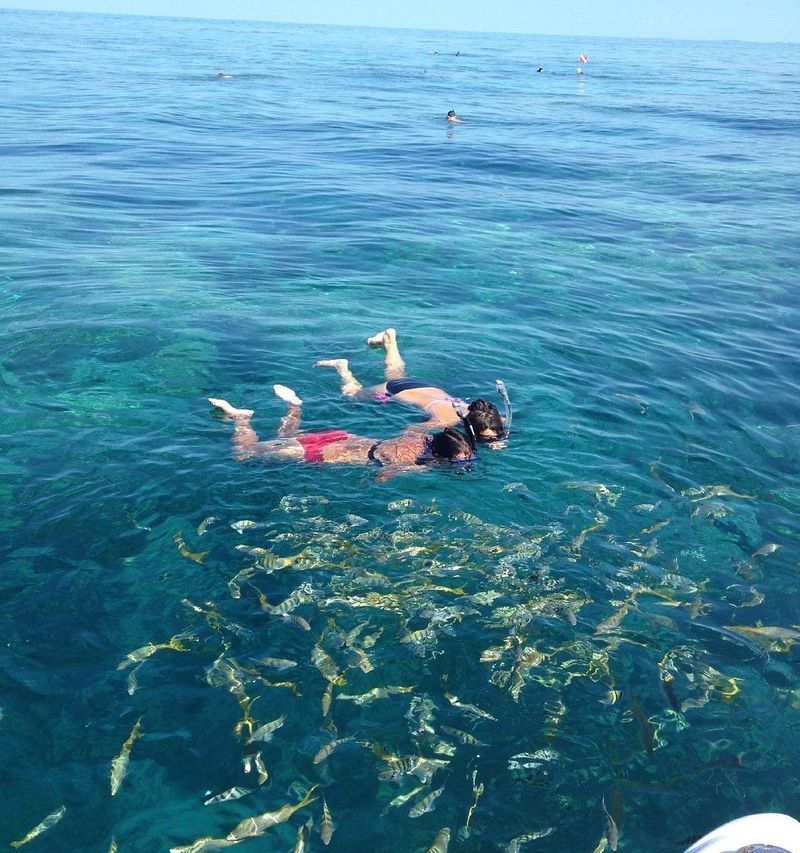
Whether you’re an experienced diver or a first-time snorkeler, operators can accommodate your skill level. The shallow areas of the reef allow snorkelers to enjoy the music and marine life without diving certification.
6. Pre-Festival Welcome at Mote Marine Laboratory
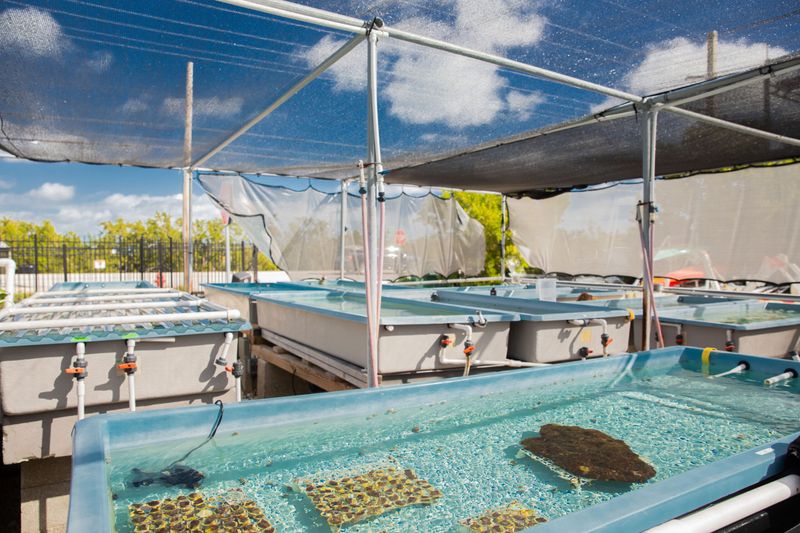
The day before the main underwater concert, festival organizers host a welcome gathering at Mote Marine Laboratory’s Elizabeth Moore International Center for Coral Reef Research and Restoration on Summerland Key. This pre-festival event offers something special that many attendees overlook—a chance to see cutting-edge coral restoration work up close. Scientists at this facility are literally growing new coral to replant on damaged reefs throughout the Florida Keys.
During tours, researchers explain their propagation techniques and show visitors the coral nursery where tiny coral fragments grow in controlled conditions. You’ll learn how warming ocean temperatures, pollution, and physical damage threaten reef systems, and what scientists are doing to fight back. The facility represents hope for reef recovery and demonstrates that conservation efforts can make real differences.
Meeting the scientists who dedicate their careers to saving coral reefs adds depth to the festival experience. Suddenly, the next day’s celebration feels more meaningful when you understand the serious challenges facing these ecosystems. The tours are typically free with festival registration, making them an incredible value.
Summerland Key sits just a few miles from Big Pine Key along the Overseas Highway, making the trip convenient for festival participants staying in the area.
7. Planning Your Underwater Music Festival Visit
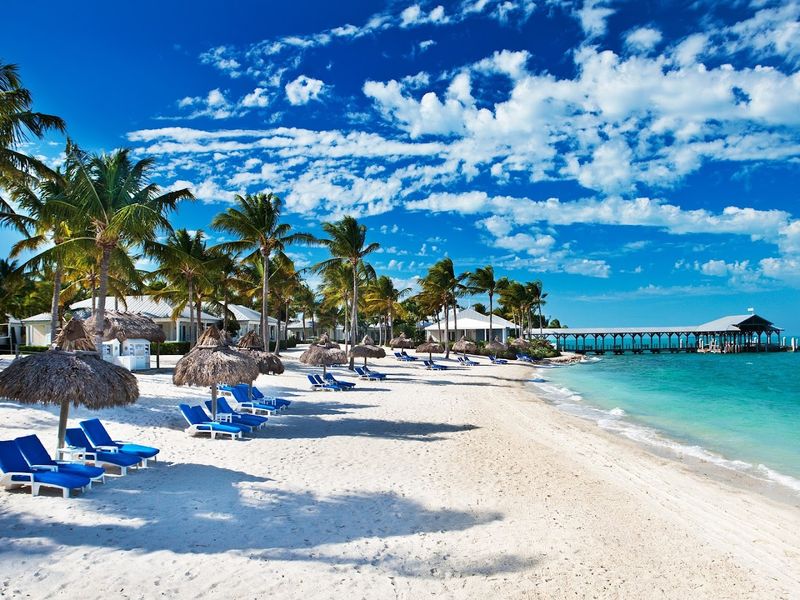
Timing is everything when it comes to experiencing this unique festival. The event happens annually in mid-July, with the 2025 dates set for July 11-12 and the main underwater concert typically occurring on July 12. Summer in the Florida Keys means warm water temperatures in the low 80s Fahrenheit, so you won’t need a thick wetsuit—many participants dive in just swimsuits or thin rash guards.
July also brings the possibility of afternoon thunderstorms, though mornings usually offer calm seas and excellent visibility. Weather can affect the festival schedule, so organizers maintain flexibility while prioritizing participant safety. Check the official Lower Keys Chamber of Commerce website or US1 Radio 104.1 FM for updates as the date approaches.
Accommodation in Big Pine Key and surrounding areas books solid during festival weekend, so reserve lodging months in advance. Options range from waterfront vacation rentals to small motels and campgrounds. Some visitors stay in Marathon or even Key West and make the drive to Big Pine Key for the event.
Even if you’re not certified to scuba dive, you can fully participate as a snorkeler. The music plays loud enough to hear clearly just below the surface, and the reef’s shallow sections teem with colorful fish and coral formations.
8. Why This Festival Matters for Ocean Conservation
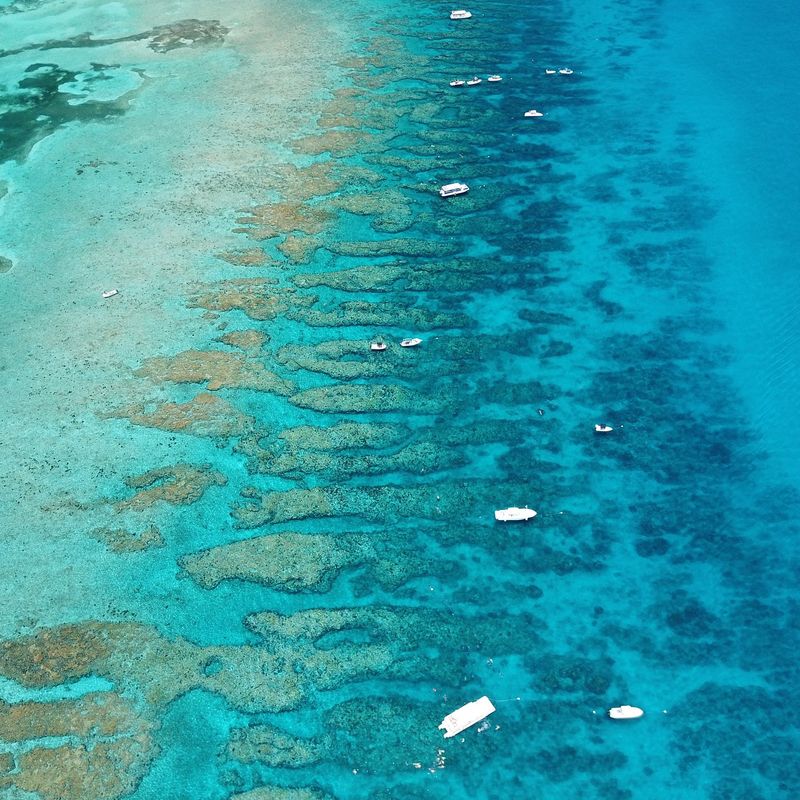
Coral reefs worldwide face unprecedented threats from climate change, ocean acidification, pollution, and physical damage from boats and careless divers. The Florida Reef Tract has lost significant coral cover over recent decades, making conservation efforts more critical than ever. The Underwater Music Festival tackles this serious issue with an approach that actually works—making people fall in love with the reef so they’ll want to protect it.
Throughout the event, divers hear messages about proper buoyancy control to avoid touching or kicking coral, the importance of reef-safe sunscreen that doesn’t contain harmful chemicals, and ways to reduce their environmental impact. These aren’t lectures—they’re brief reminders mixed into the fun, delivered when participants are most receptive. Studies show that positive emotional experiences create stronger connections to conservation causes than fear-based messaging alone.
The festival also generates media attention that spreads reef conservation messages far beyond the actual participants. News coverage, social media posts, and word-of-mouth stories introduce thousands of people to the importance of protecting coral ecosystems. What started as a local event in 1985 now serves as a model for how creative approaches to environmental education can achieve real results while bringing communities together around shared values.