You Can Spend Sunday Morning Eating Thai Food At This Beautiful Florida Temple
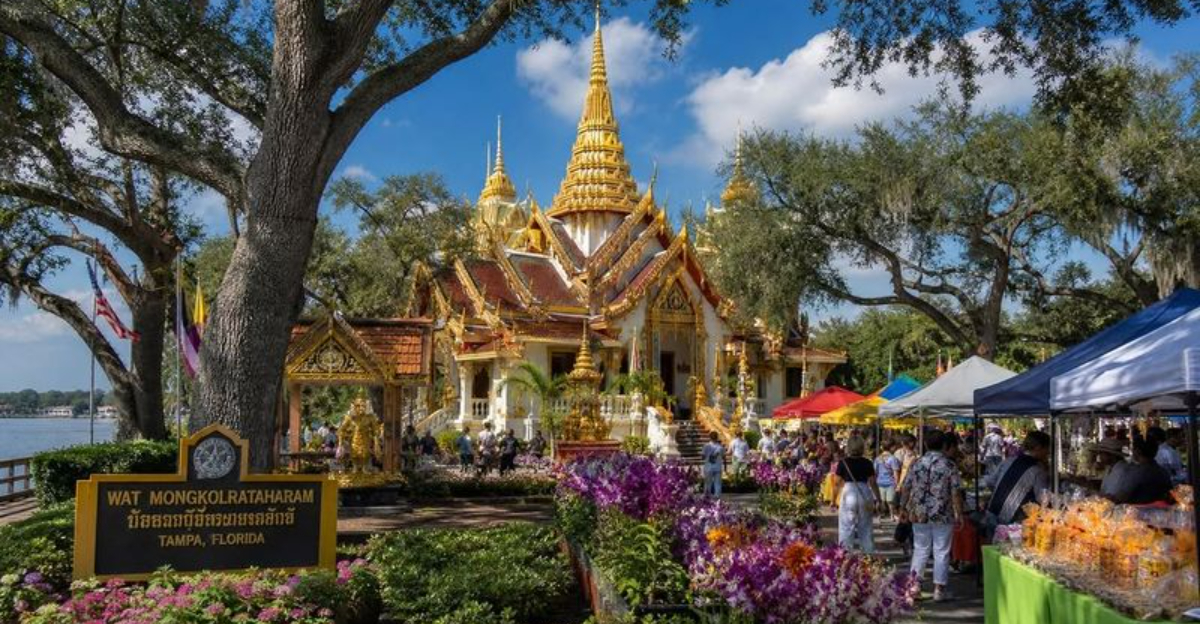
Tucked away on Palm River Road in Tampa sits a hidden Sunday morning tradition that combines authentic Thai cuisine with temple grounds overlooking the water. The Sunday Thai Market at Wat Tampa operates just four hours every week, drawing locals and visitors who know that some of the best food experiences happen when you least expect them. Cash in hand and an empty stomach are all you need to join Tampa’s most delicious weekly gathering.
1. A Temple Setting That Makes Breakfast Special

Eating breakfast at a Buddhist temple might sound unusual, but that’s exactly what makes this Sunday ritual so memorable. Wat Tampa provides the backdrop for this weekly food gathering, where traditional Thai architecture meets Florida’s natural beauty along the Palm River. The setting alone transforms a simple meal into something worth waking up early for.
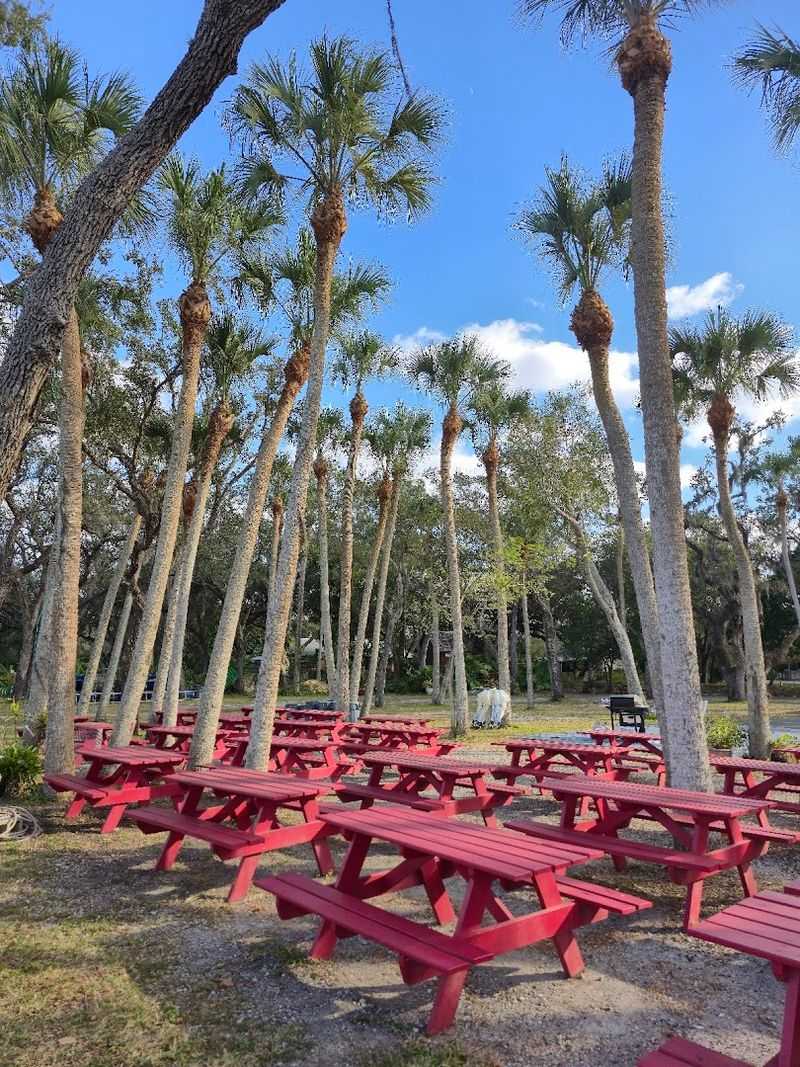
Tables scattered near the riverbank give diners front-row seats to peaceful water views while they eat. Morning light filters through the trees, creating the kind of relaxed atmosphere that makes you want to linger over your second helping. It’s the opposite of rushing through a drive-through window.
The temple grounds offer plenty of space to wander between bites, making it easy to work up an appetite for another round. Families spread out on the grass while friends claim shaded spots under the trees. This isn’t just about grabbing food and leaving—it’s about soaking up the whole experience.
Parking fills up fast but there’s enough space onsite to accommodate the Sunday crowd. The diverse mix of people who show up each week speaks to how this market has become a Tampa tradition. Cultural experiences like this don’t require plane tickets, just the willingness to try something different in your own backyard.
2. Four Hours Every Week and Worth the Wait
Mark your calendar for Sunday because that’s the only day this market exists. From 9 AM to 1 PM, the temple grounds transform into Tampa’s best-kept culinary secret. Miss that window and you’ll be waiting another week, which is exactly what makes each Sunday feel special.
Smart visitors arrive right when the gates open or even a few minutes before. Lines form quickly but they move faster than you’d expect, thanks to vendors who’ve perfected their Sunday routine. Getting there early also means better selection before popular items sell out.
The limited schedule creates a sense of urgency that actually adds to the appeal. There’s something exciting about a place that doesn’t cater to your convenience, that exists on its own terms. You adjust your plans to fit the market, not the other way around.
Four hours might seem short, but it’s plenty of time to explore what multiple vendors are offering. The market wraps up at 1 PM sharp, giving you the rest of your Sunday to digest both the food and the experience. This weekly rhythm has built a loyal following of people who wouldn’t dream of spending their Sunday morning anywhere else.
3. Multiple Vendors Mean Endless Choices
Walking into this market feels like stepping into a Thai street food scene where competition keeps everyone on their toes. Several vendors set up shop each Sunday, each bringing their own specialties and family recipes. You’re not stuck with one menu—you’re facing the delicious problem of too many good options.
Some vendors focus on curries while others specialize in noodle dishes or grilled meats. The variety means you can build your own Thai feast, mixing and matching from different stalls. First-timers often grab a little bit of everything to figure out their favorites for future visits.
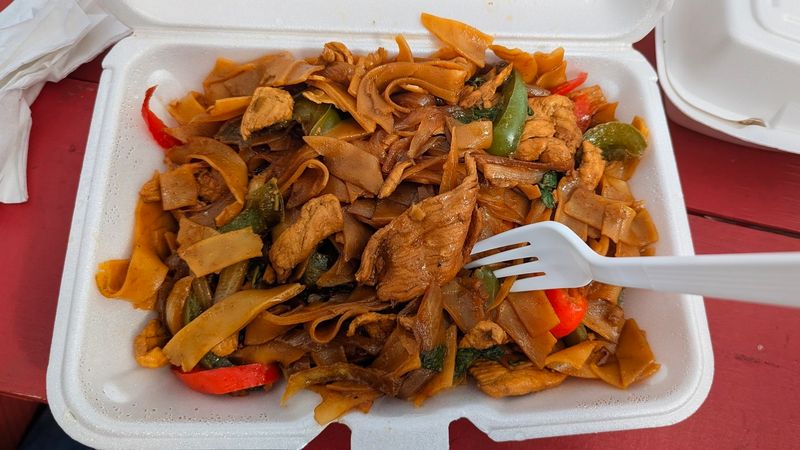
Each vendor brings something unique to the table, literally. One might have the best larb gai you’ve ever tasted while another knocks it out of the park with their drunken noodles. The friendly competition benefits everyone who shows up hungry.
Prices remain incredibly fair across the board, with portions generous enough to share or save for later. The value here outshines most sit-down restaurants, and the quality matches anything you’d find in a Thai kitchen. Multiple vendors also mean shorter individual lines, so you can sample from several stalls without spending your whole morning waiting.
4. Cash Only Keeps Things Simple
Leave your credit cards at home because this market runs on cold hard cash. No card readers, no digital payments, no complications—just straightforward transactions that keep the lines moving. It’s refreshingly old-school in a world that’s gone completely contactless.
The cash-only policy might seem inconvenient at first, but it actually speeds everything up. Vendors can focus on cooking instead of wrestling with technology, and you avoid those awkward moments when the card reader decides to take a break. Plus, having a set amount of cash helps you budget your food adventure.
Most visitors hit an ATM before arriving or bring enough bills to sample widely. The temple isn’t near many banks, so planning ahead saves you from missing out while you search for cash. Reviewers consistently mention this detail, so consider yourself warned.
This cash-based system also keeps prices low since vendors aren’t paying credit card processing fees. Those savings get passed along to customers in the form of generous portions and fair pricing. Sometimes the old ways work better, especially when they result in better food at better prices for everyone involved.
5. Dishes That Bring People Back Every Week
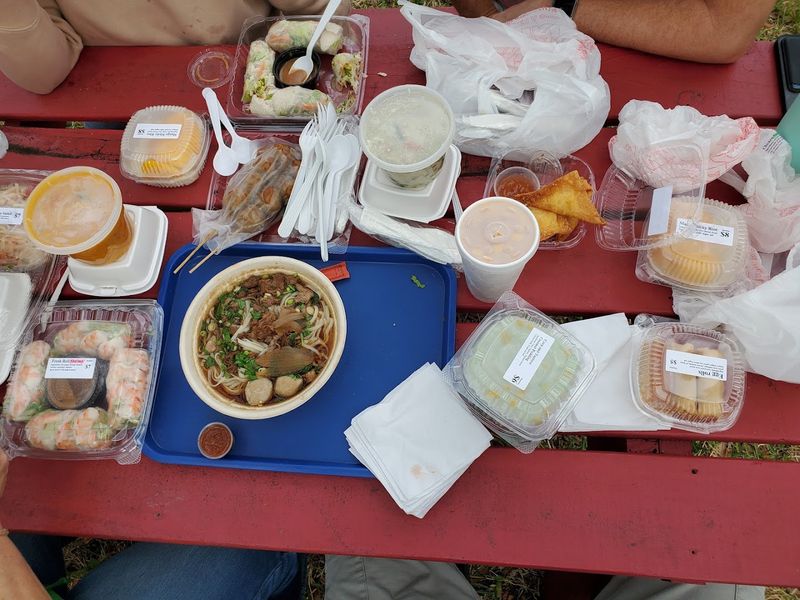
Beef pho arrives in generous bowls with broth so flavorful it tastes like someone’s grandmother spent hours perfecting it. The meat and noodles come in portions that justify the price, with enough for a full meal or two lighter ones. Regular visitors swear by it as the perfect way to start a Sunday.
Larb gai stands out as one of those dishes that keeps people coming back. Fresh herbs like basil and mint brighten every bite, creating flavors that wake up your taste buds. Paired with rice, it becomes the kind of meal you think about days later.
Drunken noodles pack serious flavor into every strand, with just enough spice to keep things interesting. Green curry comes loaded with vegetables and carries enough richness to satisfy without overwhelming. The papaya salad offers a crunchy, tangy counterpoint to heavier dishes.
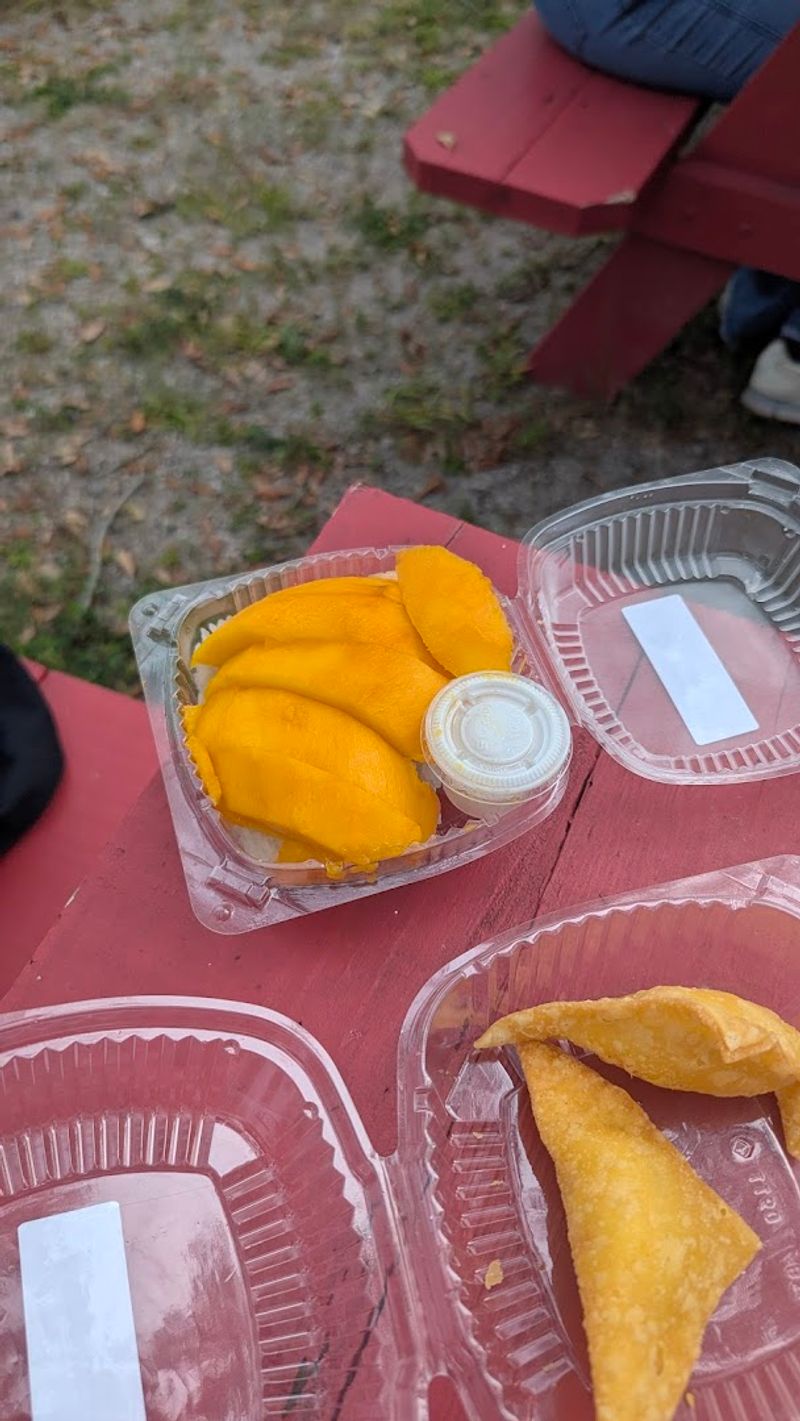
Mango sticky rice provides the sweet finish that every great meal deserves. The coconut cream sauce drizzled on top adds richness that balances the fruit’s natural sweetness. BBQ meatballs surprise first-timers with their juicy texture and perfectly calibrated sauce that leans sweet without going overboard.
These aren’t just dishes—they’re the reasons Tampa residents set their Sunday alarms.
6. Spring Rolls and Appetizers Worth Ordering
Shrimp spring rolls edge out their chicken counterparts in the flavor department, though both come with peanut sauce that saves any dish from blandness. A squeeze of chili sauce transforms good spring rolls into great ones. They’re light enough to leave room for heavier dishes but satisfying enough to eat on their own.
Crab rangoons arrive crispy on the outside with creamy filling that hits all the right notes. The sweet and sour sauce on the side provides the perfect dipping companion. These disappear fast when you’re sharing with friends, so order extra if you want more than a taste.
Fried spring rolls sometimes suffer from steaming out when they sit, losing that crucial crunch factor. But the vegetable filling inside packs enough flavor to make up for any textural shortcomings. They’re still worth trying, especially if you catch them fresh from the fryer.
BBQ meatballs deserve special mention even though they’re technically an appetizer. Juicy, flavorful, and coated in sauce that walks the line between sweet and tangy, they’ve earned their spot as a must-order item. Starting your market experience with a variety of these smaller dishes lets you pace yourself while sampling the range of what’s available.
7. Curries That Range From Adventurous to Comforting
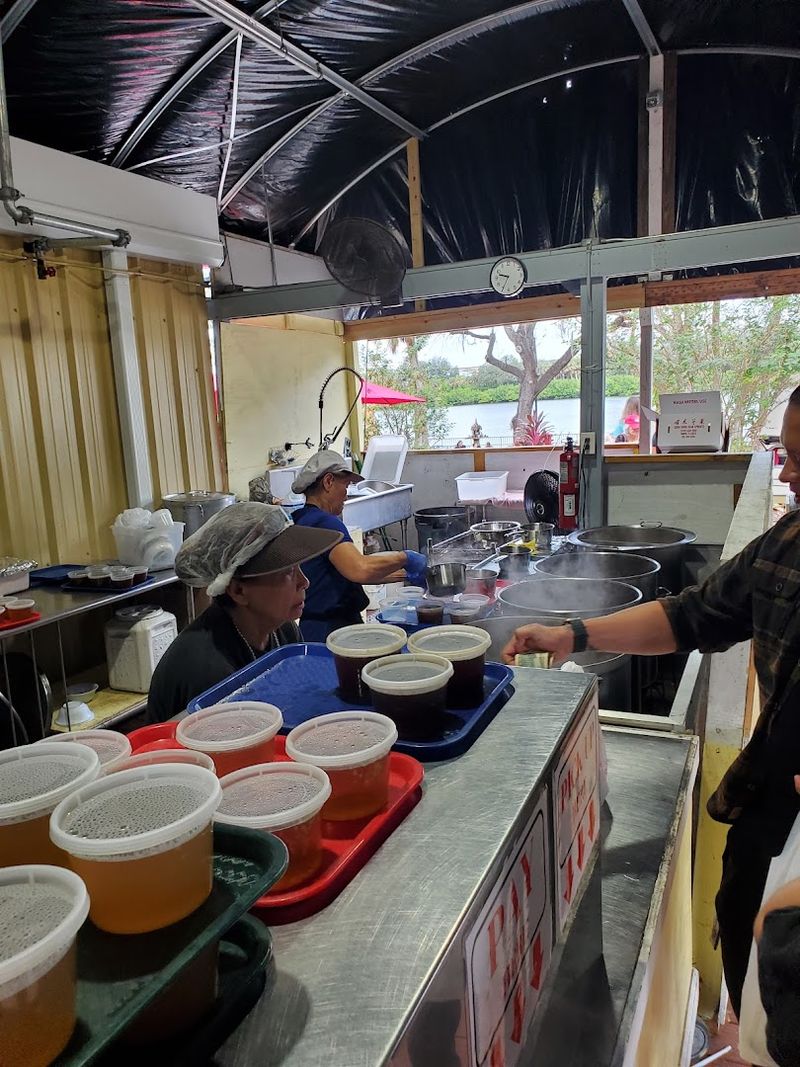
Green curry here runs slightly thicker than what you might expect, but that density carries intense flavor in every spoonful. Vegetables crowd the bowl, making it feel substantial rather than soupy. The rice that comes alongside provides the perfect neutral base for soaking up all that curry goodness.
Sweet potato curry divides opinion among market regulars. It’s definitely an acquired taste that works best when shared rather than tackled solo. Unless you’re absolutely devoted to sweet potatoes, consider splitting an order to decide if it’s your thing.
The green curry wins more fans overall, offering that familiar comfort that makes Thai food so popular. Its richness satisfies without being heavy, and the vegetable variety adds textural interest to each bite. It’s the kind of dish that reminds you why you drove across town on a Sunday morning.
Both curries showcase the authentic cooking happening at this market. These aren’t watered-down versions designed for timid palates—they’re the real deal, prepared the way they would be in Thailand. Trying both gives you a complete picture of the curry spectrum, from safe and delicious to bold and polarizing.
Either way, you’re getting food made with care and traditional techniques.
8. A Cultural Experience Beyond Just Food
The crowd that gathers every Sunday represents Tampa’s diversity better than any tourism brochure could. Families with young kids sit near retired couples who’ve made this their weekly tradition. Thai community members share tables with curious first-timers, creating an atmosphere where food becomes the common language.
This cultural exchange happens naturally over shared meals and recommendations between strangers. Someone at the next table might point you toward their favorite vendor or warn you that the papaya salad has serious kick. These casual interactions turn a simple food run into something more meaningful.
The temple setting adds layers of cultural significance that a regular restaurant can’t match. You’re not just buying food—you’re participating in a tradition that connects Tampa’s Thai community with anyone curious enough to show up. That exchange enriches both sides in ways that go beyond the meal itself.
Visitors consistently mention this cultural aspect in their reviews, noting how the experience feels authentic rather than manufactured for tourists. The market exists primarily to serve its community, and outsiders are welcomed into that circle rather than catered to separately. That authenticity makes every Sunday morning feel like you’ve discovered something special that’s been hiding in plain sight all along.