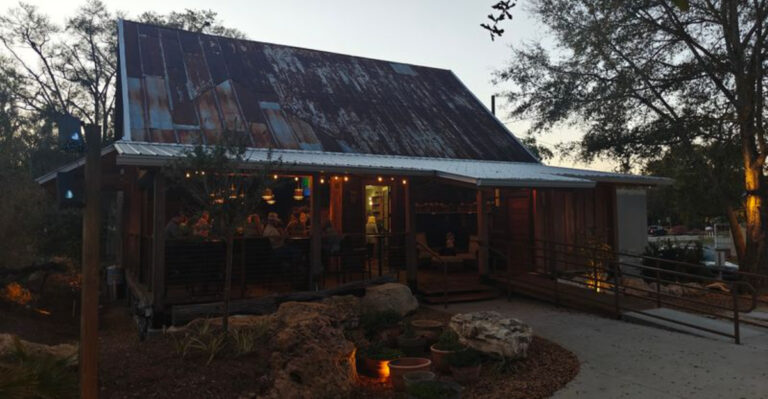
You’ll Want To Spend Hours Exploring This Florida Park And Meeting Its Friendly Residents
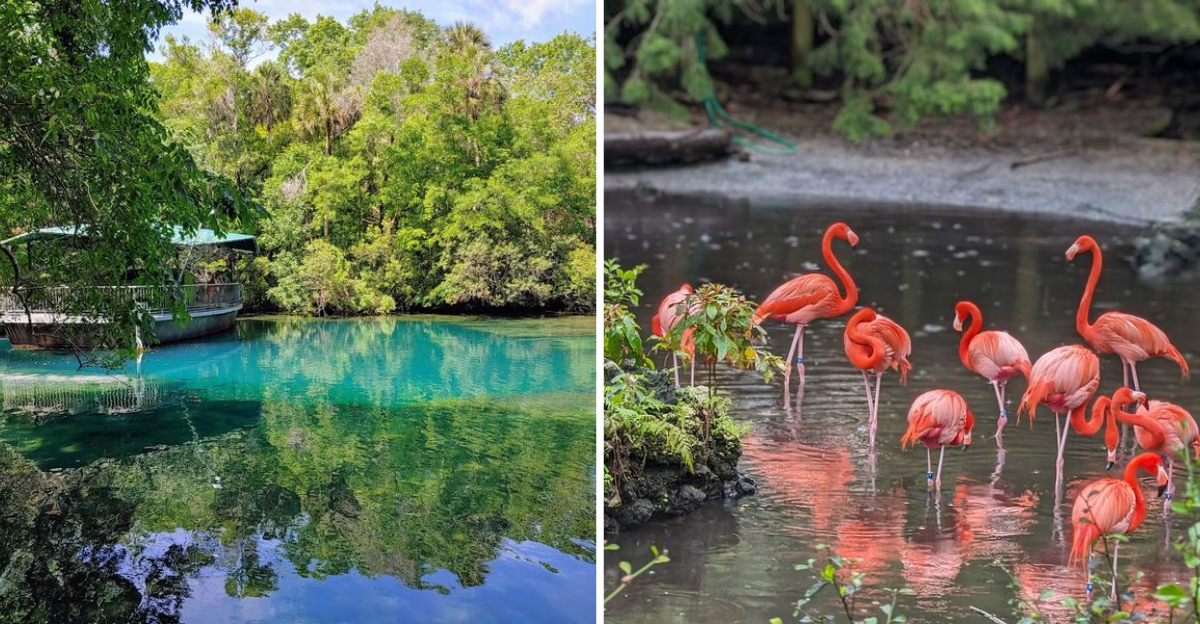
Tucked along Florida’s Nature Coast, Ellie Schiller Homosassa Springs Wildlife State Park offers something rare: a chance to meet wild Florida face-to-face without the crowds or chaos of bigger attractions. This isn’t your typical zoo experience—it’s a rehabilitation center where injured native animals get a second chance, and visitors get an up-close look at creatures they’d never spot in the wild.
From manatees gliding through crystal-clear springs to black bears lounging in spacious habitats, every resident here has a story worth hearing.
The Underwater Observatory Makes Manatee Watching Unforgettable
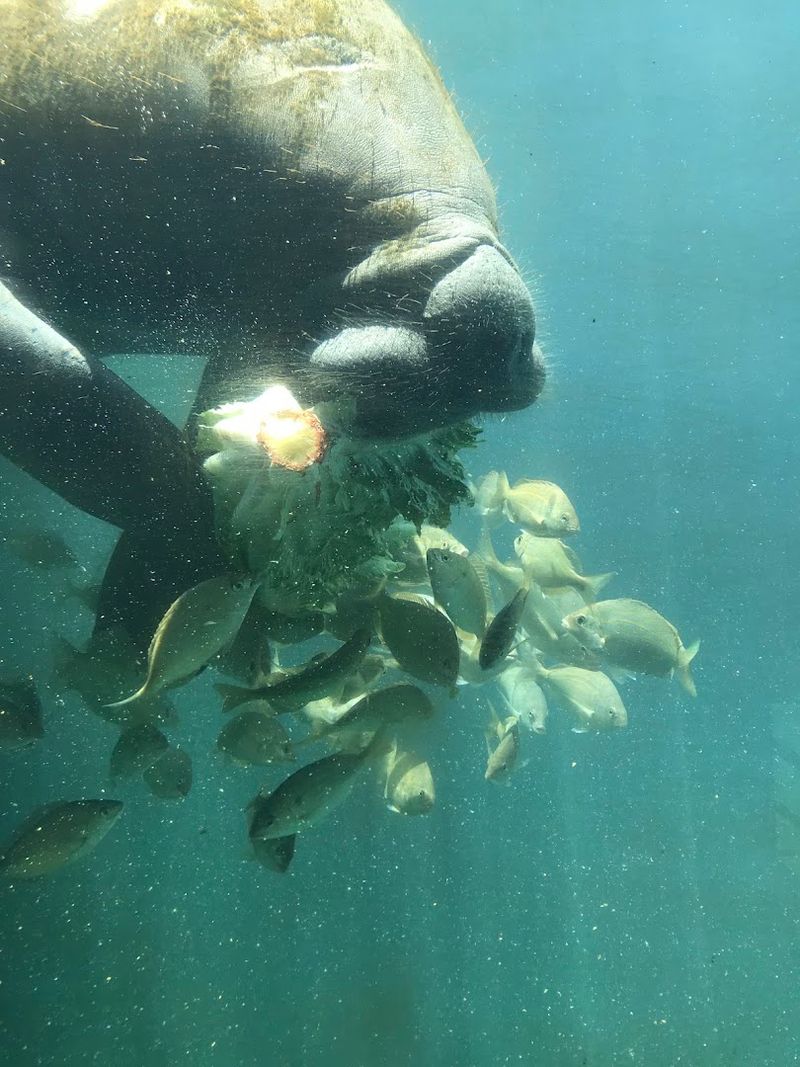
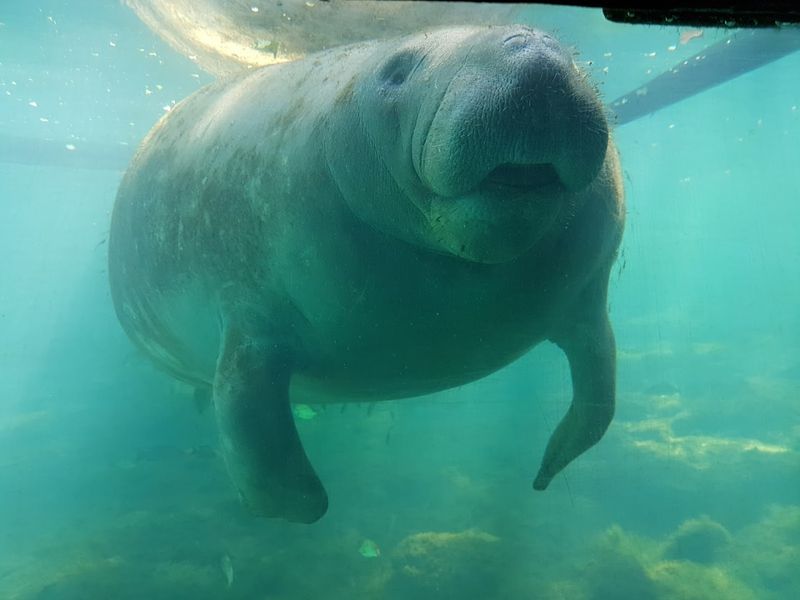
Walking down into the underwater observatory feels like stepping into another world. Through thick glass panels, you’re suddenly eye-level with manatees as they drift past, their massive bodies moving with surprising grace.
The spring water here stays so clear you can count their whiskers and watch fish dart around their flippers.
Winter months bring the biggest crowds of these gentle giants, sometimes dozens at a time seeking the springs’ constant 72-degree warmth. But even in warmer seasons, a few regulars stick around, making this one of the most reliable manatee viewing spots in Florida.
You’re not looking down at them from a boardwalk—you’re right there in their space, watching them breathe, scratch, and interact.
The observatory sits at the spring’s main boil, where 45 million gallons of water bubble up daily. That constant flow keeps visibility incredible, unlike river viewing areas where tannins cloud the water.
Kids press their faces against the glass, mesmerized by these thousand-pound sea cows floating inches away.
Snook, mullet, and gar swim through the viewing area too, creating an aquarium effect without the aquarium. Early morning visits offer the calmest experience before crowds arrive, though the manatees don’t seem bothered either way.
Rangers often hang around to answer questions and share stories about individual animals.
Photography works surprisingly well here despite the glass, especially if you angle your lens to avoid reflections. The blue-green glow of spring water creates an almost magical backdrop.
Many visitors plan their whole trip around this single experience, and honestly, it delivers every time. You could easily spend an hour just watching these creatures exist in their element, completely unbothered by your presence.
Native Wildlife Rehabilitation Creates Real Conservation Connections
Every animal at Homosassa Springs arrived with a backstory, usually involving cars, boats, or humans. The black bears padding around their wooded enclosure?
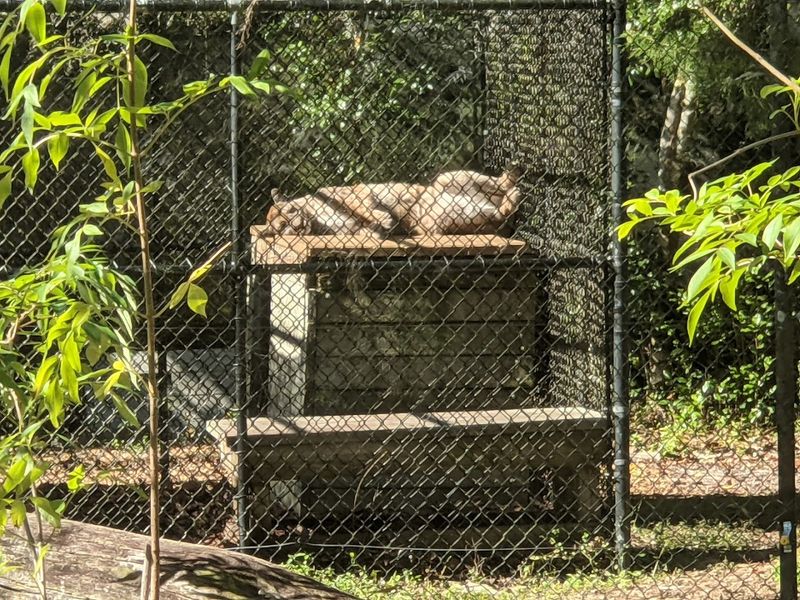
Hit by vehicles and unable to survive in the wild. The Florida panthers lounging on elevated platforms?
Born in captivity or injured too severely for release. This isn’t entertainment—it’s education wrapped in second chances.
Walking the loop trail, you’ll encounter bobcats, red wolves, white-tailed deer, and river otters, all with detailed signs explaining their individual histories. One bear was found as an orphaned cub after its mother was killed.
A panther came from a breeding program working to save the species from extinction. These personal stories hit differently than generic zoo placards.
The spacious enclosures reflect modern understanding of animal welfare, filled with natural vegetation, climbing structures, and enrichment activities. Animals actually behave like animals here—panthers stalk through palmetto thickets, bears forage in leaf litter, otters dive and play in their pool.
Even on hot afternoons, residents stay active because their habitats offer proper shade and stimulation.
Staff and volunteers clearly love these creatures, evident in how they talk about each one by name during feeding demonstrations. They’ll tell you about Lu the hippo, who lived here for decades before passing in 2025, and how the whole community mourned.
That emotional investment transfers to visitors, especially kids who leave understanding why protecting Florida’s wild spaces matters.
The reptile building houses snakes, alligators, and turtles, many confiscated from illegal pet trades or rescued from bad situations. Seeing a six-foot indigo snake up close makes you appreciate why these animals belong in nature, not someone’s garage.
Conservation messaging never feels preachy here—it just makes sense when you’re standing face-to-face with the consequences of habitat loss and human interference.
Bird Habitats Showcase Florida’s Feathered Diversity
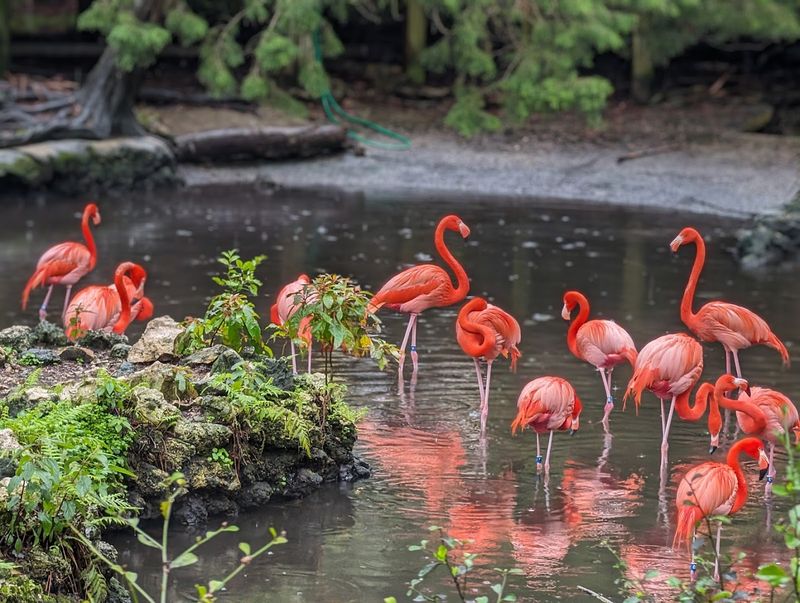
Forget everything you think you know about bird exhibits. Homosassa Springs built massive walk-through aviaries where you’re inside the habitat with the birds, not staring through chain-link from outside.
Flamingos strut past your feet. Whooping cranes—among the rarest birds in North America—wade through shallow pools just arm’s length away.
Ibis, herons, and egrets nest overhead in cypress branches.
The whooping crane program deserves special attention because these birds nearly went extinct, with only 15 individuals remaining in the 1940s. Today’s population hovers around 800, and Homosassa Springs plays a role in their recovery through education and conservation partnerships.
Seeing them here isn’t just cool—it’s witnessing a species clawing back from the brink.
Pelicans get their own area, and watching them during feeding time turns into an unexpected comedy show. These birds have zero chill when fish appear, diving and jockeying for position with surprising aggression for creatures that look so dignified standing still.
Rangers toss fish while explaining pelican biology, migration patterns, and threats they face from fishing line entanglement.
The aviaries stay shaded by mature trees, making them comfortable even during Florida’s brutal summer months. Benches scattered throughout let you sit and observe natural behaviors—preening, nesting, territorial displays—that captive birds in traditional exhibits rarely demonstrate.
Photography enthusiasts love these spaces because natural lighting and close proximity create magazine-worthy shots without fancy equipment.
Seasonal visitors like wood storks and roseate spoonbills sometimes show up in the wild around the park, attracted by the spring’s abundant fish population. Staff can usually point out which birds are residents and which are wild visitors taking advantage of the buffet.
That blending of captive and wild populations illustrates how healthy ecosystems function, a lesson that sticks with visitors long after they leave.
The Spring-Fed Waters Create An Aquatic Paradise
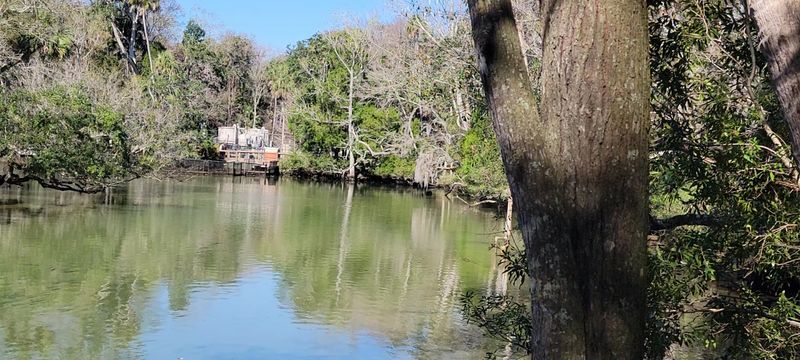
Homosassa Springs pumps out 45 million gallons of pristine water every single day, maintaining a constant 72 degrees year-round. That might sound like trivia, but it explains everything special about this place—why manatees gather here, why fish populations explode, why the water stays clear enough to see the bottom 20 feet down.
First-magnitude springs like this are geological marvels, filtering rainwater through limestone for decades before it emerges pure and cold.
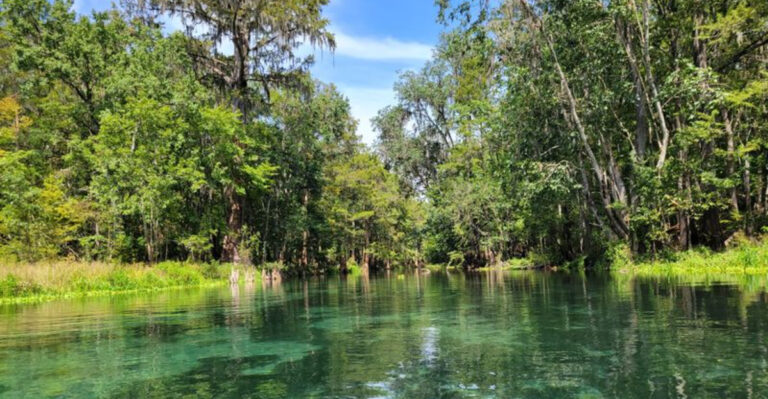
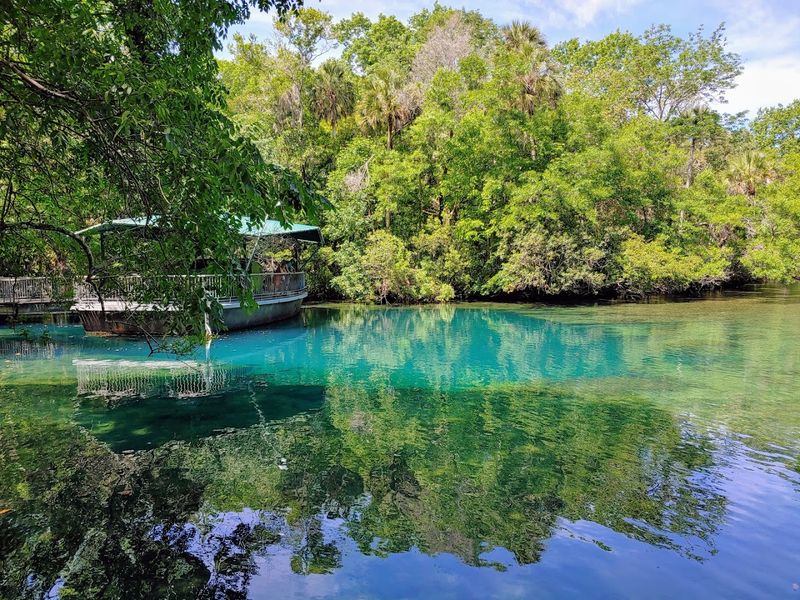
The spring basin creates a natural amphitheater of blue-green water surrounded by cypress trees and palms. Boardwalks curve around the perimeter, offering views into the depths where mullet swirl in massive schools and gar lurk like prehistoric submarines.
Turtles sun themselves on logs while cormorants dive for fish, creating constant motion and life.
Unlike many Florida springs that suffered from development and pollution, Homosassa maintains remarkable water quality thanks to its state park protection. You can actually see individual pebbles on the bottom and watch manatees exhale bubbles that shimmer to the surface.
That clarity makes every creature visible, turning a simple walk into an aquatic wildlife show.
The springs feed into the Homosassa River, which flows nine miles to the Gulf of Mexico, creating a unique brackish ecosystem where freshwater and saltwater species mingle. Snook, a prized saltwater gamefish, swim alongside freshwater bass and catfish.
This mixing zone supports incredible biodiversity rarely seen in such a compact area.
Educational programs often focus on spring ecology and the threats facing Florida’s aquifer system. Guides explain how groundwater pumping, sinkholes, and pollution upstream can impact these fragile systems.
Seeing the spring’s beauty firsthand makes those abstract environmental concerns suddenly very real and urgent. You leave wanting to protect not just this spring, but all of Florida’s remaining wild waters.
Family-Friendly Layout Makes Exploration Easy For Everyone
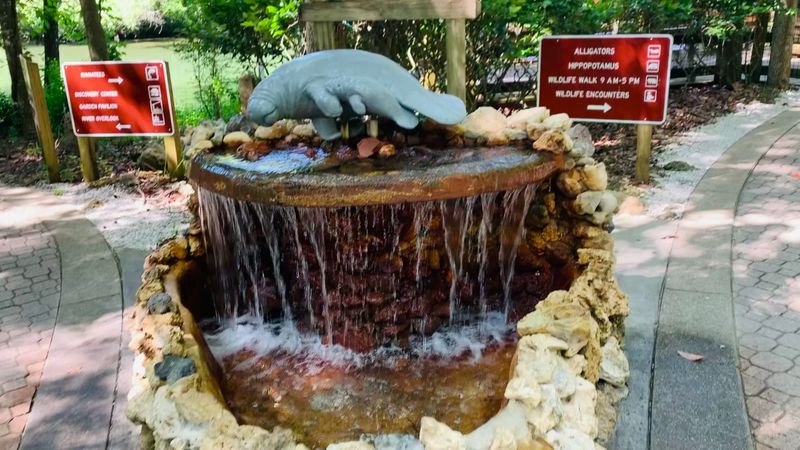
Parks can overwhelm, especially with kids or elderly family members in tow, but Homosassa Springs nailed the layout. The entire wildlife loop measures about three-quarters of a mile on paved, shaded paths that even mobility scooters navigate easily.
Benches appear every few hundred feet, offering rest spots that don’t feel like afterthoughts. You’re never far from bathrooms or water fountains.
A tram runs between the visitor center and the wildlife area for those who can’t or don’t want to walk the quarter-mile entrance path. The tram itself becomes part of the experience, with drivers narrating facts about the park’s history and hurricane recovery efforts.
Alternatively, a boat ride covers the same route when water levels cooperate, floating through the spring run while fish and turtles swim alongside.
The loop trail design means you can’t get lost—follow the path and you’ll see everything before arriving back where you started. Families with young children appreciate this simplicity because there’s no backtracking or decision-making about which direction to go.
Animal exhibits appear in logical succession, building excitement as you progress from smaller creatures to the big draws like bears and panthers.
Timing a visit takes about two to three hours if you’re moving at a relaxed pace and stopping for all the wildlife presentations. Rush through and you’ll miss the point entirely, but linger too long and Florida heat becomes a factor.
Morning visits before 11 AM offer the best combination of active animals and comfortable temperatures.
The Junior Ranger program gives kids structured activities and a mission, turning the visit into an educational adventure rather than just walking around looking at animals. Completing the scavenger hunt earns them actual ranger gear, which somehow matters tremendously to the under-12 crowd.
Even teenagers who claim they’re too cool for nature parks end up engaged, especially at the underwater observatory where manatees steal everyone’s attention regardless of age.
Affordable Admission Beats Theme Park Prices By Miles
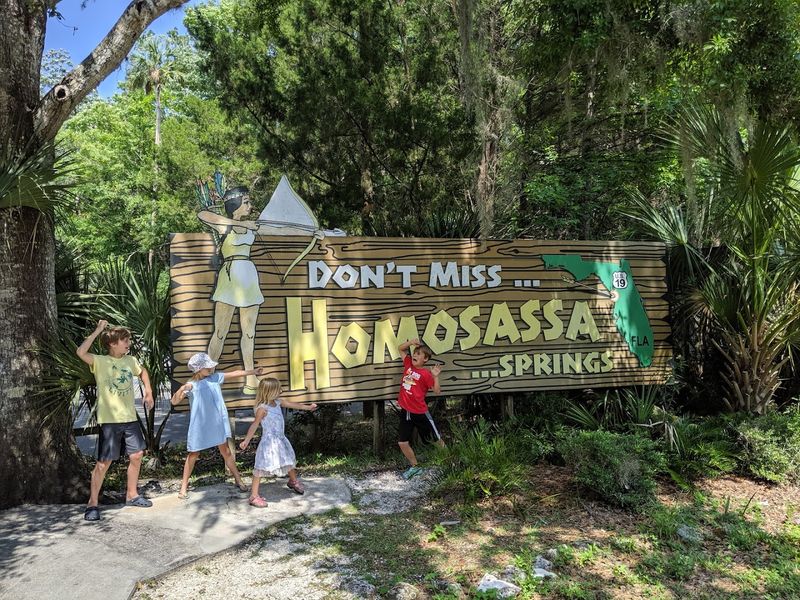
Florida’s theme parks charge upwards of $100 per person, making family outings a financial calculation involving spreadsheets and sacrifice. Homosassa Springs costs around $13 for adults and $5 for kids—the price of lunch at a mediocre restaurant.
For that, you get hours of entertainment, education, and genuine wildlife encounters without corporate mascots or upselling at every turn.
The Florida State Parks annual pass, costing roughly $60 for individuals or $120 for families, covers admission to Homosassa Springs plus 174 other state parks. If you visit even three times a year, it pays for itself while encouraging exploration of Florida’s natural treasures.
Locals know this trick and use it constantly, treating state parks like their personal backyard.
No hidden fees lurk here—parking is included, bathrooms are free, and you’re not forced through a gift shop gauntlet to exit. The gift shop exists, sure, and it’s actually worth browsing for Florida-specific souvenirs and educational materials, but nobody pressures you.
Donations are encouraged through boxes scattered around the park, allowing visitors to contribute extra if they feel moved by the conservation mission.
A small food truck near the entrance serves snacks and cold drinks, with prices that won’t trigger sticker shock. Bringing your own food works too, with picnic areas available before entering the wildlife section.
This flexibility matters when traveling with kids who demand snacks every 30 minutes regardless of what you packed.
Compared to the commercialized animal attractions along Interstate 4, Homosassa Springs feels refreshingly honest. Your admission directly supports wildlife rehabilitation, habitat maintenance, and educational programs rather than shareholder profits.
That knowledge enhances the experience, knowing your money does actual good instead of funding another executive’s bonus. Value isn’t just about low prices—it’s about what you receive in return, and this park delivers exponentially more than its modest admission suggests.
Hurricane Recovery Shows Resilience And Dedication
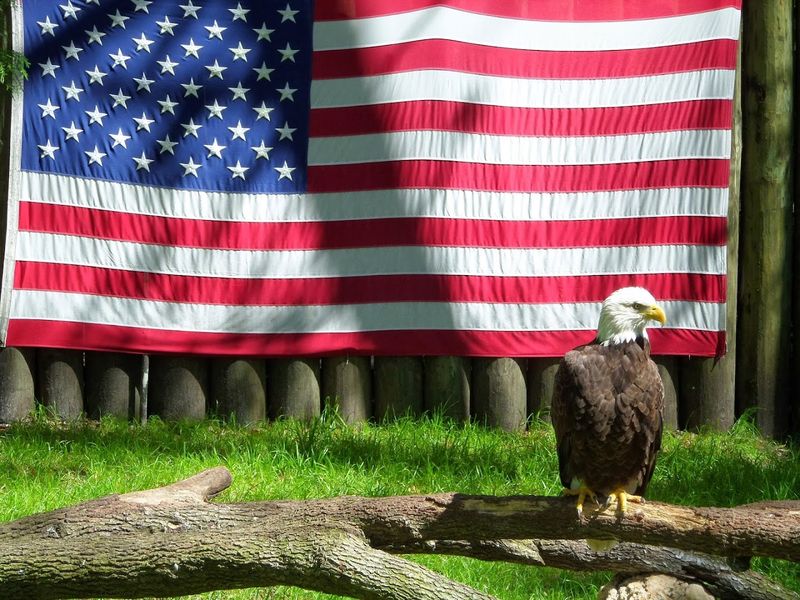
Hurricane damage from 2024 hit Homosassa Springs hard, flooding exhibits and damaging infrastructure throughout the park. Some buildings remain closed during ongoing repairs, and you’ll notice construction zones here and there.
But here’s what matters—the park reopened quickly, prioritizing animal welfare and visitor access despite the challenges. That dedication speaks volumes about the staff’s commitment.
Rangers openly discuss the hurricane’s impact during talks and demonstrations, explaining which areas suffered worst and how long full restoration might take. Rather than hiding the damage or making excuses, they’ve turned recovery into an educational opportunity about Florida’s vulnerability to extreme weather and climate change.
Kids learn that conservation isn’t just about protecting animals—it’s about building resilient systems that can withstand nature’s fury.
The animals themselves weathered the storm safely, evacuated when necessary or secured in reinforced structures. Manatees, being aquatic, handled the flooding better than anyone, though surge and debris posed risks.
Staff worked around the clock during and after the hurricane to ensure every creature received care, food, and veterinary attention. Those stories of dedication during crisis reveal the genuine passion driving this place.
Despite construction zones and closed buildings, the core experience remains intact. You’ll still see manatees, walk through aviaries, observe bears and panthers, and explore the springs.
The missing elements—certain exhibits, the full boat ride when water levels drop—don’t diminish the overall visit. If anything, witnessing a beloved park recover and rebuild creates deeper appreciation for its fragility and importance.
Supporting Homosassa Springs during recovery matters more than ever. Every admission ticket, gift shop purchase, and donation helps fund repairs and improvements that will serve future generations.
The park will emerge stronger, with updated facilities and enhanced exhibits. Being part of that recovery journey, even as a visitor, connects you to something larger than a simple day trip—you’re helping preserve a piece of Florida’s natural heritage.
Educational Programs Make Conservation Feel Personal
Rangers at Homosassa Springs don’t just recite facts from memorized scripts—they tell stories that make you care. During feeding demonstrations, they’ll explain how a particular bear ended up at the park after its mother was killed by a vehicle, then pivot to discussing wildlife corridors and why they matter for Florida’s ecosystem.
That personal connection transforms abstract conservation concepts into urgent, relatable issues.
Scheduled wildlife programs happen throughout the day, covering topics from manatee biology to native snake identification. These aren’t boring lectures—rangers bring enthusiasm and humor while handling live animals or pointing out behaviors in real time.
Questions are encouraged, and staff seem genuinely thrilled when visitors show interest beyond surface-level curiosity.
The Junior Ranger program deserves special mention because it actually works. Kids receive activity booklets guiding them through the park with challenges and questions that require observation and critical thinking.
Completing the program earns them a badge and certificate, but more importantly, it creates investment in wildlife protection. Children who participate leave understanding their role in conservation rather than viewing it as someone else’s problem.
Volunteer-led talks supplement the ranger programs, with passionate locals sharing expertise about specific species or ecosystems. These volunteers coordinate with veterinarians for animal medical care and spend countless hours maintaining exhibits and grounds.
Their dedication shows in how well they know individual animals and how enthusiastically they share that knowledge with visitors.
Educational signage throughout the park provides depth without overwhelming casual visitors. You can read as much or as little as you want, with information ranging from basic species identification to complex ecological relationships.
QR codes link to additional resources for those wanting to dive deeper into topics like spring hydrology or endangered species recovery programs. The layered approach works for everyone from kindergarteners to retired biologists.
Local Insider Tips Make Your Visit Even Better
Arrive when gates open at 9 AM and you’ll have the park nearly to yourself for the first hour. Animals are most active in morning coolness, and you’ll get prime spots at the underwater observatory without jockeying for position.
Manatee feeding happens mid-morning, so timing your arrival early means you can explore other areas first then circle back for the main event.
Bring cash for donations and the food truck, though credit cards work at the main entrance and gift shop. Small bills make it easier to contribute at the donation boxes scattered throughout, which directly support animal care and enrichment programs.
Even a few dollars per family adds up when everyone participates.
The tram schedule matters more than you’d think—missing the last tram back to the visitor center means a quarter-mile walk that feels much longer after exploring the whole park. Check return times when you board and plan accordingly.
The boat ride, when operating, offers a more scenic return trip and kids universally prefer it over the tram.
Wear comfortable walking shoes and bring sunscreen, though the park’s mature tree canopy provides more shade than most Florida attractions. Sunglasses help at the underwater observatory where glare on glass can obscure views.
A refillable water bottle saves money and reduces waste since fountains appear regularly along the trail.
Weekdays bring lighter crowds than weekends, especially during school terms when field trips thin out. January through March offers peak manatee viewing as cold weather drives them into the springs’ warm water.
Summer visits mean fewer manatees but also fewer tourists, creating a trade-off worth considering based on your priorities. Checking the park’s website or calling ahead reveals current manatee counts and any temporary closures from ongoing hurricane repairs.
That five-minute research prevents disappointment and helps you plan the perfect visit.