10 Dreamy Florida Camping Spots To Pitch A Tent This Summer
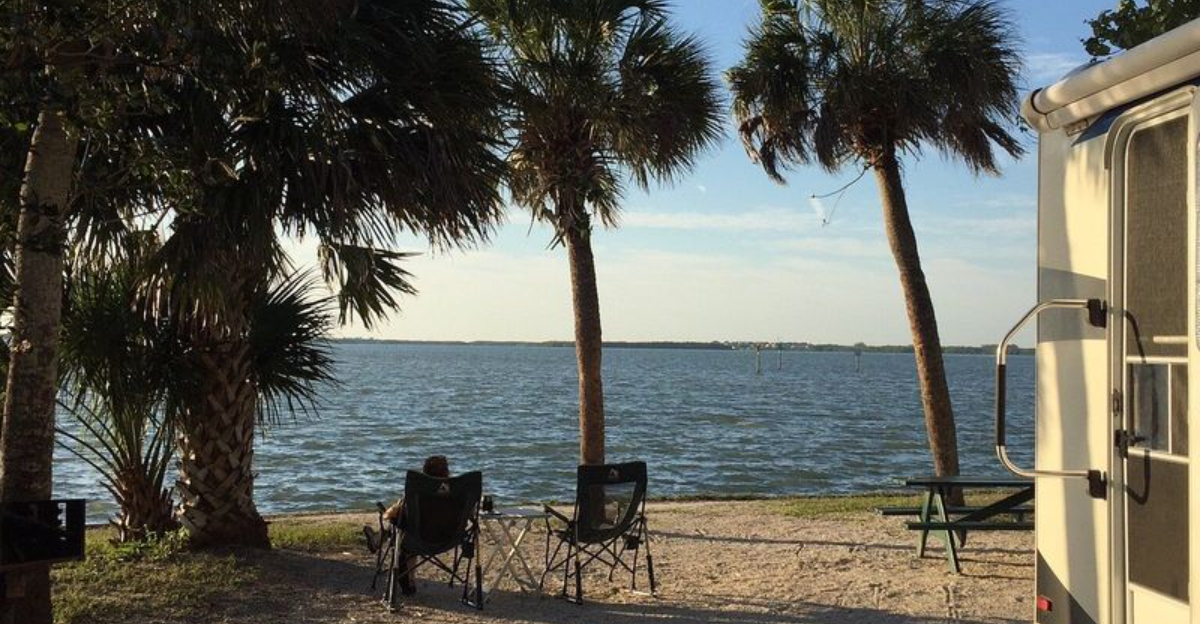
Florida isn’t just about theme parks and crowded beaches. Tucked away across the state are gorgeous camping spots where you can sleep under the stars, wake up to birdsong, and spend your days exploring wild coastlines and crystal-clear springs. Whether you’re a seasoned camper or just looking to try something new this summer, these ten spots offer the perfect mix of natural beauty and outdoor adventure that’ll make you fall in love with the Sunshine State all over again.
1. Bahia Honda State Park (Big Pine Key)
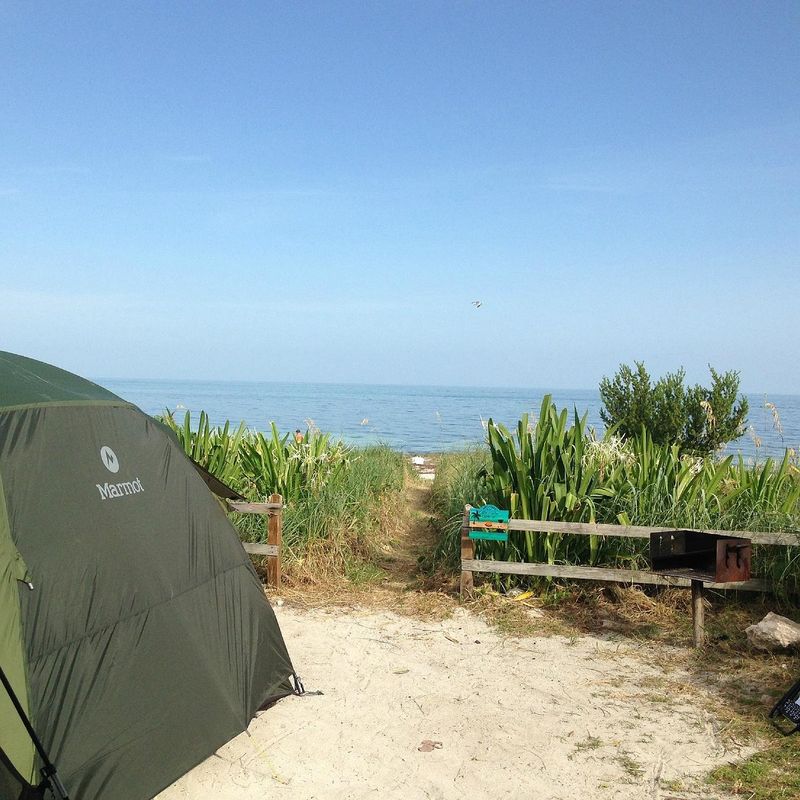
Picture yourself camping on an island in the Florida Keys where the water glows turquoise and the sand feels like powdered sugar between your toes. Bahia Honda sits on one of the most beautiful stretches of beach in the entire state, and camping here means waking up to views that most people only see in postcasts. The park sprawls across 524 acres of tropical paradise, with three separate beaches that each have their own personality.
Your campsite could be nestled among sea grape trees just steps from the Atlantic Ocean. Snorkeling right off the beach reveals colorful fish darting through coral formations, and you don’t need a boat to reach them. The old Bahia Honda Rail Bridge looms overhead like a relic from another era, creating one of the most photographed scenes in the Keys.
Summer brings warm water perfect for swimming, though afternoon thunderstorms roll through quickly and dramatically. Pack light-colored clothing because the sun reflects intensely off the white sand and water. The campground offers both tent sites and cabins, but tent camping puts you closest to nature’s soundtrack of waves and seabirds.
Reserve your spot months ahead because this place fills up fast. Rangers lead nature walks where you’ll learn about the endangered Key deer and other wildlife. When the sun sets, the sky transforms into shades of pink and orange that seem almost unreal, making every evening feel like a celebration of being exactly where you should be.
2. Anastasia State Park (St. Augustine)
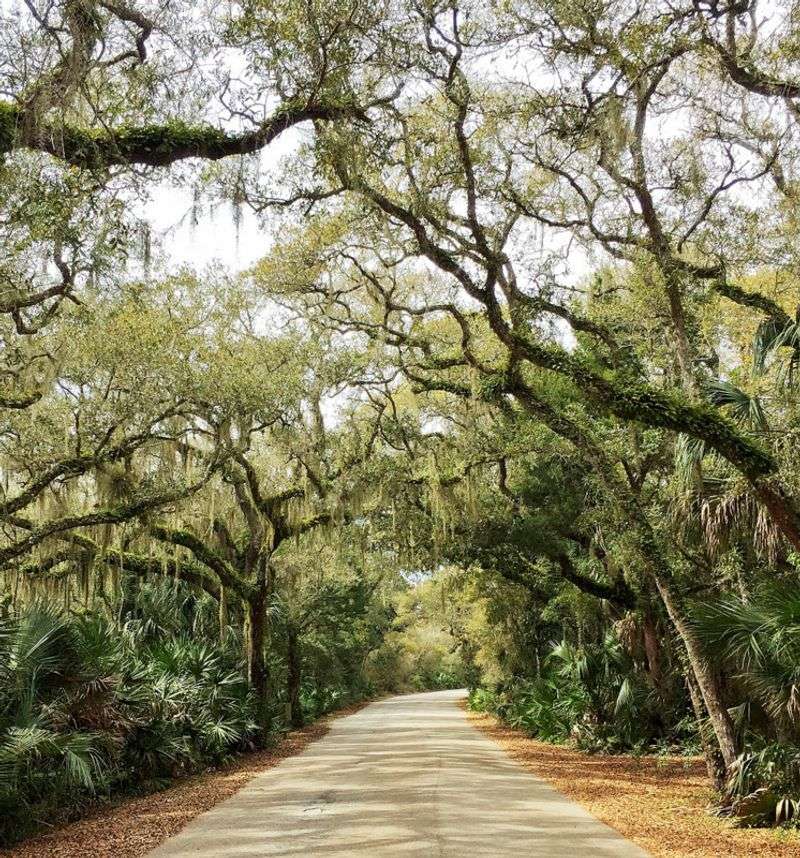
Ancient oaks draped in Spanish moss create a canopy over your campsite, while the Atlantic crashes just beyond the dunes. Anastasia State Park gives you that rare combination of shaded camping and easy beach access, all within minutes of America’s oldest city. The park stretches across a coastal barrier island where four miles of pristine beach meet tidal marshes teeming with life.
Campsites here feel surprisingly private despite the park’s popularity. You can pitch your tent under the shade of maritime hammock, where the temperature drops several degrees compared to the open beach. Morning walks along the shore often reveal dolphins surfing the waves parallel to the beach, and the hard-packed sand is perfect for biking.
The real gem here is the diversity of ecosystems packed into 1,600 acres. Paddle the Salt Run area on the west side of the park, where calm waters wind through salt marshes filled with herons and egrets. After exploring, rinse off the saltwater at the campground showers before heading into St. Augustine for dinner at one of the historic district’s restaurants.
Summer weekends see families building elaborate sandcastles while surfers catch consistent breaks near the jetty. The beach rarely feels overcrowded because it’s so expansive. Pack insect repellent for evening hours when mosquitoes emerge from the marsh areas.
Camping here means experiencing Florida’s natural beauty while staying connected to centuries of history just down the road.
3. Grayton Beach State Park (Santa Rosa Beach)
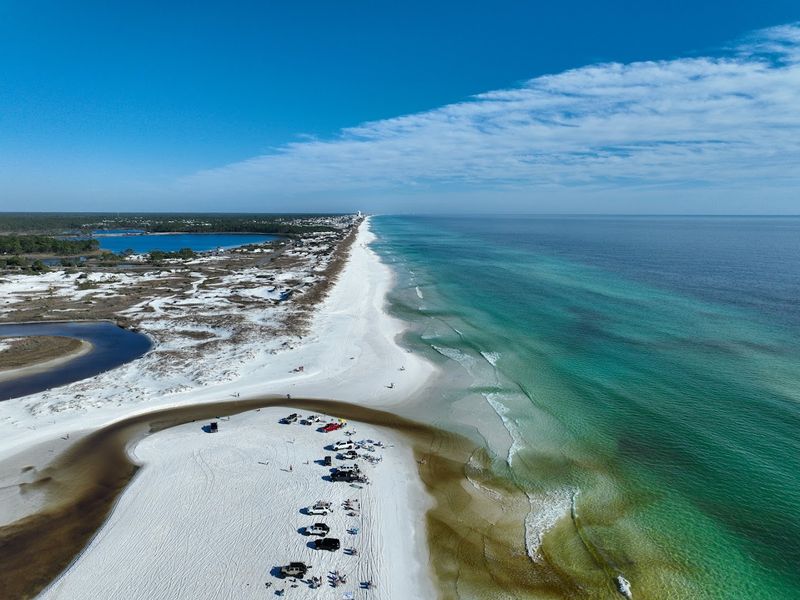
Grayton Beach has been called one of America’s most beautiful beaches, and camping here proves why that reputation is well-deserved. Sugar-white sand dunes tower above the emerald-green Gulf waters, creating a landscape so stunning it almost doesn’t look real. The state park protects this slice of the Panhandle’s coastline while offering campsites that put you right in the middle of paradise.
Your tent site sits among scrub oaks and magnolias, connected to the beach by a short boardwalk that winds over the dunes. Western Lake, a rare coastal dune lake, borders the eastern edge of the park and offers calm paddling when Gulf waves get too rowdy. The water in these dune lakes changes from fresh to brackish depending on whether the sandbar separating them from the Gulf is open or closed.
Nearby Grayton Beach community has that laid-back artist vibe with galleries, seafood shacks, and the famous Red Bar where locals gather for live music. But you’ll probably spend most of your time on the beach, where the water stays relatively shallow for a long way out, making it perfect for floating and swimming. The sand here squeaks under your feet because the quartz grains are so fine and pure.
Summer means hot days cooled by Gulf breezes and water temperatures in the mid-eighties. Arrive early to snag a campsite with the best shade coverage. Rent a kayak to explore Western Lake at sunset when the light turns everything golden and pink.
4. Topsail Hill Preserve State Park (Santa Rosa Beach)
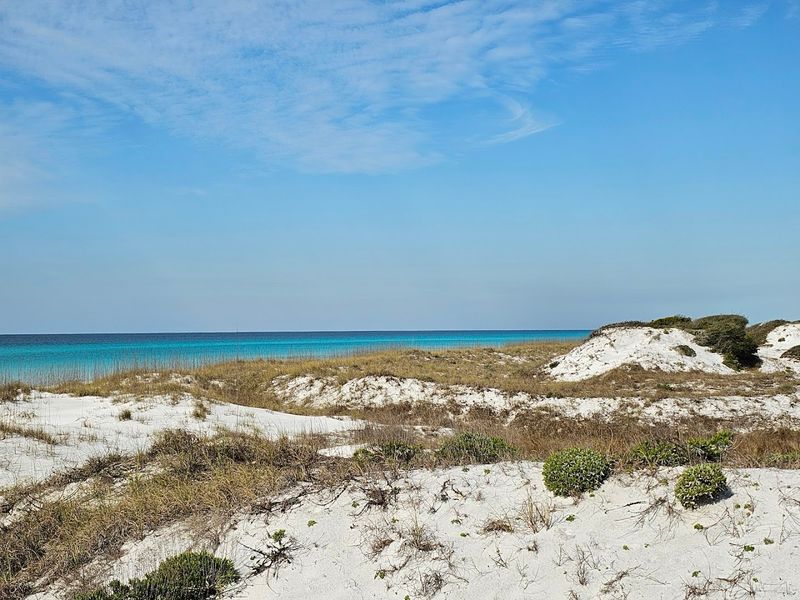
Massive sand dunes rise over 25 feet high at Topsail Hill, creating a landscape that feels more like the Sahara than the Florida Panhandle. This preserve protects some of the last undeveloped beachfront along the Emerald Coast, and camping here means experiencing what this area looked like before condos and beach houses took over. Three rare coastal dune lakes dot the property, adding to the ecological significance of this special place.
The campground sits back from the beach in a shaded pine forest, offering full-facility sites that feel surprisingly secluded. A tram runs between the campground and beach during peak season, though the walk only takes about fifteen minutes through the maritime forest. Campbell Lake sits right next to the campground, perfect for an evening paddle or early morning fishing session.
Those towering dunes create natural privacy screens and wind breaks, though climbing them is prohibited to prevent erosion. Stick to the marked trails and boardwalks that lead you through this fragile ecosystem. The beach itself stretches for over three miles of powder-soft white sand and water that shifts between emerald and sapphire depending on the light and weather.
Summer afternoons can be scorching, so plan beach time for mornings and late afternoons. The campground has excellent facilities including hot showers, which you’ll appreciate after a day of swimming in saltwater. Bring binoculars because the preserve is home to over 200 bird species, including rare shorebirds that nest in the dunes during summer months.
5. Fort De Soto Park (Tierra Verde)
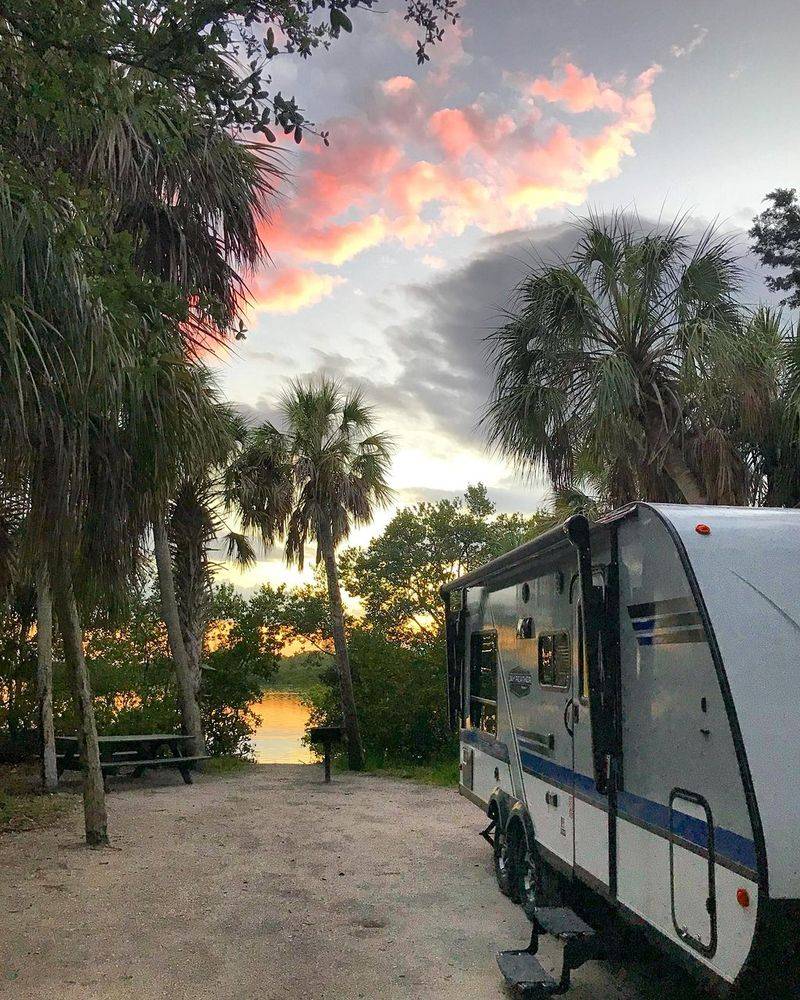
Five interconnected islands make up Fort De Soto Park, where camping means choosing between bay views and Gulf beaches. This massive 1,136-acre park near St. Petersburg offers something rare: waterfront camping that doesn’t cost a fortune and doesn’t require booking a year in advance. The campground features 236 sites, many right along the water where you’ll fall asleep to the sound of small waves lapping the shore.
History buffs love exploring the Spanish-American War-era fort, complete with massive mortars that were installed to defend Tampa Bay but never fired a shot in anger. Bike trails connect all corners of the park, making it easy to explore without moving your car. The North Beach consistently ranks among America’s top beaches, with soft white sand and calm, clear water perfect for families.
Kayaking here is phenomenal because you have protected bay waters on one side and the Gulf on the other. Paddle through mangrove tunnels on the bay side where you’ll spot manatees, dolphins, and countless wading birds. The park’s fishing piers are legendary among local anglers, producing everything from snook to tarpon depending on the season.
Summer weekends get busy, but the park is large enough that it never feels overwhelmingly crowded. The dog beach section is one of the best in Florida, letting your pup run leash-free in the surf. Pack extra sunscreen because the combination of water and white sand creates intense reflection.
Evening walks along the beach often reveal stunning sunsets that paint the sky in impossible colors over the Gulf of Mexico.
6. Wekiwa Springs State Park (Apopka)
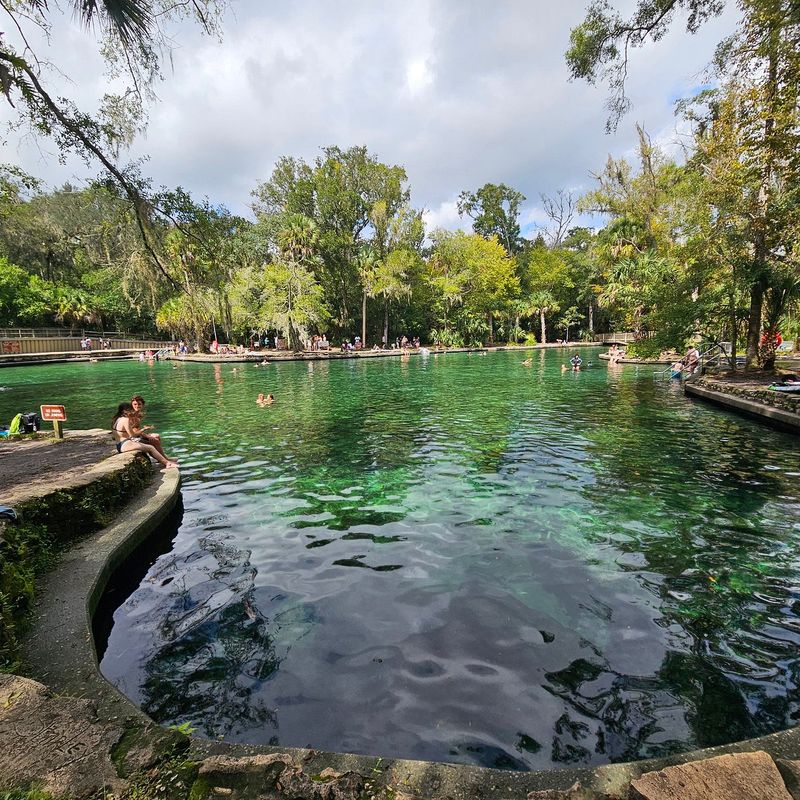
Cold, crystal-clear water bubbles up from the earth at 42 million gallons per day, creating a natural swimming hole that stays a refreshing 72 degrees year-round. Wekiwa Springs sits just minutes from Orlando’s sprawl, yet feels like you’ve stepped into Old Florida when alligators and black bears still ruled the landscape. The spring run flows into the Wekiva River, creating thirteen miles of paddling paradise through untouched wilderness.
Camping here means swapping theme park crowds for the calls of barred owls and the rustle of armadillos foraging at dusk. The campground spreads through a hardwood hammock where towering oaks provide ample shade even on the hottest summer days. You’re close enough to hear other campers but far enough to feel like you have your own private slice of forest.
Start your mornings with a swim in the spring basin before the day-trippers arrive. The water is so clear you can see every grain of sand on the bottom, and fish swim lazily around your legs without fear. Rent a canoe or kayak to explore the river, where you’ll likely spot deer drinking at the water’s edge and turtles sunbathing on logs.
The park’s trail system winds through sand pine scrub and wet prairies, offering glimpses of wildlife around every bend. Black bears live here, so proper food storage is mandatory and rangers take it seriously. Summer afternoons bring thunderstorms that cool things down and create dramatic light through the forest canopy.
Pack water shoes because the spring bottom can be rocky in spots.
7. Manatee Springs State Park (Chiefland)
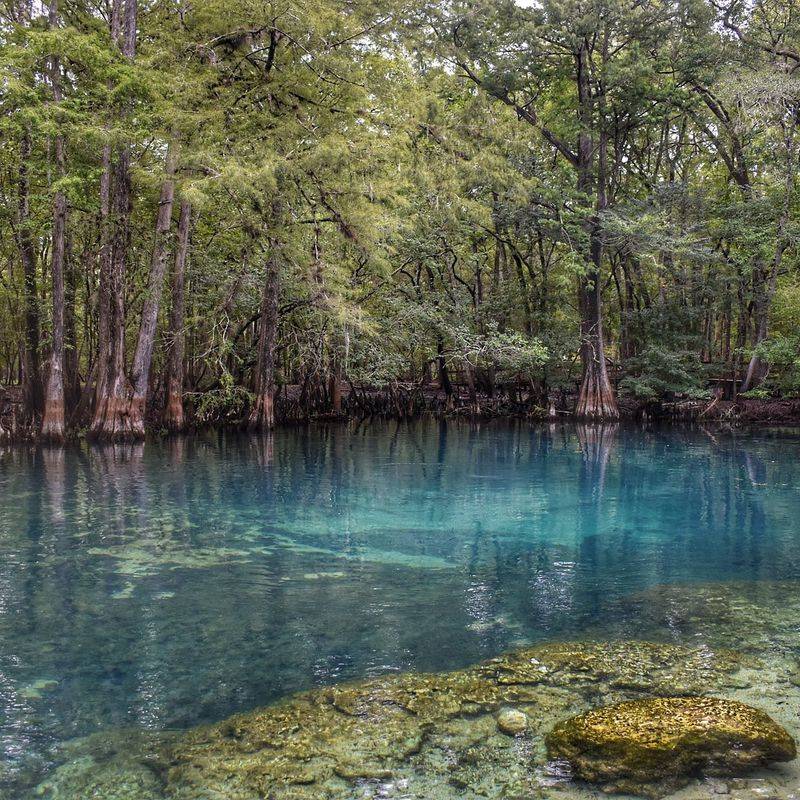
A first-magnitude spring pumps out 100 million gallons of crystal-clear water daily, creating a stunning turquoise pool that’s become famous on social media. But Manatee Springs offers way more than just that Instagram-worthy swimming hole. The spring feeds into the Suwannee River, one of Florida’s most iconic waterways, creating a unique ecosystem where freshwater springs meet a tannin-stained river flowing toward the Gulf.
The campground sits on a bluff overlooking the Suwannee, where Spanish moss drapes from massive cypress trees like nature’s own curtains. Sites are spacious and shaded, with some offering direct river views. Summer means hot days, but the spring stays a constant 72 degrees, providing instant relief whenever you need to cool off.
Manatees migrate up from the Gulf during winter, giving the park its name, but summer camping here has its own appeal. You can swim, snorkel, and dive in the spring without the winter crowds. The underwater cave system extends over 1,200 feet, though exploring it requires cave diving certification.
Surface swimmers can still peer down into the entrance and marvel at the gin-clear water.
Paddle the Suwannee River where it winds through untouched forest and limestone bluffs. The contrast between the dark river water and the bright blue spring water creates a striking visual where they meet. Evening walks along the river often reveal otters playing in the shallows and herons hunting for fish.
The park’s boardwalk trail winds through a cypress swamp where you’ll see alligators lounging in the shade.
8. Myakka River State Park (Sarasota)
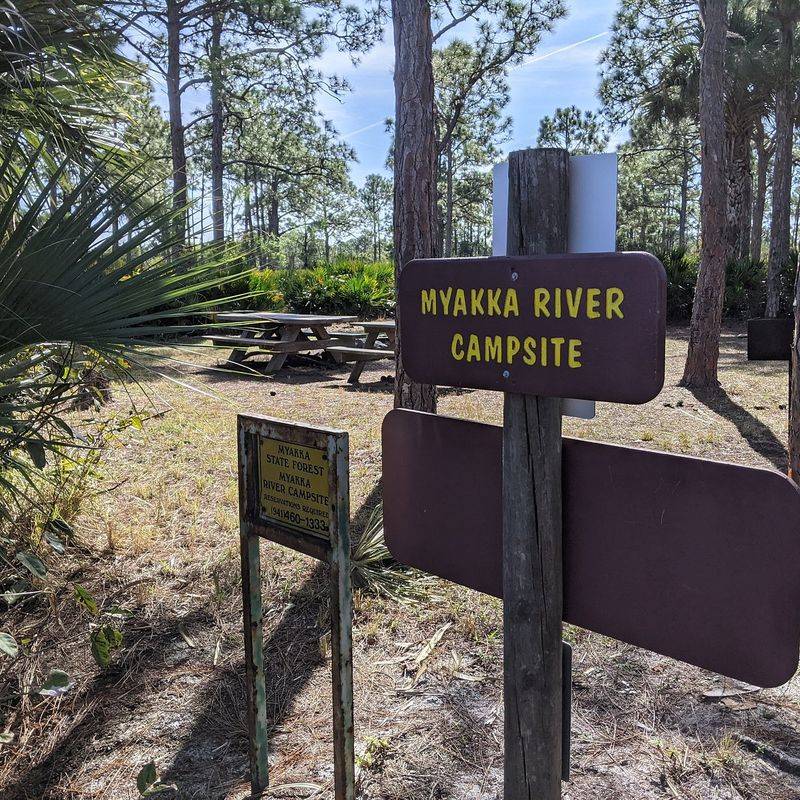
Wild Florida still exists at Myakka River, one of the state’s oldest and largest parks, where 58 square miles of wetlands, prairies, and hammocks stretch as far as you can see. This isn’t manicured, tourist-friendly Florida. This is raw, untamed wilderness where alligators outnumber people and the night sky explodes with stars because there’s no light pollution for miles.
Two campgrounds offer different experiences: one near the park entrance with modern facilities, and a more primitive option deeper in the backcountry. Even the developed campground feels wild, with sites spread among oak hammocks where you’ll hear the prehistoric calls of sandhill cranes echoing across the prairie at dawn. The park’s two lakes, Upper and Lower Myakka, connect through a slow-moving river that’s perfect for kayaking.
Rent a bike to explore the miles of trails that wind through different ecosystems. The canopy walkway and observation tower offer bird’s-eye views over the wetlands, where you’ll spot alligators, wading birds, and maybe even a bobcat if you’re lucky. Summer brings afternoon thunderstorms that are spectacular to watch roll across the open prairie.
Airboat tours run daily for those who want to cover more ground and learn from knowledgeable guides about the ecosystem. But the best way to experience Myakka is slowly, on foot or by paddle, taking time to notice the details. The park protects Florida scrub-jays, an endangered species found nowhere else on Earth.
Pack plenty of water and insect repellent because mosquitoes thrive in the wetlands during summer months.
9. Jonathan Dickinson State Park (Hobe Sound)
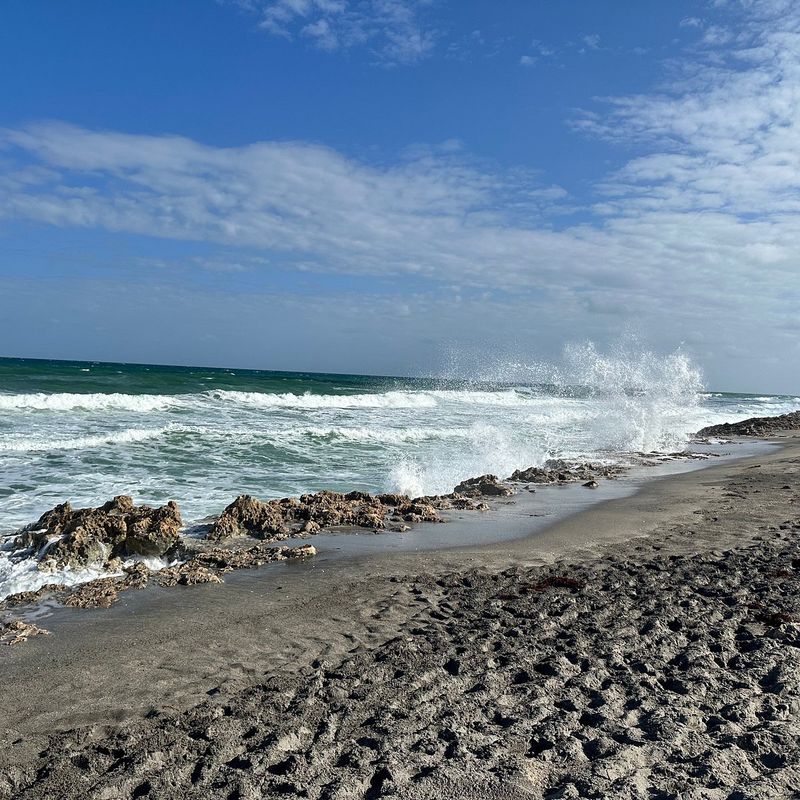
The Loxahatchee River, Florida’s first federally designated Wild and Scenic River, winds through the heart of Jonathan Dickinson State Park, creating one of the state’s premier paddling destinations. This park protects over 11,500 acres of incredibly diverse habitats, from pine flatwoods and mangrove swamps to ancient sand dunes that tell the story of when sea levels were much higher. Camping here puts you in the middle of South Florida’s wilderness while still being close to Jupiter’s beaches and restaurants.
Two campgrounds serve different needs: Pine Grove offers shaded sites among slash pines and saw palmettos, while River Campground puts you closer to the water. Both have full facilities and enough space between sites to maintain privacy. The park’s most unique feature might be Hobe Mountain, an ancient sand dune rising 86 feet above sea level, offering panoramic views that are rare in pancake-flat Florida.
Rent a kayak or canoe to paddle upriver to Trapper Nelson’s historic homestead, where a legendary wilderness man lived off the land for decades. Rangers lead boat tours that share stories about the area’s history and ecology. The river’s brackish water shifts from tannin-stained to clear depending on tides and rainfall, creating habitat for everything from alligators to manatees.
Mountain biking trails wind through the pine flatwoods, offering surprisingly challenging terrain despite the lack of actual mountains. Summer heat can be intense, but the river provides constant cooling opportunities. The park’s remoteness means incredible stargazing once the sun goes down.
Keep your food secured because raccoons here have PhDs in cooler-raiding.
10. St. Andrews State Park (Panama City Beach)
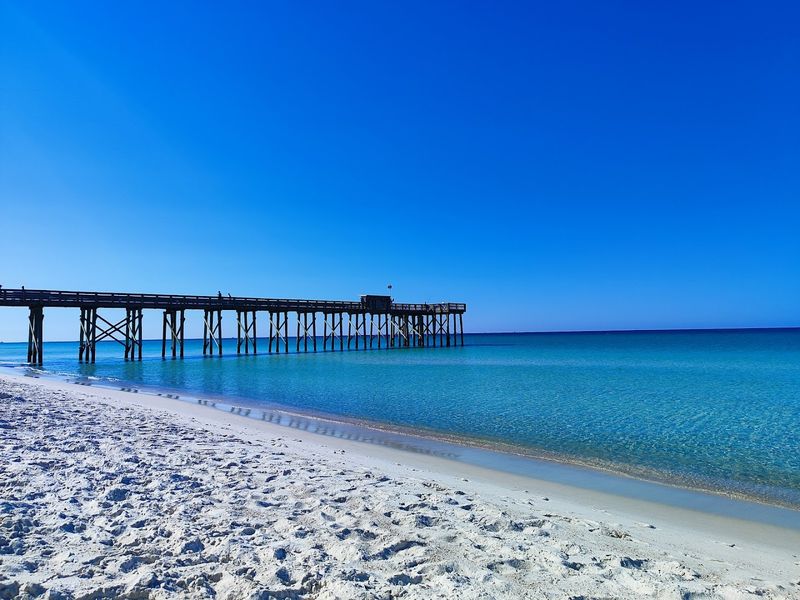
Two different bodies of water border St. Andrews: the emerald-green Gulf of Mexico on one side and the calmer Grand Lagoon on the other. This unique geography creates opportunities you won’t find at most beach parks, from surfing Gulf waves to paddleboarding protected lagoon waters, sometimes on the same day. The 1,267-acre park occupies a peninsula that juts into the Gulf, with over a mile of pristine white-sand beaches that rival anything in the Caribbean.
The campground sits back from the beach among sand pines and scrub oaks, with sites ranging from basic tent pads to full-hookup spots. You’re close enough to hear the waves but protected from the wind that sometimes howls off the Gulf. A network of trails connects different parts of the park, making it easy to explore on foot or bike without constantly packing up camp.
The rock jetties extending into the Gulf create some of the best snorkeling in the Panhandle, with artificial reefs attracting tropical fish you wouldn’t expect this far north. Rent a paddleboard or kayak to explore the lagoon side, where the water stays glassy calm even when the Gulf is churning. Shell Island sits just offshore, accessible by shuttle boat or your own watercraft, offering even more pristine beaches and excellent shelling.
Summer means busy beaches, but St. Andrews is large enough to absorb crowds without feeling packed. The fishing pier on the lagoon side produces redfish, trout, and flounder. Pack shade equipment because the white sand reflects intense sunlight.
Evening walks along the beach often reward you with dolphin sightings and sunsets that look like they’ve been photoshopped.