10 Florida Lakes Where You Should Always Assume an Alligator Is Nearby
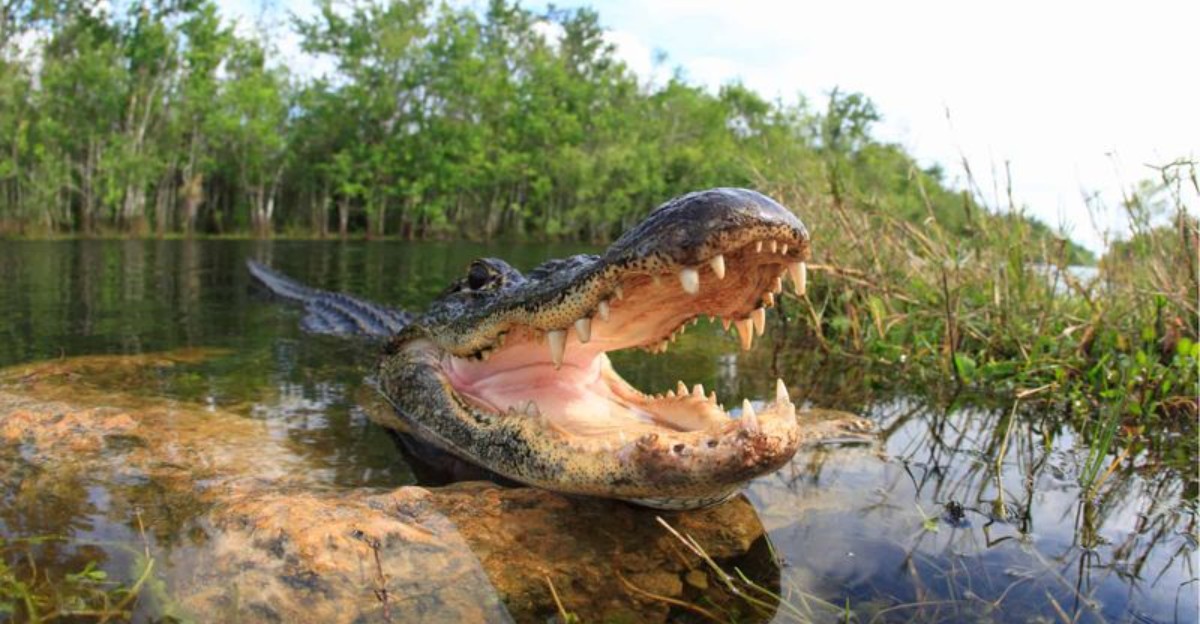
Florida is famous for its sunshine, beaches, and one very toothy resident: the American alligator. These prehistoric reptiles call many of the state’s freshwater lakes home, and some bodies of water are so packed with gators that you’d be foolish not to keep your eyes peeled. Whether you’re fishing, kayaking, or just enjoying the view from the shore, knowing which lakes have the highest alligator populations can help you stay safe and respectful of these incredible animals.
1. Lake Okeechobee (South Florida)
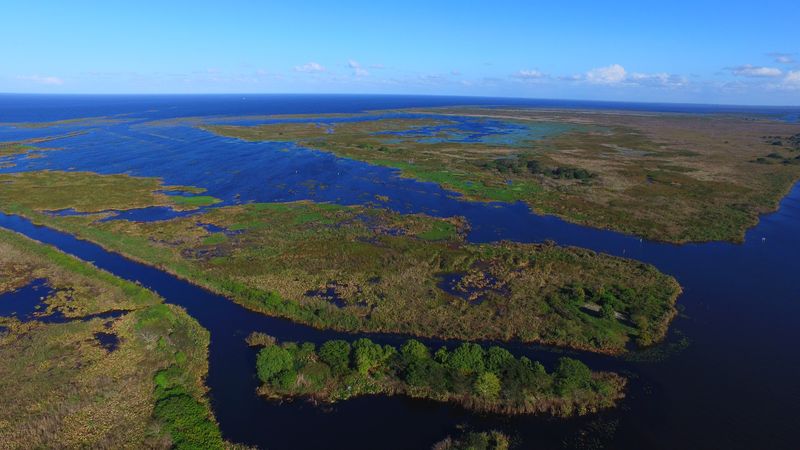
Stretching across nearly 730 square miles, Lake Okeechobee ranks as Florida’s largest freshwater lake and serves as a crucial habitat for thousands of alligators. The massive body of water sits in the heart of South Florida, surrounded by marshes, wetlands, and agricultural lands that create perfect conditions for gator populations to thrive.
Anglers flock here year-round for world-class bass fishing, but they quickly learn to share the water with some serious reptilian company. The shallow waters and abundant vegetation provide ideal hunting grounds for alligators of all sizes. During warmer months, you’ll spot them basking on banks, floating near fishing spots, or lurking in the reeds.
The lake’s sheer size means gators have plenty of room to spread out, but that doesn’t mean they’re scarce. Locals know better than to let their guard down, especially near boat ramps and popular fishing areas where gators have learned that people sometimes mean easy meals.
If you’re planning to visit, keep a respectful distance from the water’s edge and never feed wildlife. The Florida Fish and Wildlife Conservation Commission regularly monitors this lake because of its high alligator density. Smart visitors stay alert, keep pets leashed far from shore, and remember that every murky patch of water could hide a patient predator waiting for dinner to swim by.
2. Lake Kissimmee (Osceola/Polk Counties)
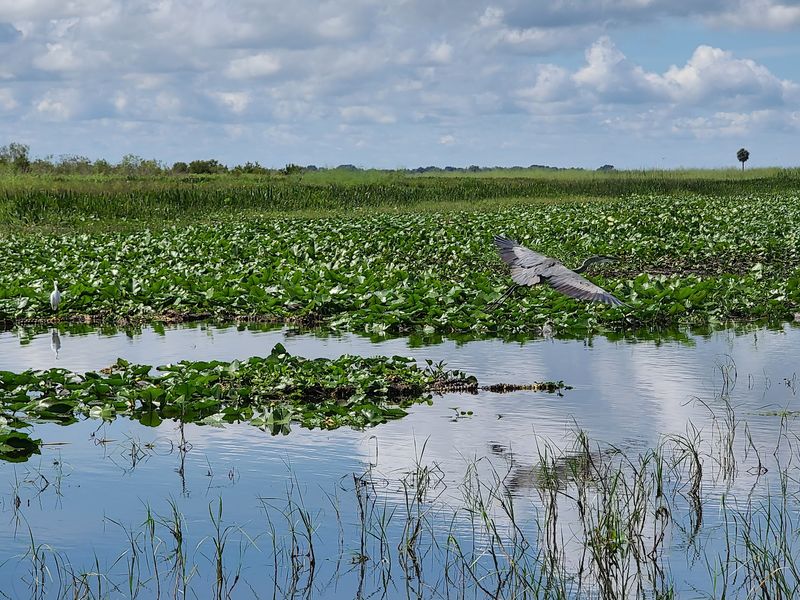
Tucked between Osceola and Polk Counties, Lake Kissimmee spans roughly 35,000 acres of pristine Florida wilderness. This shallow lake connects to a chain of waterways that create one of the state’s richest ecosystems for wildlife, including a thriving alligator population that calls these waters home year-round.
What makes this lake particularly gator-friendly is its marshy shoreline and countless coves filled with aquatic plants. Alligators love these conditions because they offer perfect ambush spots for hunting fish, turtles, and birds. The lake’s relatively undeveloped banks mean fewer people and more natural habitat, allowing gator numbers to remain impressively high.
Boaters and fishermen here quickly become accustomed to seeing multiple alligators during a single outing. Some of the larger specimens stretch well over ten feet, and they’re not shy about checking out boats or investigating splashing sounds. State park rangers regularly remind visitors that feeding gators is illegal and dangerous because it teaches them to associate humans with food.
The best time to spot alligators is during early morning or late afternoon when temperatures cool slightly and gators become more active. If you’re launching a kayak or canoe, stay aware of your surroundings and give any gators you encounter plenty of space. This beautiful lake rewards respectful visitors with incredible wildlife viewing, but carelessness around its resident reptiles can lead to serious trouble.
3. Lake Jesup (Seminole County)
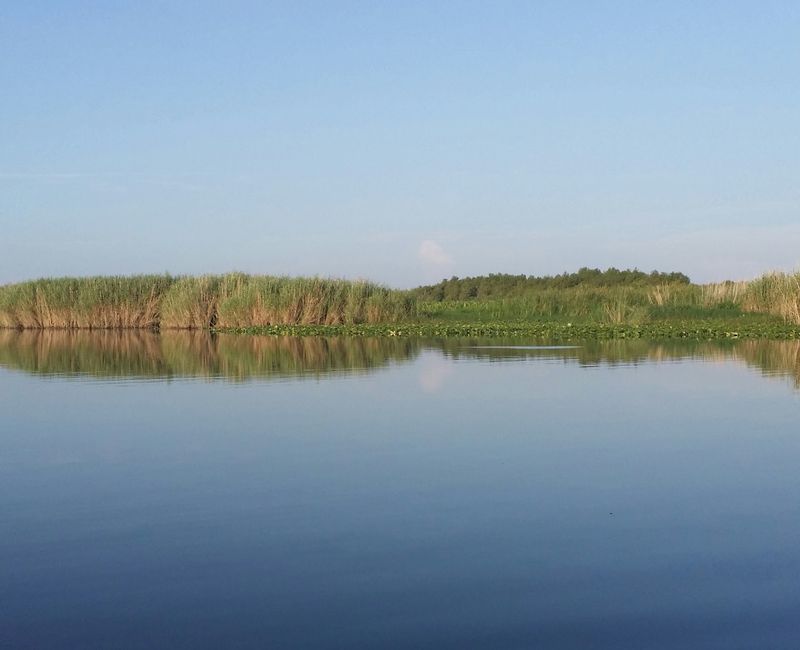
Ask any wildlife biologist about Florida’s most gator-packed lakes and Lake Jesup will top the list. This 16,000-acre lake in Seminole County reportedly hosts one of the highest alligator densities in the entire state, with estimates suggesting more than 13,000 gators call these waters home. That’s roughly one alligator for every acre of water.
The lake’s shallow depth and thick vegetation create an alligator paradise. Marshes, lily pads, and submerged plants provide endless hiding spots and hunting opportunities. During mating season in late spring, the lake practically rumbles with bellowing males competing for territory and mates.
Despite its reputation, Lake Jesup attracts plenty of adventurous kayakers and nature photographers hoping to glimpse these ancient predators in their natural habitat. The lake sits just north of Orlando, making it accessible for day trips, but visitors need to exercise serious caution. Gators here have grown comfortable with boats and people, which can make them bolder than their counterparts in more remote areas.
Local authorities strongly discourage swimming anywhere in Lake Jesup, and for good reason. The combination of poor visibility, dense vegetation, and sheer numbers of alligators makes entering the water extremely risky. If you’re exploring by boat, keep hands and feet inside, never dangle anything over the side, and maintain constant awareness.
This lake offers unforgettable wildlife encounters, but only for those who respect the residents and keep a healthy distance from those powerful jaws.
4. Orange Lake (Alachua County)
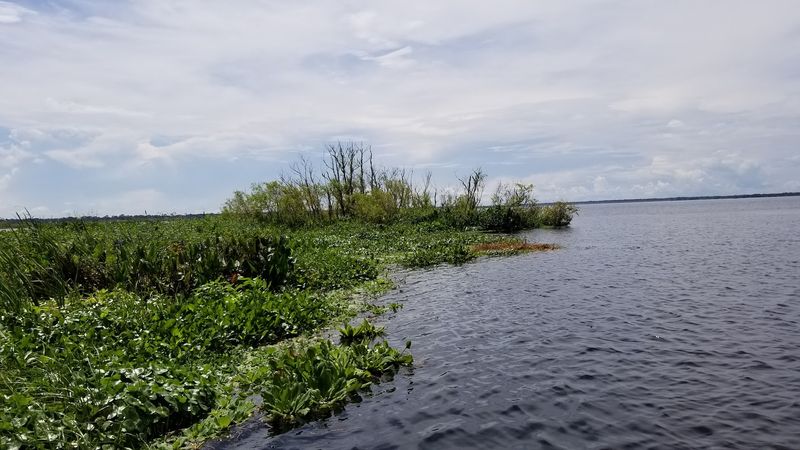
Orange Lake covers approximately 13,000 acres in north-central Florida’s Alachua County, creating a shallow, marshy environment that alligators absolutely love. The lake’s average depth hovers around just a few feet in many areas, with thick beds of aquatic vegetation that provide perfect cover for gators waiting to ambush prey.
Fishing enthusiasts know Orange Lake for its excellent crappie and bass populations, but they also know to stay sharp because alligators patrol these same fishing grounds. The lake’s murky water and dense plant growth mean you often won’t see a gator until you’re already close, making vigilance essential for anyone on or near the water.
What sets Orange Lake apart is its connection to a series of smaller lakes and marshes through Cross Creek, the waterway made famous by author Marjorie Kinnan Rawlings. This network of wetlands supports a robust food chain that keeps alligator populations healthy and well-fed. Gators here grow large and reproduce successfully, maintaining steady numbers throughout the year.
If you’re planning to fish or explore Orange Lake, bring a healthy respect for its reptilian residents. Early morning and evening hours see the most alligator activity, when they cruise the shallows looking for food. Never approach a gator for photos, no matter how calm it appears, and avoid areas where you see multiple gators congregating.
The lake’s beauty and fishing opportunities make it worth visiting, but careless behavior around its abundant alligator population can quickly turn a fun day into a dangerous situation.
5. Lake Poinsett (Brevard County)
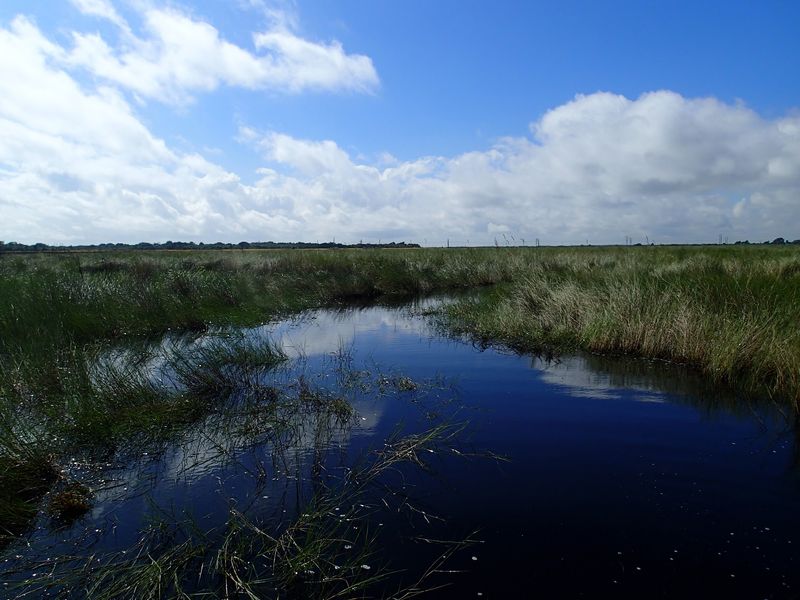
Nestled in Brevard County along the St. Johns River system, Lake Poinsett covers about 4,500 acres of prime alligator habitat. Unlike some of Florida’s shallower lakes, Poinsett reaches depths of up to 18 feet in spots, but that doesn’t mean gators stick to the shallow ends. These adaptable reptiles patrol the entire lake, making their presence known to anyone spending time on the water.
The lake’s name honors Joel Roberts Poinsett, a diplomat who served as Secretary of War in the 1830s, but locals know it better as a fantastic spot for catching bass and enjoying relatively undeveloped Florida scenery. The trade-off for that natural beauty is sharing space with a healthy population of alligators that have lived here far longer than any human visitors.
Boaters launching from the public ramp quickly notice gators sunning themselves on the banks or floating near the shoreline vegetation. The lake’s connection to the St. Johns River means gators can move freely between water bodies, maintaining genetic diversity and keeping populations strong. During spring and summer, you’ll encounter gators more frequently as they become more active in warmer temperatures.
Smart visitors to Lake Poinsett treat every trip as a wildlife encounter waiting to happen. Keep your distance from any gators you spot, secure all fish and bait to avoid attracting unwanted attention, and never swim in the lake regardless of how inviting the water looks. The alligators here aren’t particularly aggressive, but they are wild animals with powerful instincts and even more powerful bites.
Respect their space and enjoy observing them from a safe distance.
6. Lake Griffin (Lake County)
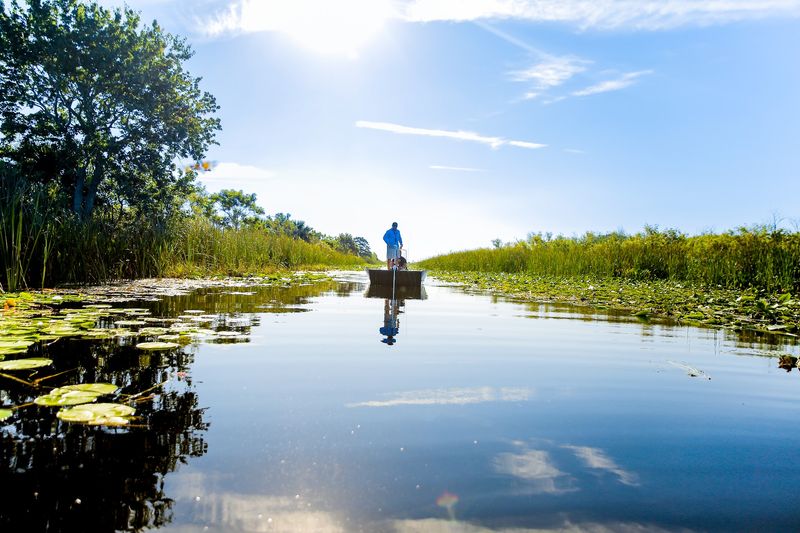
Lake Griffin spreads across 9,400 acres in Lake County, forming part of the Harris Chain of Lakes that winds through Central Florida. The lake’s shallow waters, extensive marsh areas, and thick vegetation make it an ideal breeding ground for alligators, and the population here reflects those perfect conditions with impressive numbers.
What makes Lake Griffin particularly interesting is its history of water quality challenges that have actually created even more favorable conditions for gators. Thick mats of aquatic plants provide excellent cover for hunting, and the abundant fish populations give alligators plenty to eat. The result is a lake where spotting multiple gators during a single outing is completely normal.
Anglers target Lake Griffin for its excellent bass fishing, but they quickly learn to stay aware of their surroundings. Gators here have grown accustomed to boats and fishing activity, sometimes approaching anglers who aren’t paying attention or who make the dangerous mistake of tossing fish scraps into the water. That behavior teaches gators to associate people with easy meals, creating potentially dangerous situations.
The lake’s northern shore features Lake Griffin State Park, where visitors can enjoy hiking trails and wildlife viewing from the safety of elevated boardwalks. Rangers there regularly educate visitors about alligator safety, emphasizing that these reptiles deserve respect and distance. If you’re exploring Lake Griffin by boat or kayak, keep pets secured, never dangle limbs over the side, and assume that any dark shape in the water could be a gator.
The lake offers wonderful recreational opportunities, but only for those who remember they’re guests in alligator territory.
7. Lake Harney (Seminole/Volusia Counties)
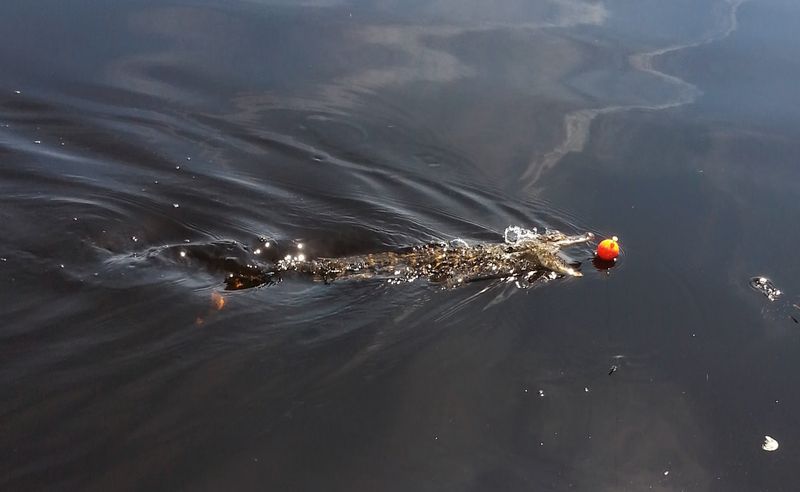
Lake Harney forms a wide spot along the St. Johns River where Seminole and Volusia Counties meet, creating roughly 7,500 acres of prime alligator habitat. The lake’s position on Florida’s longest river means gators can move freely up and down the waterway, but many choose to stick around Harney because conditions here are nearly perfect for these apex predators.
The combination of deep channels and shallow marsh areas gives alligators diverse hunting opportunities. They patrol the deeper water for fish and turtles while also cruising the marshy edges where wading birds and small mammals come to drink. This variety of food sources supports a robust gator population that remains active throughout most of the year.
Boaters navigating Lake Harney need to watch for both submerged logs and alligators, which can look remarkably similar until you get too close. The lake’s tannin-stained water reduces visibility, making it harder to spot gators before you’re right on top of them. Local guides recommend staying in the main channels and avoiding the temptation to explore tight, overgrown areas where gators often congregate.
Spring brings increased alligator activity as mating season kicks into high gear. Males become more aggressive and territorial, while females prepare nesting sites along the shoreline. This is the worst time to let your guard down around Lake Harney.
Even experienced outdoorspeople give gators extra space during these months. The lake rewards careful visitors with excellent fishing and beautiful scenery, but it demands constant respect for its most famous residents. Never assume that calm water means safe water on Lake Harney.
8. Lake Tohopekaliga (Kissimmee)
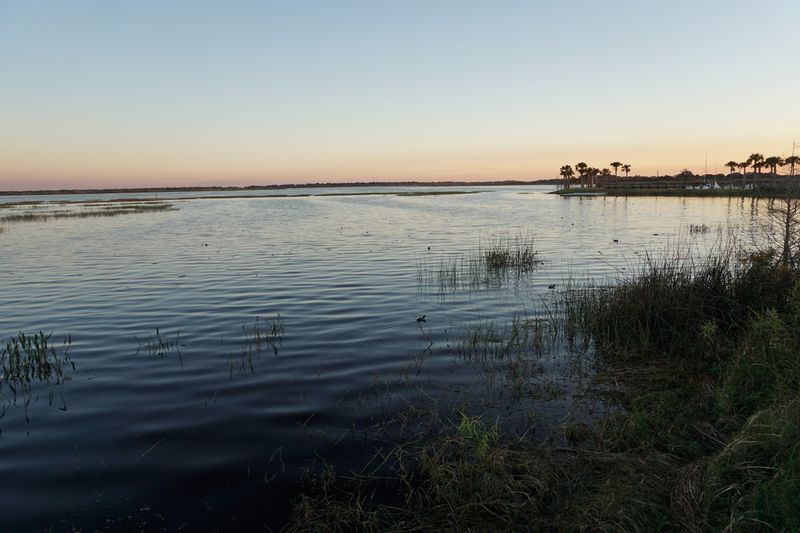
Locals simply call it Lake Toho, and this 22,700-acre lake sits right in Kissimmee’s backyard, offering easy access to some of Central Florida’s best bass fishing. The lake’s proximity to Orlando’s tourist corridor means plenty of visitors hit these waters, but many don’t realize just how many alligators share the lake with anglers and boaters.
Lake Toho’s shallow depth averages around 10 feet, with extensive grass beds and lily pad fields that alligators use as hunting grounds. The lake connects to several other water bodies through a series of canals and locks, allowing gators to move throughout the region while maintaining a strong resident population. During warmer months, you’ll spot gators cruising the shoreline vegetation or basking on the banks of the many islands dotting the lake.
Tournament bass fishermen know Lake Toho as a consistent producer of trophy fish, but they also know to keep their stringers secure and their catches out of the water. Gators have learned that boat noise often means fish, and they’ll investigate splashing sounds or dangling catches. Smart anglers stay alert and never reach into vegetation without checking for lurking reptiles first.
The lake’s public parks and boat ramps post regular warnings about alligators, and for good reason. Despite its popularity and development along parts of the shoreline, Lake Toho remains wild water where alligators thrive. If you’re planning to fish or explore here, treat every trip as a wildlife encounter.
Keep children and pets away from the water’s edge, never feed wildlife, and remember that those dark logs floating near the shore might have teeth.
9. Lake George (Volusia/Putnam Counties)
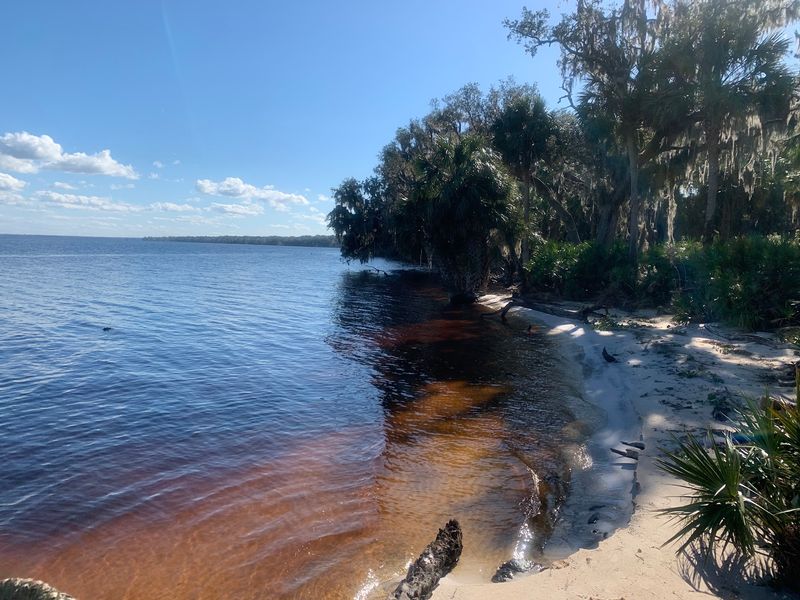
Lake George claims the title of Florida’s second-largest lake, spanning 46,000 acres where the St. Johns River widens dramatically between Volusia and Putnam Counties. The massive lake’s size means plenty of room for alligators to spread out, but don’t let that fool you into thinking encounters are rare. Gators thrive here in impressive numbers, taking advantage of the diverse habitat and abundant food sources.
Unlike many Florida lakes, Lake George features areas of deeper water mixed with shallow marsh zones, giving alligators varied hunting grounds throughout the seasons. The lake’s northern end tends to be shallower with more vegetation, creating perfect conditions for nesting females and young gators. The southern portions drop deeper but still host plenty of adult gators patrolling for fish and turtles.
Recreational boaters love Lake George for its spacious waters and scenic beauty, but the lake’s size can create a false sense of security. Gators don’t just stick to the edges; they’ll cruise open water and investigate boats, especially during feeding times at dawn and dusk. The lake’s connection to the St. Johns River system means constant movement of alligators between water bodies, maintaining healthy populations throughout.
If you’re launching a boat on Lake George, pack your awareness along with your fishing gear. The lake’s tannin-stained water makes spotting submerged gators difficult until you’re dangerously close. Avoid swimming anywhere in the lake, keep pets secured in boats, and give any visible gators a wide berth.
The lake offers incredible opportunities for fishing and wildlife viewing, but it demands respect for the prehistoric predators that have called these waters home for millions of years.
10. Lake Apopka (Orange/Lake Counties)
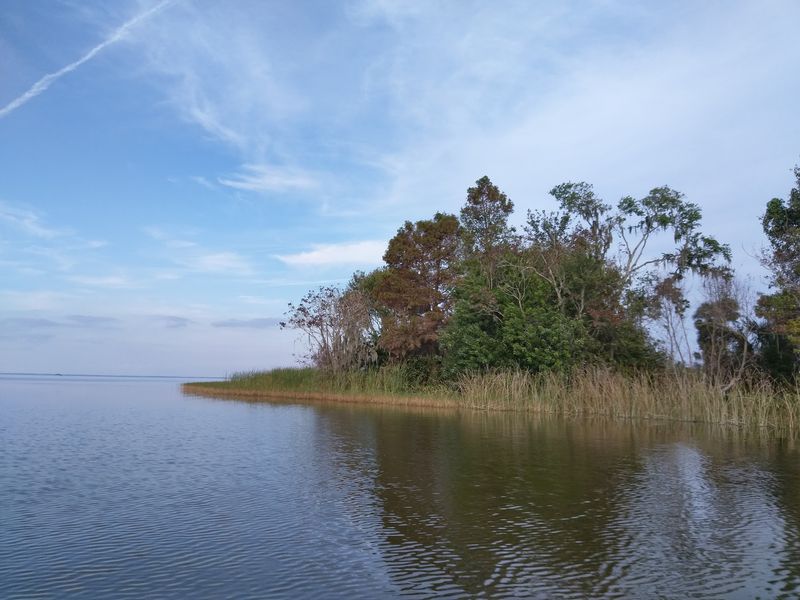
Lake Apopka sprawls across 30,000 acres northwest of Orlando, holding the distinction of being Florida’s fourth-largest lake and one of its most ecologically fascinating. The lake has undergone massive restoration efforts over recent decades, and as water quality has improved, alligator populations have responded enthusiastically. Today, Lake Apopka hosts thousands of gators that take full advantage of the recovering ecosystem.
The lake’s shallow depth and extensive marsh restoration projects have created ideal conditions for alligators to thrive. The North Shore of Lake Apopka features a restored wetland area that’s become a hotspot for wildlife viewing, including some impressively large gators that patrol the marshes and channels. Photographers and birders flock here, but they quickly learn that alligators are just as photogenic and far more common than they expected.
What makes Lake Apopka particularly noteworthy is how quickly alligator numbers have rebounded as the lake’s health improved. Cleaner water means more fish, more fish means more food for gators, and more food means healthy reproduction rates. The result is a lake where spotting multiple alligators during any visit is virtually guaranteed.
Visitors exploring the North Shore Wildlife Drive or launching boats from public ramps need to maintain constant vigilance. The lake’s improving clarity actually makes spotting gators easier, but it also means you can see just how many of them are out there. Never approach gators for photos, keep a safe distance from nesting areas during spring and summer, and remember that these reptiles are wild animals despite their calm appearance.
Lake Apopka’s recovery story is inspiring, but it’s also a reminder that healthy Florida lakes mean plenty of alligators.