This Quiet Gulf Escape Is One Of The Best Places To See Florida’s Natural Beauty
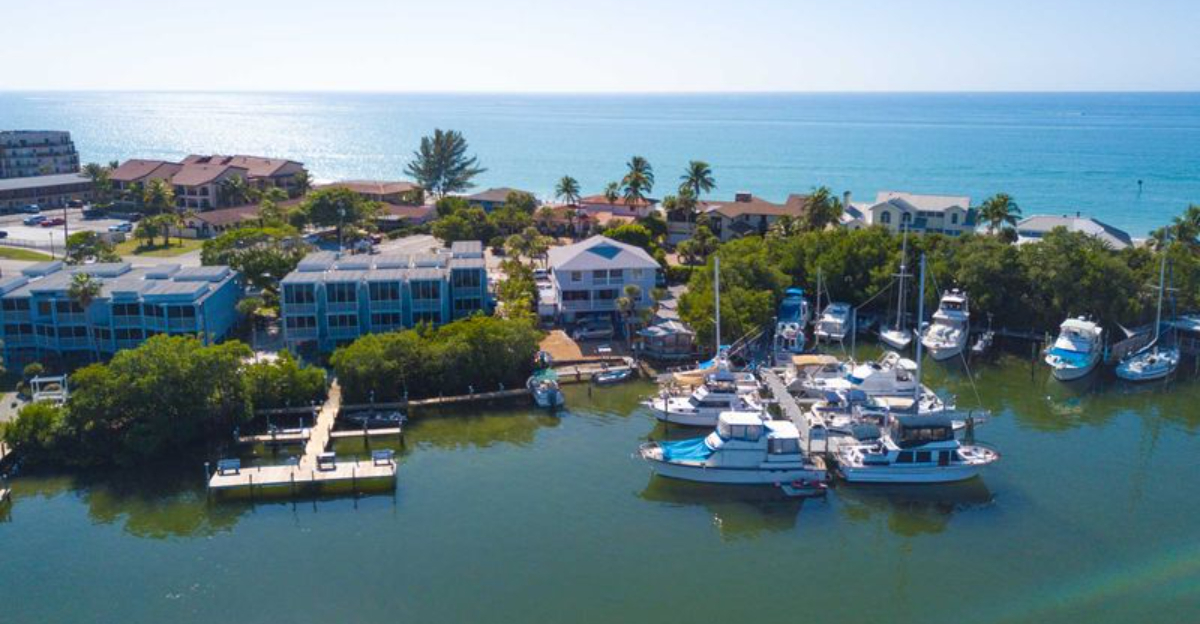
Englewood offers something rare in the Sunshine State: a peaceful Gulf escape that hasn’t been swallowed by high-rises and tourist traps. This laid-back community sits where Charlotte and Sarasota counties meet, giving visitors access to pristine beaches, untouched islands, and wildlife encounters that feel worlds away from the typical Florida vacation. If you’re craving natural beauty without the crowds, Englewood delivers an authentic Old Florida experience that’s becoming harder to find.
1. Stump Pass Beach State Park
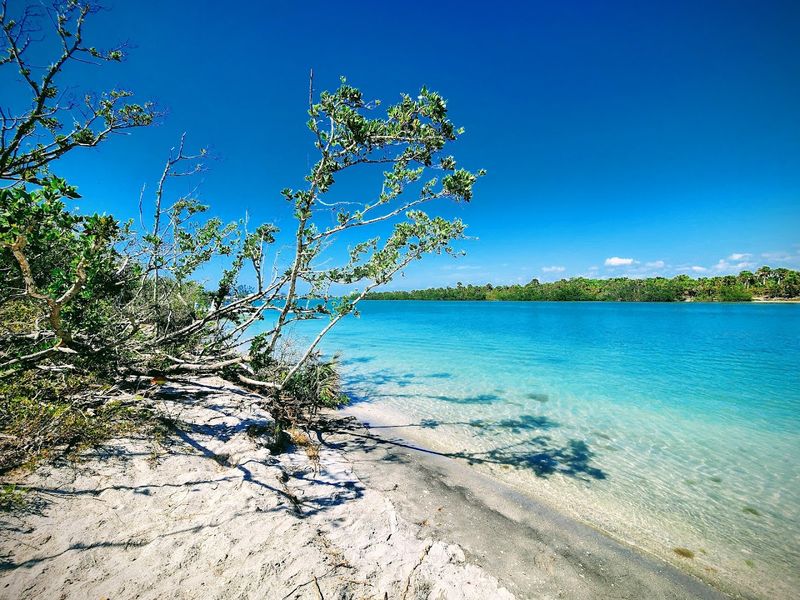
Stump Pass Beach State Park sits at the southern tip of Manasota Key, and it’s one of those places that makes you wonder why anyone bothers with crowded tourist beaches. The park protects a barrier island ecosystem where sea oats sway in the breeze and gopher tortoises lumber across sandy paths. You’ll find a mile of undeveloped shoreline that looks much like it did centuries ago.
The pass itself creates strong currents that draw fish, which means you’ll often spot dolphins hunting just offshore. Bring your snorkel gear because the waters around the pass offer surprisingly good visibility when conditions are right. Shelling here rivals anywhere on Florida’s Gulf Coast, especially after storms stir up the bottom.
A wooden boardwalk winds through coastal hammock before opening onto the beach, where Australian pines provide rare shade. Low-tide reveals sandbars perfect for wading and spotting horseshoe crabs. The park stays relatively quiet even on weekends, partly because there’s no food service or beach rentals.
Parking fills up quickly during peak season, so arrive early or plan for a short wait. The facilities are basic but clean, and the lack of development is precisely the point. This is nature-focused Florida at its finest, where the soundtrack is waves and wind rather than jet skis and music.
2. Englewood Beach and Chadwick Park
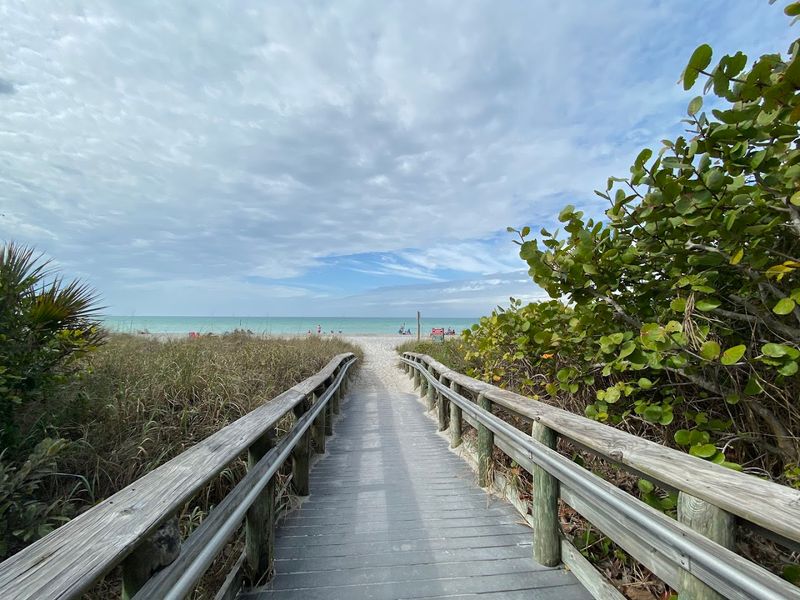
Englewood Beach on Manasota Key feels like a neighborhood secret that somehow stayed under the radar. Unlike Siesta Key or Clearwater, you won’t find wall-to-wall umbrellas or aggressive vendors here. Instead, there’s a relaxed community vibe where locals outnumber tourists most days of the year.
Chadwick Park anchors the beach with shaded picnic areas, clean restrooms, and a playground that keeps kids entertained between swim sessions. The beach itself stretches wide and flat, with soft white sand that doesn’t scorch your feet even at midday. Waters stay shallow for quite a distance, making this an ideal spot for families with young children.
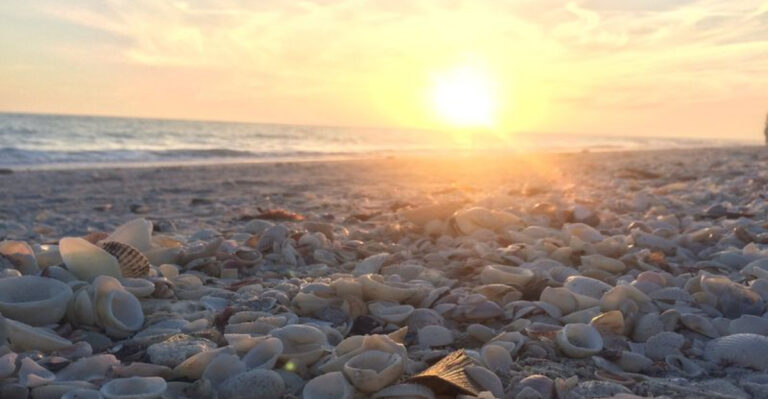
Shelling enthusiasts arrive at dawn to comb the tide line, and they’re rarely disappointed. Lightning whelks, fighting conchs, and sand dollars wash up regularly, especially after strong west winds. The beach also serves as a nesting site for loggerhead sea turtles from May through October.
Food trucks sometimes park near the beach access, offering fish tacos and cold drinks without the markup you’d pay at resort beaches. There’s metered parking but it’s affordable, and the lack of high-rise development behind the dunes means unobstructed sunset views. On weekday afternoons, you might have entire stretches of sand practically to yourself, something increasingly rare on Florida’s Gulf Coast.
3. Lemon Bay Park and Environmental Center
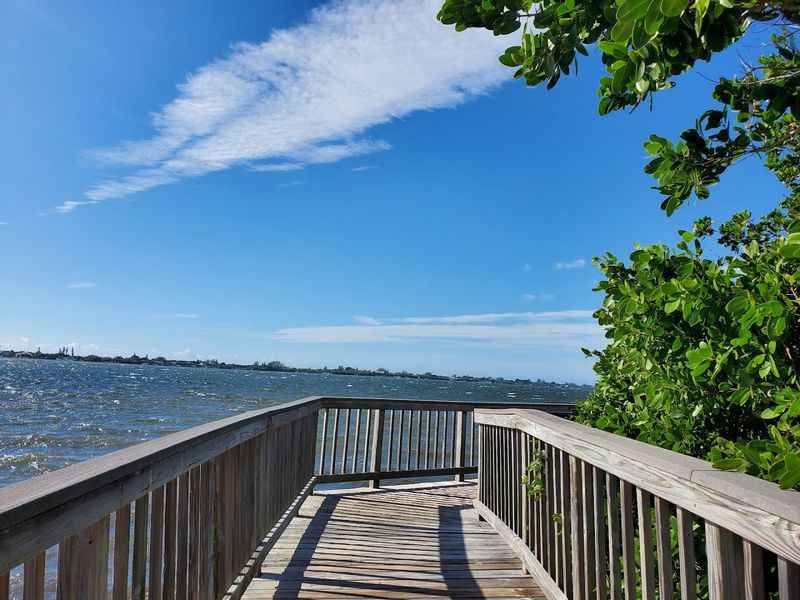
Lemon Bay Park protects 210 acres of coastal habitat that showcases Southwest Florida’s ecosystems in miniature. Mangrove tunnels wind through the preserve, opening onto tidal flats where herons stalk their prey and roseate spoonbills wade in the shallows. The park’s kayak launch provides direct access to Lemon Bay, where manatees graze on seagrass beds during cooler months.
The Environmental Center offers educational programs that explain the intricate relationships between mangroves, oyster bars, and the species that depend on them. Kids love the touch tank and butterfly garden, while adults appreciate the knowledgeable staff who lead guided nature walks. Trails range from easy boardwalk strolls to longer paths through pine flatwoods.
Birding here ranks among the best in the region, with over 200 species recorded. Bring binoculars and patience, and you’ll likely spot ospreys, bald eagles, and various wading birds. Winter months bring migratory species that make the preserve feel like a wildlife documentary come to life.
The park maintains a small beach area on Lemon Bay where the water stays calm and clear, perfect for young swimmers or anyone who prefers bay waters to Gulf waves. Pavilions offer shaded spots for picnics with water views. Unlike some environmental centers that feel more museum than nature experience, Lemon Bay Park immerses you in the ecosystems it protects.
4. Cape Haze Pioneer Trail
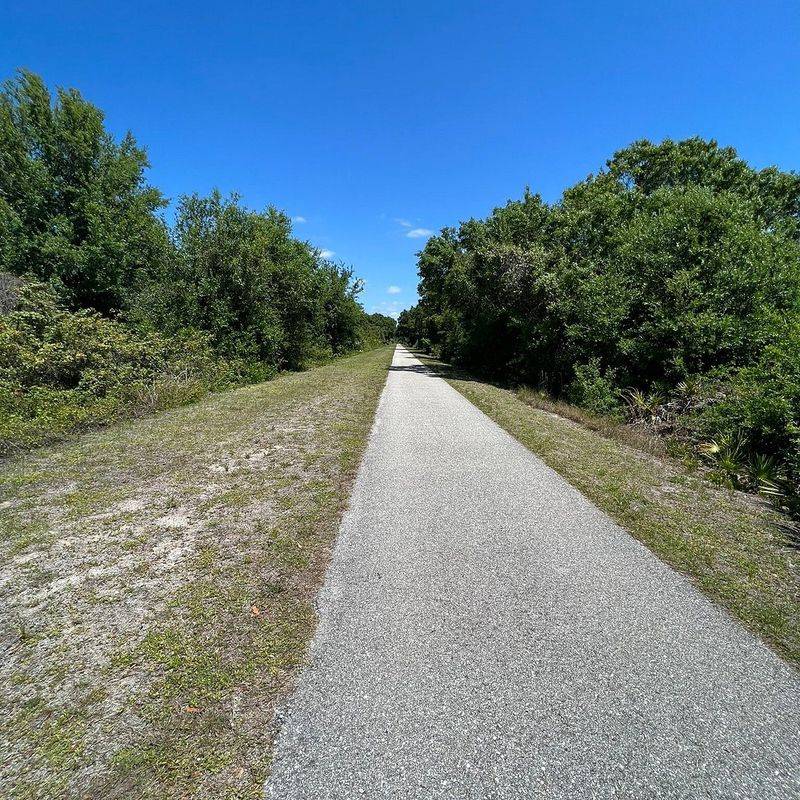
The Cape Haze Pioneer Trail stretches for nearly eight miles through some of Englewood’s most scenic terrain, connecting neighborhoods while preserving natural corridors. This paved trail follows old railroad rights-of-way, creating a level route perfect for cycling, jogging, or leisurely walks. Unlike urban bike paths that feel like concrete channels, this trail winds through pine flatwoods and coastal scrub.
Wildlife sightings happen regularly along the route. Gopher tortoises cross the path with prehistoric determination, while deer browse in the palmetto understory. Early morning riders often encounter wild turkeys and the occasional bobcat.
The trail’s design includes numerous access points, so you can tackle the entire length or just explore a section.
Benches and rest areas appear at regular intervals, many positioned to take advantage of water views or shaded hammocks. The northern sections pass through more developed areas, while southern stretches feel genuinely remote. Native plant landscaping along the trail provides habitat and education, with interpretive signs explaining Florida’s ecosystems.
Local cyclists treat this as their training ground, but the trail never feels crowded or competitive. Families with strollers, dog walkers, and retirees on recumbent bikes all share the space peacefully. The trail connects to several parks and preserves, making it easy to combine cycling with beach time or nature exploration.
This is infrastructure done right, prioritizing natural beauty and community access over development.
5. Manasota Key’s Natural Beaches
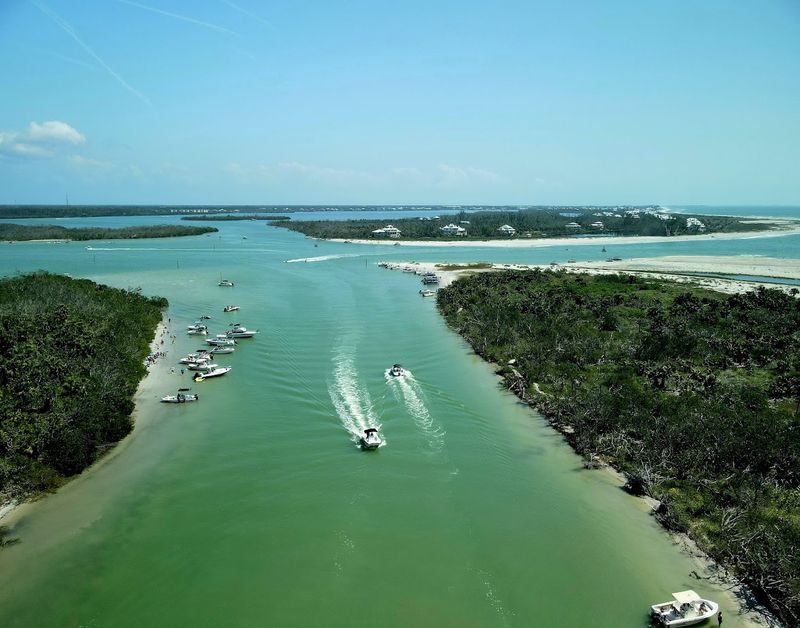
Manasota Key remains one of Florida’s least-developed barrier islands, a 12-mile stretch where nature still dominates the landscape. Unlike neighboring keys that succumbed to condo canyons, Manasota maintains a low-profile character with strict building codes and large setbacks. The result is beaches that feel authentically wild, with dunes stabilized by native vegetation rather than sandbags and seawalls.
Multiple public access points dot the key, each offering slightly different experiences. Some lead to wide beaches perfect for long walks, while others open onto narrower stretches where fossilized shark teeth wash up from offshore deposits. The key’s orientation creates excellent conditions for shelling, and serious collectors guard their favorite spots jealously.
Sea turtle nesting season transforms these beaches into carefully monitored nurseries. Volunteers mark nests and educate visitors about protecting these ancient mariners. Watching hatchlings scramble toward the waves on summer nights ranks among Florida’s most moving wildlife experiences.
Respect the marked areas and you’re welcome to witness this natural wonder.
The lack of commercial development means no beach chair rentals or umbrella services, so come prepared with your own gear. This also means no food vendors, so pack snacks and plenty of water. What you lose in convenience you gain in tranquility and natural beauty.
The beaches here look remarkably similar to historical photographs from the 1950s, a rarity in modern Florida.
6. Oyster Creek Regional Park
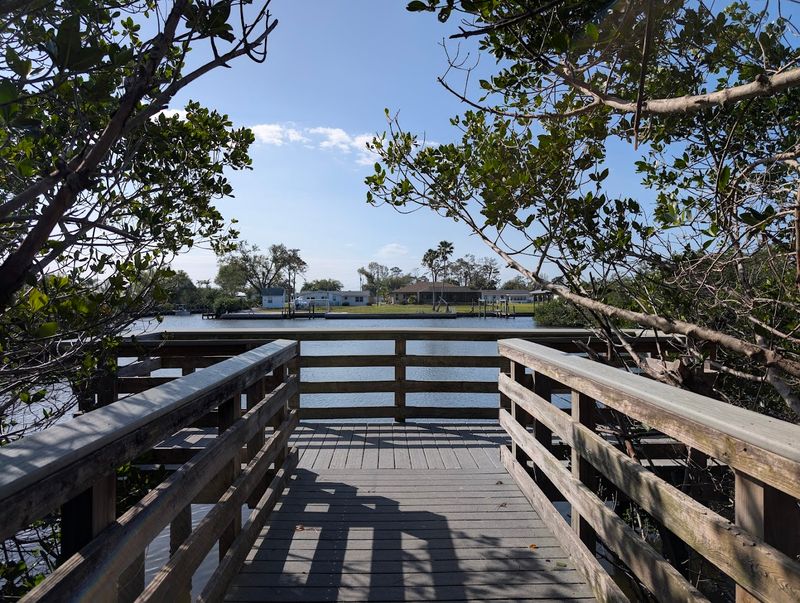
Oyster Creek Regional Park offers 84 acres of pristine mangrove forest and tidal creeks that feel miles from civilization despite sitting just off the main road. The park’s centerpiece is a series of interconnected waterways perfect for kayaking and canoeing. Paddling here at high tide lets you explore narrow channels where mangrove roots create natural archways overhead.
A fishing dock extends into deeper water, attracting anglers targeting snook, redfish, and tarpon. The park’s location where freshwater and saltwater mix creates ideal conditions for these species. Even if you’re not fishing, the dock provides excellent opportunities for spotting marine life, from schools of mullet to cruising rays.
Nature trails wind through the property, including a short but scenic boardwalk that explains mangrove ecology. These trees aren’t just pretty—they’re coastal workhorses that filter water, protect shorelines from erosion, and provide nursery habitat for countless fish species. The interpretive signs make complex ecology accessible without dumbing it down.
Bird photography here can be spectacular, especially during winter when migratory species join year-round residents. Roseate spoonbills feed in the shallows at low tide, their pink plumage creating stunning contrasts against green mangroves. The park stays relatively quiet even on weekends, partly because it requires more effort than just pulling up to a beach.
That effort pays off with an authentic natural experience that showcases why Florida’s coastal ecosystems deserve protection.
7. Blind Pass Beach
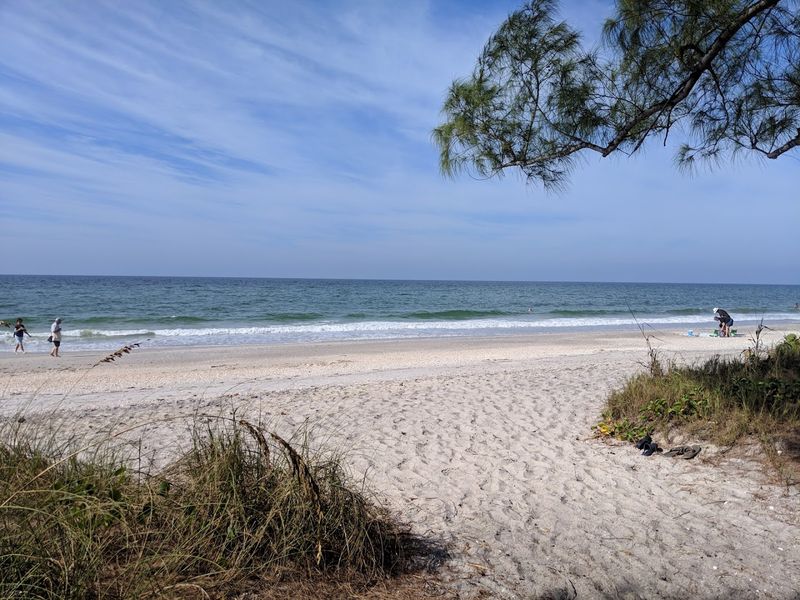
Blind Pass cuts between Manasota Key and Knight Island, creating one of the area’s most productive shelling beaches. Tidal currents through the pass constantly shift sand and shells, delivering fresh treasures with each tide cycle. Serious shell collectors arrive at dawn with mesh bags and sharp eyes, competing friendly for the best finds before casual beachgoers arrive.
The pass itself fascinates anyone interested in coastal dynamics. Strong currents during tidal changes create visible rips and swirls, demonstrating the power of water moving between Gulf and bay. This isn’t a swimming beach—those currents are dangerous—but it’s excellent for wading and observing marine life.
Small fish dart through the shallows while crabs scuttle across exposed sandbars.
Fossilized shark teeth turn up regularly here, remnants from ancient seas when this area lay underwater. Black and brown teeth from long-extinct species wash up alongside modern shells, connecting visitors to millions of years of natural history. Kids become instant paleontologists when they spot their first prehistoric tooth.
The beach here stays narrow, with the pass dominating the landscape rather than wide expanses of sand. This concentrated geography means more shells in less space, but also means crowds during peak shelling season. Parking is limited and fills early on winter weekends when northerners flee colder climates.
Despite occasional crowds, Blind Pass maintains its natural character, with no development crowding the shoreline and no commercial activity beyond the occasional kayak rental.
8. Cedar Point Environmental Park
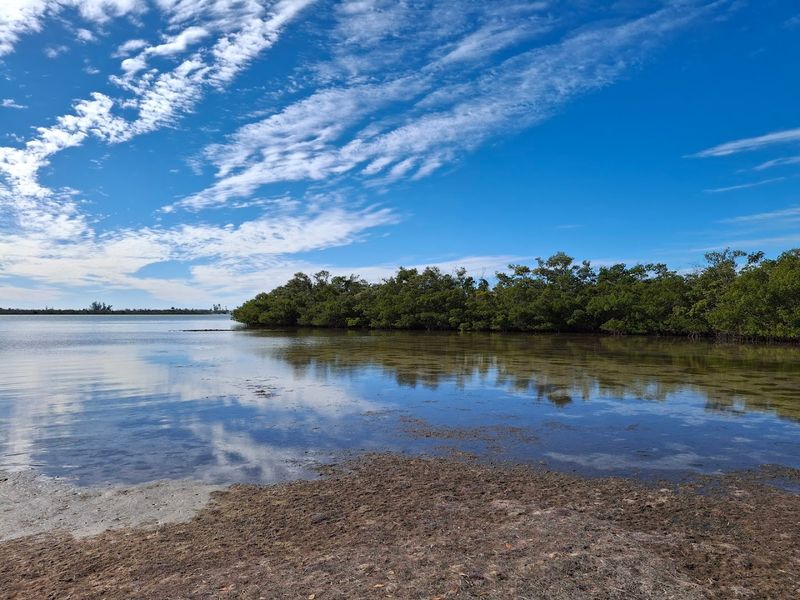
Cedar Point Environmental Park protects 115 acres at the northern tip of Manasota Key, where Lemon Bay meets the Gulf. An elevated boardwalk winds through the property, crossing tidal creeks and mangrove swamps while keeping visitors dry and minimizing impact on sensitive habitat. The trail culminates at an observation tower offering panoramic views across the bay.
From the tower, you can watch dolphins hunting in the deeper channels and manatees grazing in the shallows. During winter months, the bay becomes a manatee congregation area, with dozens of these gentle giants seeking warmer waters. The park provides spotting scopes and educational materials that help visitors understand what they’re seeing beyond just taking photos.
Multiple ecosystems converge here, creating exceptional biodiversity. Coastal hammocks transition to mangrove forests, which give way to salt marshes and finally open water. Each zone supports different species, and the park’s trail system provides access to all of them.
Interpretive signs explain ecological relationships without overwhelming visitors with jargon.
The park includes a small beach area where Cedar Point meets the bay, offering calm waters perfect for launching kayaks or simply cooling off after hiking. Unlike Gulf beaches, bay beaches stay protected from waves and wind, creating different but equally valid coastal experiences. Sunset from the observation tower ranks among Englewood’s finest views, with the bay reflecting orange and pink light while birds settle into roosting spots.
This park demonstrates that environmental protection and public access can coexist beautifully.