10 Florida Spots I Always Take Out-of-Towners to Impress Them
When friends or family visit Florida, they usually expect theme parks and crowded beaches. I love surprising them with places that show off the weird, beautiful, and historic sides of the Sunshine State instead. These ten spots never fail to make visitors say they had no idea Florida could look like this.
1. Silver Springs State Park (Silver Springs)
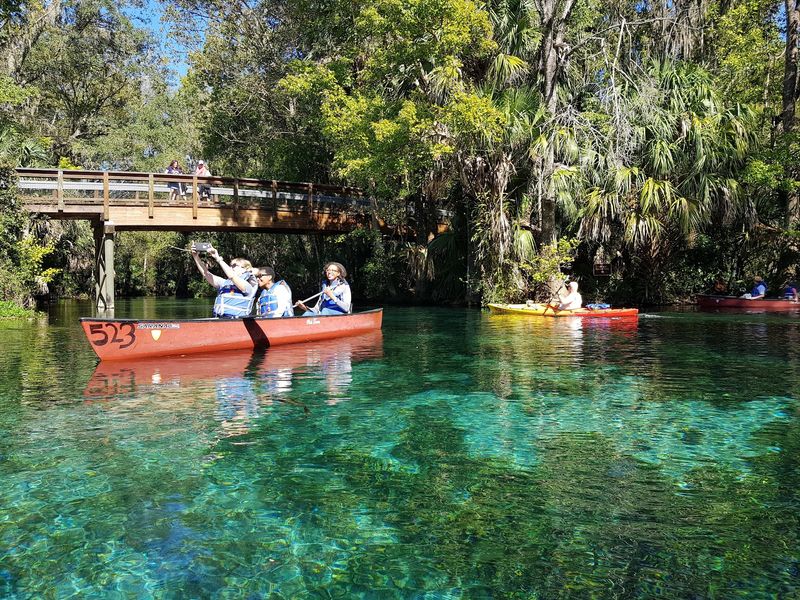
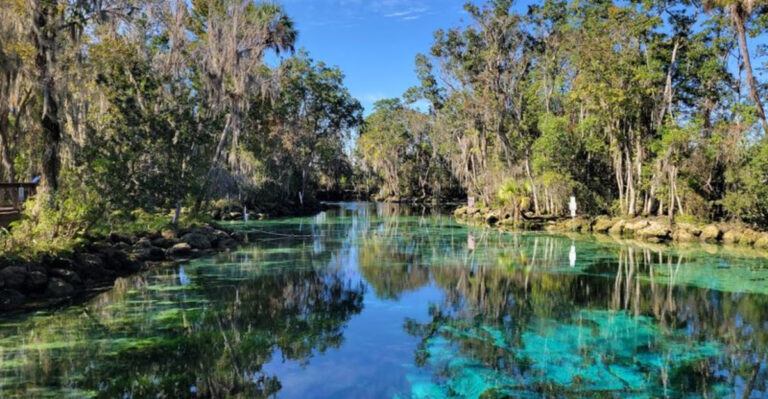
Glass-bottom boats gliding over water so clear you can count fish scales from the surface. That’s Silver Springs, and it still feels like a time capsule of Old Florida charm. The springs pump out over 550 million gallons of water daily, creating visibility that reaches depths most lakes only dream about.
Wildlife shows up in force here. Alligators sunbathe on the banks, turtles paddle past, and if you’re lucky, a manatee might cruise through during cooler months. The park stays open every single day, so spontaneous visits work perfectly when out-of-towners suddenly want an adventure.
Kayaking the river gives you an up-close look at cypress trees and Spanish moss without the glass barrier. But honestly, the boat tours win for sheer wow factor. Watching your guests lean over the glass bottom with their phones out, trying to capture that impossible clarity, never gets old.
Pack sunscreen and arrive early on weekends. The combination of natural beauty and quirky Florida history makes this spot an absolute winner for visitors who think they’ve seen everything the state offers.
2. Bok Tower Gardens (Lake Wales)
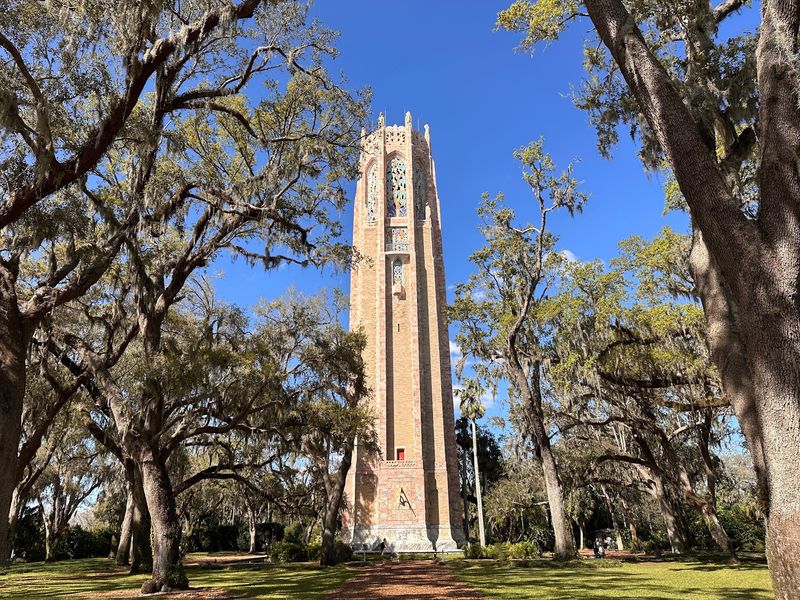
Central Florida’s highest point hosts a 205-foot carillon tower that looks like it belongs in a European fairy tale, not the middle of the peninsula. Edward Bok built this garden sanctuary in the 1920s as a thank-you gift to America, and the result feels wonderfully out of place in the best possible way.
Bells chime from the Singing Tower throughout the day, filling the gardens with music that drifts through oak hammocks and azalea paths. The manicured landscapes flow from formal to wild, with pine forests giving way to carefully designed garden rooms. It’s the kind of place where people instinctively lower their voices and slow down.
Your out-of-town guests will probably ask if you drove them to another state by mistake. The architecture, the elevation change, the formal gardens, none of it screams Florida in the stereotypical sense. That’s exactly why it impresses so thoroughly.
Visit during cooler months when the gardens bloom most enthusiastically. The grounds stay open seven days a week, and the peaceful atmosphere provides a perfect counterpoint to Florida’s usual high-energy attractions. Bring a picnic and let the bells do the entertaining.
3. Weeki Wachee Springs State Park (Weeki Wachee)
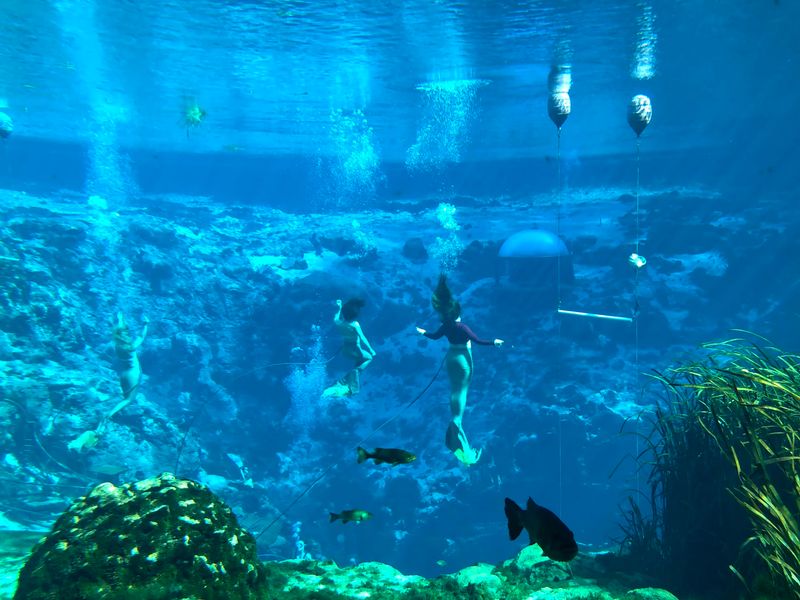
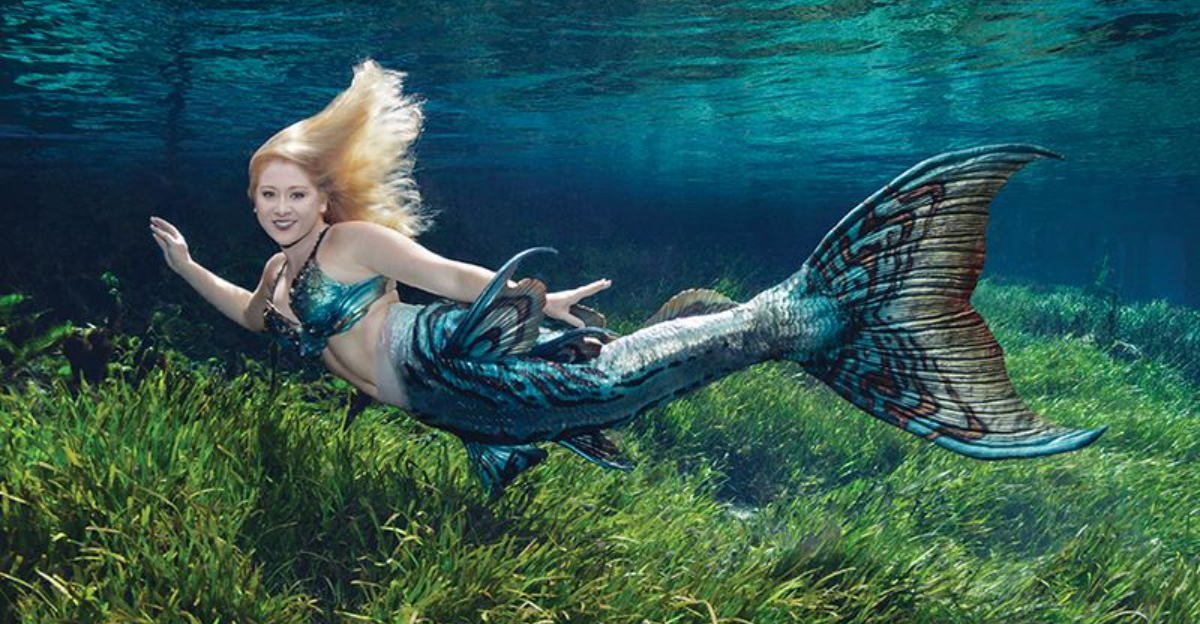
Mermaids performing underwater ballet while breathing through hidden air hoses sounds like something from a fever dream, but it’s been happening at Weeki Wachee since 1947. The spring pumps crystal-clear water into a natural theater where performers in tails smile, wave, and somehow drink soda bottles 20 feet below the surface.
This attraction embraces its vintage Florida roadside roots without apology. The shows feel delightfully retro, the kind of experience that makes visitors wonder how this survived into the modern era. But survive it did, and now it’s a state park, protecting both the spring and its peculiar entertainment legacy.
After the mermaid show, you can kayak the river or float down Buccaneer Bay. The spring water stays a constant 74 degrees year-round, which feels refreshing in summer and surprisingly warm during winter months. Most out-of-towners have never seen anything quite like synchronized swimming mermaids in a natural spring.
Shows run multiple times daily, so plan your visit around performance schedules. The whole experience lands somewhere between kitschy and magical, and that combination works beautifully for impressing guests who appreciate Florida’s wonderfully weird side.
4. Dry Tortugas National Park (near Key West)
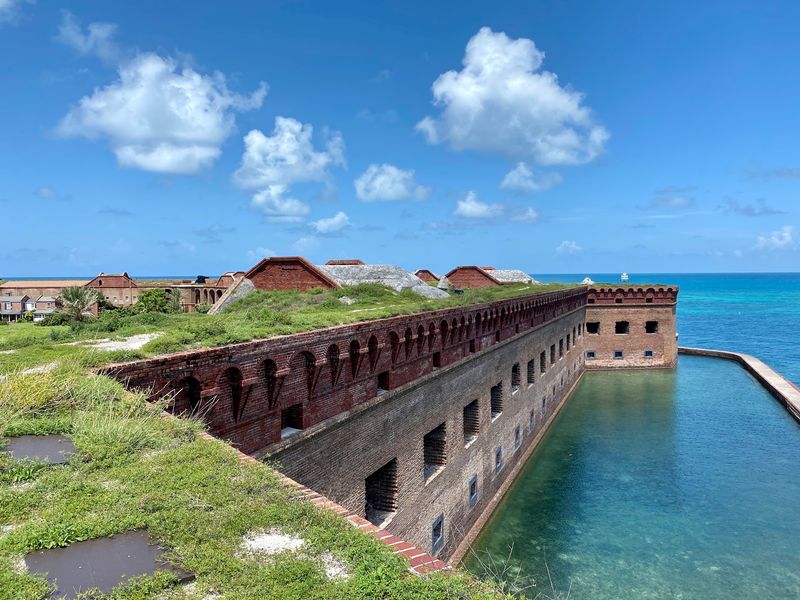
A massive Civil War fortress sitting on a tiny island 70 miles west of Key West, surrounded by water so blue it looks photoshopped. Fort Jefferson is the largest masonry structure in the Western Hemisphere, and reaching it requires either a seaplane ride or a ferry journey that feels like an expedition.
The isolation amplifies everything. Snorkeling the moat walls reveals fish, coral, and sea turtles in water clearer than most swimming pools. The fort itself sprawls across Garden Key, its brick arches and gun placements telling stories of a military installation that never fired a shot in anger.
This is hands-down the biggest wow moment on any Florida trip. Visitors step off the boat or plane and just stop, mouths open, trying to process how this enormous structure exists in the middle of nowhere. The combination of history, natural beauty, and remoteness creates something completely unforgettable.
Book ferry tickets or seaplane reservations well in advance, especially during winter months. Day trips work fine, but camping overnight lets you experience the park after tour boats leave. Either way, bring serious sun protection and underwater cameras.
The photos your guests take here will dominate their social feeds for weeks.
5. Bahia Honda State Park (Big Pine Key)
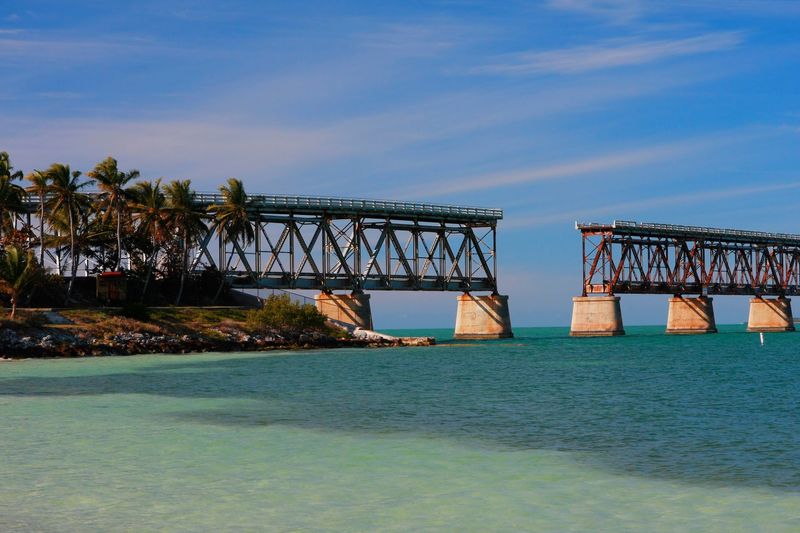
Turquoise water lapping against white sand beaches, with the skeletal remains of an old railroad bridge arching overhead. Bahia Honda delivers the tropical paradise moment people expect from the Caribbean, except it’s right here in the Florida Keys. The color of that water stops first-time visitors in their tracks every single time.
The Old Bahia Honda Bridge offers walking access to elevated views that photographers dream about. From up there, you can see the gradient of blues stretching toward the horizon, with the Seven Mile Bridge visible in the distance. The beach itself ranks among Florida’s finest, with sand actually soft enough for barefoot walking.
Snorkeling the offshore reefs reveals why this park made the list. Tropical fish, sea fans, and coral formations thrive in the clear, warm water. Visitors who assumed Florida beaches meant the Gulf Coast’s gentle waves or the Atlantic’s rougher surf get completely recalibrated here.
Arrive early because parking fills up quickly, especially on weekends and holidays. The park opens daily, and sunset views from the beach or bridge create those postcard moments that make out-of-towners understand why people move to Florida. Bring snorkel gear and plenty of time to just sit and stare.
6. Castillo de San Marcos (St. Augustine)
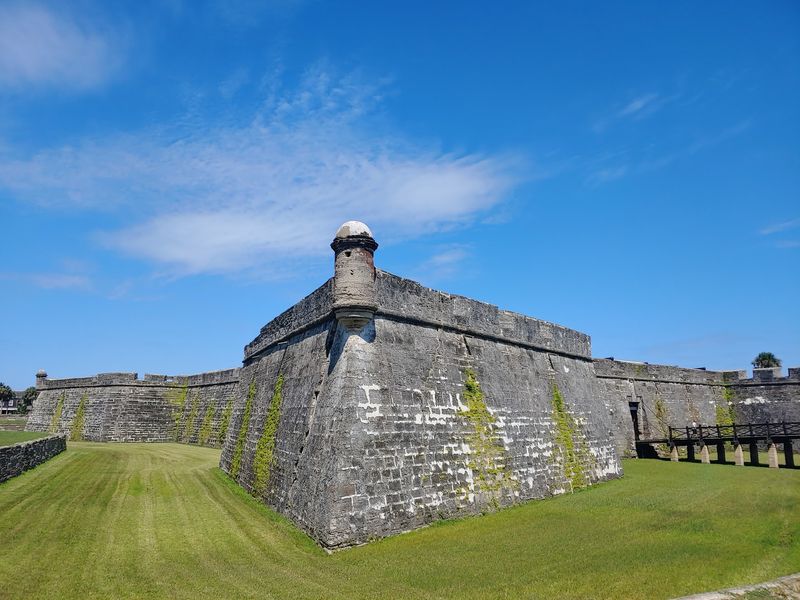
A 17th-century Spanish fortress built from coquina shell stone, sitting right on the waterfront in America’s oldest continuously occupied European settlement. Castillo de San Marcos has survived pirates, sieges, and hurricanes since 1672, and it still looks ready to defend St. Augustine from whatever the Atlantic throws at it.
Walking through the gun deck and living quarters gives visitors a completely different Florida story than theme parks tell. The thick walls, the dark powder magazine, the views across Matanzas Bay, all of it reinforces that Florida has deep history most people never consider. Out-of-towners who think the state started with Disney get a serious education here.
The fort stays open seven days a week, with ranger programs and cannon-firing demonstrations adding theatrical flair to the history lessons. Climbing to the gun deck provides panoramic views of the city and harbor that photographers absolutely love. The coquina walls even show old cannon ball damage, proving this fort saw real action.
Combine your visit with a walk through St. Augustine’s historic district for maximum impact. The fort works especially well for guests who appreciate architecture, military history, or just want proof that Florida offers more than beaches and theme parks.
7. Morikami Museum and Japanese Gardens (Delray Beach)
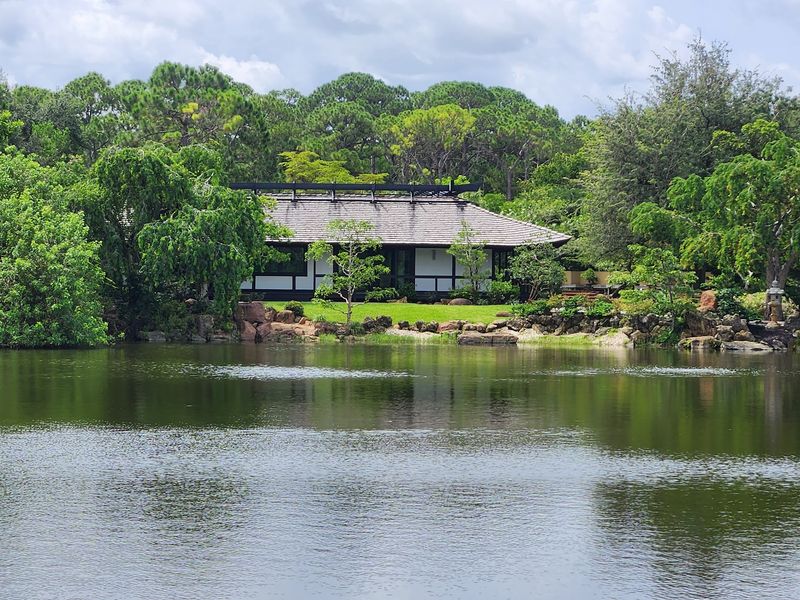
Sixteen acres of authentic Japanese gardens tucked into suburban South Florida, complete with koi ponds, bonsai collections, and bridges that look transported from Kyoto. The Morikami Museum honors the Yamato Colony, a group of Japanese farmers who settled here in the early 1900s, and the gardens they inspired feel worlds away from palm trees and beaches.
Six distinct garden styles represent different periods of Japanese landscape design. Walking the paths between them, past stone lanterns and carefully pruned pines, your brain struggles to remember you’re still in Florida. The koi swim lazy circles in clear ponds, completely unbothered by the subtropical climate outside the garden gates.
The museum building houses rotating exhibits on Japanese culture, from traditional crafts to contemporary art. But honestly, most visitors spend their time wandering the gardens, sitting on benches, and soaking up the deliberate tranquility. It’s the kind of place that makes hyperactive guests slow down and actually breathe.
Visit on weekdays for the most peaceful experience, though weekends offer cultural demonstrations and events. The gardens look beautiful year-round, and the on-site cafe serves Japanese-inspired lunch options. Out-of-towners always leave wondering how they spent two hours wandering gardens in Delray Beach.
8. Blue Spring State Park (Orange City)
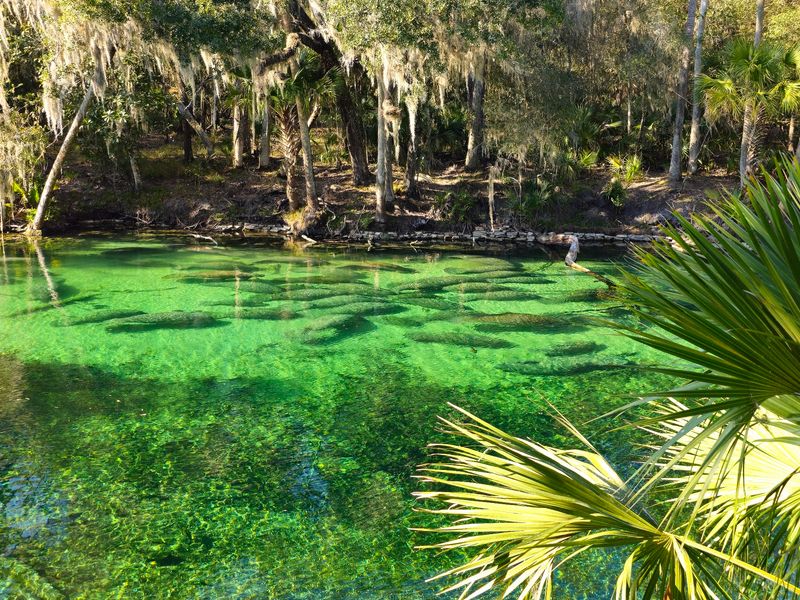
Between November and March, hundreds of manatees crowd into Blue Spring’s 72-degree water like tourists fleeing a Minnesota winter. The spring run becomes a manatee sanctuary during cold months, and watching these massive, gentle creatures from the boardwalk above creates one of Florida’s most memorable wildlife experiences.
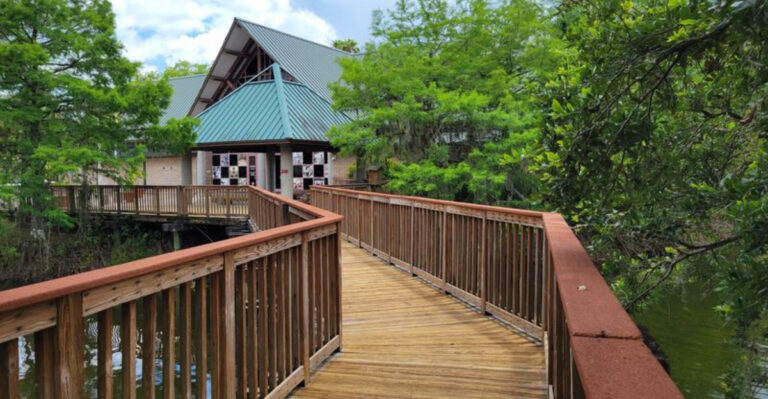
The water clarity rivals anything Silver Springs offers. From the elevated boardwalk, you can count individual manatees, watch calves nurse, and see every detail of their scarred backs and whiskered faces. On peak days, over 500 manatees pack into the spring run, creating a scene that looks almost unbelievable.
Swimming and snorkeling happen during summer months when manatees return to the St. Johns River. The spring itself pumps out 104 million gallons daily, creating that signature emerald-blue color that defines Florida’s best springs. Kayaking the run offers a different perspective, though winter closures protect the manatees.
Arrive at park opening during manatee season because crowds build quickly. The park operates seven days weekly, and rangers provide excellent interpretation about manatee biology and conservation. Out-of-towners who’ve never seen manatees in the wild get completely enchanted by these slow-moving giants.
Bring binoculars for the best viewing experience.
9. Wekiwa Springs State Park (Apopka)
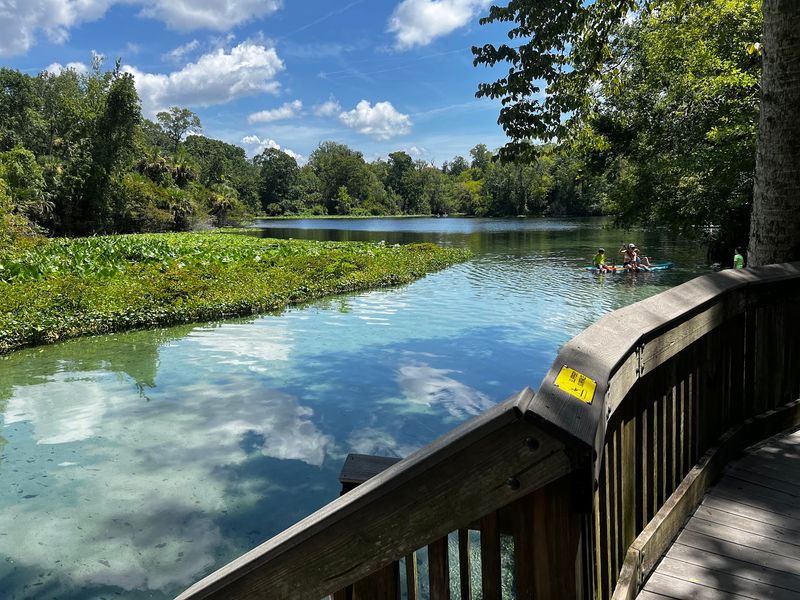
Emerald spring water bubbling up at 42 million gallons per day, creating a swimming hole and river system that feels like wilderness despite sitting just minutes from Orlando’s sprawl. Wekiwa Springs offers that authentic Florida spring experience without requiring a road trip to North Florida, making it perfect for out-of-towners on tight schedules.
The spring run flows into Rock Springs Run and eventually the Wekiva River, creating miles of paddling through cypress swamps and hardwood hammocks. Alligators, otters, and wading birds treat the park like home, giving visitors that genuine Florida wildlife experience. The spring itself stays a constant 72 degrees, cold enough to shock on first entry but refreshing after adjustment.
Hiking trails wind through sand pine scrub and oak hammocks, showcasing plant communities that most visitors never associate with Florida. But really, people come for the water. Swimming, snorkeling, and kayaking dominate the activity list, with the spring head serving as the main attraction.
Weekends get crowded, so weekday visits work better for avoiding parking hassles. The park opens daily, and canoe rentals operate on-site for spontaneous paddling adventures. Out-of-towners always express surprise that something this beautiful exists so close to theme park central.
10. Topsail Hill Preserve State Park (Santa Rosa Beach)
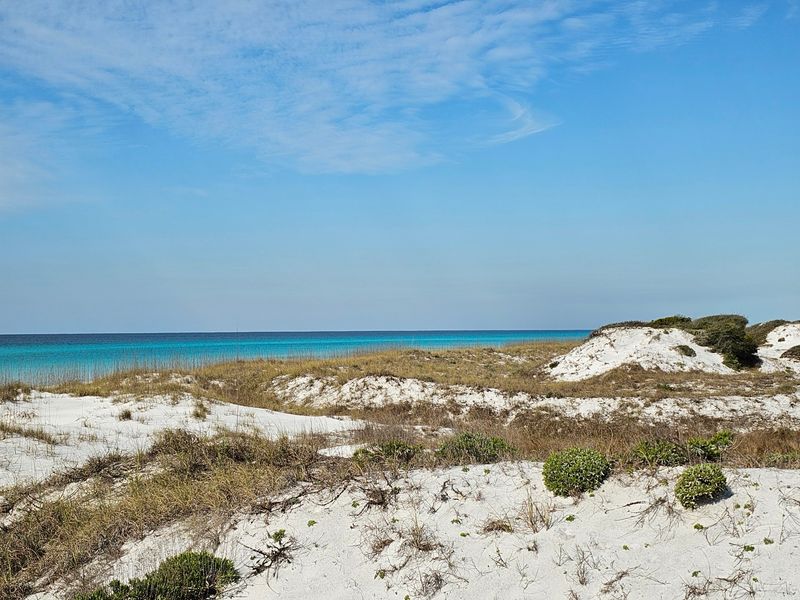
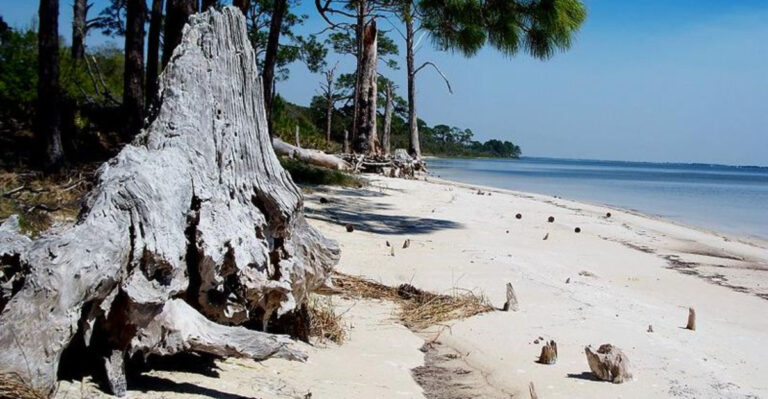
Three miles of white-quartz sand beaches backed by some of the tallest dunes on the Gulf Coast, all protected from development by state park status. Topsail Hill delivers that postcard-perfect Panhandle beach experience without the crowds, condos, or commercial noise that define most of the Emerald Coast.
The dunes tower overhead, some reaching 25 feet high, covered in sea oats that whisper in the constant Gulf breeze. Rare coastal dune lakes dot the preserve, creating brackish ecosystems found in only a handful of places worldwide. The combination of pristine beach, towering dunes, and protected lakes creates landscapes that make visitors stop and stare.
Getting to the beach requires either a tram ride or a walk through the dunes, which filters out casual beachgoers and keeps crowds manageable. Once there, the sugar-white sand and emerald water create those Gulf Coast moments that travel magazines love. Swimming, shelling, and simply soaking up the natural beauty top the activity list.
The park operates daily, with camping available for overnight stays. Visit during shoulder seasons for the best combination of weather and solitude. Out-of-towners expecting typical Florida beaches get completely blown away by the dune landscapes and undeveloped coastline here.