This Little-Known Florida Island Is So Secluded You Can Only Get There by Boat
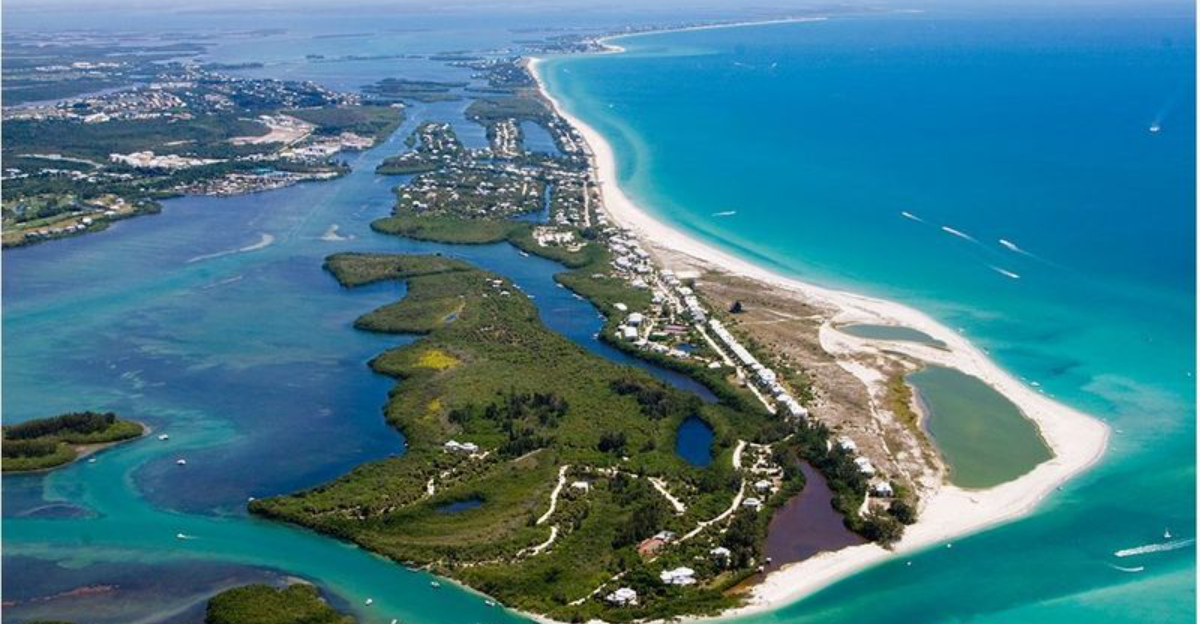
Don Pedro Island sits quietly off Florida’s Gulf Coast near Placida, accessible only by boat or kayak. This barrier island offers something rare in modern Florida: true seclusion. White sand beaches, mangrove tunnels, and wildlife encounters await those willing to make the paddle or boat trip across the Intracoastal Waterway.
Pack your sense of adventure and leave the crowds behind.
1. Getting There Requires Planning and Patience
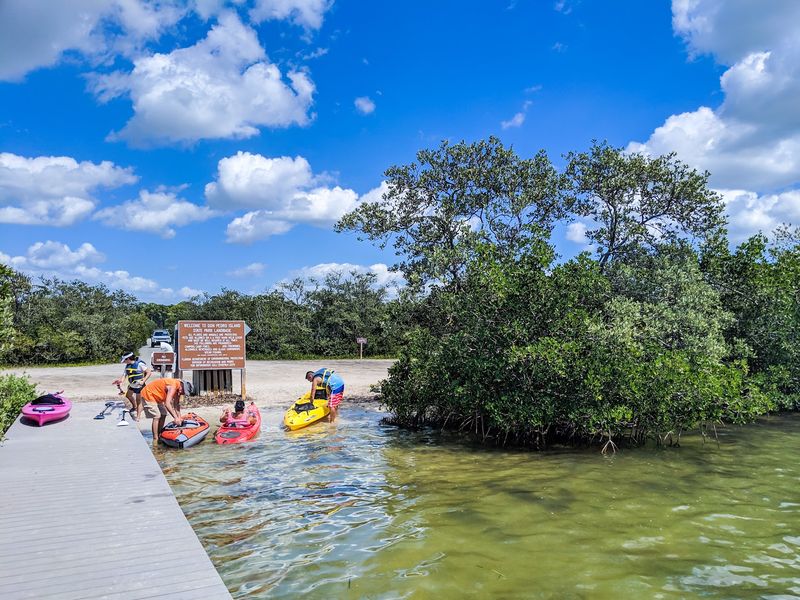
Most visitors launch from the mainland park on Placida Road, where a $3 parking fee gets you access to the kayak launch and pier. The walk from the parking lot to the water stretches about 20 yards, which sounds short until you’re hauling your own kayak. Bring a wheeled cart or trailer if you’ve got your own boat, because that trek gets old fast.
Crossing the Intracoastal Waterway means dealing with boat traffic, especially during peak season. Motor boats zip through what’s supposed to be a no-wake zone, so keep your head on a swivel. Look for the yellow house across the channel as your landmark, then follow the barrier islands south.
SUP Englewood operates on-site with rentals and guided tours if you’d rather not go solo. They provide detailed maps and solid advice about routes and conditions. The paddle typically takes longer than first-timers expect, often 30 to 45 minutes depending on wind and current.
Weather matters more than you think. Windy days can shut down rentals entirely and make the crossing genuinely sketchy. Check conditions before you load up, and don’t push your luck if whitecaps are showing.
This isn’t a trip to wing on a whim.
2. The Beach Itself Delivers Serious Wow Factor
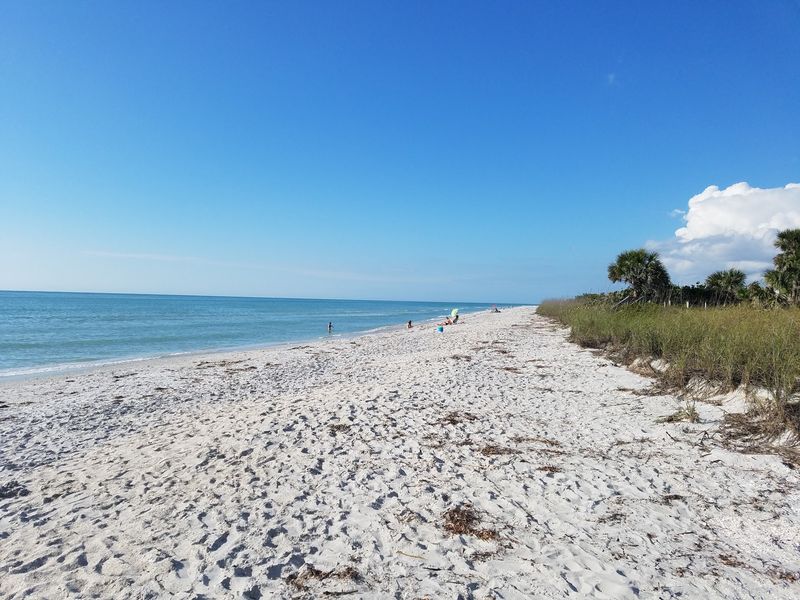
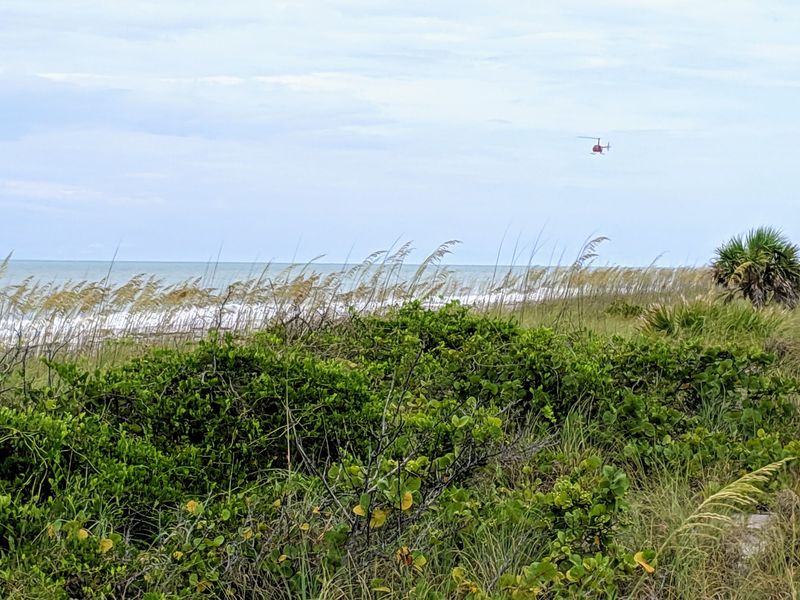
White sand stretches along the Gulf side, backed by vegetation that creeps right down to the high tide line. Railroad vine, also called beach morning glory, blooms with purple flowers directly on the sand, something you don’t see on developed beaches. The turquoise water stays remarkably clear, especially compared to mainland beaches.
Because there’s no road access, you’ll often find the beach nearly empty. On weekdays, you might have entire sections to yourself. That seclusion makes for peaceful walks and swimming without the usual Florida beach chaos.
No vendors, no lifeguards, no music blasting from speakers.
The beach works well for families willing to make the boat trip. Shallow areas near shore let kids splash safely, though you’re responsible for watching them since this is completely unsupervised. The covered pavilion offers shade and picnic tables if you haul supplies over.
Bathrooms on the island stay surprisingly clean considering the remote location. They’re basic but functional, a genuine luxury when you’re spending the day. Pack out everything you bring in because there’s limited trash service.
Leave-no-trace isn’t just a suggestion here, it’s essential to keeping this place pristine for everyone.
3. Shark Teeth Hunting Becomes an Actual Treasure Hunt
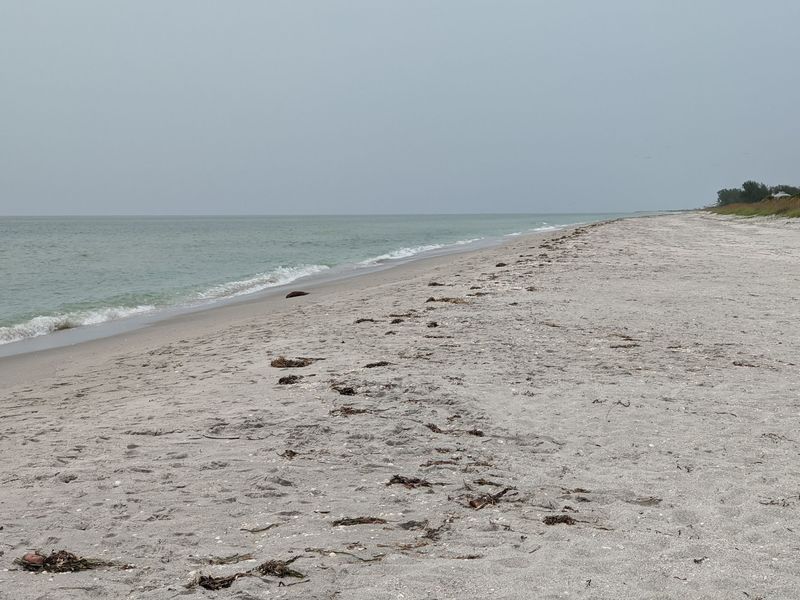
Don Pedro Island ranks among Florida’s better spots for finding fossilized shark teeth. The Gulf constantly churns up ancient remains, depositing them along the shore after storms and high tides. You’ll spot the dark triangular shapes against white sand if you walk slowly and scan carefully.
Early morning offers the best hunting after the tide goes out overnight. Fresh deposits appear regularly, so even if other hunters have combed the beach recently, new teeth wash up daily. Bring a small mesh bag or container to collect your finds.
Kids absolutely love this activity because it turns beach time into a genuine scavenger hunt. The teeth range from tiny fragments to occasional larger specimens over an inch long. Most come from extinct species that lived millions of years ago when Florida sat underwater.
Sea stars also appear in shallow areas, along with various shells that mainland beaches lost to development decades ago. The shelling rivals anywhere on Florida’s Gulf Coast. Some visitors report finding more shells than they’ve ever seen on a beach, which tracks with what the isolation preserves.
Just remember that collecting live shells is prohibited in state parks, so only take empty ones.
4. Wildlife Encounters Happen Without Trying
Dolphins patrol the waters around Don Pedro Island regularly. Paddlers frequently spot them during the crossing or while exploring the shoreline. They’re not guaranteed, but sightings happen often enough that you should keep your eyes open and your camera ready.
Manatees hang out in the area, particularly in the mangrove tunnels and shallow lagoons. Winter months bring more of them seeking warmer water. They’re easier to spot from a kayak than from a motorboat because you’re moving slowly and quietly enough not to spook them.
Bird life explodes across the island. Herons, egrets, pelicans, and various shorebirds treat this as prime habitat. Ospreys and the occasional falcon hunt from above.
The lack of development means these species thrive without constant human disruption.
Upside-down jellyfish drift in shallow lagoons, and rays glide through clear water near shore. Sea turtles nest on the beach during summer months. The ecosystem remains remarkably intact compared to developed barrier islands.
Hurricane damage from recent years set things back temporarily, but recovery continues steadily. Workers actively restore habitat, and nature bounces back faster than you’d expect when given half a chance.
5. Mangrove Tunnels Offer a Different Adventure
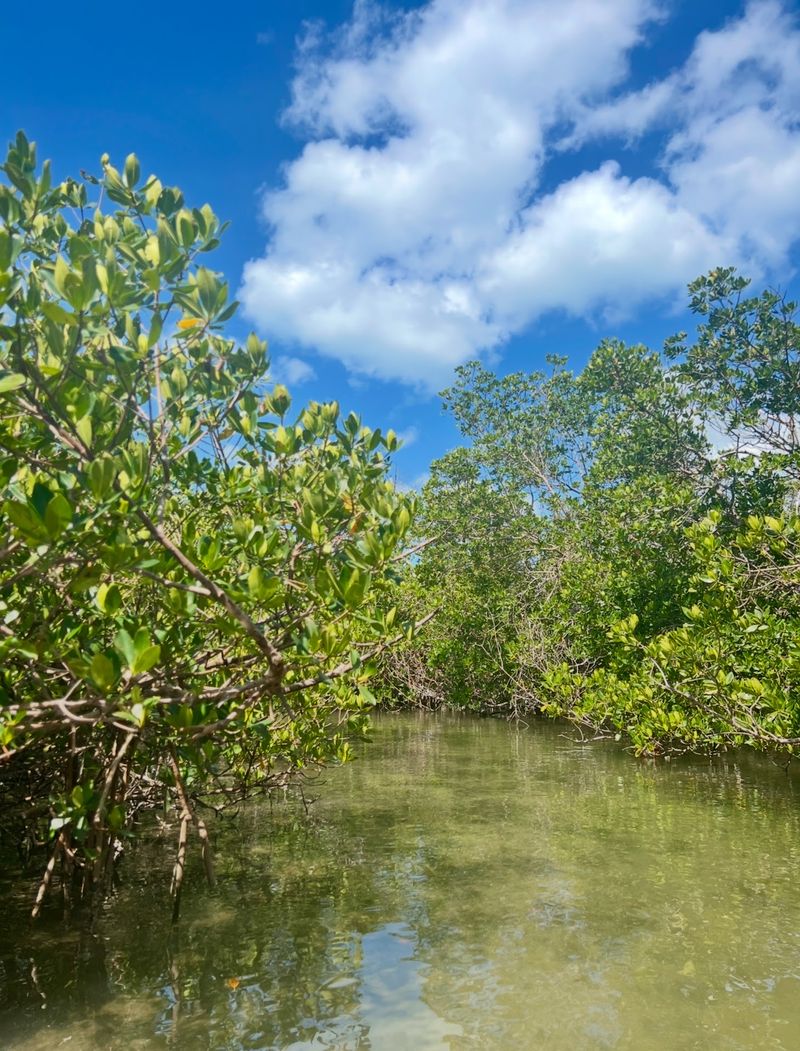
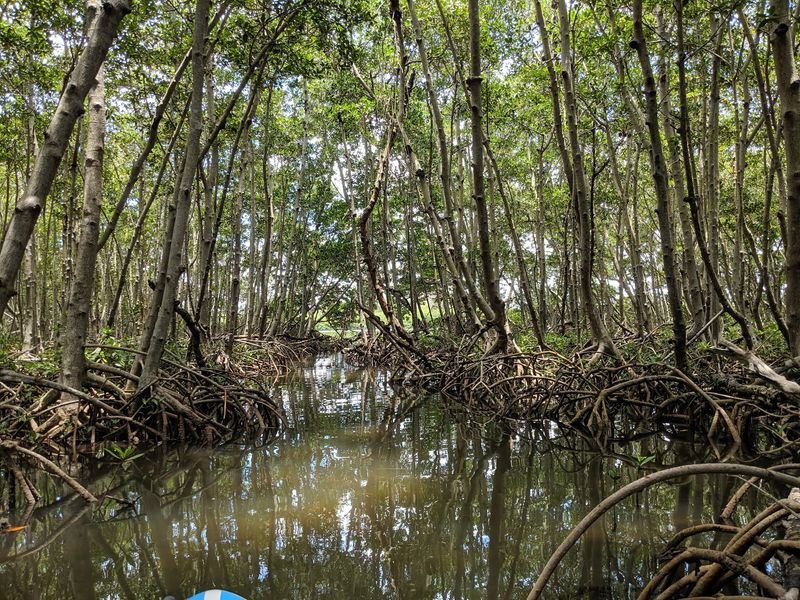
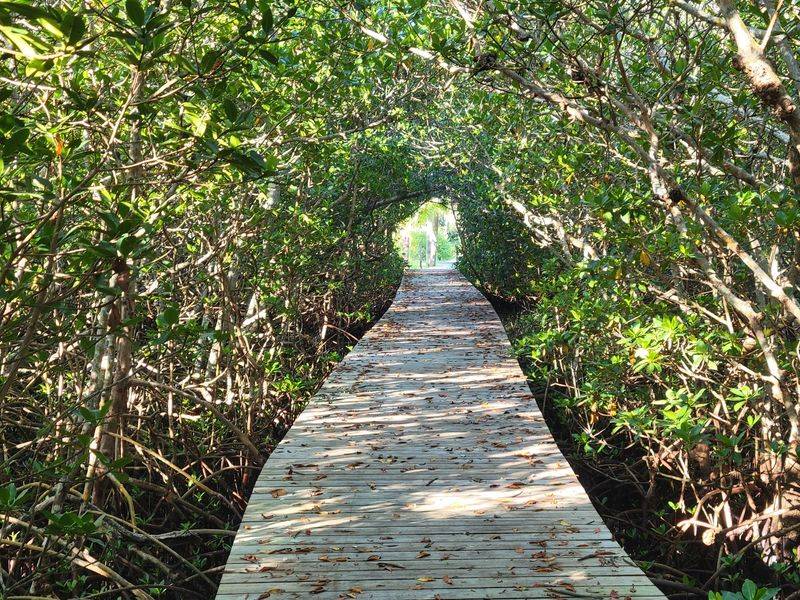
Head left from the launch and cross at the yellow house to find mangrove tunnels that wind through the islands. These narrow passages create a completely different experience from open water paddling. Roots arch overhead, filtering sunlight into patterns on the dark water below.
The tunnels lead to hidden lagoons filled with vegetation and wildlife. It’s cooler under the canopy, a welcome break on hot days. The water stays calm and protected, making this section ideal for less experienced paddlers or anyone wanting a break from boat traffic.
Manatees favor these areas, so paddle quietly and watch for their distinctive snouts breaking the surface. They’re curious but shy, and loud splashing sends them deeper. Birds nest in the mangroves, creating constant soundtrack of calls and wing beats.
Navigation gets tricky in the maze of passages. SUP Englewood provides maps that mark routes clearly, and following those keeps you from getting turned around. Some tunnels dead-end, others connect to larger waterways.
Going with a guide your first time makes sense. The ecosystem here feels primordial, like you’ve paddled back a few thousand years to see Florida as it existed before concrete.
6. The Rules Keep the Island Special
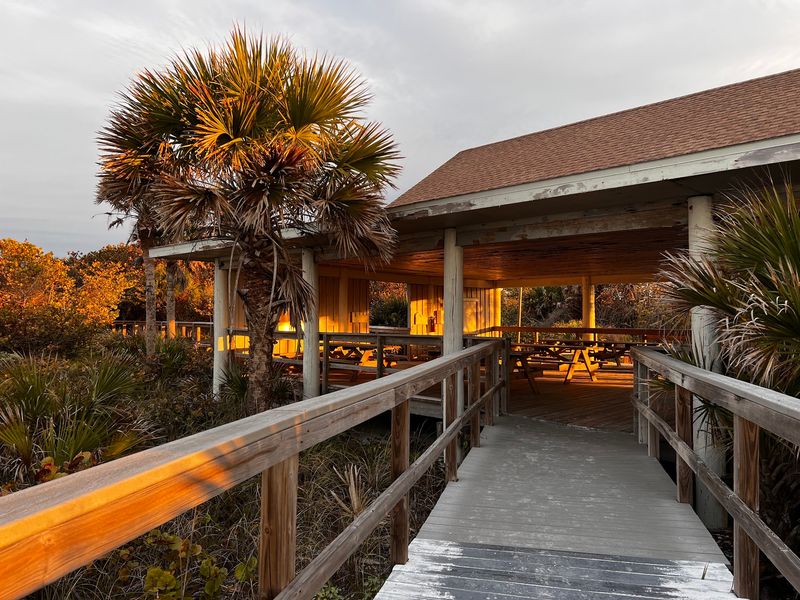
Don Pedro Island operates as a state park, which means specific rules apply. No alcohol allowed anywhere on the island, and no dogs permitted on the beach. These restrictions annoy some visitors but help maintain the quiet, family-friendly atmosphere that makes the place appealing.
The covered pavilion offers picnic tables and a large grill available first-come, first-served. Bring your own charcoal and supplies because there’s obviously no store. Pack in everything you need for the day, including plenty of water.
Boat slips at the dock stay limited, so arriving early improves your chances of snagging one. The water around the island runs shallow in spots, catching out boaters who don’t pay attention to depth. Charts help, but local knowledge matters more.
Park hours run 8 AM to 5 PM daily. Getting caught after closing means potential fines and a grumpy ranger. Budget your time to paddle back with daylight to spare, especially if you’re new to the route.
The mainland launch area allows dogs on the trails there, just not on the island itself. Those short trails offer quick nature walks, though longer paths took hurricane damage and remain rough. Tick protection matters if you explore inland.
7. Hurricane Recovery Shows Nature’s Resilience
Recent hurricanes hammered Don Pedro Island hard, and evidence of that beating still shows in places. Damaged vegetation, altered shorelines, and changed sand patterns mark where major storms reshaped the landscape. But recovery happens faster than most people expect when an ecosystem gets left mostly alone.
Restoration crews work actively on habitat recovery. Native plants get replanted, dunes rebuilt, and damaged areas stabilized. The island serves as important habitat for endangered species, making this work critical beyond just tourism appeal.
What’s remarkable is how quickly wildlife returns. Even with visible damage, dolphins, manatees, birds, and other species continue using the area. Nature adapts and persists when given space to do so.
Some visitors worry the damage diminishes the experience, but most find the island still delivers. The beaches remain beautiful, the water stays clear, and the seclusion persists. If anything, seeing recovery in action adds educational value.
This is Florida’s natural cycle, storms and all.
Future development pressure looms as nearby areas grow. New residential construction creeps closer, and formerly public access roads now dead-end at gated communities. The island’s boat-only access provides protection for now, but staying truly wild requires ongoing conservation effort and funding.
8. Practical Prep Makes the Trip Better
Successful trips start with proper preparation. Sunscreen matters more than you think because there’s zero shade on the water and limited coverage on the beach. Reef-safe formulas protect both you and the marine environment.
Reapply frequently because saltwater and sweat wash it off faster than you realize.
Water requirements exceed normal beach trips. Paddling burns calories and fluids, especially in Florida heat. Bring at least twice what you think you’ll need.
Dehydration sneaks up on you out there.
A wheeled cart transforms the parking-lot-to-launch trek from miserable to manageable. Several companies make kayak carts that break down small enough to stash in your boat. That investment pays off immediately.
Waterproof bags protect phones, keys, and anything else you can’t afford to lose overboard. Waves and wakes happen, and stuff gets wet. Plan accordingly.
A small first aid kit covers minor scrapes and stings.
Timing your visit to weekdays drops the boat traffic significantly. Seasonal patterns matter too, with winter bringing cooler temperatures but better manatee sightings, while summer offers warmer water and turtle nesting. Check the SUP Englewood website or call ahead to confirm conditions and rental availability.
Their staff knows current water conditions and can advise whether conditions suit your skill level.