10 Florida Towns Losing Residents as the Cost of Living Climbs
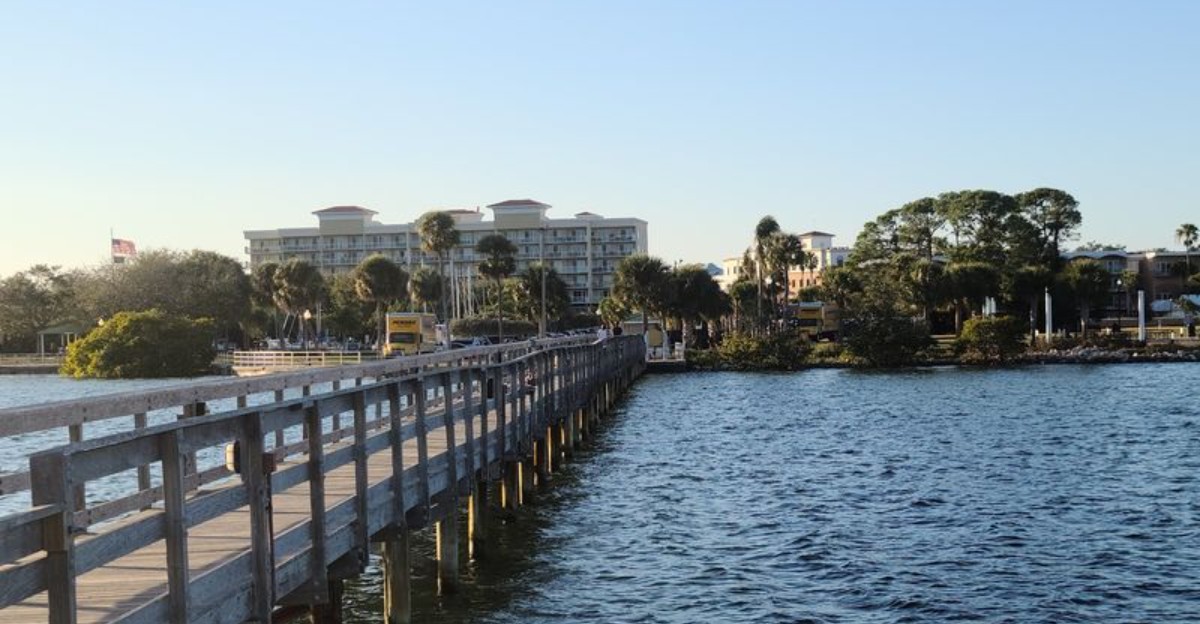
Florida has long been seen as a sunny paradise where people flock for warm weather and endless beaches. But lately, some of the state’s most beloved coastal communities are watching their populations shrink instead of grow. Rising rents, soaring home prices, and everyday expenses that keep climbing have pushed longtime residents to pack up and move somewhere more affordable, leaving once-thriving towns quieter than before.
1. Key West
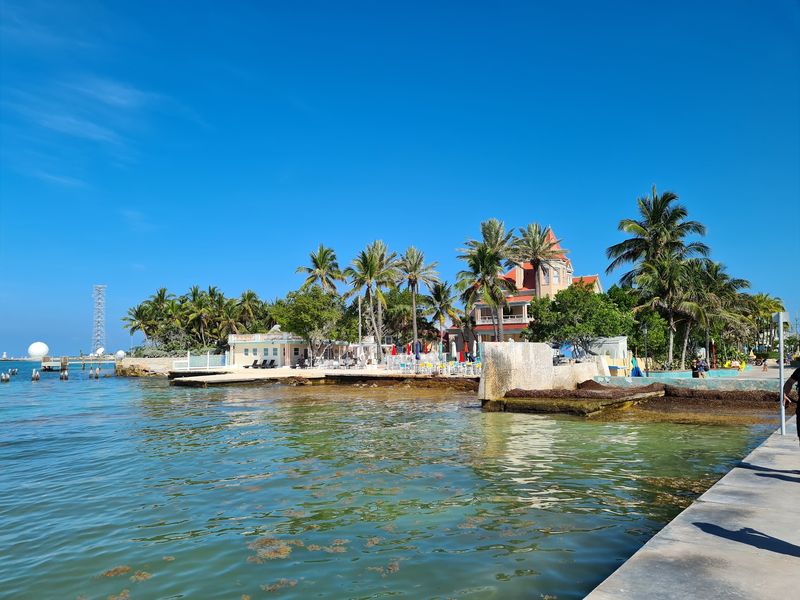
Perched at the very tip of the Florida Keys, Key West has always been a magnet for dreamers, artists, and retirees drawn to its laid-back island vibe. But the town has seen a 5.4% drop in population as the cost of simply existing there has skyrocketed. Housing prices have surged so high that even modest apartments now demand eye-watering rents, forcing many locals to leave the island they love.
Grocery bills in Key West can feel like a second mortgage. Because nearly everything has to be trucked or shipped in, a gallon of milk or a loaf of bread costs noticeably more than on the mainland. Add in pricey utilities, limited job opportunities outside tourism, and hurricane insurance that keeps climbing, and it’s no wonder families are reconsidering their island life.
Service workers, teachers, and even small business owners have been hit hardest. Many have spent years building their lives in Key West, only to find themselves priced out by investors and vacation rental owners. The exodus has left the community struggling to fill essential roles, from restaurant staff to firefighters.
For those who remain, the challenge is finding a way to stay without sacrificing financial stability. Some have taken on multiple jobs or moved into shared housing arrangements just to keep their toes in the sand.
2. Gulfport
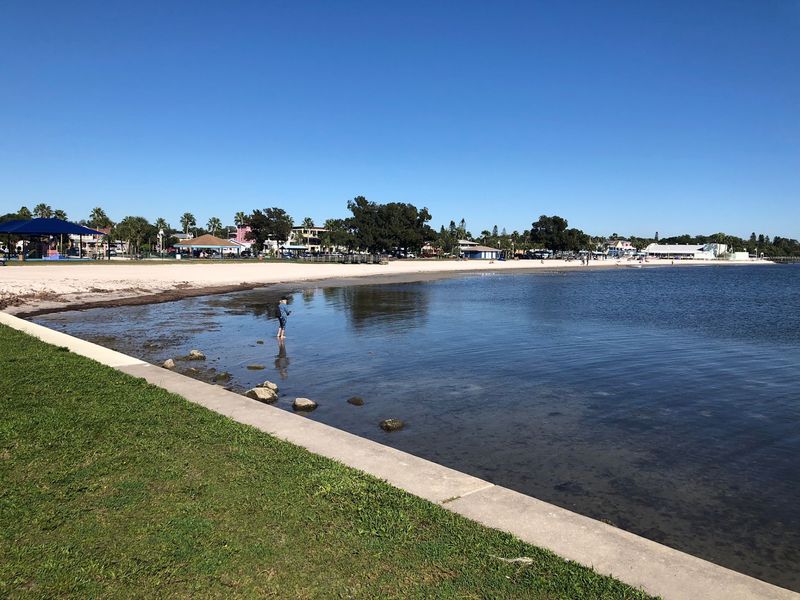
Tucked along the shores of Boca Ciega Bay, Gulfport has always been the quirky, artsy neighbor to bigger Tampa Bay cities. With its weekly art walks, funky boutiques, and tight-knit community feel, it’s the kind of place where everyone knows your name. Yet a 3.1% population decline tells a story of rising costs pushing out the very people who gave Gulfport its character.
Property taxes have climbed steadily as home values soar, leaving longtime homeowners staring at bills they can barely afford. Renters face even steeper challenges, with landlords raising monthly rates to match the influx of demand from wealthier newcomers. What was once an affordable haven for artists and retirees has transformed into a pricier real estate market.
Dining out, running errands, and even filling up the gas tank all cost more here than they did just a few years ago. Local businesses have raised prices to cover their own increased expenses, creating a ripple effect that squeezes household budgets. Families who once thrived in Gulfport now find themselves weighing whether they can afford to stay.
The town’s charm hasn’t faded, but its accessibility has. Many former residents have relocated to nearby areas where their dollars stretch further, leaving behind a community that feels the loss of familiar faces at every corner.
3. Dunedin
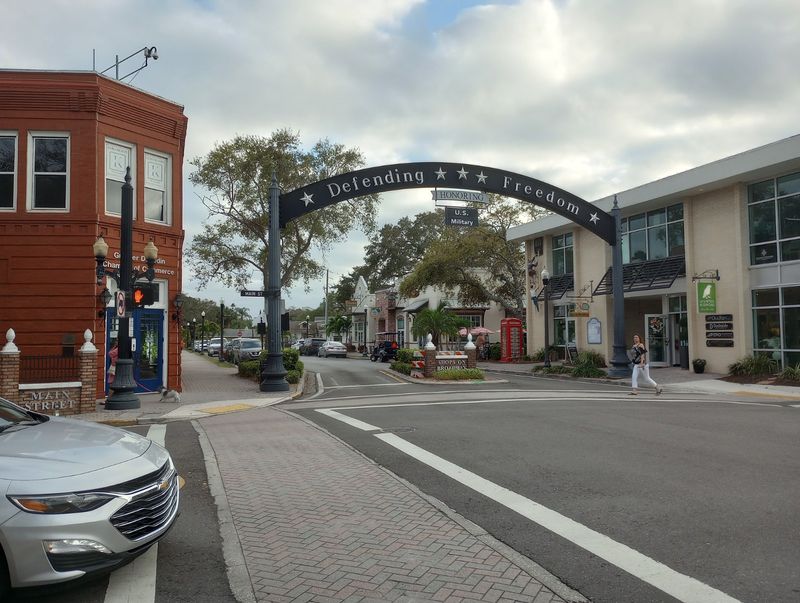
With its Scottish heritage festivals and picturesque downtown, Dunedin has earned a reputation as one of Tampa Bay’s most charming small cities. The Pinellas Trail runs right through town, drawing cyclists and walkers who love the active lifestyle. But behind the postcard-perfect scenery, a 2.6% population drop reveals the strain that rising living costs have placed on residents.
Home prices in Dunedin have climbed so steeply that first-time buyers are almost entirely shut out of the market. Even condos and townhomes that were once considered starter properties now command six-figure price tags that feel out of reach. Renters aren’t faring much better, with monthly rates that have doubled in some neighborhoods over the past few years.
Everyday expenses add up quickly here. From car insurance to healthcare, the cost of maintaining a comfortable life in Dunedin has increased faster than many paychecks. Retirees on fixed incomes and young professionals alike have felt the pinch, leading some to make the tough decision to relocate.
Local officials have tried to address affordability through zoning changes and incentives for workforce housing, but progress has been slow. Meanwhile, the people who once filled Dunedin’s cafes, shops, and parks continue to move elsewhere in search of financial breathing room.
4. Safety Harbor
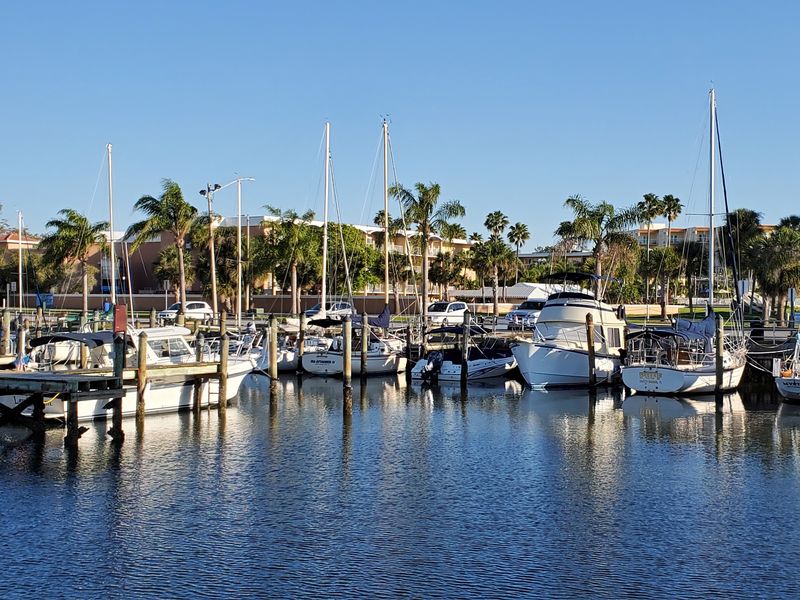
Nestled on the shores of Old Tampa Bay, Safety Harbor offers natural mineral springs, a charming downtown, and a slower pace of life that has attracted families for generations. The town’s name suggests a refuge, but lately it’s been harder for residents to find safety from financial pressures. A 2.6% population decline reflects the reality that living costs have made this once-affordable gem less accessible.
Housing has become the biggest sticking point. Waterfront properties and renovated homes have driven up median prices across the board, making it nearly impossible for middle-class families to buy in. Renters face similar challenges, with landlords capitalizing on high demand by pushing monthly rates beyond what many can reasonably afford.
Utility bills, insurance premiums, and general cost of living increases have compounded the problem. What used to be a town where teachers, firefighters, and retail workers could comfortably settle down has shifted toward attracting higher earners. Long-term residents who built their lives here now wonder if they can afford to retire in place.
Community events and local traditions continue, but there’s a noticeable absence of familiar faces. People who once volunteered at the library or coached Little League have moved to more affordable counties, leaving gaps that are hard to fill and a town that feels less like the close-knit community it once was.
5. Clearwater
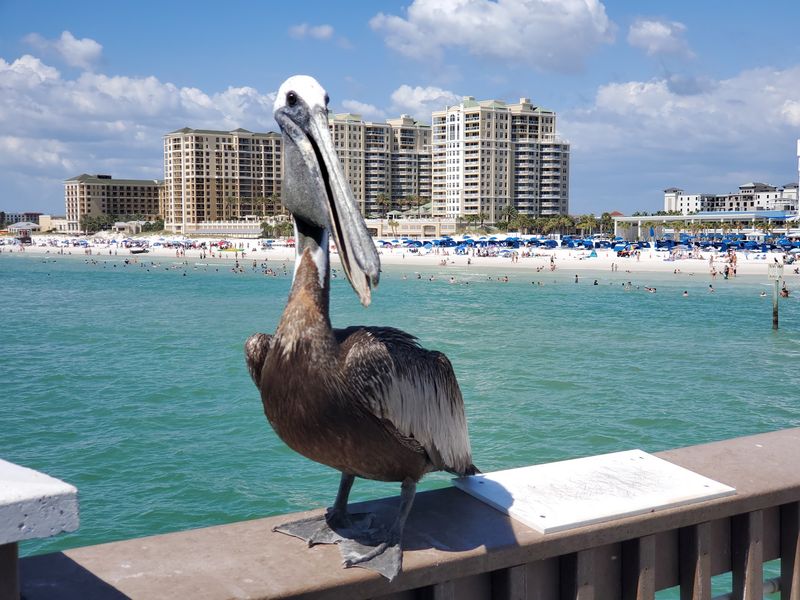
Famous for its powdery white sand and crystal-clear Gulf waters, Clearwater has long been a bucket-list destination for tourists and a dream home for many Floridians. But the city’s 2.5% population drop shows that even paradise has its limits when rent and everyday expenses keep climbing. What was once a place where families could plant roots has become increasingly difficult to afford.
Rent hikes have been particularly brutal. Apartment complexes that used to cater to working-class tenants have rebranded as luxury communities, complete with higher rents that many longtime residents simply can’t swing. Even older, less updated units have seen double-digit percentage increases, forcing difficult choices about whether to stay or go.
Groceries, gas, and insurance all cost more in Clearwater than in many inland Florida cities. The proximity to the beach comes with a premium that extends beyond housing, affecting nearly every aspect of daily life. For families living paycheck to paycheck, those extra costs add up quickly and make financial stability feel out of reach.
Service industry workers, who make up a large portion of Clearwater’s workforce, have been hit especially hard. Many commute from neighboring counties because they can’t afford to live where they work, contributing to the population decline and creating a community that feels less vibrant than it once did.
6. Largo
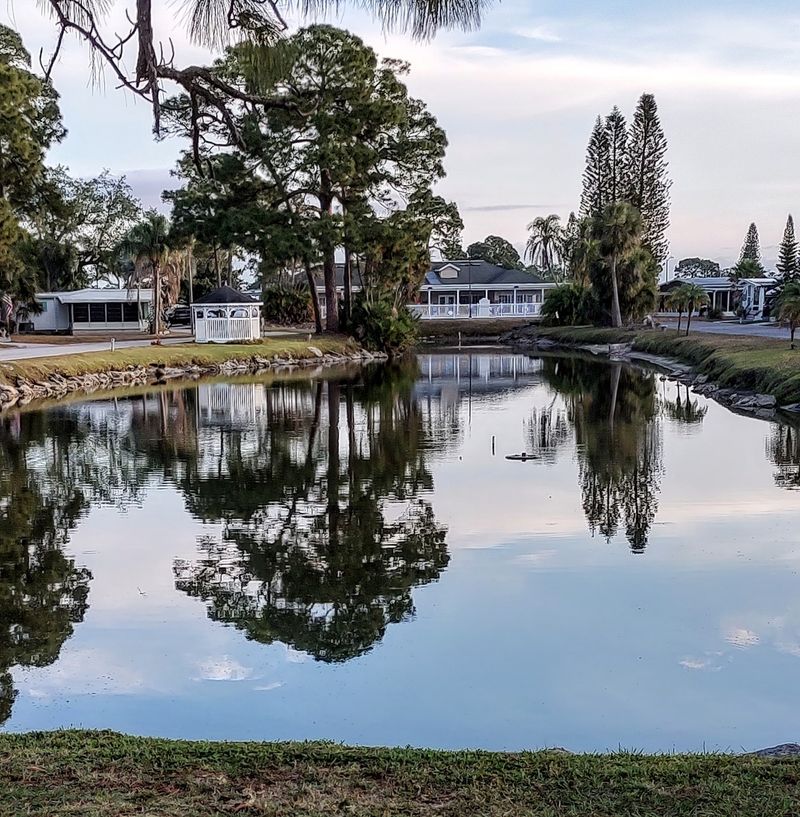
Largo sits right in the heart of Pinellas County, offering a central location without the beachfront price tag of neighboring cities. For years, it served as an affordable alternative for families and retirees who wanted easy access to Tampa Bay’s attractions without breaking the bank. But a 2.5% population decline signals that even Largo is no longer the budget-friendly option it once was.
Property values have risen sharply as buyers priced out of coastal areas have moved inland, driving up competition and costs. What used to be a market where modest homes sold for reasonable prices has transformed into one where bidding wars and cash offers are common. Renters have faced similar pressures, with landlords raising rates to match the increased demand.
Everyday living expenses have crept up too. From car repairs to childcare, the cost of maintaining a household in Largo has increased faster than wages for many residents. Families who moved here specifically for affordability now find themselves struggling to make ends meet, prompting some to leave Pinellas County altogether.
The city has tried to maintain its appeal through parks, recreation programs, and community events, but financial strain has made it harder for residents to participate. When choosing between a city festival and paying bills becomes a real dilemma, it’s clear that affordability issues have reached a tipping point for many.
7. Miami Beach
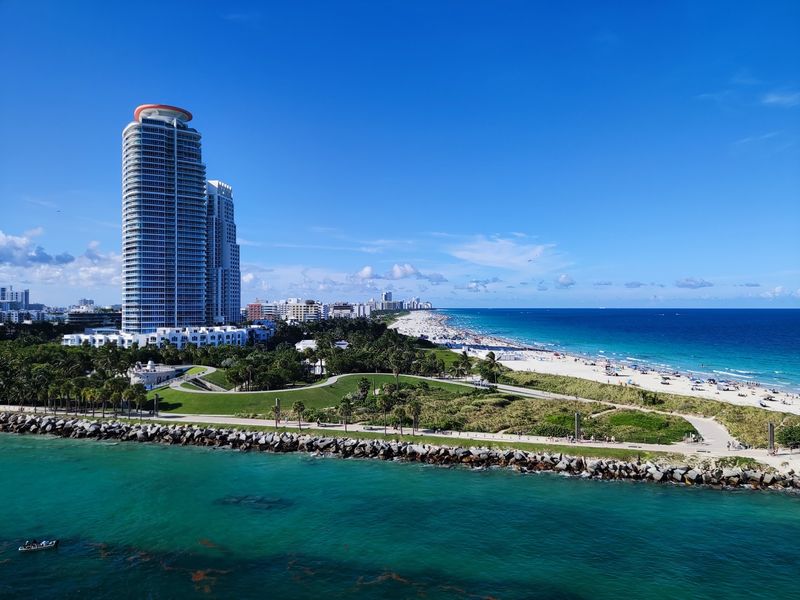
Glamorous, vibrant, and endlessly photogenic, Miami Beach has been synonymous with luxury and nightlife for decades. But beneath the glittering surface, a 1.6% population decline reveals that even this iconic destination is losing residents who can no longer keep up with skyrocketing costs. The city that never sleeps is watching its year-round population shrink as financial pressures mount.
Rent in Miami Beach ranks among the highest in the entire state. Even a studio apartment in a less trendy neighborhood can demand thousands of dollars per month, pricing out everyone except high earners and those willing to sacrifice space for location. Homeownership is nearly impossible for most, with condo prices that rival those in major cities like New York or San Francisco.
Daily expenses compound the problem. Parking fees, dining out, and even basic groceries all come with a premium price tag. For service workers who keep the city’s hotels, restaurants, and shops running, living locally has become financially unfeasible, forcing long commutes from more affordable areas.
The exodus includes young professionals, families, and longtime residents who remember when Miami Beach was more accessible. What remains is a city increasingly dominated by tourists, part-time residents, and the wealthy, leaving a community that feels less rooted and more transient than ever before.
8. Pinellas Park
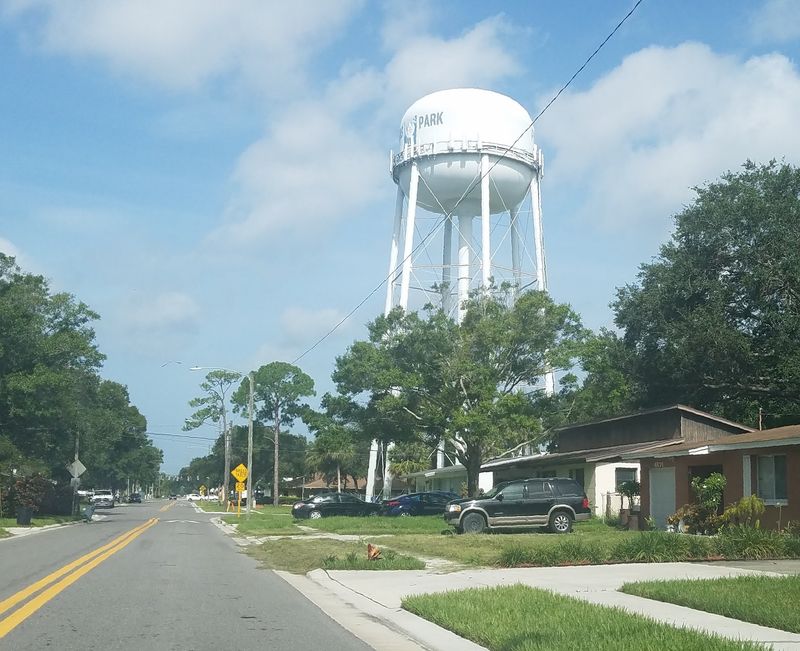
Positioned between St. Petersburg and Clearwater, Pinellas Park has historically been the go-to spot for working-class families seeking affordable housing in Pinellas County. The city’s 1.5% population decline might seem modest, but it represents a significant shift for a community that has always prided itself on being accessible to people of all income levels.
Rent increases have been relentless. Apartment complexes that once offered reasonable rates have raised prices year after year, leaving tenants with the choice of paying more or moving out. For those on fixed incomes or earning modest wages, those increases have made staying in Pinellas Park increasingly difficult.
Homebuyers have faced their own challenges. What used to be a market where starter homes were plentiful and affordable has become competitive and pricey. Even older properties that need work now sell for prices that would have seemed outrageous just a few years ago, shutting out first-time buyers and families trying to upgrade.
Beyond housing, the general cost of living has risen across the board. Car insurance rates in Florida are notoriously high, and Pinellas Park is no exception. Groceries, utilities, and healthcare all take bigger bites out of household budgets, leaving less room for savings or unexpected expenses and prompting some residents to seek more affordable counties.
9. Pensacola
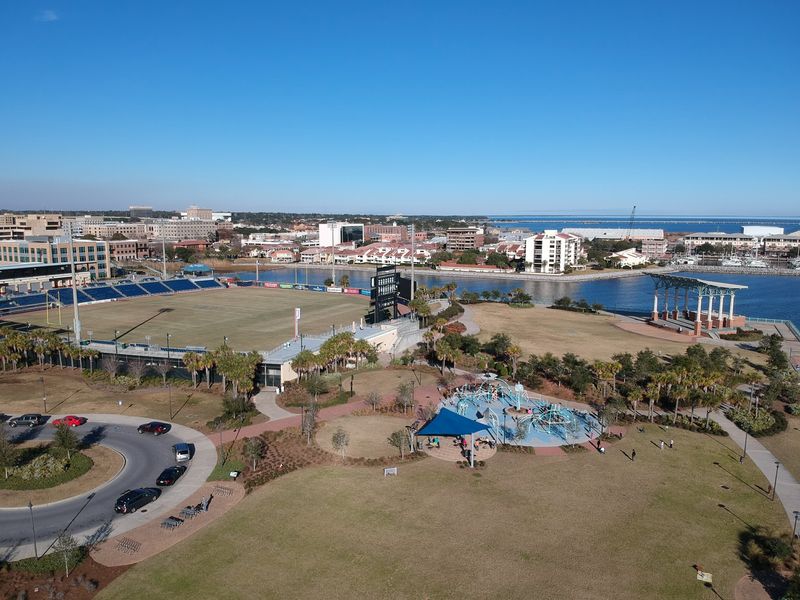
Known for its rich military history and stunning Gulf Coast beaches, Pensacola sits in Florida’s Panhandle and has always offered a more affordable alternative to the state’s busier metro areas. But a 1.1% population decline shows that even this relatively laid-back city is feeling the squeeze of rising living costs that are pushing residents to reconsider their options.
Housing affordability has become a growing concern. While Pensacola’s real estate market is still cheaper than South Florida or Tampa Bay, prices have climbed faster than local wages can keep up with. Renters have watched monthly rates increase steadily, and buyers are finding fewer options in their price range as competition heats up.
Everyday expenses have also crept higher. From gas prices to groceries, the cost of maintaining a household has increased noticeably. For military families and service industry workers who make up a large portion of Pensacola’s population, those increases can strain already tight budgets and make financial planning more challenging.
The city’s beaches and cultural attractions still draw visitors and new residents, but the people leaving are often those who’ve lived here for years and can no longer make the numbers work. They’re trading Pensacola’s coastal charm for inland towns or neighboring states where their paychecks go further and financial stress feels less constant.
10. Cocoa Beach
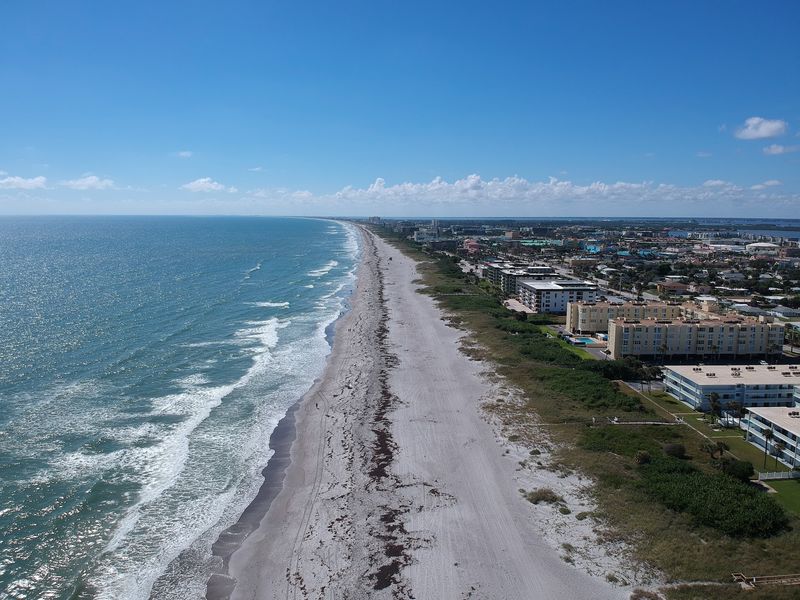
Home to legendary surf breaks and the closest beach to Orlando, Cocoa Beach has built its identity around sun, sand, and a relaxed coastal lifestyle. The city’s 0.4% population decline is the smallest on this list, but it still signals that rising costs are beginning to chip away at the community’s stability, even in a place where the surf is always up.
Rent and home prices have increased steadily, driven partly by demand from people working at nearby Kennedy Space Center and those seeking beachside living. While the increases aren’t as dramatic as in other Florida coastal cities, they’re still significant enough to make longtime residents think twice about whether they can afford to stay long-term.
Cocoa Beach’s economy relies heavily on tourism, which means many jobs are seasonal or lower-wage. When housing costs rise but paychecks don’t, workers find themselves squeezed between the desire to live near the ocean and the need to pay bills. Some have moved to Merritt Island or further inland to find more affordable options.
Insurance costs have also climbed, particularly for those living in flood zones or hurricane-prone areas. When you add up higher rent, increased insurance premiums, and the general cost of living near the coast, even a small population decline makes sense as residents weigh the trade-offs of beach life against financial security.