12 Florida Roadside Attractions So Strange You Have to Stop and Look
Florida is famous for its beaches and theme parks, but the state’s strangest treasures are found along its backroads and highways. From mermaids performing underwater to a castle built by one man using only hand tools, the Sunshine State is packed with bizarre roadside stops that defy explanation.
These quirky attractions prove that Florida’s weirdness goes way beyond headlines, offering travelers unforgettable photo ops and stories that sound too wild to be true.
1. Weeki Wachee Springs State Park — Weeki Wachee, Florida
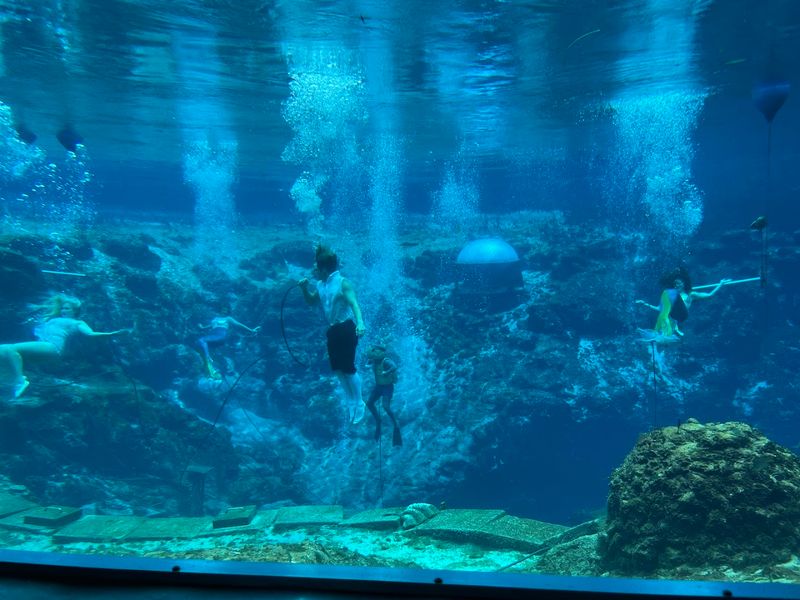
Real people dressed as mermaids, holding their breath underwater while performing graceful choreographed routines behind glass. That’s exactly what you’ll find at Weeki Wachee Springs, where mermaid shows have been dazzling audiences since 1947.
The performers train for months to master the art of breathing through hidden air hoses while smiling, flipping, and even eating bananas underwater.
The spring itself pumps out 117 million gallons of crystal-clear water daily, maintaining a constant 74-degree temperature year-round. Visitors can watch shows from a submerged theater with windows looking directly into the spring.
Between performances, you can kayak down the river, spot manatees, or explore nature trails surrounding the park.
What makes this place truly strange is how it’s survived decades of changing entertainment trends. While most roadside attractions from the 1940s have disappeared, Weeki Wachee remains a beloved Florida institution.
The mermaids have become cultural icons, representing a slice of Old Florida that refuses to fade away.
Families love combining the mermaid show with the adjacent water park, Buccaneer Bay, which features water slides and a sandy beach area. The park offers a full day of entertainment that mixes natural beauty with kitschy charm.
It’s the kind of place where you’ll laugh at the absurdity while simultaneously being impressed by the athleticism and showmanship on display.
Admission prices are reasonable compared to major theme parks, making this an affordable stop for road-trippers exploring Florida’s Nature Coast.
2. Skunk Ape Research Headquarters — Ochopee, Florida
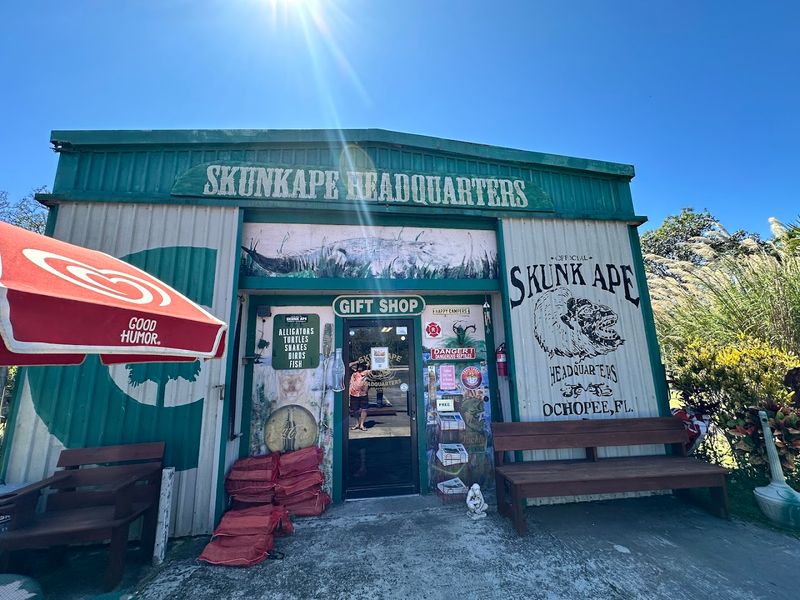
Deep in the Everglades, a small shack covered in hand-painted signs claims to be the world’s only research facility dedicated to tracking Florida’s version of Bigfoot. The Skunk Ape, named for its distinctive foul odor, supposedly roams the swamps leaving behind footprints and terrified witnesses.
This roadside stop takes the legend seriously while embracing the fun and mystery surrounding it.
Dave Shealy, the owner and self-proclaimed Skunk Ape expert, runs the facility with infectious enthusiasm. He’s collected eyewitness accounts, plaster casts of footprints, and even claims to have photographed the creature himself.
Whether you believe in the Skunk Ape or not, Dave’s passion makes the visit entertaining and oddly convincing.
The headquarters doubles as a wildlife sanctuary where you can see actual Florida animals like alligators, turtles, and various birds. It’s a strange combination of cryptozoology museum and legitimate nature education.
The gift shop sells Skunk Ape merchandise that ranges from funny to genuinely creative, perfect for friends who appreciate weird Florida souvenirs.
Located along the Tamiami Trail, this spot serves as a convenient break during the long drive across the Everglades. The surrounding area offers spectacular views of sawgrass prairies and opportunities to spot real wildlife.
Even skeptics find themselves charmed by the quirky dedication to a creature that probably doesn’t exist.
Admission is cheap, and Dave happily shares stories and answers questions about his decades-long search. It’s pure roadside Americana with a uniquely Florida twist that celebrates the state’s wild, untamed spirit.
3. Coral Castle Museum — Homestead, Florida
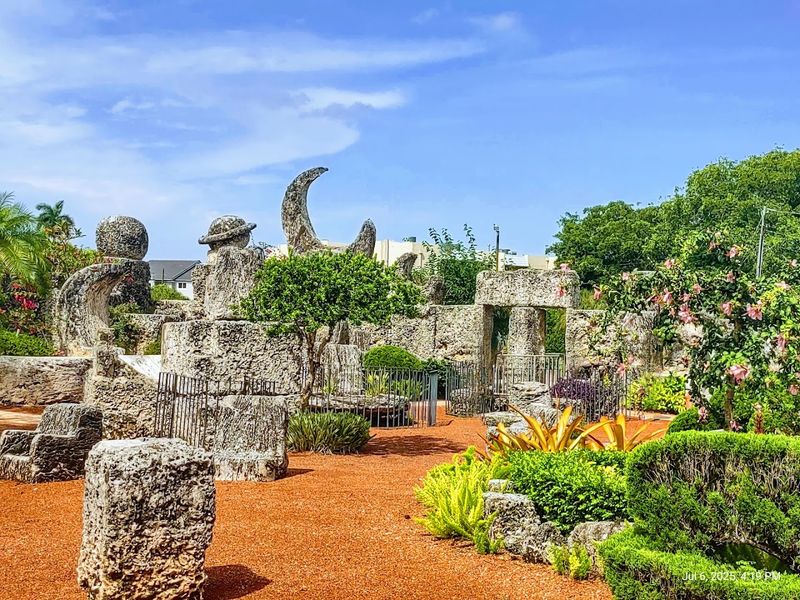
Between 1923 and 1951, a five-foot-tall Latvian immigrant named Edward Leedskalnin single-handedly carved and moved over 1,100 tons of coral rock to build a castle dedicated to lost love. Working only at night using homemade tools, he created massive sculptures, furniture, and walls from limestone rocks weighing up to 30 tons each.
Nobody knows exactly how he moved these enormous stones without modern equipment, and Edward took his secrets to the grave.
The engineering mystery has sparked theories ranging from magnetic levitation to alien assistance. More likely, Edward used clever leverage techniques and an intuitive understanding of physics, but the exact methods remain debated.
What’s undeniable is the incredible precision of his work—stones fit together perfectly without mortar, and celestial features align with astronomical events.
Walking through Coral Castle feels like discovering an ancient ruin, except this one was built by one determined man with a broken heart. Edward created the castle hoping to win back his fiancée Agnes, who left him the day before their wedding.
She never saw his life’s work, but millions of visitors have marveled at this monument to obsessive dedication.
The site includes a two-story tower, a massive revolving gate that once moved at a finger’s touch, and coral furniture including rocking chairs and beds. Each piece demonstrates Edward’s skill and patience.
Guides share stories about Edward’s eccentric personality and the various theories about his construction methods.
It’s located near Homestead, making it an easy detour from trips to the Florida Keys or Everglades National Park.
4. Solomon’s Castle — Ona, Florida
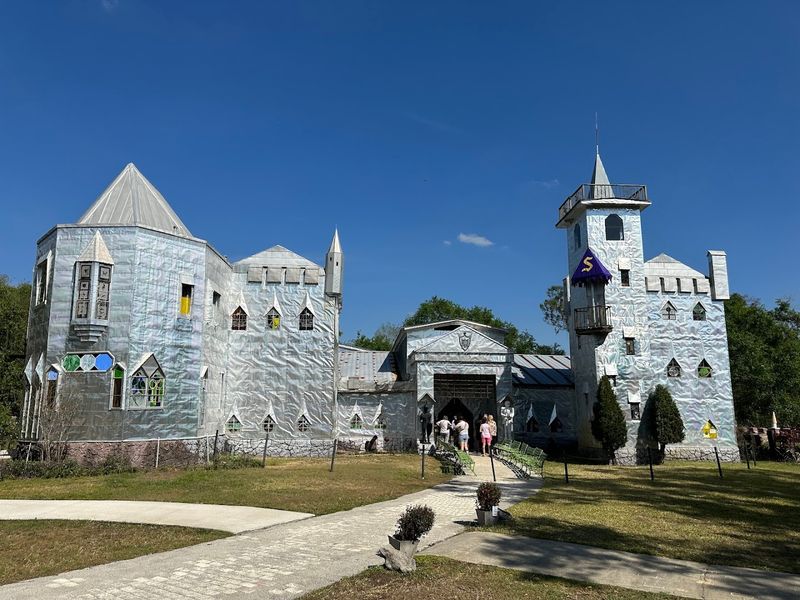
Imagine a castle constructed entirely from aluminum printing plates salvaged from newspapers, complete with stained glass windows made from liquor bottles. That’s Solomon’s Castle, the lifelong project of artist Howard Solomon, who spent decades building this shimmering fortress in rural Hardee County.
The castle reflects sunlight like a disco ball, creating an otherworldly appearance that seems impossible in the middle of Florida cattle country.
Howard filled his three-story castle with humorous sculptures and inventions made from found objects and recycled materials. Every room contains clever artwork with punny names and unexpected uses for everyday items.
His philosophy was simple: one person’s trash is an artist’s treasure, and he proved it by creating beauty from materials others discarded.
The castle sits on 90 acres of peaceful countryside, offering a stark contrast to Florida’s coastal tourist areas. Visitors tour the castle while hearing stories about Howard’s creative process and quirky sense of humor.
Though Howard passed away in 2016, his daughter continues operating the attraction, preserving his artistic legacy and welcoming guests to experience his unique vision.
Adjacent to the castle, the Boat in the Moat restaurant serves lunch inside a replica Portuguese galleon. The food is surprisingly good, featuring fresh salads and sandwiches in a dining room decorated with more of Howard’s artwork.
It’s the kind of place where you’ll constantly discover new details—hidden jokes, clever repurposing, and artistic touches everywhere you look.
Getting there requires driving through orange groves and ranch land, adding to the sense of discovering something hidden and special. Reservations are recommended since this remains a family-run operation with limited hours.
5. The World’s Smallest Police Station — Carrabelle, Florida
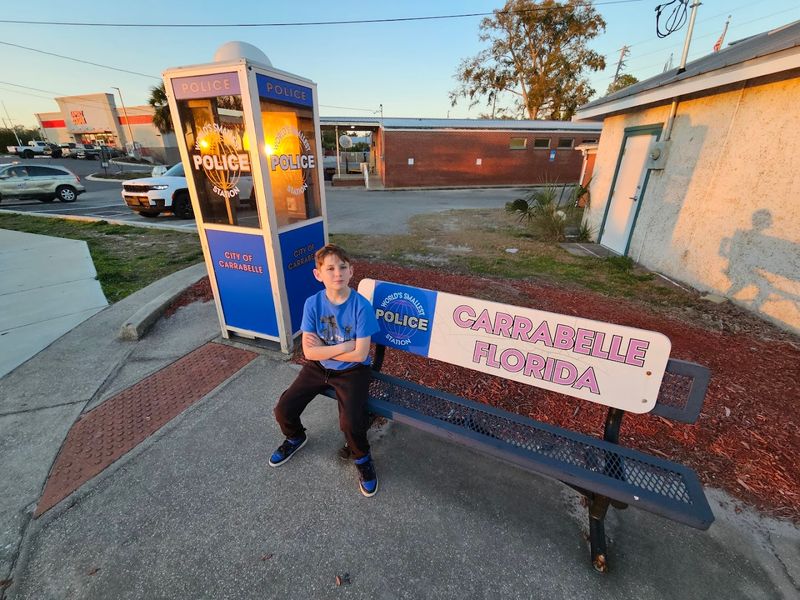
Measuring just 8 square feet, Carrabelle’s police station is literally a phone booth. Built in 1963 to house a single telephone and provide shelter for the town’s police officer, it became famous when Ripley’s Believe It or Not featured it as the world’s smallest police station.
The booth still stands on a street corner, painted blue with official police markings, looking like something from a comedy movie.
The story behind this tiny station is purely practical. Carrabelle’s police officer used to take calls from his car or wherever he happened to be, but local business owners complained about not being able to reach him.
The town’s solution was installing a phone booth where the officer could reliably be contacted. It worked perfectly for the small fishing village’s needs.
Today, the phone booth serves as a popular photo opportunity rather than an actual police facility. The current police department operates from a normal building nearby, but they’ve preserved the booth as a historic landmark and tourist attraction.
Visitors love posing next to or inside the tiny structure, and it’s become one of Florida’s most photographed oddities.
Carrabelle itself is a charming, low-key fishing town on the Forgotten Coast, offering excellent seafood restaurants and access to pristine beaches. The police station sits right downtown, making it an easy stop while exploring the area.
There’s no admission fee or formal hours—it’s just sitting there on the street, ready for impromptu visits.
The booth has survived hurricanes and decades of Florida weather, testament to sturdy construction and community pride. It represents small-town ingenuity and Florida’s ability to turn everyday solutions into beloved attractions.
6. Betsy the Giant Lobster at Rain Barrel Village — Islamorada, Florida
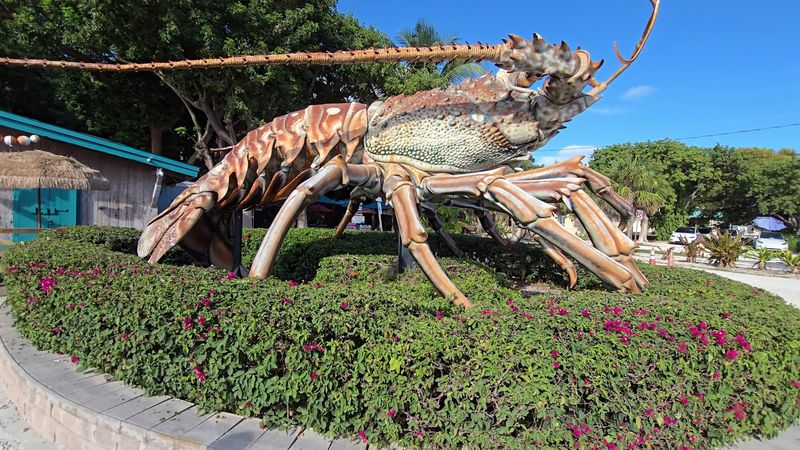
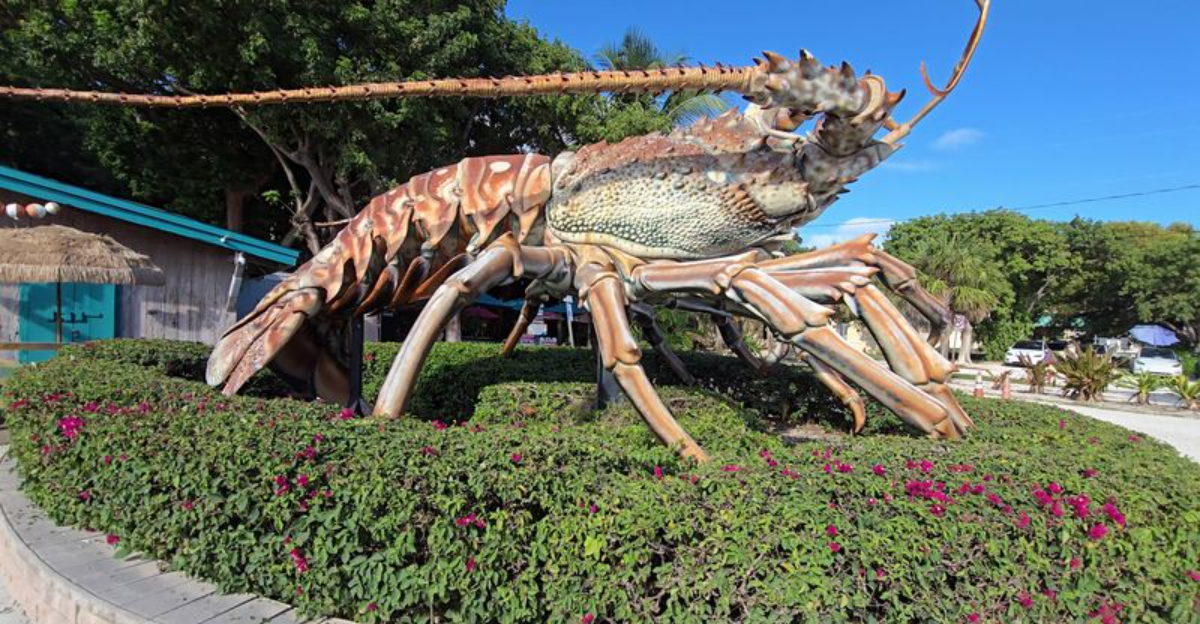
A 40-foot-tall lobster named Betsy towers over the Overseas Highway in Islamorada, her bright red body and enormous claws visible from miles away. Built by artist Richard Blaze in the 1980s, Betsy has become an unofficial mascot of the Florida Keys and one of the most photographed roadside attractions in the state.
She guards the entrance to Rain Barrel Village, an artists’ colony and shopping area featuring local craftspeople and galleries.
Betsy’s construction used fiberglass and steel, designed to withstand hurricane-force winds that regularly threaten the Keys. She’s been repainted and repaired multiple times over the decades, but always returns to her signature lobster-red color.
The sculpture’s exaggerated features and cheerful expression give her a friendly, welcoming appearance rather than anything scary or intimidating.
Rain Barrel Village itself offers a pleasant browsing experience with shops selling pottery, jewelry, clothing, and artwork created by local artisans. The village embraces a laid-back Keys vibe, with tropical landscaping and open-air buildings that encourage leisurely exploration.
Visitors often spend an hour or more wandering through the shops after taking obligatory photos with Betsy.
The location makes Betsy an ideal stopping point during the long drive down the Keys. Mile Marker 86.7 places her roughly halfway between Key Largo and Key West, perfect timing for stretching legs and grabbing refreshments.
The adjacent areas include restaurants and other attractions, making it easy to plan a longer break.
Betsy represents the Keys’ tradition of larger-than-life roadside art and the region’s connection to fishing and seafood industries. She’s survived storms, changing ownership, and decades of tourist selfies, remaining a beloved landmark that signals you’ve truly arrived in the Florida Keys.
7. Cassadaga Spiritualist Camp — Cassadaga, Florida
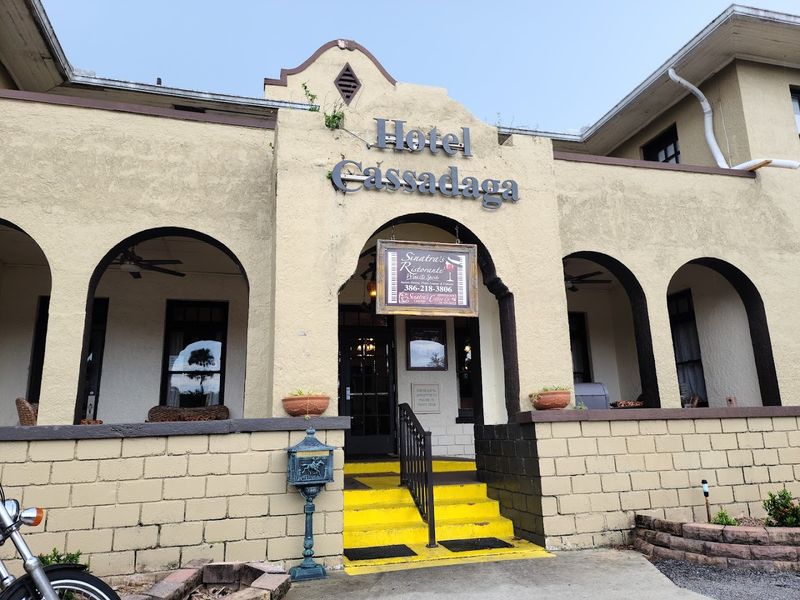
Founded in 1894, Cassadaga is America’s oldest active spiritualist community, where certified mediums offer readings and residents claim to communicate with the dead. The entire town operates as a hub for paranormal activity and spiritual exploration, with Victorian homes housing psychics, healers, and mediums who’ve made this their headquarters.
Walking through Cassadaga feels like stepping into a different era and possibly a different dimension.
The Southern Cassadaga Spiritualist Camp Meeting Association oversees the community, maintaining standards for mediums and organizing events like healing services and spiritual workshops. Only certified mediums can live in the camp proper, though the surrounding area includes shops, bookstores, and restaurants catering to visitors seeking spiritual experiences.
The town takes its mission seriously while remaining welcoming to curious tourists.
Beyond the psychic readings, Cassadaga offers a genuinely interesting historical experience. The architecture preserves late 19th and early 20th-century Florida vernacular style, with wooden buildings and tree-lined streets creating a peaceful atmosphere.
The Cassadaga Hotel, built in 1927, provides lodging for those wanting to extend their visit, and guests frequently report paranormal experiences during their stays.
Skeptics and believers alike find Cassadaga fascinating. Whether you’re seeking genuine spiritual guidance or simply enjoying the unusual cultural experience, the town delivers something memorable.
The resident mediums vary in style and approach, from traditional séances to modern energy readings, giving visitors options for their comfort level.
Located between Orlando and Daytona Beach, Cassadaga makes an easy day trip from major tourist areas. The town hosts special events throughout the year, including ghost tours and spiritual workshops.
Respectful visitors are welcome to explore freely, though photography inside private residences requires permission.
8. Dinosaur World — Plant City, Florida
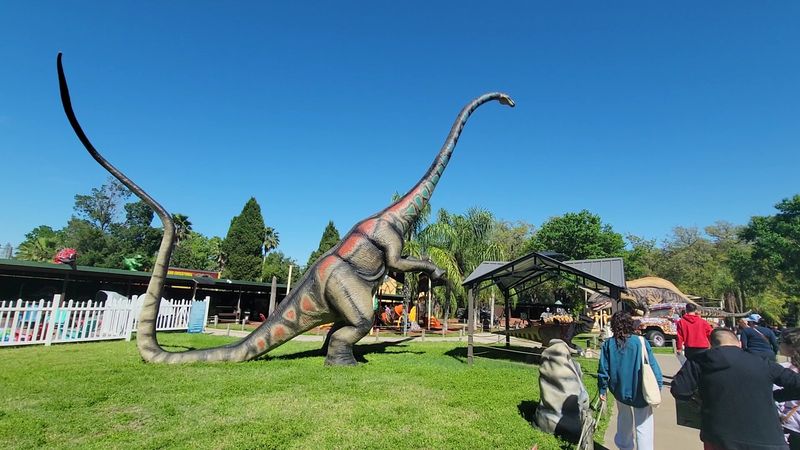
Over 200 life-size dinosaur sculptures populate 20 acres of outdoor exhibits at Dinosaur World, creating a prehistoric playground that’s both educational and wonderfully bizarre. The dinosaurs range from scientifically accurate reconstructions to creative interpretations, all positioned throughout walking trails that wind through natural Florida landscape.
It’s like Jurassic Park without the danger, perfect for families who want dinosaur thrills without theme park prices or crowds.
The park opened in 1998 as part of a small chain of dinosaur attractions, but the Plant City location has grown into a comprehensive experience. Beyond the dinosaur displays, visitors can participate in fossil digs where kids unearth replica bones, explore a museum with actual fossils, and watch demonstrations about paleontology.
The hands-on activities make this more than just a walk-through attraction.
What makes Dinosaur World particularly strange is its location along Interstate 4, where massive T-Rex and Brachiosaurus sculptures loom over the highway, visible to confused motorists speeding past. The contrast between suburban Florida and prehistoric monsters creates a surreal roadside moment.
Many visitors stop simply because they can’t believe what they’re seeing from the road.
The park maintains a low-key, family-friendly atmosphere without the commercial intensity of major theme parks. There’s a playground, picnic areas, and a gift shop, but the focus remains on the dinosaurs themselves.
The sculptures show varying levels of artistic quality, adding to the charm—some look museum-worthy while others embrace a more folk-art aesthetic.
Admission costs significantly less than nearby Tampa attractions, making it an affordable alternative for families. The outdoor setting means it’s best visited during cooler months, though shade trees provide relief during summer visits.
9. Tarpon Springs Sponge Docks — Tarpon Springs, Florida
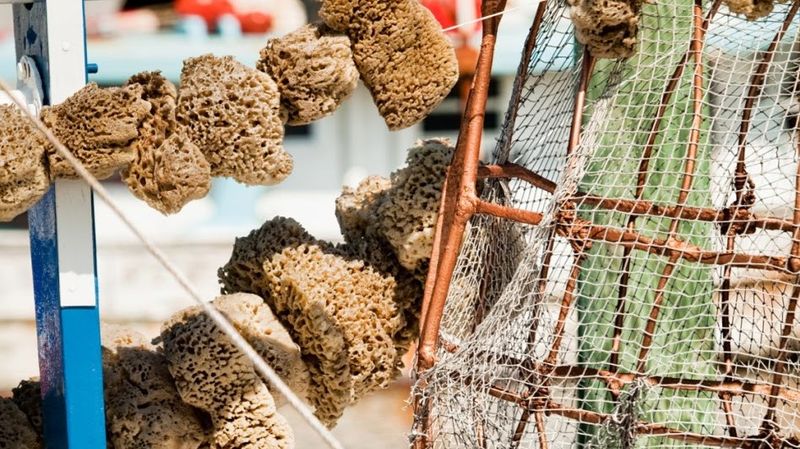
Greek immigrants transformed Tarpon Springs into America’s sponge capital over a century ago, and the sponge docks still operate as a working waterfront where divers harvest natural sponges from the Gulf of Mexico. The docks combine authentic maritime industry with tourist-friendly shops, restaurants, and attractions, creating a unique cultural experience that’s both strange and genuinely interesting.
You can watch real sponge boats return with their harvest, then buy bath sponges harvested that same week.
The Greek influence remains powerful, with family-owned restaurants serving authentic cuisine, bakeries offering traditional pastries, and shops selling imported goods from Greece. Tarpon Springs hosts the largest Greek-American community per capita in the United States, and the culture permeates everything from architecture to annual festivals.
It’s like visiting a Mediterranean village that somehow ended up on Florida’s Gulf Coast.
Sponge diving demonstrations happen regularly at the docks, with divers explaining the history and techniques of the trade. The industry declined with the introduction of synthetic sponges, but natural sponge harvesting continues as both tradition and viable business.
Visitors learn that natural sponges are actually animals, not plants, and that sustainable harvesting allows sponges to regrow.
Beyond the sponges, the waterfront offers boat tours, aquarium exhibits, and shopping that ranges from tourist trinkets to quality handcrafted items. The restaurants specialize in fresh seafood prepared Greek-style, with waterfront dining providing pleasant views.
Loukoumades, Greek honey puffs, are a must-try dessert found at multiple bakeries along the docks.
The area stays busy but rarely feels overcrowded, maintaining a relaxed pace that encourages lingering. It’s close enough to Tampa and Clearwater for easy day trips while offering a completely different cultural experience from typical Florida beach towns.
10. Gatorland — Orlando, Florida
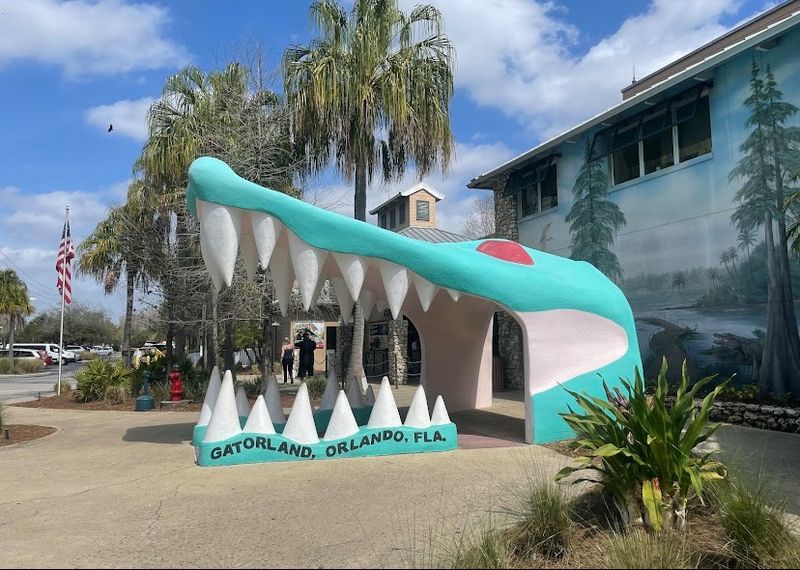
A massive alligator mouth serves as the entrance to Gatorland, setting the tone for this gloriously over-the-top reptile park that’s been thrilling visitors since 1949. Thousands of alligators and crocodiles live here, from tiny hatchlings to massive adults over 14 feet long.
The park embraces its vintage roadside attraction roots while adding modern conservation efforts and genuinely exciting animal encounters that rival expensive theme parks.
The star attractions include live shows where handlers wrestle alligators, feed enormous crocs, and explain reptile behavior with equal parts education and entertainment. The Screamin’ Gator Zip Line sends brave visitors soaring over alligator breeding marshes, combining adventure thrills with wildlife viewing.
There’s also a breeding marsh boardwalk where hundreds of gators sun themselves, creating scenes straight from prehistoric times.
What keeps Gatorland relevant decades after opening is its commitment to both fun and conservation. The park participates in breeding programs for endangered species and educates visitors about reptile ecology.
The staff’s genuine enthusiasm for gators is infectious, whether they’re feeding baby alligators in the nursery or explaining the differences between alligators and crocodiles during shows.
The park maintains its old Florida charm with hand-painted signs, vintage buildings, and a refreshing lack of corporate polish. It’s family-owned and operated, giving it personality that chain attractions can’t replicate.
Admission costs a fraction of nearby theme parks while delivering a full day of unique entertainment.
Located just minutes from International Drive, Gatorland offers an alternative to Disney and Universal that feels authentically Floridian. The combination of legitimate wildlife experiences, campy showmanship, and historic significance makes it one of Orlando’s most underrated attractions.
Plus, where else can you see someone jump on an alligator’s back?
11. The Oldest Wooden School House — St. Augustine, Florida
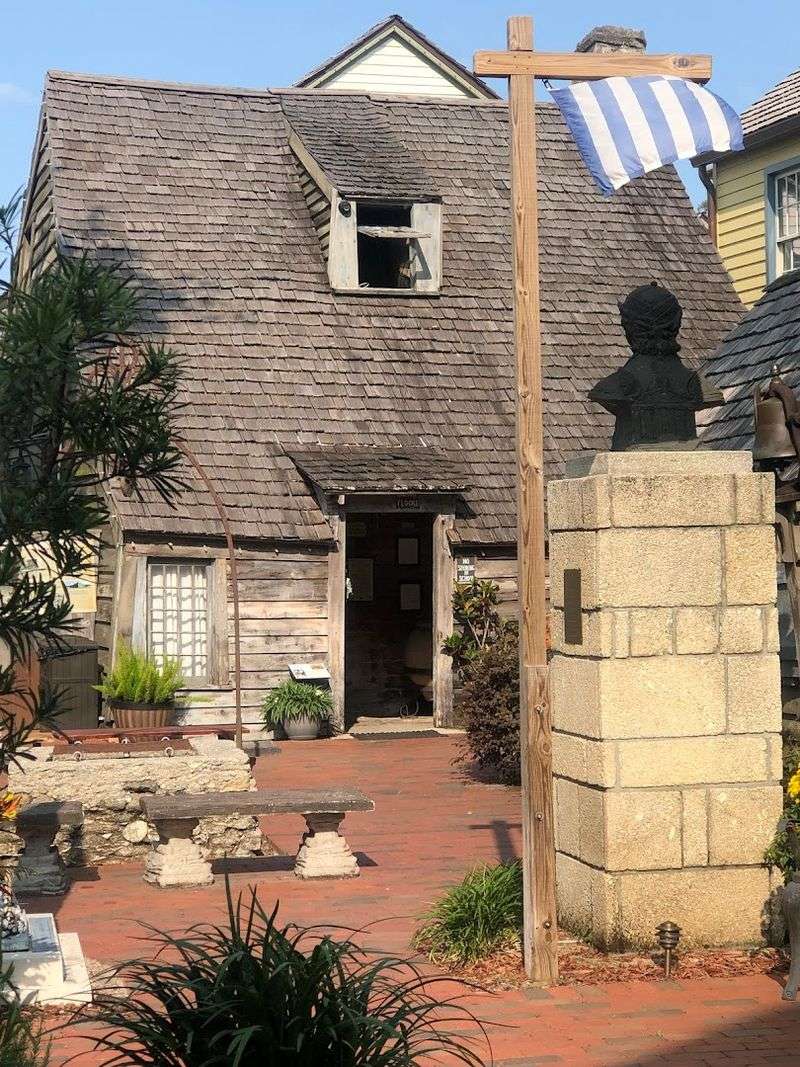
Built sometime between 1716 and 1763, this tiny wooden schoolhouse is held together with wooden pegs and sheer determination. The building survived centuries of hurricanes, fires, and Florida humidity, making it one of the oldest wooden structures in the United States.
Red cedar and cypress construction gave it longevity, but the most unusual feature is the heavy chain wrapped around the entire building—installed to keep the roof from blowing away during storms.
Inside, the schoolhouse recreates an 18th-century classroom with wooden desks, slate boards, and period teaching materials. Animatronic figures of a teacher and students bring the scene to life with voices and movements that are simultaneously educational and slightly creepy.
The building’s small size emphasizes how different education was centuries ago, with students of all ages learning together in a single cramped room.
The schoolhouse sits in the heart of St. Augustine’s historic district, surrounded by centuries-old buildings and cobblestone streets. Its humble appearance contrasts with grander historic sites, but that simplicity makes it special.
This wasn’t built for wealthy residents or government officials—it served ordinary families seeking education for their children during Florida’s Spanish colonial period.
Tours include access to a small museum area with artifacts and information about early education in Florida. The gift shop sells old-fashioned school supplies and nostalgic items that appeal to teachers and history enthusiasts.
Despite its tiny size, the schoolhouse packs considerable historical significance into a few hundred square feet.
The attraction charges a modest admission fee and operates daily year-round. Its location makes it easy to combine with other St. Augustine historic sites during a walking tour.
The schoolhouse represents a tangible connection to Florida’s colonial past, preserved against considerable odds and still welcoming students—now tourists—through its ancient doorway.
12. Monkey Jungle — Miami, Florida
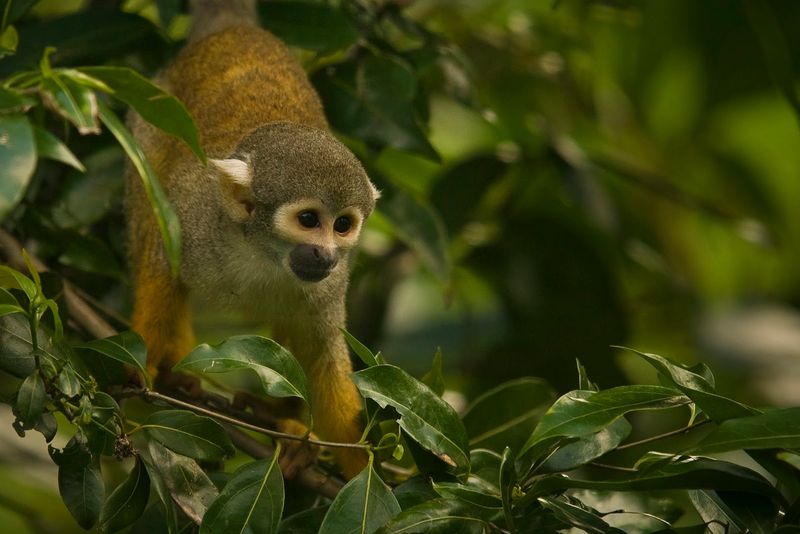
Monkey Jungle flips the traditional zoo concept: humans walk through caged pathways while monkeys roam freely through 30 acres of subtropical forest. The tagline says it all—”Where humans are caged and monkeys run wild.” Founded in 1933 by animal behaviorist Joseph DuMond, the park remains family-owned and dedicated to primate conservation and research while providing genuinely entertaining wildlife encounters.
The park houses over 400 primates representing 30 different species, from tiny squirrel monkeys to impressive gorillas. The highlight is walking through screened tunnels while monkeys swing overhead, sometimes stopping to investigate visitors through the mesh.
Daily shows demonstrate natural primate behaviors, with handlers explaining intelligence, social structures, and conservation challenges facing wild populations.
Unlike typical zoos, Monkey Jungle emphasizes naturalistic habitats where primates exhibit wild behaviors. The jungle environment, with towering trees and dense vegetation, creates an immersive experience that feels more like visiting primates in their territory than viewing animals in cages.
South Florida’s tropical climate allows the park to maintain vegetation similar to primates’ native habitats.
The park participates in important conservation work, including breeding programs for endangered species and research into primate behavior. Visitors learn about threats facing wild primates while watching these intelligent animals interact, play, and demonstrate problem-solving skills.
The educational component never feels preachy, blending seamlessly with entertainment.
Located in South Miami, Monkey Jungle requires a drive from downtown or beach areas but rewards the effort with a unique experience. The park stays cooler than open attractions thanks to forest canopy providing natural shade.
It’s a reminder that Florida once had more wild, jungle-like areas before development, preserved here in a quirky attraction that’s both fun and meaningful.