12 Florida Towns With More to Do Than Their Size Suggests
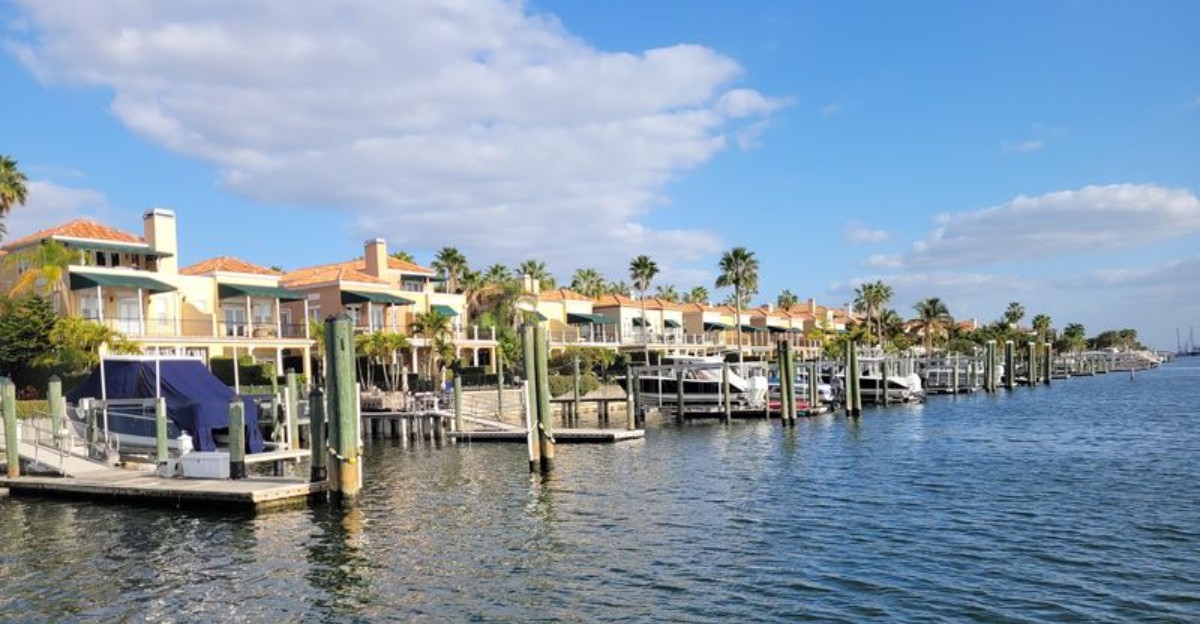
Florida is famous for its big cities and theme parks, but some of the best adventures hide in towns you might drive right past. Small communities across the state pack in art galleries, outdoor trails, historic sites, and festivals that rival what you’ll find in much larger places. These towns prove that population size has nothing to do with how much fun you can have or how many memories you can make in a weekend visit.
1. Mount Dora
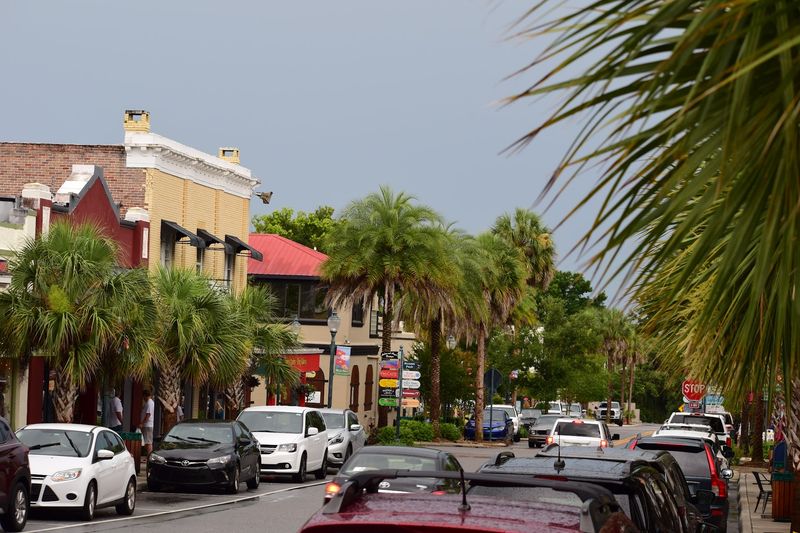
Mount Dora sits on rolling hills around Lake Dora, which already makes it unusual for Florida. The downtown area feels like you’ve stepped back in time, with brick streets and buildings from the 1880s that now house antique shops, art galleries, and cafes. You can spend hours just wandering from store to store without ever feeling bored.
The town hosts more than 20 festivals every year, including the famous Mount Dora Arts Festival that draws thousands of visitors. There’s also a thriving theater scene at the Ice House Theatre, plus the Modernism Museum if you’re into mid-century design. The lakefront Grantham Point Park offers a peaceful spot to watch boats and enjoy the sunset.
Outdoor lovers can bike the scenic Lakeside Inn Trail or rent a kayak to explore the Dora Canal, where Spanish moss drapes over cypress trees like natural curtains. The Royellou Museum tells local history stories in a surprisingly engaging way. Several local wineries and craft breweries have opened recently, giving adults even more reasons to stick around.
With a population under 15,000, Mount Dora manages to feel both relaxed and culturally rich at the same time.
2. Dunedin
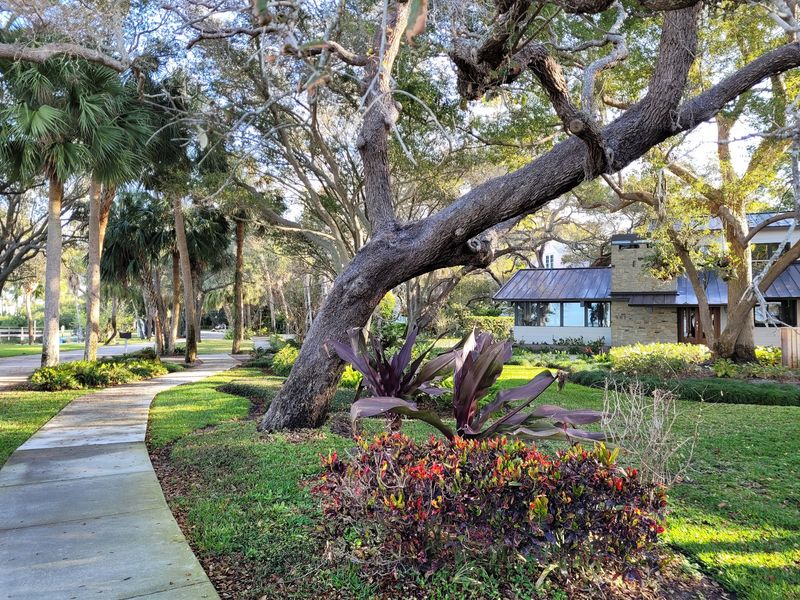
Dunedin wears its Scottish roots proudly, from the name itself to the bagpipers you might hear during special events. This Gulf Coast town has transformed into one of the coolest small communities in Florida, with a walkable downtown that buzzes with energy. Independent shops, craft breweries, and farm-to-table restaurants line Main Street, giving the area a hip but welcoming vibe.
The Pinellas Trail runs right through town, making it a paradise for cyclists and runners. You can ride from downtown all the way to nearby beaches without ever getting on a road. Honeymoon Island State Park sits just offshore, offering pristine beaches and nature trails where you might spot ospreys and dolphins.
Baseball fans know Dunedin as the spring training home of the Toronto Blue Jays, and catching a game at TD Ballpark feels intimate and fun. The town also hosts a massive Highland Games festival each spring, complete with caber tossing and heavy athletics. Several microbreweries have put Dunedin on the craft beer map, and you can easily walk between them.
Art galleries and live music venues add cultural depth to a town of just 36,000 people that feels much more cosmopolitan than its size suggests.
3. Tarpon Springs
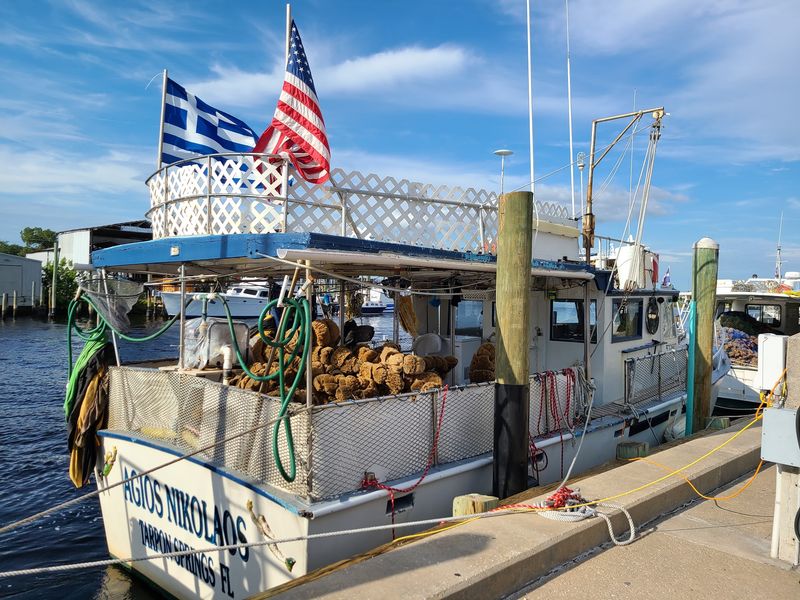
Greek culture thrives in Tarpon Springs like nowhere else in America. This Gulf Coast town became a sponge diving center over a century ago when Greek immigrants arrived with their diving skills. Today, the Sponge Docks district remains the heart of the community, with authentic Greek bakeries, restaurants, and shops selling natural sponges harvested from the Gulf.
You can watch demonstrations of traditional sponge diving techniques and tour boats that explain the industry’s fascinating history. The smell of fresh baklava and grilled octopus fills the air along Dodecanese Boulevard. St. Nicholas Greek Orthodox Cathedral, with its stunning Byzantine architecture, welcomes visitors who want to see beautiful religious art and learn about the community’s heritage.
Beyond the Greek influence, Tarpon Springs offers excellent kayaking through mangrove tunnels at the Anclote River Nature Park. The historic downtown area, separate from the docks, features antique shops and the Tarpon Springs Aquarium. Craig Park provides a peaceful waterfront spot for picnics with views of Spring Bayou.
The Epiphany celebration each January draws thousands of spectators who watch young men dive for a cross thrown into the water by a priest, continuing a tradition that dates back generations in this town of 25,000.
4. DeLand
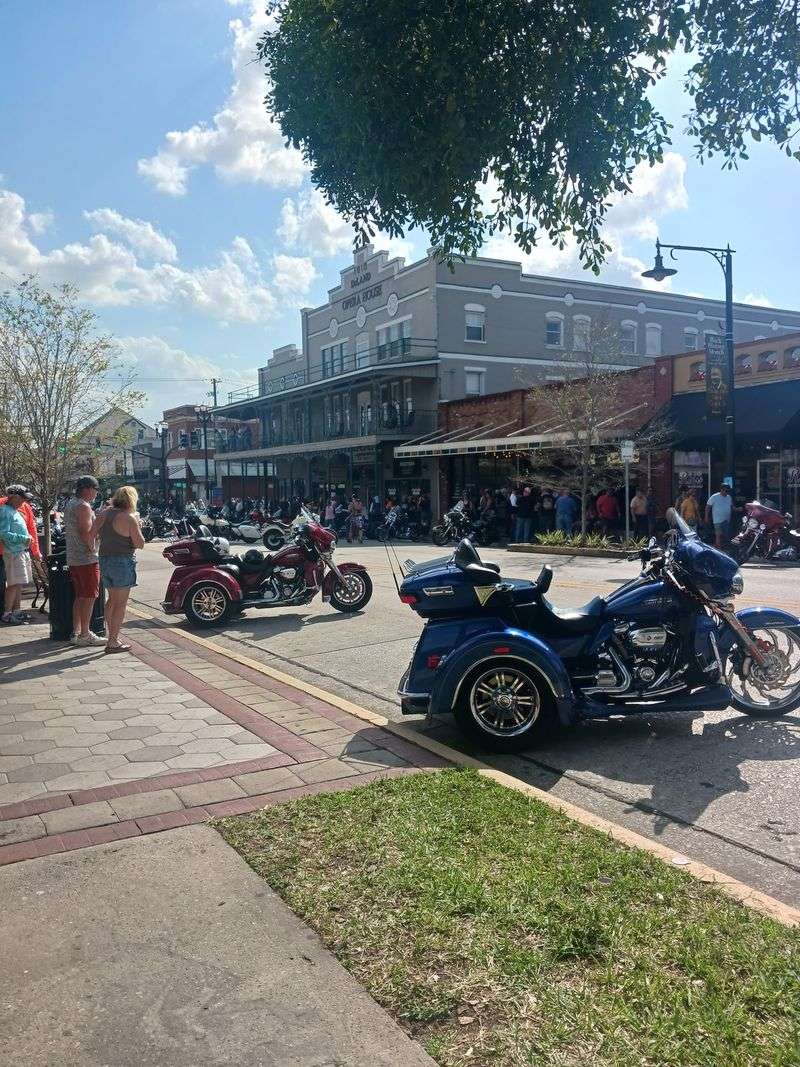
Home to Stetson University, DeLand combines college town energy with small-town Southern charm. The downtown historic district showcases beautifully preserved buildings from the late 1800s, many now housing farm-to-table restaurants, craft cocktail bars, and indie boutiques. Woodland Boulevard’s canopy of live oaks creates a magical tunnel effect that makes every drive or walk memorable.
The Athens Theatre, a restored 1920s movie palace, now hosts concerts, plays, and film screenings that punch well above what you’d expect from a town of 35,000. Museum of Art – DeLand displays impressive collections of American and international works. Stetson’s campus itself is worth exploring, with gorgeous architecture and the Gillespie Museum of Minerals featuring fluorescent rocks that glow under black light.
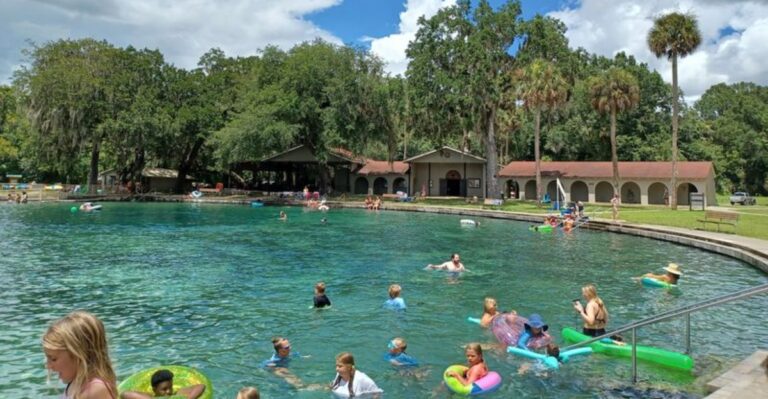
Nature surrounds DeLand on all sides. Blue Spring State Park, just minutes away, offers crystal-clear waters where manatees gather in winter by the hundreds. You can kayak, swim, or snorkel in water that stays 72 degrees year-round.
DeLeon Springs State Park lets you make your own pancakes at the Old Spanish Sugar Mill restaurant inside the park.
The MainStreet DeLand Association organizes regular events, from classic car shows to evening art walks, keeping the downtown area lively throughout the year.
5. Fernandina Beach
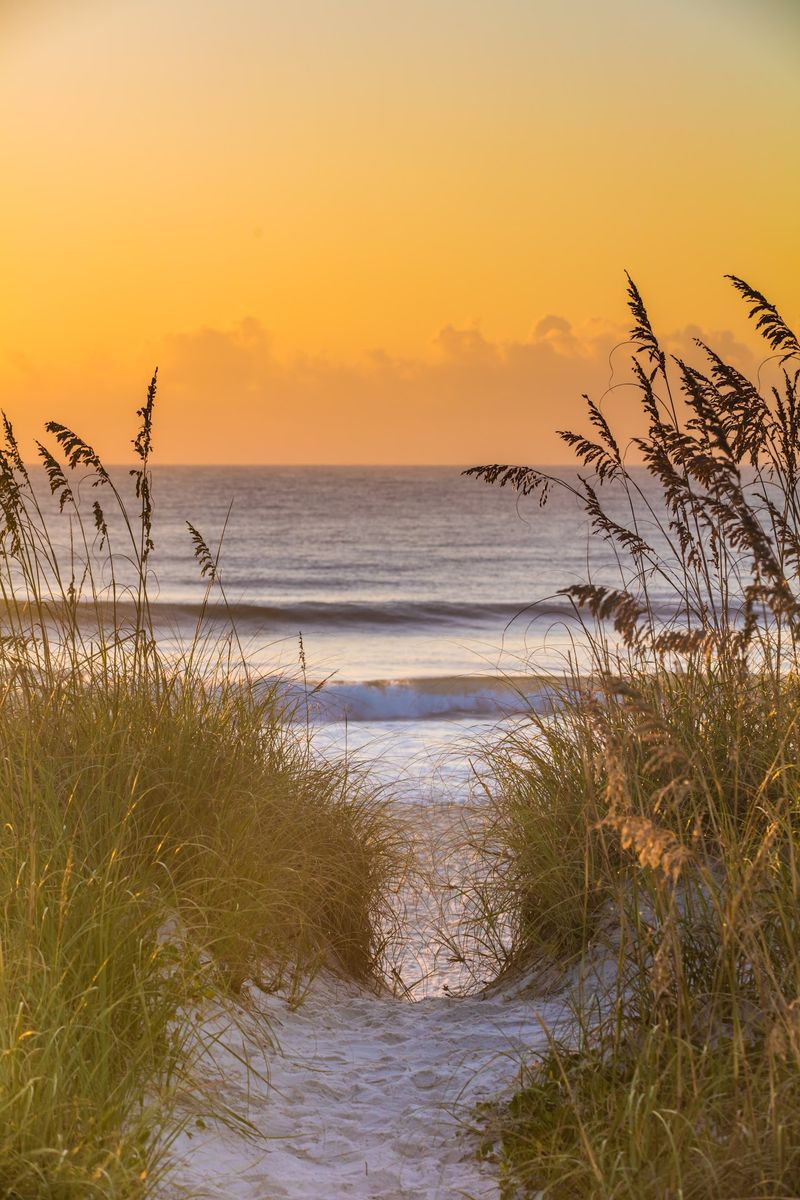
Fernandina Beach sits on Amelia Island at Florida’s northeastern corner, where Southern hospitality meets coastal cool. The 50-block historic district contains more than 450 buildings listed on the National Register, with Victorian mansions and storefronts that tell stories of the town’s complex past under eight different flags. Centre Street’s brick-lined downtown feels authentically old without being touristy.
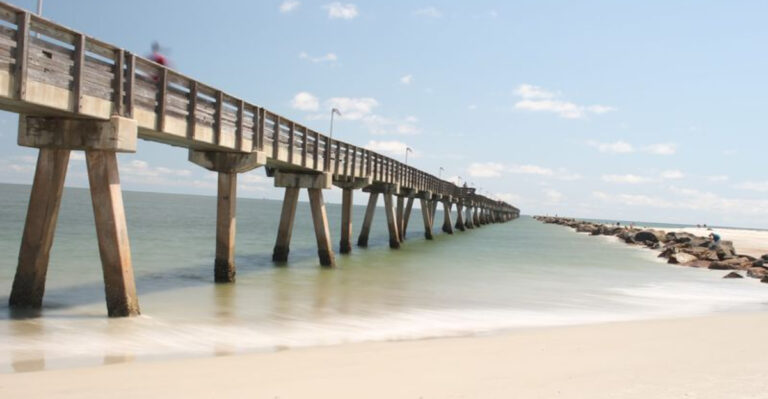
Fort Clinch State Park preserves a Civil War-era fort where costumed interpreters reenact life as Union soldiers. The fishing pier extends into the Atlantic, offering excellent spots to catch dinner or just watch dolphins play in the waves. Pristine beaches stretch for miles, far less crowded than what you’ll find farther south.
The working shrimp boat docks give Fernandina Beach real character. You can buy fresh seafood directly from boats or enjoy it at waterfront restaurants that know how to prepare local catches. The Palace Saloon, Florida’s oldest continuously operating bar, has been serving drinks since 1903 and still has the original carved mahogany bar.
Annual events like the Isle of Eight Flags Shrimp Festival and the Amelia Island Book Festival draw visitors from across the Southeast. With only 13,000 residents, this town offers culture, history, nature, and beaches in one compact, walkable package.
6. Cedar Key
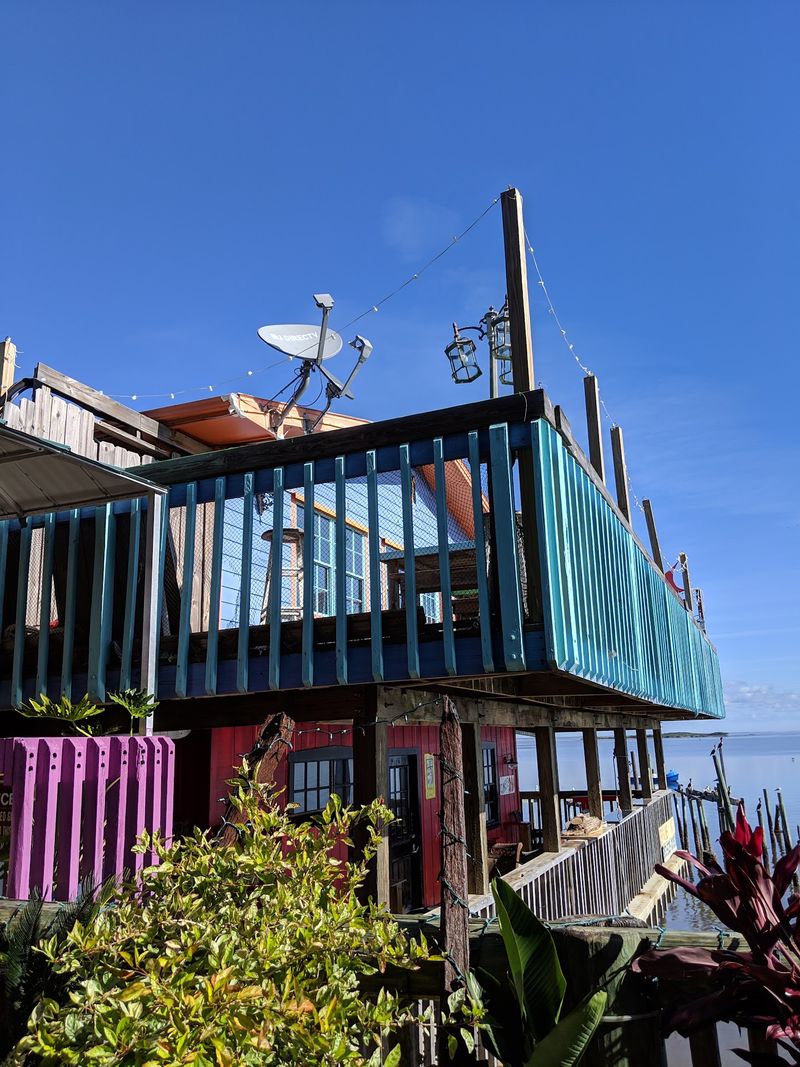
Cedar Key feels like Florida before theme parks and high-rises changed everything. This tiny fishing village spreads across several islands in the Gulf of Mexico, connected by a causeway that feels like a bridge to the past. Weathered wooden buildings house seafood shacks, art galleries, and shops run by locals who genuinely love their isolated community.
The pace here runs slower than anywhere else in the state. You can watch fishermen unload their catches at the docks, then eat that same fish an hour later at Tony’s Seafood Restaurant or Island Room. Clam farming and fishing still drive the local economy, keeping the town authentic and unpretentious.
Cedar Key National Wildlife Refuge protects several offshore islands where birds nest by the thousands. Kayaking through the maze of islands and salt marshes reveals an untouched Florida ecosystem. The Cedar Key Historical Society Museum explains how this town was once a major port and industrial center before hurricanes and economic changes turned it into a quiet backwater.
Artists have discovered Cedar Key in recent years, drawn by the light, the isolation, and the cheap rent. Small galleries showcase paintings, pottery, and jewelry inspired by the coastal landscape. The annual Old Florida Celebration of the Arts brings even more creative energy each spring to this town of barely 700 permanent residents.
7. Apalachicola
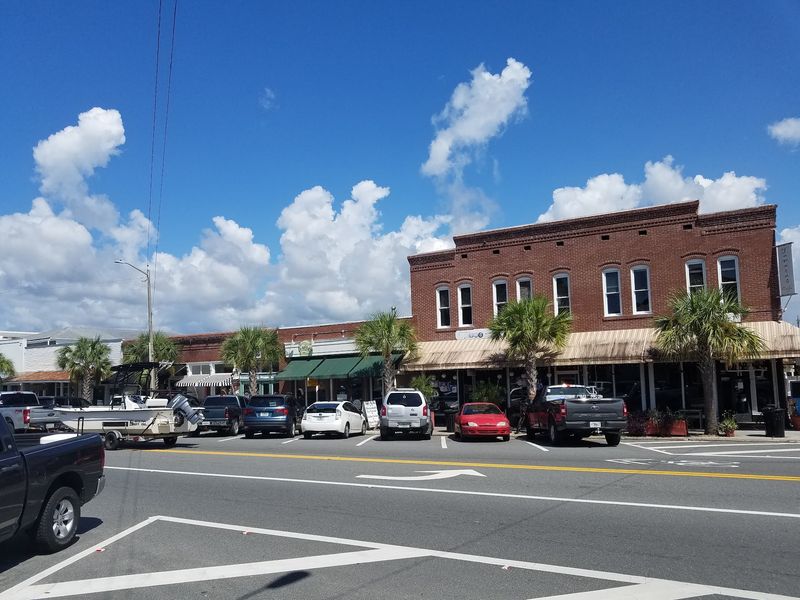
Apalachicola Bay produces 90 percent of Florida’s oysters, or at least it did before environmental challenges reduced harvests. This Panhandle town still celebrates its seafood heritage, and you can taste some of the best oysters anywhere at local spots like Up the Creek Raw Bar or Boss Oyster. The working waterfront remains central to local identity, with boats and processing facilities visible from downtown.
The historic district contains gorgeous examples of 19th-century architecture, when Apalachicola served as a major cotton shipping port. The John Gorrie Museum honors the local doctor who invented mechanical refrigeration and air conditioning, which basically made modern Florida possible. Trinity Episcopal Church, built in 1837, is one of the oldest churches in Florida and features beautiful hand-hewn beams.
Nature lovers can explore the Apalachicola National Estuarine Research Reserve, which protects vital wetlands and offers paddling trails through pristine marshes. St. George Island, just across the bridge, provides 28 miles of undeveloped beaches that feel wild and remote. The Apalachicola River offers excellent fishing and boating opportunities.
Several local shops sell Tupelo honey, made by bees that feed on tupelo trees growing in the river swamps. This rare honey never crystallizes and has a distinctive taste you won’t find anywhere else. With a population under 2,500, Apalachicola maintains its authentic character while welcoming visitors who appreciate real Florida culture.
8. Winter Garden
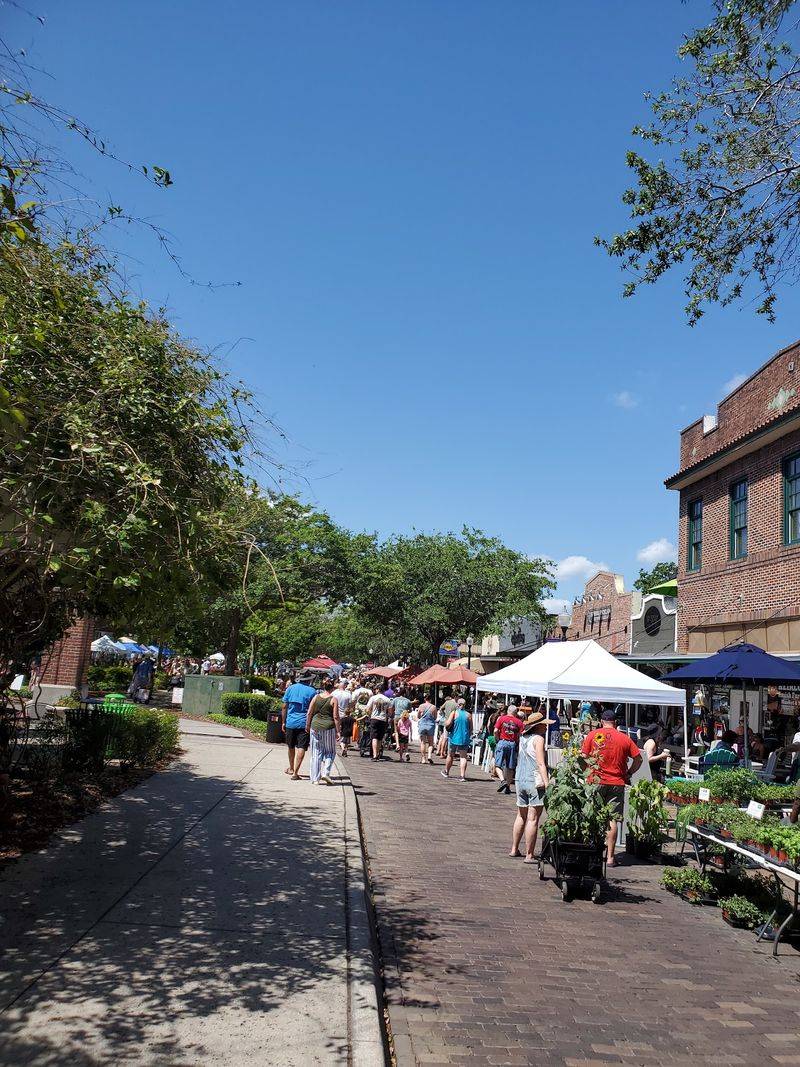
Winter Garden has experienced an incredible transformation over the past 20 years. What was once a struggling agricultural town west of Orlando is now one of Central Florida’s hottest destinations, with a revitalized downtown that buzzes every weekend. Plant Street, the main drag, features beautifully restored brick buildings housing chef-driven restaurants, craft breweries, wine bars, and boutique shops.
The Plant Street Market occupies a converted 1920s packing house, with multiple food vendors, a bar, and regular live music that creates a lively gathering spot. The Garden Theatre, a restored 1935 movie house, now presents concerts, comedy shows, and theatrical productions. Nearby, the Winter Garden Heritage Museum tells the story of the citrus industry that once dominated the area.
The West Orange Trail, a 22-mile paved path, runs right through downtown, making Winter Garden extremely bike-friendly. You can ride through scenic countryside, past lakes and orange groves that still operate. The trail connects to other regional paths, creating a network that stretches for miles.
Despite rapid growth, Winter Garden maintains a strong sense of community. Farmers markets, food truck rallies, and festivals happen regularly in the downtown area. The town has managed to grow to nearly 50,000 residents while preserving the charm that makes people want to visit and stay.
9. Safety Harbor
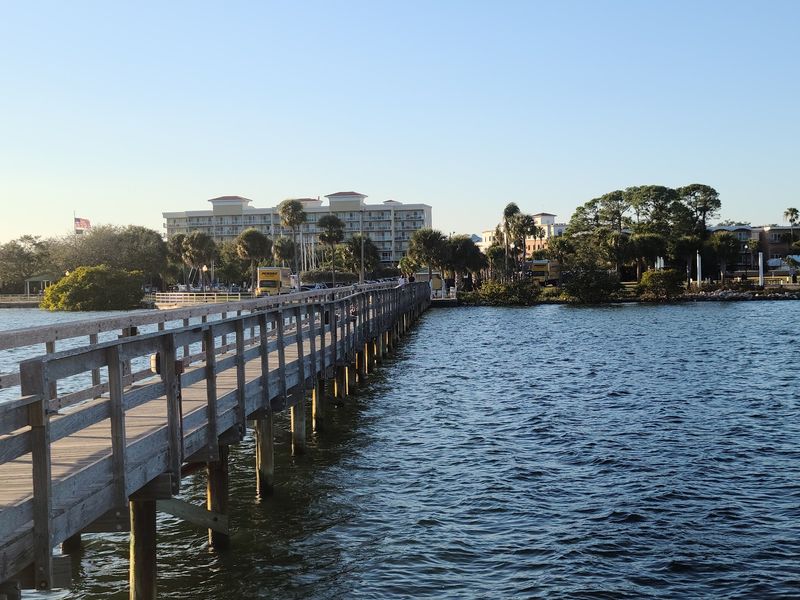
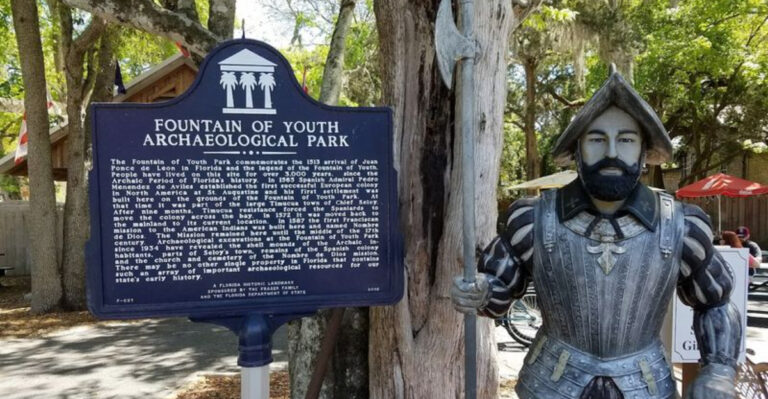
Natural mineral springs bubble up in Safety Harbor, attracting people seeking healing waters for thousands of years. The Tocobaga people first settled here, followed by Spanish explorers who believed they’d found the Fountain of Youth. Today, the Safety Harbor Resort and Spa continues the wellness tradition, offering treatments using water from the natural springs that still flow beneath the property.
The compact downtown area along Main Street features independent shops, cafes, and restaurants with a distinctly artsy vibe. Philippe Park, built on an ancient Native American mound, offers waterfront views of Old Tampa Bay and hiking trails through coastal hammock. The park’s massive live oak trees create shaded picnic spots perfect for lazy afternoons.
Safety Harbor Marina provides access to the bay for kayaking, paddleboarding, and fishing. The town hosts a popular Saturday morning farmers market that draws vendors and shoppers from across the Tampa Bay area. Several art galleries showcase local and regional artists, and monthly art walks keep the cultural scene active.
The Pinellas Trail passes through Safety Harbor, connecting it to a regional network of paths that stretch for dozens of miles. With only 17,000 residents, the town maintains a peaceful, village-like atmosphere despite being minutes from Tampa and St. Petersburg. The combination of natural springs, waterfront access, and walkable downtown creates a unique character.
10. Micanopy
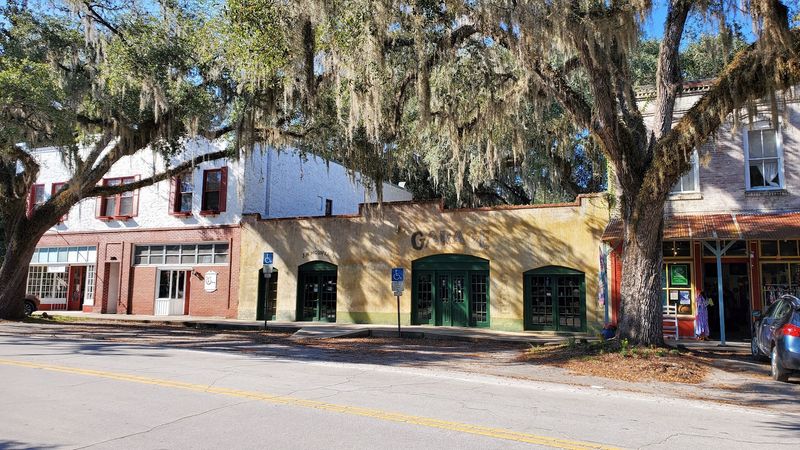
Micanopy claims to be Florida’s oldest inland town, and walking down Cholokka Boulevard feels like time travel. Massive live oaks draped in Spanish moss shade wooden sidewalks and historic buildings that now house antique shops, bookstores, and cafes. The entire downtown is a National Historic District, preserved so well that filmmakers have used it as a location for movies set in earlier eras.
Antique hunters consider Micanopy a treasure trove. Shops like O. Brisky Books and the Micanopy Trading Post contain everything from rare first editions to vintage furniture and collectibles.
You can spend hours browsing without seeing everything. The Herlong Mansion, a beautiful bed-and-breakfast, showcases how wealthy Floridians lived in the early 1900s.
Paynes Prairie Preserve State Park surrounds Micanopy, protecting 21,000 acres of wetlands, prairies, and forests. Wild horses and bison roam the preserve, along with alligators, deer, and hundreds of bird species. The observation tower provides sweeping views across the prairie that stretch to the horizon.
Despite being tiny, with fewer than 700 residents, Micanopy has a surprising cultural life. The Micanopy Historical Society Museum documents local history, including the Seminole Wars era. Fall festivals and holiday events bring the community together and attract visitors from nearby Gainesville.
The town moves at a pace that encourages slowing down and noticing details you’d miss rushing through.
11. Stuart
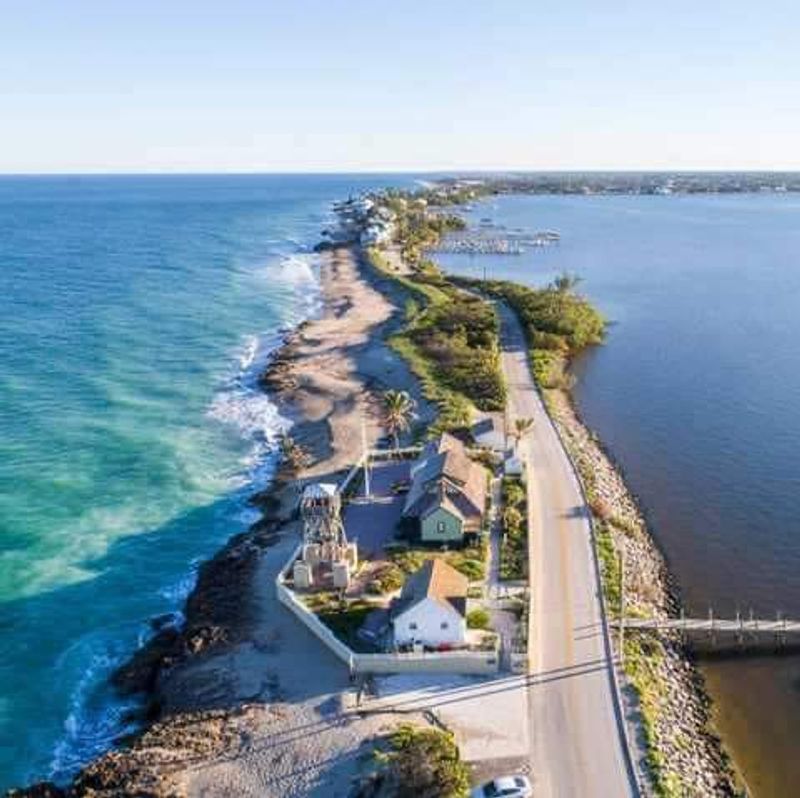
Stuart sits where the St. Lucie River meets the Indian River Lagoon, creating a waterfront setting that defines the town’s character. The downtown historic district features brick streets and early 20th-century buildings that now contain locally owned restaurants, galleries, and shops. Unlike many Florida downtowns that feel touristy, Stuart maintains an authentic small-town atmosphere where locals actually hang out.
The Riverwalk provides a scenic path along the waterfront, with benches, fishing spots, and views of boats passing by. Stuart calls itself the Sailfish Capital of the World, and charter fishing is a major draw. You can also rent kayaks or paddleboards to explore the river and nearby mangrove islands on your own.
House of Refuge Museum occupies one of Florida’s oldest structures, a lifesaving station built in 1876 to aid shipwreck survivors. The museum tells fascinating stories of wrecks, rescues, and coastal life in the pioneer era. Nearby Bathtub Reef Beach offers incredibly calm, clear water protected by a natural rock formation, perfect for families with small children.
Stuart has developed a strong arts scene, with galleries, the Lyric Theatre presenting performances, and monthly ArtsFest celebrations. Green Market operates year-round, offering fresh produce and artisan goods. With about 16,000 residents, Stuart provides a relaxed Treasure Coast lifestyle with enough activities to keep visitors entertained for days.
12. Dade City
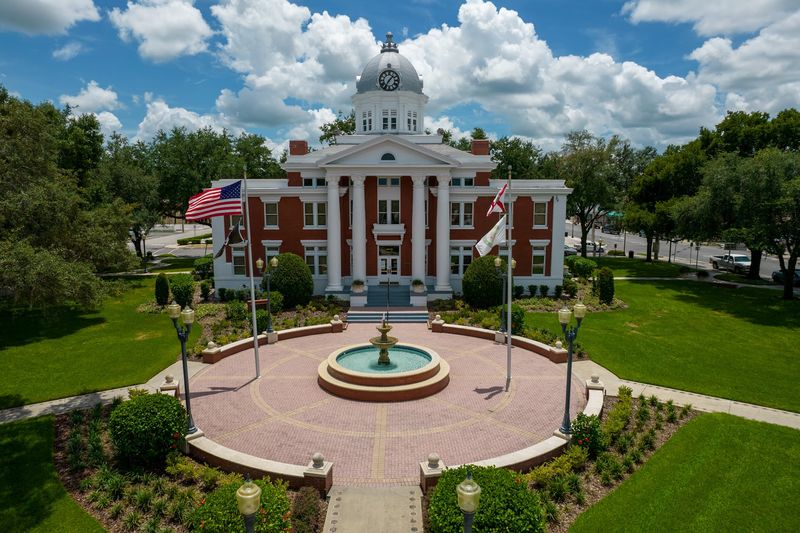
Dade City represents old Florida at its most charming. The Pasco County Courthouse, built in 1909, anchors a historic downtown where antique shops outnumber chain stores by a wide margin. You can spend an entire afternoon exploring places like Modernique and the Brass Elephant, finding everything from vintage furniture to collectible glassware.
The downtown area hosts regular events like classic car shows and seasonal festivals that draw crowds from Tampa and beyond.
Pioneer Florida Museum preserves buildings and artifacts from the state’s frontier days, including a train depot, schoolhouse, and pioneer homes moved to the site. The museum grounds host living history events where costumed interpreters demonstrate crafts and skills from earlier eras. Nearby, the Withlacoochee State Trail offers 46 miles of paved path through rural countryside perfect for biking or horseback riding.
Dade City’s rural surroundings include several pick-your-own farms where you can harvest strawberries, blueberries, and other seasonal crops. The area also has a surprising number of animal attractions, including the Giraffe Ranch where you can feed giraffes and other exotic animals on safari-style tours. TreeHoppers Aerial Adventure Park provides zipline courses through the forest canopy.
With only 7,000 residents, Dade City maintains a genuine small-town feel while offering enough variety to fill a weekend. The combination of history, shopping, outdoor activities, and rural attractions creates an appealing escape from urban Florida.