11 Florida Caves, Sinkholes, and Underground Wonders Worth Exploring
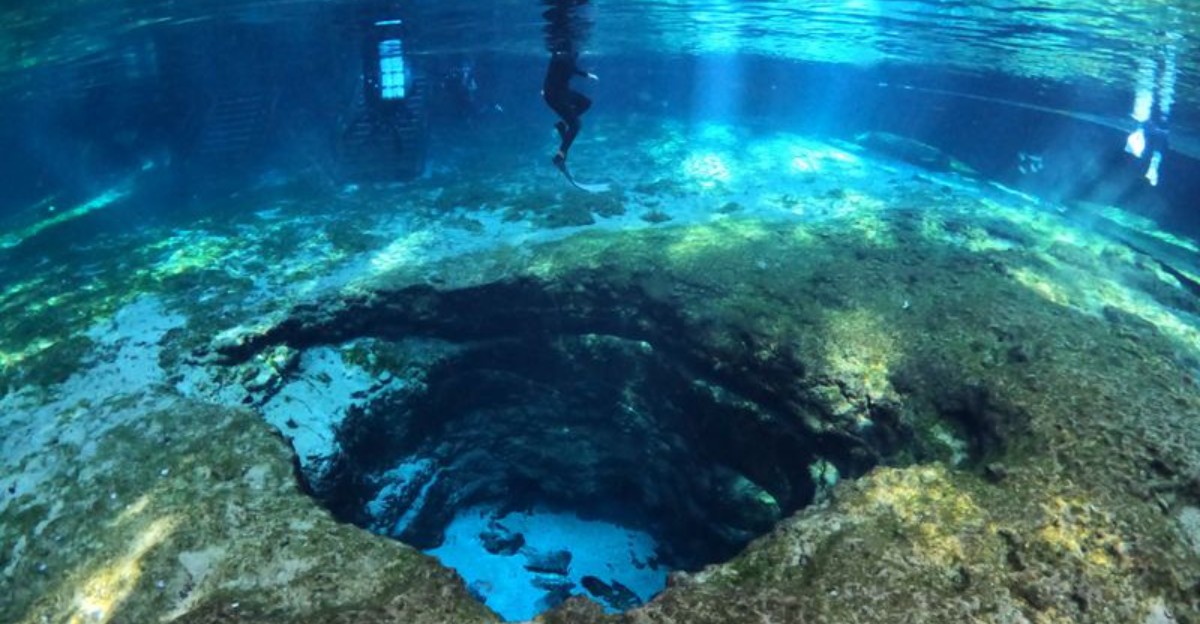
Florida might be famous for its beaches and theme parks, but beneath the surface lies a hidden world that most visitors never see. The state sits on a massive limestone foundation riddled with caves, sinkholes, and underground springs that have been carved out over millions of years. Whether you’re an experienced cave diver or just curious about what’s below your feet, these underground spots offer a completely different side of the Sunshine State that’s equal parts mysterious and beautiful.
1. Florida Caverns State Park (Marianna)
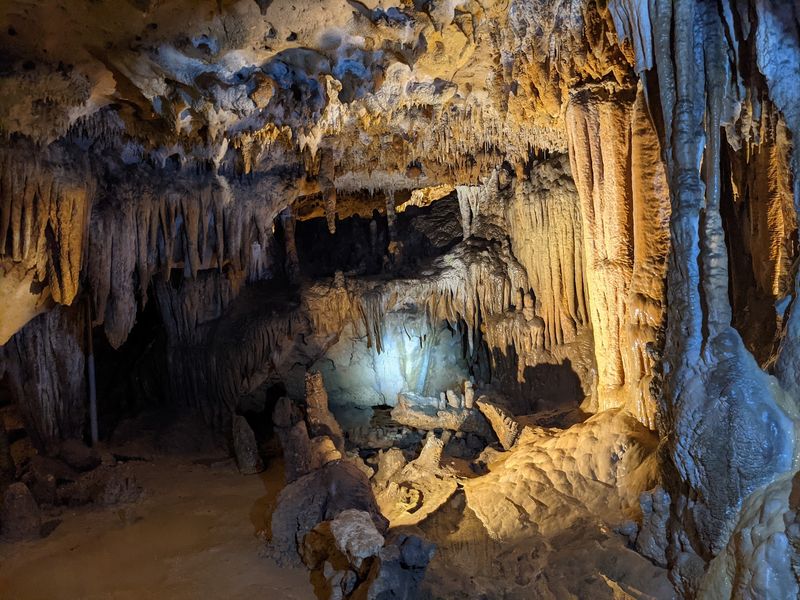
Walking through Florida Caverns feels like stepping into another planet. The guided tours take you deep into dry limestone caves where you’ll see stalactites hanging like stone icicles and stalagmites rising from the floor. Some formations look like frozen waterfalls made entirely of rock.
The caverns stay a cool 64 degrees year-round, which feels amazing on a hot Florida day. Rangers lead you through narrow passages and into larger rooms where the geology gets explained in ways that actually make sense. You’ll learn how acidic water carved these spaces over thousands of years.
Above ground, the park offers hiking trails, a spring-fed swimming area, and camping spots. But the real star is underground. The hour-long cave tour covers about half a mile and requires climbing some stairs, so wear comfortable shoes with good grip.
This is the only Florida state park with air-filled caves open to the public, making it genuinely unique. Photography is allowed, though the lighting can be tricky. The formations are fragile, so touching them is strictly off-limits.
Book your tour early during peak season because they fill up fast, especially on weekends and holidays when families flock here.
2. Devil’s Den Prehistoric Spring (Williston)
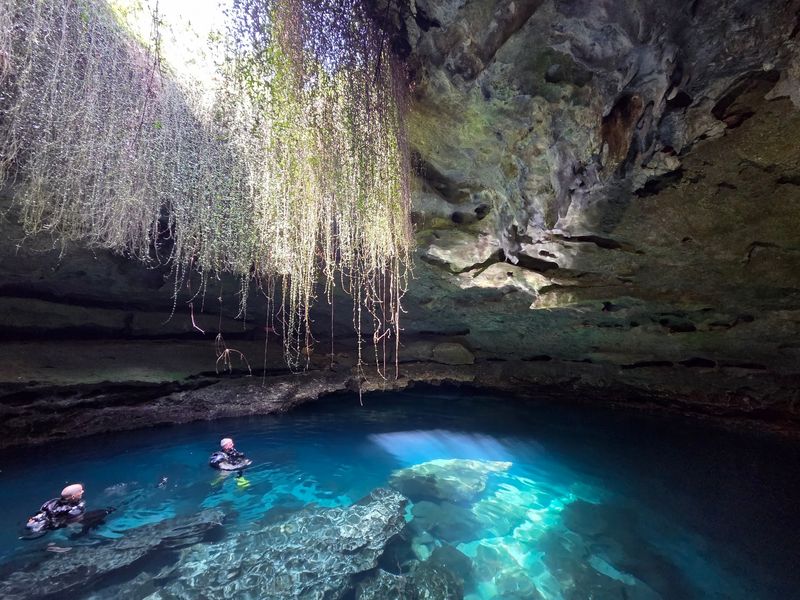
Imagine swimming inside a giant underground dome where sunlight streams through a hole in the ceiling. Devil’s Den is a prehistoric spring hidden inside a dry cave, and the water stays a perfect 72 degrees all year. Snorkelers and divers come from everywhere to explore this natural wonder.
The spring got its name from early settlers who saw steam rising from the opening on cold mornings and thought it looked like smoke from the underworld. Today, it’s one of Florida’s most photographed underwater spots. The water is incredibly clear, letting you see ancient rock formations and fossils embedded in the walls.
You’ll climb down wooden stairs into the cavern, where the spring pool waits below. Snorkeling gear rentals are available on-site, and certified divers can go deeper with advance reservations. The cavern isn’t huge, but the experience of floating in this enclosed spring feels magical.
Weekends get crowded, so visiting on weekdays gives you more space to explore. The site also has camping areas if you want to extend your stay. Devil’s Den has been a registered historic site since the 1970s, and fossils of extinct animals have been discovered here, adding to its prehistoric mystique and scientific importance.
3. Blue Grotto Dive Resort (Williston)
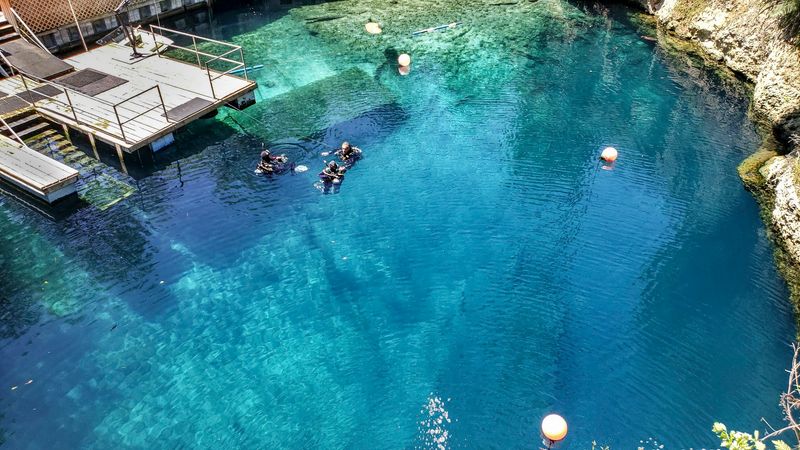
Blue Grotto looks like someone dropped a giant bowl of sapphire water into the ground. This privately-owned spring and cavern system draws divers who want to explore underwater passages in crystal-clear conditions. The main cavern reaches depths of 100 feet, with several smaller caves branching off.
The water maintains a constant 72 degrees, and visibility often exceeds 100 feet. Sunlight filters down through the surface, creating dramatic light shows underwater. Even if you’re not a certified diver, you can snorkel in the shallower areas and still get a taste of the experience.
The resort provides air fills, equipment rentals, and has a full dive shop on-site. There’s also a covered pavilion, picnic areas, and even camping facilities. Training courses are offered regularly for people wanting to get certified or improve their skills.
Unlike some natural springs that restrict access, Blue Grotto welcomes visitors year-round with reasonable admission fees. The underwater cave system has been mapped extensively, with guidelines in place to keep divers safe. Photography enthusiasts love this spot because the lighting conditions create stunning images.
The grotto has been featured in diving magazines and documentaries, cementing its reputation as one of Florida’s premier underwater destinations for both beginners and experienced divers alike.
4. Devil’s Millhopper Geological State Park (Gainesville)
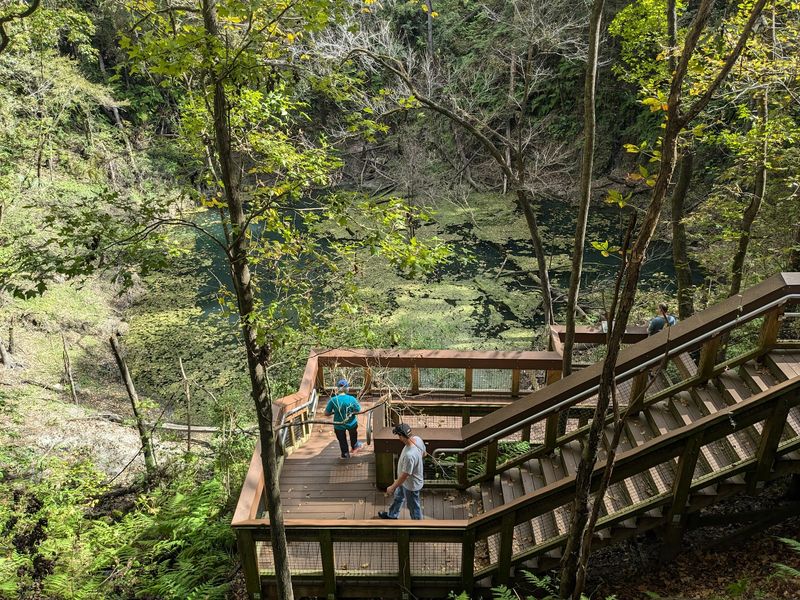
Devil’s Millhopper is a massive sinkhole that drops 120 feet into the earth, and it’s nothing like the other springs on this list. Instead of water to swim in, you get a miniature rainforest ecosystem thriving at the bottom. Wooden boardwalks and stairs take you down into this geological wonder.
The sinkhole formed thousands of years ago when the limestone ceiling of an underground cave collapsed. Now, twelve small streams trickle down the walls, creating a constantly moist environment. Ferns, mosses, and trees that normally grow much farther north thrive here because the temperature stays cooler than the surrounding area.
The walk down includes 232 steps, and yes, you have to climb back up. But the descent is worth it. You’ll see exposed limestone layers that tell the geological history of Florida, including fossils of marine animals from when this area was underwater.
A small visitor center at the top explains the science behind sinkholes and why they’re so common in Florida. The park is free to enter, making it perfect for budget-conscious explorers. Early morning visits offer the best lighting for photography and fewer crowds.
The sinkhole stays significantly cooler than the surface, providing natural air conditioning even during summer’s peak heat.
5. Falling Waters State Park (Chipley)
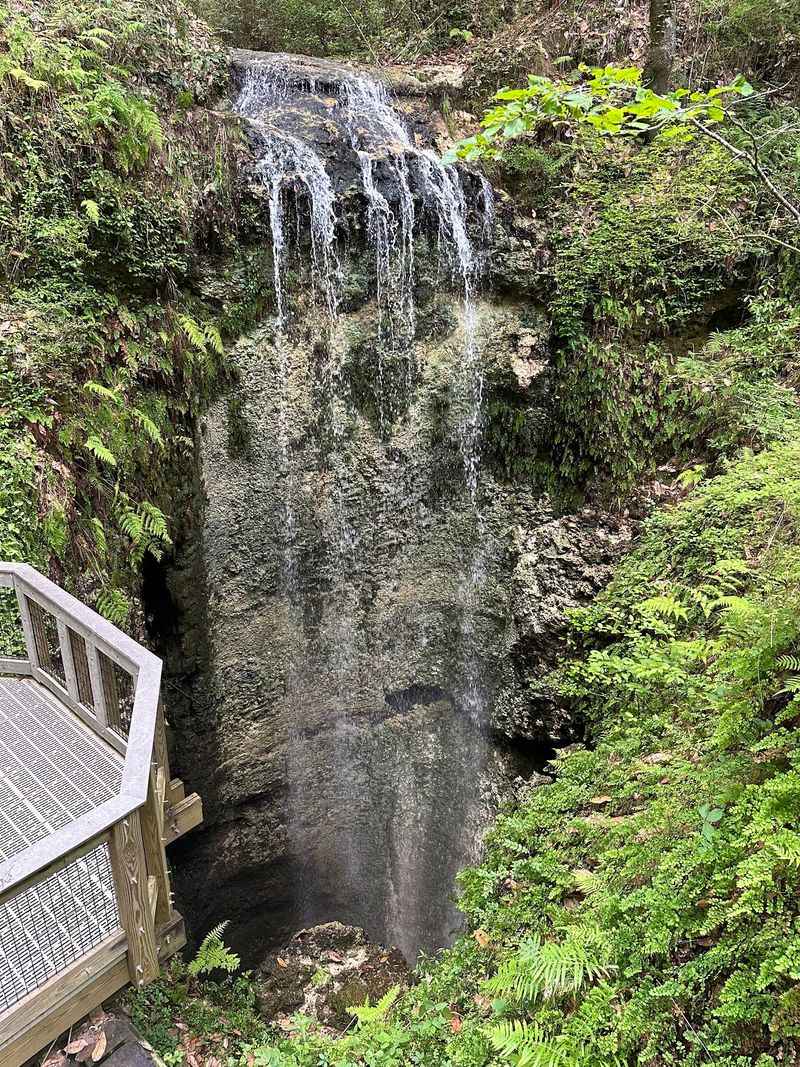
Florida’s tallest waterfall drops 73 feet into a cylindrical sinkhole, and nobody knows where the water goes. Falling Waters is one of those rare geological mysteries that still puzzles scientists. The waterfall flows year-round, disappearing into the earth at the bottom of the sink.
A wooden walkway circles the rim of the sinkhole, giving you views from multiple angles. During rainy seasons, the waterfall becomes more dramatic, while drier months reduce it to a trickle. Either way, the sight of water vanishing into the ground remains captivating.
The park includes hiking trails through longleaf pine forests and sandhills, plus a small lake for fishing and swimming. Camping facilities make it easy to spend a weekend exploring the area. The trails are relatively easy, suitable for families with kids.
Unlike underwater caves that require special equipment, you can experience Falling Waters with just a short walk from the parking area. The sinkhole itself is about 100 feet deep and 20 feet wide. Geologists believe the water travels through underground passages in the limestone, eventually joining the Floridan Aquifer.
The park also contains several smaller sinkholes in various stages of formation, offering a glimpse into how Florida’s landscape constantly changes.
Interpretive signs explain the geology in accessible terms that make the science interesting rather than overwhelming.
6. Leon Sinks Geological Area (Tallahassee)
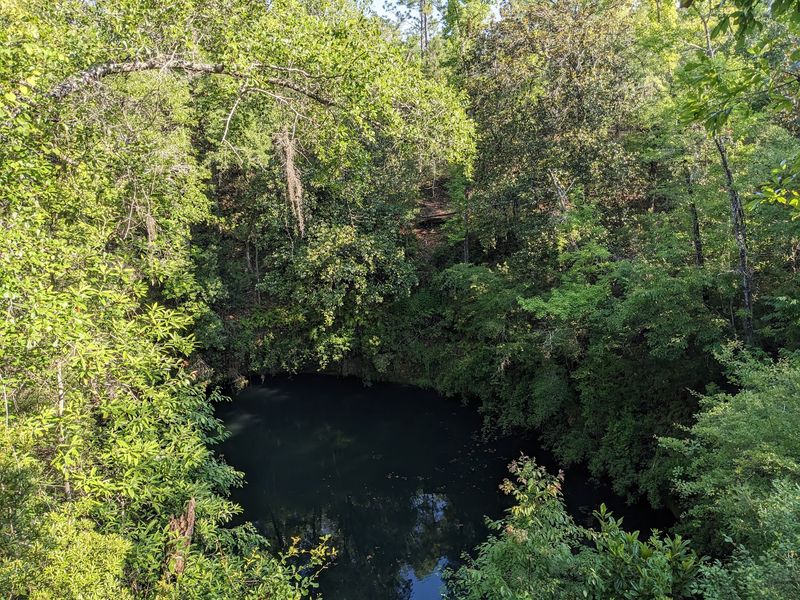
Leon Sinks packs more geological drama into one area than most places in Florida. This three-mile trail system winds past sinkholes, disappearing streams, and wet sinks where underground caves have collapsed. It’s like a textbook on karst geology brought to life.
The trail is relatively flat and well-maintained, making it accessible for most fitness levels. You’ll see Big Dismal Sink, a massive collapsed cave with steep walls and a pool at the bottom. Hammock Sink connects to an underwater cave system that attracts experienced cave divers, though swimming isn’t allowed from the trail.
Signs along the path explain how water moves through the limestone, creating and destroying features over time. Some sinkholes are dry, others filled with tea-colored water. The Lost Stream actually vanishes into the ground and reappears farther along the trail.
Bring bug spray because mosquitoes love the moist environment around the sinks. The area is managed by the U.S. Forest Service and remains relatively undeveloped, preserving its wild character.
Wildlife sightings are common, including deer, turtles, and various bird species. The geological diversity here makes it popular with school groups and geology students. Photography opportunities abound, especially after rain when water levels rise.
The trail can be muddy, so waterproof boots are recommended during wet seasons for comfortable exploration.
7. Wes Skiles Peacock Springs State Park (Live Oak)
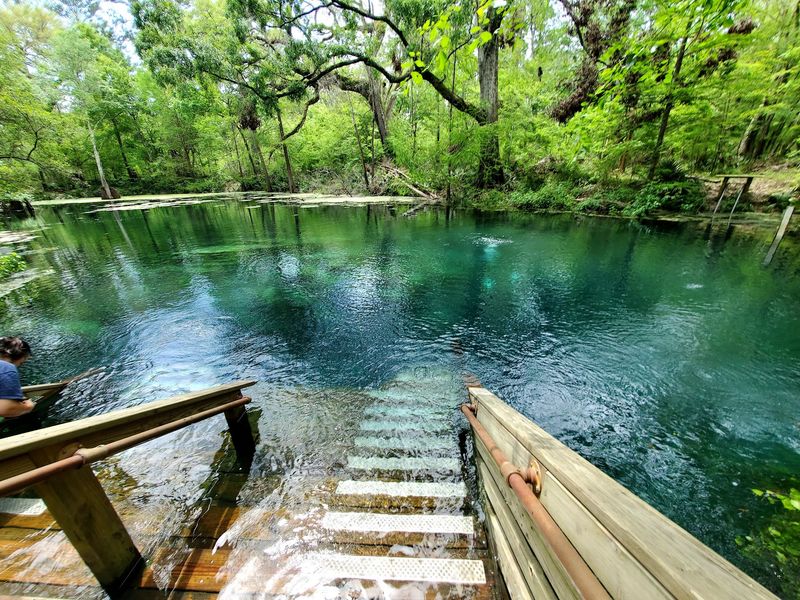
Peacock Springs is legendary among cave divers worldwide. The park protects one of the longest underwater cave systems in the continental United States, with over 33,000 feet of surveyed passages. This isn’t a casual swimming hole; it’s a serious diving destination that demands respect and proper training.
Two main springs, Peacock and Orange Grove, provide access points to the submerged labyrinth. The water stays around 72 degrees and offers visibility that can exceed 100 feet on good days. Only certified cave divers with proper credentials are allowed into the cave systems.
For non-divers, the springs themselves are beautiful places to swim and snorkel in the shallow areas. The park has picnic facilities and nature trails above ground. The springs are surrounded by cypress trees and natural Florida vegetation, creating a peaceful setting.
The park was renamed to honor Wes Skiles, a pioneering underwater photographer and cave explorer who documented Florida’s springs. His work brought international attention to these fragile ecosystems. Several fatalities have occurred in these caves over the years, which is why strict rules and certifications are enforced.
Surface swimming areas are clearly marked and safe for families.
The park’s educational programs teach visitors about aquifer protection and the importance of preserving these unique underground waterways that supply drinking water to millions of Floridians.
8. Madison Blue Spring State Park (Lee)
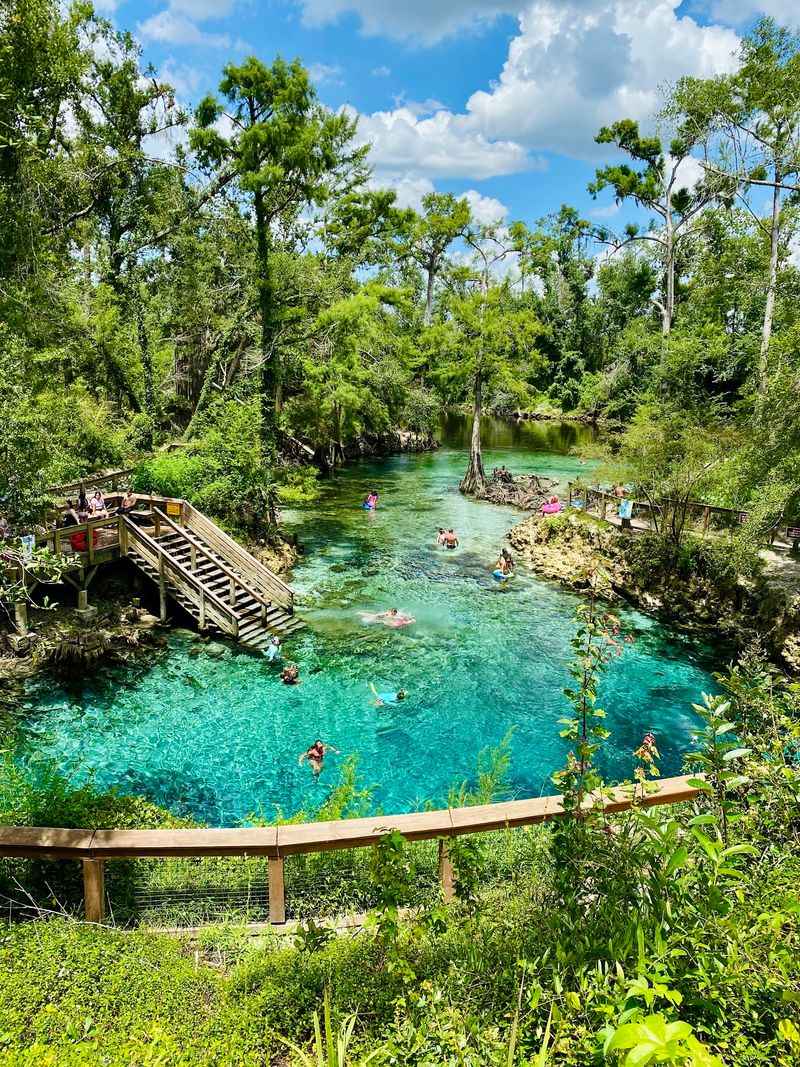
Madison Blue Spring pumps out 53 million gallons of crystal-clear water every single day. The spring basin glows with an otherworldly blue color that photographs beautifully. It’s smaller and less crowded than some of Florida’s famous springs, which many visitors consider an advantage.
The spring feeds into the Withlacoochee River, creating a popular spot for swimming, snorkeling, and paddling. A wooden boardwalk provides easy access to the water, and the swimming area is roped off for safety. The spring stays a comfortable 72 degrees year-round.
Certified cave divers can explore an extensive underwater cave system that extends thousands of feet into the aquifer. The cave entrance is clearly visible from the surface, adding to the spring’s mystique. For everyone else, floating on the surface and peering down into the depths is thrilling enough.
The park includes a short nature trail, picnic pavilions, and a boat ramp for river access. Tubing down the Withlacoochee from the spring is a popular summer activity. The park is relatively small and can reach capacity on hot weekends, so arriving early is smart.
Madison Blue has a more laid-back vibe compared to some of the busier springs in Central Florida.
The surrounding forest provides plenty of shade, making it comfortable even during peak summer heat when other outdoor activities become unbearable.
9. Devil’s Spring System at Ginnie Springs (High Springs)
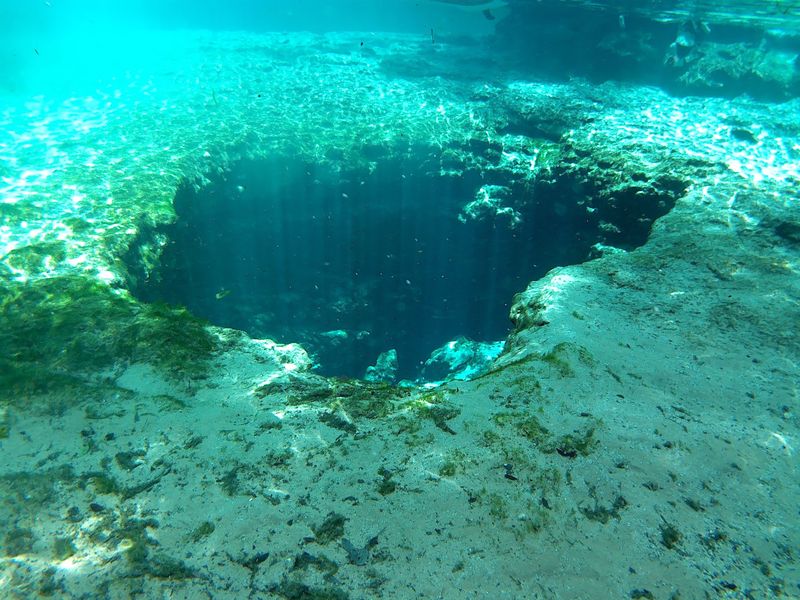
Ginnie Springs is famous among spring enthusiasts, but Devil’s Spring and its connected cave system represent the more adventurous side of this property. The spring complex includes Devil’s Eye and Devil’s Ear, two openings that lead to thousands of feet of underwater passages.
Devil’s Eye is a smaller, shallower opening that’s popular with snorkelers and newer divers. Devil’s Ear is the main cave entrance, where strong flow from the aquifer creates a natural current. Certified cave divers navigate these passages, but the entrances themselves are spectacular even from the surface.
The water clarity here is exceptional, often providing visibility beyond 200 feet. The spring run flows into the Santa Fe River, creating excellent tubing and kayaking opportunities. Above ground, Ginnie Springs offers camping, cabin rentals, and a full-service dive shop.
The property is privately owned and charges admission, but the facilities and access are well-maintained. Weekends during summer can get packed with college students and families, so weekdays offer a quieter experience. The springs stay open year-round, and winter diving can be particularly beautiful with fewer crowds.
Devil’s system has been extensively mapped by cave divers, revealing a complex network of passages and rooms.
The site has strict rules about cave diving certifications because the caves, while beautiful, can be deadly for untrained divers who underestimate the challenges of overhead environments.
10. O’Leno State Park River Sink (High Springs)
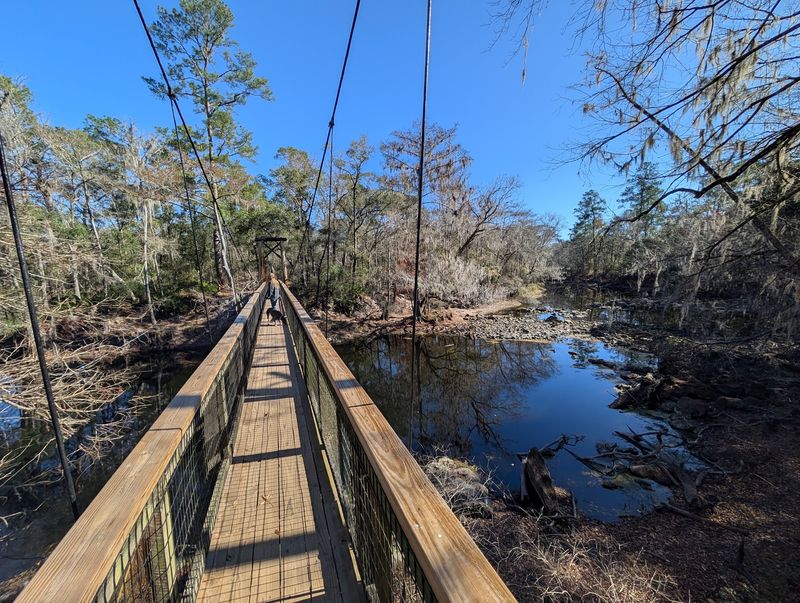
At O’Leno State Park, the Santa Fe River performs a vanishing act. The river literally disappears into a limestone sink, travels underground for about three miles, then reappears at River Rise Preserve State Park. It’s one of the most dramatic examples of karst hydrology you’ll find anywhere.
You can walk right up to the spot where the river vanishes. During dry seasons, the riverbed upstream from the sink can be completely dry while water continues flowing underground. After heavy rains, the sink can’t swallow all the water, and the river flows across the surface.
The park offers hiking trails that explore both the river sink area and the surrounding hardwood forests. Suspension bridges cross the river in spots where it still flows above ground. The trails are well-marked and range from easy to moderate difficulty.
O’Leno has a rich history beyond its geology. The park contains remnants of a village that existed here in the 1800s. Camping facilities, cabins, and picnic areas make it easy to spend time exploring.
The park is less crowded than many Florida springs, offering a more peaceful experience. Bird watching is excellent here, with numerous species inhabiting the river corridor.
The combination of geological wonder and natural beauty makes O’Leno a favorite among people who appreciate Florida’s more subtle attractions rather than flashy tourist destinations.
11. Morrison Springs County Park (Ponce de Leon)
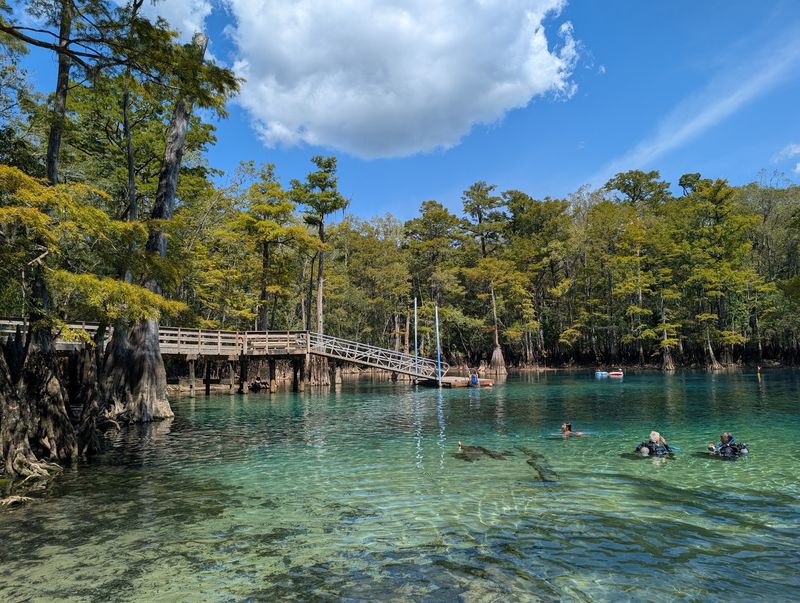
Morrison Springs feels like a hidden gem even though it’s well-known among locals. This county park protects a beautiful spring that flows into the Choctawhatchee River. The spring basin is large and inviting, with water so clear you can see every detail of the sandy bottom and limestone formations.
The spring maintains its signature 68-degree temperature year-round, making it refreshing in summer and surprisingly comfortable in winter. A wooden dock provides easy entry into the water, and the swimming area is spacious enough to never feel crowded even on busy days.
Certified cave divers explore an extensive underwater cave system here, but the spring is equally enjoyable for swimmers and snorkelers. The spring run creates a gentle current as it flows toward the river. Floating downstream and walking back is a favorite activity for families.
The park has basic facilities including picnic tables, grills, and restrooms. There’s no admission fee, which is increasingly rare for Florida springs. The surrounding area remains undeveloped, preserving the natural setting.
Morrison Springs doesn’t have the commercial infrastructure of some larger springs, which some visitors prefer. The lack of crowds and development gives it an authentic, old Florida feel. Bring your own food and drinks because there are no vendors on-site.
The spring is beautiful year-round, but fall and spring offer the most comfortable weather for extended visits without summer’s intense heat.