Skip the Busy Tourist Stops for These 12 Underrated Florida Places
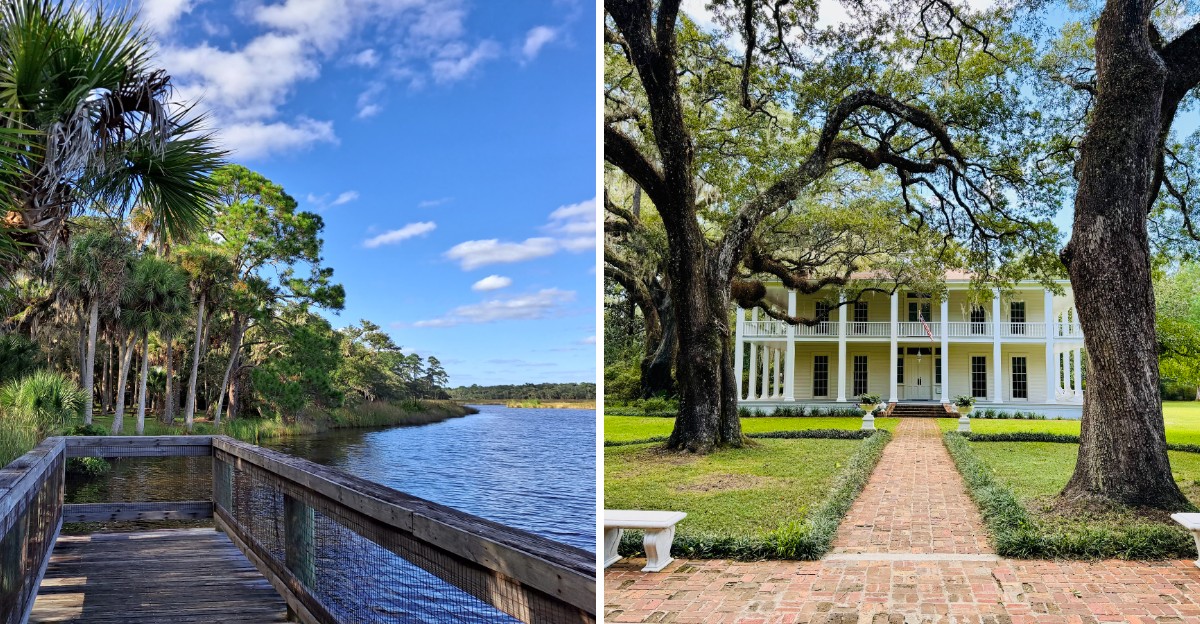
Florida gets millions of visitors every year, but most people stick to the same crowded beaches and theme parks. What they miss are quiet state parks where you can hike through ancient forests, explore forgotten ruins, and see wildlife without fighting through selfie-stick crowds. These hidden spots offer the real Florida experience, the one locals actually enjoy, without the tourist chaos.
1. Shoal River Headwaters State Park – DeFuniak Springs
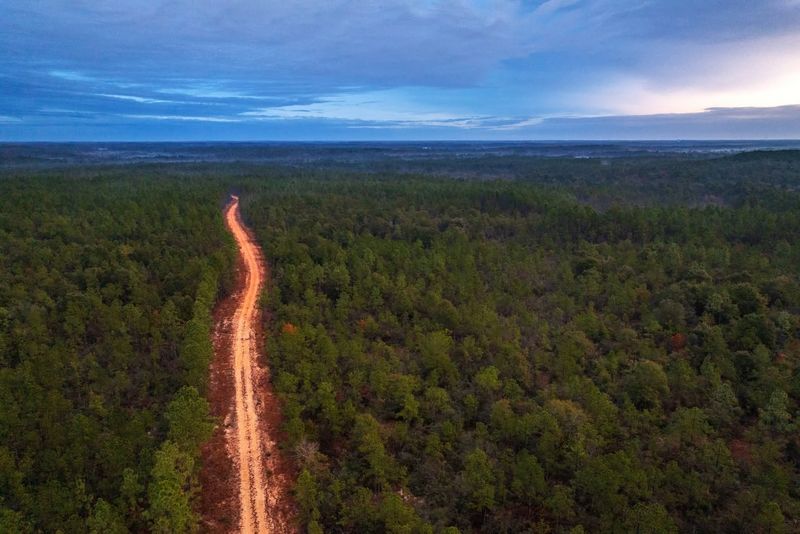
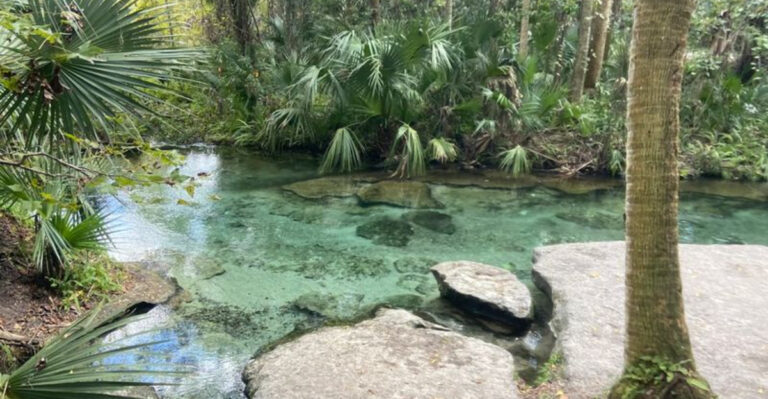
Most people race past DeFuniak Springs on their way to the beach, never knowing they’re missing one of the clearest rivers in the state. Shoal River starts here, bubbling up from underground springs so pure you can count pebbles on the bottom from your kayak. The water stays cool even in summer, making it perfect for paddling when the rest of Florida feels like a sauna.
The park protects the river’s headwaters, where longleaf pines tower over sandhills that once covered much of the South. These trees can live 500 years, and walking among them feels like stepping back to pre-colonial Florida. Gopher tortoises dig burrows in the sandy soil, creating homes that over 350 other species also use for shelter.
Bring a kayak or canoe because the river is the main attraction. You’ll paddle through tunnels of overhanging trees where sunlight filters through leaves, creating patterns on the water. The current is gentle enough for beginners but interesting enough to keep experienced paddlers engaged.
Fishing is excellent here, with bass and bream biting year-round.
The park has minimal facilities, which keeps crowds away. You won’t find concession stands or souvenir shops, just nature and water. Pack your own food and drinks, and be ready to carry everything in and out.
This lack of development is exactly why the place stays so pristine and peaceful compared to Florida’s busier waterways.
2. Big Shoals State Park – White Springs
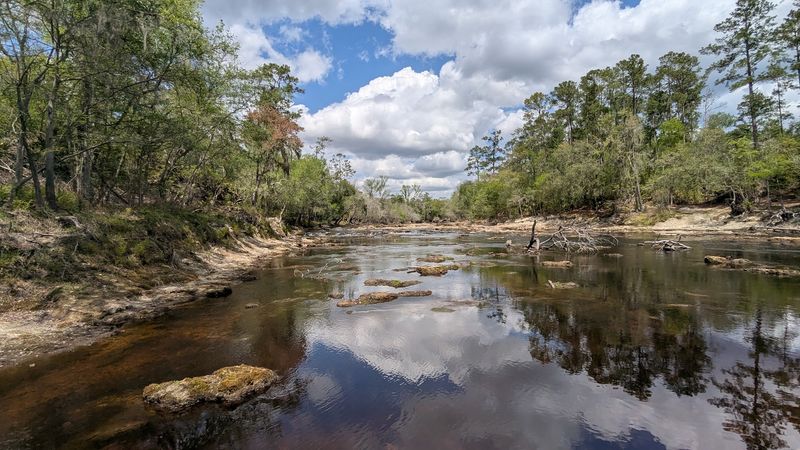
Florida isn’t exactly known for whitewater rapids, which makes Big Shoals all the more surprising. When the Suwannee River crashes over limestone ledges here, it creates the only Class III rapids in the entire state. The roar of rushing water echoes through the forest, and experienced kayakers come from across the region to test their skills against these churning waves.
Even if you’re not ready to tackle the rapids, the hiking trails offer spectacular views. The Woodpecker Trail winds through bottomland hardwood forest where pileated woodpeckers hammer on dead trees, their loud calls bouncing between the trunks. In spring, wildflowers carpet the forest floor in yellow, purple, and white.
The trail brings you to overlooks where you can watch brave paddlers navigate the foaming water below.
The rapids form because the river drops 15 feet over a short distance, unusual for Florida’s typically flat terrain. Limestone bedrock, normally hidden underground, breaks through the surface here in jagged shelves and boulders. When water levels are high after heavy rains, the rapids become truly impressive, though they can be dangerous for inexperienced boaters.
White Springs itself is a tiny historic town worth exploring before or after your park visit. The town once thrived as a health resort where people came to drink the sulfur spring water, believing it had healing properties. Today it’s quiet and sleepy, with a few antique shops and the Stephen Foster Folk Culture Center nearby, celebrating the composer who never actually visited Florida but wrote its state song anyway.
3. Price’s Scrub State Park – Micanopy
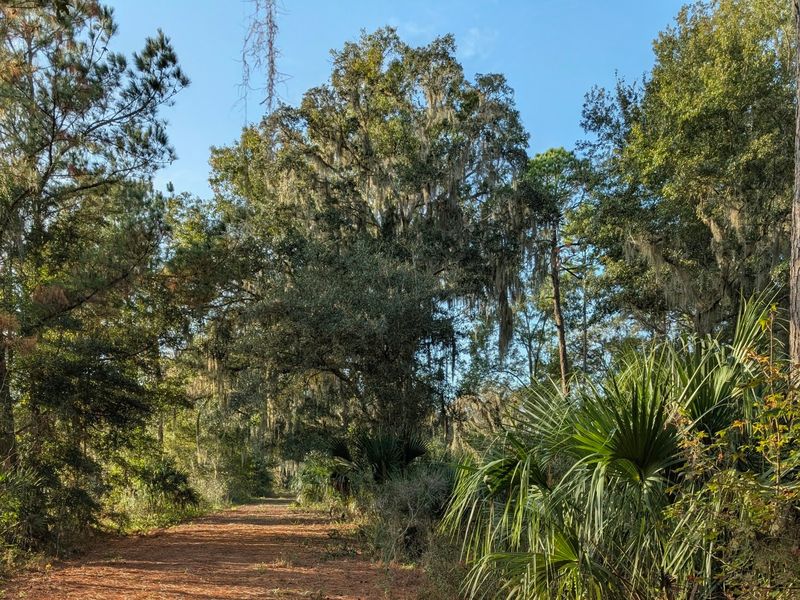
Scrub habitat might not sound exciting, but this weird ecosystem exists almost nowhere else on Earth. Price’s Scrub preserves a landscape that formed on ancient sand dunes when ocean levels were much higher. The soil here is pure white sand, poor in nutrients, so only specially adapted plants survive.
Scrub oaks grow low and twisted, shaped by occasional wildfires that have swept through for thousands of years.
The Florida scrub-jay lives only in this habitat and nowhere else in the world. These bold, intelligent birds have no fear of humans and often land on hikers’ heads or backpacks, investigating anything that might be food. They live in family groups and use complex calls to communicate about predators and food sources.
Watching them interact feels like observing a tight-knit neighborhood where everyone knows everyone’s business.
Walking the sandy trails feels more like hiking in a desert than typical Florida. The sand squeaks under your boots, and the landscape stretches out in muted greens and grays rather than the lush tropical colors people expect. Gopher tortoises leave deep tracks in the sand, and their burrows dot the landscape like miniature caves.
On hot days, you might see a tortoise munching on prickly pear cactus, one of the few plants that thrives here.
The park sits near historic Micanopy, one of Florida’s oldest towns. After your hike, wander through the village’s antique shops and moss-draped streets. The town appeared in the movie Doc Hollywood, and it still has that sleepy, time-forgot atmosphere that makes you want to slow down and relax.
4. Cedar Key Scrub State Reserve – Cedar Key
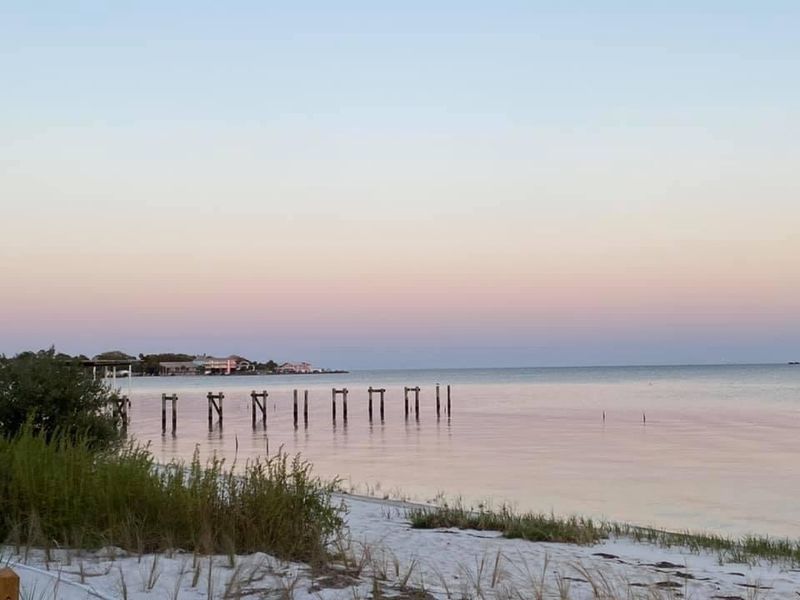
Cedar Key itself draws a modest crowd of artists and seafood lovers, but almost nobody ventures into the scrub preserve on the edge of town. This reserve protects a mosaic of habitats where land meets sea, including coastal scrub, salt marshes, and pine flatwoods. The variety means you might see wading birds, scrub-jays, and gopher tortoises all in one visit, along with views of the Gulf sparkling in the distance.
The trails here are rough and sandy, more like suggestions than maintained paths. You’ll push through palmetto fronds and duck under low oak branches, getting a workout while you explore. This wildness keeps most visitors away, but if you don’t mind a little adventure, you’ll have the place mostly to yourself.
Bring water because the sun beats down hard, and there’s limited shade in the open scrub areas.
Birding is exceptional, especially during migration seasons when warblers and other songbirds stop to rest and refuel. The mix of habitats attracts an impressive variety of species. Early morning visits reward you with the most activity, as birds feed before the day gets too hot.
Bring binoculars and a field guide, and take your time scanning the vegetation.
After hiking, head into Cedar Key for some of the best seafood in Florida. This quirky island town operates on its own schedule, with restaurants that might close early if they run out of fish or simply feel like it. The clam chowder is legendary, and watching the sunset from the waterfront while eating steamed clams feels like the perfect end to a day of exploration.
5. Lake June in Winter Scrub Preserve State Park – Lake Placid
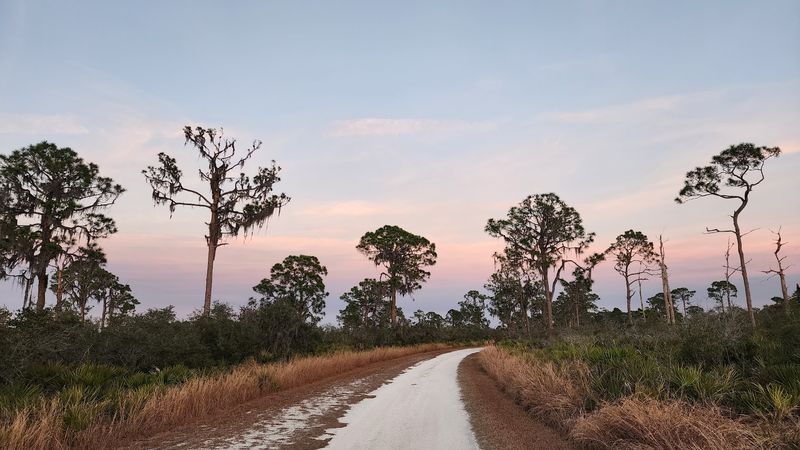
The name sounds made-up, but Lake June in Winter is real, named by a homesick Midwestern settler who arrived in June and thought the cool lake breezes felt like winter back home. The lake itself is beautiful, with clear water perfect for swimming and a white sand beach that feels more Caribbean than central Florida. But the real treasure is the scrub habitat surrounding it, some of the best remaining in the state.
Hiking the trails takes you through a landscape that time forgot. Ancient sand dunes, now covered in vegetation, roll across the preserve like frozen waves. The scrub-jays here are particularly friendly, often following hikers and chattering constantly.
These birds mate for life and defend territories they pass down through generations, making them one of the few bird species that stay in the same place for decades.
The lake offers relief after a hot hike through the scrub. The water is tannic, stained brown by decomposing vegetation, but it’s clean and refreshing. Locals swim here regularly, and the small beach area has picnic tables perfect for lunch.
The lake is also excellent for kayaking, with quiet coves to explore and birds fishing along the shoreline.
Lake Placid, the nearby town, calls itself the Caladium Capital of the World because it grows most of America’s caladium bulbs. In summer, fields explode with the colorful heart-shaped leaves of these tropical plants. The town has a charming downtown with murals on many buildings, each depicting different aspects of local history and culture.
It’s worth a quick drive-through before or after your park visit.
6. Ravine Gardens State Park – Palatka
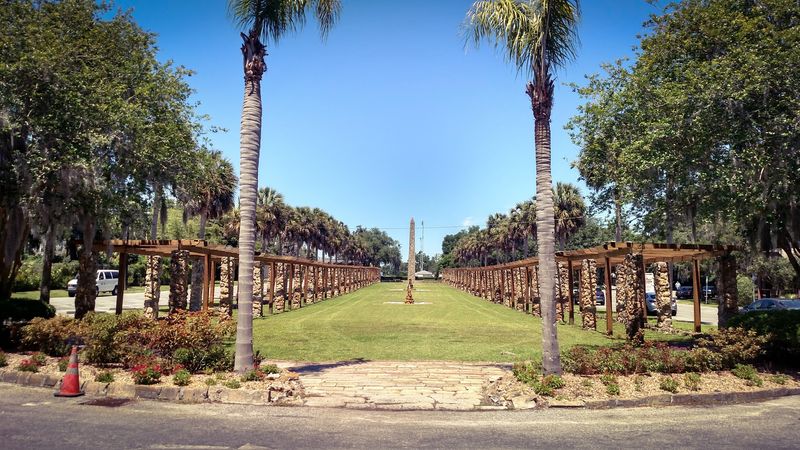
Someone decided to build formal gardens in a series of steep ravines, and the result is unlike any other Florida park. Stone steps wind down into valleys where azaleas explode with color each spring, painting the landscape in shocking pinks, reds, and whites. Even when the azaleas aren’t blooming, the ravines stay cool and shaded, filled with ferns and other plants that thrive in the moist, protected environment.
The gardens were a Depression-era WPA project, built by workers who carved paths and planted thousands of ornamental plants. Their craftsmanship shows in the careful stonework and thoughtful layout that makes the gardens feel natural despite being completely designed. A suspension bridge sways gently as you cross from one ravine to another, adding a touch of adventure to what could have been just another pretty park.
Walking the ravine floors feels like entering a secret world hidden beneath the regular landscape. The temperature drops noticeably as you descend, and the sound of the outside world fades away. Small streams trickle between moss-covered rocks, and the air smells green and alive.
Photographers love this place because the light filtering through the canopy creates dramatic shadows and highlights.
Palatka itself sits on the St. Johns River and has a surprising amount of history for such a small city. The town was a major steamboat stop in the 1800s, and some of the old buildings still stand downtown. The Azalea Festival in March brings crowds to both the park and the town, but visit any other time and you’ll have the ravines mostly to yourself, which makes the experience even more magical and peaceful.
7. Eden Gardens State Park – Santa Rosa Beach
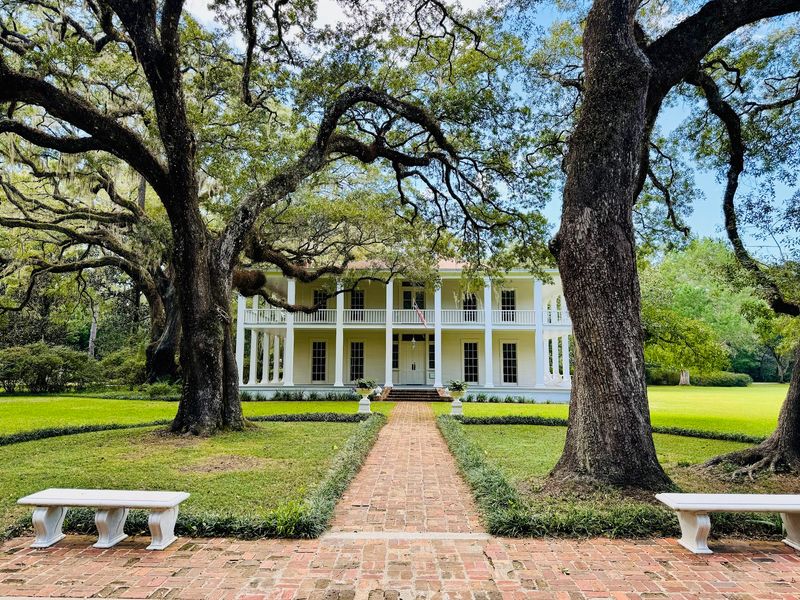
A grand Southern mansion sits on the shores of Choctawhatchee Bay, surrounded by gardens that look like they belong in a movie about the Old South. Massive live oaks drape Spanish moss over manicured lawns, and camellias bloom in winter, their perfect flowers looking almost artificial in their beauty. The mansion itself, called the Wesley House, contains antique furniture that the original owner collected from across the South.
The house tours reveal fascinating stories about the lumber baron who built it and the New York journalist who later restored it. She filled the rooms with antiques she found at estate sales and auctions, creating period rooms that show how wealthy Southerners lived in different eras. The collection includes some genuinely rare pieces, including furniture that survived the Civil War and Depression when many similar items were destroyed or sold off.
The gardens deserve as much time as the house. Brick pathways wind between flower beds and under tree canopies that create natural cathedral ceilings. In spring, azaleas join the camellias in a riot of color.
The bay provides a beautiful backdrop, its waters visible through gaps in the vegetation. Bring a picnic and use one of the tables scattered throughout the grounds, or just sit under a tree and soak in the peaceful atmosphere.
Santa Rosa Beach and the surrounding area have become popular vacation spots, but most tourists stick to the sugar-white beaches and never discover Eden Gardens. This means you can enjoy the park without crowds, even during peak season. The contrast between the busy beach scene and the quiet, refined atmosphere of the gardens makes for an interesting day of exploring very different sides of the Panhandle.
8. Bulow Creek State Park – Ormond Beach
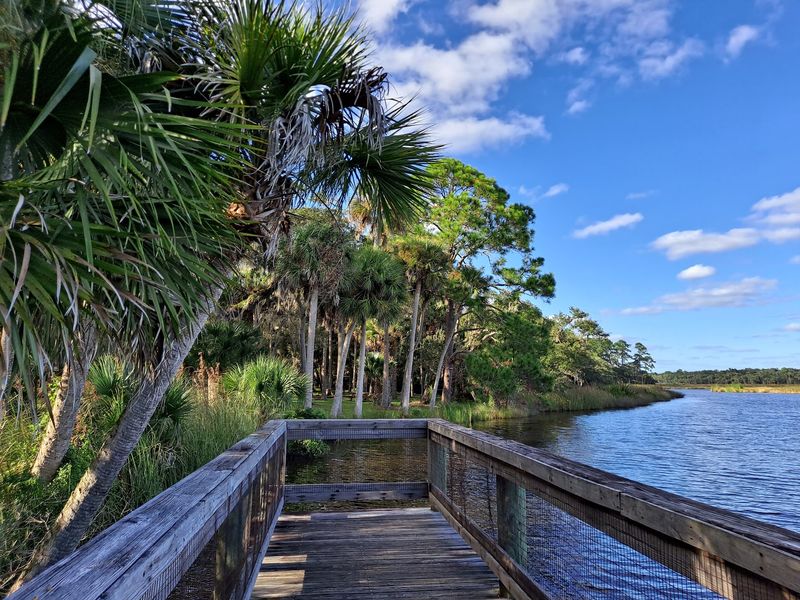
Paddling Bulow Creek feels like traveling back to prehistoric Florida. The narrow waterway winds through dense forest where cypress trees lean over the water and alligators sun themselves on logs. The water runs dark brown, stained by tannins from decomposing leaves, and Spanish moss hangs so low you sometimes have to duck to avoid it.
This is Old Florida at its wildest and most atmospheric.
The park preserves the ruins of an old sugar plantation that thrived here before the Seminole Wars. The Bulow family built an impressive operation, with a sugar mill powered by the creek and fields worked by enslaved people. Today, massive coquina walls still stand, slowly being reclaimed by the forest.
Walking among the ruins, you can almost hear the grinding of the mill and smell the boiling sugar cane, though now only birds and insects make noise.
Kayaking is the best way to experience the creek, and you can rent boats nearby if you don’t have your own. The paddle takes you through a tunnel of vegetation where every turn reveals something new: a great blue heron fishing, a turtle plopping into the water, or an otter family playing in the shallows. The creek connects to the Halifax River, so you can make a longer trip if you’re ambitious and experienced.
Ormond Beach is just minutes away, but it feels like a different world. The beach town has a nice historic downtown and, of course, miles of Atlantic coastline. Combining a morning paddle through the wild creek with an afternoon on the beach makes for a perfect Florida day that shows both the state’s natural and recreational sides without any theme park tickets required.
9. Mound Key Archaeological State Park – Estero
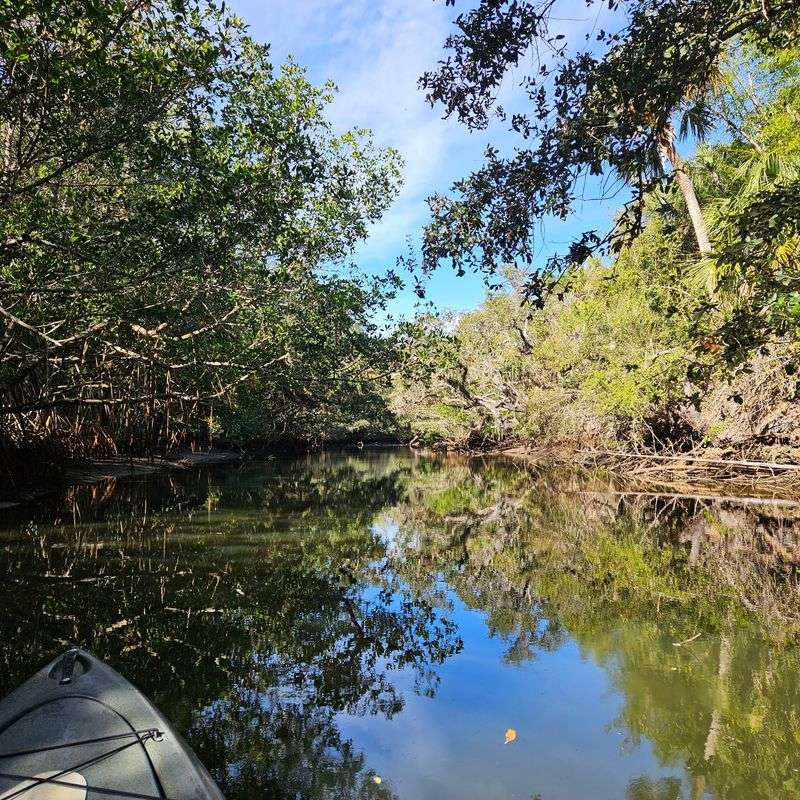
Reaching Mound Key requires a boat, which immediately filters out casual visitors. This island in Estero Bay is actually a massive shell mound built over centuries by the Calusa people, who dominated southwest Florida before European contact. They piled millions of shells from their meals into structures 30 feet high, creating an island where none existed before.
Standing on top, you’re literally standing on an ancient garbage heap that became a monument.
The Calusa were remarkable people who thrived without agriculture, living entirely on seafood and developing a complex society that impressed Spanish explorers. They built canals, created shell tools and weapons, and traded with people as far away as Cuba. Mound Key was likely their capital, where their chief lived and governed.
Walking the trails, you can still see depressions where buildings once stood and channels they dug to manage water flow.
The island is now covered in thick vegetation, including gumbo limbo trees with their distinctive peeling red bark. Mangroves line the shores, their roots creating nurseries for fish and shelter for wading birds. The views across Estero Bay are stunning, with other mangrove islands dotting the water and dolphins often surfacing nearby.
Bring bug spray because mosquitoes can be fierce, especially in summer.
Getting to Mound Key is an adventure itself. You can rent a kayak in Estero or Fort Myers Beach and paddle across the bay, which takes about 30 minutes from the nearest launch point. The paddle is easy in calm weather but can be challenging if wind kicks up, so check conditions before going.
Once there, you’ll likely have the island to yourself, free to explore and imagine what life was like when the Calusa ruled these waters.
10. Constitution Convention Museum State Park – Port St. Joe
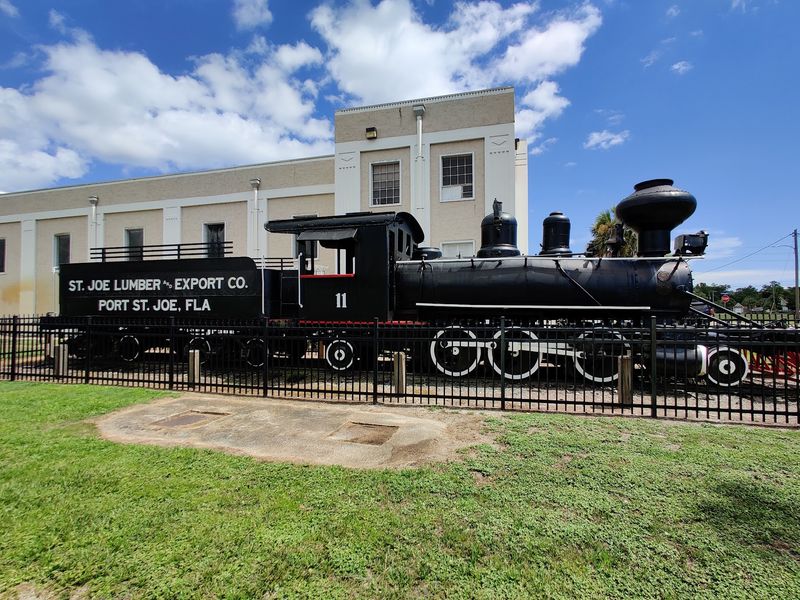
Florida’s first constitution was written in Port St. Joe in 1838, when the town was a bustling port that rivaled Pensacola and Tallahassee in importance. Then yellow fever epidemics and hurricanes destroyed the town, and it faded into obscurity while other cities grew. This small museum preserves that brief moment of glory, housed in a replica of the building where delegates met to hammer out the rules for the new territory’s government.
The exhibits explain the complicated politics of pre-statehood Florida, when the territory was trying to convince Congress to grant statehood. Delegates debated slavery, voting rights, and how to organize the new government, ultimately creating a document that helped Florida become a state in 1845. Reading the actual text of the constitution, you see how different the world was, with provisions that seem shocking today but were normal then.
The museum is small, which means you can see everything in about 30 minutes. But the staff often includes local history buffs who love sharing stories about the town’s rise and fall. They’ll tell you about the hurricanes that washed away entire neighborhoods and the fever that killed so many people that survivors fled, abandoning their homes and businesses.
It’s a reminder of how fragile coastal communities were before modern medicine and building codes.
Port St. Joe today is a quiet beach town on the Gulf, popular with people who want a beach vacation without the crowds of Panama City or Destin. The beaches here have beautiful white sand and clear green water, and the town has good seafood restaurants and a laid-back vibe. Combining a beach day with a quick museum visit gives you both relaxation and a dose of history most tourists completely miss.
11. Paynes Creek Historic State Park – Bowling Green
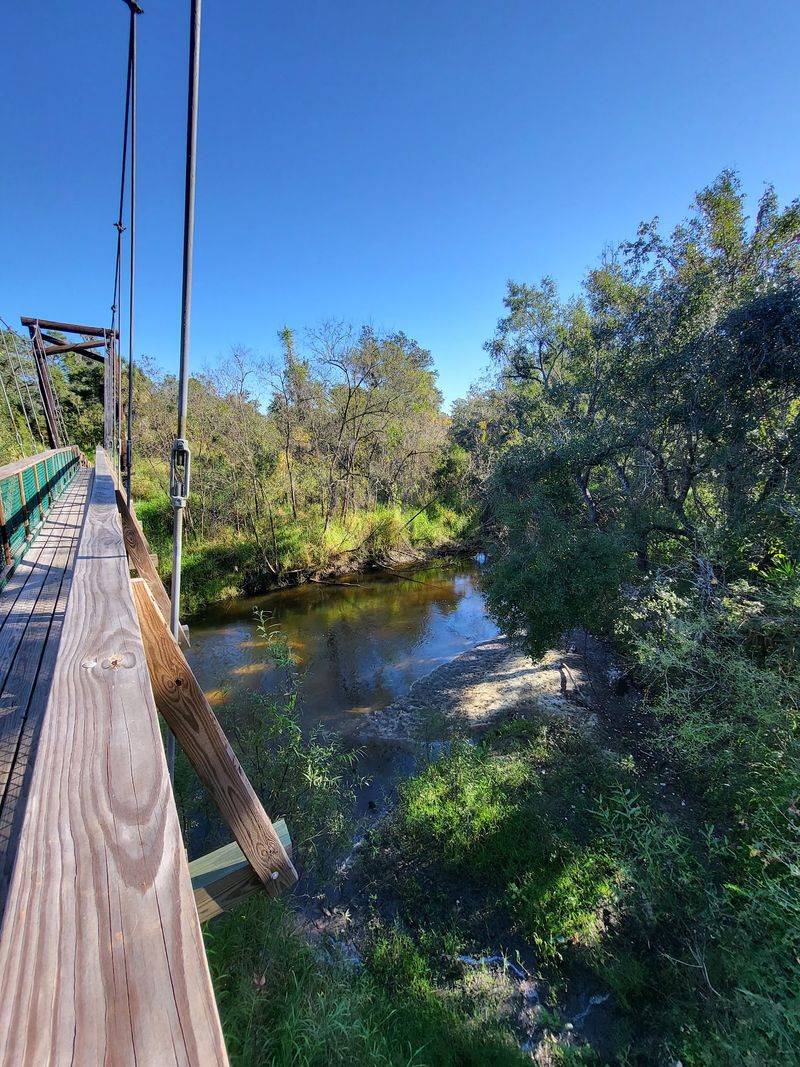
A trading post once stood here where settlers and Seminole people did business, exchanging goods and news in an uneasy peace. Then in 1849, a misunderstanding led to violence, and the trading post was attacked, killing several people and sparking the Third Seminole War. The park commemorates this tragic moment when cultures clashed and trust broke down, ultimately leading to the forced removal of most remaining Seminoles from Florida.
Walking the grounds, you see a replica of the trading post and interpretive signs explaining what happened and why. The story is complicated, with blame on multiple sides and no clear heroes. Settlers wanted Seminole lands, the government wanted the Seminoles gone, and the Seminoles just wanted to be left alone.
The attack happened because of miscommunication and fear, showing how quickly peace can collapse when people don’t understand each other.
The park also preserves natural habitat along Paynes Creek, with hiking trails through oak hammocks and along the water. The creek itself is pretty, flowing clear over a sandy bottom, and fishing is allowed. White-tailed deer browse in the open areas, and wild turkeys strut through the woods, their calls echoing in the morning.
It’s peaceful now, which makes the violent history feel even more poignant and sad.
Bowling Green is a tiny agricultural town that most people drive through without stopping. It’s in the heart of Florida’s cattle country, where ranches stretch for miles and cowboys still work on horseback. The landscape is flat and open, very different from the beaches and theme parks most tourists see.
Visiting here gives you a glimpse of rural Florida that hasn’t changed much in decades, where history feels close and the pace stays slow.
12. Yulee Sugar Mill Ruins Historic State Park – Homosassa
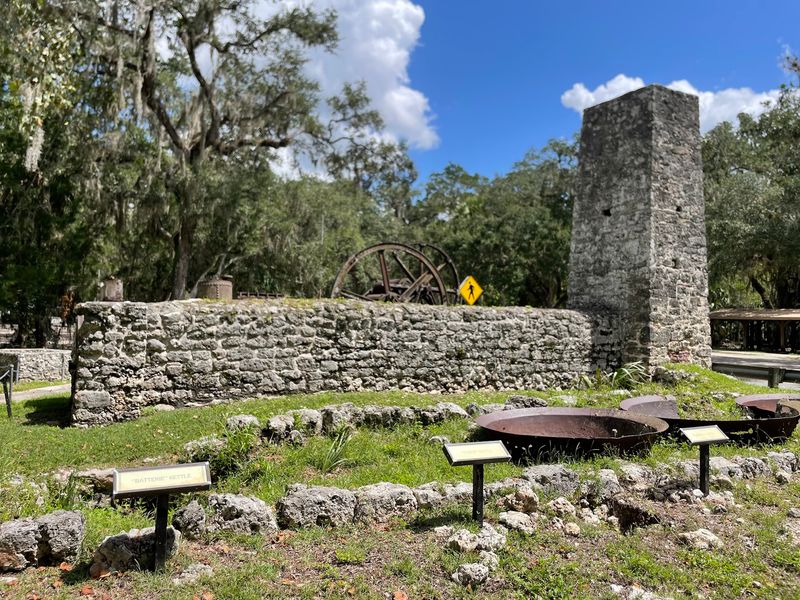
David Yulee was Florida’s first U.S. Senator and a wealthy plantation owner who built a massive sugar operation here during the 1850s. The mill processed sugar cane from surrounding fields, and at its peak, the plantation produced thousands of pounds of sugar annually.
Then the Civil War came, and Union forces destroyed the operation, leaving only the massive limestone walls that still stand today, slowly crumbling but still impressive in their solid construction.
The ruins are surprisingly intact, with the main mill building’s walls reaching 40 feet high in places. You can walk around the structure and peer inside, seeing where machinery once turned cane into sugar and molasses. Interpretive signs explain the process and the lives of the enslaved people who did the brutal work of cutting cane and feeding the mill.
It’s a sobering reminder of the human cost behind the sugar that sweetened Southern tables.
The park is tiny, basically just the ruins and a small picnic area, but it’s worth a stop if you’re in the area. The massive live oaks surrounding the ruins create a beautiful setting, and photographers love the way light plays on the old stone walls. You can see everything in 20 minutes, making it an easy addition to a day exploring the Nature Coast.
The ruins are particularly photogenic at sunset when the limestone glows orange and shadows deepen.
Homosassa is famous for its springs and the manatees that gather there in winter. The Homosassa Springs Wildlife State Park lets you see manatees up close, along with other Florida animals. Combining the sugar mill ruins with a manatee viewing makes for an interesting day that mixes history with nature, showing different aspects of Florida’s past and present without any crowds or commercialization to ruin the experience.