7 Gorgeous Florida Hikes Under 5 Miles Everyone Should Take
Florida might be famous for beaches and theme parks, but its hiking trails tell a completely different story. Scattered across the state are short, stunning paths that pack incredible scenery into just a few miles—think boardwalks over gator-filled marshes, coastal trails lined with ancient driftwood, and even a waterfall that drops into a sinkhole. Whether you’re a seasoned hiker or just looking for an easy outdoor adventure, these seven trails prove you don’t need to trek all day to experience Florida’s wildest, most beautiful side.
1. Anhinga Trail (Homestead)
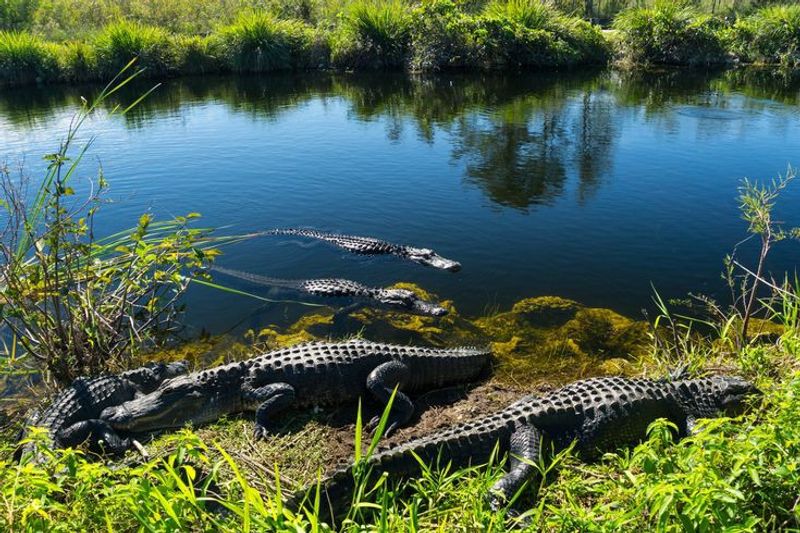
Walk less than a mile and you’ll see more wildlife than most people spot in a week. The Anhinga Trail winds through the heart of Everglades National Park on an elevated boardwalk, putting you eye-level with some of Florida’s most iconic creatures. Alligators sun themselves just feet away, turtles stack up on logs, and anhingas spread their wings to dry in the warm breeze.
This paved loop is perfect for families, photographers, and anyone who wants guaranteed animal sightings without bushwhacking through the swamp. Early morning and late afternoon are prime time—that’s when the gators are most active and the light turns golden over the sawgrass. Bring a camera with a decent zoom, because you’ll want to capture the herons stalking fish and the occasional anhinga diving underwater.
The trail is wheelchair accessible and shaded in spots, making it comfortable even on hot days. Rangers often post up along the path to answer questions and point out hidden critters. You might spot baby gators, massive softshell turtles, or even a Florida panther if you’re incredibly lucky.
Park at the Royal Palm Visitor Center, where restrooms and water fountains are available. The trail gets crowded midday, especially in winter when snowbirds flock south. If you want a quieter experience, aim for sunrise or just before sunset when the wildlife really comes alive.
2. Black Rock Trail (Big Talbot Island)
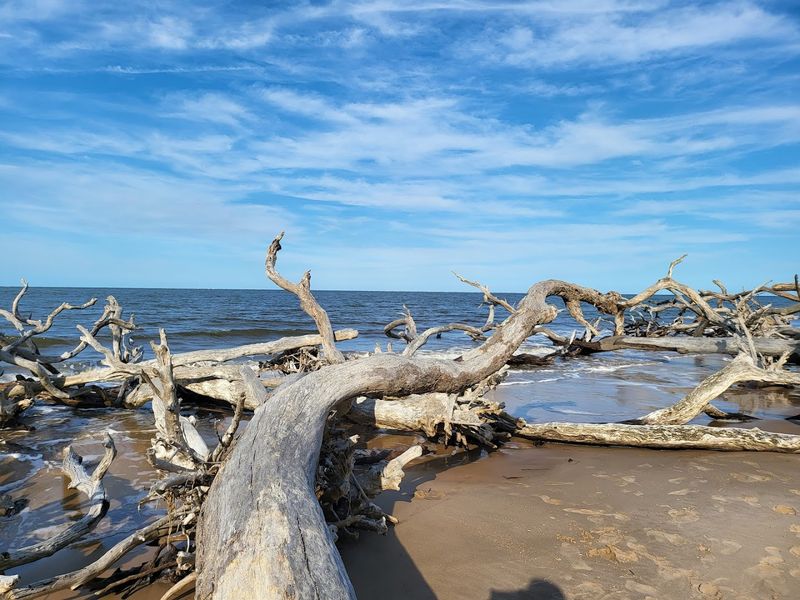
Forget everything you think you know about Florida beaches. Black Rock Trail leads to one of the most surreal shorelines on the Atlantic coast—a graveyard of massive, sun-bleached tree skeletons sprawled across dark boulders and white sand. The trees toppled during storms, their roots exposed and twisted into sculptural shapes that belong in an art gallery.
The trail itself is just under a mile, cutting through maritime forest before spitting you out onto this otherworldly beach. Photographers love this spot for its moody, dramatic vibe, especially during golden hour when the light turns the driftwood amber. The contrast between pale wood, black rock, and turquoise water creates scenes you won’t find anywhere else in the state.
Wear sturdy shoes—the rocks can be slippery, and the beach isn’t your typical soft-sand stroll. Low tide is the best time to explore, giving you more room to wander among the driftwood without waves crashing over your feet. Bring a wide-angle lens if you’re into photography; the scale of these fallen trees is massive.
The park charges a small entrance fee, and facilities include restrooms and picnic areas near the trailhead. This isn’t a swimming beach—currents are strong and the rocks make it tricky—but it’s perfect for tide pooling, beachcombing, and soaking in one of Florida’s most unique landscapes.
3. La Chua Trail (Gainesville)
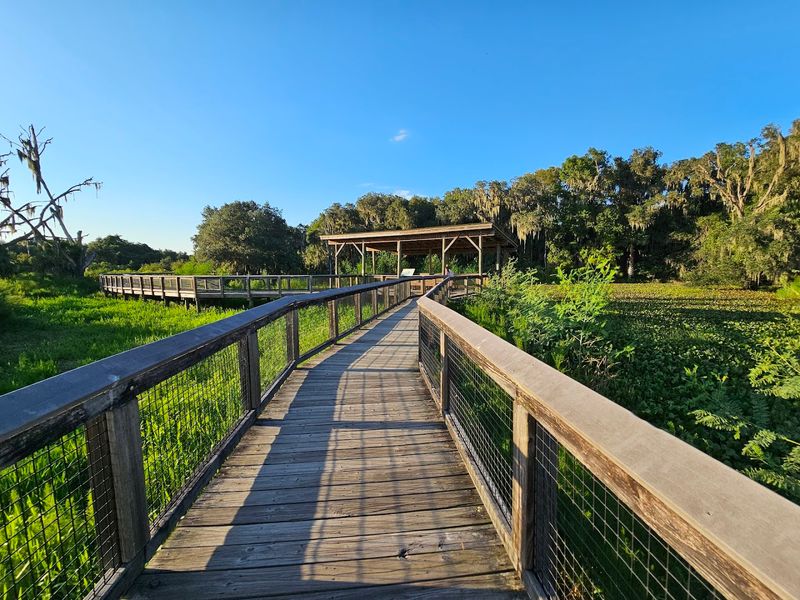
Few trails in Florida deliver this much wildlife diversity in such a short distance. La Chua Trail stretches about three miles round-trip through Paynes Prairie Preserve, and it’s basically a safari on foot. Alligators line the water channels, wild horses roam the open prairie, and if you’re lucky, you might spot the resident bison herd grazing in the distance.
The first half of the trail is paved, making it easy for strollers and wheelchairs, before transitioning to a wide dirt path. An observation tower at the end gives you panoramic views over the prairie, where sandhill cranes, herons, and ibises gather in huge numbers. Spring and fall migrations bring even more bird species through the area.
Gators are everywhere here—seriously, you’ll lose count. They sun on the banks, float in the canals, and occasionally cross the trail, so give them plenty of space. The horses are descendants of Spanish colonial stock and tend to graze near the midpoint of the trail.
Bison sightings are less predictable but always exciting when they happen.
Start early to beat the heat and catch the wildlife at its most active. The trail has zero shade, so sunscreen and a hat are essential. Free parking is available at the trailhead off Highway 441, and portable restrooms are on-site.
Binoculars will seriously upgrade your experience here.
4. Falling Waters Sinkhole Trail (Chipley)
Florida has a waterfall. Yes, really—and it’s the tallest one in the state. Falling Waters drops 73 feet into a cylindrical sinkhole, disappearing into the earth in a way that feels almost magical.
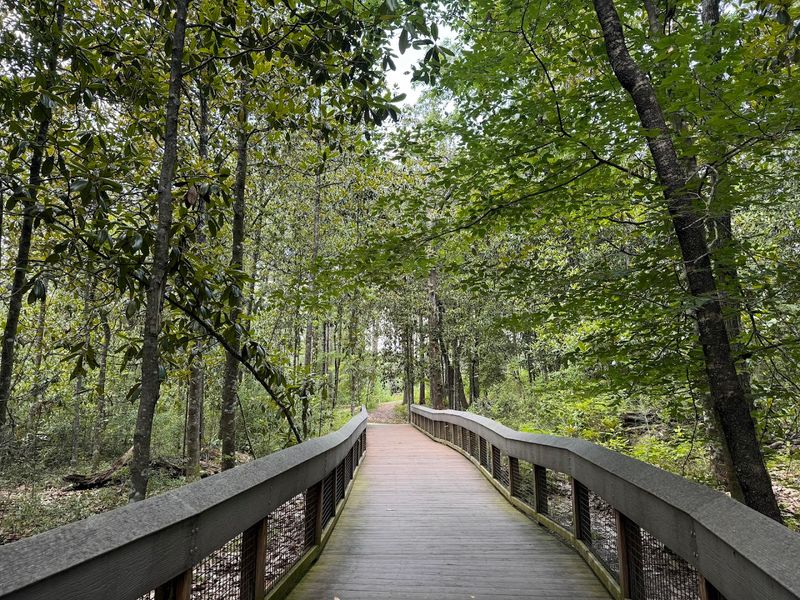
The trail to reach it is barely half a mile, winding through shady hardwood forest before opening up to this geological oddity.
The waterfall flows year-round, but it’s most impressive after heavy rains when the cascade turns into a proper torrent. During dry spells, it becomes more of a trickle, but the sinkhole itself remains dramatic no matter the season. A wooden observation deck lets you peer down into the 100-foot-deep pit, where the water vanishes into an underground cave system.
The surrounding forest is classic North Florida—oaks draped in Spanish moss, towering pines, and understory thick with ferns and palmettos. Interpretive signs along the trail explain the karst geology that creates Florida’s sinkholes and springs. It’s a quick hike, but the payoff is big, especially if you’ve never seen a waterfall drop straight into the ground.
Falling Waters State Park charges a small entrance fee and offers camping, picnic areas, and a swimming lake. The trail is easy enough for kids and older hikers, with minimal elevation change. Visit after a rainy week for the most dramatic water flow, and bring a flashlight if you want to peek into the sinkhole’s shadowy depths.
5. Mangrove Trail / Jetty Trail (Biscayne National Park)
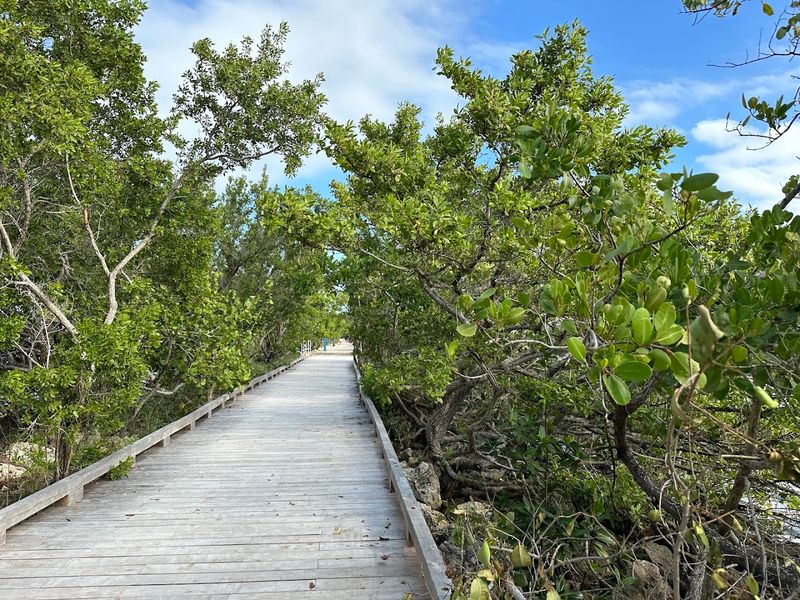
Most of Biscayne National Park sits underwater, but this short trail gives landlubbers a taste of its coastal beauty. The Mangrove Trail loops through a tunnel of red mangroves, their tangled roots creating a maze that filters saltwater and shelters juvenile fish. It’s only about a third of a mile, but it’s packed with ecological interest.
Connect it to the Jetty Trail for a longer walk that ends at a rocky jetty jutting into Biscayne Bay. From here, you get sweeping water views, breezes that cut the humidity, and glimpses of the park’s offshore islands. Pelicans dive-bomb for fish, and you might spot manatees cruising the shallows if you’re patient and quiet.
The mangrove section is shaded and cool, a welcome relief from South Florida’s relentless sun. Interpretive signs explain how mangroves protect the coastline from storms and serve as nurseries for everything from snapper to tarpon. The jetty portion is exposed, so bring sun protection and water.
This trail is perfect for a quick stretch after the drive down to Homestead or as a warm-up before a snorkeling trip. The park’s visitor center is right there, with restrooms, exhibits, and rangers who can recommend boat tours or diving spots. There’s no entrance fee for the mainland trails, making it an easy, free addition to any South Florida itinerary.
6. Sweetwater Wetlands Trail (Gainesville)
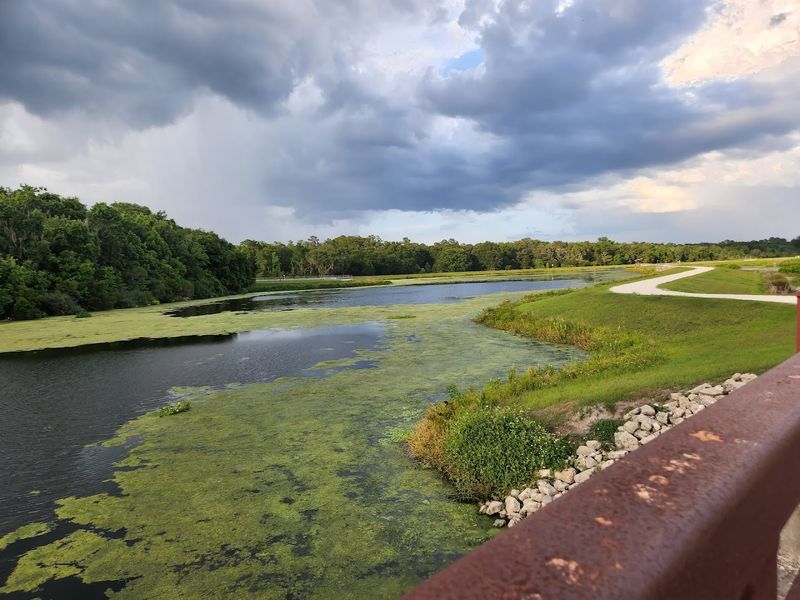
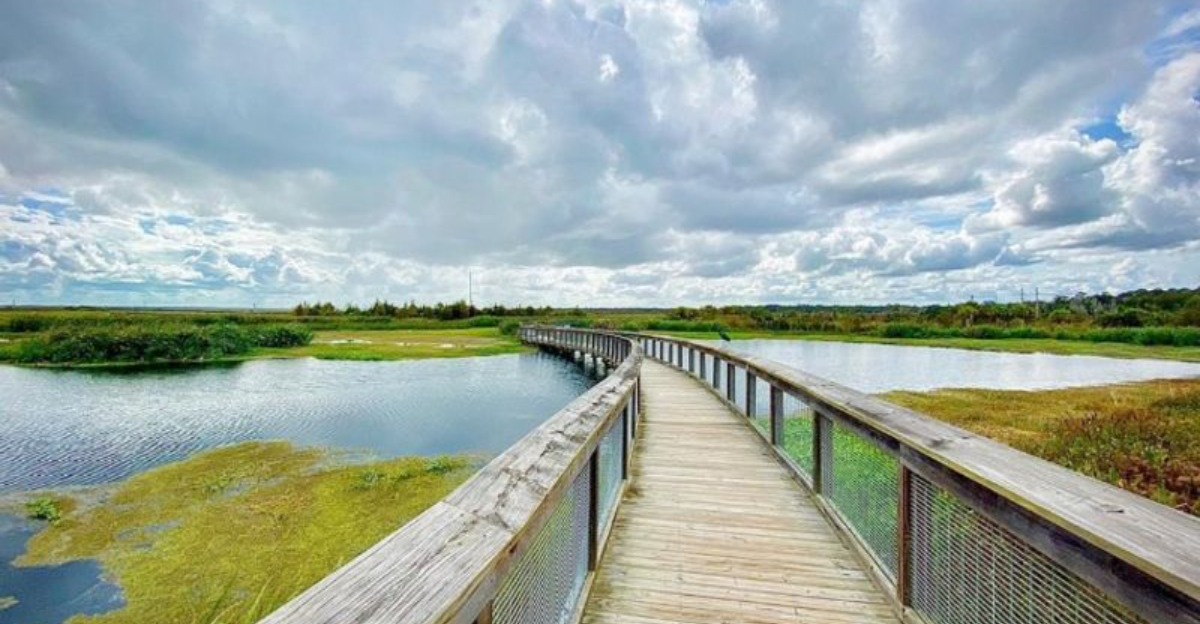
Birdwatchers treat Sweetwater like a pilgrimage site. This reclaimed wastewater facility turned wildlife haven hosts over 200 bird species, plus gators, turtles, and the occasional otter. The main loop is about two miles of flat, easy walking, with boardwalks and observation decks positioned for prime wildlife viewing.
What makes Sweetwater special is how close you get to the action. Alligators bask right beside the boardwalk, herons stalk fish in the shallows, and limpkins call out their eerie, haunting cries. Roseate spoonbills, painted buntings, and purple gallinules show up regularly, turning every visit into a treasure hunt for rare sightings.
The trail circles through marshes, open water, and patches of cypress, with benches scattered throughout for resting and soaking in the scenery. Bring binoculars and a bird guide—or download the Merlin app—because you’ll want to identify everything you see. Early morning is peak time for bird activity, though sunset brings its own magic as the light turns golden over the water.
There’s no entrance fee, and the park is open dawn to dusk. Parking is free, and portable restrooms are available at the trailhead. The trail is mostly shaded and wheelchair accessible, making it great for all ages and abilities.
Locals come here weekly, and once you visit, you’ll understand why.
7. Florida Trail to Big Shoals (White Springs)
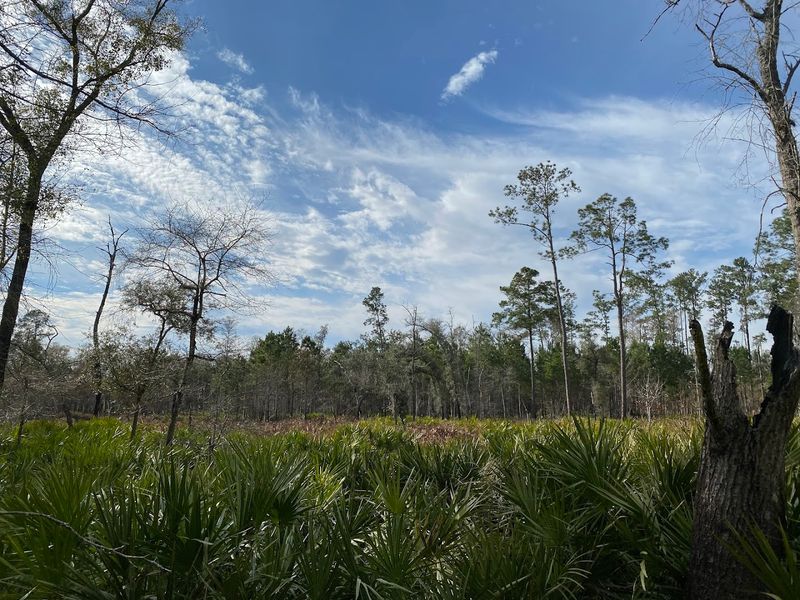
Rapids in Florida? It sounds impossible, but Big Shoals on the Suwannee River is the real deal—Florida’s only Class III whitewater. The hike to reach them is about 4.6 miles round-trip along a section of the Florida Trail, winding through river bluffs, hardwood hammocks, and pine flatwoods before dropping down to the roaring water.
The trail itself is beautiful, with views of the Suwannee’s dark, tannin-stained water and limestone outcroppings that tell the story of ancient seas. In spring, wildflowers blanket the forest floor, and fall brings cooler temps and brilliant foliage. The sound of the rapids grows louder as you approach, building anticipation for the payoff.
Big Shoals isn’t Niagara, but by Florida standards, it’s dramatic. Water churns over and around boulders, creating whitewater that attracts kayakers and rafters during high-water seasons. The best viewing is from the observation deck at the end of the trail, where you can watch the river muscle its way downstream.
Bring water shoes if you want to wade in the calmer sections upstream.
The trailhead is at Big Shoals State Park, which charges a small entrance fee. Facilities are minimal—just a parking area and portable restrooms—so come prepared. The trail can be muddy after rain, and summer heat makes it brutal, so spring and fall are ideal.
Pack snacks, plenty of water, and a sense of adventure.