9 Drop-Dead Gorgeous Roads in Florida That’ll Make Your Camera Work Overtime
Florida isn’t just about beaches and theme parks. Some of the state’s most stunning views unfold right from your car window. Whether you’re cruising over turquoise bridges, winding through moss-draped forests, or chasing sunsets along the Atlantic coast, these nine roads turn every mile into a photo opportunity worth pulling over for.
1. Overseas Highway / Florida Keys Scenic Highway (Key Largo to Key West)
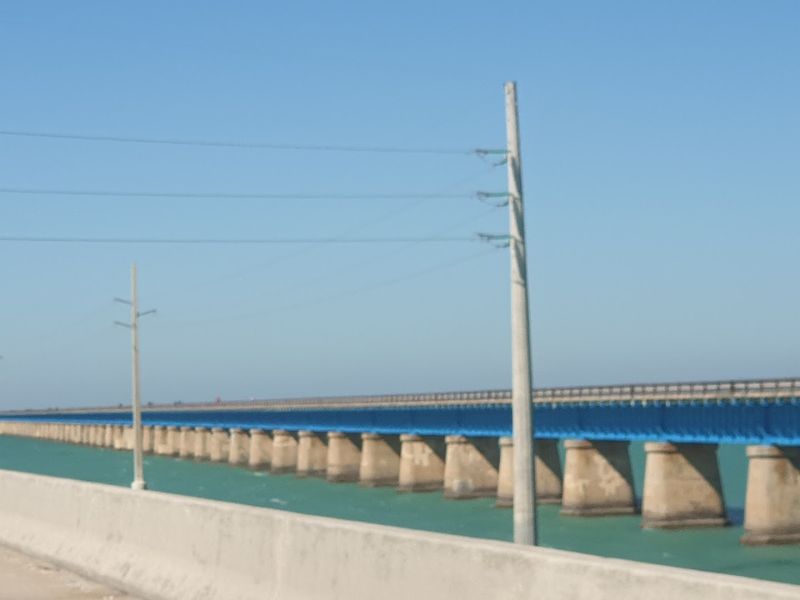
Rolling down the Overseas Highway feels like driving straight into a postcard that never ends. You’ll cross 43 islands and more than 40 bridges over 110 miles of pure Caribbean-blue perfection, with water so clear you can spot the reef shadows from your driver’s seat.
The Seven Mile Bridge is the headliner here, and it absolutely earns its fame. Every curve reveals another frame-worthy shot: pelicans gliding low over the waves, fishing boats bobbing near mangrove islands, and that impossible horizon where sky and sea blur together.
Pack your polarizing filter because the glare off the water is real, but so are the colors. Early morning light turns everything soft and golden, while late afternoon brings out deep blues and greens that look almost Photoshopped.
This is one of only a handful of All-American Roads in the country, and you’ll understand why within the first ten minutes. Stop at Bahia Honda State Park for elevated bridge views, or pull over at any of the dozens of unmarked turnouts where locals park to fish and watch the light change.
Just remember: everyone else has a camera too, so patience pays off when framing your shots.
2. A1A Scenic & Historic Coastal Byway (Ponte Vedra Beach to Flagler Beach)
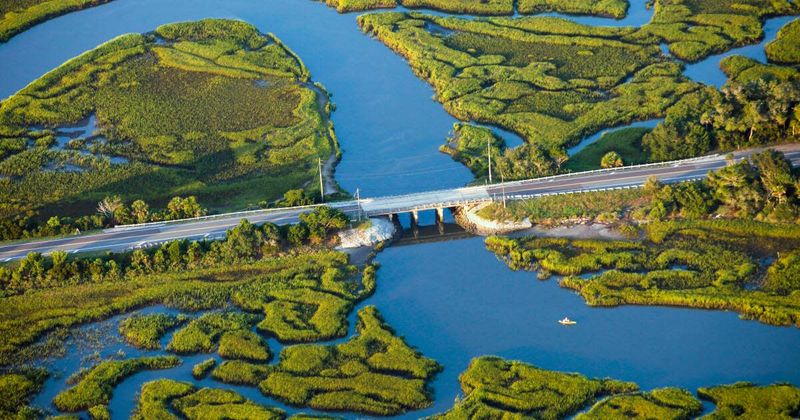
If you want classic Atlantic Florida without the high-rise clutter, this 72-mile stretch of A1A delivers. You’ll pass through historic St. Augustine, the oldest city in the U.S., then roll north through dune-lined roads where sea oats wave like they’re directing traffic.
The byway is officially designated as an American Byway, which means it’s been recognized for its cultural and scenic value. Translation: every few miles, you’ll spot another reason to slow down and grab your camera.
Marshes on one side, ocean glimpses on the other, and enough small beach towns to keep things interesting without feeling touristy. Flagler Beach is especially good for pier shots at sunset, and the Washington Oaks Gardens State Park offers coquina rock formations that look like natural sculptures at low tide.
St. Augustine itself is a content goldmine—cobblestone streets, Spanish colonial architecture, and the iconic lighthouse that’s been guiding ships since 1874. Shoot it from the beach at sunrise for that warm, glowing effect everyone loves.
Traffic can get thick on weekends, so plan your drive for early morning or late afternoon when the light is softer and the roads are quieter.
3. Ormond Scenic Loop & Trail (Ormond Beach)
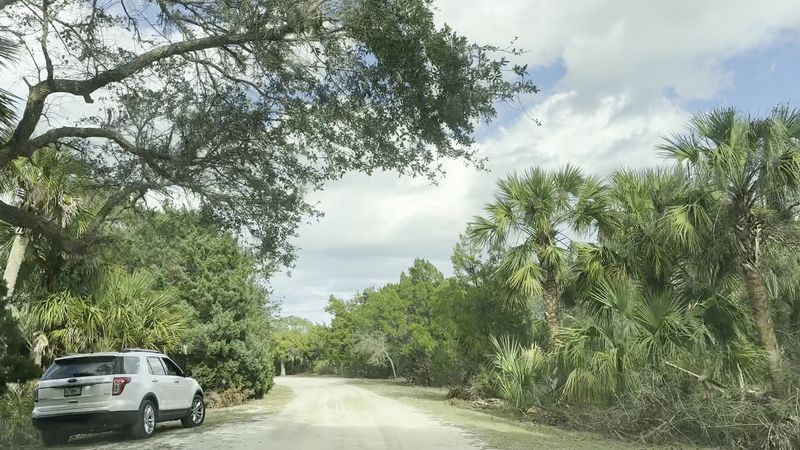
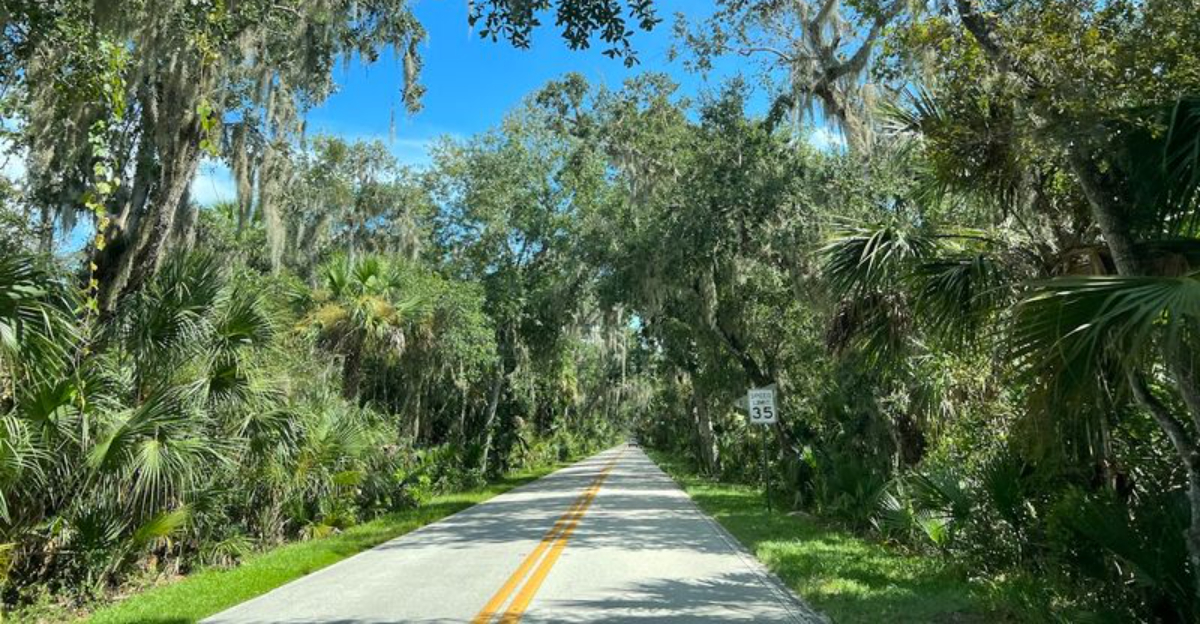
Forget the beach crowds for a minute. This 34-mile loop wraps you in a canopy so thick you’ll forget you’re still in Florida. Massive live oaks lean over the road, their branches tangled with Spanish moss that sways in the breeze like something out of a Southern Gothic novel.
The National Scenic Byway Foundation calls it one of the most diverse natural environments in the region, and they’re not exaggerating. You’ll pass through salt marshes, hardwood hammocks, and stretches where the only sound is wind rustling through palmetto fronds.
Photographers love this road for the dappled light that filters through the canopy, creating natural spotlights on the pavement. Midday can be tricky with harsh contrasts, so aim for early morning or late afternoon when the shadows soften.
There are several pull-offs where you can park and explore on foot, especially near the Tomoka State Park entrance. The loop also includes a section along the Halifax River, where you might catch herons fishing in the shallows or manatees surfacing near the boat ramps.
Bring a wide-angle lens if you have one—the canopy shots are stunning, but they need room to breathe in the frame.
4. Tamiami Trail / U.S. 41 (Miami to Naples)
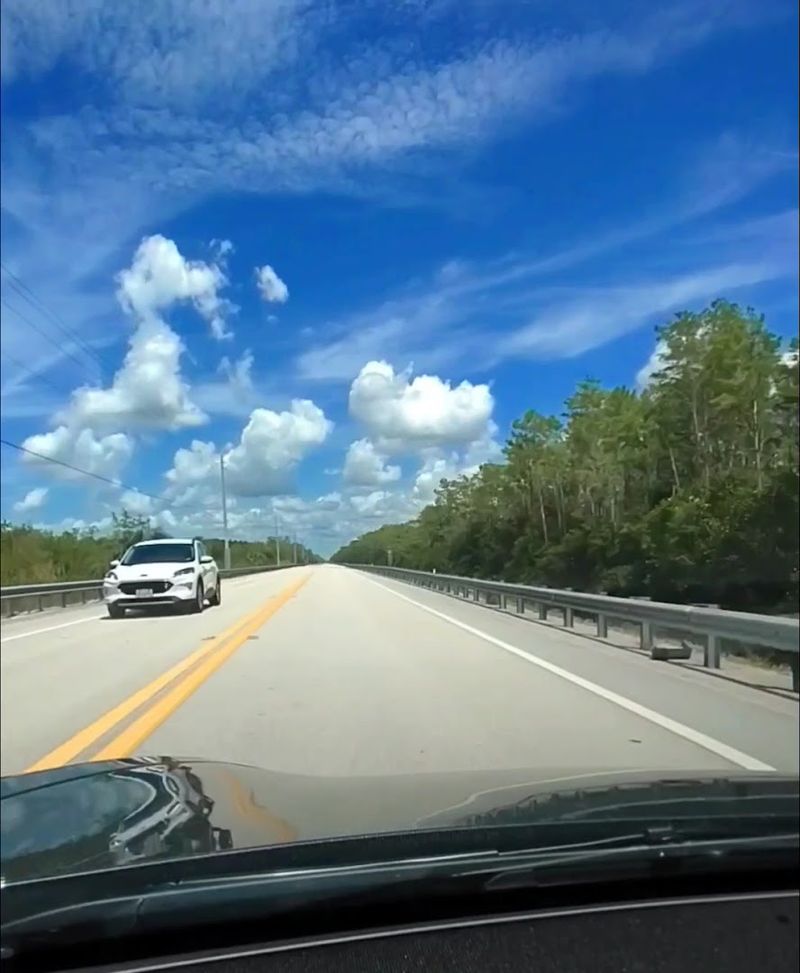
U.S. 41 slices straight through the Everglades, and it’s about as close as you’ll get to wilderness without leaving your car. Sawgrass stretches out in every direction, broken only by clusters of cypress trees and the occasional alligator sunbathing on the shoulder.
This isn’t a road you rush. The beauty here is in the wide-open spaces, the enormous sky, and the way the light shifts across the wetlands depending on the time of day.
Wildlife is everywhere if you’re patient. Pull over at one of the many designated stops and you might spot wading birds, turtles, or even a panther if you’re incredibly lucky. The Shark Valley entrance is especially good for photos—there’s an observation tower that gives you a 360-degree view of the Glades.
Early morning is prime time for mist rising off the water and soft, golden light. Late afternoon brings dramatic cloud formations that can turn an average shot into something magazine-worthy.
Keep your telephoto lens handy because the wildlife here doesn’t always cooperate by staying close to the road. And watch for airboats—they’re part of the local flavor and make for great action shots if you time it right.
5. Big Bend Scenic Byway (Apalachicola to St. Marks / Tallahassee area)
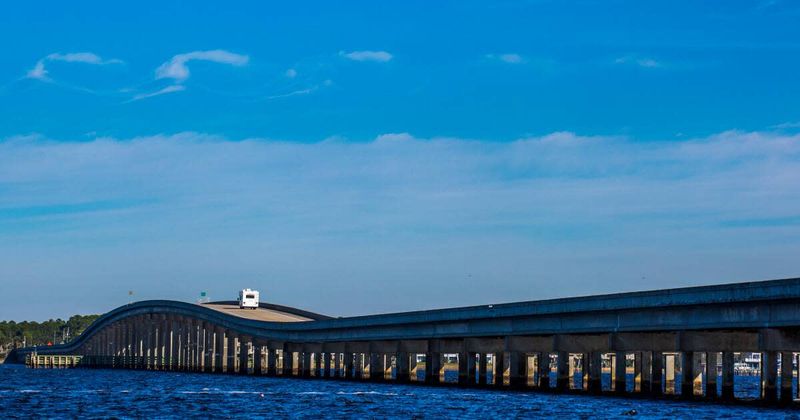
Up in the Panhandle, where Florida starts to feel more like the Deep South, the Big Bend Scenic Byway delivers a quieter kind of beauty. Pine forests give way to coastal marshes, and sleepy fishing villages appear around curves like they’ve been hiding there for decades.
The Gulf views here are softer than what you’ll find farther south—think calm water, muted colors, and skies that seem bigger somehow. It’s the kind of place where you can pull over, hear nothing but wind and birds, and actually relax for a minute.
Lighthouses are a big draw along this route. The St. Marks Lighthouse, built in 1831, sits right where the river meets the Gulf and makes for a classic coastal shot, especially at sunset when the light turns everything warm and golden.
Apalachicola itself is worth exploring on foot—historic downtown, working oyster boats, and plenty of weathered textures that photograph beautifully. The town has a timeless quality that’s hard to find in more touristy parts of the state.
Plan for slower speeds and winding roads. This isn’t an interstate experience; it’s a backroad adventure where the journey matters more than the destination.
6. Pensacola Scenic Bluffs Highway (Pensacola)
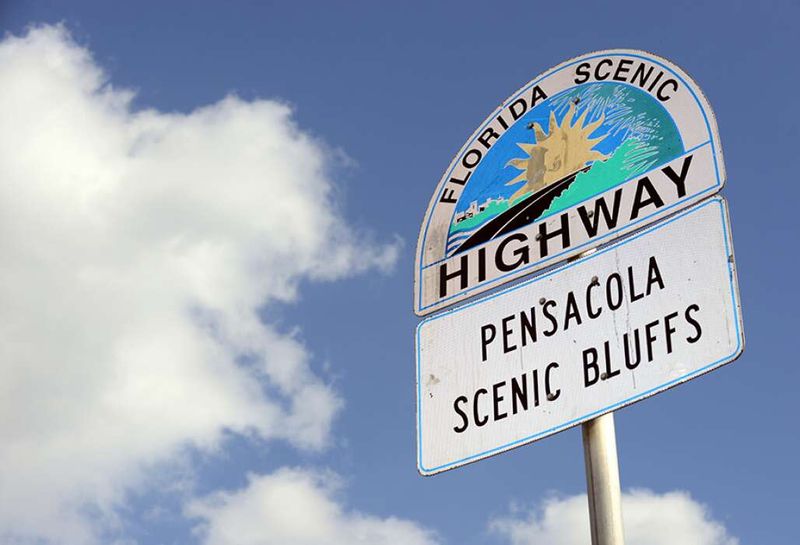
Pensacola’s Scenic Bluffs Highway holds a special place in Florida history—it was the first road in the state to earn scenic byway status when the program launched. That tells you something about how locals feel about this route.
The road winds through old neighborhoods where oak trees form natural archways overhead, and the elevation gives you unexpected views of Pensacola Bay. It’s not dramatic in a flashy way, but there’s a charm here that grows on you with every curve.
Historic homes line parts of the route, many of them dating back more than a century, with wide porches and architectural details that beg to be photographed. The bayfront sections are especially pretty around golden hour when the water reflects the sky in shades of pink and orange.
This is a short drive—you can cover it in less than an hour—but it’s worth taking your time. There are several pull-offs where you can park and walk down to the water or just sit and watch boats drift by.
The Panhandle gets less attention than the rest of Florida, but drives like this prove it’s worth the trip. Bring a camera, skip the rush, and let the scenery unfold at its own pace.
7. Indian River Lagoon Scenic Highway / A1A & U.S. 1 stretches (Vero Beach to Cocoa area)
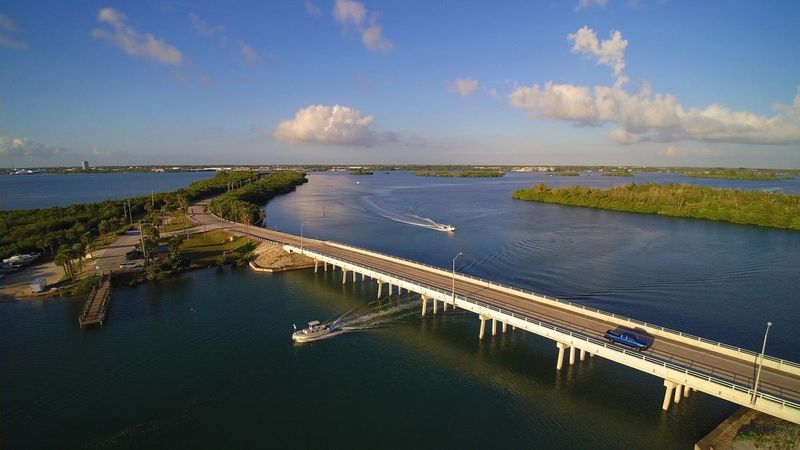
The Indian River Lagoon isn’t technically a river—it’s a long, shallow estuary that runs parallel to the Atlantic coast, creating some of the prettiest water views in the state. The scenic highway follows both A1A and sections of U.S. 1, giving you lagoon glimpses, barrier islands, and enough bridges to satisfy any photographer’s need for elevated shots.
Mangroves line much of the route, their tangled roots creating natural frames for water reflections. Pelicans are everywhere, often flying in formation low over the surface, and if you time it right, you’ll catch them diving for fish in that dramatic, wings-tucked plunge.
Sunrise is magic here. The soft light turns the water into a mirror, and the lack of wind early in the morning means glassy reflections that look almost unreal. Late afternoon works too, especially when the sun dips low and everything takes on that warm, golden glow.
Sebastian Inlet State Park is a must-stop for anyone serious about photography. The jetty offers great vantage points, and the beach on the Atlantic side provides a nice contrast to the calmer lagoon waters.
Keep your camera ready because the best shots often happen when you’re not expecting them—a dolphin surfacing, a heron stalking the shallows, or just the way the light hits the water at the perfect angle.
8. Florida Black Bear Scenic Byway (Ocala National Forest area)
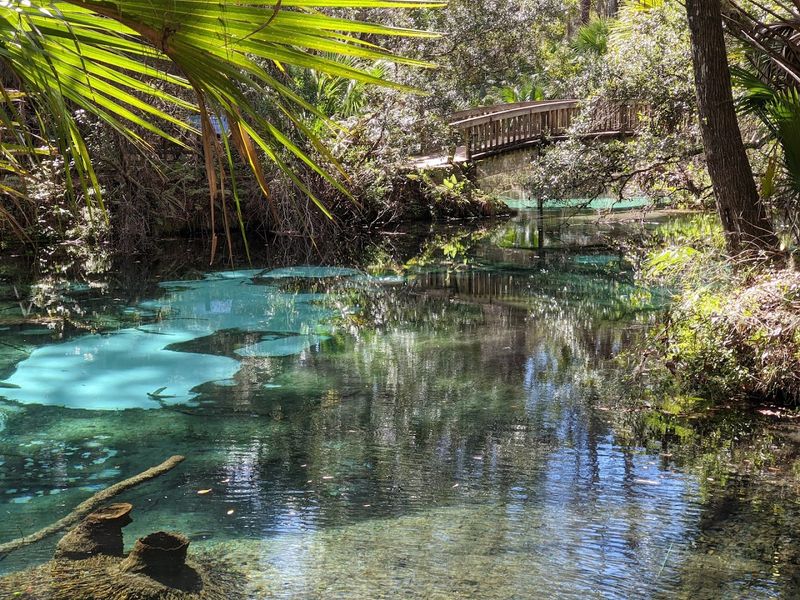
Swap the beach for the forest and you’ll find a completely different side of Florida. The Black Bear Scenic Byway winds through Ocala National Forest, where pine flatwoods and palmetto thickets create an atmosphere that feels more Appalachian than tropical.
The byway gets its name from the black bears that roam the forest, though spotting one requires luck and patience. What you will see are crystal-clear springs, lakes that reflect the sky like polished glass, and roads so shaded you’ll need to adjust your camera settings for the lower light.
Juniper Springs and Alexander Springs are both worth stopping for. The water is so clear you can see straight to the sandy bottom, and the surrounding vegetation creates natural frames that make for compelling compositions.
Fall and winter are ideal times to drive this route. The crowds thin out, the humidity drops, and the light takes on a cooler, crisper quality that enhances the forest colors.
This isn’t a road you race through. The curves are tight, the speed limits are low, and the whole point is to slow down and notice the details—the way sunlight filters through pine needles, the sound of wind in the trees, the occasional deer crossing the road.
Bring layers because the temperature under the canopy can be surprisingly cool, even in Florida.
9. River of Lakes Heritage Corridor (Volusia County / St. Johns River region)
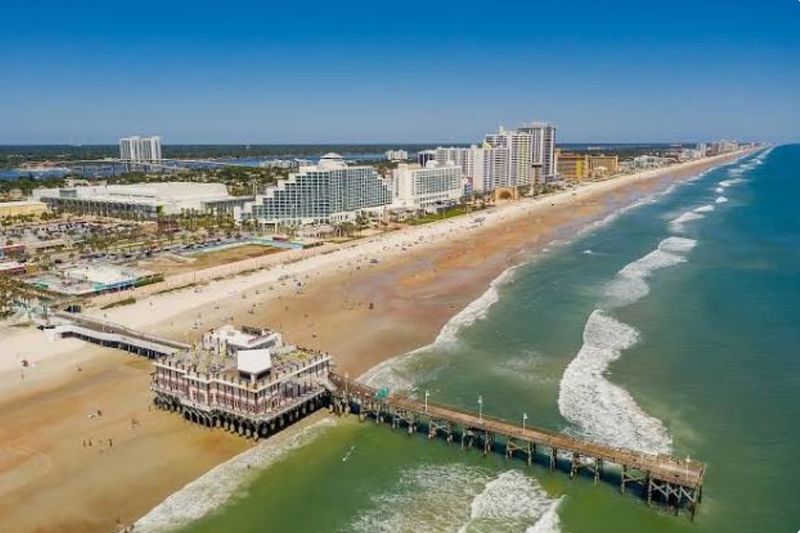
The River of Lakes Heritage Corridor meanders through Volusia County, following the St. Johns River and connecting a series of lakes, small towns, and historic sites that most tourists never see. It’s the kind of drive where the best photo is usually the one you didn’t plan to stop for.
Live oaks and palms line much of the route, creating a visual mix that’s uniquely Floridian. The river towns—DeLand, DeLeon Springs, Blue Spring State Park—each have their own character, and the slower pace makes it easy to explore without feeling rushed.
Blue Spring is a highlight, especially in winter when manatees gather in the warm water. The viewing platforms give you clear sightlines, and if you’re patient, you’ll get shots of manatees surfacing, rolling, and interacting with each other in ways that feel surprisingly intimate.
Historic downtown DeLand offers great architectural photography, with brick buildings, murals, and tree-lined streets that look like they belong in a different era. The light here is softest in early morning, before the shops open and the streets get busy.
This corridor rewards wandering. Take the side roads, follow the signs to local parks, and don’t be afraid to pull over when something catches your eye. The best moments often happen when you’re not following a plan.