9 Most Underrated Beaches In Florida That Make You Wonder Why They Aren’t Famous
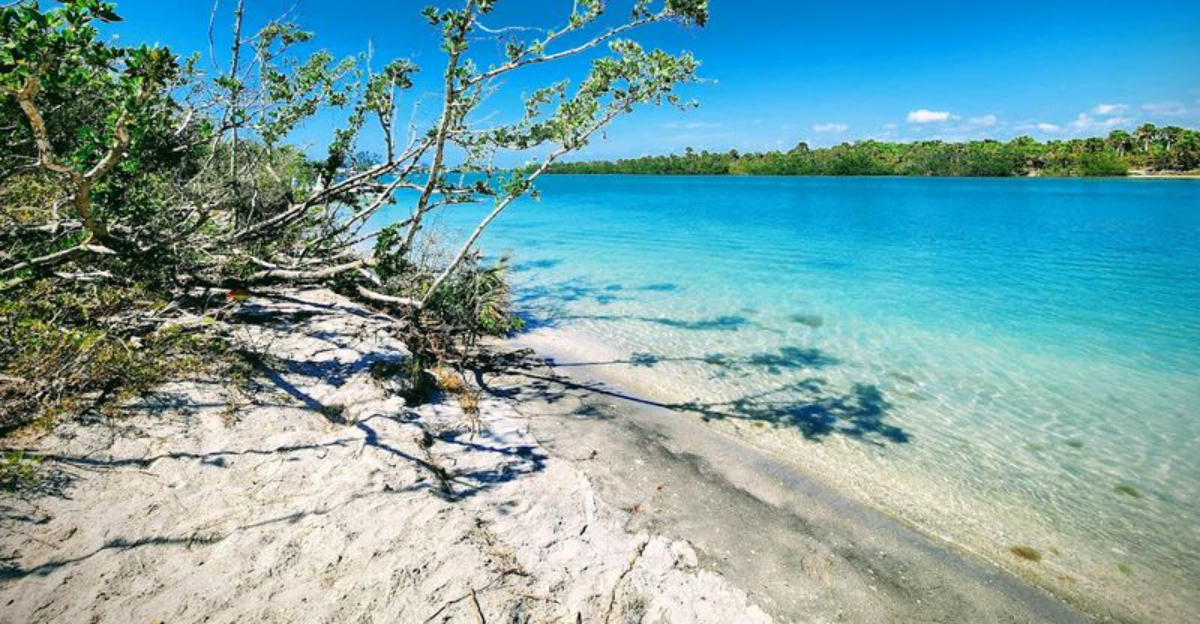
Florida has more than a thousand miles of coastline, yet most people flock to the same handful of beaches year after year. Meanwhile, tucked away from the crowds, there are stunning stretches of sand that somehow never made it onto the tourist radar. These hidden gems offer pristine waters, untouched dunes, and the kind of peaceful escape that feels almost impossible to find in the Sunshine State anymore.
1. St. Lucie Inlet Preserve State Park (Stuart)
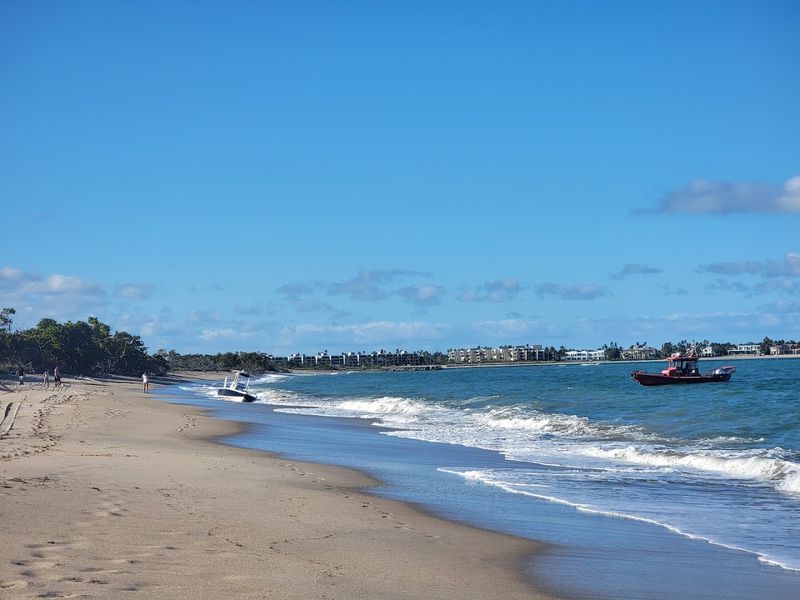
Accessing this place requires a boat, which immediately filters out about ninety percent of beachgoers. That alone makes it special. The barrier island sits at the mouth of the St. Lucie River, and it has stayed remarkably wild despite being close to Stuart’s developed coastline.
Sea turtles return here every summer to nest on the Atlantic-facing beach. During peak season, the sand is dotted with marked nests protected by volunteers. Walking along the shore during nesting months feels like witnessing something sacred and rare.
The mangrove boardwalk winds through the island’s interior, offering shade and wildlife sightings. Herons stalk the shallows, and crabs scuttle between roots. It’s the kind of ecosystem that reminds you Florida wasn’t always paved and air-conditioned.
Because there are no facilities or parking lots, the beach remains refreshingly empty. You’ll need to bring everything with you, including water and sunscreen. Pack out what you pack in, because this preserve depends on people respecting its untouched status.
The combination of protected habitat, boat-only access, and Atlantic waves creates an experience that feels much more remote than its actual location. It’s the kind of place that makes you wonder why anyone bothers with crowded public beaches when something this beautiful exists just offshore.
2. Anclote Key Preserve State Park (Tarpon Springs)
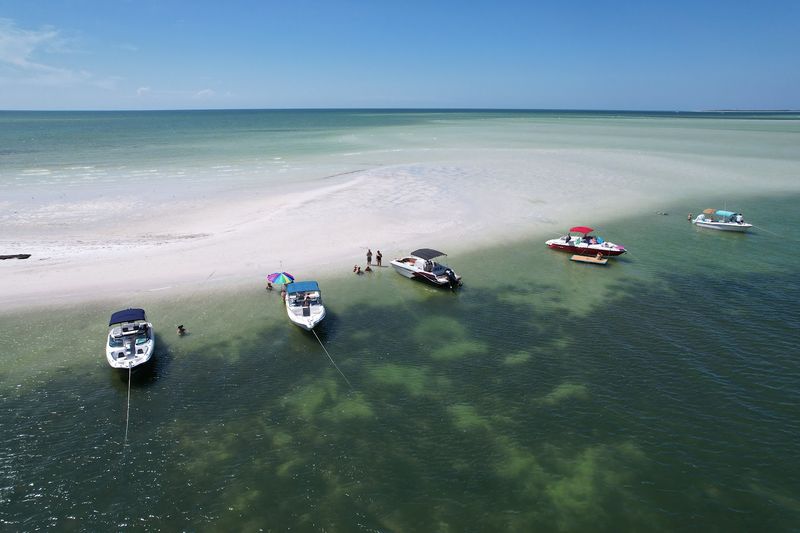
Three miles offshore from Tarpon Springs, this island feels like it belongs in the Caribbean, not the Tampa Bay area. White sand wraps around the entire key, and the water stays shallow and clear for dozens of yards out. You can only reach it by private boat or ferry, which keeps the crowds manageable even on weekends.
The lighthouse has stood here since 1887, watching over the Gulf while storms and tides reshaped the island around it. Rangers no longer staff it, but the structure remains a striking landmark. Photographers love the contrast between the weathered tower and the brilliant blue sky.
Shelling here can be spectacular, especially after a storm. The Gulf currents deposit everything from whelks to sand dollars along the tide line. Early morning visitors often find the best specimens before other beachgoers arrive.
There are no facilities beyond a few pavilions and restrooms, so plan accordingly. Bring plenty of water and snacks, because the ferry schedule means you might be here for several hours. The lack of development is precisely what makes this place so appealing.
Watching the sun set over the Gulf from this isolated island creates memories that stick. The sky turns orange and pink while pelicans glide past in formation, and suddenly you understand why people used to build lighthouses in places this remote.
3. Don Pedro Island State Park (Placida)
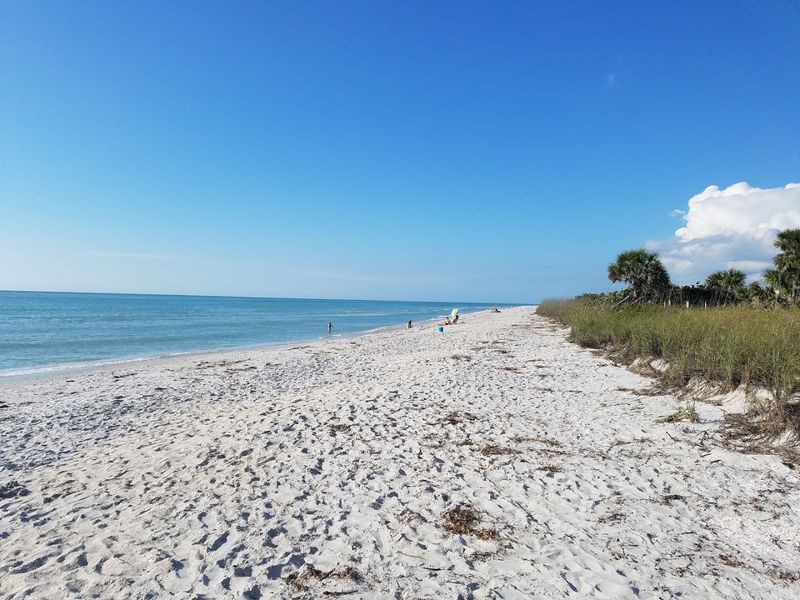
Southwest Florida has plenty of barrier islands, but most of them are covered in condos and beach resorts. Don Pedro Island remains gloriously undeveloped because there’s no bridge connecting it to the mainland. You’ll need a boat or kayak to reach it, and that simple barrier preserves its wild character.
The Gulf-facing beach stretches for miles with nothing but sand, shells, and occasional driftwood. Sea oats bend in the breeze, and shorebirds outnumber people by a comfortable margin. During weekdays, you might have entire sections of beach completely to yourself.
Shelling enthusiasts consider this one of the best spots in the region. The currents deposit an impressive variety of shells, including lightning whelks, olive shells, and colorful scallops. Shark teeth also wash up regularly, especially after storms churn the offshore sediment.
The island has minimal facilities, just basic restrooms and a few picnic shelters. There’s no concession stand or rental shop, so bring everything you need for the day. The lack of commercial development is exactly what makes this place feel so refreshingly different from nearby tourist beaches.
Comparing Don Pedro to places like Siesta Key or Clearwater Beach is like comparing a quiet library to a shopping mall. Both have their purpose, but when you want actual peace and natural beauty, this boat-access island delivers something increasingly rare along Florida’s Gulf coast.
4. Shell Key Preserve (Tierra Verde)
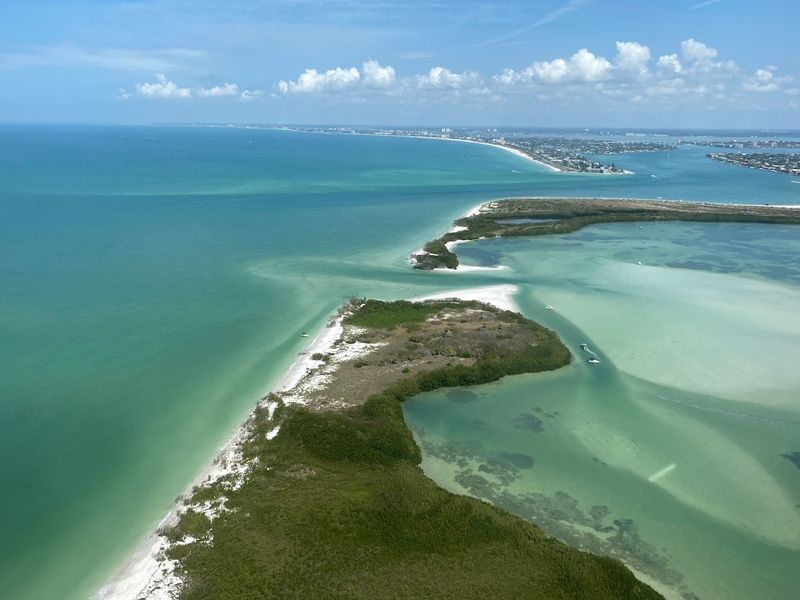
Just south of St. Petersburg, this barrier island manages to feel surprisingly remote despite being visible from the mainland. No bridges or roads connect to it, which has kept developers away and preserved its natural state. The only way here is by boat, kayak, or paddleboard, making every visit feel like a mini adventure.
The preserve protects important habitat for nesting shorebirds and sea turtles. During nesting season, sections of beach are roped off to protect eggs. Volunteers monitor the nests regularly, and if you time your visit right, you might witness hatchlings making their dash to the water.
The western shore faces the Gulf and offers classic beach experiences with soft sand and gentle waves. The eastern side looks back toward the mainland and has muddier, marsh-like areas where wading birds hunt for fish. Exploring both sides of the island reveals how diverse these barrier ecosystems can be.
Because there are no facilities whatsoever, visitors need to be completely self-sufficient. Bring water, food, sunscreen, and anything else you might need. Also bring trash bags to pack out your waste, because preserving this place depends on everyone respecting its wild status.
The proximity to St. Pete makes this preserve even more remarkable. You can be surrounded by urban development one moment, then paddling through mangrove channels toward an undeveloped island the next, feeling miles away from civilization.
5. Boneyard Beach at Big Talbot Island State Park (Jacksonville)
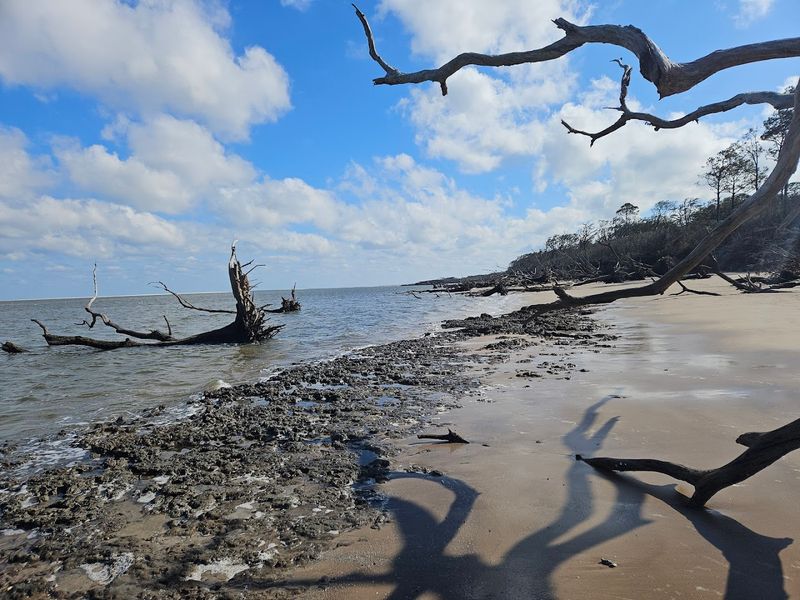
Forget postcard-perfect white sand and palm trees. This beach looks like something from another planet, with massive bleached tree skeletons scattered across dark sand and shallow water. Coastal erosion has toppled centuries-old oak and cedar trees, creating a hauntingly beautiful landscape that photographers absolutely love.
The twisted, sun-bleached driftwood creates incredible compositions, especially during golden hour when the light turns everything warm and dramatic. Every tide rearranges the wood slightly, so the beach never looks exactly the same twice. Storm surges can bring in new trees or carry old ones back out to sea.
This isn’t a swimming or sunbathing beach. The water is murky, the sand is mixed with mud and shell fragments, and the atmosphere is more contemplative than recreational. People come here to explore, photograph, and experience something genuinely different from typical Florida beaches.
The erosion that created this landscape continues today. Scientists estimate the shoreline retreats several feet each year, constantly reshaping the beach. What you see now won’t be exactly what future visitors encounter, which adds a sense of impermanence to the experience.
Nearby Amelia Island gets most of the attention in this part of Florida, with its resort hotels and manicured beaches. Meanwhile, Boneyard Beach remains wonderfully weird and under-visited, offering something no resort could ever replicate: a shoreline shaped entirely by natural forces, beautiful in its strangeness.
6. Nathaniel P. Reed Hobe Sound National Wildlife Refuge Beach (Hobe Sound)
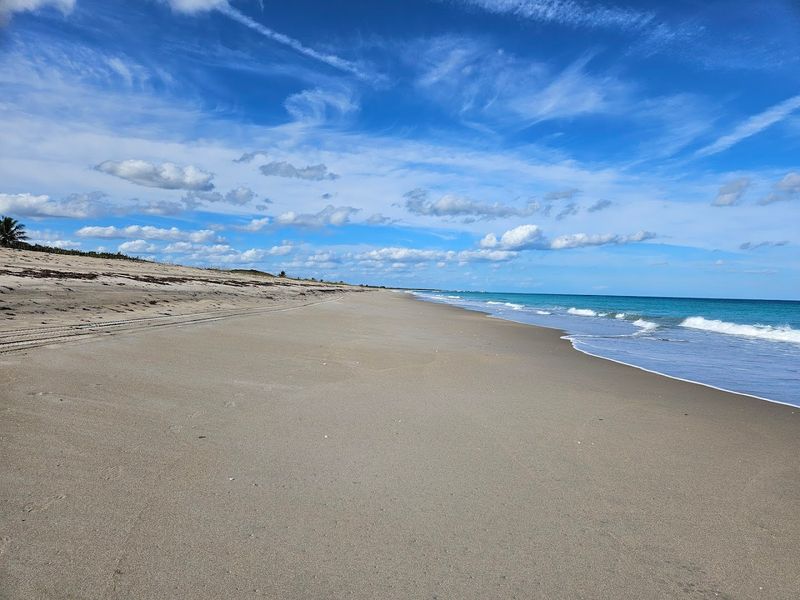
Southeastern Florida is almost entirely developed, with high-rises and resorts dominating most of the coastline. This refuge protects the largest remaining stretch of undeveloped beach in the region, which makes it genuinely remarkable. Over three miles of natural Atlantic shoreline remain exactly as they looked centuries ago.
Sea turtles nest here in huge numbers between May and October. Loggerheads, greens, and occasionally leatherbacks crawl ashore at night to lay eggs. The refuge conducts regular monitoring, and nest success rates are impressive thanks to the protected habitat and minimal human disturbance.
The beach access is intentionally limited to preserve the ecosystem. There’s a small parking area and a short trail through the dunes, but no boardwalks, facilities, or commercial development. This keeps visitor numbers manageable and protects the fragile coastal environment.
Walking this beach feels different from typical Florida beach experiences. The dunes are tall and healthy, covered in native vegetation like sea oats and railroad vine. The sand is clean but not raked or groomed.
Everything looks and feels authentically wild.
Nearby Jupiter and Stuart have plenty of public beaches with amenities, parking, and crowds. This refuge offers something increasingly rare: a chance to experience Florida’s Atlantic coast as it existed before development transformed the landscape. The fact that it exists at all, surrounded by urbanization, feels almost miraculous.
7. Stump Pass Beach State Park (Englewood)
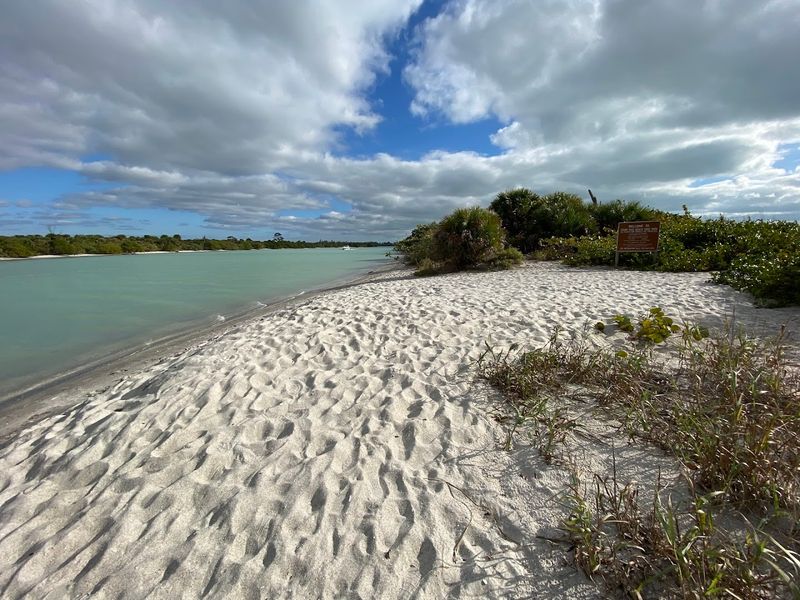
Southwest Florida has famous beaches like Sanibel and Captiva that draw massive crowds. Stump Pass Beach sits nearby but remains surprisingly quiet, even during peak season. The beach stretches for about a mile along the Gulf, with excellent shelling and frequent shark tooth finds along the tide line.
The pass itself connects Lemon Bay to the Gulf, creating strong currents that deposit shells and fossils on the beach. After storms or during spring tides, the shelling can be exceptional. Collectors find everything from whelks and conchs to fossilized shark teeth that washed in from offshore deposits.
The park has basic facilities including restrooms and a few picnic shelters, but nothing elaborate. There’s no concession stand or equipment rental, so visitors need to bring their own gear. The limited development keeps the experience focused on nature rather than convenience.
Fishing from the beach or the pass can be productive, especially for snook, redfish, and tarpon. The strong currents and structure attract game fish, and anglers who know the area well often have excellent luck. Wade fishing the flats during low tide is particularly popular.
The relative obscurity of this beach is genuinely puzzling. It offers everything people claim to want: natural beauty, good shelling, uncrowded sand, and easy access. Yet it remains overshadowed by bigger-name destinations, which honestly works out perfectly for those who discover it.
8. Atsena Otie Key (Cedar Key)
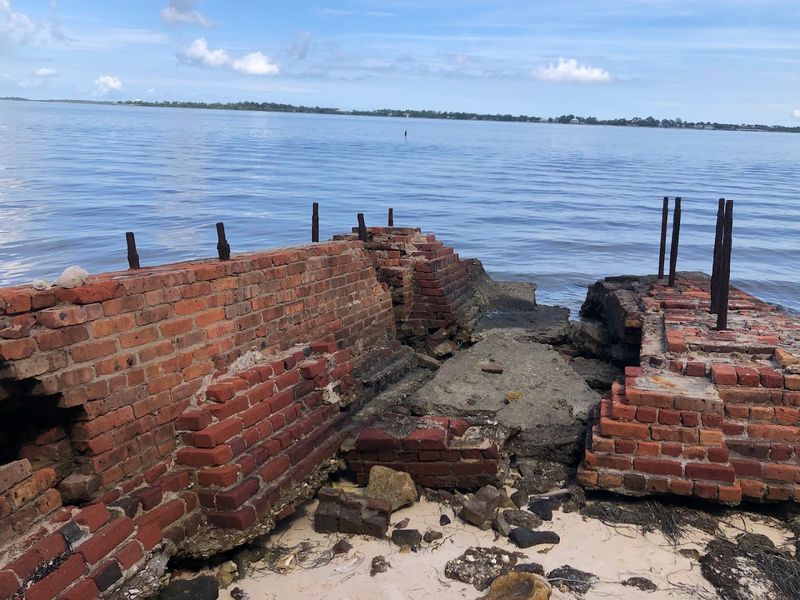
Cedar Key itself is already off the beaten path, and Atsena Otie Key is even more remote. This offshore island sits within the Cedar Keys National Wildlife Refuge, accessible only by boat or kayak. The island has a genuine ghost-town backstory, with ruins from a 19th-century town that was abandoned after hurricanes and disease.
Walking among the old foundations and cemetery headstones creates an eerie, fascinating atmosphere. The town of Atsena Otie thrived briefly in the 1800s, supported by the timber and pencil industries. When yellow fever outbreaks and storms hit, residents abandoned the island and relocated to what’s now Cedar Key.
The beach itself is small and not particularly spectacular by Florida standards, but the combination of history, isolation, and wildlife makes the trip worthwhile. Ospreys nest in the tall pines, and dolphins often swim past the shoreline. The island feels genuinely wild and forgotten.
Visiting requires planning since there are no facilities and the refuge has specific rules about where visitors can go. Some areas are closed during nesting season to protect birds. Check current regulations before making the trip, and bring everything you need including water and sun protection.
This is probably the most niche entry on this list, appealing primarily to history buffs and adventurous kayakers. But for those who appreciate places with stories and atmosphere, Atsena Otie delivers an experience unlike any other Florida beach.
9. Perdido Key State Park (Perdido Key)
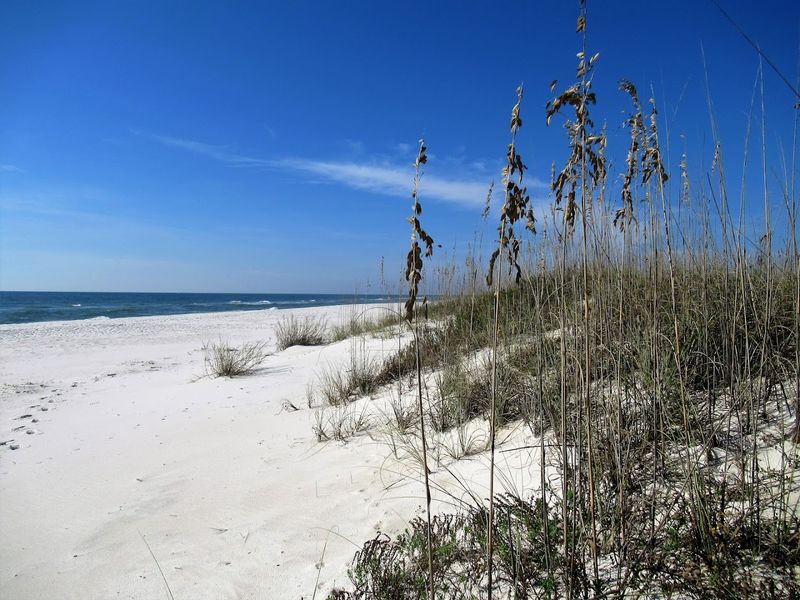
The Emerald Coast Panhandle is famous for beaches like Destin and Panama City, which draw millions of visitors annually. Perdido Key sits at the western edge of this region, right near the Alabama border, and somehow remains much quieter despite having equally beautiful sand and water.
The beach features classic Panhandle characteristics: powder-white sand, rolling dunes covered in sea oats, and impossibly clear Gulf water in shades of emerald and turquoise. Protected habitat supports nesting shorebirds and sea turtles, with sections of beach roped off during nesting season.
The state park preserves a significant stretch of undeveloped coastline, providing important contrast to the heavily commercialized beaches nearby. Walking the shoreline here feels peaceful and natural, without high-rises looming behind you or jet skis buzzing offshore. It’s what the entire coast probably looked like before tourism transformed it.
Facilities are minimal but adequate, with restrooms, outdoor showers, and a small parking area. There are no restaurants, shops, or rentals, which keeps the focus on the natural environment. Bring what you need and expect a more primitive beach experience.
The relative obscurity of Perdido Key State Park compared to neighboring destinations is genuinely baffling. The sand is just as white, the water just as clear, and the scenery just as stunning. The main difference is fewer people, which most visitors would consider an advantage rather than a drawback.