Florida Has More Biodiversity Than Almost Any Other State—Here’s Where to Experience It
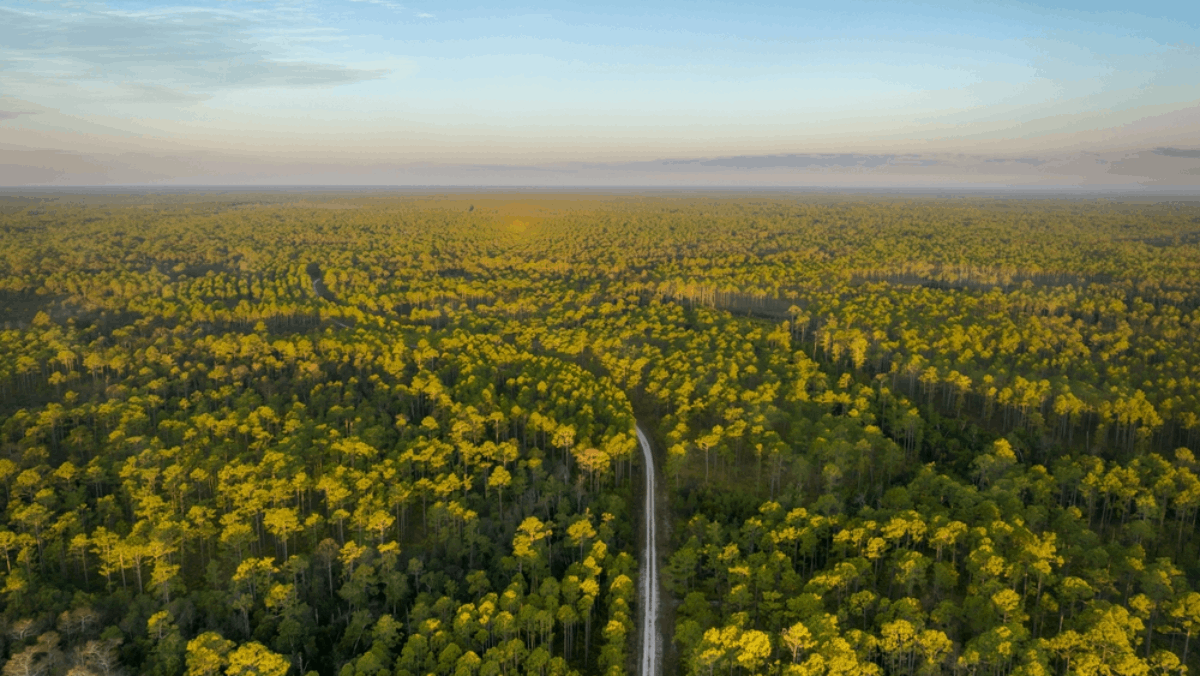
Florida is home to an incredible mix of ecosystems, from wetlands and coral reefs to forests and prairies. This unique combination makes it one of the most biodiverse states in the country, where rare wildlife and stunning natural habitats thrive side by side. Whether you love spotting animals, exploring wild landscapes, or learning about nature, Florida offers unforgettable adventures.
Here are ten amazing places where you can experience the state’s rich biodiversity up close.
1. Everglades National Park
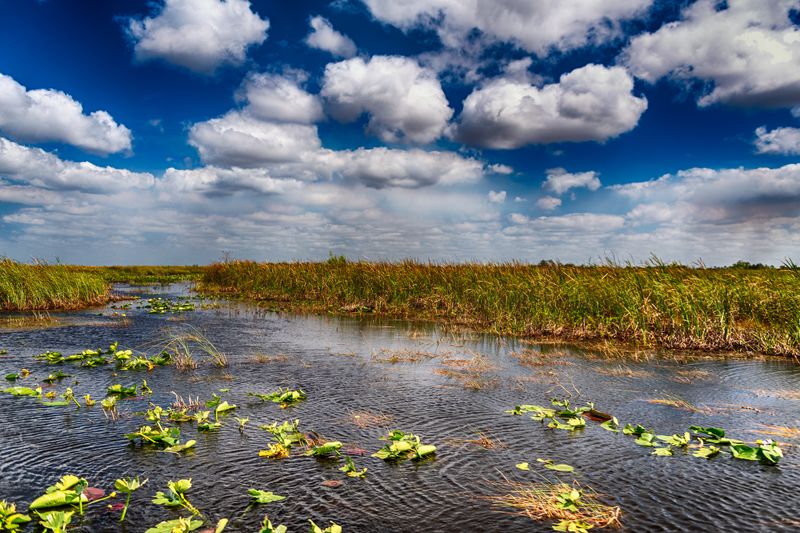
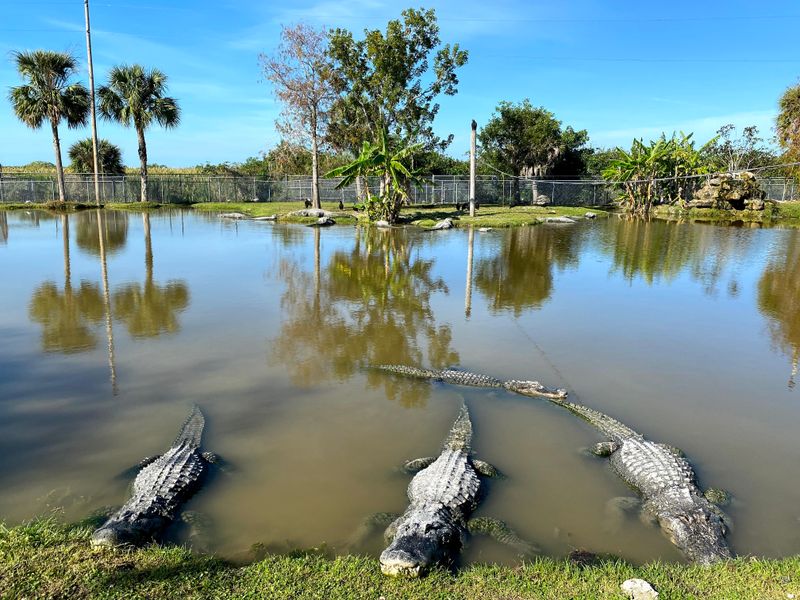
Stretching across 1.5 million acres of South Florida, the Everglades is a vast wilderness where water flows slowly through sawgrass marshes, creating a unique wetland habitat. Alligators bask on muddy banks while wading birds like herons and egrets hunt for fish in shallow waters. The endangered Florida panther roams hidden in the dense vegetation, making this one of the few places where you might catch a glimpse of this elusive big cat.
Visitors can explore by airboat, canoe, or walking trails that wind through cypress domes and mangrove forests. The park is especially beautiful during the dry season when wildlife gathers around shrinking water sources.
2. Florida Keys National Marine Sanctuary
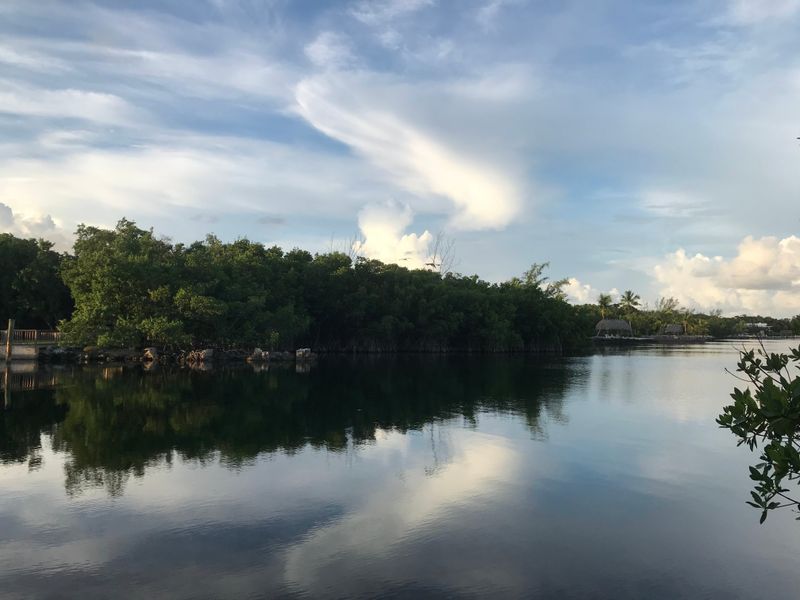
Beneath the turquoise waters surrounding the Florida Keys lies an underwater wonderland filled with colorful coral reefs and tropical fish of every shape and size. This protected marine sanctuary covers nearly 3,000 square nautical miles, making it one of the largest ocean conservation areas in the United States. +
The sanctuary works hard to preserve these fragile reefs, which face threats from climate change and pollution, ensuring future generations can enjoy their beauty.
3. Corkscrew Swamp Sanctuary
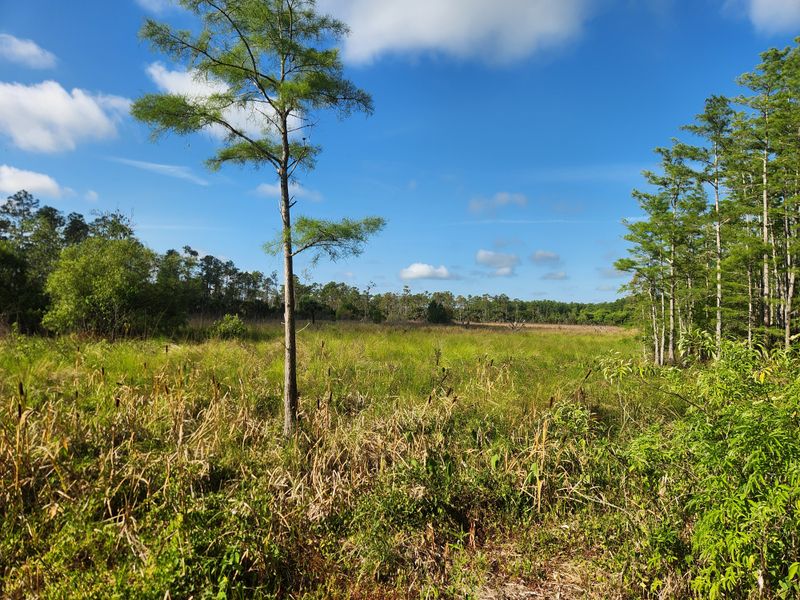
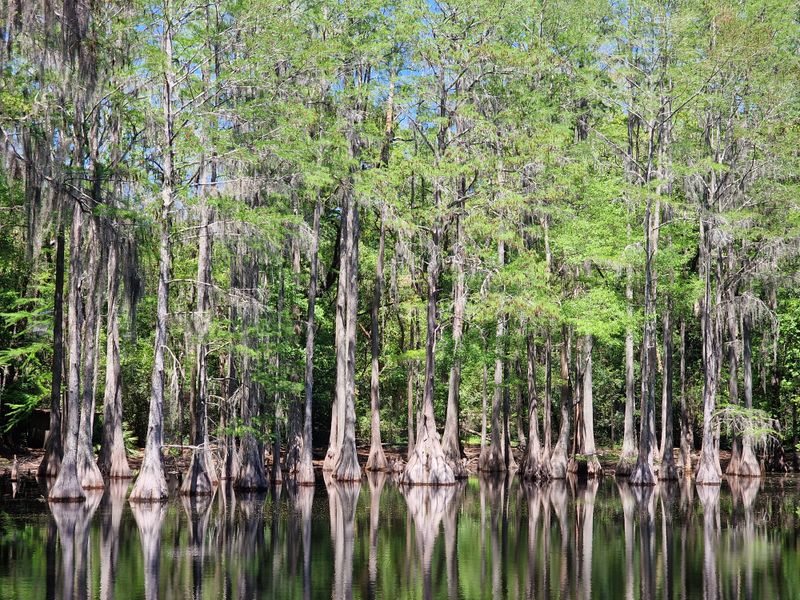
Ancient bald cypress trees tower overhead, some more than 500 years old, creating a cathedral-like atmosphere in this remarkable swamp sanctuary near Naples. A 2.25-mile boardwalk winds through the forest, allowing visitors to walk among these giants without disturbing the delicate ecosystem below. Wood storks, roseate spoonbills, and anhingas nest in the branches during breeding season, filling the air with calls and colorful plumage.
The sanctuary protects the largest remaining stand of old-growth bald cypress forest in North America. Rangers and volunteers share fascinating stories about how these trees survive in standing water and why they’re crucial for filtering nutrients.
4. Apalachicola National Forest
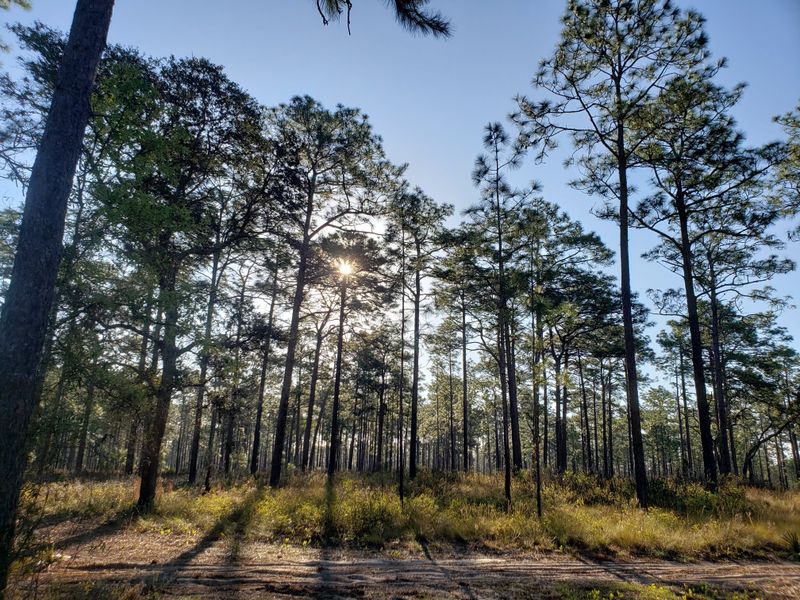
In Florida’s panhandle, this sprawling forest preserves one of the most endangered ecosystems in the world: the longleaf pine forest. Once covering millions of acres across the Southeast, only a fraction remains today, making this protected area incredibly important. Rare plants like pitcher plants and orchids thrive in the acidic soil, while amphibians such as flatwoods salamanders depend on seasonal ponds for breeding.
Fire plays a natural role here, and controlled burns help maintain the open understory that many species need to survive. Hiking trails take you through different habitats, from pine flatwoods to hardwood swamps along blackwater streams. Birdwatchers come hoping to spot the endangered red-cockaded woodpecker, which nests only in old longleaf pines.
5. Big Cypress National Preserve
Adjacent to the Everglades, Big Cypress is named for the vast expanse of cypress swamps rather than the size of individual trees. This 729,000-acre preserve protects a mosaic of wetland habitats where ghost orchids bloom hidden in the branches and black bears wander through pine islands searching for palmetto berries. The landscape shifts dramatically between wet and dry seasons, transforming from flooded prairies to dry walking paths.
Scenic drives along Loop Road and Turner River Road offer excellent wildlife viewing opportunities without leaving your car. Adventurous visitors can paddle through narrow waterways or hike the Florida National Scenic Trail, which crosses the preserve.
6. Merritt Island National Wildlife Refuge
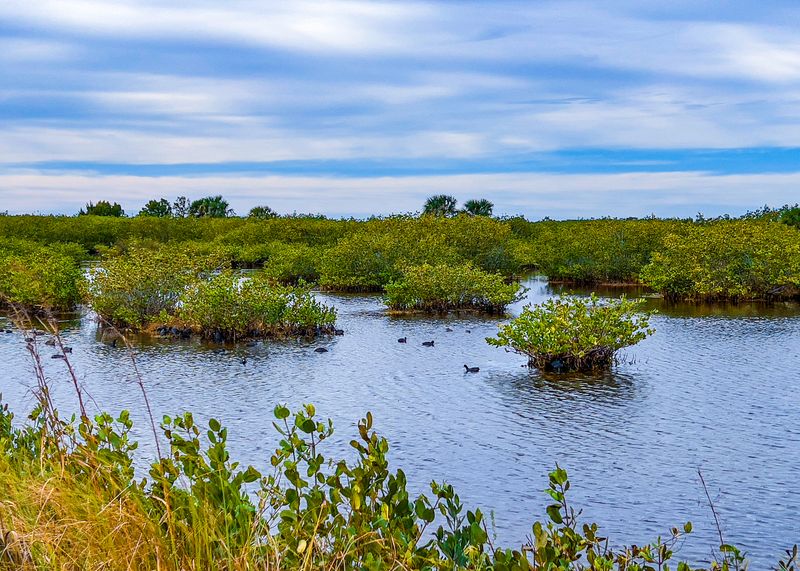
Sharing a boundary with Kennedy Space Center, this refuge on Florida’s Atlantic coast creates an unexpected partnership between space exploration and wildlife conservation. More than 1,500 species of plants and animals call this place home, including endangered manatees that seek warm water in winter and sea turtles that nest on beaches in summer.
The refuge’s location on the Atlantic Flyway makes it a critical stopover for migratory birds traveling between North and South America.
A seven-mile wildlife drive takes visitors through salt marshes and impoundments where you might see alligators, wading birds, and even bald eagles. Kayaking the refuge’s waterways offers close encounters with dolphins and manatees.
7. Ocala National Forest
Crystal-clear springs bubble up from underground aquifers throughout this forest, creating swimming holes so transparent you can count fish from the surface. The Ocala is unique for its sand pine scrub habitat, a rare ecosystem adapted to nutrient-poor sandy soil and frequent wildfires. Black bears thrive here, along with the endangered Florida scrub-jay, a bird found nowhere else on Earth except in Florida’s scrub habitats.
Visitors flock to springs like Alexander, Juniper, and Silver Glen for swimming, snorkeling, and paddling. Hiking trails wind through scrubby flatwoods where you might spot gopher tortoises digging burrows or deer browsing on saw palmetto.
8. Dry Tortugas National Park
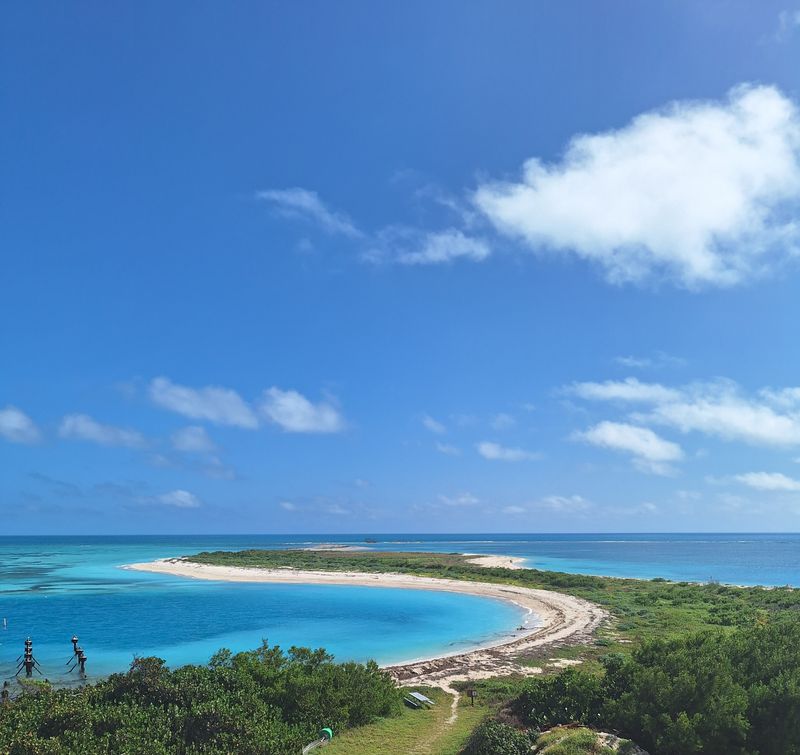
Seventy miles west of Key West, accessible only by boat or seaplane, this remote park consists of seven small islands surrounded by pristine coral reefs and clear Caribbean-blue waters. Historic Fort Jefferson dominates Garden Key, but the real stars are the seabirds that nest here by the thousands, including magnificent frigatebirds, brown noddies, and sooty terns.
The isolation has kept the marine ecosystem remarkably healthy, with coral formations and fish populations that have disappeared from more accessible locations.
Snorkeling around the fort walls reveals tropical fish, lobsters, and occasionally nurse sharks resting in the sand. Sea turtles are common sights, and lucky visitors might spot dolphins or even whale sharks passing through.
9. Ten Thousand Islands National Wildlife Refuge
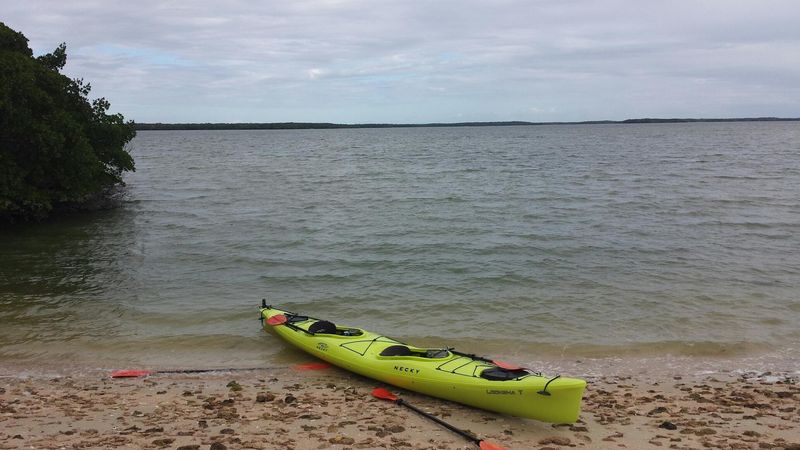
A labyrinth of mangrove islands stretches along Florida’s southwest coast, creating a maze of waterways where dolphins hunt mullet and manatees graze on seagrass beds. This refuge protects crucial nursery habitat for countless fish species that later populate Gulf waters and support commercial fishing.
Kayaking is the best way to explore this watery wilderness, paddling through narrow channels where mangrove roots arch overhead and fiddler crabs scuttle across exposed mud at low tide. Guides who know the area are helpful since the islands look similar and it’s easy to get turned around in the maze.
10. Paynes Prairie Preserve State Park
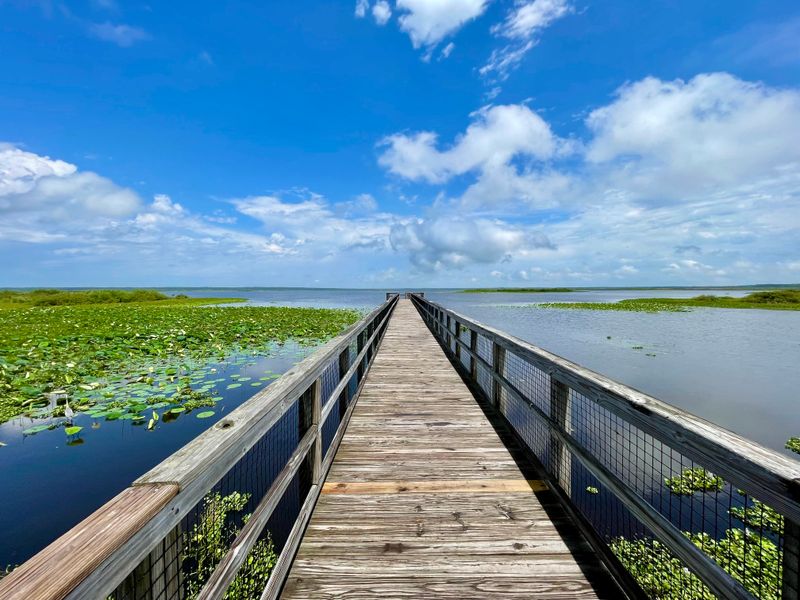
Just south of Gainesville, this unusual preserve features a vast open prairie where wild bison and horses roam freely, creating scenes that look more like the American West than typical Florida landscapes. The prairie was once a large lake that drained in the 1800s, leaving behind rich wetlands that attract incredible numbers of migratory birds during fall and spring.
Sandhill cranes perform their elaborate dancing courtship displays while alligators sun themselves along the marsh edges.
An observation tower provides panoramic views across the grasslands where you can often spot the bison herd grazing in the distance. Hiking and horseback riding trails circle the prairie, passing through pine flatwoods and hardwood hammocks.