15 Best Places for Snorkeling in Florida That Are Totally Worth the Trip
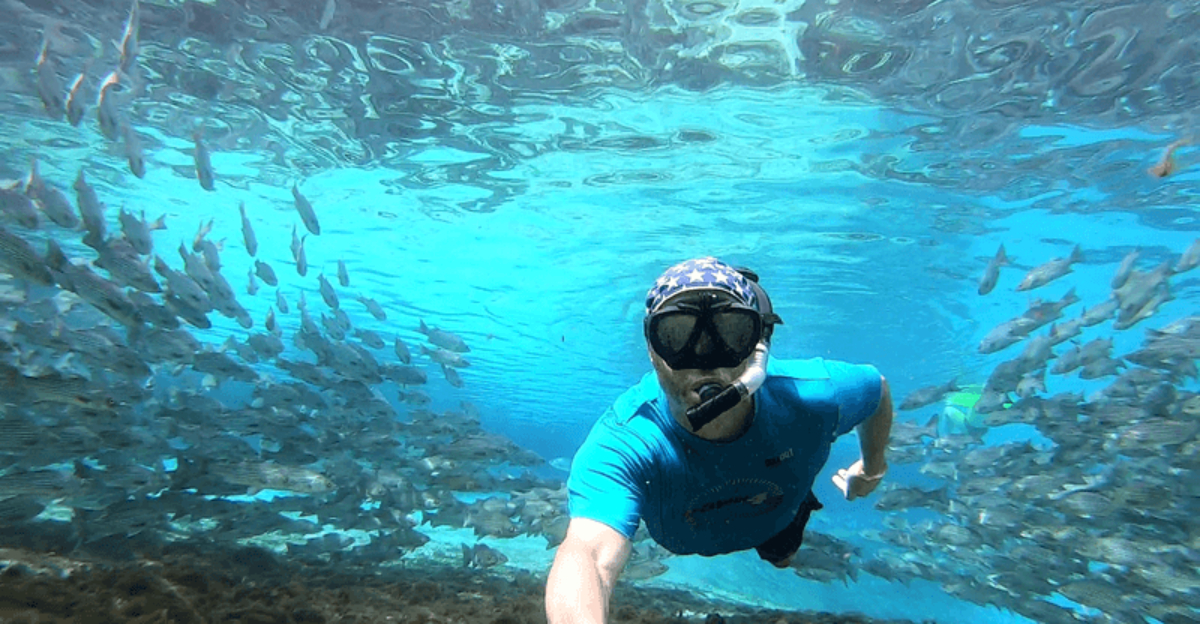
Florida is a snorkeler’s playground, from wild reefs in the Keys to crystalline springs tucked beneath live oaks. Whether you want tropical fish swirling around coral, gentle drifts through gin clear rivers, or quirky shore spots brimming with unexpected critters, the Sunshine State delivers. This guide highlights the places that consistently wow with visibility, easy access, and the right mix of beginner friendly and adventure ready conditions, so you can spend more time in the water and less time guessing.
Grab a mask, time your visit for calm mornings and incoming tides, and get ready for turquoise panoramas, curious sea life, and the kind of salt soaked memories that keep you planning the next trip.
1. Dry Tortugas National Park
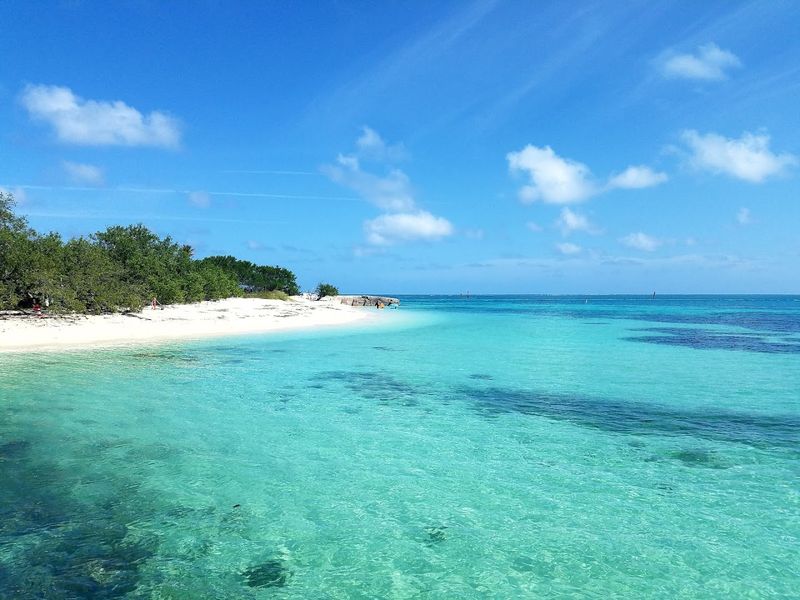
Getting here by ferry or seaplane already feels like an adventure. Once you step onto the old fort, the water looks impossibly clear and electric blue. Shallow reefs circle the moat and nearby keys, so beginners can ease in while confident swimmers explore deeper edges.
Expect parrotfish, angelfish, barracuda, and occasional sea turtles gliding past brain coral and sea fans. Calm days bring stellar visibility, but a light current sometimes kicks up around the pilings and wrecks, so plan slack tide when possible. Pack reef safe sunscreen, lots of water, and a rash guard because shade is limited and the sun hits hard out here.
Guided tours help you find the Windjammer wreck and sheltered patch reefs quickly. If waves build outside, tuck along the moat wall for calmer conditions and lively schools. With minimal boat traffic, fish feel curious, and it all resembles a secret Caribbean outpost.
2. John Pennekamp Coral Reef State Park (Key Largo)
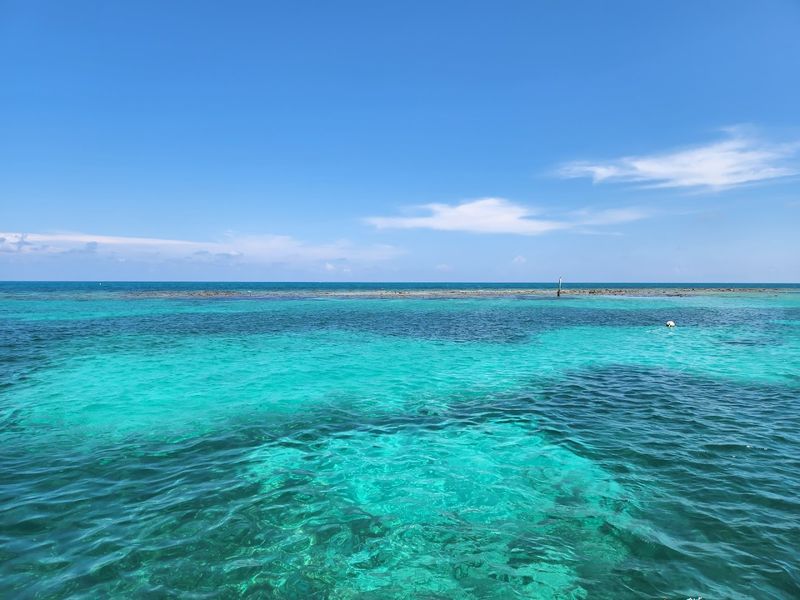
As Florida’s first underwater park, this place makes planning easy with marked reefs and reliable tour boats. You board in calm canals, then pop into aquamarine water where visibility often stretches surprisingly far. Snorkel sites are matched to conditions, so beginners get shallows while experienced swimmers chase dramatic spur and groove formations.
Expect clouds of yellowtail snapper, midnight parrotfish crunching coral, and the famous Christ of the Abyss statue when currents cooperate. Rangers emphasize reef safe sunscreen, gentle fin kicks, and not touching anything, which keeps the coral healthier for everyone. Bring a rash guard, a defogged mask, and a waterproof bag for the quick ride back because spray can soak seats.
When seas are bumpy, protected patch reefs still deliver color and friendly sergeant majors. Calm mornings usually bring the clearest water, so early departures help. Stick around Key Largo for seafood and sunset views after salty hair and happy legs.
3. Biscayne National Park
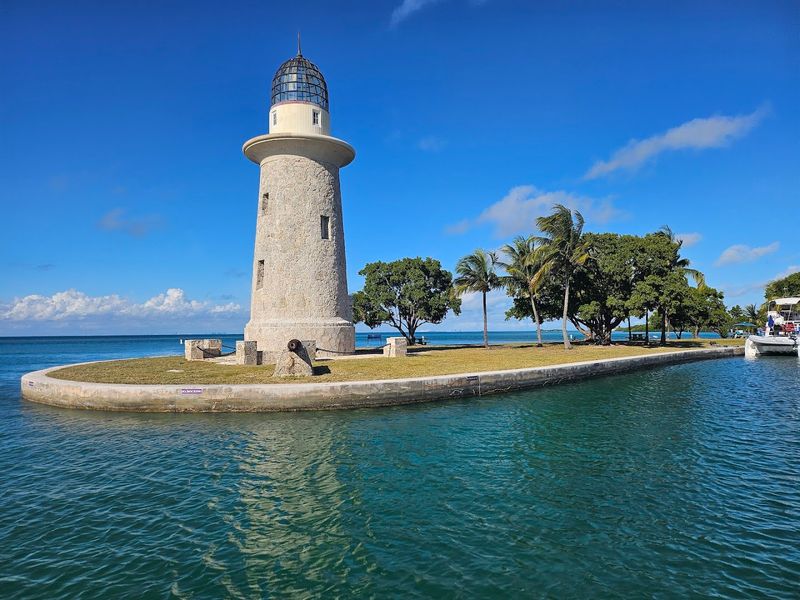
Just outside Miami, the clarity surprises you, especially over shallow seagrass meadows that glow silver green. Ranger led boat trips hop between coral heads, mangrove fringes, and historic shipwrecks along the Maritime Heritage Trail. Beginners appreciate easy entries and life jackets, while stronger swimmers drift above soft corals and schools of grunts.
Visibility changes with wind, but clear days reveal hogfish, butterflyfish, and rays cruising sandy patches. The park emphasizes leave no trace practices, so keep fins high and never stand on coral. Sun shirts and reef safe sunscreen are smart, and motion sickness tablets help on choppier afternoons.
Between snorkels, look for dolphins bow riding and ospreys hunting above the flats. If currents increase near wreck sites, guides often shift to sheltered reefs that still glow with color. End the day at the visitor center boardwalk, where the skyline shimmers across Biscayne Bay and you realize wild water sits next to the city.
4. Molasses Reef (Key Largo)
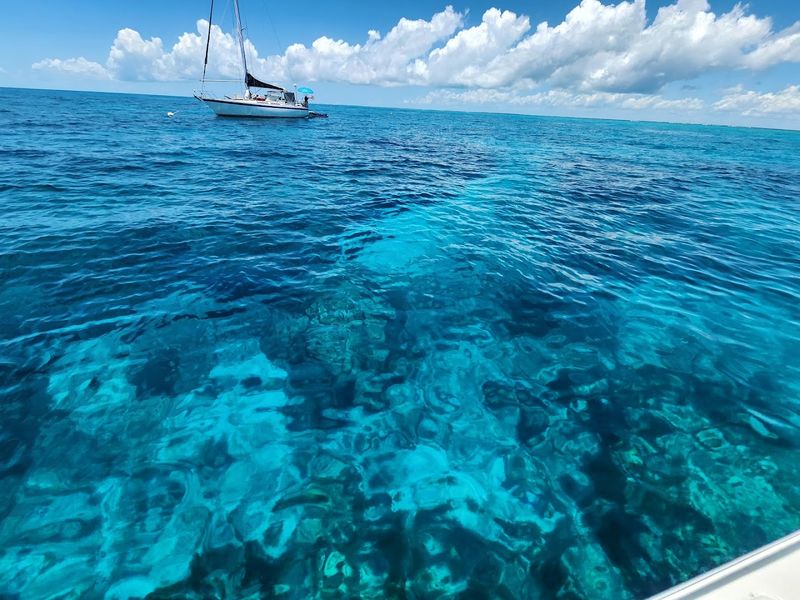
Few places pack so much color into one snorkel as these spur and groove formations. Mooring balls protect the reef, and boats spread out, which helps keep visibility bright and sand undisturbed. Shallow ridges let beginners hover above elk horn and star coral while experienced swimmers check drop offs for tarpon.
Typical sightings include grunts, parrotfish, barracuda, reef sharks, and the occasional turtle napping under ledges. Winter fronts can roughen seas, but summer mornings usually bring sheet like calm and aquarium clarity. Bring a reef safe sunscreen, a snug mask, and a bright rash guard so the captain spots you quickly.
If current picks up, guides often choose the inner fingers where coral rises higher and fish shelter. Snorkelers who float quietly see cleaner shrimp at work and stoplight parrotfish changing colors in the sun. Back on deck, the view of the lighthouse and turquoise water pretty much guarantees grins.
5. Sombrero Reef (Marathon)
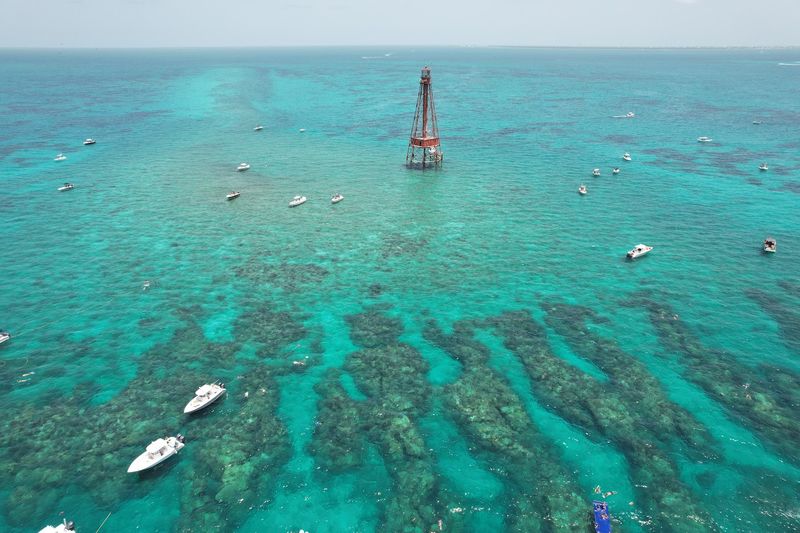
Marked by an elegant lighthouse, this protected reef delivers consistently clear water and manageable depths. Boats tie to mooring balls, and crews brief everyone on gentle finning to protect the coral. Beginners enjoy broad, shallow patches, while confident swimmers follow sand channels toward reef edges buzzing with life.
Expect blue tangs, grooved brain coral, sea fans, and occasional nurse sharks snoozing under ledges. Visibility often impresses, especially on calm summer mornings before trade winds build. Rash guards, defog, and a float line make the whole session easier for families and mixed skill groups.
If current increases, crews shift to inner spur areas where coral shelters fish and surge feels mild. Quiet hovering reveals cleaner stations and damselfish guarding gardens like tiny bouncers. Back on shore, Marathon’s docks sit minutes away, which means you can be showered and snacking before the towel dries.
Sunset cruises pair perfectly after salty laps.
6. Bahia Honda State Park (Florida Keys)
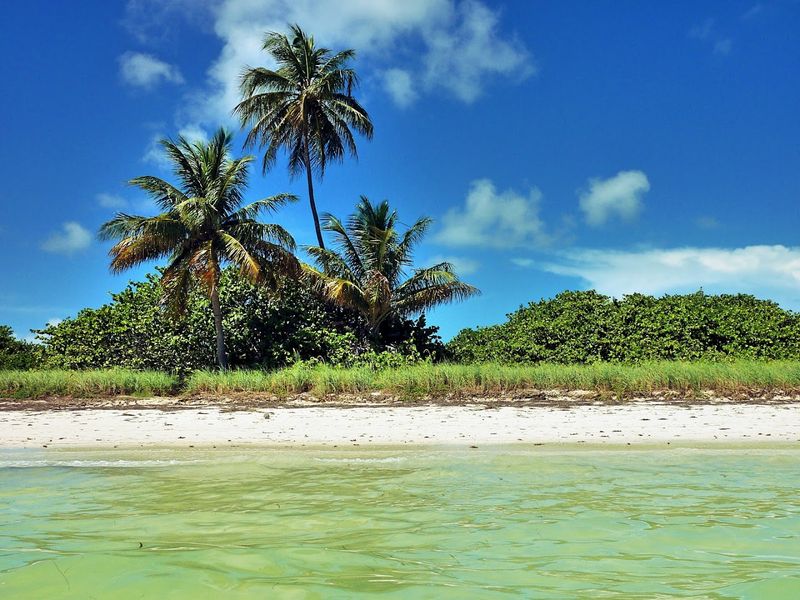
Shallow sand flats and gentle waves make this a friendly starter spot with great Keys views. Slip in near the rocks and you will find small coral growth, sea grass critters, and darting baitfish. Families appreciate lifeguards, rentals, and easy parking that keep logistics simple.
Visibility varies with wind, but mornings often glow clear enough to spot rays sliding across pale sand. Bring a noodle or snorkel vest for floaty comfort and extra confidence during longer swims. Reef safe sunscreen and a wide brim hat help when breaks turn into beach naps.
On calm days, boats run short trips to nearby reef sites, offering a taste of deeper color without long rides. If wind picks up, tuck into the lee side near the old bridge for smoother surface conditions and easier breathing. Picnic tables, showers, and postcard sunsets make this feel like a full day even if you only snorkel an hour.
7. Peanut Island (West Palm Beach)
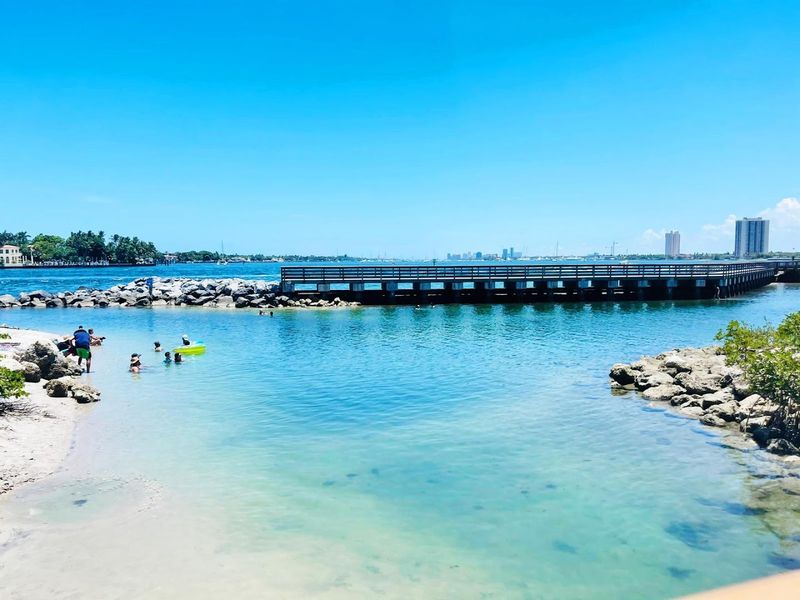
Tucked inside the inlet, this little island delivers shockingly clear water on incoming tides. The lagoon stays calm, and snorkel trails wind past rocks where schools gather. Access comes by shuttle or kayak, so plan timing around tides for the best visibility.
Manatees appear in cooler months, while rays, parrotfish, and angelfish hang around much of the year. Bring booties for rocky entries, plus a bright flag if you wander near boat channels. Lifeguards patrol popular areas, and picnic lawns make breaks relaxed and easy.
Plan for incoming tide windows, when ocean water floods the lagoon and turns everything crystal. If current feels strong by the jetty, shift to the sheltered interior where beginners can meander safely. Between swims, explore short trails, peek at the historic bunker, and soak up downtown West Palm skyline views.
Cold drinks, shade tents, and a dry bag make the day smoother than you expect.
8. Phil Foster Park (Blue Heron Bridge)
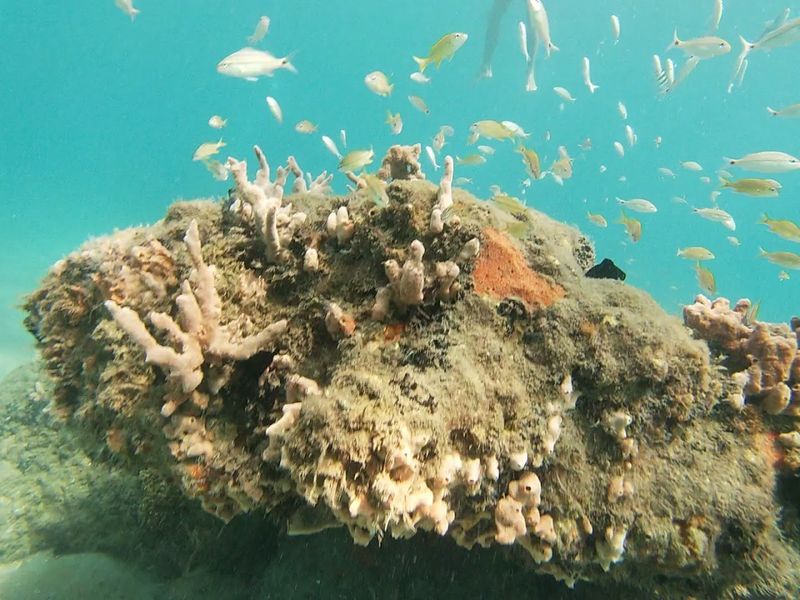
This shore spot is famous for rare critters you usually only see on big trips. Enter from the sandy beach, then follow the snorkel trail around artificial reefs and bridge pilings. Timing is everything because slack high tide delivers the cleanest water.
With patience, you might spot seahorses, octopus, batfish, and nudibranchs hiding in plain sight. Photographers love the calm, and snorkelers can linger for ages due to easy depths. Bring a dive flag, sturdy booties, and a light for peeking under ledges.
Currents outside slack can be pushy, so beginners should stay close to shore and watch the time. Local charts and park signs list tide windows, and rangers happily explain the route. Afterward, the beach park offers showers, shade, and easy parking, which turns a quirky macro hunt into a chill day out.
Expect friendly locals, bright murals, and a surprising amount of life in such a compact area.
9. Devil’s Den Spring (Williston)
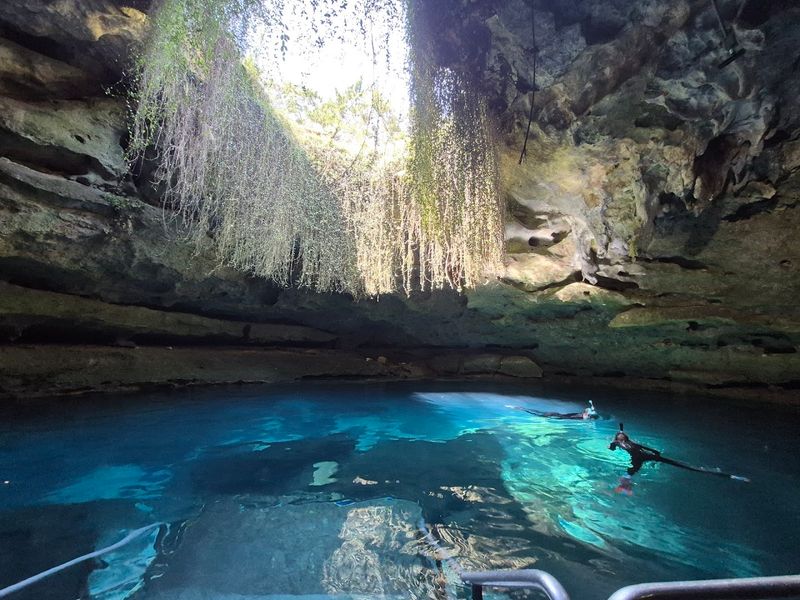
An underground cavern with a skylight, this spring feels otherworldly the moment steam rises on cool mornings. Wooden stairs lead to a platform where you slip into glassy, constant temperature water. Buoy lines guide the route, and rock formations shelter fish along the rim.
Visibility is excellent with a mask light, revealing fossils embedded in the walls and photogenic beams of sun. Snorkeling works well, but many visitors rent short wetsuits because the water stays refreshingly cool. Staff limit numbers inside, so reservations help secure unrushed time.
Skill level matters, since confined spaces can feel tight, and gentle kicks keep silt down. If crowds arrive, wait a minute on the platform for clear water to settle again. Above ground, picnic spots and friendly cats create an oddly charming surface interval that completes the experience.
Bring a waterproof light and a snug hood if you chill easily. It helps with photos.
10. Ginnie Springs (High Springs)
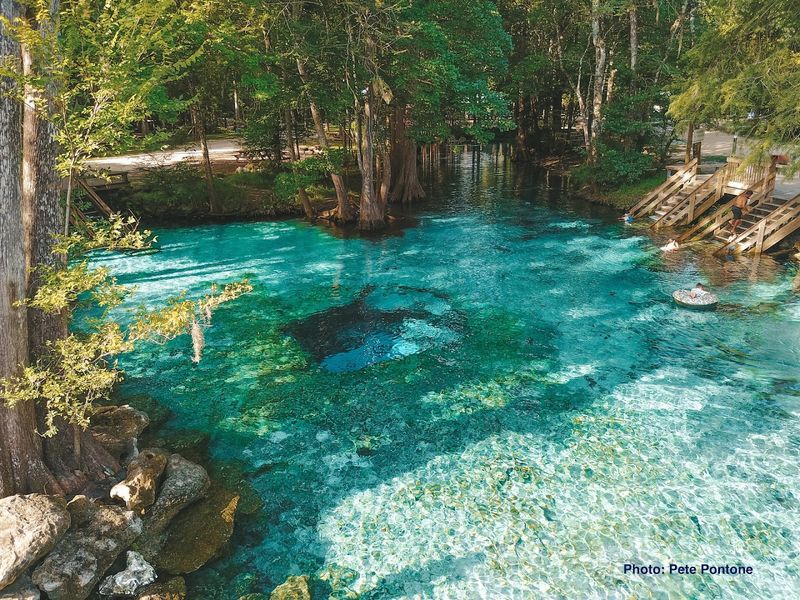
Bright blue water and sandy bottoms make this a photogenic place to drift and practice relaxed kicks. Multiple spring vents feed the Santa Fe River, and you can snorkel runs between them. Rental gear, easy parking, and lawns simplify logistics for groups.
Expect outstanding visibility with fish, turtles, and silvery bubbles from divers exploring the caverns below. Water stays a refreshing seventy two degrees, so a shorty wetsuit keeps you comfortable on longer sessions. Bring a mesh bag to pack out snacks and keep the riverbanks pristine.
Weekdays feel mellow, while weekends can be lively, so early starts help you score quieter water. If currents pick up in the river, tuck into the spring heads where flow is predictable and clear. Finish with a lazy float downstream, watching cypress knees and sparkling sand boil from the vents.
Bring river shoes and a dry change of clothes for comfort afterward too.
11. Rainbow Springs State Park (Dunnellon)
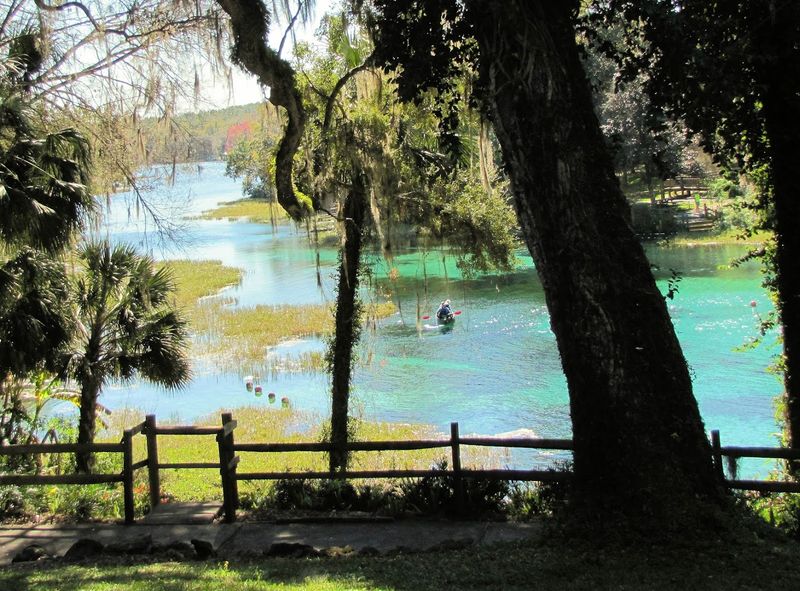
Crystal water pours through a wide head spring, creating a vivid turquoise run perfect for gentle snorkeling. Entry is straightforward, with lifeguards watching the designated swimming area. Lush gardens and shaded lawns give this spot a relaxed, old Florida feel.
Expect turtles nibbling along the edges, schools of shiners, and sandy boils that look like glitter. Visibility stays excellent, though fins must be used carefully to avoid stirring the bottom. Sun shirts, waterproof bags, and minimalist gear make transitions between water and trails simple.
Crowds grow midday, so early or late sessions feel quieter and more photogenic. If you want a longer swim, follow the clear run gently downstream, then float back with the current. Picnic pavilions and short garden paths round out the day, leaving you refreshed without a long drive.
Bring a mask with good defog and leave heavy cameras behind to keep the vibe easy and fun.
12. Ichetucknee Springs State Park
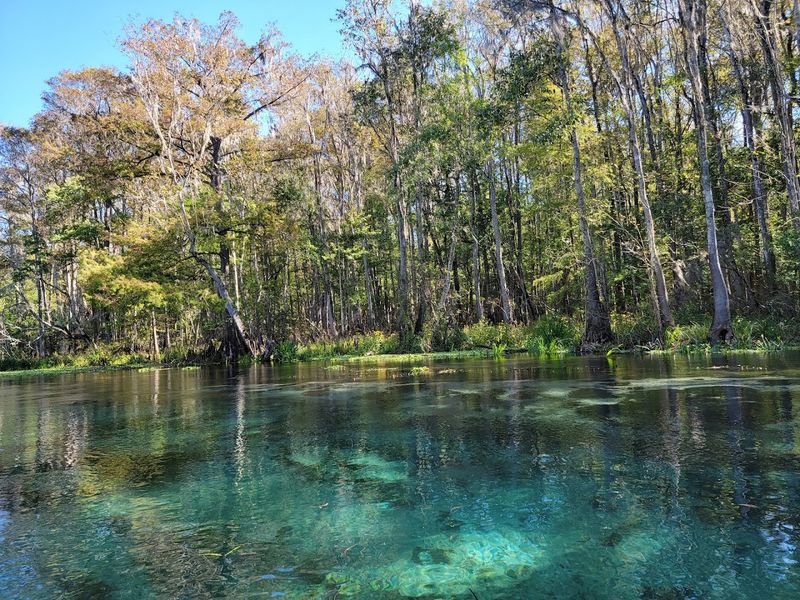
This river run is as relaxing as snorkeling gets, thanks to gentle current and gin clear water. Put in at the launch, slip on a mask, and drift over waving eelgrass. Logistics are streamlined with shuttles and clear signage.
Fish dart alongside, turtles sun on logs, and sandy seeps sparkle like tiny fireworks. Visibility is outstanding, though you should keep kicks light to protect vegetation. A shorty wetsuit helps if you chill easily, and a dry bag saves phones.
Early mornings feel quiet and wild, while midday brings a cheerful tubing crowd. If you want photographs without bumping elbows, launch first or choose shoulder season weekdays. Rangers are helpful, restrooms are clean, and everything runs on time, which makes the whole float wonderfully simple.
Parking fills quickly during summer, so carpool and pack snacks to skip concession lines afterward. Bring water shoes for rocky entries and gentle traction on ramps.
13. Silver Glen Springs (Ocala National Forest)
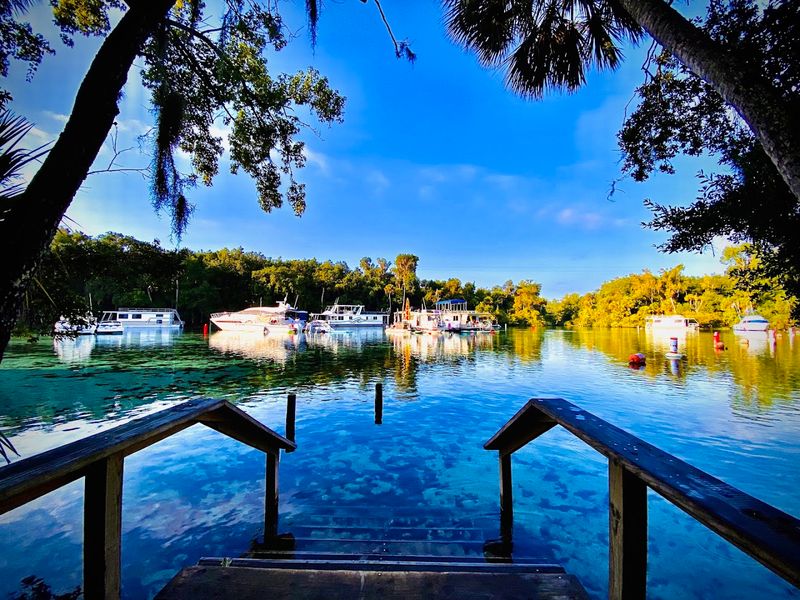
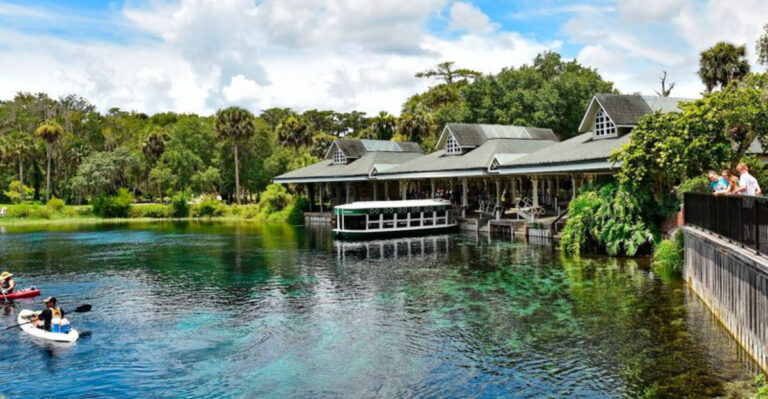
A huge, round basin of glassy water invites effortless floating and laid back snorkeling. Entry is easy from a beach, and visibility remains excellent. Manatees visit seasonally, and fish gather in big, shiny schools over white sand.
The spring mouth bubbles with clear flow, and surrounding shallows suit beginners and casual swimmers. Fins are allowed, but gentle kicks keep the sand from puffing into clouds. A sun shirt, hat, and cooler lunch make the midday break comfortable.
Weekdays feel peaceful, while weekends get busy, so plan accordingly. Paddle craft can share the basin, but roped swim zones keep snorkelers safe. Interpretive signs explain fragile middens nearby, reminding you to tread lightly and pack out everything.
If storms roll through, wait for the sand to settle before returning to the spring head. Bring water shoes, a dry bag, and polarized sunglasses to spot fish easier from shore, between quick snorkel sessions.
14. Venetian Pool (Coral Gables)
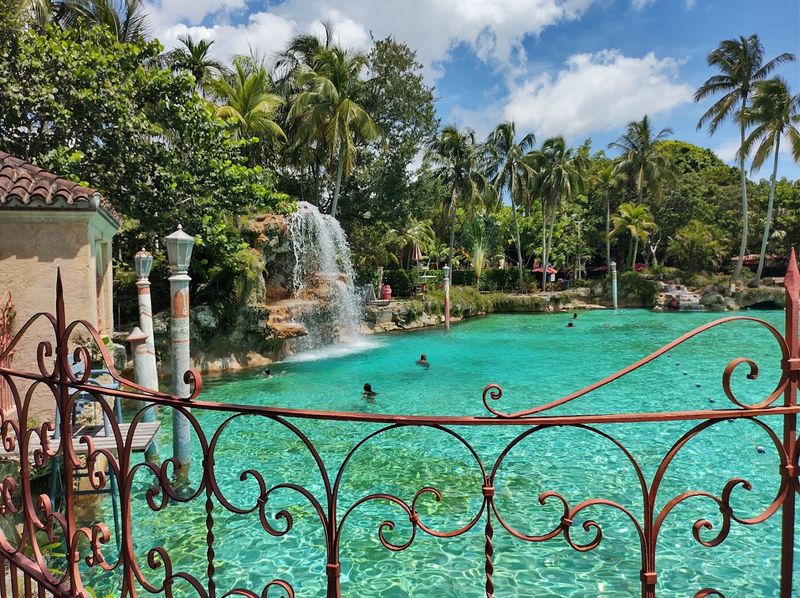
This historic pool fed by spring water offers playful, light snorkeling vibes in a stunning setting. Stone grottos, waterfalls, and bridges create fun nooks to explore with a mask. Lifeguards, concessions, and shade make it an easygoing half day.
Though not a reef, the clear water rewards gentle floating and relaxed kicks around the perimeter. Visibility is best on calmer weekdays, and a simple mask is all you need. Skip fins during busy times to keep the vibe friendly and avoid splashing others.
Photography fans will love the Mediterranean architecture, tile accents, and tropical landscaping around the edges. Arrive early, since capacity is limited and lines can form on sunny weekends. After your swim, Coral Gables coffee shops and tree lined streets make a mellow cooldown.
Bring a dry bag, a soft towel, and flip flops because deck surfaces heat quickly. Hydrate often and reapply reef safe sunscreen as needed.
15. Fort Zachary Taylor State Park (Key West)
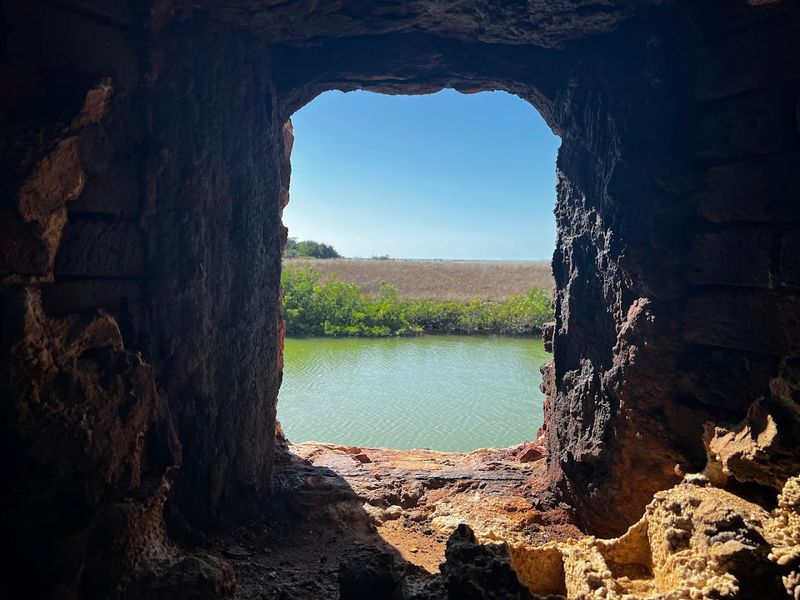
A rocky shoreline and quick access make this one of Key West’s easiest snorkel sessions. Slip in near the jetty and follow fish along rocks covered with sponges and soft coral. Families appreciate shade pavilions, restrooms, and picnic tables steps from the water.
Visibility ranges from fair to excellent, often best on calm mornings before winds pick up. Expect parrotfish, chubs, grunts, and the occasional nurse shark or turtle cruising past. Water shoes help on entry, and a bright rash guard keeps sunburn at bay.
If waves build on the outer side, hug the jetty for calmer water and easier breathing. A simple float line helps kids rest, and snorkel flags are useful when currents drift you wider. Sunset adds glowing light to the fort, so you can end salty laps with a picnic and golden views.
Parking fills, so arrive early and bring cash for entry and snacks too.