13 Florida Scenic Stops Perfect For Photography During Spring
Spring transforms Florida into a photographer’s playground, with blooming gardens, crystal-clear springs, and wildlife emerging after the cooler months. Whether you’re chasing dramatic coastlines, pastel sunsets, or close-up flower shots, the state offers an incredible variety of backdrops that look their absolute best between March and May. From hidden Panhandle gardens to remote island forts, these thirteen stops give you the kind of photos that make people stop scrolling and start planning their own trips.
1. Rainbow Springs State Park (Dunnellon)
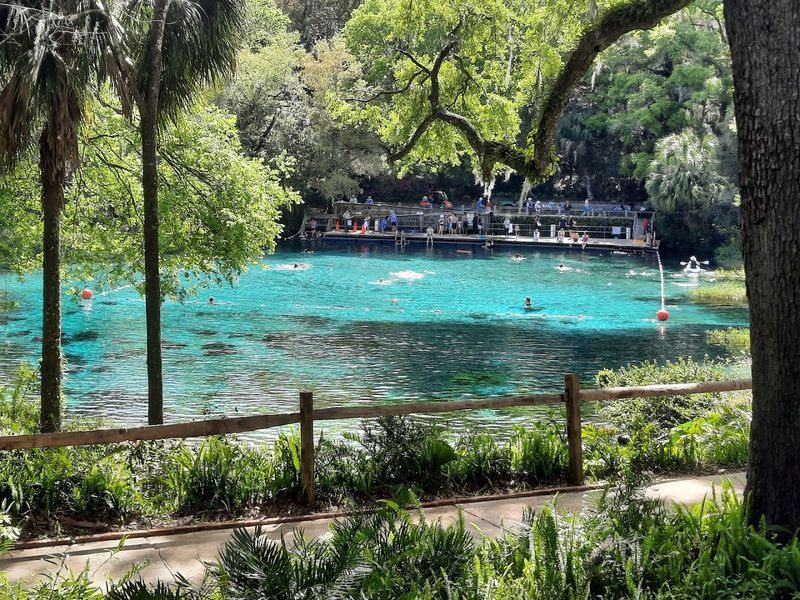
Rainbow Springs delivers that postcard-perfect Florida spring look without requiring much effort. The water stays that unreal blue-green shade year-round, but spring adds an extra layer of green to the surrounding foliage and keeps the gardens looking fresh.
Waterfalls tumble over limestone ledges, creating natural focal points that practically compose themselves. The garden paths wind through azaleas, ferns, and native plantings that peak right around March and April.
Crowds stay manageable in spring compared to the summer rush, so you can actually set up your tripod without dodging inner tubes. Early morning light filters through the canopy beautifully, and midday works surprisingly well because the water glows even brighter under direct sun.
Bring a polarizing filter to cut through surface reflections and reveal the spring bottom. The tubing launch area, waterfall overlook, and garden loop all offer different moods within a short walk. This park makes it almost impossible to take a bad photo, which is exactly what you want when you’re testing new gear or just starting out.
2. Washington Oaks Gardens State Park (Palm Coast)
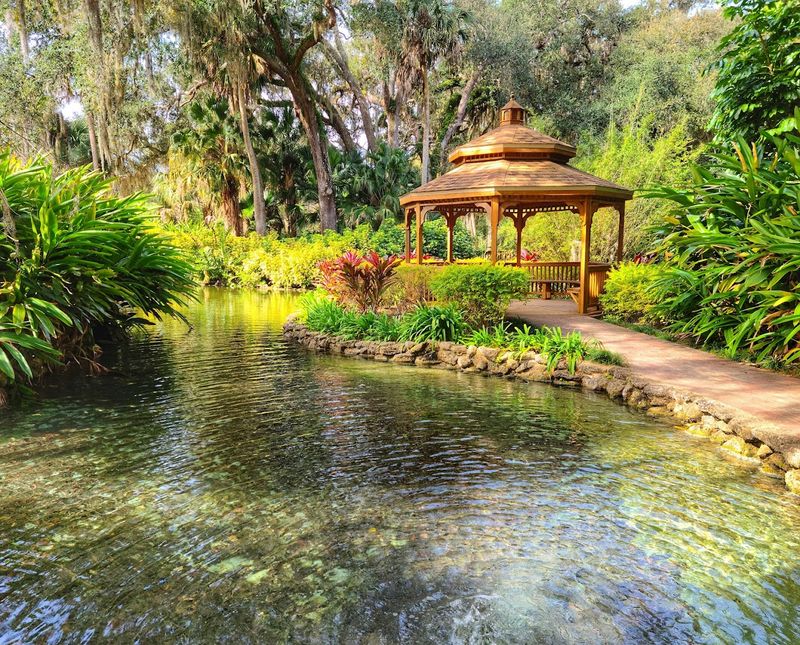
Washington Oaks gives you two completely different photography sessions in one park visit. The formal gardens section feels like stepping into a Southern estate, with roses, camellias, and azaleas that bloom heavily through spring.
Then you walk a short trail to the beach, and suddenly you’re shooting coquina rock formations along the Atlantic. These aren’t your typical Florida sandy stretches—the limestone outcroppings create tidal pools, jagged textures, and wave patterns that look nothing like the Gulf Coast.
Southern Living calls this spot popular for weddings and photography specifically because of that rare rocky coastline. Spring brings lower humidity and softer light, making both the garden and beach sides easier to shoot without harsh glare or summer haze.
Plan your beach shots around tide schedules; low tide exposes more rock detail and reflection pools. The gardens photograph best in morning or late afternoon when the light isn’t too contrasty. Bring a wide-angle lens for the coastline drama and a longer lens for garden close-ups.
The variety here keeps your portfolio from looking repetitive.
3. Big Talbot Island State Park / Boneyard Beach (Jacksonville)
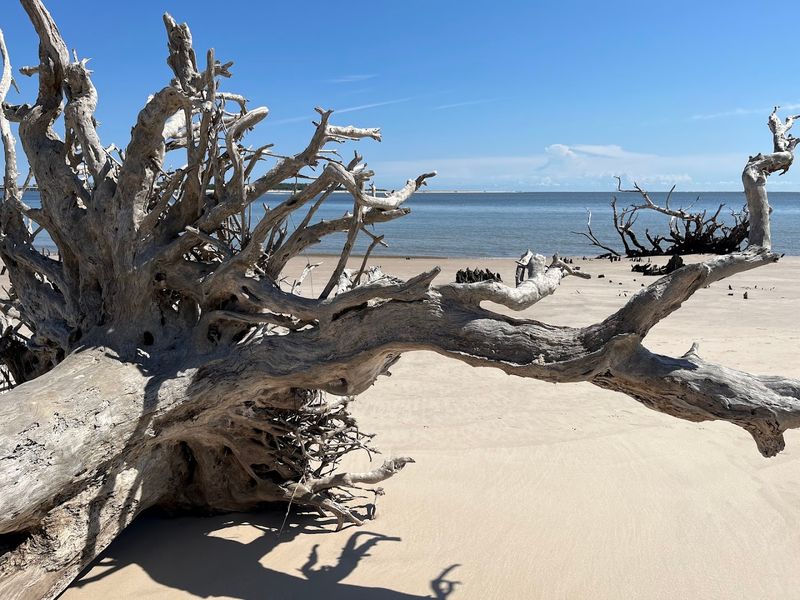
Boneyard Beach looks like something out of a fantasy novel rather than typical Florida. Massive driftwood skeletons sprawl across dark sand, bleached white by salt and sun, creating sculptural forms that change with every storm and tide.
The bluffs, dunes, and wild Atlantic backdrop give this spot a raw, almost apocalyptic mood that photographs especially well in black and white. Spring offers cooler temperatures for hiking in and more dramatic cloud formations than summer’s flat blue skies.
Low tide exposes the most wood and creates wet sand reflections that double the visual impact. Sunrise and sunset both work beautifully here, but overcast days can actually enhance the moody, timeless feel.
The walk from the parking area isn’t long, but wear shoes you don’t mind getting sandy and wet. Composition opportunities are endless—tight details on weathered bark, wide shots showing the full beach scope, or silhouettes against the water. This is the stop that makes your Florida gallery look completely different from everyone else’s palm tree shots.
The Atlantic side always feels wilder than the Gulf.
4. Fairchild Tropical Botanic Garden (Coral Gables)
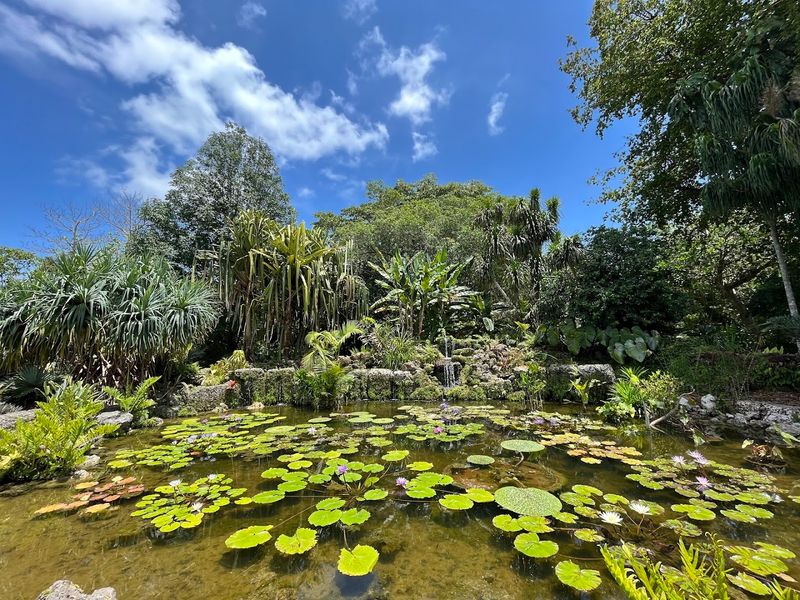
Fairchild is where you go when you want your macro lens to earn its keep. This eighty-three-acre garden showcases orchids, bromeliads, palms, cycads, and tropical fruit displays that peak beautifully through spring months.
The butterfly garden stays active year-round, but spring brings fresh plantings and more wing activity. The two-acre tropical rainforest experience creates a humid, shaded environment perfect for shooting ferns, epiphytes, and layered canopy details without harsh shadows.
Aquatic gardens offer reflection shots with lily pads, lotus blooms, and still water that mirrors the sky. The palm collection includes rare species you won’t find elsewhere, giving you unique subject matter beyond the standard Florida royal palms.
Weekday mornings are quietest, giving you cleaner backgrounds without other visitors wandering through your frame. The garden hosts seasonal exhibits and art installations that add extra visual interest. Bring a tripod for low-light rainforest shots and a reflector for filling shadows on close-up flower work.
Fairchild delivers the kind of lush, saturated color that makes people assume you over-edited—but it’s just South Florida in full bloom.
5. Blue Spring State Park (Orange City)
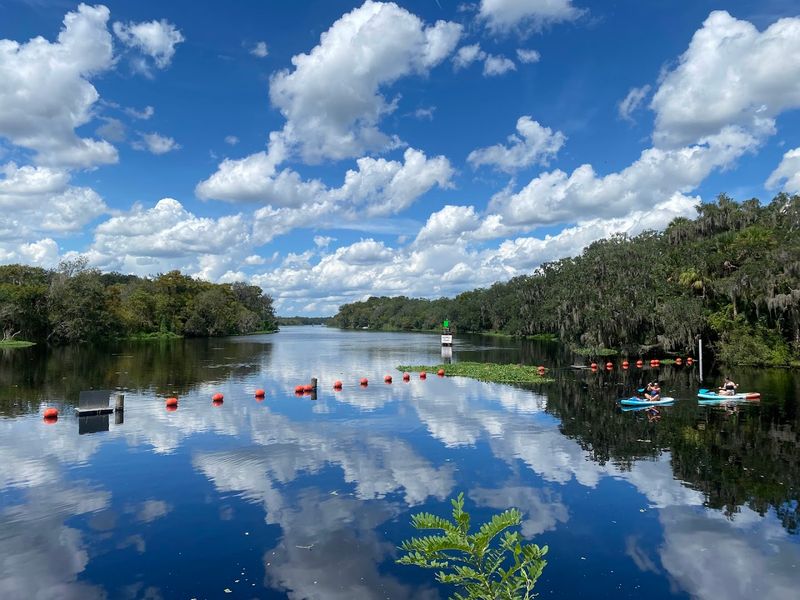
Blue Spring’s boardwalk follows the spring run through a tunnel of mossy cypress and oaks, with water so clear you can count fish from twenty feet up. Late winter into early spring still offers possible manatee sightings, but even after they head back to the river, the scenery stays photogenic.
The glassy water reflects trees and sky perfectly on calm mornings, creating mirror images that work beautifully for symmetrical compositions. Spanish moss drapes from branches, adding that classic Old Florida texture.
Spring greenery brightens the scene without the heavy summer growth that can block sightlines. The boardwalk gives you a stable shooting platform and elevated perspectives that ground-level trails can’t match.
Arrive early to catch soft light and avoid midday crowds that create ripples and shadows on the water. A wide-angle lens captures the full boardwalk sweep, while a telephoto lets you isolate details like moss patterns or bird activity. The spring head stays a constant seventy-two degrees, creating mist on cooler spring mornings that adds atmospheric depth.
This is one of those reliable spots that delivers strong images every single visit.
6. Paynes Prairie Preserve State Park (Micanopy)
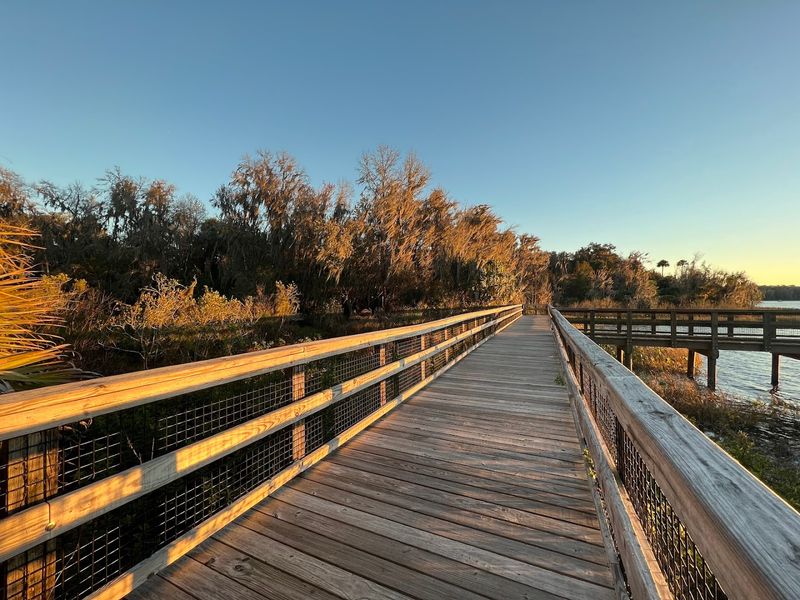
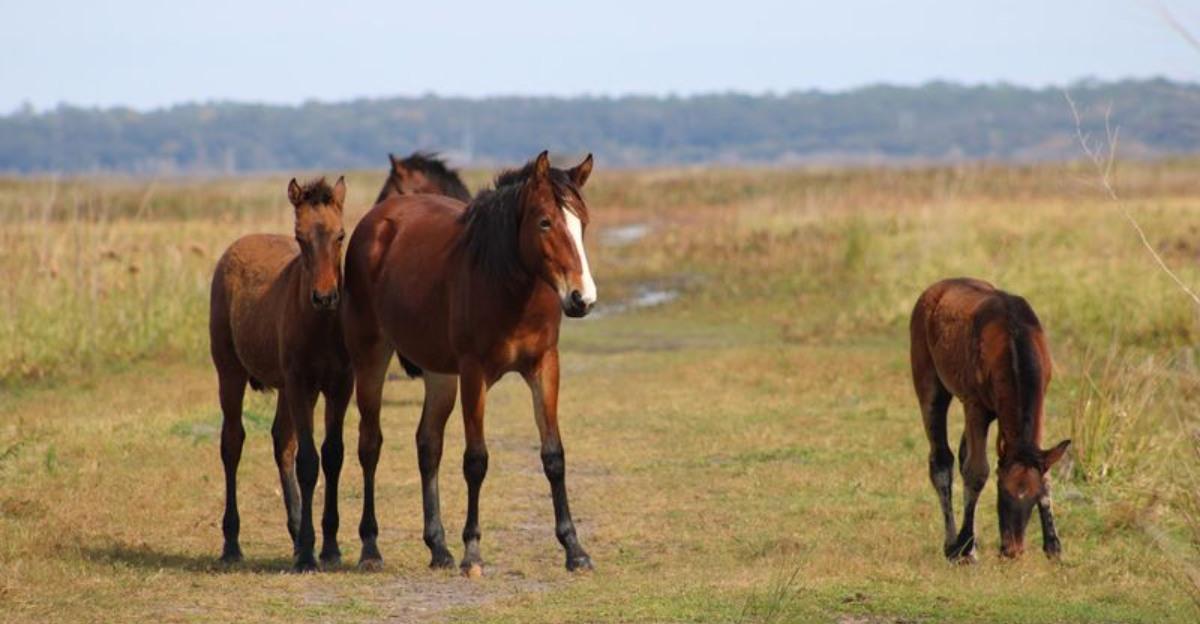
Paynes Prairie breaks every Florida stereotype by giving you wide-open grasslands that stretch to the horizon. Wild horses and bison roam the preserve, creating wildlife photography opportunities that feel more like the American West than the Sunshine State.
Spring brings fresh green growth across the prairie, softer light than summer’s overhead glare, and active bird migration that fills the wetlands and hammocks. The observation tower provides sweeping views perfect for landscape shots, while the trails get you closer to wildlife.
Early morning and late afternoon offer the best light and animal activity, with fog sometimes rolling across the prairie at dawn. A long lens helps for wildlife shots, since the animals keep their distance.
The preserve’s scale gives you room to experiment with negative space, horizon placement, and layered depth that’s hard to achieve in Florida’s typically dense vegetation. Alligators, wading birds, and raptors add extra subject variety beyond the horses and bison. Spring weather stays comfortable for longer hikes without the brutal summer heat.
Paynes Prairie proves Florida has way more landscape diversity than most people realize, and your photos will reflect that unexpected range.
7. The Morikami Museum and Japanese Gardens (Delray Beach)
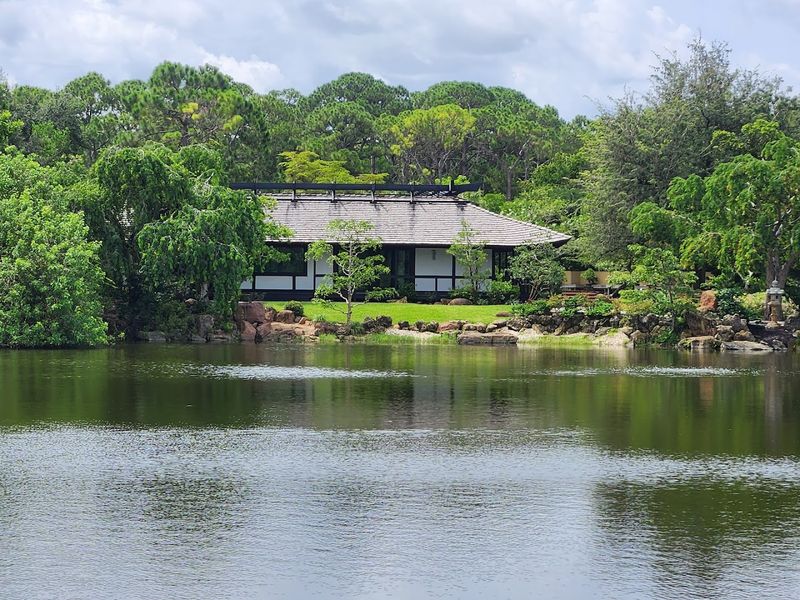
The Morikami offers sixteen acres of Japanese-inspired gardens that feel intentionally calm and composed—perfect for photography that emphasizes balance, reflection, and quiet detail. Six distinct garden styles wind through the property, connected by paths that reveal new views around every turn.
Koi ponds create natural focal points, with bridges, stone lanterns, and carefully pruned plants framing the water. Spring brings fresh blooms and bright green growth that contrasts beautifully with dark water reflections.
The gardens photograph well in almost any light, but overcast days eliminate harsh shadows and create even tones that suit the peaceful mood. The museum hosts bonsai collections and rotating exhibits that add indoor shooting opportunities when you need a break from the sun.
Arrive on weekdays for the quietest experience and cleanest backgrounds. A polarizing filter helps manage reflections on the ponds without eliminating them entirely. The intentional design means you don’t have to work hard to find strong compositions—the garden does most of the heavy lifting for you.
This is where you go when you want your photos to feel serene and thoughtful rather than dramatic or wild. The Morikami proves Florida can do subtle just as well as spectacular.
8. Dry Tortugas National Park (Key West area)
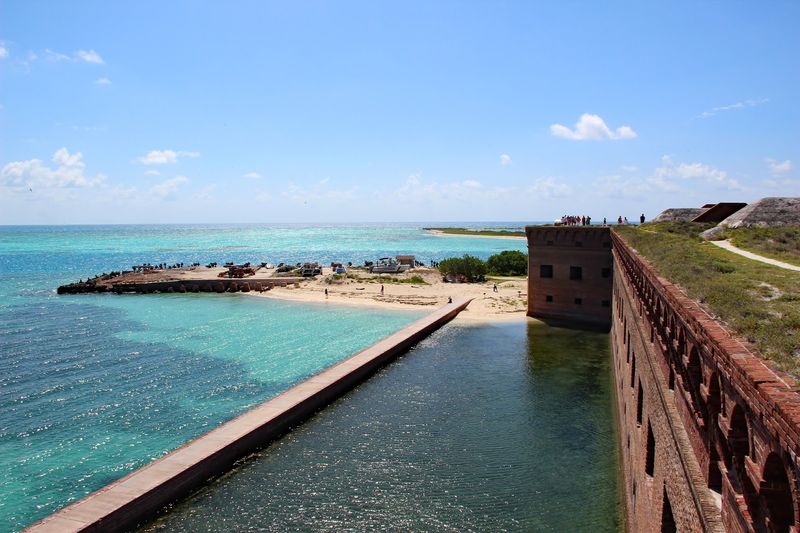
Dry Tortugas requires a ferry ride or seaplane trip, but that remoteness is exactly what makes it photographically special. Fort Jefferson’s massive brick walls rise from turquoise water seventy miles west of Key West, creating a surreal contrast between historic architecture and tropical seascape.
The brick arches, moats, and fortress details offer endless composition possibilities, while the surrounding water shifts from aqua to deep blue depending on depth and light. Sea birds, including frigatebirds and terns, circle the fort constantly, adding movement and scale to your shots.
Spring brings calmer seas than winter and less oppressive heat than summer, making it the sweet spot for visiting. Snorkeling and reef photography add another dimension if you bring underwater gear.
Plan for a full day—the ferry schedule gives you several hours on the island, which sounds like plenty until you start shooting and realize you could spend a week here. Sunrise and sunset aren’t accessible unless you camp overnight, but midday light works surprisingly well with the bright water and white sand. The fort’s interior offers shaded shooting when the sun gets too harsh.
This is bucket-list territory for anyone serious about Florida photography, and spring weather makes the logistics much more pleasant.
9. Myakka River State Park (Sarasota)
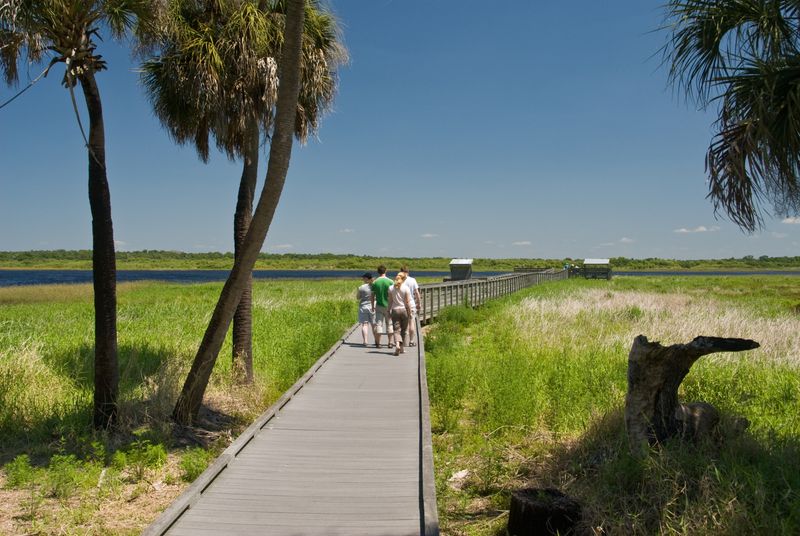
Myakka feels genuinely wild, with wetlands, oak hammocks, and wildlife that make you forget you’re less than an hour from Sarasota’s beaches. The canopy walkway elevates you into the treetops, offering perspectives on the hammock ecosystem that ground-level trails can’t provide.
Spring brings active bird life—herons, egrets, ibis, and roseate spoonbills—along with alligators sunning themselves along the riverbanks. The light stays softer than summer, and the vegetation hasn’t reached its densest growth yet, making wildlife easier to spot.
The river itself creates reflection opportunities, while the prairies and palmetto flats give you that classic Florida wilderness look. Early morning wildlife drives offer the best animal activity and light, though the park stays photogenic throughout the day.
A long lens is essential for wildlife work, and a wide-angle handles the landscape sweeps. The canopy walkway sways slightly, so bump up your shutter speed or wait for still moments between gusts. Myakka delivers that cinematic, untamed Florida mood that makes your photos look like they belong in nature documentaries.
This is where you come when you want your work to feel adventurous and a little bit rough around the edges in the best possible way.
10. Eden Gardens State Park (Santa Rosa Beach)
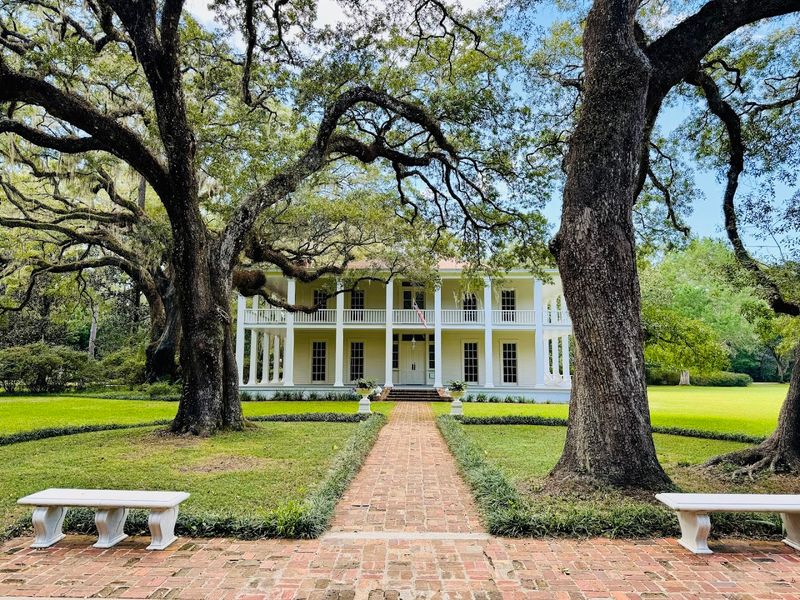
Eden Gardens brings a softer, more romantic energy than Florida’s wilder parks. The Wesley House, a two-story antebellum-style mansion, sits surrounded by live oaks, camellias, azaleas, and formal gardens that bloom heavily through spring.
Spanish moss drapes from ancient oaks, creating natural frames and filters for dappled light. The gardens offer detail shots—close-ups of blooms, moss textures, architectural elements—that work beautifully for portfolio variety or portrait backgrounds.
Spring weather in the Panhandle stays mild and comfortable, with lower humidity than South Florida and blooms that peak between March and April. The park hosts occasional events and weddings, so check the schedule if you want guaranteed quiet shooting time.
Morning light filters through the oaks beautifully, while late afternoon creates warm tones on the white house and garden paths. The grounds aren’t huge, but the variety of scenes keeps you busy for a solid afternoon. A standard zoom lens handles most situations, though a macro lens adds value for flower details.
Eden Gardens proves the Panhandle has its own distinct Florida aesthetic—less tropical, more Southern Gothic, and absolutely worth documenting before everyone else figures it out.
11. Florida Caverns State Park (Marianna)
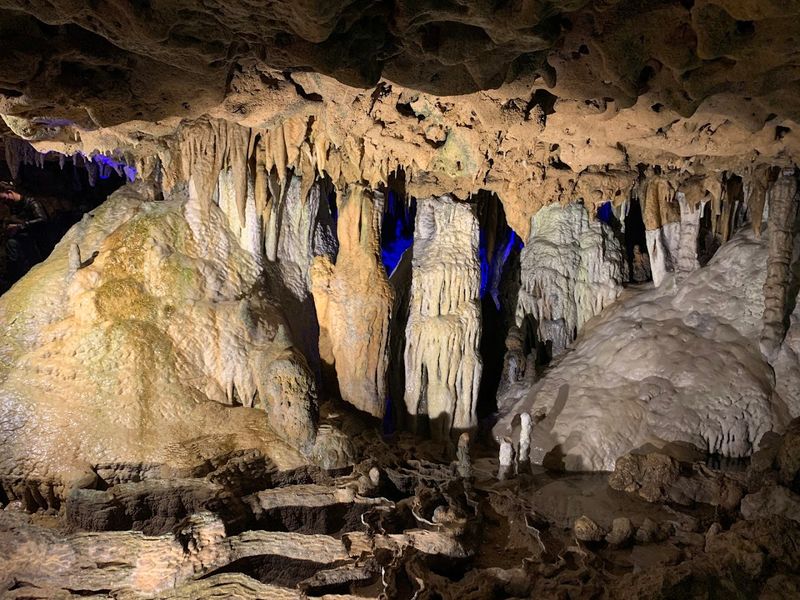
Florida Caverns adds a completely unexpected element to your Florida portfolio: actual caves with stalactites, stalagmites, and limestone formations. The guided cave tours take you through lit chambers where you can shoot (with permission and without flash) geological features that took thousands of years to form.
Above ground, the park offers shaded trails, sinkholes, and a more temperate North Florida ecosystem that looks nothing like palm-lined beaches. Spring weather makes the trails comfortable, and the cave stays a constant sixty-five degrees year-round.
Authentic Florida highlights this park as one of the state’s unique photography locations precisely because it breaks the typical mold. Low light in the caves requires higher ISO settings and slower shutter speeds, so bring a tripod if the tour allows it or brace against walls for stability.
The limestone formations create dramatic shadows and textures that work well in black and white. Above ground, the floodplain forest and river views offer more traditional landscape opportunities. This is the spot that makes people ask, “Wait, that’s Florida?” which is exactly the reaction you want.
The Panhandle holds surprises that most visitors never see, and Florida Caverns proves it.
12. Cedar Key (Levy County)
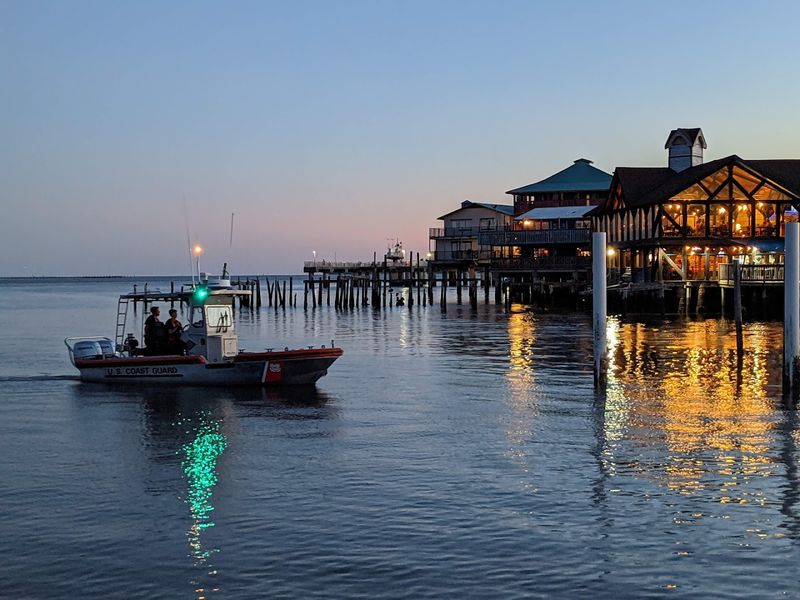
Cedar Key moves at a slower pace than most Florida coastal towns, and that unhurried vibe translates beautifully into photography. Weathered docks, working fishing boats, and quiet water views create that authentic Old Florida feeling that’s increasingly hard to find.
Spring brings comfortable temperatures for walking the waterfront, and the light stays softer than summer’s haze. Sunsets over the Gulf paint the sky in pastels that reflect off calm water, while low-tide periods expose oyster bars and tidal patterns.
The town itself offers architectural details—weathered wood, vintage signs, colorful buildings—that add character to street photography. Birds are everywhere, from pelicans diving offshore to herons stalking the shallows.
Arrive in late afternoon to scout locations, then stay for sunset when the light turns golden and the water glows. A wide-angle lens captures the full dock-and-sky scope, while a telephoto isolates boats, birds, or distant islands. Cedar Key doesn’t overwhelm you with drama—it rewards patient observation and attention to small details.
This is where you come when you want your photos to feel contemplative and grounded rather than flashy. The Gulf Coast has its own quiet magic, and Cedar Key distills it perfectly.
13. Everglades National Park (South Florida)
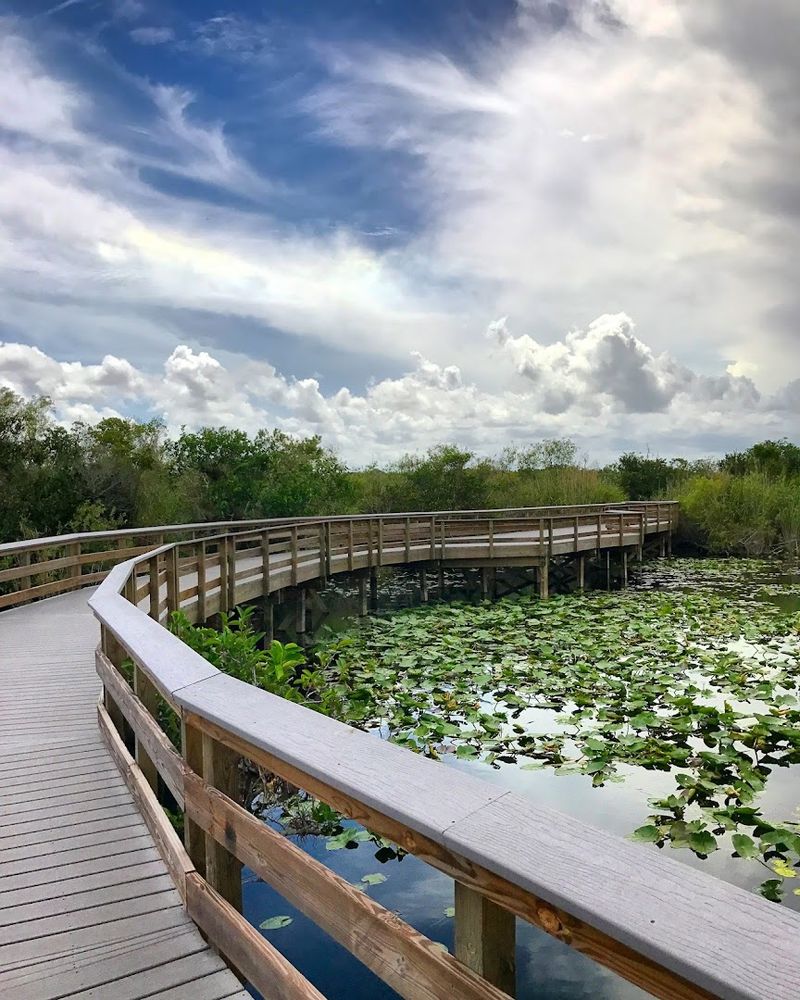
The Everglades earn their reputation as a photographer’s destination by offering scale, wildlife, and landscapes that exist nowhere else on Earth. Spring hits the sweet spot between winter’s peak crowds and summer’s stifling heat, with active bird life and clearer skies.
Sawgrass prairies stretch endlessly, creating minimalist compositions with huge skies and distant tree islands. Boardwalks like Anhinga Trail get you close to alligators, herons, and turtles without requiring a kayak or serious bushwhacking.
Outdoor Photographer notes Florida’s range includes freshwater springs, swamps, pinelands, mangroves, and shorelines—and the Everglades pack most of that diversity into one massive park. Sunrise and sunset transform the wetlands into layered silhouettes and reflections that glow with warm light.
A long lens is essential for wildlife work, while a wide-angle handles the landscape scale. Bring bug spray and plan for muddy conditions on some trails. The park’s size means you can return dozens of times and still find new angles and subjects.
Spring migration adds bird variety, and receding water concentrates wildlife in predictable spots. This is foundational Florida photography—the place that defines the state’s wild heart.