These 15 Weird Florida Museums Will Leave You Wondering What You Just Saw
Florida is home to more than just beaches and theme parks. Hidden across the Sunshine State are museums so strange and unusual that they might leave you scratching your head in confusion.
From a research center dedicated to finding Florida’s own Bigfoot to a museum filled with haunted dolls, these quirky attractions showcase the state’s weird side. Get ready to explore fifteen museums that prove Florida is even stranger than you thought.
1. Skunk Ape Research Headquarters
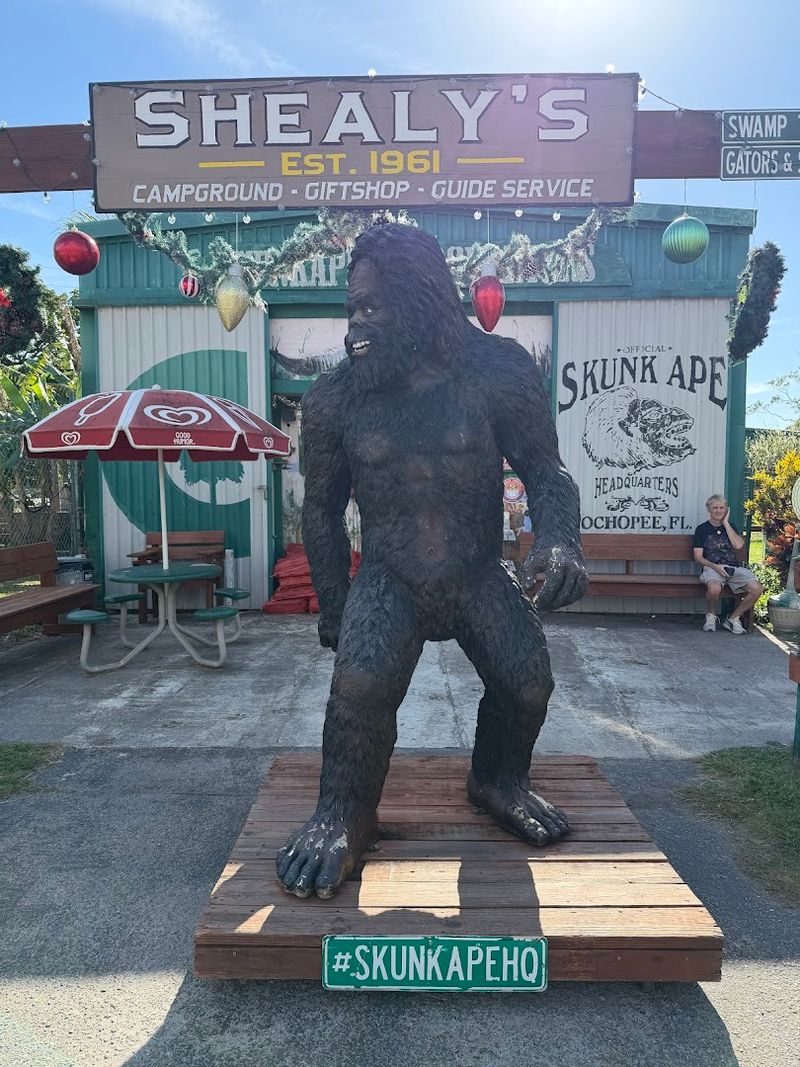
A place where Bigfoot meets the Everglades, and you’ll find yourself at one of Florida’s most bizarre attractions. Located in Ochopee, this quirky roadside stop is dedicated to tracking the legendary Skunk Ape, Florida’s answer to Bigfoot.
The creature supposedly roams the swamps, leaving behind mysterious footprints and a terrible smell that earned it the unflattering nickname.
Inside, you’ll discover plaster casts of alleged footprints, blurry photographs, and eyewitness accounts from locals who swear they’ve encountered the beast. The gift shop sells everything from Skunk Ape t-shirts to jerky, because apparently cryptid hunting works up an appetite.
Behind the main building, there’s even a small zoo featuring local wildlife like alligators and exotic birds.
What makes this place truly memorable is the owner’s genuine enthusiasm for the subject. He’ll happily share stories about sightings and explain why he believes the Skunk Ape is real.
Whether you’re a believer or a skeptic, the sheer dedication to this swamp creature is impressive.
The museum sits right on the edge of Big Cypress National Preserve, making it a convenient pit stop during an Everglades adventure. Just don’t be surprised if you leave wondering whether that rustling in the bushes was just wind or something more mysterious.
The entrance fee is minimal, and the experience is absolutely priceless for anyone who appreciates Florida’s stranger side.
2. Marietta Museum of Art & Whimsy
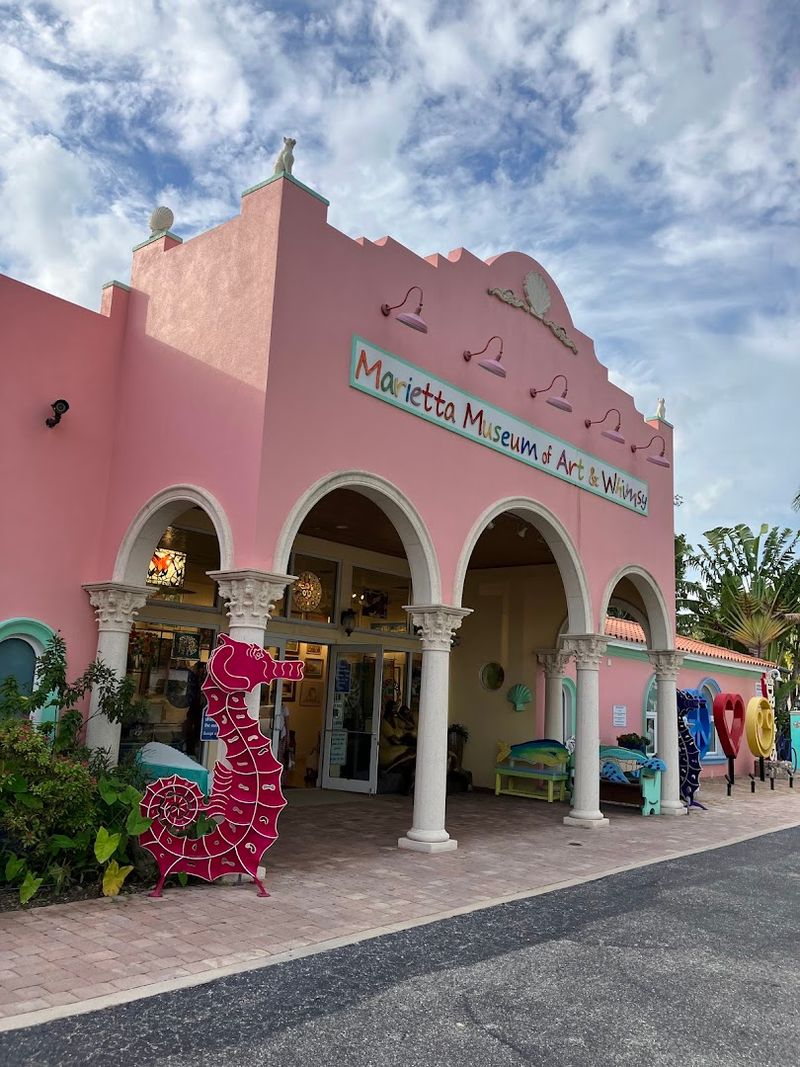
Sarasota hides a treasure trove of peculiar art that defies all traditional museum expectations. This small gallery celebrates the absurd, the playful, and the downright confusing in equal measure.
From sculptures made of recycled materials to paintings that make you question reality, every corner offers something unexpected.
The collection constantly rotates, featuring works from local artists who embrace the weird and wonderful. You might encounter a chandelier made entirely of plastic spoons one month, then stumble upon a portrait gallery of imaginary historical figures the next.
The curators specifically seek out art that makes people smile, laugh, or simply stand there confused.
Unlike stuffy traditional museums where you whisper and tiptoe around, this place encourages interaction and conversation. Kids especially love it because the art feels like something from a dream or a cartoon.
Many pieces incorporate optical illusions or unexpected materials that challenge your perception.
What sets this museum apart is its refusal to take itself seriously while still showcasing genuine talent. The artists featured here aren’t creating weird art for shock value; they’re exploring creativity without boundaries.
Some pieces are thought-provoking, others are just plain silly, and that’s exactly the point.
Located in a converted storefront, the museum proves you don’t need marble columns and fancy architecture to create memorable experiences. Admission is usually just a suggested donation, making it accessible to everyone who wants to add some strangeness to their day.
3. Spongeorama On The Water
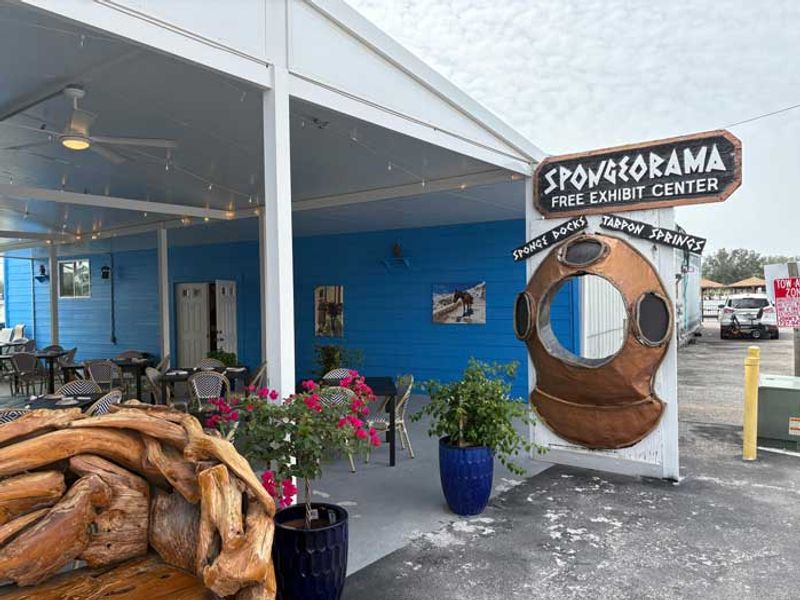
Who knew sea sponges could be this fascinating? Tarpon Springs has built an entire museum around these underwater creatures that most people only think about during bath time.
The attraction combines a working sponge factory with a museum dedicated to the history of sponge diving in Florida.
Walking through the exhibits feels like stepping back in time to when Greek immigrants made this town the sponge capital of the world. Old diving suits hang on display, along with the heavy equipment divers used before modern scuba gear existed.
Black and white photographs show brave men descending into the Gulf of Mexico to harvest sponges by hand.
The museum explains everything you never knew you wanted to know about sponges. You’ll learn how to identify different species, why natural sponges are better than synthetic ones, and how the industry nearly collapsed from disease in the 1940s.
There’s even a short film that somehow makes sponge harvesting seem exciting.
In the attached gift shop, you can purchase genuine sea sponges in every size imaginable. The staff will enthusiastically explain which sponge works best for different purposes, from bathing babies to washing cars.
They take sponges very seriously here.
The admission is free, though they clearly hope you’ll buy some sponges after learning about them. The whole experience is wonderfully niche and proudly celebrates something most towns would never consider museum-worthy.
It’s educational, bizarre, and quintessentially Florida all at once.
4. World Erotic Art Museum
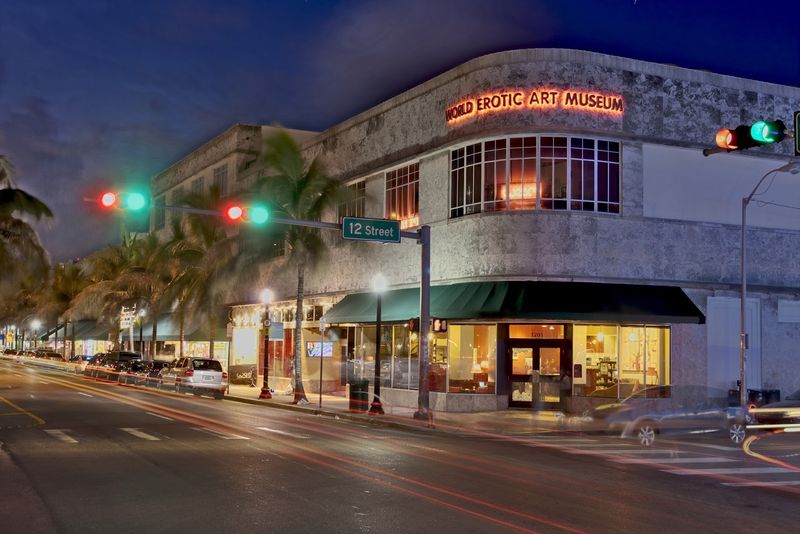
Miami Beach houses what might be the world’s most comprehensive collection of adult-themed artwork, spanning cultures and centuries. Before you blush and skip ahead, this isn’t what you might expect.
The museum approaches its subject matter with academic seriousness, showcasing how different societies throughout history have depicted human sexuality in art.
The collection includes over 4,000 pieces ranging from ancient fertility symbols to contemporary photography. Roman sculptures stand beside Japanese woodblock prints, while European paintings share wall space with African tribal art.
The diversity of the collection proves that humans have always incorporated these themes into their creative expression, regardless of time period or location.
Founder Naomi Wilzig spent decades assembling this collection, believing that erotic art deserved the same respect as any other artistic genre. Her vision created a space where people can examine these works without judgment or embarrassment.
Everything is tastefully displayed with detailed explanations about cultural context and artistic significance.
Obviously, this museum is strictly for adults, and they check IDs at the door. The atmosphere inside is surprisingly scholarly rather than scandalous.
Many visitors are art students or historians interested in the academic aspects of the collection.
Located in a beautiful Art Deco building on Miami Beach, the museum challenges visitors to reconsider their preconceptions about both art and human nature. It’s educational, thought-provoking, and definitely not appropriate for family outings.
The admission fee supports the museum’s mission to preserve and present this often-overlooked aspect of art history.
5. Coral Castle Museum
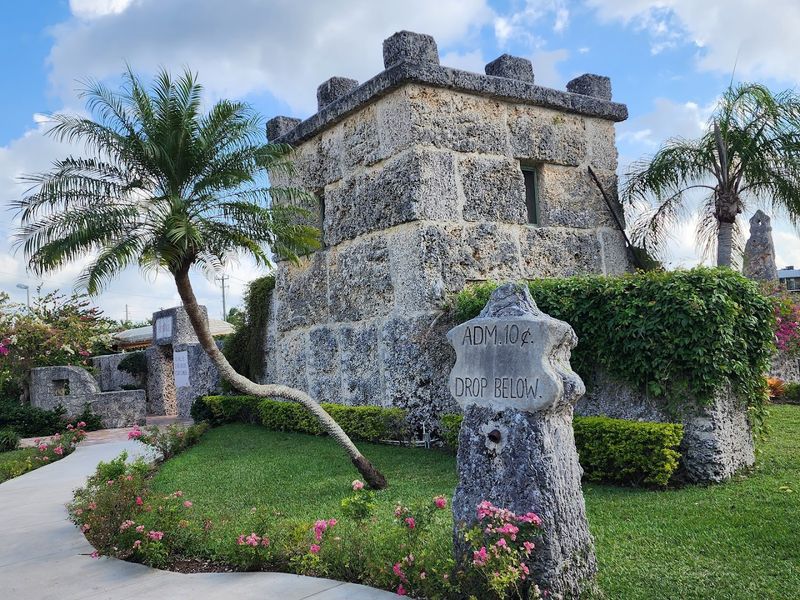
One man spent 28 years single-handedly carving and moving massive coral rocks to create a mysterious monument to lost love. Edward Leedskalnin built this entire complex using tools he made himself, working only at night so nobody could discover his secrets.
Even today, engineers struggle to explain how he moved stones weighing several tons without modern equipment.
The site features a two-story tower, massive stone gates that swing open with a single finger touch, and furniture carved from solid coral rock. Everything from chairs to a heart-shaped table was created from limestone quarried on the property.
The precision of the construction is remarkable considering Leedskalnin stood only five feet tall and weighed barely 100 pounds.
Theories about his construction methods range from practical engineering to magnetic levitation and even alien assistance. Leedskalnin himself claimed he understood the secrets of how the pyramids were built, but he took those secrets to his grave.
His workshop contains the tools he used, though they seem inadequate for moving multi-ton stones.
The monument was originally built in Florida City as a tribute to a woman who rejected his marriage proposal. Later, Leedskalnin moved the entire structure piece by piece to its current location in Homestead.
How he transported these massive stones remains part of the mystery.
Visitors can explore the grounds and marvel at astronomical alignments built into the structure. The castle serves as both an engineering puzzle and a testament to what obsessive dedication can accomplish.
6. St. Augustine History Museum
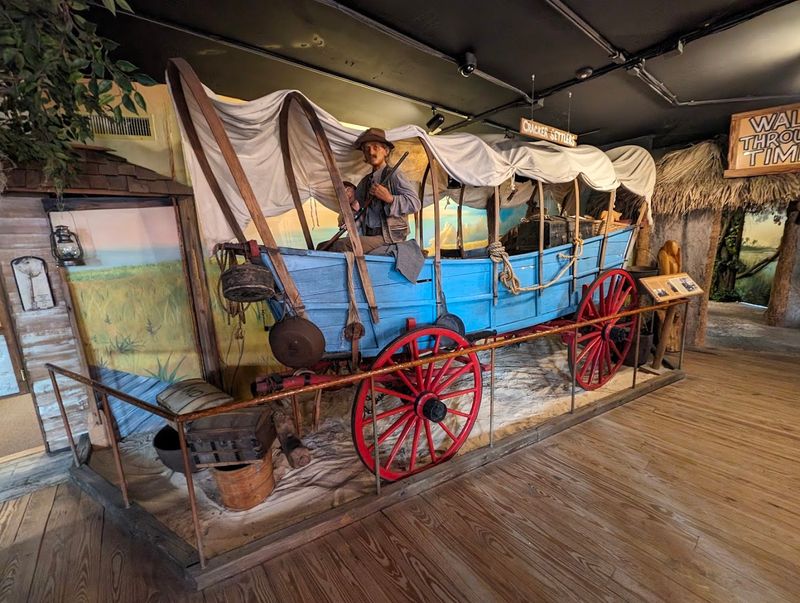
St. Augustine offers a museum experience that embraces America’s darkest moments rather than celebrating its triumphs. This unusual attraction focuses exclusively on tragedies, disasters, and unfortunate events throughout American history.
From assassinations to natural disasters, the exhibits cover events that shaped the nation through loss and suffering.
Walking through feels more like attending a wake than visiting a typical museum. Detailed dioramas recreate scenes from the sinking of the Titanic, complete with artifacts and victim testimonials.
Another section examines presidential assassinations, displaying reproduction weapons and contemporary newspaper accounts of the events.
The museum doesn’t exploit tragedy for entertainment value; instead, it provides historical context and honors victims of these events. Each exhibit includes educational information about how these tragedies influenced policy changes or technological improvements.
The Great Chicago Fire exhibit, for example, explains how the disaster led to modern fire safety codes.
Some exhibits are genuinely difficult to view because they involve recent events that still feel raw. The presentation remains respectful throughout, avoiding sensationalism while acknowledging the human cost of these disasters.
Photographs and personal stories bring individual victims into focus rather than treating them as statistics.
Not everyone appreciates this museum’s premise, and that’s understandable. Some visitors find it depressing or question why anyone would want to dwell on such negative events.
Others argue that remembering these tragedies helps prevent future ones and honors those who suffered.
The museum sits in a historic building that adds to the somber atmosphere. It’s thought-provoking and educational but definitely not uplifting entertainment.
7. The Dalí Museum
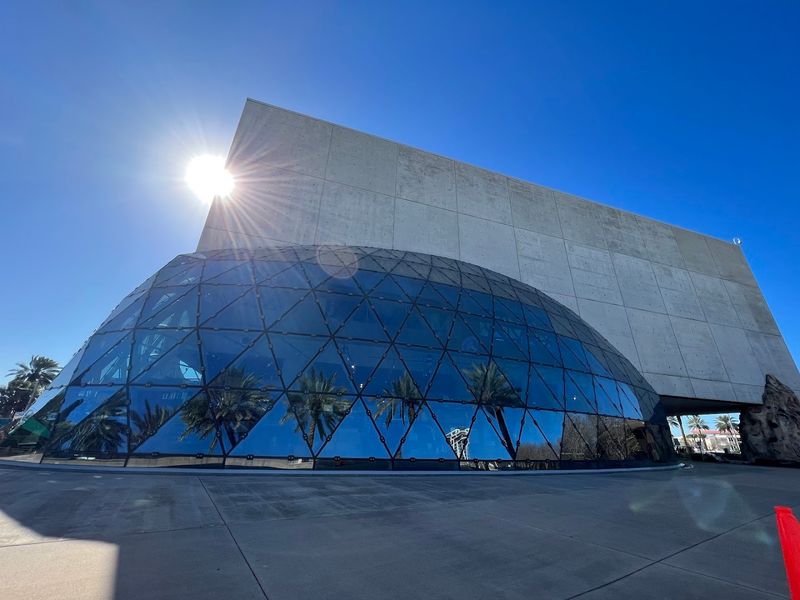
St. Petersburg houses the largest collection of Salvador Dalí’s work outside of Spain, and stepping inside feels like entering the artist’s melting dreamscape. The building itself is a work of art, featuring a massive glass bubble called the Enigma that erupts from an otherwise conventional concrete structure.
This architectural oddity perfectly sets the tone for what awaits inside.
The collection includes paintings, sculptures, photographs, and objects that showcase Dalí’s obsession with the bizarre and subconscious. Melting clocks, elephants on spider legs, and impossible architectural forms fill the galleries.
Each piece challenges your understanding of reality and makes you question what you’re actually seeing.
What makes this museum weird isn’t just the surrealist art but also how seriously everyone takes it. Docents will spend twenty minutes explaining the symbolism of a single lobster telephone or why Dalí painted his wife as the Madonna.
The interpretations often sound as strange as the artwork itself.
Interactive exhibits let visitors step into Dalí’s world through virtual reality experiences and augmented reality features. You can watch paintings come to life through your phone or explore three-dimensional versions of famous works.
Technology and surrealism combine to create experiences that Dalí himself might have appreciated.
The museum garden features outdoor sculptures that look like they’ve escaped from a fever dream. One particularly memorable piece shows a giant mustache reaching toward the sky, because of course it does.
The waterfront location provides beautiful views that feel almost too normal compared to what’s inside.
Even if you don’t typically enjoy art museums, this one is weird enough to keep your attention.
8. Museum of Polo & Hall of Fame
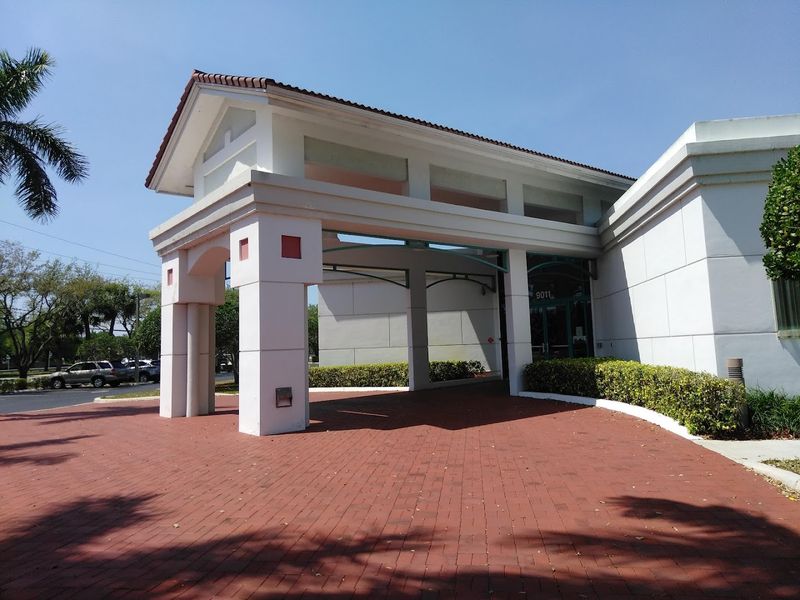
Lake Worth maintains the only museum in the United States dedicated entirely to polo, that sport you’ve heard of but probably never watched. The International Polo Museum celebrates a game that most Americans associate with wealthy people hitting balls from horseback while wearing fancy outfits.
Turns out there’s a lot more to it than that.
The collection includes polo mallets from different eras, showing how equipment has evolved over centuries. Vintage photographs capture famous matches and legendary players whose names mean nothing to casual visitors but everything to polo enthusiasts.
Glass cases display trophies, uniforms, and even polo balls signed by champions you’ve never heard of.
What makes this museum particularly unusual is its intense focus on such a narrow subject. Most sports museums cover multiple games or famous athletes across different activities.
This one commits entirely to polo, treating it with the same reverence other museums reserve for football or baseball.
Interactive displays explain the rules, which are surprisingly complex and involve four chukkers, handicap ratings, and specific right-of-way regulations. Videos show championship matches where viewers can finally understand what’s happening beyond horses running around.
The museum makes a genuine effort to convert visitors into polo fans.
The building itself sits on a polo field, and if you visit during season, you might catch an actual match. Watching real players after touring the museum provides valuable context, though you’ll probably still be confused about most of the rules.
Admission is free, which is shocking considering polo’s reputation as an expensive sport. The museum welcomes anyone curious about this niche athletic tradition.
9. Key West Shipwreck Treasure Museum
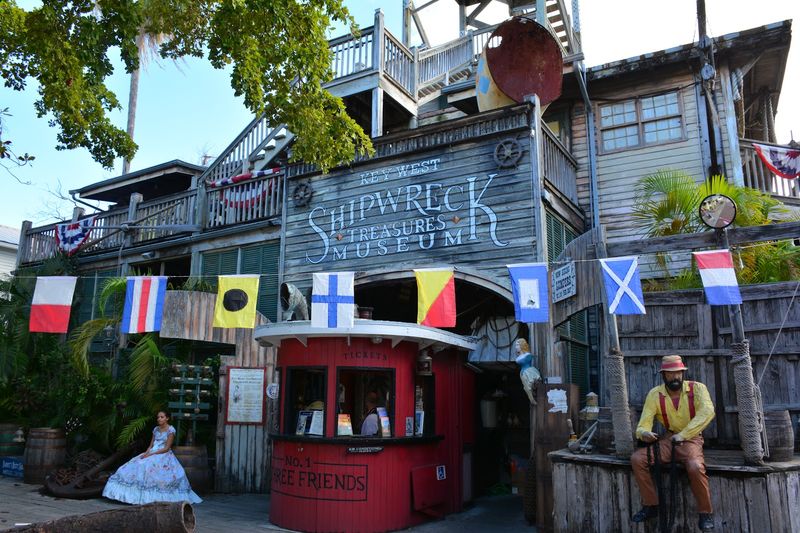
Key West’s history is built on shipwrecks and the fortunes made by salvaging them. This museum celebrates the island’s wrecker culture through interactive exhibits and genuine recovered treasure.
Actors in period costume bring the 1800s to life, explaining how wrecking became a legitimate and highly profitable business in early Florida.
The main attraction is the Henrietta Marie exhibit, featuring artifacts from a 17th-century slave ship. The recovered items provide a sobering look at the transatlantic slave trade while demonstrating the preservation techniques used in underwater archaeology.
Gold coins, ship fittings, and personal items survived centuries underwater before being brought to the surface.
What separates this from typical pirate tourist traps is the genuine historical content mixed with entertainment value. Yes, there are performers telling jokes and engaging visitors, but the information presented is accurate and educational.
You’ll learn about reef formations around Key West that caused so many wrecks and how lighthouse technology eventually reduced the carnage.
Visitors can climb to the top of a 65-foot observation tower for panoramic views of Key West’s harbor. From up there, you can see the shallow reefs and understand why so many ships met their doom trying to navigate these waters.
The perspective makes the history more tangible and real.
The gift shop sells reproduction coins and treasure-hunting supplies for wannabe salvagers. Staff members share stories about modern treasure hunters who still search these waters for undiscovered wrecks.
Some tales sound too incredible to be true until they show you newspaper articles proving otherwise.
The museum makes shipwrecks exciting without romanticizing the disasters that killed sailors and destroyed vessels.
10. Fort East Martello Museum
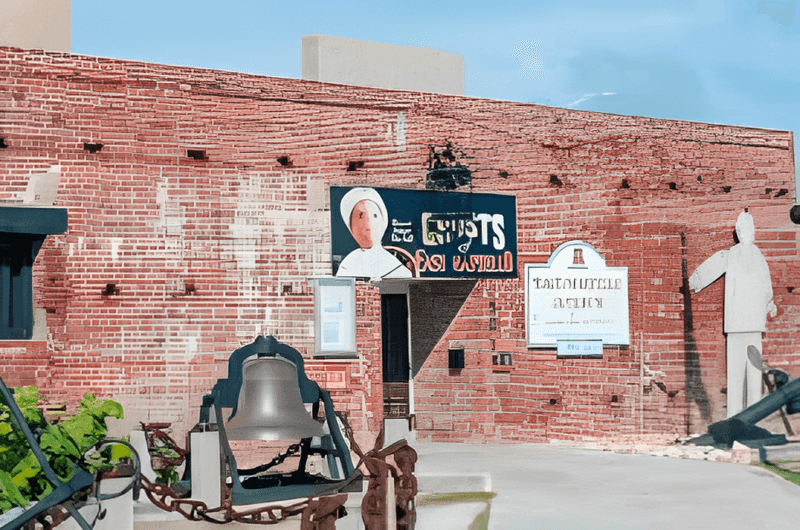
Key West’s most disturbing resident lives behind glass at this historic fort turned museum. Robert the Doll has terrified visitors for decades with his button eyes, sailor suit, and reputation for bringing bad luck to anyone who disrespects him.
Legend claims the doll was given to artist Robert Eugene Otto in 1906 and became possessed by either voodoo magic or malevolent spirits.
The doll sits in a climate-controlled case surrounded by letters from people apologizing for taking his photograph without permission. Apparently, Robert curses anyone who photographs him without asking politely first.
Visitors report equipment malfunctions, accidents, and other misfortunes after angering the supposedly haunted toy.
Museum staff swear they’ve witnessed Robert’s expression change and found him in different positions after locking up for the night. Security camera footage allegedly shows unexplainable movement, though skeptics argue it’s just promotional hype.
Whether cursed or not, Robert certainly looks creepy enough to inspire nightmares.
The original owner kept Robert in the attic window of his house, where neighbors reported seeing the doll move on its own. Children claimed to hear giggling and see the toy running between rooms.
These stories persisted for decades before the doll finally ended up in the museum.
Beyond Robert, the museum contains typical historical exhibits about Key West’s military history and the Civil War era. But honestly, everyone comes for the doll and barely glances at the rest.
The fort itself is an interesting example of Civil War defensive architecture.
Photographs of Robert are permitted only after asking his permission verbally. Many visitors comply just in case, because why risk it?
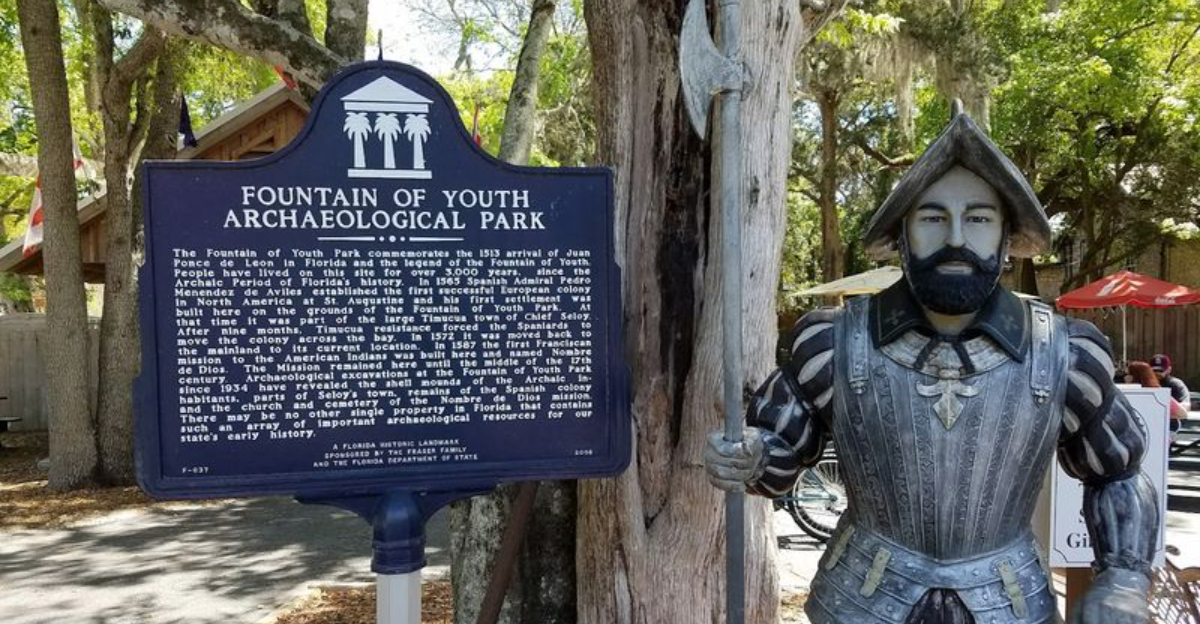
11. Fountain of Youth Archaeological Park
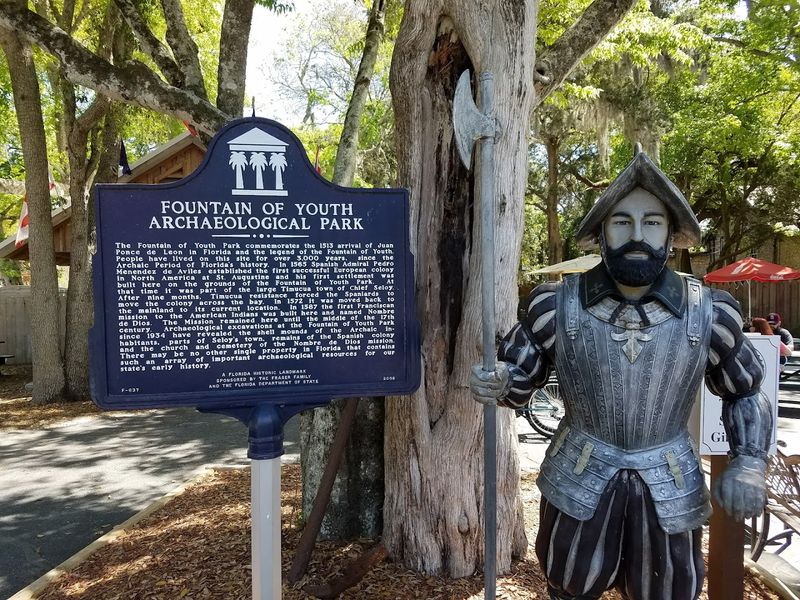
St. Augustine claims to be the location where Ponce de León searched for the legendary Fountain of Youth, though historians largely disagree. That hasn’t stopped this park from building an entire attraction around the myth.
Visitors can actually drink from the supposed fountain, which is really just a natural sulfur spring that tastes absolutely terrible.
The park combines legitimate archaeology with tourist-friendly mythology, creating an unusual blend of education and fantasy. Real artifacts from Timucuan Native American settlements are displayed alongside exhibits about Spanish exploration.
Then you turn a corner and encounter actors in period costume offering you sulfur water that promises eternal youth.
Archaeological digs on the property have uncovered genuine 16th-century Spanish artifacts and a Christian burial ground that predates the founding of St. Augustine. These discoveries provide valuable historical information while the gift shop sells bottled fountain water that clearly hasn’t made anyone immortal yet.
A planetarium on site presents programs about celestial navigation and how Spanish explorers found their way across the ocean. Live demonstrations show how native Timucuans lived before European contact, including traditional crafts and survival skills.
The educational content is actually quite good when you ignore the whole fountain mythology.
Peacocks roam freely throughout the grounds, adding an unexpectedly elegant touch to the experience. These birds have nothing to do with history or fountains; they’re just there looking pretty and occasionally blocking pathways.
They’ve become unofficial mascots of the park.
The whole experience raises the question: Is this a historical site with a mythology problem or a theme park with archaeological credibility? Either way, it’s weird enough to be memorable.
12. The Shell Factory and Nature Park
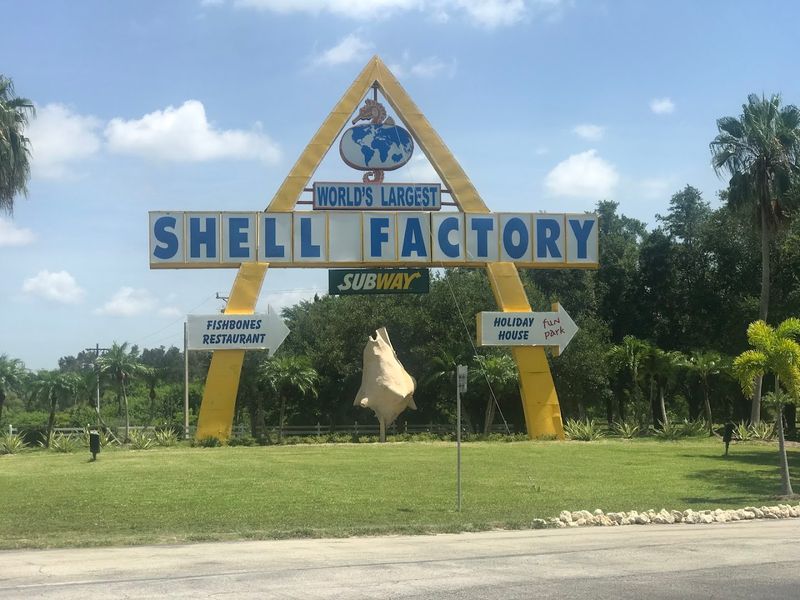
Calling this place just a museum would be like calling the ocean a puddle. The Shell Factory started as a simple roadside attraction selling seashells but grew into a sprawling complex that defies categorization.
Imagine a shell museum merged with a zoo, nature park, arcade, and restaurant all under one confusing roof.
The shell collection is legitimately impressive, featuring specimens from around the world ranging from tiny cowries to giant clams that weigh hundreds of pounds. Educational displays explain shell formation, identification techniques, and the ecological importance of mollusks.
Then you walk twenty feet and encounter a petting zoo with goats, emus, and wallabies.
Behind the main building, a boardwalk winds through a nature park where you can spot alligators, turtles, and native Florida birds. Peacocks strut around like they own the place while koi fish beg for food in decorative ponds.
The nature exhibits transition seamlessly into bumper boat rides and mini golf courses.
What makes this attraction weird is the complete lack of thematic consistency. One moment you’re learning about cephalopods, the next you’re playing arcade games or shopping for tropical plants.
The massive retail space sells everything from jewelry to furniture to inflatable pool toys. Nothing quite fits together, yet somehow it all works.
Families can easily spend an entire day here moving between completely different activities. The restaurant serves surprisingly decent food while overlooking the botanical gardens.
An aquarium section features touch tanks and educational programs about marine life.
It’s less a museum and more an experience that reflects Florida’s wonderfully chaotic approach to tourism.
13. Showmen’s Museum
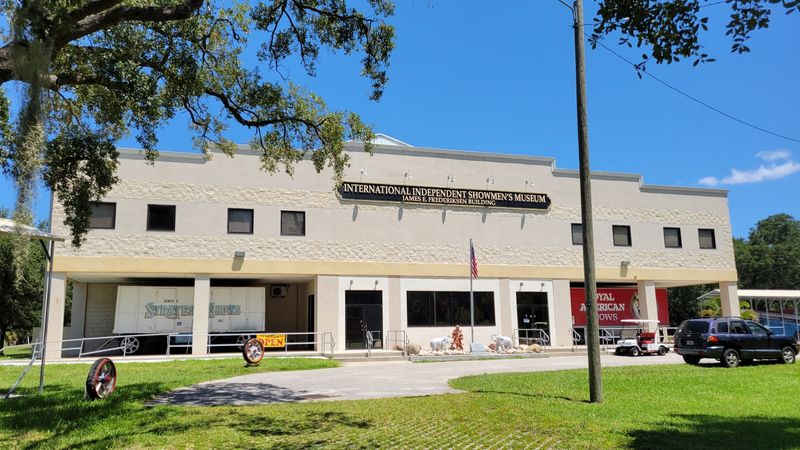
Gibsonton earned the nickname Showtown USA because carnival workers traditionally wintered here between touring seasons. This tiny museum celebrates that unique heritage through exhibits about circus life, carnival culture, and the golden age of traveling shows.
It’s located in a modest building that you might drive past without noticing.
The collection includes vintage carnival posters advertising acts you won’t see anymore, like sword swallowers and human blockheads. Photographs capture famous sideshow performers who once walked Gibsonton’s streets during off-season.
Equipment displays show the mechanical workings behind classic carnival rides and games.
What makes this museum particularly fascinating is its connection to a very specific subculture. Gibsonton still has special zoning laws that allow residents to keep carnival equipment on their property.
The town embraced its role as America’s carnival capital, and this museum preserves that unusual history.
Stories about legendary showmen and women fill the exhibits, revealing the tight-knit community behind the traveling entertainment industry. You’ll learn about the logistics of moving entire carnivals across country, the family dynasties that ran major shows, and how television eventually killed many traditional acts.
The museum is entirely run by volunteers, many of whom have personal connections to the carnival business. Their firsthand stories add authenticity that no professional museum could replicate.
They’ll share memories of growing up on the road and what it meant to be part of showmen culture.
It’s small, it’s niche, and it celebrates something most people never think about. The Showmen’s Museum reminds visitors that Florida’s weirdness extends beyond theme parks into legitimate subcultures with their own rich traditions.
Admission is minimal and the experience is absolutely unique.
14. Cassadaga Bookstore & Welcome Center
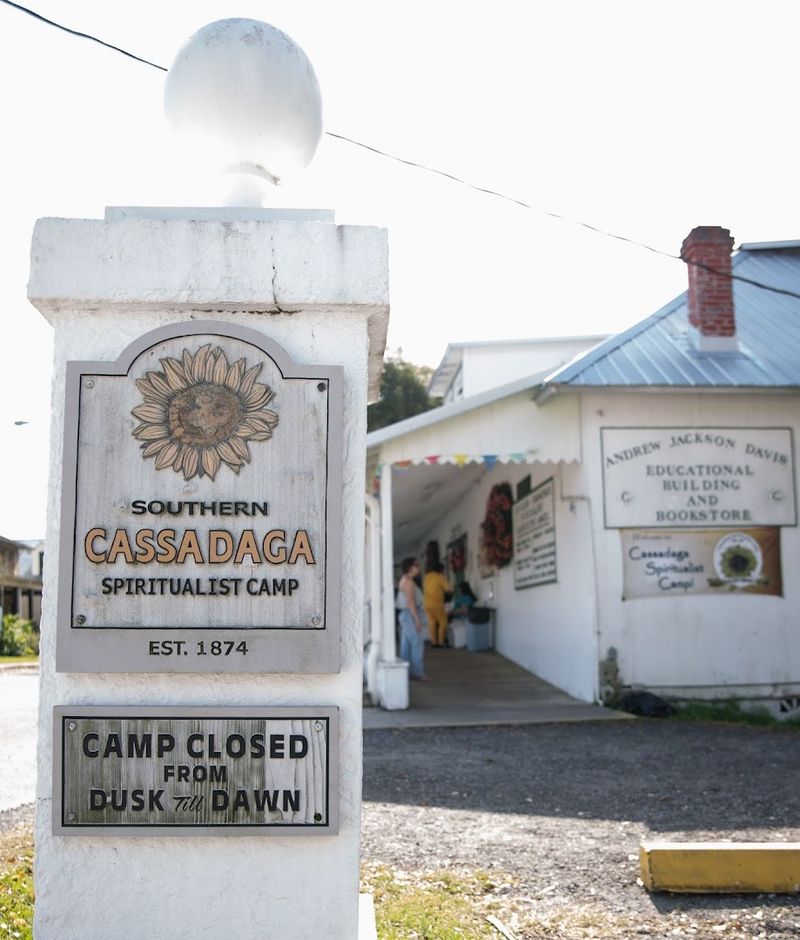
North of Orlando sits America’s oldest active spiritualist community, where mediums and psychics have practiced their craft since 1894. The camp’s tiny museum explains the history of spiritualism in America while serving as headquarters for a town dedicated to communicating with the dead.
Walking through Cassadaga feels like stepping into a parallel dimension where everyone believes in ghosts.
The museum building houses artifacts from famous mediums, photographs of spiritual phenomena, and literature explaining spiritualist beliefs. Displays cover the movement’s founding principles, including the belief that spirits of the dead can provide guidance to the living.
Everything is presented with absolute seriousness by people who genuinely believe in these practices.
What makes this place weird isn’t the museum itself but the entire town surrounding it. Victorian houses have been converted into psychic reading rooms where certified mediums offer consultations.
Streets are named after spiritualist leaders, and everything from the bookstore to the hotel caters to believers seeking supernatural experiences.
The museum offers historical context for spiritualism’s popularity in the late 1800s, when prominent figures including Arthur Conan Doyle embraced these beliefs. Photographs show séances and spiritual ceremonies conducted by camp residents over decades.
The movement had legitimate followers who viewed it as science rather than superstition.
Skeptics will find plenty to question, while believers discover a supportive community that takes their interests seriously. The museum doesn’t try to convince visitors either way; it simply presents the history and lets people draw their own conclusions.
Scheduled events include demonstrations of mediumship and healing circles.
It’s respectful, strange, and quintessentially Florida in its embrace of alternative belief systems.
15. Morikami Museum and Japanese Gardens
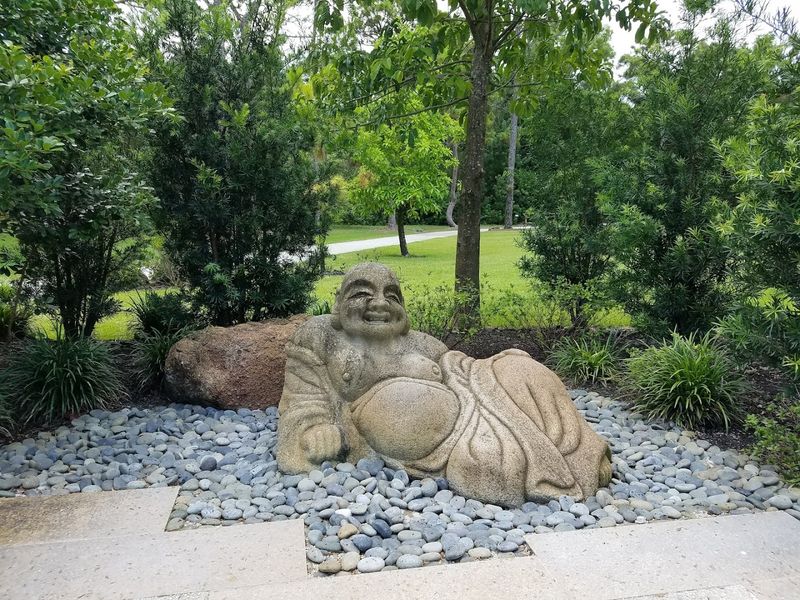
Finding authentic Japanese culture in South Florida seems unlikely until you discover this 16-acre oasis in Delray Beach. The Morikami Museum tells the improbable story of the Yamato Colony, a group of Japanese farmers who attempted to create an agricultural settlement in Florida during the early 1900s.
Most colonists eventually returned to Japan, but George Morikami stayed and later donated his land for this museum.
Six different gardens represent periods in Japanese garden design, from ninth-century paradise gardens to contemporary landscapes. Stone lanterns, bamboo groves, and carefully pruned bonsai trees create spaces that feel transported from Kyoto.
Koi fish as old as some visitors swim in ponds while visitors meditate on benches overlooking perfectly raked gravel.
The museum building showcases rotating exhibits about Japanese art, culture, and history. Collections include traditional textiles, ceramics, samurai armor, and contemporary works by Japanese artists.
Educational programs teach everything from tea ceremonies to origami folding techniques.
What seems weird is how well Japanese aesthetics translate to Florida’s climate and landscape. The gardens incorporate native plants alongside traditional Japanese species, creating hybrids that work surprisingly well.
Spanish moss hanging from oak trees somehow doesn’t clash with carefully maintained zen gardens.
The on-site Cornell Café serves Japanese-inspired cuisine with ingredients from local farms. Dining while overlooking the gardens provides a peaceful escape from South Florida’s typical chaos.
Special events include Lantern Festivals and cultural celebrations that attract both the Japanese-American community and curious visitors.
It’s not weird in a shocking way but rather in its unexpected existence. Finding this level of cultural authenticity tucked into suburban Delray Beach feels like discovering a secret that shouldn’t exist but somehow does beautifully.