The Nation’s First Jellyfish Museum Just Opened In Pompano Beach, Florida
Florida just got a whole lot more interesting with the opening of America’s first museum dedicated entirely to jellyfish. Located right on Ocean Boulevard in Pompano Beach, this specialized attraction brings together around 20 different jellyfish species from across the globe in one mesmerizing space. Whether you’re a marine life enthusiast or just looking for something completely different to do, this intimate museum offers an experience you won’t find anywhere else in the country.
1. A Marine Biologist’s Dream Brought to Life
Alexander, the museum’s owner and an acclaimed marine biologist with experience spanning from Japan to Ukraine, poured his expertise into every corner of this attraction. His wife joined forces with him to create something truly special for South Florida. Together they’ve built an underwater world that educates while it captivates.
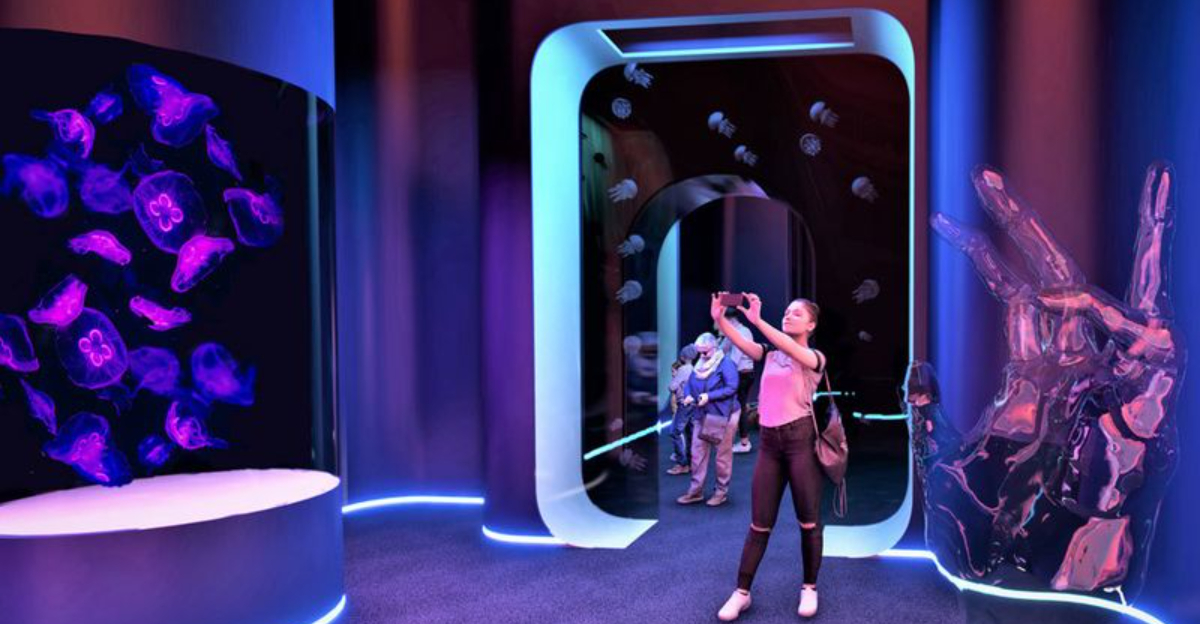
The attention to detail shows immediately when you walk through the door. From the specialized life-support systems hidden behind the walls to the overhead lighting designed to mimic jellyfish shapes, nothing here happened by accident. Every element serves a purpose in creating the right environment for these delicate creatures while giving visitors an unforgettable experience.
What makes this place stand out is the genuine passion behind it. Alexander’s background in marine biology means these jellyfish aren’t just pretty displays—they’re thriving in carefully maintained habitats that meet their exact needs. The water quality, flow patterns, and environmental conditions are all precisely controlled using systems that run from floor to ceiling throughout the exhibit space.
Visitors quickly notice the difference between a museum created by someone who truly understands these animals versus a typical aquarium setup. The knowledge and care invested here transforms what could have been a simple viewing experience into something educational and inspiring for guests of all ages.
2. Twenty Rare Species Under One Roof
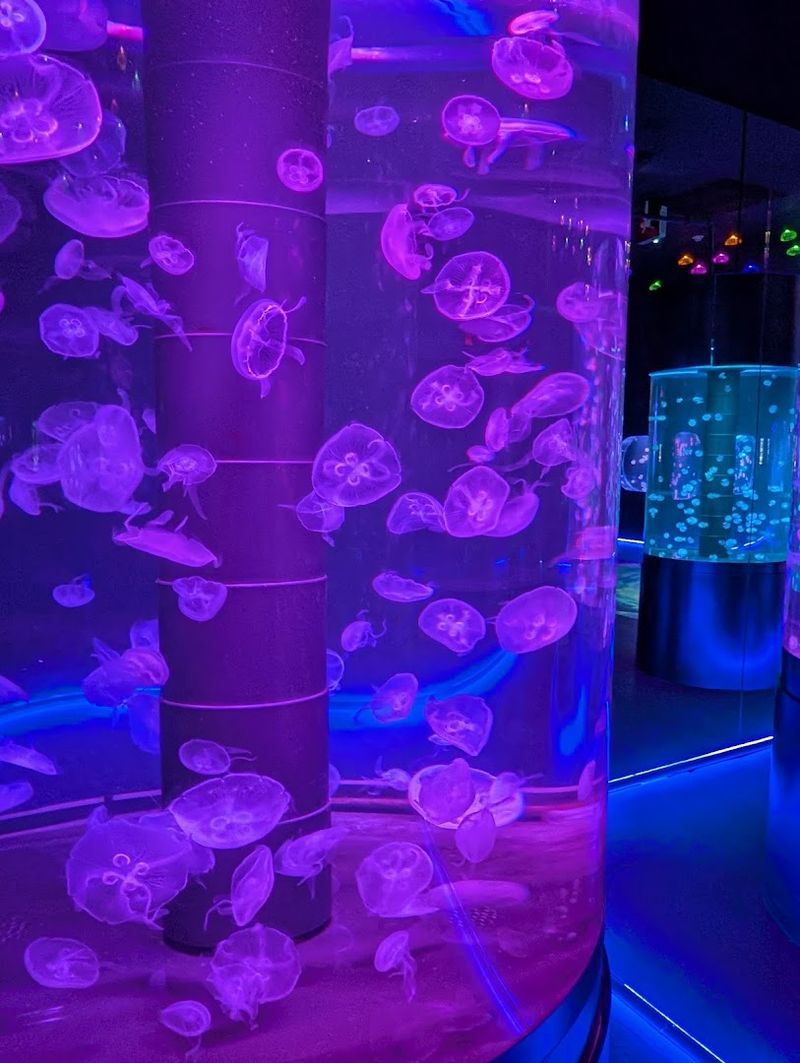
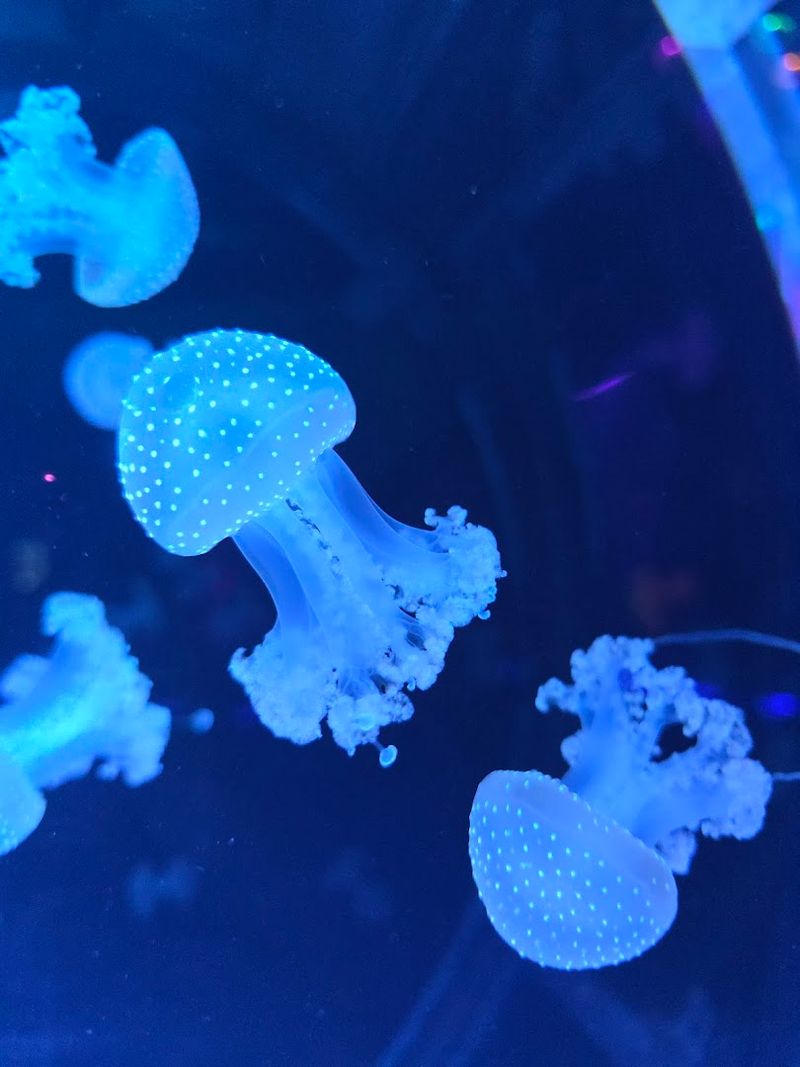
Most people will never see even half the jellyfish species housed at this Pompano Beach location. The museum showcases approximately 20 different types from waters around the world, many of which would require extensive travel to observe in their natural habitats. From tiny transparent specimens to larger, more dramatic varieties, the collection represents a remarkable diversity of these ancient creatures.
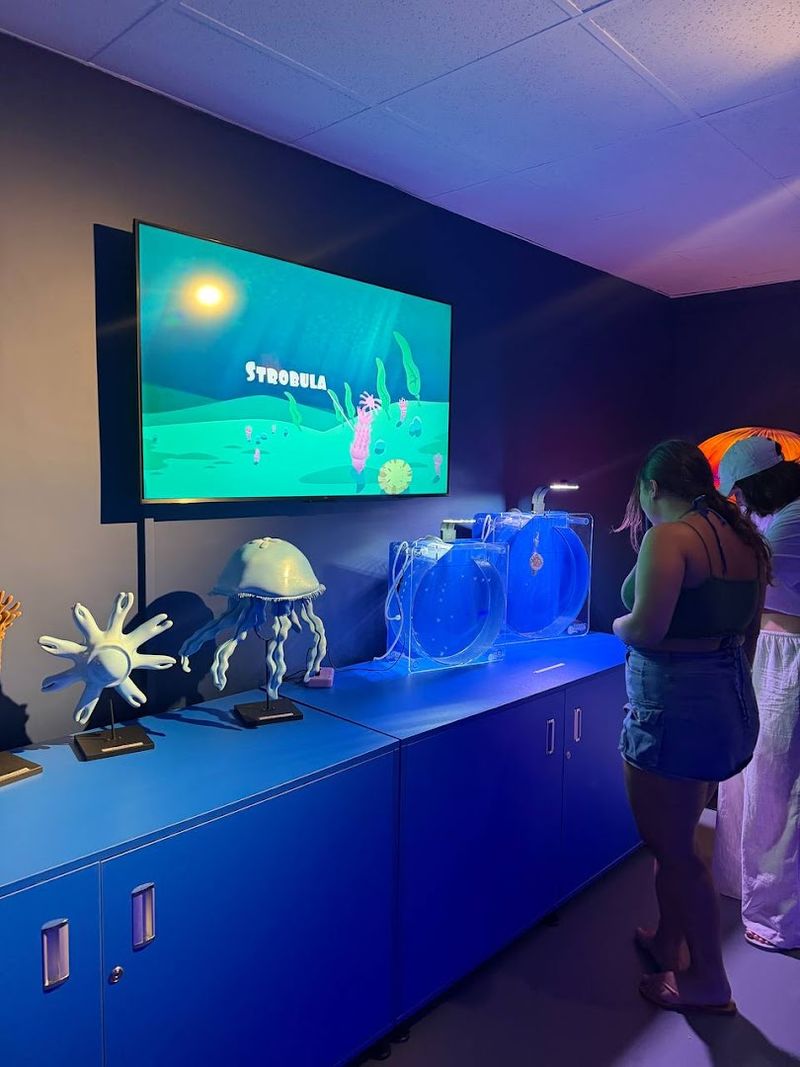
Each species gets its own carefully curated display with detailed information about its biology, behavior, and natural habitat. You’ll discover that not all jellyfish are dangerous—some are actually edible, which surprises most visitors. The educational panels explain the unique characteristics that set each species apart, from their feeding patterns to their reproduction cycles.
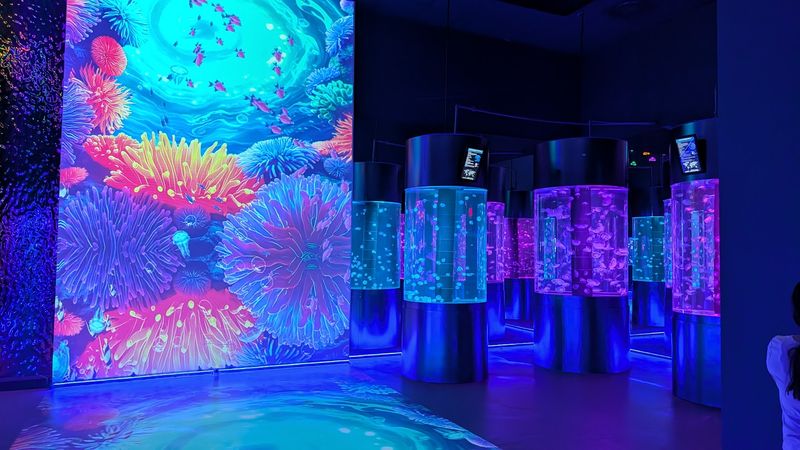
The tanks themselves are works of art. Clean, well-maintained, and beautifully lit, they showcase the jellyfish like living sculptures floating through space. The lighting design enhances the natural beauty of these creatures without overwhelming them, creating an almost hypnotic effect as you move from exhibit to exhibit.
What’s particularly fascinating is learning about the important role jellyfish play in scientific research and medicine. The museum doesn’t just show you pretty animals—it helps you understand why these creatures matter to ocean ecosystems and human advancement. That educational component elevates the entire experience beyond simple entertainment.
3. Knowledgeable Staff Make All the Difference
Naphtalie stands out as the museum’s star educator, and visitors consistently mention her in their reviews. This highly educated woman brings genuine passion to every conversation, walking through the exhibits answering questions and sharing fascinating details about the jellyfish on display. Her enthusiasm is contagious, turning casual visitors into captivated students.
She doesn’t just recite memorized facts. Naphtalie engages with guests individually, tailoring her explanations to their interests and questions. Whether you’re bringing young children who want simple answers or you’re a curious adult seeking deeper scientific understanding, she adjusts her approach accordingly.
The museum offers guided tours for an additional fee, but even without purchasing the formal tour, staff members like Naphtalie make themselves available throughout your visit. Many guests report feeling like they received a private tour simply because the staff took time to connect with them personally and share their knowledge generously.
This level of personal attention transforms the experience completely. Instead of just reading signs in a dark room, you get real-time answers to your specific questions. You can ask about particular species, learn about jellyfish behavior, or dive into conservation topics—whatever interests you most.
The staff’s willingness to engage makes visitors feel valued and enhances the educational value tremendously.
4. Perfectly Sized for Focused Attention
Some visitors expect a sprawling facility and feel disappointed by the museum’s intimate size. However, the compact layout is actually one of its greatest strengths. This isn’t a place where you’ll get lost or overwhelmed—it’s designed for focused, meaningful engagement with each exhibit.
Most guests spend between 45 minutes to over an hour exploring the space, though the experience varies based on your interest level. If you rush through reading nothing and barely pausing, you might finish in 15 minutes. But if you actually take time to observe the jellyfish, read the educational content, and appreciate the details, you’ll find plenty to hold your attention.
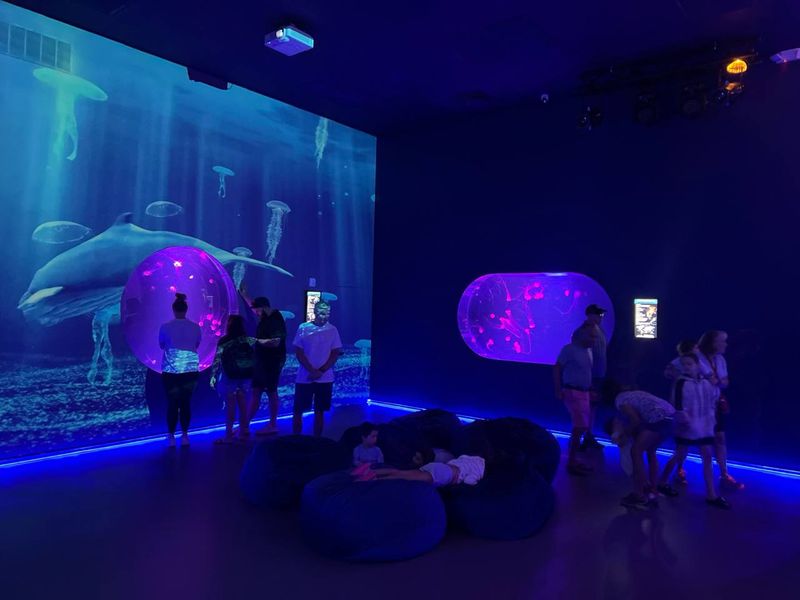
The immersive atmosphere created by the lighting and layout encourages you to slow down. The calm, beautiful environment feels intentionally designed to provide respite from the typical overstimulating tourist attraction. You won’t find crowds pushing past you or noise overwhelming the peaceful setting.
Think of it as a specialized gallery rather than a massive aquarium complex. The focus remains entirely on jellyfish, allowing for depth rather than breadth. You leave knowing these particular creatures well instead of having glimpsed hundreds of different animals without really learning about any of them.
For families with young children or anyone who appreciates a more manageable experience, this size works perfectly.
5. Accessibility Done Right
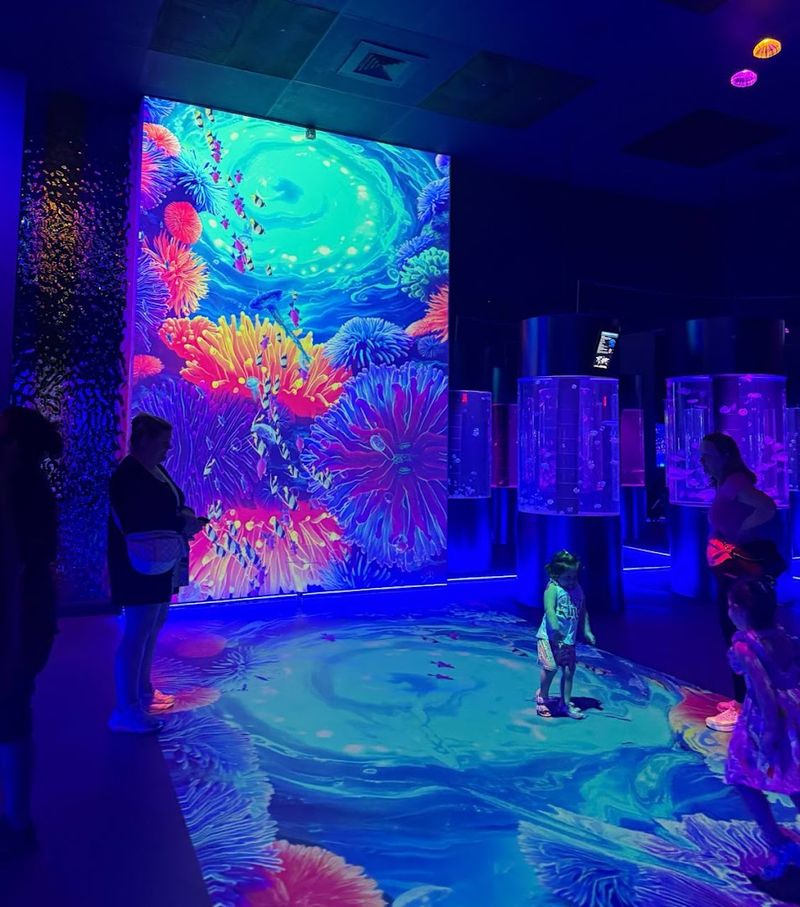
Wheelchair users and visitors with service dogs will find this museum genuinely welcoming. The pathways throughout the exhibits accommodate mobility devices comfortably, and service dogs are explicitly welcome. These aren’t just token gestures—the design shows real consideration for visitors with different needs.
The lighting deserves special mention for accessibility purposes. Many aquarium settings use dramatic lighting that can trigger sensory issues for some guests. Here, the lighting creates atmosphere without becoming overstimulating.
The space remains calm and not overwhelming, which benefits visitors with sensory sensitivities as well as anyone seeking a peaceful experience.
Temperature control is another thoughtful touch. The air conditioning keeps the interior comfortably cool, which matters when you’re visiting Florida. Combined with the non-overstimulating environment, this makes the museum particularly suitable for individuals who might struggle with typical tourist attractions that tend toward chaos and crowds.
Free parking removes another common accessibility barrier. You won’t need to worry about finding street parking or paying premium rates at a garage. The combination of physical accessibility features, sensory-friendly design, and practical conveniences like free parking demonstrates that the museum takes inclusion seriously.
These details make the experience genuinely available to a wider range of visitors than many similar attractions.
6. Interactive Elements for Young Visitors
Parents bringing little ones will appreciate the interactive activities designed specifically for children. The museum recognizes that young visitors learn best through engagement rather than just passive observation. These hands-on elements keep kids interested while teaching them about marine life in age-appropriate ways.
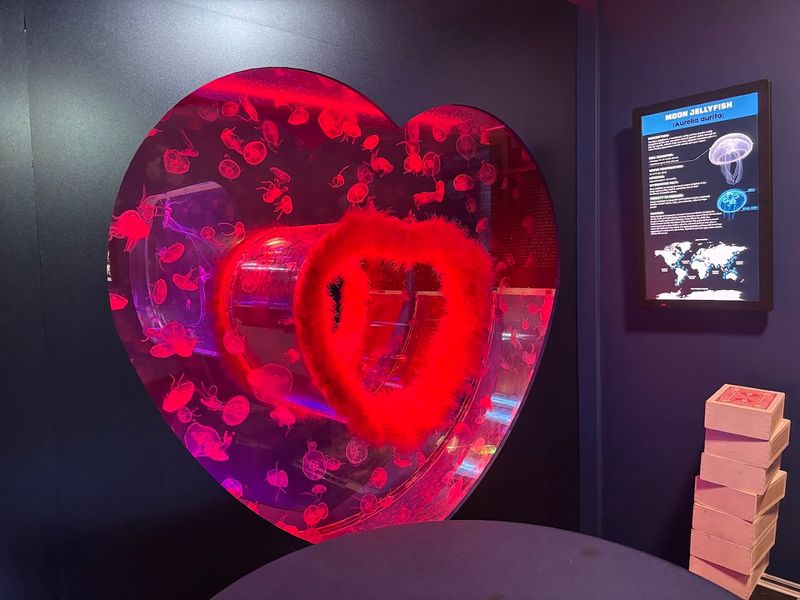
One highlight is the photo opportunity at the jellyfish heart tank. Kids love putting their heads in the center of this specially designed display for a memorable picture. It’s become one of those must-do moments that families plan for, creating a tangible memory of their visit beyond just looking at tanks.
The museum maintains a kid-friendly atmosphere throughout. Staff members know how to communicate with children effectively, answering their questions with enthusiasm and patience. The exhibits include information presented at different levels, so both kids and adults can learn something new during their visit.
Children under three get free admission, and seniors plus Florida residents receive discounts, making this an affordable family outing. The compact size actually works in favor of families with young children—you can see everything without little legs getting too tired or attention spans wearing thin. Parents report that their kids genuinely enjoyed the experience and learned interesting facts about jellyfish they didn’t know before visiting.
7. Practical Visit Information
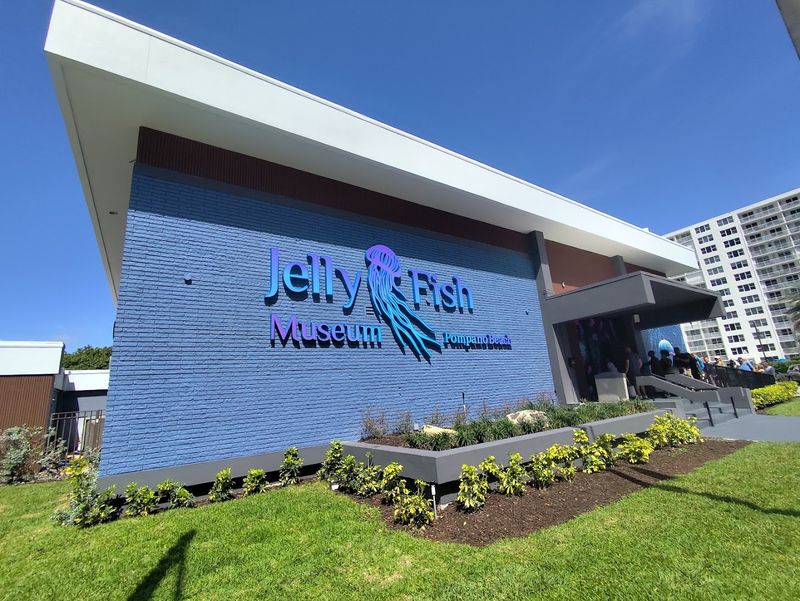
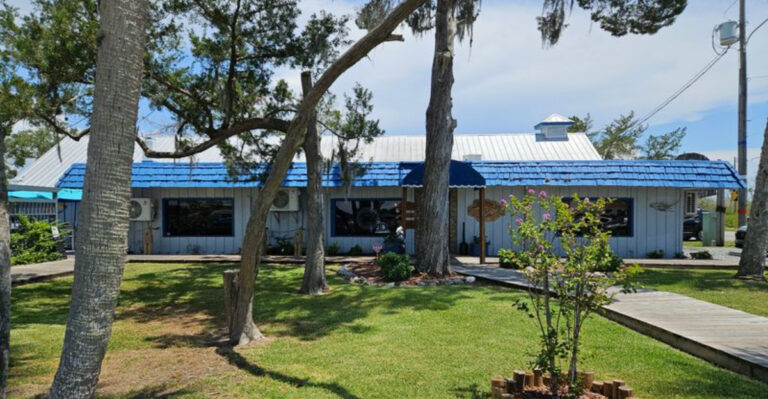
The museum sits at 199 North Ocean Boulevard in Pompano Beach, making it easy to find along the coast. Hours run from 10 AM to 7 PM seven days a week, giving you flexibility in planning your visit. Just note they’re currently closed but open at 10 AM, so plan accordingly if you’re heading there early.
Pricing has generated mixed reactions from visitors. Some feel it’s steep for the size of the attraction, while others consider it reasonable for such a specialized experience featuring rare species you can’t see elsewhere. The museum offers senior discounts and Florida resident discounts, which helps make it more accessible to locals and older visitors.
Call ahead at 866-535-5935 if you have specific questions or want to book a guided tour. The 45-minute tours provide deeper educational content and are led by knowledgeable docents who can share insights beyond what the exhibit panels cover. Even without the formal tour, staff members remain available throughout the museum to answer questions.
One heads-up: some recent visitors encountered maintenance issues with the restrooms. The museum management has acknowledged this problem and is working to complete repairs quickly. It’s worth calling before your visit to confirm facilities are fully operational, especially if you’re bringing young children who might need bathroom access during your time there.
8. Future Programming and Special Events
The museum isn’t resting on its current offerings. Staff members have mentioned plans to bring in guest speakers, which would add another dimension to the educational experience. Imagine hearing from marine biologists, conservationists, or researchers who work directly with jellyfish in various capacities around the world.
These future events could transform the museum into more than just a place to view exhibits. It might become a community hub for marine science education in South Florida. The intimate size actually works well for speaker events, creating an environment where audience members can interact directly with presenters rather than sitting in a massive auditorium.
The museum already hosts different events, though specific details vary. Checking their website at jellyfish-museum.com or calling ahead will give you current information about any special programming during your planned visit. These events could include educational workshops, conservation discussions, or themed experiences that deepen your understanding of jellyfish and ocean ecosystems.
This forward-thinking approach suggests the museum sees itself as an evolving institution rather than a static attraction. As they continue developing programming and potentially expanding their exhibits, early visitors get to experience something genuinely new. The combination of Alexander’s expertise, the dedicated staff, and plans for enhanced educational offerings positions this museum to grow into an even more valuable resource for marine science education.