10 Hidden Florida Roadside Stands Locals Don’t Want You to Know About
Florida’s back roads hide some of the best food and shopping experiences you’ll ever find, tucked away where tourists rarely venture. These aren’t your typical highway rest stops—they’re family-run treasures where locals have been shopping for generations, offering everything from fresh-baked cinnamon rolls to sun-ripened citrus straight from the grove. The people who run these stands know your name, remember how you like your strawberries, and won’t steer you wrong when it comes to what’s ripe and ready.
Once you discover these spots, you’ll understand why locals have kept them quiet for so long.
1. Knaus Berry Farm (Homestead)
People start lining up before dawn at this legendary farm stand, and once you taste their cinnamon rolls, you’ll understand the obsession. The sweet, sticky pastries come out of the oven throughout the morning, filling the air with a smell that’ll make your mouth water from the parking lot. These aren’t delicate little breakfast treats—they’re hefty, gooey spirals that require multiple napkins and zero shame.
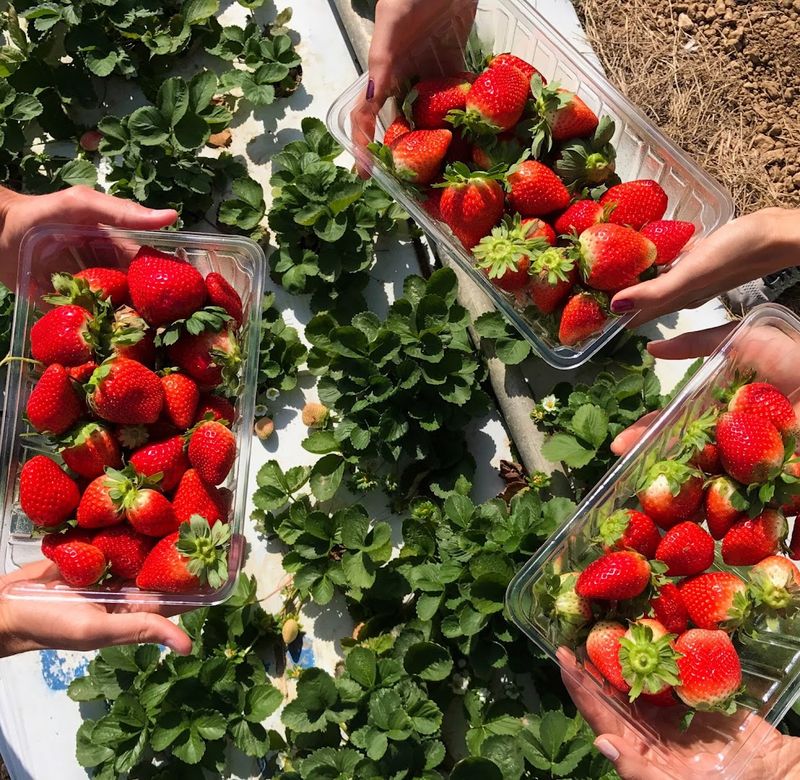
The farm opens seasonally from November through April, which makes every visit feel like a special occasion. Beyond the famous rolls, you’ll find fresh-picked strawberries that taste like actual fruit instead of crunchy water, plus tomatoes, green beans, and whatever else is ready in the fields. The Knaus family has been farming this land since 1956, and they still do things the old-fashioned way.
Cash is king here, so hit the ATM before you arrive. The line moves faster than you’d expect because the staff works like a well-oiled machine, even during peak season when cars pack the dirt lot. Grab extra cinnamon rolls for the road—they reheat beautifully, though most people eat them cold straight from the box.
Fair warning: once you’ve had these, grocery store bakery sections will never satisfy you again.
2. Yellow Green Farmers Market (Hollywood)
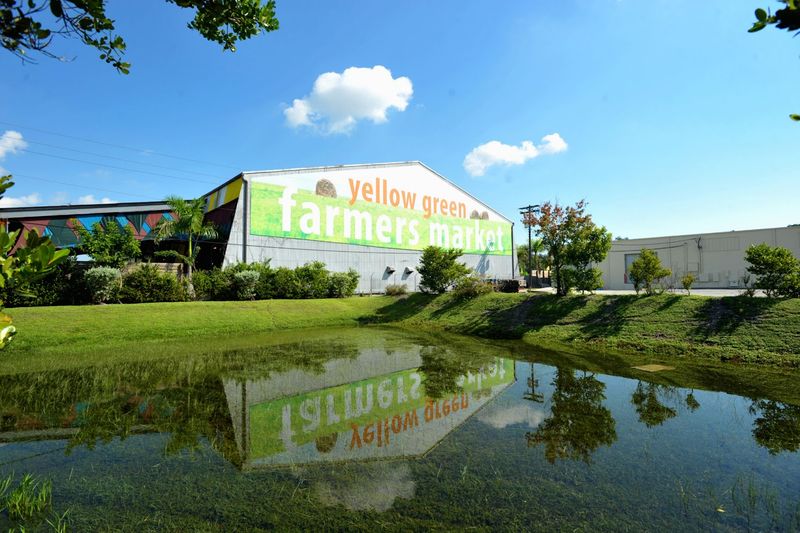
Forget everything you think you know about farmers markets. This sprawling complex feels more like a festival that never ends, spreading across acres of covered stalls where vendors sell everything from organic mangoes to handmade furniture. The energy here hits different—music playing, people chatting in multiple languages, and the constant motion of shoppers hunting for deals.
Open every weekend, Yellow Green pulls in serious crowds who know this is where restaurants and caterers shop alongside regular families. You’ll find produce at prices that make supermarkets look ridiculous, plus prepared foods from vendors who’ve perfected their recipes over decades. The Colombian arepas, fresh-squeezed juices, and Cuban pastries alone make the trip worthwhile.
Wear comfortable shoes because you’ll be walking. The market sprawls in multiple directions, and every turn reveals another section you didn’t know existed. Some vendors only accept cash, though more are adding card readers.
The real pros arrive early for the best selection, but late afternoon brings price drops as vendors want to clear inventory before closing.
This isn’t some precious artisanal market where everything costs triple—it’s where working families stock up for the week. Bring bags, bring patience for parking, and bring an appetite for both shopping and sampling.
3. The Orange Shop (Lake Wales)
You can’t miss this place—literally. The building itself looks like a giant orange, the kind of roadside architecture that makes you slam on the brakes and grab your camera. But this isn’t just a tourist trap photo op; locals have been stopping here since 1936 for citrus that actually tastes like Florida sunshine.
The shop sits in the heart of citrus country, which means the fruit hasn’t traveled across the country losing flavor in a refrigerated truck. Oranges, grapefruits, and tangerines get picked at peak ripeness, and the difference is shocking if you’re used to supermarket citrus. They’ll ship anywhere in the country, which is how this place stays busy even when tourist season ends.
Inside, you’ll find more than just fruit. The shelves hold every orange-flavored product imaginable—marmalades, candies, honeys, and even orange blossom perfume. The staff knows their citrus varieties and will steer you toward whatever’s tasting best that particular week.
Some oranges are better for juice, others for eating, and they’ll explain the difference without making you feel dumb for asking.
Prices stay reasonable because they’re not trying to gouge tourists—they want repeat business from locals who drive past regularly. Grab a bag of whatever’s in season and taste what Florida citrus is supposed to be.
4. Robert Is Here (Homestead)
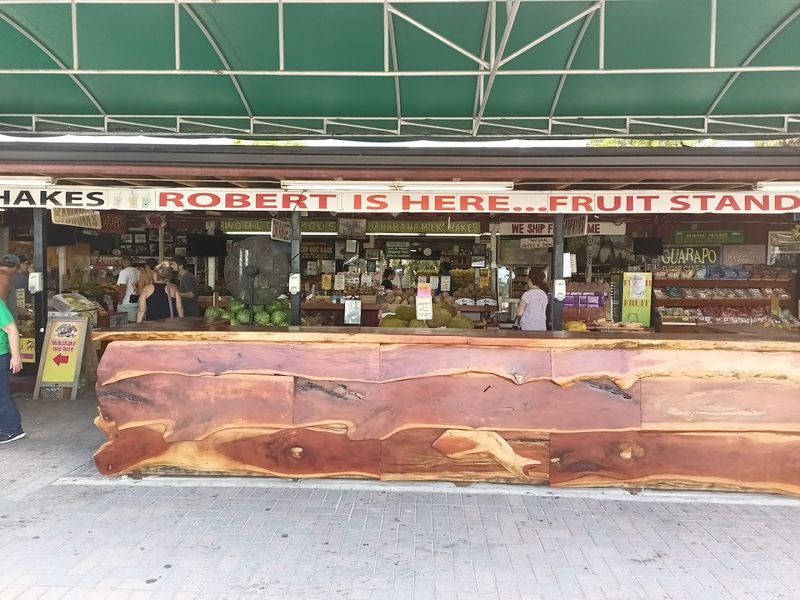
Robert opened his fruit stand in 1959 when he was six years old, and that scrappy entrepreneurial spirit still defines this place. Now it’s become a Homestead institution where you can find fruits most Americans have never heard of, let alone tasted. Dragon fruit, mamey sapote, sugar apple, carambola—if it grows in South Florida’s tropical climate, Robert probably has it.
The stand doubles as an education in exotic agriculture. Staff will cut samples and explain how to eat things, which matters when you’re dealing with fruits that have inedible skins, giant seeds, or specific ripeness windows. Their key lime milkshakes have achieved legendary status, thick and tart and absolutely worth the calories.
The fruit smoothies blend whatever’s fresh that day into combinations you won’t find at chain smoothie shops.
Kids love the small petting zoo out back, which keeps them entertained while adults browse. The animals aren’t fancy—just friendly goats, chickens, and a tortoise—but they’re well-cared-for and used to attention. This makes Robert Is Here a solid family stop rather than just a fruit stand.
Prices reflect the quality and rarity of what’s being sold. You’re not going to find bargain-basement deals on dragon fruit, but you’re also not getting ripped off. Cash and cards both work fine here, and they’ll pack fruit carefully for travel.
5. Yalaha Bakery (Yalaha)
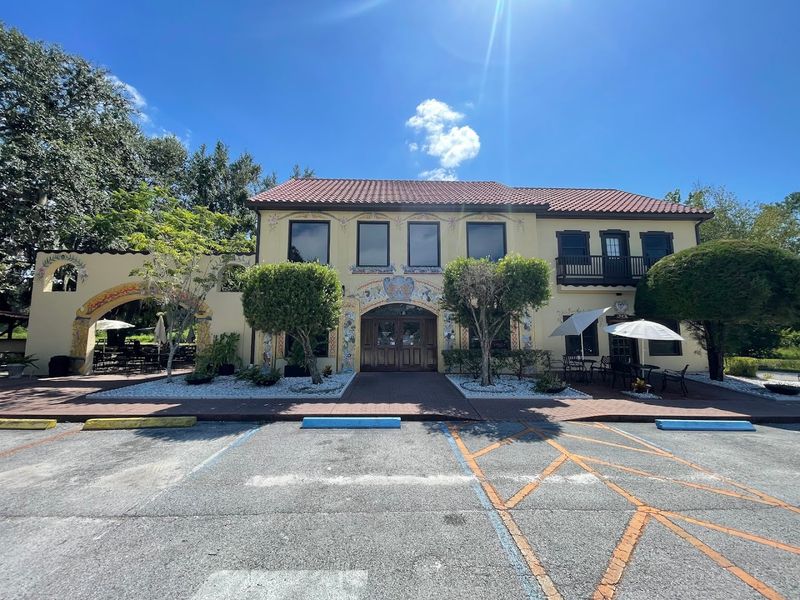
A German bakery in the middle of nowhere Florida sounds like someone’s fever dream, but Yalaha Bakery has been serving authentic European pastries since 1987. The tiny town of Yalaha barely registers on most maps, which is exactly how regulars like it. They drive from Orlando, Tampa, and beyond for strudel, stollen, and pretzels that would hold their own in Munich.
Everything comes out of the ovens fresh daily, and when they sell out, they’re done for the day. This isn’t a place with industrial mixers and preservatives—it’s old-world baking techniques producing limited quantities of exceptional products. The apple strudel alone justifies the drive, with paper-thin pastry wrapped around spiced apples that taste like someone’s German grandmother made them.
Seating is limited to a few outdoor tables, so most people grab their goods and go. The staff moves efficiently but won’t rush you if you’re trying to decide between six different types of cookies. Cash is preferred, though they do take cards now.
Arrive before noon on weekends unless you enjoy disappointment, because popular items vanish fast.
The bakery closes for several weeks in summer, so check their schedule before making the drive. When they’re open, they’re worth every mile. Bring a cooler if you’re traveling far—the cream-filled pastries need to stay cool, and you’ll definitely buy more than you planned.
6. Plant City Farm and Flea Market (Plant City)
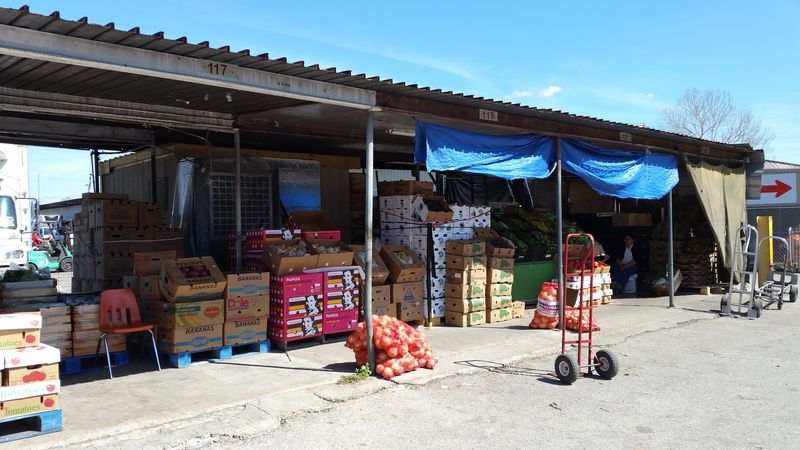
Plant City calls itself the Winter Strawberry Capital of the World, and this market proves it every weekend from December through April. Mountains of fresh strawberries arrive daily from surrounding farms, priced so low that buying supermarket berries afterward feels like a personal insult. But strawberries are just the beginning of what makes this market worth the trip.
The flea market side sprawls across multiple buildings and outdoor spaces, selling everything from power tools to vintage Florida postcards. You never know what you’ll find, which is exactly the point. One vendor specializes in local honey varieties, another sells handmade hot sauces that’ll clear your sinuses, and someone’s always grilling something that smells amazing.
Locals treat this place like their weekend social club, catching up with neighbors while shopping for produce and random treasures. The atmosphere stays relaxed and unpretentious—no one’s trying to be trendy or Instagram-worthy. It’s just honest commerce where people sell good stuff at fair prices.
Bring cash because many vendors don’t do cards, and ATM fees add up. The market opens early, and serious shoppers arrive when vendors are still setting up. By mid-morning, the place gets packed, especially during strawberry season when tourists discover it.
Parking is free but chaotic, so patience helps. Leave room in your car because you’ll buy more than you planned once you start browsing.
7. Sun Harvest Citrus (Fort Myers)
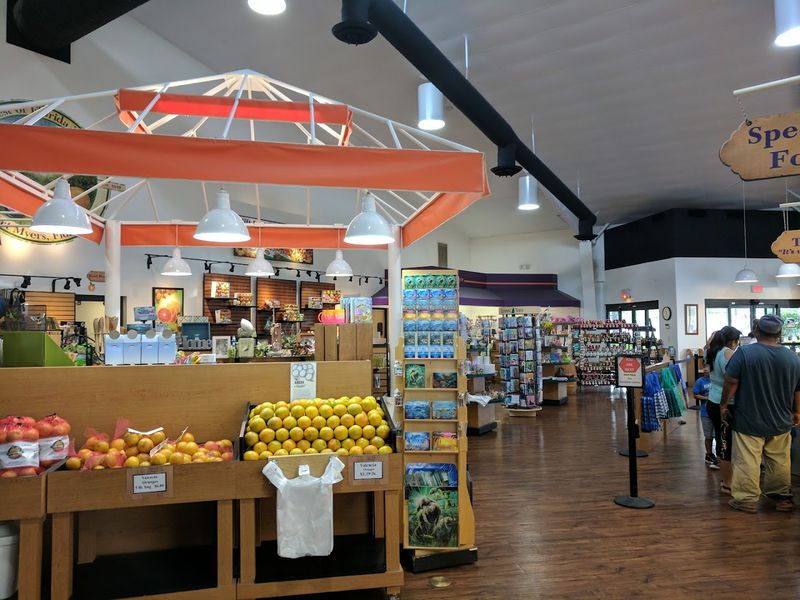
This working citrus grove lets you see where your fruit actually grows before you buy it, which feels increasingly rare in our shrink-wrapped world. Free tram tours run through the groves, explaining how citrus farming works and why Florida oranges taste different from California ones. The guides know their stuff and don’t mind answering questions, even the basic ones tourists ask repeatedly.
The market building sells citrus in every form imaginable—fresh fruit, juices, marmalades, candies, and gift boxes for shipping. Sampling is encouraged, so you can taste before committing to a whole bag. Their fresh-squeezed orange juice tastes nothing like the carton stuff, bright and sweet with just enough acid to keep it interesting.
They’ll also ship anywhere in the United States, which solves the problem of wanting more fruit than you can carry home.
Beyond citrus, they stock local honeys, jams, and Florida-made products that make decent souvenirs. The ice cream counter serves citrus-flavored scoops that sound weird but work surprisingly well—key lime, orange cream, and grapefruit sorbet all have their fans. Prices stay competitive because they’re selling their own harvest, cutting out middlemen.
The property includes picnic areas if you want to eat lunch surrounded by orange trees. It’s a solid stop for families because kids can run around safely while adults shop. The tram tour alone makes it worth visiting, even if you don’t buy anything, though you definitely will.
8. Webb’s Antique Mall and Produce Stand (Lakeland)
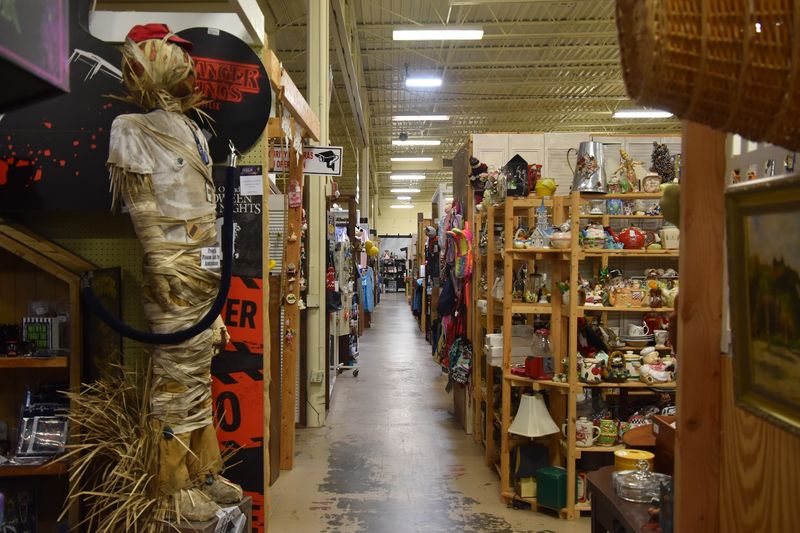
Only in Florida would someone combine an antique mall with a produce stand and have it make perfect sense. Webb’s has been doing this strange-but-effective pairing for decades, drawing customers who come for tomatoes and leave with a vintage lamp and a bag of green beans. The randomness is part of the charm—you never know if you’re shopping for dinner ingredients or furniture.
The produce side focuses on whatever’s growing locally, which changes throughout the year. During summer, tomatoes and corn dominate. Winter brings strawberries and citrus.
Everything gets priced to move because they’d rather sell it fresh than throw it away, which means deals for shoppers who aren’t picky about perfect-looking produce. The vegetables taste how they’re supposed to, which sounds basic but isn’t anymore.
The antique section sprawls across multiple rooms filled with furniture, glassware, tools, and the kind of random Florida memorabilia that decorates every beach house. Prices stay negotiable on bigger items, especially if you’re paying cash. Some vendors specialize in specific eras or items, while others seem to have cleaned out entire estate sales and dumped everything here.
The combination works because it gives couples something to do together when one person wants to shop for antiques and the other just wants tomatoes. Everyone leaves happy, usually carrying more than they planned. The place feels authentically old Florida, back when roadside stands were weird and wonderful and didn’t take themselves seriously.
9. Detwiler’s Farm Market (Sarasota)
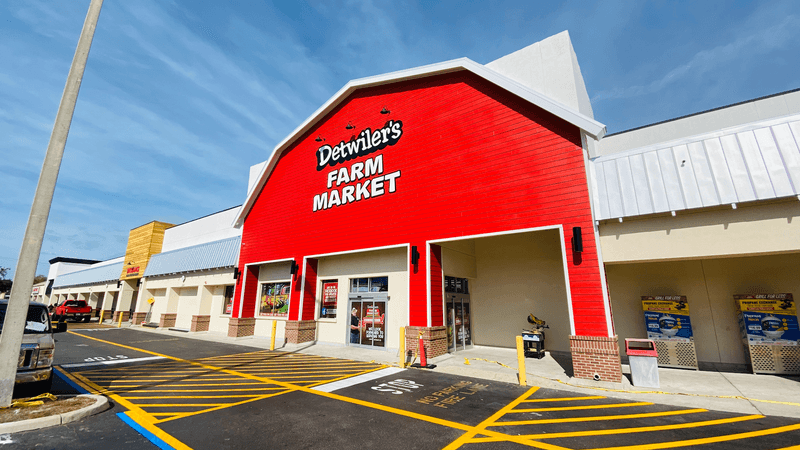
Detwiler’s started as a simple farm stand but grew into something much bigger without losing its focus on fresh, local produce. The market feels more polished than most roadside stands—clean, organized, and air-conditioned—but prices stay reasonable because they’re still connected to actual farms. You get the convenience of a grocery store with the quality and prices of a farmers market.
Their produce section puts supermarkets to shame, with vegetables that look like they were picked that morning because they probably were. The selection changes based on what’s actually growing, not what some corporate buyer decided to ship from across the country. Staff can tell you which farm each item came from, when it was harvested, and how to prepare it if you’re not sure.
Beyond produce, they stock local meats, fresh-baked breads, and prepared foods for people who want farm-fresh ingredients without cooking from scratch. The deli makes sandwiches that have developed their own following, piled high with quality ingredients at prices that won’t wreck your lunch budget. Their bakery section offers pies, cookies, and cakes that taste homemade because they basically are.
The market attracts a mix of locals doing weekly shopping and tourists who stumbled upon it and got excited about real Florida produce. Parking is easy, and they take all payment methods. It’s proof that farm markets can grow and modernize without turning into just another grocery store that happens to sell tomatoes.
10. Brown’s Grove Produce Market (Tampa)
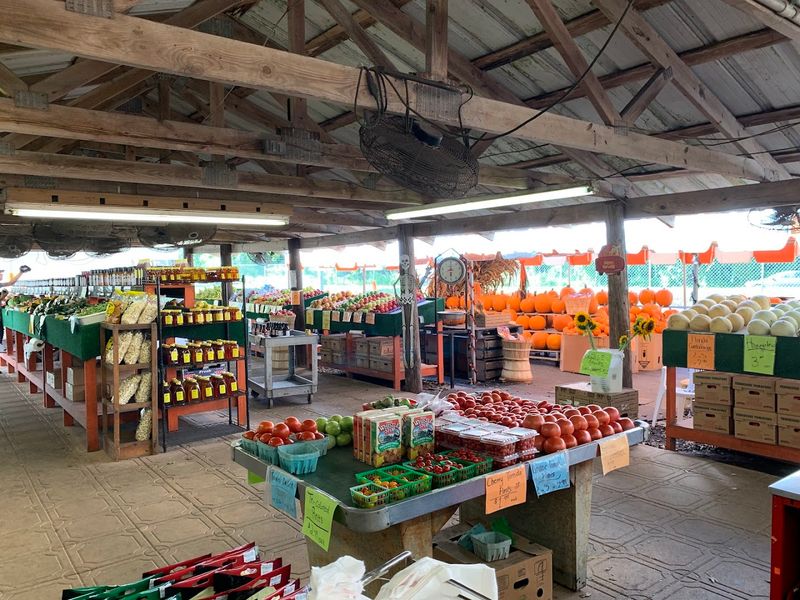
Brown’s Grove has been family-owned since 1976, back when Tampa still had working farms instead of endless subdivisions. The market sits on what’s left of their original grove property, a reminder of Florida’s agricultural past that somehow survived the development boom. They’ve stuck to their original mission: selling fresh, local produce at honest prices to neighbors who appreciate quality.
The seasonal selection reflects what actually grows in Florida rather than what ships well from California. During citrus season, their oranges and grapefruits come from nearby groves, sometimes picked the same day you buy them. Summer brings tomatoes, corn, and peppers that taste like vegetables instead of crunchy water.
They’re not trying to stock everything year-round because that would mean sacrificing quality for convenience.
What sets Brown’s Grove apart is the knowledge behind the counter. The family and long-time employees know their produce intimately—which varieties taste best, how to tell when something’s perfectly ripe, and how to store everything so it lasts. They’ll steer you away from items that aren’t great that particular week rather than making a sale on subpar produce.
The market also carries local honeys, jams, and other farm products from producers they trust. It’s the kind of place where regulars shop weekly, where staff remember your name, and where the focus stays on food that tastes good rather than looks perfect. Cash and cards both work, and the parking lot accommodates everyone from compact cars to pickup trucks.