This Mysterious Concrete Structure On A Florida Beach Has Visitors Doing A Double Take
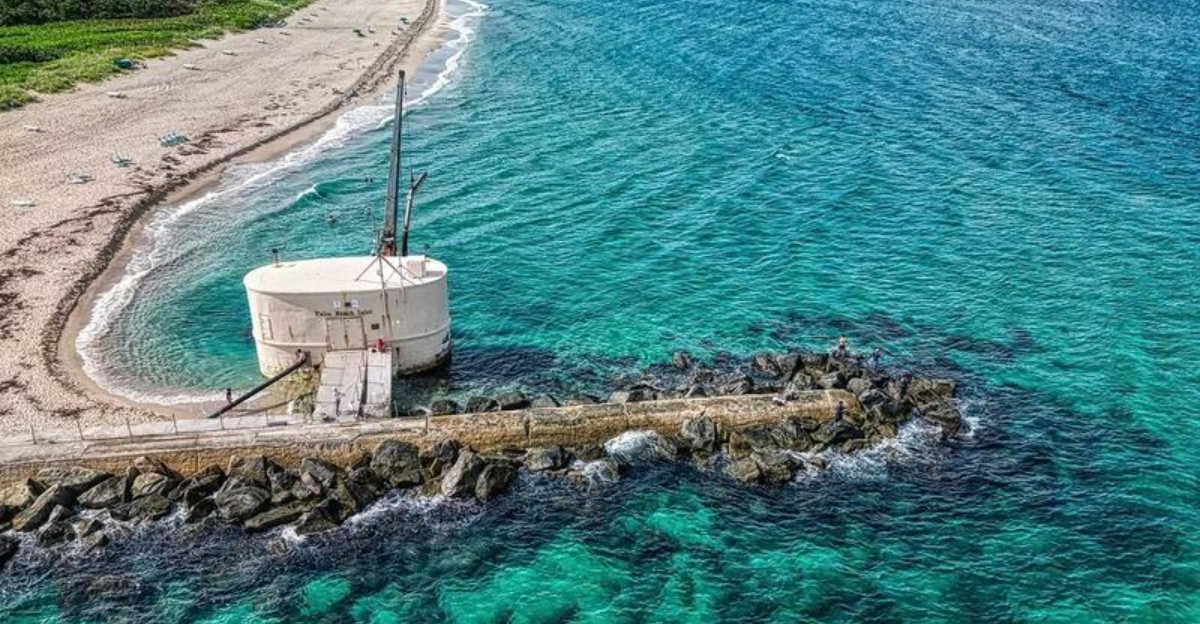
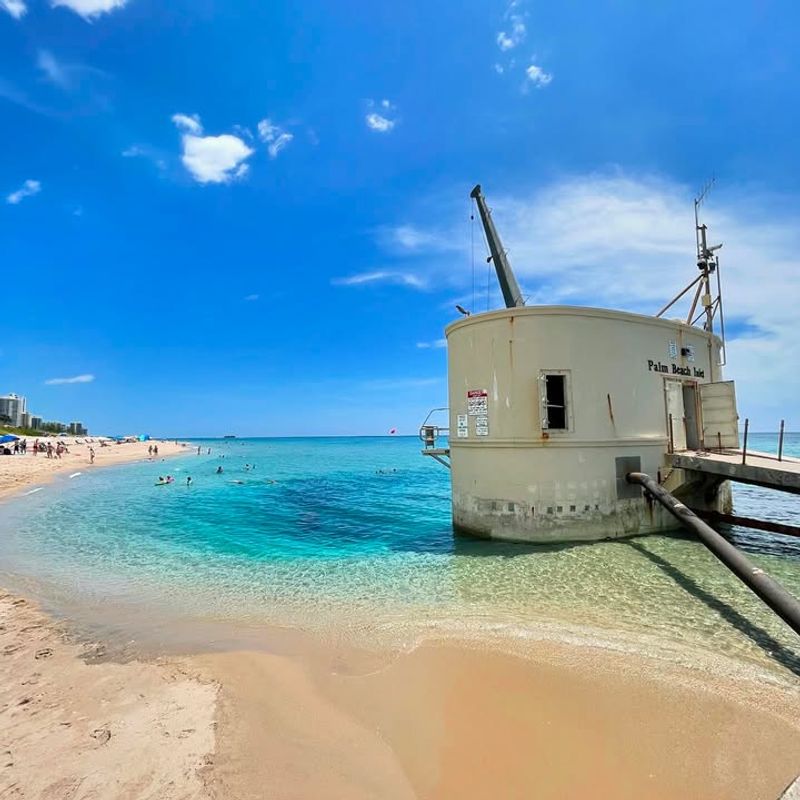
If you’ve ever walked along Singer Island near Palm Beach Shores, you’ve probably spotted a strange concrete structure jutting out near the Lake Worth Inlet. At first glance, it looks like an abandoned industrial relic or maybe even a piece of forgotten military history. But this isn’t some mysterious artifact—it’s actually a working sand transfer plant that’s been keeping Florida’s beaches beautiful and the Port of Palm Beach accessible for decades, and the area around it has become one of the most popular beach spots on the island.
1. The Original Sand Transfer Plant Built in 1958
Back in the late 1950s, engineers faced a serious problem at Lake Worth Inlet. Sand kept piling up in the inlet, making it harder for boats to reach the Port of Palm Beach. Someone had to come up with a solution, and fast.
The answer was the sand transfer plant, completed in 1958. This concrete structure wasn’t built to be pretty—it was built to work. Its job was simple but crucial: move sand from the north side of the inlet to the south side, keeping the waterway clear for shipping traffic.
The plant used powerful pumps to suck up sand and push it through pipes across the inlet. It was innovative engineering for its time, and it worked remarkably well. The concrete you see today is part of that original vision, though it’s been upgraded several times since.
What makes this structure so fascinating is that it’s still doing the exact same job it was designed for over 60 years ago. While tourists scratch their heads trying to figure out what it is, the Pumphouse keeps quietly working in the background. It’s become such a permanent fixture that locals can’t imagine the beach without it, and it’s earned its place as both a functional piece of infrastructure and an accidental landmark.
2. Multiple Upgrades Keep the System Running
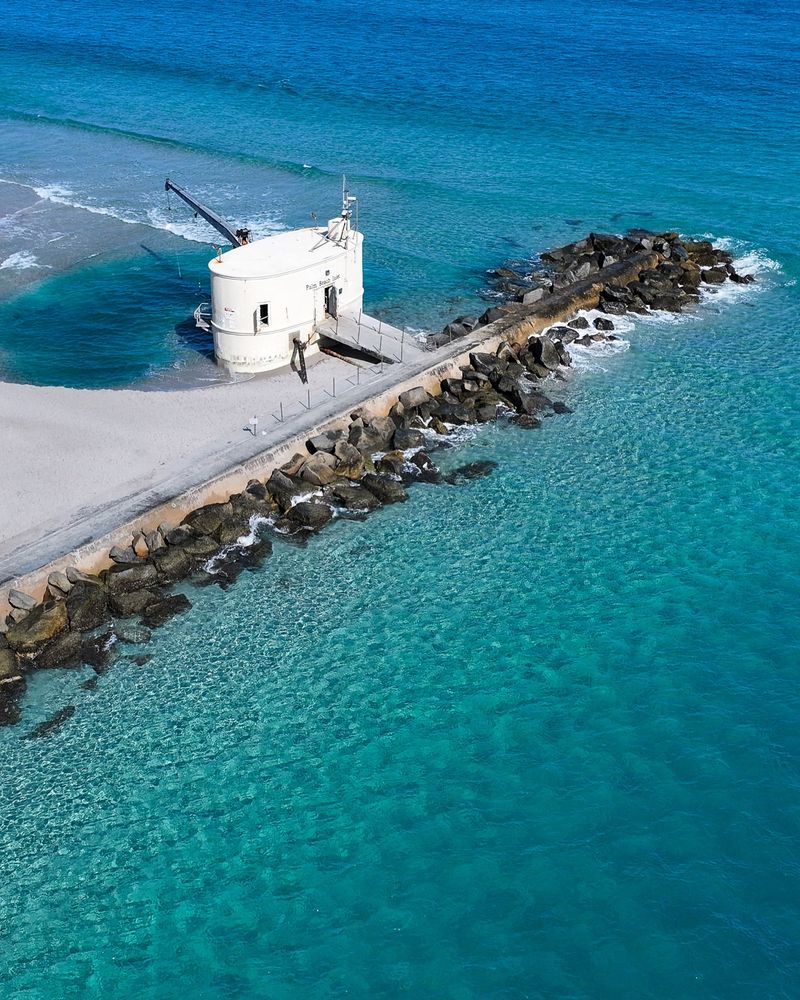
The original 1958 plant was just the beginning of a long story of improvements and rebuilds. Engineers upgraded the system in 1967 to handle more sand and work more efficiently. Then came another major upgrade in 1998 as technology advanced and the demands on the system increased.
By 2011, the plant needed more than just tweaks—it needed a complete rebuild. The new version incorporated modern pumping technology and improved controls while keeping the distinctive concrete structure that beachgoers had grown used to seeing. The rebuild cost millions but was essential for keeping both the inlet and the beaches healthy.
Each upgrade made the plant more powerful and more reliable. Today’s system can move thousands of cubic yards of sand, working around the clock when needed. The pumps are computer-controlled now, a far cry from the manual operations of the 1950s.
What’s remarkable is how the upgrades have happened without dramatically changing the structure’s appearance from the beach side. Sure, the equipment inside is completely different, but that concrete shell remains a constant. It’s a testament to the original design that the basic framework could be adapted and reused through six decades of technological change and increasing environmental demands.
3. How the Sand Bypass System Actually Works
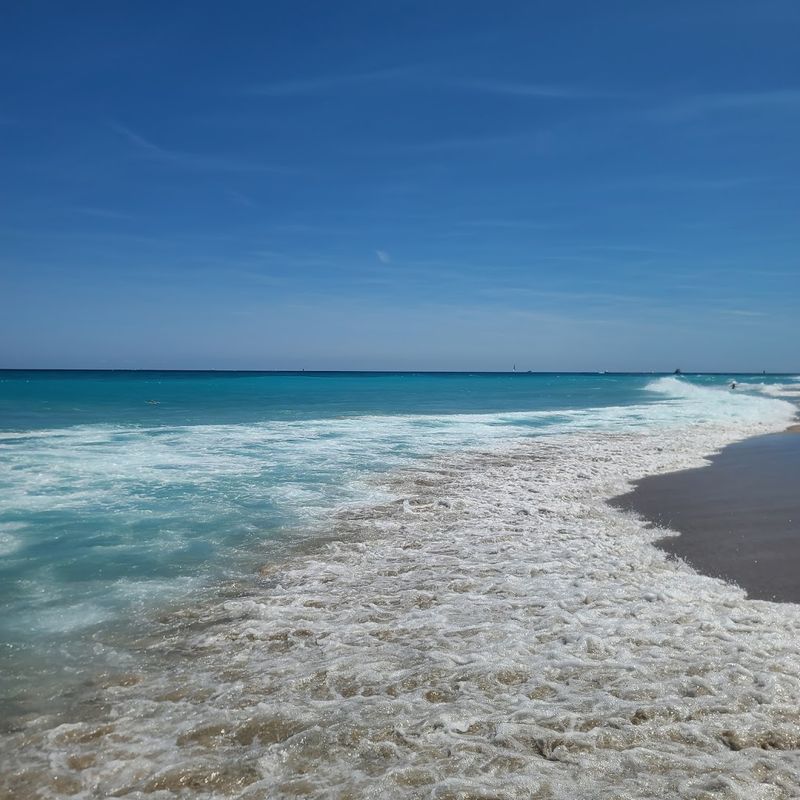
Ever wonder what’s actually happening inside that concrete structure? The science is pretty cool. Sand naturally moves along the coast with currents and waves, traveling from north to south in this area.
When it hits Lake Worth Inlet, it wants to fill in the channel—which would be a disaster for boats.
The Pumphouse intercepts that sand before it becomes a problem. Powerful pumps create suction that pulls sand and water from the north beach into intake pipes. The mixture gets pumped through underground pipes that run beneath the inlet, then deposited on the south beach where it belongs.
It’s basically giving the sand a shortcut across the inlet instead of letting it clog up the channel. The system runs continuously during peak sand movement seasons, processing enormous volumes. Without it, the Port of Palm Beach would need constant dredging, which is way more expensive and disruptive.
The process also benefits the beaches themselves. Palm Beach Island’s south end receives regular sand deposits that help fight erosion and keep the shoreline stable. It’s a win-win situation—clear navigation channels and healthy beaches.
The concrete structure you see houses all the pumps, motors, and control systems that make this happen, working away quietly while beachgoers enjoy the results.
4. The Pumphouse Beach Spot for Snorkeling and Surfing
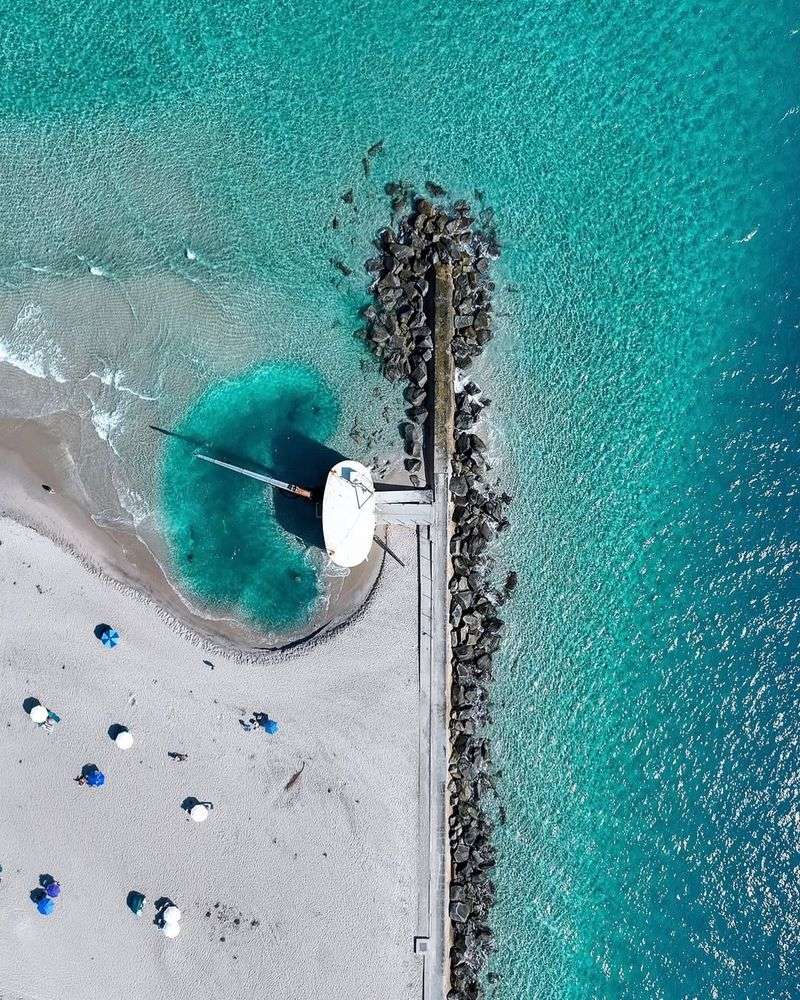
Here’s where things get interesting: the area around the sand transfer plant has become one of Singer Island’s most beloved beach destinations. Locals just call it “The Pumphouse,” and it’s where you’ll find some of the best snorkeling and surfing on this stretch of coast.
The jetty rocks near the structure create perfect conditions for marine life. Small fish dart between the rocks, and it’s not unusual to spot sea turtles cruising by. The clear water and relatively calm conditions on good days make it ideal for snorkelers of all skill levels.
Surfers love the spot too, especially when swells wrap around the inlet. The jetty creates interesting wave patterns that can produce rideable breaks when conditions align. It’s not Hawaii, but for South Florida, it’s a solid surf spot that draws regulars year-round.
The beach itself has a different vibe than the resort areas farther south. It feels more local, more laid-back. You’ll see families setting up for the day, fishermen casting from the rocks, and photographers waiting for that perfect sunrise shot.
The concrete structure that once seemed so out of place has become the defining feature of this little beach community, giving the spot its character and its name.
5. Sunrise Photography Hot Spot
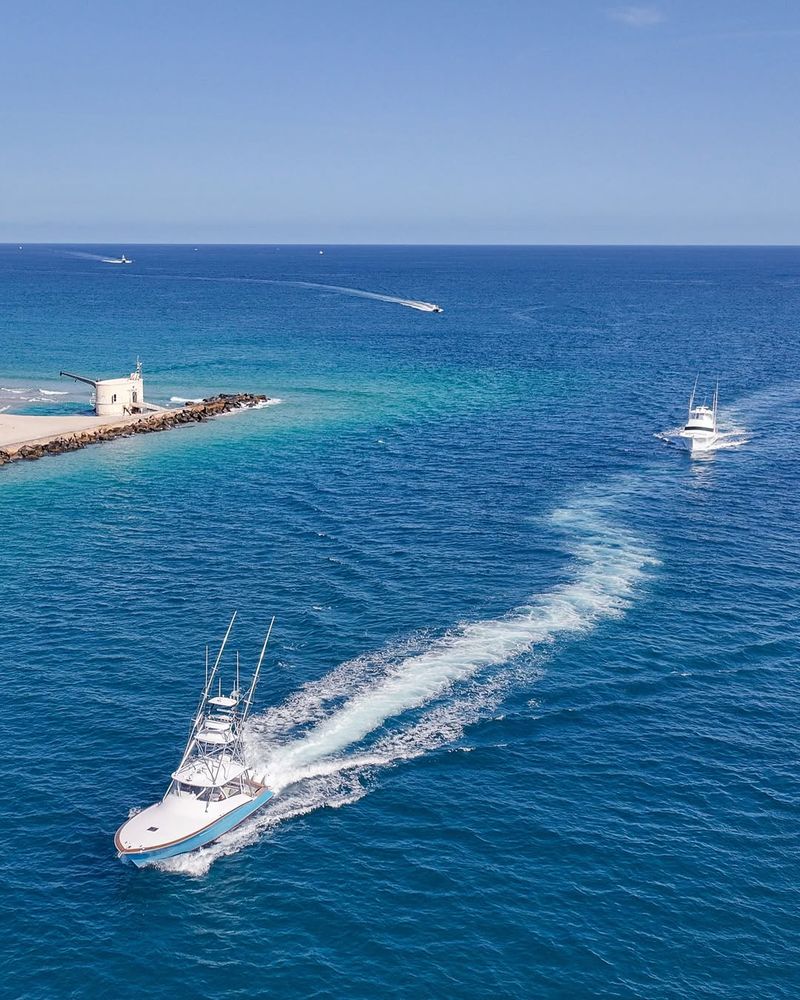
If you follow any South Florida photography accounts on social media, you’ve definitely seen The Pumphouse at sunrise. The combination of the concrete structure, the jetty rocks, and the Atlantic Ocean creates a composition that photographers can’t resist.
The structure’s industrial lines contrast beautifully with the soft colors of dawn. When the sun rises over the ocean, it silhouettes the Pumphouse and creates dramatic shadows across the sand. Add in some wave action around the jetty, and you’ve got Instagram gold.
Serious photographers show up before dawn to stake out their spots and set up tripods. They know exactly when the light will be perfect, and they’re ready to capture it. But you don’t need fancy equipment—plenty of stunning Pumphouse sunrise photos have been taken with phones.
The location works for photography year-round, but winter mornings are especially popular when the air is crisp and the light is particularly clear. Summer brings different colors and more dramatic cloud formations. Each season offers something unique, which is why photographers keep coming back.
What started as a functional piece of infrastructure has become an artistic subject in its own right. The Pumphouse has appeared in countless photos, paintings, and even local artwork. It’s proof that beauty can be found in the most unexpected places, even in concrete and machinery.
6. Why It Looks So Mysterious to First-Time Visitors
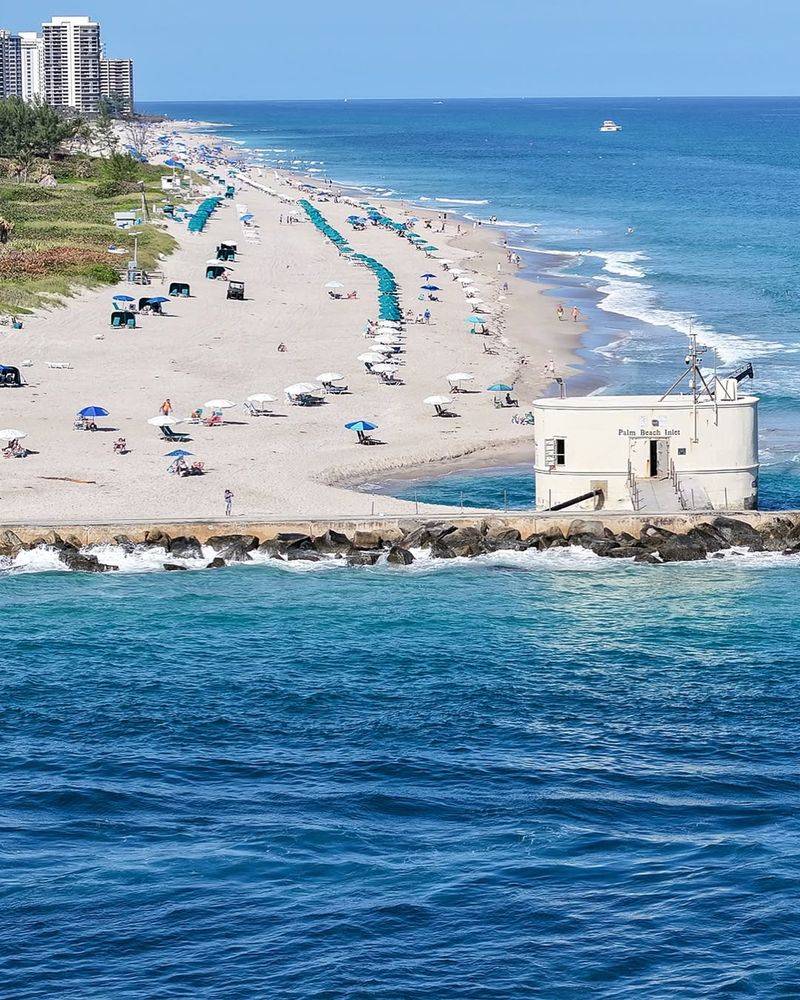
Imagine you’re walking along a gorgeous Florida beach, enjoying the sand and surf, when suddenly you encounter this massive concrete structure that looks like it belongs in a post-apocalyptic movie. That’s the Pumphouse experience for first-timers, and it absolutely stops people in their tracks.
The structure doesn’t have obvious signage explaining what it is or what it does. From the beach side, you just see concrete walls, some pipes, and industrial-looking equipment. There’s no visitor center or interpretive displays, so people are left to wonder and speculate.
Some visitors assume it’s an old military installation, which makes sense given Florida’s coastal defense history. Others think it might be a water treatment plant or power station. The most creative theories involve everything from secret government projects to abandoned resort infrastructure.
The mystery is part of the charm now. People take photos, post them online asking “what is this thing,” and locals get to share the real story. It’s become a conversation starter and a unique landmark that sets Singer Island apart from other Florida beaches.
The truth—that it’s a working sand transfer plant—is almost disappointing to some people who prefer the mystery. But once you understand what it does and why it’s there, the structure becomes even more interesting. It’s a reminder that not everything on the beach is natural, and sometimes the most important work happens in the least glamorous packages.
7. The Port of Palm Beach Connection
The Pumphouse exists for one main reason: keeping the Port of Palm Beach operational. This isn’t some small marina—it’s a major commercial port that handles cargo ships, cruise vessels, and commercial traffic worth billions of dollars annually. Without a clear, deep channel through Lake Worth Inlet, none of that happens.
Before the sand transfer plant, the inlet required constant dredging to stay navigable. Dredging is expensive, disruptive, and has to be done repeatedly as sand keeps flowing back in. It’s like trying to bail out a boat with a hole in it—you’re always fighting the same battle.
The Pumphouse solved that problem by intercepting sand before it reaches the channel. Instead of fighting nature, the system works with it, moving sand along its natural path but routing it around the inlet rather than through it. It’s elegant engineering that saves money and reduces environmental impact.
The port’s economic importance to the region can’t be overstated. It supports thousands of jobs and brings in revenue that benefits the entire South Florida economy. That concrete structure on the beach is directly connected to all of that activity, even though most beachgoers never make the connection.
Next time you see a cruise ship or cargo vessel heading into or out of the inlet, thank the Pumphouse. That mysterious concrete building is what makes their passage possible.
8. Beach Nourishment and Coastal Protection

The Pumphouse doesn’t just help the port—it’s also crucial for keeping South Florida’s beaches from disappearing. Beach erosion is a constant threat along Florida’s Atlantic coast, and without intervention, many beaches would shrink dramatically or vanish entirely. The sand transfer system is a key part of the solution.
By continuously moving sand from north to south, the Pumphouse helps maintain healthy beach width on Palm Beach Island. This isn’t just about aesthetics or tourism, though those matter. Wide beaches provide critical protection against storm surge and hurricane damage to coastal properties and infrastructure.
Natural sand movement patterns have been altered by inlets, jetties, and coastal development all along Florida’s coast. The Pumphouse is one way engineers have found to partially restore those natural patterns artificially. It’s not perfect, but it’s far better than doing nothing.
The sand deposited on the south beach spreads out naturally over time, creating the wide, beautiful beaches that attract visitors and support the local economy. Without this system, those beaches would need expensive emergency nourishment projects every few years, trucking in sand from offshore or other sources.
So that concrete structure that looks so out of place is actually protecting everything around it. It’s keeping beaches wide, properties safe, and coastal ecosystems healthier than they’d otherwise be. Sometimes the most important environmental work happens in the least photogenic packages.