8 Must-Try Florida Dishes, According To Local Chefs Who Know Best (And Where To Get Them)
Florida’s food scene tells a story that goes way beyond theme parks and beach snacks. From the smoky simplicity of mullet shacks to the old-school glamour of stone crab palaces, the state serves up flavors shaped by fishing traditions, Latin roots, and centuries of coastal culture. Local chefs know which dishes actually matter—the ones visitors should seek out and the places that do them right.
This list brings together eight essential Florida foods, each tied to a specific spot where the dish feels most at home.
1. Smoked Mullet At Stan’s Idle Hour (Goodland)
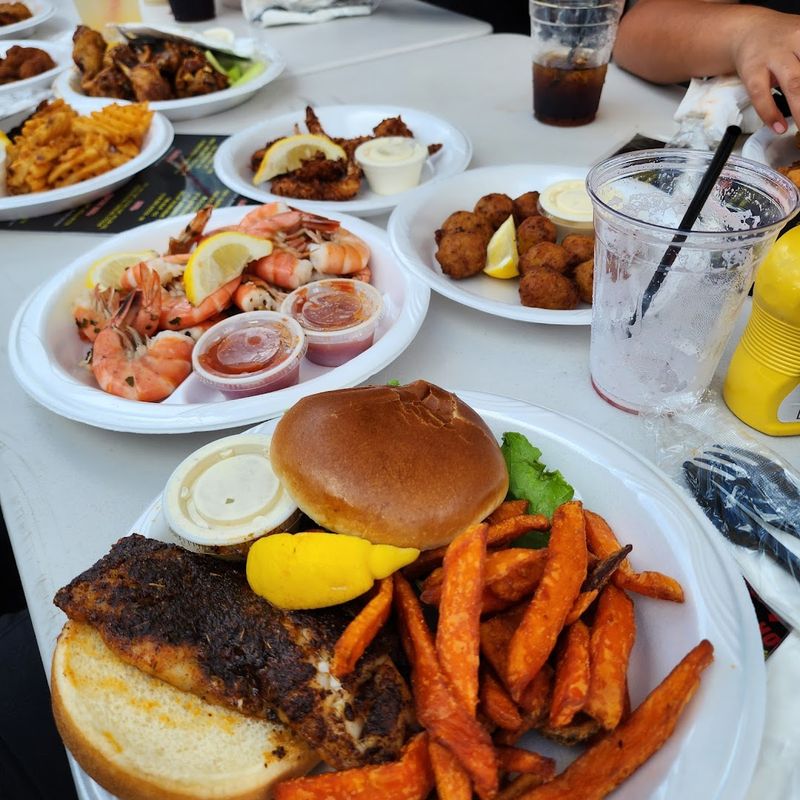
Mullet gets a bad rap in some circles, but anyone who’s spent real time on Florida’s Gulf Coast knows better. Smoked mullet is salty, oily in the best way, and comes with a deep smokiness that practically tastes like old Florida. Stan’s Idle Hour sits in Goodland, a tiny fishing village that still feels untouched by the condo boom, and the restaurant’s smoked mullet is exactly what you’d hope for: simple, messy, and meant to be eaten outdoors.
The fish arrives whole or in chunks, skin charred and meat tender enough to flake apart with a fork. Most people grab a handful of crackers, douse the mullet in hot sauce, and dig in while watching boats drift past the dock. There’s no fancy plating here, no microgreens or drizzles—just good fish done the way locals have been doing it for decades.
Stan’s itself is part of the appeal. The building is weathered, the vibe is laid-back, and the crowd is a mix of regulars and visitors who heard this was the real deal. Eating smoked mullet here feels less like a restaurant experience and more like crashing a neighborhood cookout.
It’s not trying to impress anyone, which is exactly why it does.
2. Stone Crab At Joe’s Stone Crab (Miami Beach)
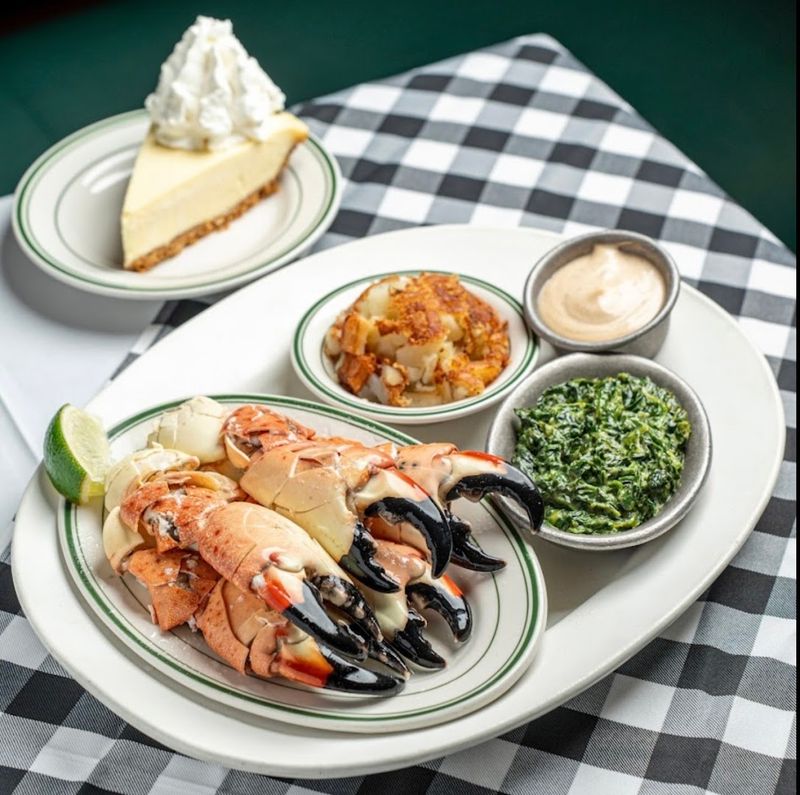
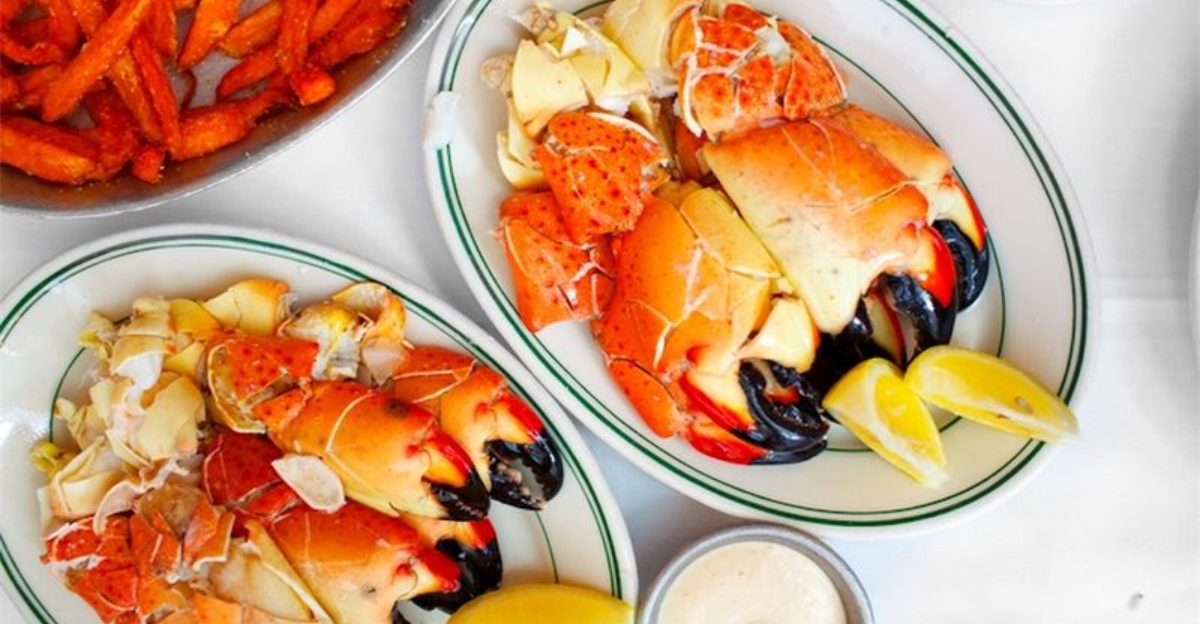
Stone crab season in Florida runs from October to May, and for a lot of people, Joe’s Stone Crab is where the countdown begins. The restaurant has been serving stone crab claws since 1913, and while the menu has grown over the years, the star attraction hasn’t changed. The claws come out chilled, cracked, and ready to dip into Joe’s famous mustard sauce—a tangy, creamy mix that’s become as iconic as the crab itself.
What makes stone crab different is the sustainability angle. Fishermen take one claw and return the crab to the water, where it regrows the limb over time. That means every claw on your plate came from a crab that’s still out there swimming.
The meat is sweet, firm, and surprisingly delicate for something that looks so intimidating when it arrives at the table.
Joe’s dining room feels like stepping into a time capsule of old Miami Beach—dark wood, white tablecloths, and a buzz of conversation that never quite dies down. Reservations are tough to snag, but the takeout line moves fast if you’re willing to skip the sit-down experience. Either way, you’re getting the same claws, the same sauce, and the same taste of Florida’s most celebrated seasonal tradition.
3. Datil Pepper Minorcan Pilau At O’Steen’s Restaurant (St. Augustine)
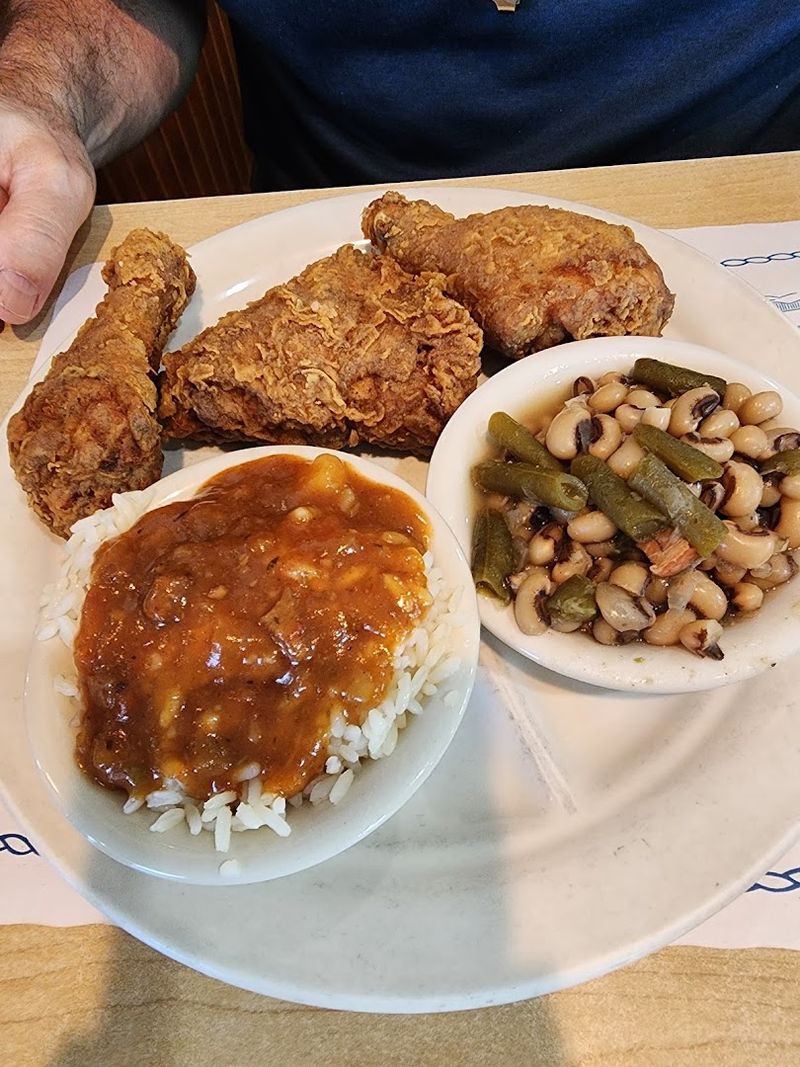
St. Augustine’s Minorcan community brought datil peppers to Florida centuries ago, and the spicy little pods have been showing up in local dishes ever since. Minorcan pilau is one of those dishes—a rice-based meal loaded with chicken, tomatoes, and enough datil heat to make you reach for your water glass more than once. O’Steen’s Restaurant has been serving it for decades, and the recipe hasn’t budged much over the years.
The datil pepper tastes different from your standard jalapeño or habanero. It’s fruity, smoky, and seriously hot, but the heat builds slowly instead of hitting you all at once. In pilau, the peppers simmer with the rice and meat, spreading their flavor through every bite.
The dish itself is hearty and filling, the kind of thing that sticks with you long after lunch is over.
O’Steen’s is a no-frills spot with checkered tablecloths and a menu that leans heavily on fried seafood, but the pilau is what keeps people coming back. It’s not the kind of dish you’ll find at chain restaurants or tourist traps—it’s deeply tied to St. Augustine’s history and the families who’ve kept the Minorcan food tradition alive. If you want to taste something that feels genuinely local, this is it.
4. Scoobies At Coconuts (Fort Lauderdale)
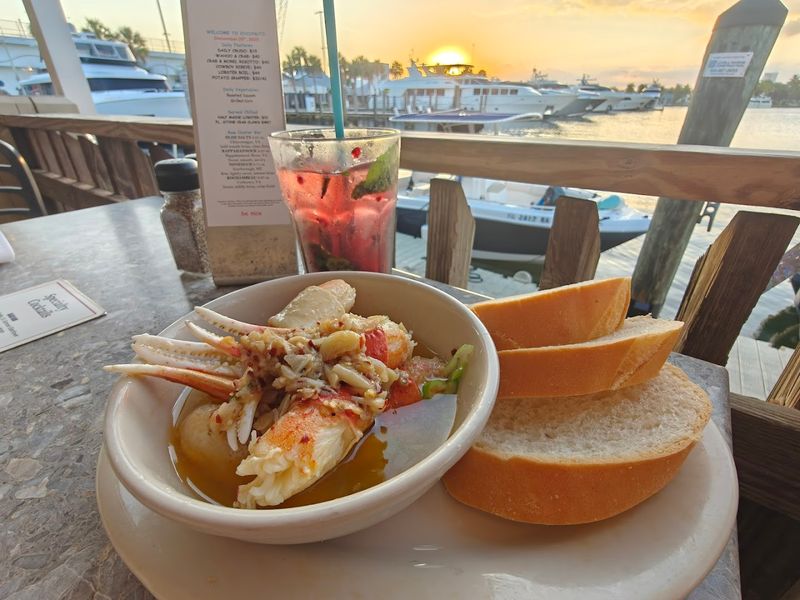
Scoobies are one of those dishes that sound made-up until you try them, and then you understand why people get so worked up about them. Coconuts in Fort Lauderdale built its reputation on these garlic-butter-drenched stone crab claws, and the dish has become a local obsession. They’re messy, rich, and best enjoyed with a stack of napkins and zero concern for what your hands look like by the end.
The claws get tossed in a garlicky butter sauce that’s heavy on flavor and even heavier on the kind of indulgence that makes you forget about calories. Unlike the chilled stone crab claws you’ll find at more formal spots, Scoobies are served warm, which changes the texture and makes the butter soak into every crack and crevice. You’re basically pulling sweet crab meat out of a pool of garlic butter, and it’s exactly as good as that sounds.
Coconuts itself sits right on the water, with a laid-back vibe that matches the food. The place fills up fast, especially on weekends, and the crowd skews toward locals who’ve been ordering Scoobies for years. It’s the kind of dish that feels like a well-kept secret even though everyone knows about it, and one order is rarely enough.
5. Ceviche At Ceviches By Divino (Miami)
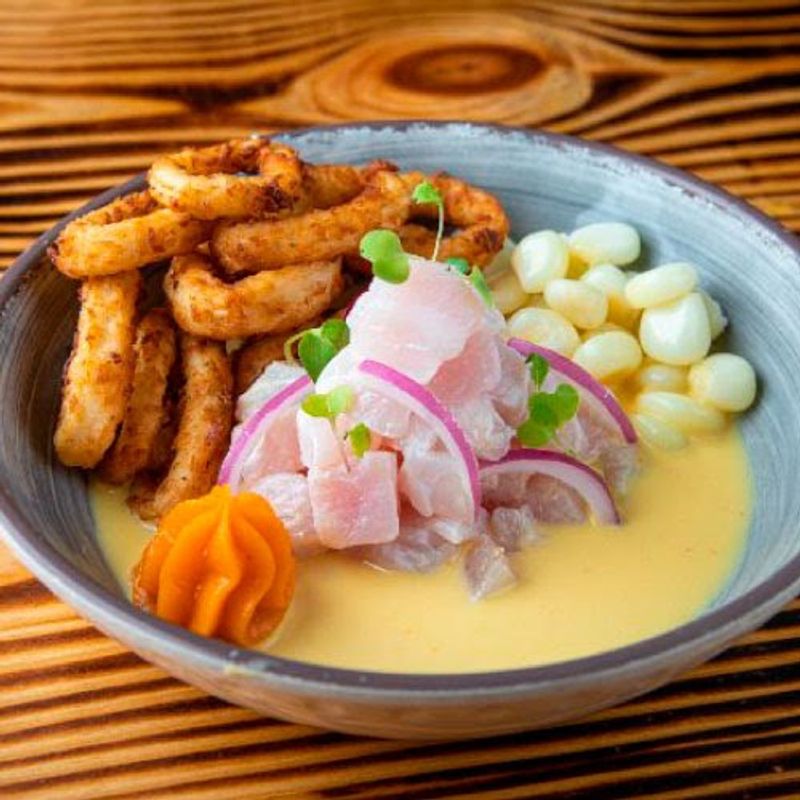
Miami’s food culture pulls heavily from Latin America, and ceviche is one of the dishes where that influence shines brightest. Ceviches By Divino specializes in the stuff, offering multiple versions that range from classic Peruvian-style to tropical takes loaded with mango and coconut. The fish is always fresh, the citrus marinade is always bright, and the whole experience feels like the perfect antidote to a hot Florida afternoon.
Ceviche is all about balance—acid, salt, heat, and sweetness working together to make raw fish taste clean and lively instead of, well, raw. At Ceviches By Divino, the fish gets cut into small, even pieces and marinated just long enough to firm up without turning rubbery. Toss in some red onion, cilantro, and a hit of lime, and you’ve got something that tastes like sunshine in a bowl.
The restaurant itself is small and casual, the kind of place where you order at the counter and grab a seat wherever you can find one. The menu is surprisingly deep, with options for people who like their ceviche traditional and others who want to try something with a little more Miami flair. Either way, you’re getting a dish that feels light, fresh, and totally at home in South Florida.
6. Hogfish At Hogfish Bar & Grill (Stock Island)
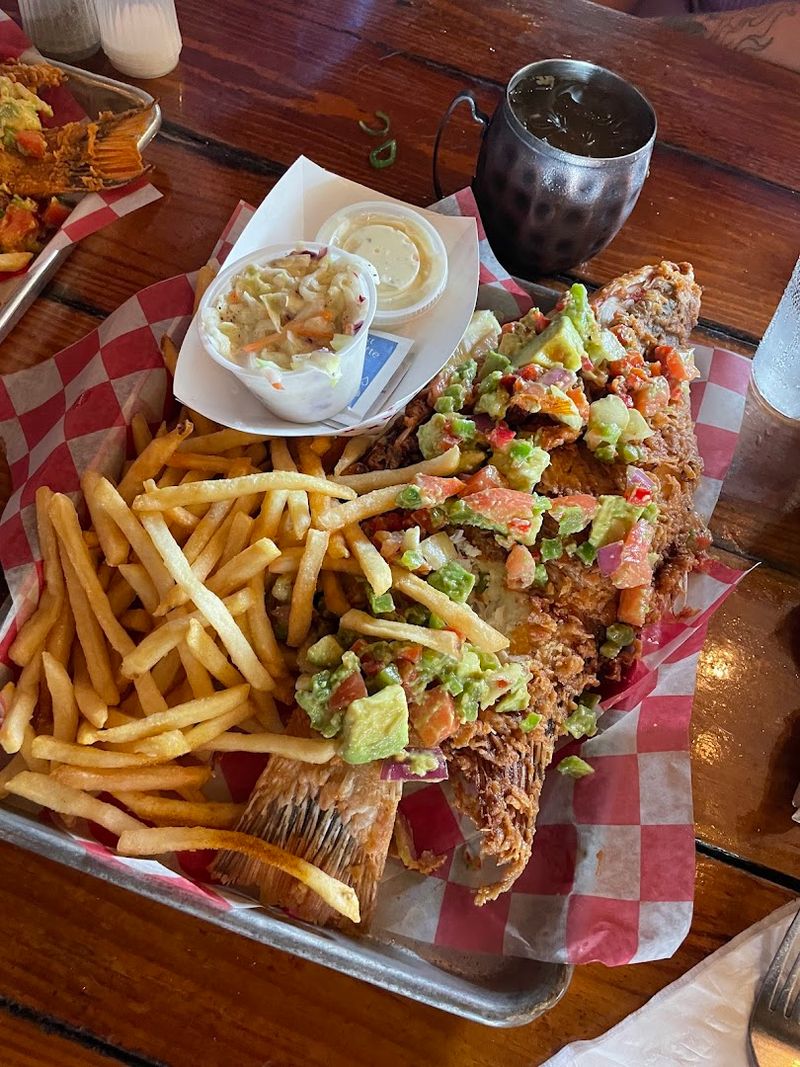
Hogfish doesn’t get the same hype as grouper or snapper, but anyone who’s eaten it in the Keys knows it’s one of the best-tasting fish in Florida waters. The meat is mild, slightly sweet, and delicate enough that it doesn’t need much more than a simple preparation. Hogfish Bar & Grill on Stock Island serves it grilled or blackened, and the fish is usually so fresh it was probably swimming that morning.
The flavor profile is clean and buttery, with a texture that flakes apart easily but still holds together on the fork. It’s not a fish that tries to show off—it just tastes good, especially when you’re eating it a few hundred feet from where it was caught. Pair it with a cold beer and a view of the marina, and you’ve got the full Keys experience without any of the tourist trap nonsense.
Hogfish Bar & Grill itself is exactly what you’d hope for: casual, unpretentious, and full of people who look like they just got off a boat. The menu is bigger than just hogfish, but that’s the dish that keeps the place on every local’s short list. It’s the kind of meal that reminds you why people move to the Keys in the first place.
7. Key Lime Pie At Blue Heaven (Key West)
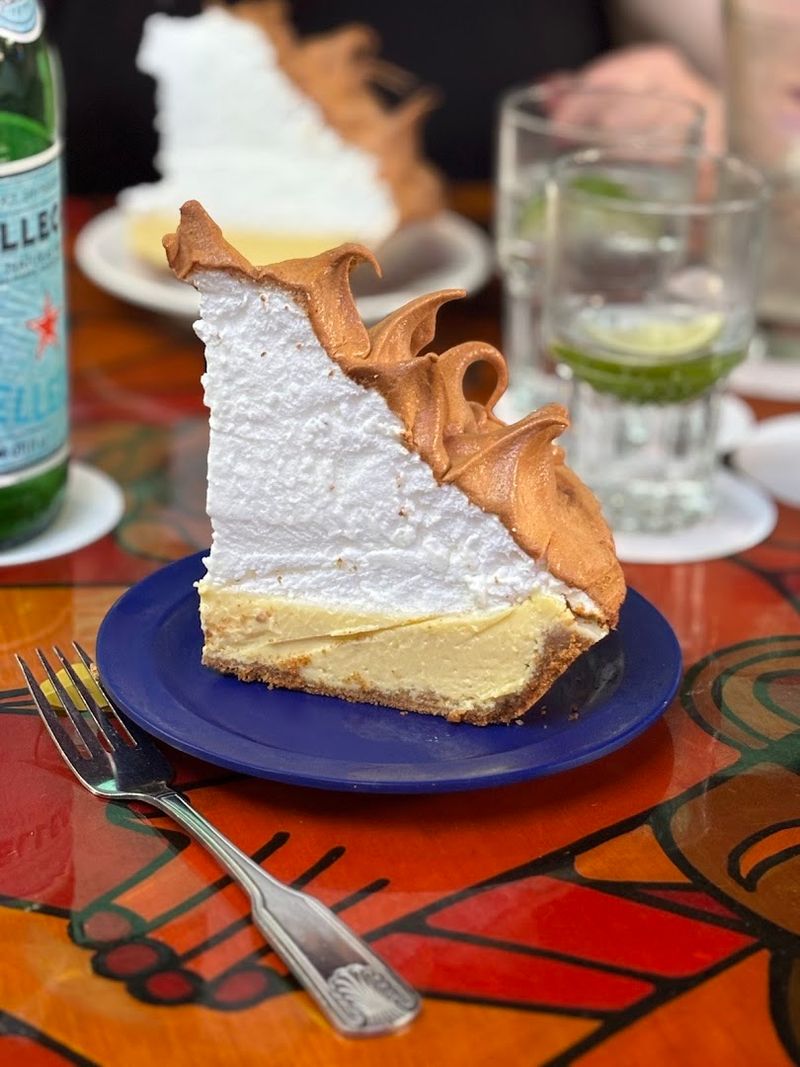
Key lime pie is Florida’s most famous dessert, and Blue Heaven’s version might be the most photographed. The pie is everything it should be: tart, creamy, and topped with a mountain of toasted meringue that looks almost too perfect to eat. The filling is made with real Key lime juice, which gives it that sharp, citrusy bite that sets it apart from the sugary knockoffs you’ll find at chain restaurants.
Blue Heaven itself is a Key West institution, with a history that includes boxing matches, a bordello, and Hemingway hanging out with roosters. These days, it’s a laid-back restaurant with outdoor seating, live chickens wandering around, and a menu that leans into island flavors. The Key lime pie is the dessert everyone orders, and for good reason—it’s tangy enough to balance out the sweetness, and the meringue adds a light, airy contrast to the dense filling.
Eating Key lime pie here feels like checking off a Florida bucket list item, but it’s not just about the novelty. The pie is legitimately good, the kind of dessert that makes you understand why people get so worked up about authentic Key lime versus the stuff made with regular limes. One slice is usually enough, but don’t be surprised if you’re tempted to order a second.
8. Cuban Sandwich At Versailles (Miami)
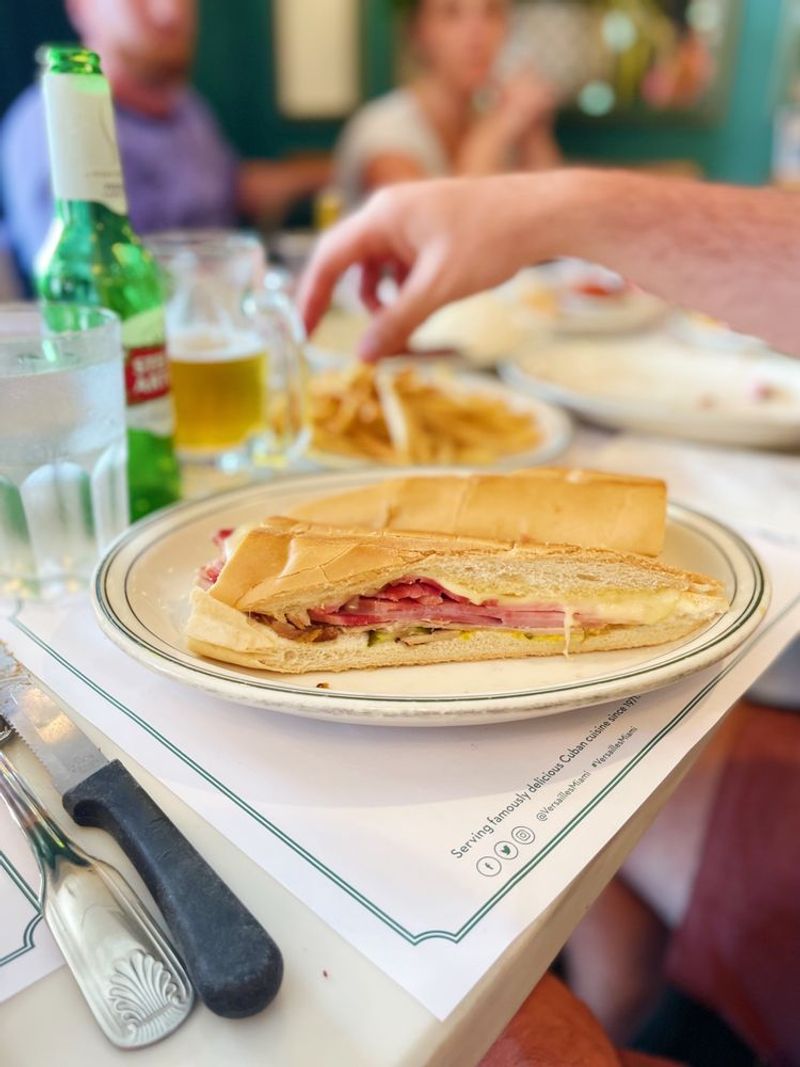
The Cuban sandwich is Miami’s most iconic handheld, and Versailles is the place where locals and tourists alike go to get it done right. The sandwich is deceptively simple: roast pork, ham, Swiss cheese, pickles, and mustard on Cuban bread, pressed until the outside is crispy and the inside is melty. But when it’s made well, those ingredients come together into something that tastes like the soul of South Florida.
The bread is the real secret here. Cuban bread has a soft, pillowy interior and a crust that crisps up beautifully under the press. The pork is slow-roasted and tender, the ham adds a salty punch, and the pickles cut through the richness with just enough tang.
Mustard ties it all together without overpowering the other flavors, and the whole thing is warm, satisfying, and gone faster than you’d expect.
Versailles has been a Little Havana landmark since 1971, and the restaurant is as much about the atmosphere as the food. The dining room is loud, busy, and filled with the kind of energy that makes you feel like you’re part of something bigger than just lunch. Order a Cuban sandwich, grab a café con leche, and settle in for a meal that tells the story of Miami in every bite.