10 Incredibly Scenic Florida Day Trips That Feel Like A Splurge But Cost Less Than $60
Florida is packed with jaw-dropping natural beauty that doesn’t require a luxury budget or a fancy resort reservation. You can experience world-class gardens, crystal-clear springs, and pristine coastal preserves for the price of a modest admission fee or even completely free. These ten destinations prove that the most memorable adventures often come with the smallest price tags, offering experiences that rival far more expensive getaways while keeping your wallet happily intact.
1. Bok Tower Gardens (Lake Wales)
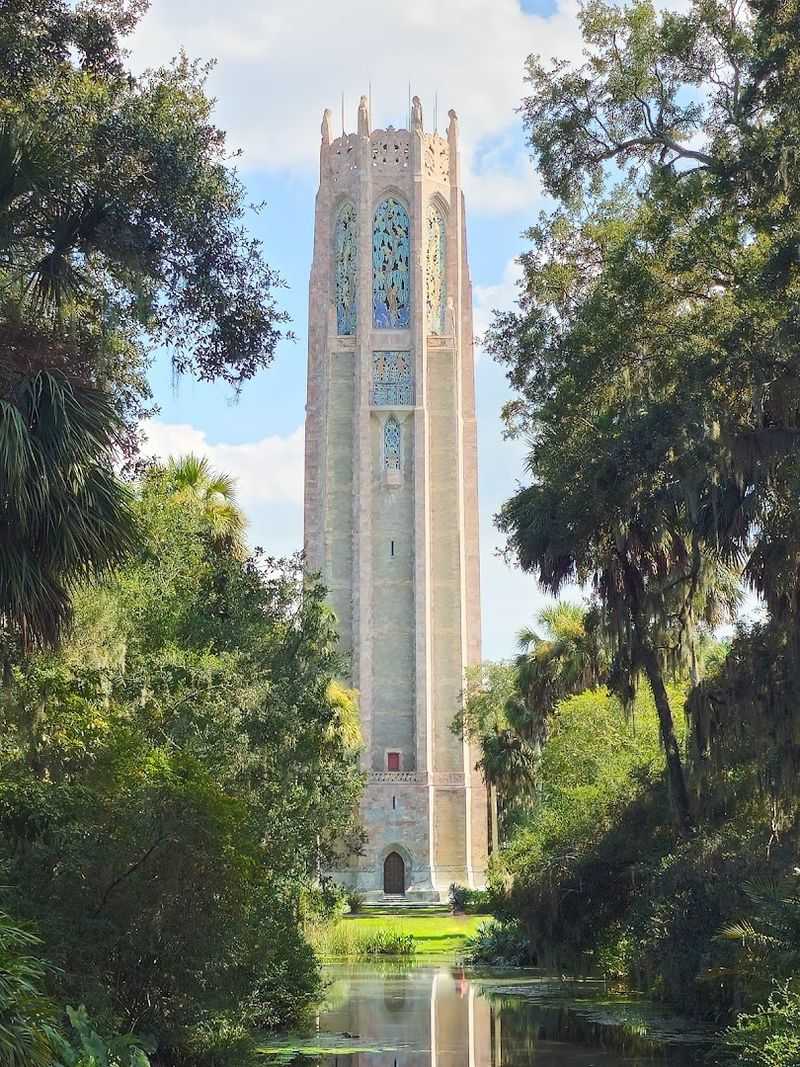
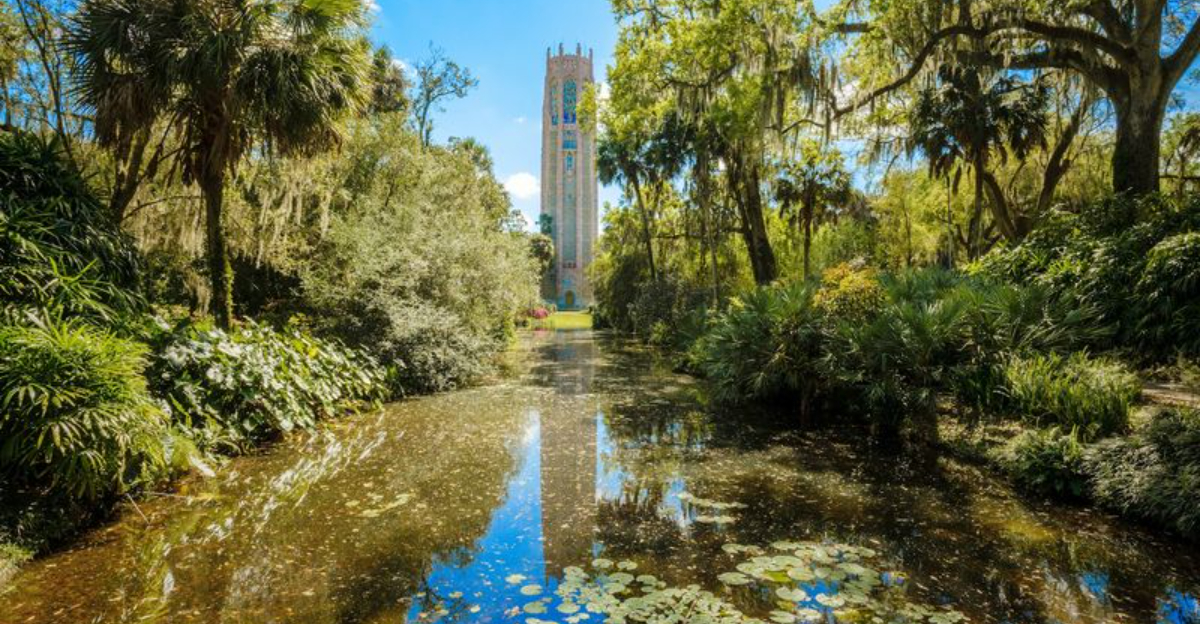
Perched atop Iron Mountain, Florida’s highest point on the peninsula, this National Historic Landmark combines art, architecture, and horticulture in ways that make you forget you’re still in the Sunshine State. The 205-foot neo-Gothic and art deco Singing Tower houses a 60-bell carillon that fills the air with live concerts daily at 1 and 3 p.m., creating an atmosphere that feels more European estate than Central Florida attraction.
Wander through 250 acres of gardens originally designed by Frederick Law Olmsted Jr., the same landscape architect who shaped parts of the National Mall in Washington D.C. The grounds feature native ferns, palms, oaks draped in Spanish moss, and seasonal blooms that change the scenery throughout the year. Pinewood Estate, a 20-room Mediterranean-Revival mansion on the property, offers guided tours that transport you back to 1930s Florida elegance.
Entry costs around $15 for adults, and parking is included. Pack a picnic to enjoy in designated areas, or grab lunch at the on-site café. The peaceful atmosphere makes this spot ideal for slow strolls, photography, or simply sitting beneath ancient oak trees while listening to the bells.
Morning visits offer cooler temperatures and softer light, perfect for capturing the tower’s reflection in the surrounding pools.
2. Silver Springs State Park (Ocala)
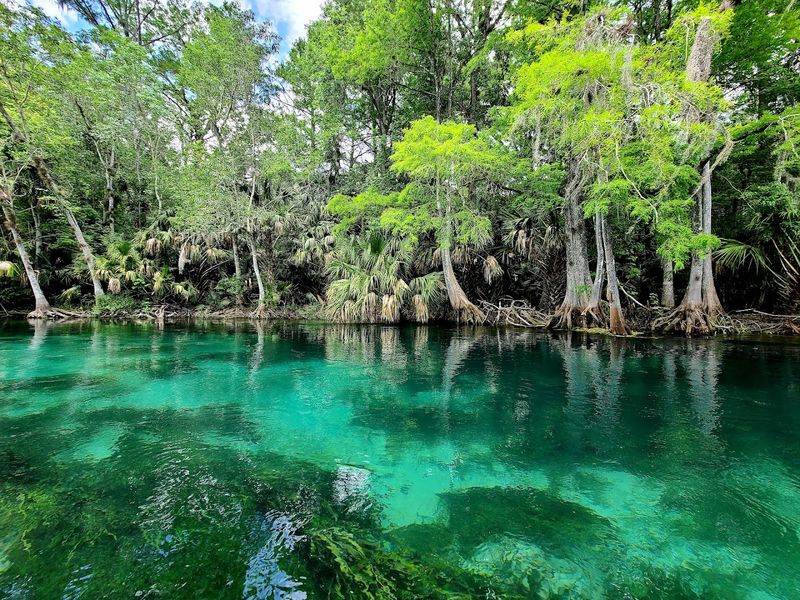
Glass-bottom boat tours have been gliding over these crystalline waters since the 1870s, making Silver Springs one of Florida’s original tourist attractions long before theme parks existed. The spring pumps out roughly 550 million gallons of water daily, creating visibility that can reach up to 100 feet deep on clear days. You’ll peer straight down to limestone formations, ancient cypress logs, and schools of fish that seem suspended in liquid glass.
Beyond the iconic boat tours (around $14 for adults), the park offers extensive kayaking routes along the Silver River where wild monkeys—yes, actual rhesus macaques descended from a 1930s movie set release—occasionally appear in riverside trees. Five miles of trails wind through hardwood forests and along the river, perfect for spotting alligators, turtles, river otters, and over 200 bird species. The park also features a museum showcasing the area’s history as a Hollywood filming location for classic Tarzan movies.
Admission to the state park is just $2 per pedestrian or $8 per vehicle, though boat tours cost extra. Bring your own kayak or rent one on-site to explore at your own pace. The spring maintains a constant 72-degree temperature year-round, so even winter visits offer comfortable paddling conditions and fewer crowds than summer months.
3. Blowing Rocks Preserve (Hobe Sound)
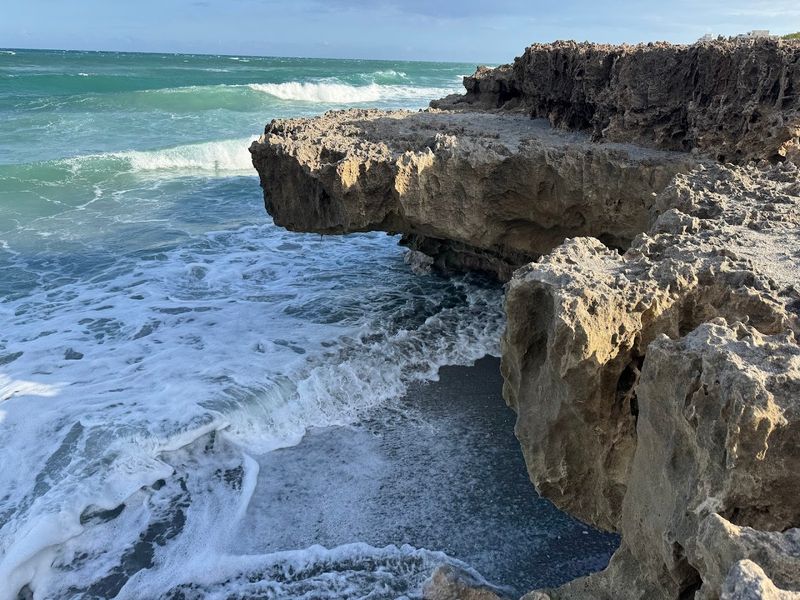
When Atlantic swells hit the jagged Anastasia limestone shoreline here during high tide or storms, seawater rockets through holes and crevices in the rock, shooting plumes up to 50 feet in the air. It’s a geological spectacle that feels more Pacific Northwest than Southeast Florida, and it happens on a barrier island that most tourists drive right past on their way to more famous beaches. The preserve protects one of the largest Anastasia limestone outcroppings on the East Coast, a formation that took thousands of years to create.
A mile-long trail system connects the oceanfront blowhole area to a mangrove-lined lagoon on the Indian River side, showcasing two completely different coastal ecosystems within a short walk. The preserve serves as critical sea turtle nesting habitat, and if you visit during summer months, you might spot nesting activity or hatchling tracks in the sand. Native coastal vegetation, including sea grapes, railroad vines, and saw palmettos, stabilizes the dunes and provides habitat for gopher tortoises and beach mice.
Admission runs about $5 for non-members, and the small parking area means the preserve never feels crowded. Time your visit around high tide for the most dramatic water displays, and check the surf forecast—bigger waves create better shows. Bring sturdy shoes for walking on uneven limestone, and keep a safe distance from the edge when waves are active.
4. Florida Botanical Gardens (Largo)
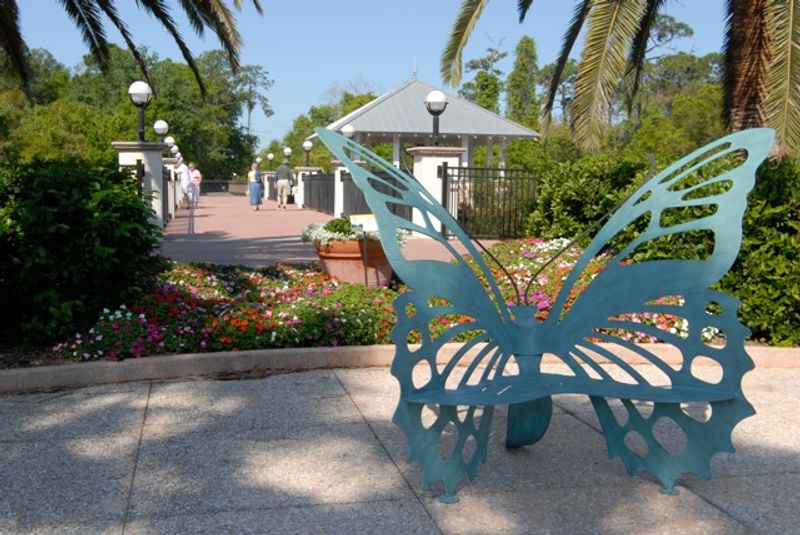
Completely free admission makes this 100-acre garden one of the best-kept secrets in Pinellas County, offering themed garden spaces that showcase native Florida plants alongside exotic species from around the world. Unlike many botanical gardens that charge hefty entrance fees, this county-operated facility welcomes visitors without cost, making it accessible for repeated visits to catch seasonal changes in the landscape. Wedding Garden, Herb Garden, Tropical Walk, and Bromeliad Display are just a few of the specialized areas connected by shaded pathways.
The gardens emphasize sustainable landscaping practices and Florida-friendly plants that thrive in the local climate without excessive watering or chemical treatments. Educational signage throughout the property helps visitors identify species and learn cultivation tips they can apply in their own yards. A sensory garden engages all five senses with fragrant herbs, textured leaves, and wind chimes, while a butterfly garden attracts monarchs, swallowtails, and other pollinators during peak migration seasons.
Heritage Village, a historical museum featuring preserved buildings from Pinellas County’s past, sits adjacent to the gardens and shares the same parking area. Plan at least two hours to explore both attractions thoroughly. The gardens host seasonal plant sales, workshops, and festivals throughout the year, so check their calendar before visiting.
Morning hours offer the best light for photography and the most active wildlife, including resident gopher tortoises that lumber across the paths.
5. Morikami Museum and Japanese Gardens (Delray Beach)
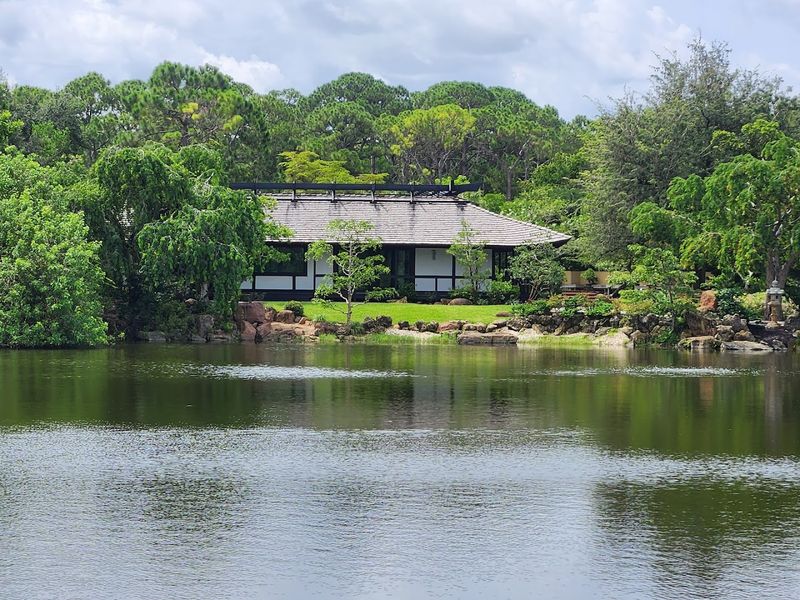
Six distinct garden styles representing different periods of Japanese landscape design unfold across 16 acres, each one transporting you thousands of miles from South Florida’s typical scenery. The Yamato-kan museum building houses rotating exhibitions of Japanese art and cultural artifacts, while the Cornell Café serves sushi, bento boxes, and Asian-fusion dishes overlooking serene water gardens. This entire complex exists because of the Yamato Colony, an early 1900s agricultural settlement of Japanese farmers who attempted to grow rice, pineapples, and tea in the area.
Roji-en, meaning “Garden of the Drops of Dew,” features paradise gardens, rock gardens, karesansui (dry landscape), and a late-rock garden surrounding a large lake filled with koi and turtles. Stone lanterns, bamboo groves, bonsai displays, and carefully pruned pines create contemplative spaces designed according to centuries-old aesthetic principles. The winding paths encourage slow exploration, with benches positioned at scenic viewpoints where you can pause and absorb the tranquility.
General admission costs around $15 for adults, with discounts for seniors and children. The museum shop sells authentic Japanese crafts, teas, and garden-related items. Special events throughout the year include Hatsume Fair in spring, Lantern Festival in fall, and Oshogatsu Japanese New Year celebration.
Visit on weekday mornings for the quietest experience, or time your trip with the blooming season for azaleas and other flowering plants that add seasonal color to the predominantly green landscape.
6. Paynes Prairie Preserve State Park (Micanopy)
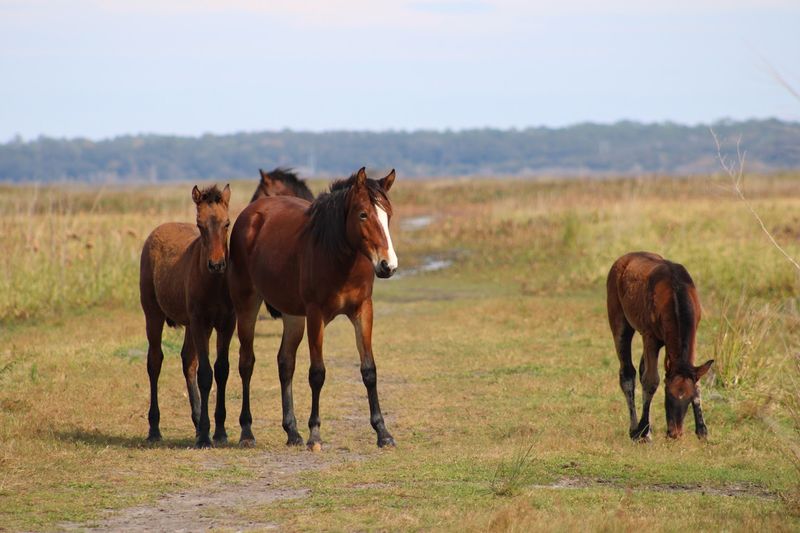
Where else in Florida can you watch wild bison and Spanish horses grazing on a 21,000-acre savanna that looks transplanted from the Great Plains? This massive preserve just south of Gainesville protects one of the most biologically diverse spots in the state, with habitats ranging from wet prairie to hardwood hammocks to pine flatwoods. Naturalist William Bartram described this landscape in his 1774 travels, calling it the “great Alachua Savanna,” and much of what he documented remains remarkably intact today.
An observation tower near the visitor center provides panoramic views across the prairie, where you might spot not only bison and horses but also sandhill cranes, white-tailed deer, and the occasional alligator crossing between wetland areas. Eight hiking trails totaling more than 20 miles offer ground-level exploration through different ecosystems, with the La Chua Trail being the most popular for wildlife viewing. This 3-mile out-and-back route follows an old railroad bed to a boardwalk overlooking Alachua Sink, where dozens of alligators typically congregate.
Park entry costs $6 per vehicle for up to eight people, making it extremely affordable for families or groups. Bring binoculars for bird watching—over 270 species have been recorded here. Early morning or late afternoon visits increase your chances of seeing active wildlife, and cooler months offer more comfortable hiking temperatures.
The park allows horseback riding, and several equestrian trails wind through the backcountry for those who bring their own mounts.
7. Washington Oaks Gardens State Park (Palm Coast)
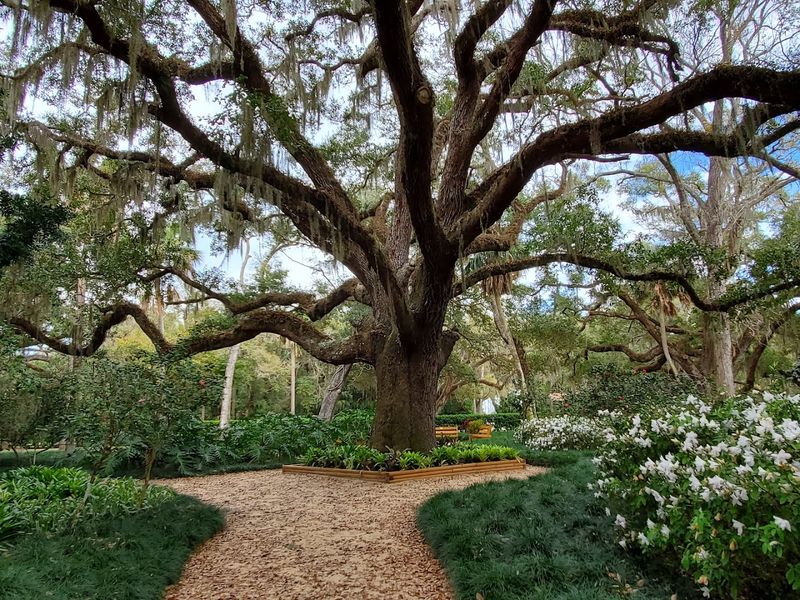
Formal gardens established in the 1930s by Louise Powis Clark showcase azaleas, camellias, and roses beneath a canopy of massive live oaks draped in resurrection ferns and Spanish moss. But the real showstopper lies across A1A on the ocean side: a beach unlike any other in Florida, where coquina rock formations create tide pools, natural sculptures, and a moonscape-like shoreline that photographers flock to capture. The contrast between manicured gardens and wild coastal geology makes this 425-acre park feel like two completely different destinations in one admission price.
The gardens bloom most spectacularly from late winter through early spring when azaleas explode in shades of pink, white, and red. Brick pathways wind through the cultivated areas, past reflection pools and ornamental plantings that demonstrate what’s possible in coastal Florida gardening. The original garden structures and layout remain largely unchanged, offering a glimpse into early 20th-century landscape design.
A short nature trail connects the gardens to the beach, passing through coastal hammock habitat.
Entry costs $5 per vehicle, and the park rarely feels crowded even on weekends. Low tide reveals the most dramatic coquina formations and the largest tide pools filled with small fish, crabs, and sea anemones. Swimming isn’t ideal here due to the rocky bottom, but beachcombing and photography opportunities are exceptional.
Pack a picnic to enjoy at sheltered tables in the garden area, and wear shoes suitable for both garden paths and uneven beach terrain.
8. De Leon Springs State Park (De Leon Springs)
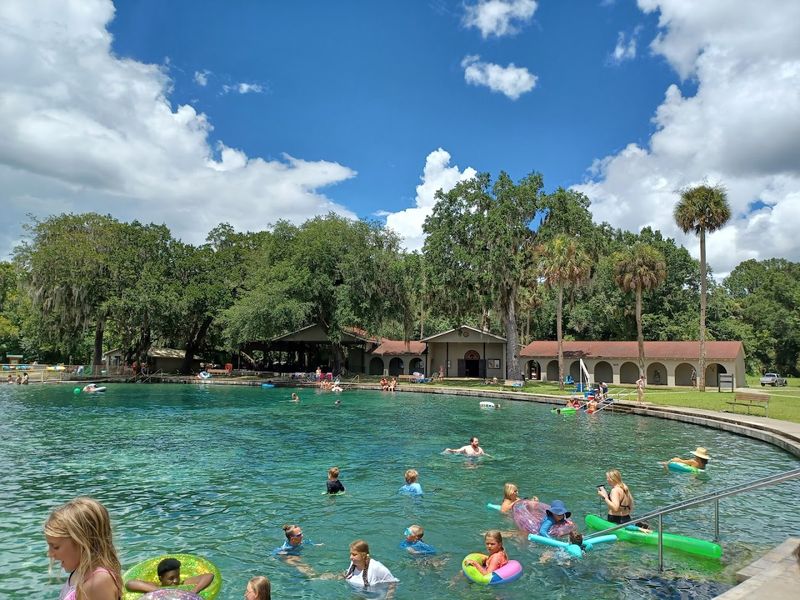
Swimming in a 72-degree spring-fed pool while waiting for your table at the Old Spanish Sugar Mill, where you cook your own pancakes on griddles built into each table, creates a morning experience that kids and adults equally love. The spring pumps 19 million gallons of clear water daily into a swimming area that stays refreshingly cool even during Florida’s hottest months. Ponce de Leon supposedly searched for the Fountain of Youth here, though the spring’s real history involves Timucuan peoples, Spanish missions, and a working sugar mill that operated until the early 1900s.
Beyond swimming and pancakes, the park offers excellent canoeing and kayaking along Spring Garden Run, a six-mile waterway that connects to Lake Woodruff National Wildlife Refuge. Paddling through this corridor feels like entering prehistoric Florida, with cypress trees towering overhead and alligators sunning on banks. The Wild Persimmon Trail provides a 4.5-mile hiking loop through pine flatwoods and hardwood hammocks, while a shorter nature trail circles the spring with interpretive signs explaining the area’s ecology and history.
Park admission is $6 per vehicle, and pancake breakfast at the Sugar Mill costs around $8-12 per person depending on what you order. Arrive early on weekends because the restaurant often has waits exceeding an hour. The spring allows snorkeling, so bring a mask to observe fish, turtles, and underwater vegetation up close.
Rental tubes and kayaks are available if you don’t have your own equipment, making this an easy day trip without extensive planning.
9. Kanapaha Botanical Gardens (Gainesville)
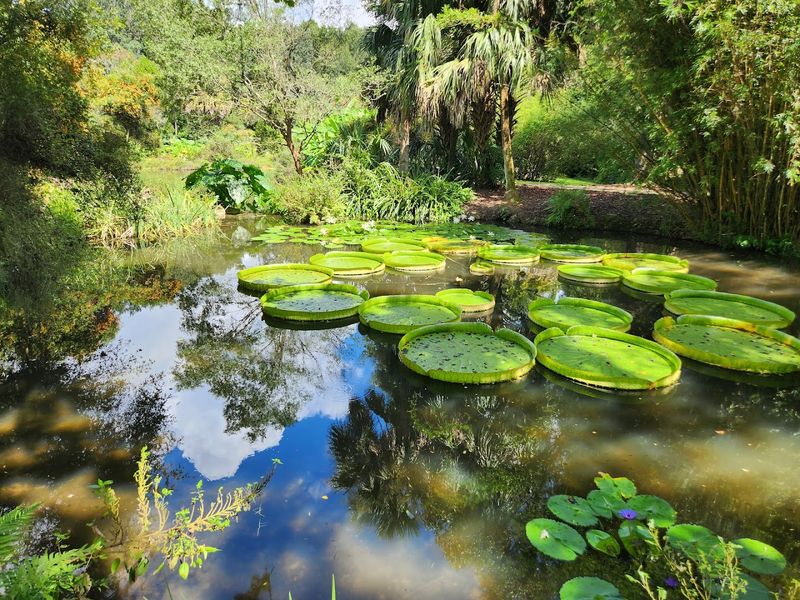
One of the largest herb gardens in the Southeast shares space here with the state’s largest public bamboo garden, creating an unexpected combination that makes Kanapaha stand out among Florida’s botanical attractions. Sixty-two acres contain 16 major collections including azaleas, camellias, water gardens with giant Victoria lilies, a hummingbird garden, and a children’s garden designed to engage young visitors with interactive plantings. The gardens follow a more naturalistic design than formal European-style gardens, with curving paths and native plant communities integrated throughout.
Spring brings the most spectacular displays when azaleas and wisteria bloom in mass plantings that transform entire sections into seas of color. Summer showcases the water lily collection, with giant platters of Victoria amazonica leaves large enough to support a small child and exotic blooms in shades of pink, white, and blue. The bamboo grove creates a distinctly Asian atmosphere, with towering culms forming a dense canopy that filters light into soft green shadows.
Fall camellia blooms extend the flowering season well into cooler months.
Admission costs about $10 for adults, with reduced rates for children and seniors. The gardens close during summer months (June through August), so plan visits between September and May. Guided tours are available with advance notice, or you can explore independently using the provided map.
Bring water and wear sun protection, as many paths have limited shade. Photography enthusiasts should visit during golden hour when angled light illuminates the water gardens and creates dramatic shadows in the bamboo forest.
10. Fort De Soto Park (Tierra Verde)
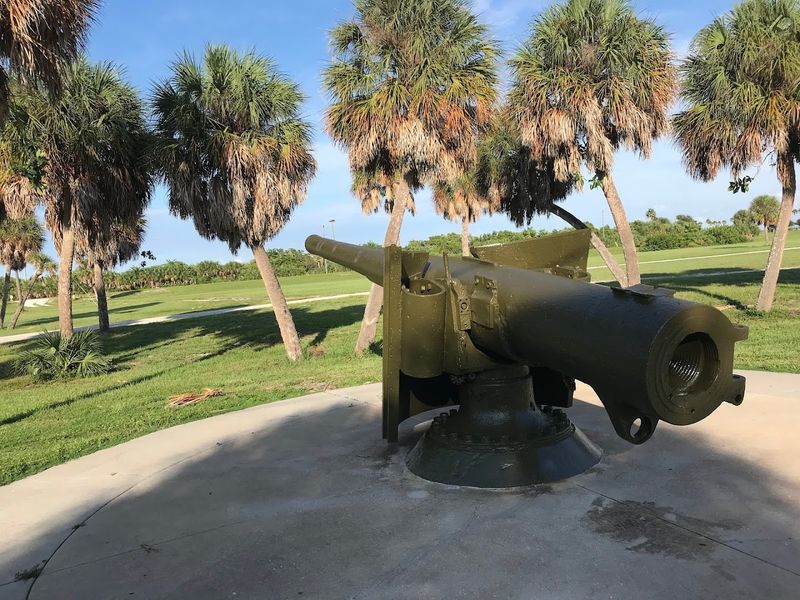
Consistently ranked among America’s best beaches, this 1,136-acre park on five interconnected islands offers white sand, calm waters, historic fortifications, and a 7-mile paved trail system that never charges admission beyond a modest parking fee. The historic fort itself, built during the Spanish-American War, features original mortars, underground magazines, and interpretive displays explaining Tampa Bay’s military history. But most visitors come for the beaches, which stretch for miles with soft sand, gentle waves, and water that glows turquoise on sunny days.
North Beach and East Beach both offer swimming, but the park also caters to kayakers with a dedicated launch area and calm bay waters perfect for beginners. A 2.25-mile kayak trail winds through mangrove tunnels where you’ll spot herons, egrets, roseate spoonbills, and possibly dolphins or manatees. The paved Arrowhead Trail connects different areas of the park and accommodates walkers, runners, and cyclists, offering scenic views of islands, beaches, and historic structures along the route.
Parking costs $5 per vehicle, and that single fee grants access to everything the park offers. Two fishing piers extend into Tampa Bay, popular with anglers targeting snook, redfish, and trout. The dog beach allows off-leash play in designated swimming and land areas, making this one of Florida’s best parks for four-legged family members.
Arrive early on weekends to secure parking near your preferred beach area, and pack a cooler since concession options are limited to a single café near the main entrance.