Meet Gentle Rescued Wolves At This One-Of-A-Kind Florida Sanctuary
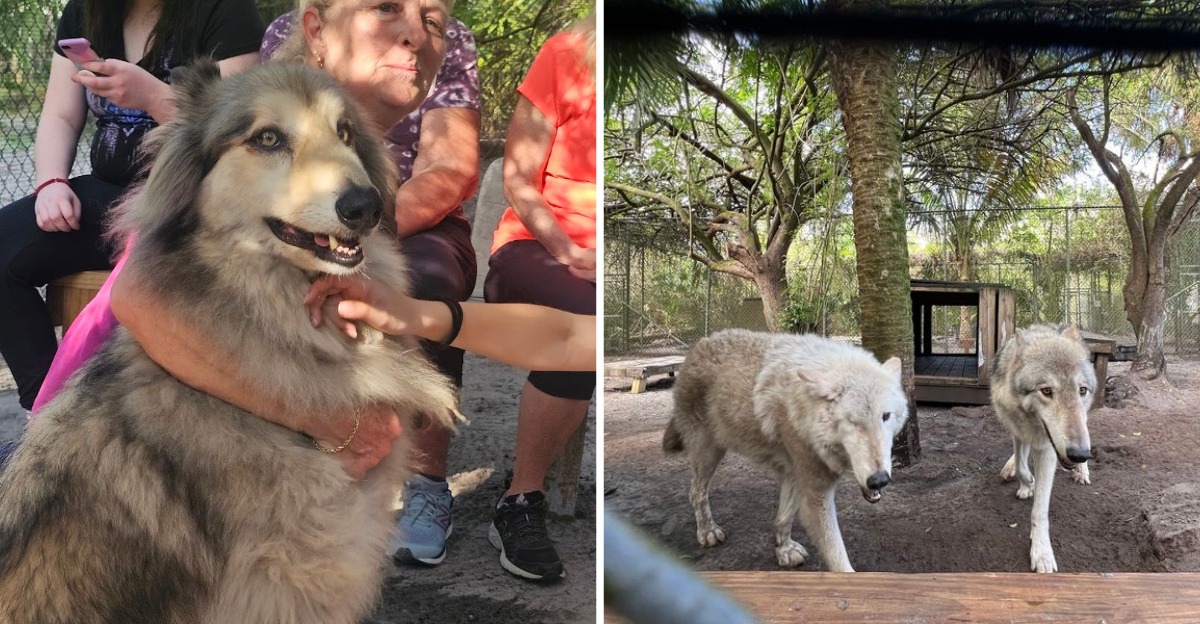
Tucked away in Naples, Florida, the Shy Wolf Sanctuary Education & Experience Center offers something you won’t find anywhere else in the state: a chance to meet rescued wolves and other incredible animals up close. This nonprofit sanctuary rescues wolves, wolf-dogs, and various exotic animals from neglectful or abusive situations, giving them a safe haven where they can live out their days in peace.
Visitors get to tour the grounds, learn fascinating facts about these misunderstood creatures, and even interact with some of the residents. It’s an experience that sticks with you long after you leave, and every visit helps support the sanctuary’s life-saving mission.
Wolves That Howl With Personality
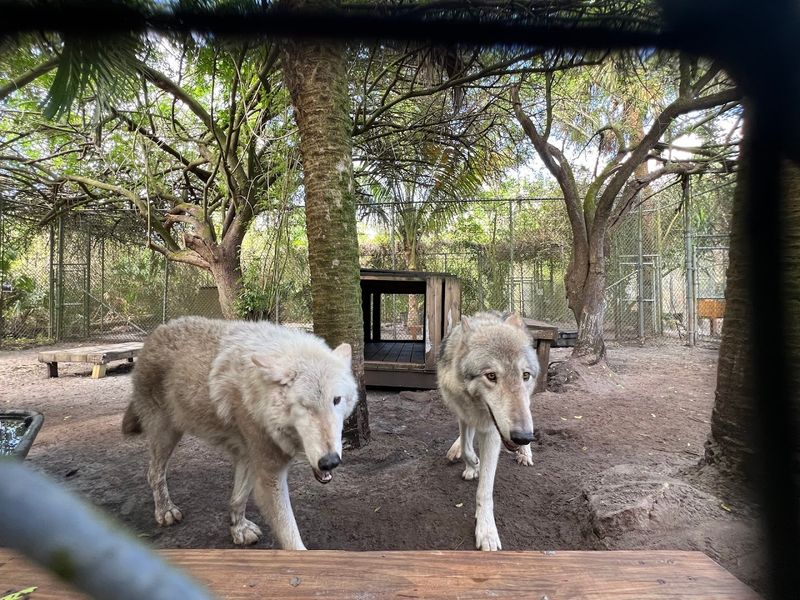
Walking through Shy Wolf Sanctuary feels like stepping into a different world, especially when the wolves start their chorus. These aren’t zoo animals lying around looking bored.
They’re active, vocal, and full of life, moving around their spacious enclosures and communicating with each other in ways that remind you just how intelligent they are.
Each wolf has a backstory that’ll break your heart and then mend it again. Many came from situations where people thought keeping a wolf as a pet was a good idea—spoiler alert, it’s not.
Others were bred in captivity and had nowhere else to go. The sanctuary steps in to provide them with proper care, nutrition, and the respect they deserve.
Tour guides share these individual stories with passion and detail. You’ll learn about pack dynamics, how wolves communicate through body language and vocalizations, and why they’re so different from domestic dogs.
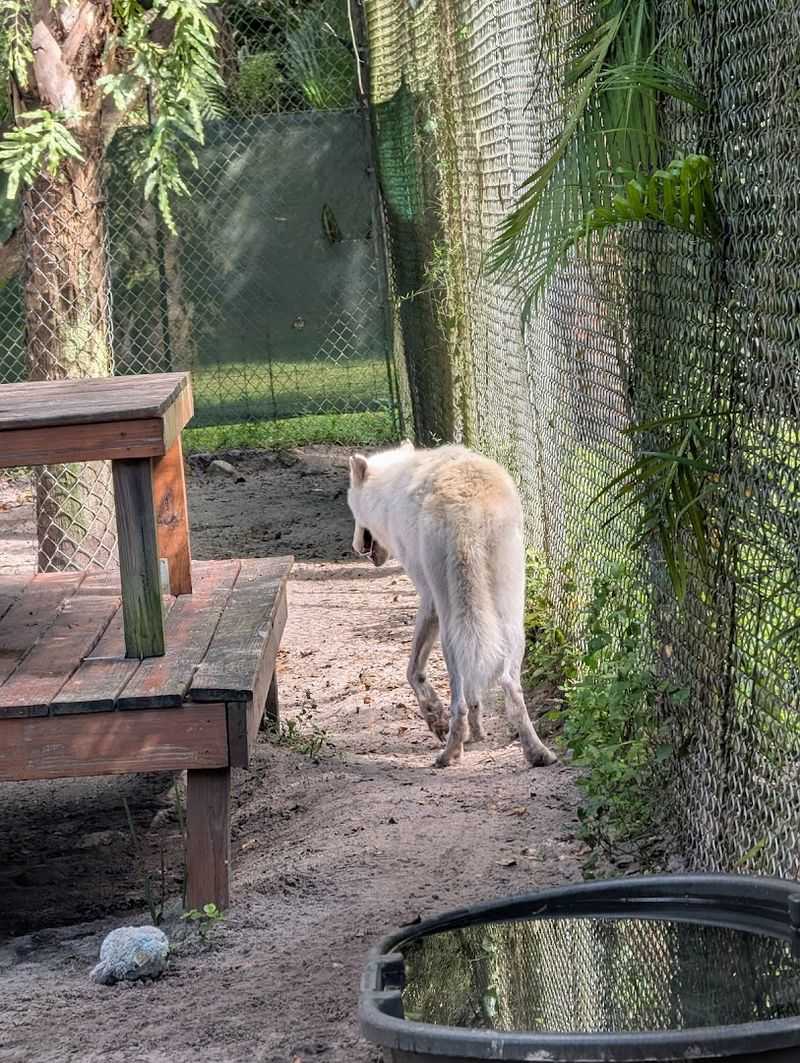
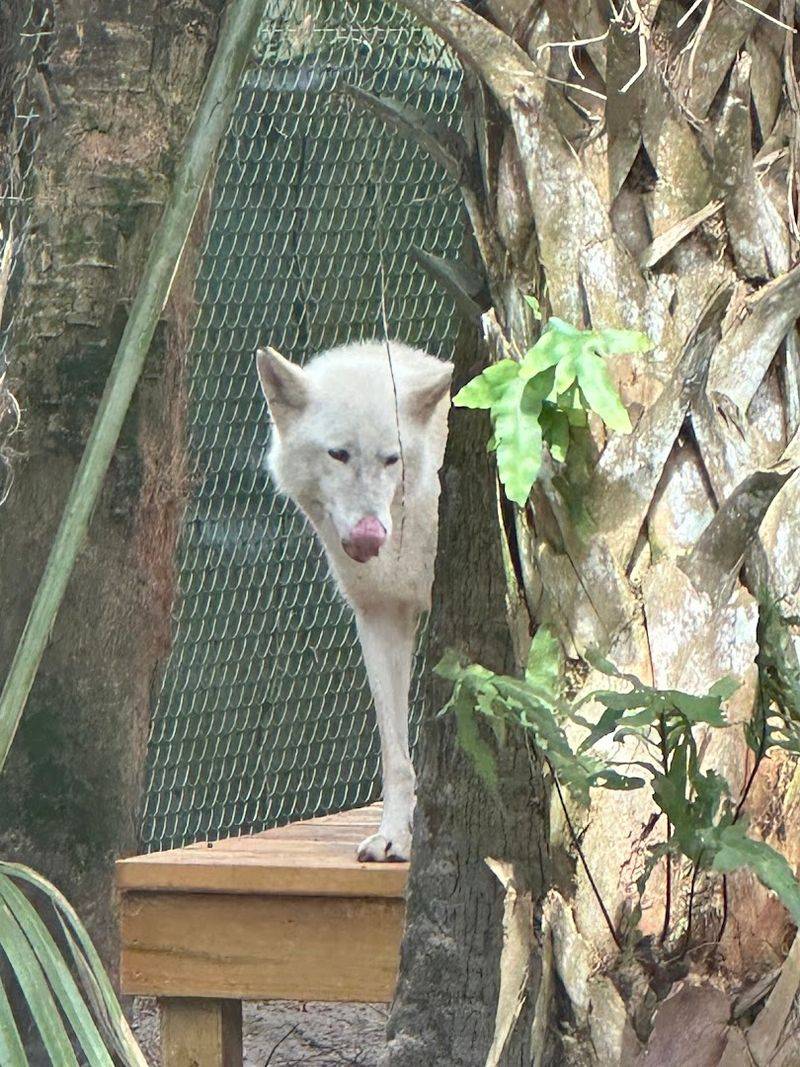
The wolves here aren’t performers, but they’re comfortable enough with the routine that they’ll often approach the fence, giving you an incredible view of their powerful build and piercing eyes.
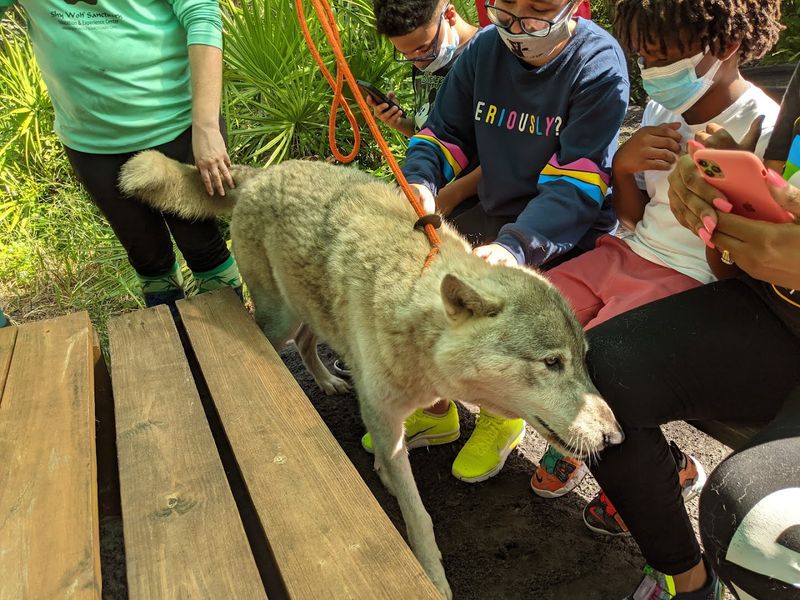
Some lucky visitors even get to interact with certain wolf-dogs through the fence. These moments are carefully managed to ensure both human and animal safety, but when it happens, it’s unforgettable.
Feeling the soft fur of a wolf-dog and seeing the gentle curiosity in their eyes changes your perspective entirely.
The sanctuary makes it clear that wolves belong in the wild, not in backyards. But for those who can’t return to their natural habitat, this place provides the next best thing.
The enclosures are large, enriched with natural elements, and designed to let the animals exhibit normal behaviors. It’s conservation education at its finest, wrapped up in an experience that’s equal parts thrilling and humbling.
New Guinea Singing Dogs Steal Hearts
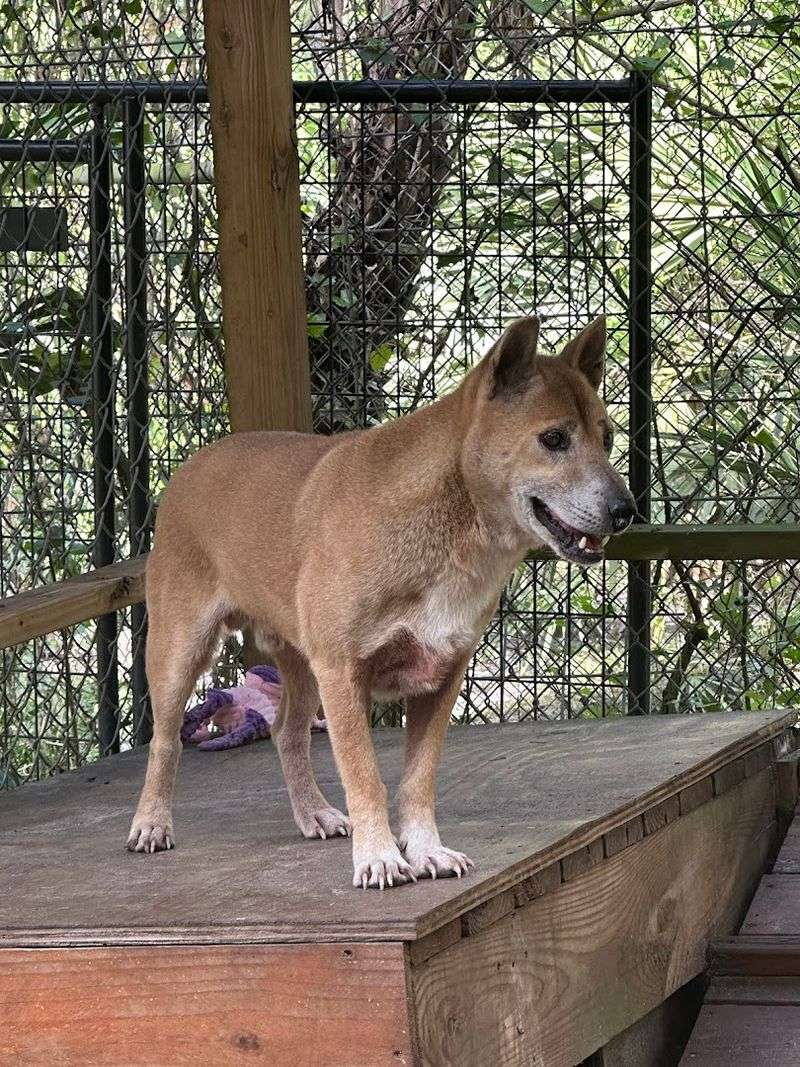
If you think you’ve seen every type of dog, wait until you meet the New Guinea singing dogs at Shy Wolf. These rare canines are one of the sanctuary’s most beloved residents, and for good reason.
They’re adorable, curious, and they make sounds unlike any dog you’ve ever heard—hence the name. Their vocalizations include harmonic howls that sound almost musical.
Native to the highlands of New Guinea, these dogs are considered one of the rarest canines on the planet. In the wild, they’re critically endangered, making the sanctuary’s role in education even more important.
Visitors often say the singing dogs are their favorite part of the tour, and it’s easy to see why once you watch them interact with their environment.
These dogs are smaller than wolves but have that same wild energy and intelligence. They’re incredibly agile, known for their climbing abilities and flexible joints that let them navigate terrain most dogs couldn’t handle.
At the sanctuary, they have enrichment activities that let them show off these skills, and watching them in action is genuinely impressive.
The guides explain how these animals ended up in captivity and why they can’t simply be released. Most were bred in situations where people didn’t understand their needs or the commitment required.
Now they live at Shy Wolf, where they get proper care and serve as ambassadors for their species, teaching visitors about conservation and the importance of preserving rare animals.
Kids especially love the singing dogs because they’re so animated and playful. But adults appreciate them just as much once they learn about their unique place in the canine family tree.
They’re living reminders that nature still has mysteries to reveal, and sometimes those mysteries come with wagging tails and the most unusual singing voice you’ll ever hear from a dog.
Knowledgeable Volunteers Share Their Passion
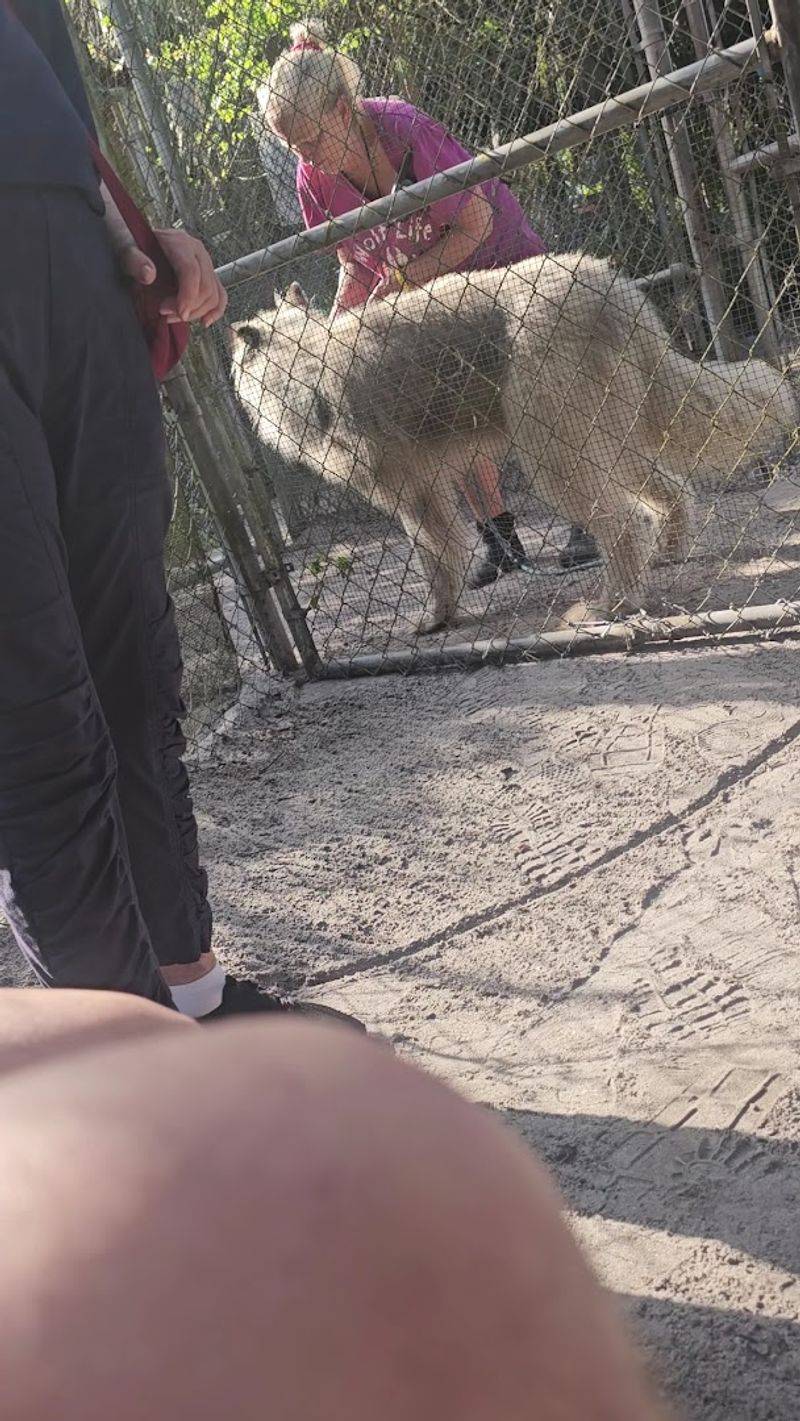
The magic of Shy Wolf Sanctuary isn’t just the animals—it’s the people who care for them. Every tour is led by volunteers who donate their time because they genuinely love what they do.
Names like Linda, Judy, Cindy, and Paula come up again and again in visitor reviews, each praised for their warmth, knowledge, and obvious dedication to the sanctuary’s mission.
These aren’t scripted tours delivered by bored employees. The guides speak from experience and deep personal connection to the animals.
They know each resident by name, understand their quirks and preferences, and can tell you exactly how that particular wolf or fox ended up at the sanctuary. That level of personal attention makes every tour feel intimate and special.
Guides answer questions with patience and enthusiasm, whether you’re asking about wolf pack hierarchy or what the tortoises eat for breakfast. They’re not just reciting facts—they’re sharing stories, observations, and insights gained from spending countless hours with these animals.
You can tell they’ve formed genuine bonds with the residents, and that authenticity comes through in every word.
The volunteer program at Shy Wolf is robust, with people from all backgrounds coming together for a common cause. Some volunteers help with tours, others assist with feeding and enclosure maintenance, and some work on community outreach and education.
This grassroots operation runs on dedication rather than big budgets, and it shows in the best possible way.
For visitors, having a passionate guide transforms the experience from a simple animal viewing into something educational and emotionally resonant. You leave understanding not just what wolves are, but why they matter and what threats they face.
The guides plant seeds of conservation awareness without being preachy, and that’s a skill that comes from truly caring about the message. If you’re considering volunteering yourself, the sanctuary welcomes help—just be prepared to fall in love with the place.
Panthers, Foxes, and Other Rescued Residents
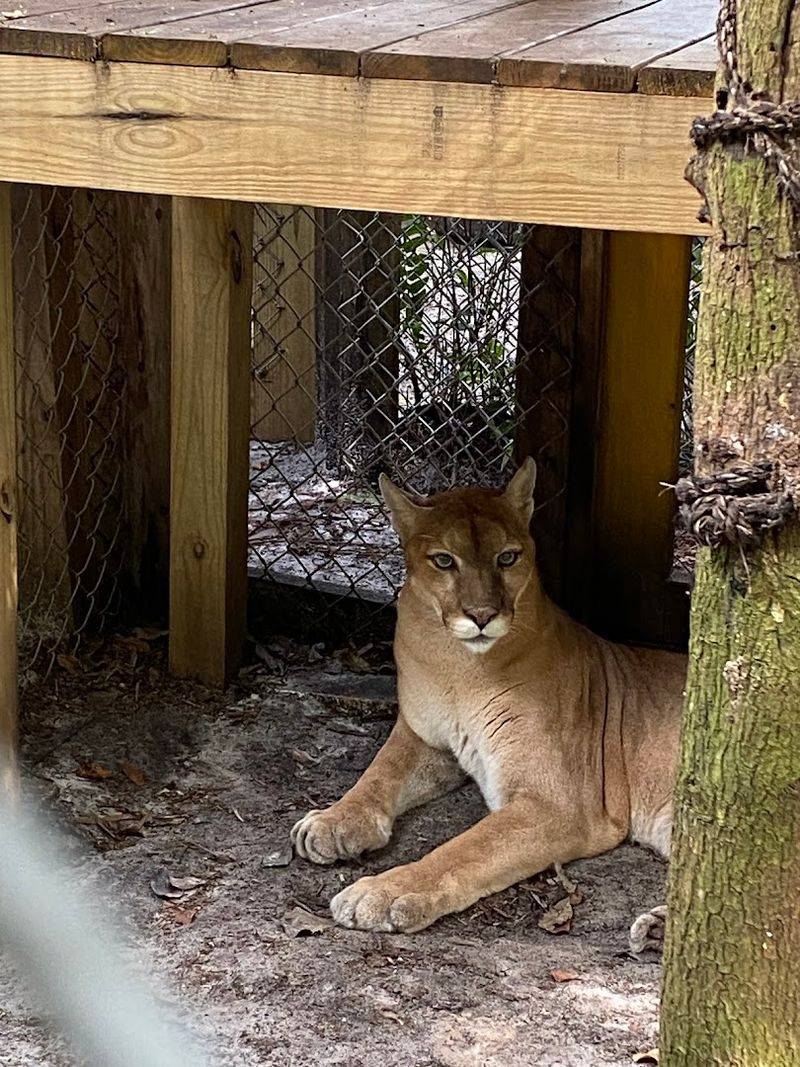
Wolves might be the headliners, but they’re far from the only stars at Shy Wolf Sanctuary. The property is home to an impressive variety of rescued animals, each with their own compelling story.
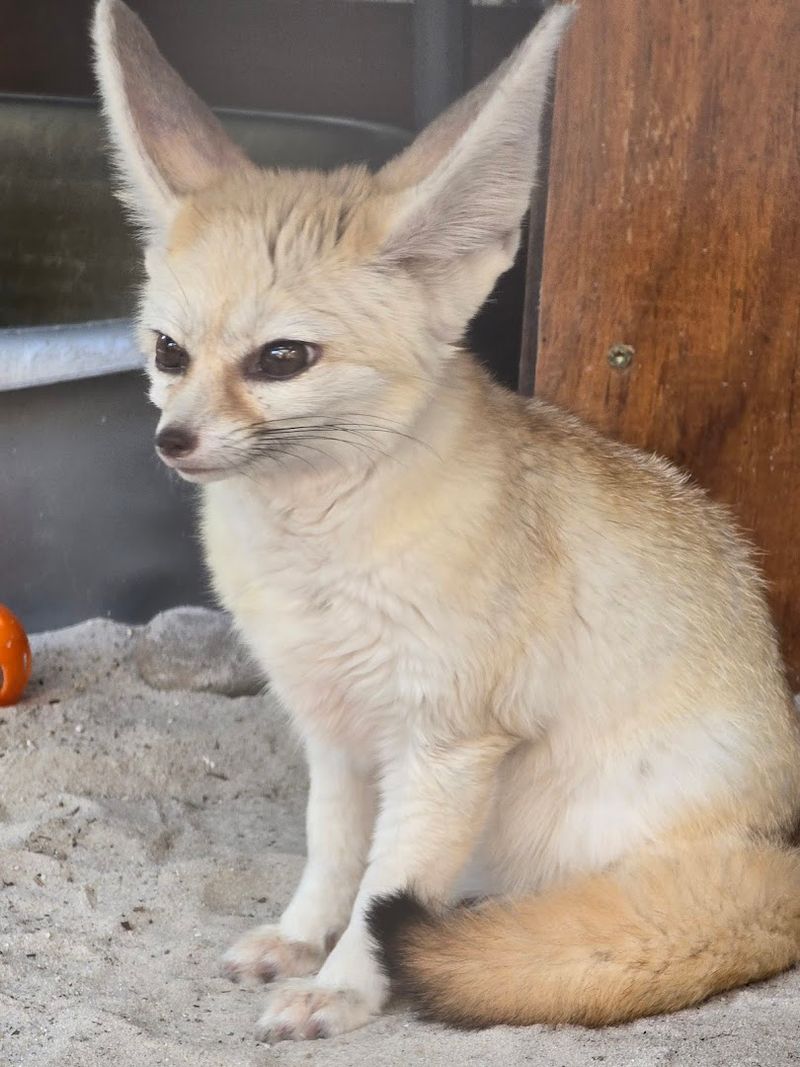
Panthers prowl their enclosures with the grace of wild cats, while foxes dart around with playful energy. Raccoons show off their dexterous paws, and prairie dogs pop up from their burrows to check out the visitors.
The sanctuary doesn’t discriminate when it comes to rescues. If an exotic animal needs help and they have the resources to provide proper care, they step up.
This has resulted in a diverse collection of residents that keeps tours interesting from start to finish. You never know quite what you’ll see around the next corner.
Each species gets care tailored to their specific needs. The big cats receive appropriate diets and enrichment activities that let them express natural behaviors.
Smaller animals get enclosures designed for their safety and comfort. Everything is kept meticulously clean, which visitors consistently mention in their reviews.
The attention to detail shows respect for the animals and commitment to their wellbeing.
Tour guides explain how each animal ended up at the sanctuary, and the stories range from heartbreaking to infuriating. Many were kept as illegal pets by people who had no business owning exotic animals.
Others came from roadside attractions or breeding operations that went under. Some were seized by authorities from abusive situations.
Now they’re safe, well-fed, and living in an environment where their needs actually matter.
The variety of animals makes Shy Wolf appealing to a wide audience. Kids get excited about the playful prairie dogs and curious foxes.
Adults appreciate the majestic panthers and the rare opportunity to see these animals up close. Everyone leaves with a better understanding of why exotic pet ownership is problematic and what happens to animals when people make irresponsible choices.
Tortoises You Can Actually Touch
One of the unexpected highlights at Shy Wolf Sanctuary is the chance to interact with tortoises. These ancient-looking reptiles move at their own pace and seem completely unfazed by human attention.
Unlike the wolves and big cats, which maintain appropriate distance, the tortoises are happy to let visitors gently touch their shells and even their heads during the tour.
The sanctuary houses multiple species of tortoises, each with different care requirements and personalities. Some are shy and retreat into their shells when approached.
Others are surprisingly social, stretching their necks out and seeming to enjoy the attention. Tour guides teach proper handling techniques and explain what to look for in a healthy tortoise.
Kids absolutely love this hands-on component of the tour. There’s something magical about touching a creature that looks like it walked straight out of prehistoric times.
The tortoises’ shells are smooth and cool to the touch, and their scaly skin feels different from any pet most people have encountered. It’s a tactile learning experience that sticks in memory.
These tortoises, like the other animals, are rescues. Some were surrendered by owners who didn’t realize how long tortoises live or how much space they need.
Others were found abandoned or living in inadequate conditions. At the sanctuary, they have proper outdoor enclosures with access to sunshine, appropriate vegetation, and room to roam at their leisurely pace.
The guides share fascinating facts about tortoise biology and behavior. You’ll learn about their impressive lifespans, dietary needs, and how they’ve adapted to different environments around the world.
They also explain why tortoises shouldn’t be kept as casual pets and what responsibilities come with caring for these long-lived reptiles. It’s education wrapped in an enjoyable, interactive experience that appeals to visitors of all ages.
Prairie Dogs That Pop Up With Personality
Prairie dogs might seem like an odd choice for a Florida sanctuary, but these charismatic rodents have won over countless visitors with their entertaining antics. They live in a specially designed enclosure that mimics their natural habitat, complete with burrow systems and plenty of space to exhibit their social behaviors.
Watching them interact is like observing a tiny, furry soap opera.
These animals are incredibly social and live in family groups with complex communication systems. They chirp, bark, and use body language to convey messages to each other.
When one spots a perceived threat, the whole group responds, diving into burrows or standing on alert. It’s fascinating to watch their coordinated behavior and realize just how organized their society is.
During tours, guides often point out individual prairie dogs and their roles within the group. Some are sentries, constantly on watch.
Others are more playful, engaging in what looks like wrestling matches with their companions. Baby prairie dogs, when present, are ridiculously cute and draw crowds of admirers who can’t help but smile at their clumsy movements.
Like the other residents, these prairie dogs are rescues from situations where they couldn’t be properly cared for. Some came from the exotic pet trade, where people bought them thinking they’d make good house pets without understanding their needs.
Prairie dogs require specific diets, social interaction with their own kind, and space to dig—none of which most homes can provide.
The sanctuary’s prairie dog exhibit serves an educational purpose beyond entertainment. Visitors learn about the ecological importance of prairie dogs in their native habitats and how their population decline affects entire ecosystems.
They’re keystone species that create habitat for other animals and help maintain grassland health. Seeing them up close helps people appreciate animals they might otherwise overlook or even consider pests.
Educational Tours That Transform Perspectives
Shy Wolf Sanctuary doesn’t just show you animals—it changes how you think about them. The educational component of every tour is carefully woven into the experience, delivered by guides who know how to engage audiences without lecturing.
You’ll leave with knowledge you didn’t have before and a shifted perspective on wildlife conservation, exotic pet ownership, and animal welfare.
Tours last about an hour and cover the entire property, stopping at each enclosure for detailed explanations. Guides discuss the natural history of each species, their behavior in the wild versus captivity, and the specific circumstances that brought that individual animal to the sanctuary.
The stories are powerful teaching tools that illustrate broader issues in ways statistics never could.
One of the key messages hammered home during tours is that wild animals don’t make good pets. The guides don’t preach or judge—they simply present the reality of what happens when people make uninformed decisions.
The animals themselves are the evidence, each one a living example of why exotic pet ownership requires serious consideration, if it should happen at all.
Children and adults both benefit from these tours, though they take away different lessons. Kids are often focused on the cool factor of seeing wolves and big cats up close.
Adults tend to absorb the conservation message and leave thinking about their own relationship with wildlife. Either way, the sanctuary plants important seeds of awareness.
The tour format is informal and allows for questions throughout. Guides encourage curiosity and never make anyone feel stupid for asking something.
This open atmosphere creates genuine learning opportunities rather than passive observation. Visitors frequently mention in reviews that they learned things they never would have discovered on their own, from wolf pack dynamics to the endangered status of New Guinea singing dogs.
It’s conservation education done right.
Jungle Vibes in the Heart of Naples
The moment you step onto the sanctuary grounds, you’re transported somewhere that doesn’t feel like typical Southwest Florida. The property has been carefully landscaped and allowed to grow in ways that create a genuine jungle vibe.
Dense vegetation, winding paths, and strategically placed enclosures make you feel like you’ve left civilization behind, even though you’re just off a Naples side street.
This naturalistic setting isn’t just aesthetic—it’s functional. The heavy vegetation provides shade for both animals and visitors, which is crucial in Florida’s intense heat.
It also creates a more authentic environment for the animals, giving them places to retreat and explore. The lush greenery muffles outside noise and creates a peaceful atmosphere that benefits everyone on the property.
Visitors consistently comment on the sanctuary’s unique ambiance. It doesn’t look like a typical zoo or animal park with sterile concrete and chain-link fences.
Instead, wooden structures blend into the landscape, and enclosures are designed to feel as natural as possible given the constraints of captivity. The overall effect is immersive and helps visitors connect with the experience on a deeper level.
The property itself is relatively small, which actually works in its favor. Everything is walkable, and tours move at a comfortable pace that allows you to really observe each animal rather than rushing through.
The intimate scale means you get close-up views that larger facilities can’t offer. You’re not looking at distant specks through binoculars—you’re feet away from magnificent creatures.
Maintaining this jungle aesthetic requires constant work from volunteers and staff. The Florida climate means vegetation grows quickly and needs regular management.
The team has found a balance between wild natural beauty and functional space that serves both animals and visitors. It’s this attention to creating the right environment that sets Shy Wolf apart from more commercial animal attractions.
A Mission Fueled by Compassion and Donations
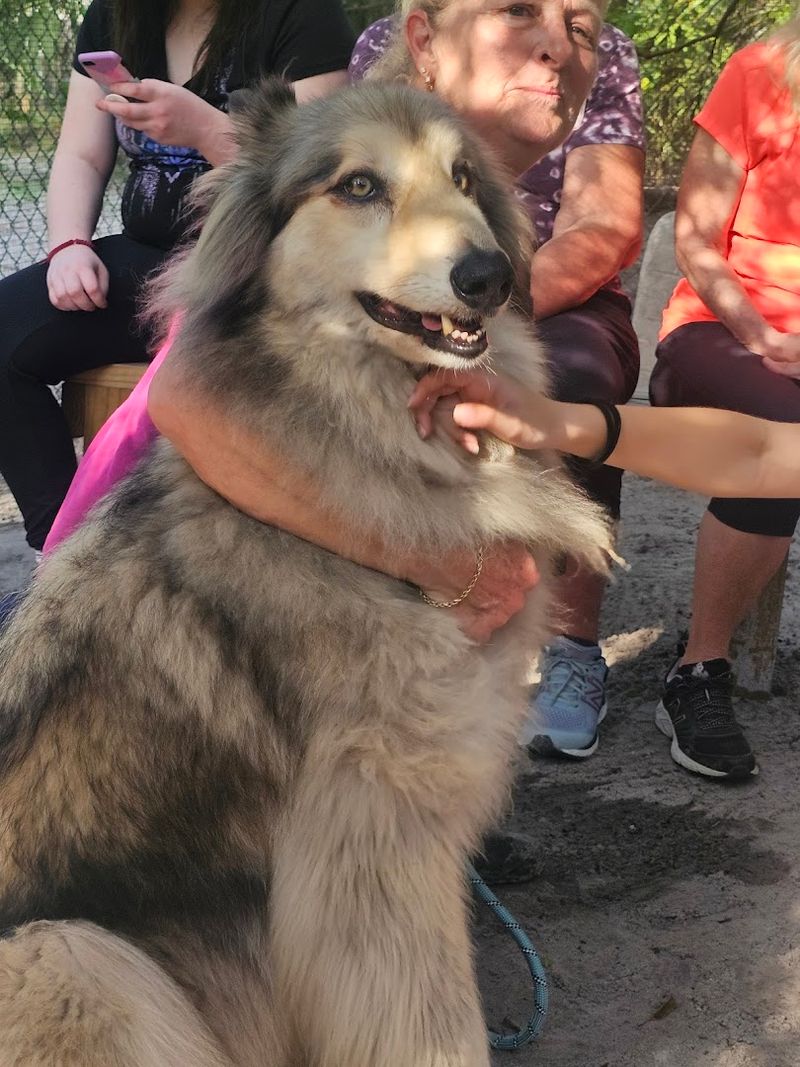
Shy Wolf Sanctuary operates on passion, dedication, and the generosity of donors. This isn’t a wealthy organization with corporate backing—it’s a shoestring operation run by people who care more about the animals than profit margins.
Every dollar donated goes directly toward animal care, facility maintenance, and educational programming. There’s no bloated administrative overhead here.
The nonprofit status means the sanctuary depends on admission fees, donations, and fundraising efforts to keep operating. Tour costs are reasonable, especially considering the quality of the experience and the important work being supported.
Many visitors choose to donate additional amounts after seeing firsthand what the sanctuary does and how much the animals need continued support.
Running a wildlife sanctuary is expensive. Food alone is a massive ongoing cost when you’re feeding wolves, big cats, and numerous other species.
Veterinary care for exotic animals isn’t cheap either. Then there’s property maintenance, utilities, insurance, and countless other expenses that add up quickly.
The sanctuary manages to do all this while keeping ticket prices accessible to families.
The volunteer workforce is what makes it possible. These dedicated individuals donate thousands of hours annually, doing everything from leading tours to cleaning enclosures to building new structures.
Their labor of love reduces operational costs and allows more resources to go directly to animal care. Without volunteers, the sanctuary simply couldn’t function at its current level.
Visitors who can’t volunteer their time are encouraged to contribute financially or through the sanctuary’s wish list of needed supplies. Every contribution, no matter how small, makes a difference.
The sanctuary is transparent about its needs and how donations are used, building trust with supporters. For anyone who loves animals and wants to support meaningful conservation work, Shy Wolf Sanctuary offers a worthy cause that delivers real results you can see and feel.
Perfect for Families and Animal Lovers of All Ages
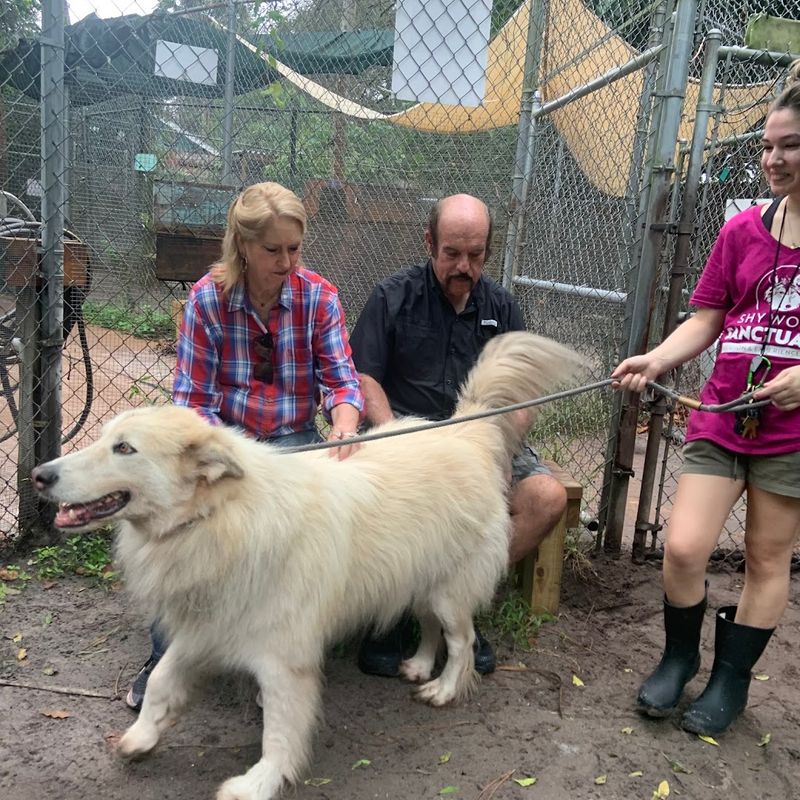
Shy Wolf Sanctuary has cracked the code on creating an experience that genuinely appeals to everyone. Little kids are mesmerized by the animals and the chance to touch tortoises.
Teenagers find it way cooler than they expected, especially when the wolves howl. Adults appreciate the educational component and the sanctuary’s mission.
Even grandparents leave impressed and moved by what they’ve witnessed.
The tour format is accessible without being dumbed down. Guides adjust their presentations based on the audience, offering more detailed information when adults ask specific questions while keeping things engaging for younger visitors.
It’s a balancing act they’ve mastered through experience, ensuring nobody feels bored or talked down to during the hour-long experience.
Parents love that it’s an educational outing that doesn’t feel like school. Kids are learning about conservation, animal behavior, and responsible pet ownership, but they’re having so much fun they don’t realize they’re absorbing important lessons.
The hands-on elements like petting tortoises and possibly interacting with wolf-dogs create memories that last far longer than any textbook lesson.
The sanctuary is also manageable for families with varying mobility levels. The paths are walkable, and while there’s no wheelchair accessibility mentioned specifically, the compact layout means you’re never far from anything.
Tours move at a relaxed pace with plenty of stops, so nobody feels rushed or left behind. It’s an inclusive environment where everyone can participate fully.
Many families make return visits, especially locals who discover the sanctuary and want to support it ongoing. Each visit offers something slightly different depending on which animals are active and what season it is.
The sanctuary also hosts special events and programs throughout the year, giving repeat visitors new reasons to come back. It’s become a beloved Naples attraction that punches well above its weight in terms of impact and enjoyment.