11 Must-Visit Places And Experiences In Jacksonville, Florida
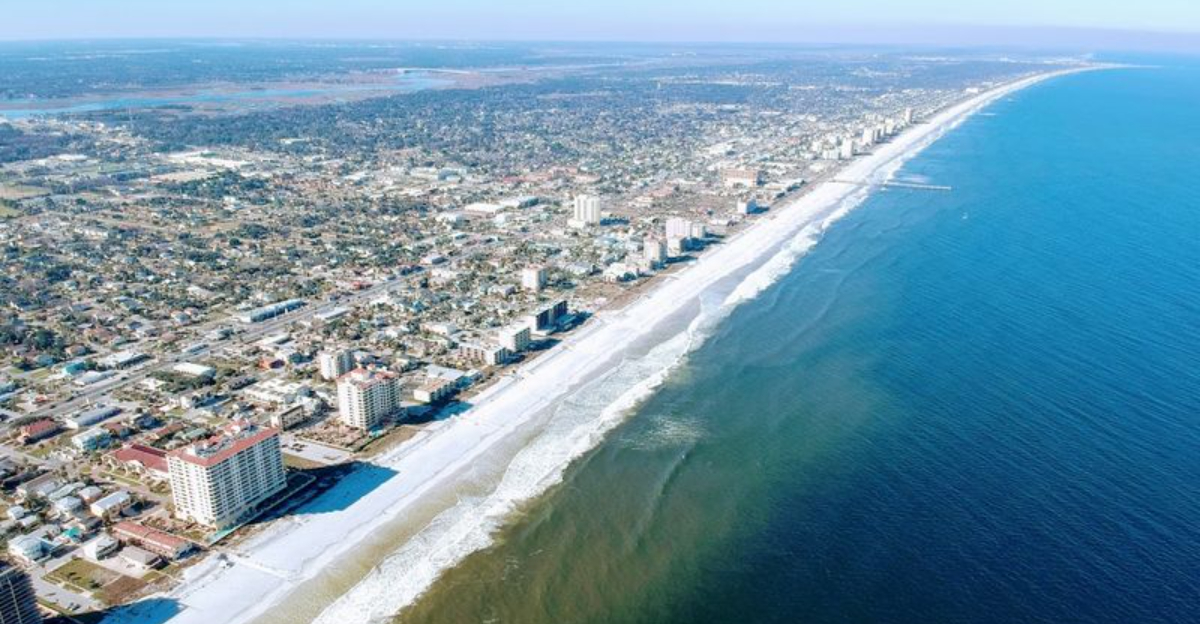
Jacksonville stretches across 875 square miles of northeastern Florida coastline, making it the largest city by area in the lower 48 states. Beyond its impressive size, this coastal gem packs in wildlife sanctuaries, pristine beaches, historic plantations, and outdoor adventures that rival any Florida destination.
Whether you’re craving a day with exotic animals, exploring centuries-old history, or simply soaking up the sun on Atlantic sands, Jacksonville delivers experiences that feel both authentically Floridian and refreshingly unique.
1. Jacksonville Zoo and Gardens
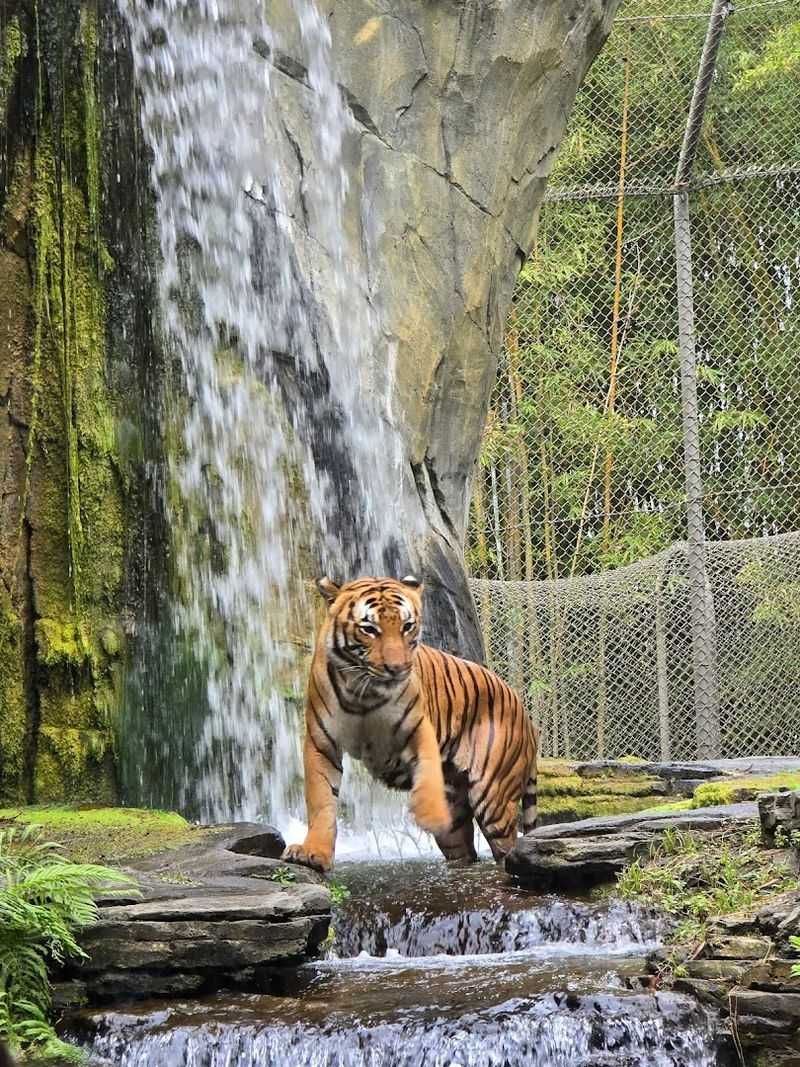
Spread across 117 acres of Northeast Florida landscape, this zoo houses more than 2,000 animals representing species from every continent. You’ll wander through immersive exhibits like the Range of the Jaguar, where Central and South American wildlife roam in carefully recreated habitats.
The African Loop brings you face-to-face with elephants, lions, and rhinos, while the Land of the Tiger transports you to the forests of Asia.
Kids absolutely lose their minds at the Stingray Bay touch tank, where gentle rays glide beneath their fingertips. The Play Park area offers splash zones and climbing structures that give little ones a chance to burn energy between animal encounters.
Garden enthusiasts appreciate the botanical collections woven throughout the grounds, featuring native Florida plants and exotic tropical specimens.
Plan to spend at least half a day here because rushing through would mean missing hidden gems like the Australian Walkabout or the giraffe feeding platform. Summer visits can get steamy, so mornings offer cooler temps and more active animals.
The zoo’s conservation programs focus on endangered species, giving your visit a purpose beyond entertainment.
Parking is plentiful and included with admission, which makes logistics simple for families. The train ride circling the property gives tired feet a rest while providing elevated views of exhibits you might have missed on foot.
Pack sunscreen, comfortable shoes, and a refillable water bottle because Florida sun shows no mercy even in winter months.
2. Jacksonville Beach
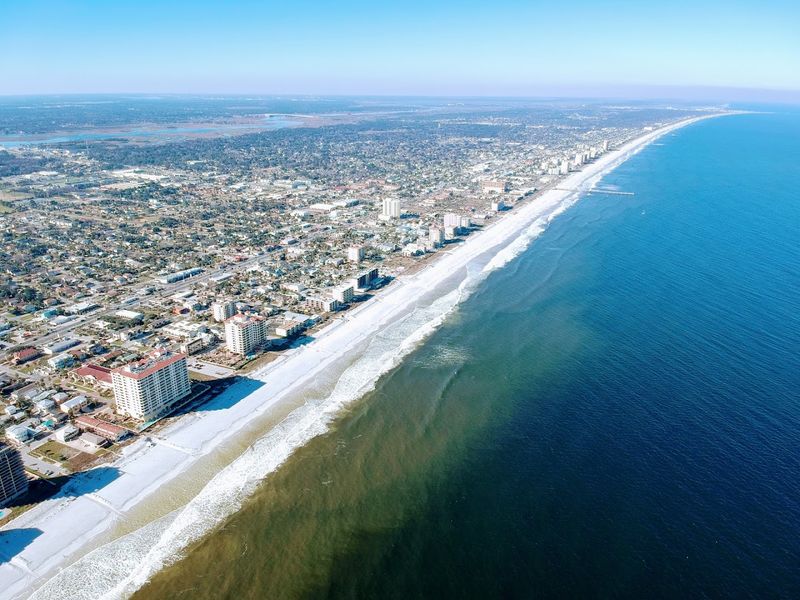
Twenty-two miles of Atlantic coastline give Jacksonville Beach a laid-back vibe that’s worlds away from the crowded tourist traps further south. The sand here stays soft and wide, perfect for morning jogs, volleyball games, or simply planting an umbrella and watching surfers catch waves.
The iconic fishing pier stretches 1,320 feet into the ocean, offering anglers a prime spot to reel in redfish, flounder, and the occasional tarpon.
Beachfront restaurants and bars cluster along First Street, serving everything from fresh-caught grouper sandwiches to craft cocktails with ocean views. You’ll find locals mixing with visitors at spots that stay open late, especially on weekends when live music spills onto patios.
The energy shifts from family-friendly during daylight hours to a younger crowd after sunset.
Sunrise here is genuinely spectacular, painting the sky in shades of pink and orange that photographers dream about. Early birds often spot dolphins playing in the surf just beyond the breakers.
Water temperatures stay swimmable from May through October, though brave souls dip in year-round.
Free public beach access points dot the coastline, though parking can get competitive on summer weekends. Arrive before 10 a.m. or after 3 p.m. for easier spots.
The surrounding neighborhoods offer charming beach cottages and surf shops that maintain an authentic coastal Florida feel that bigger resort towns have lost.
3. Catty Shack Ranch Wildlife Sanctuary
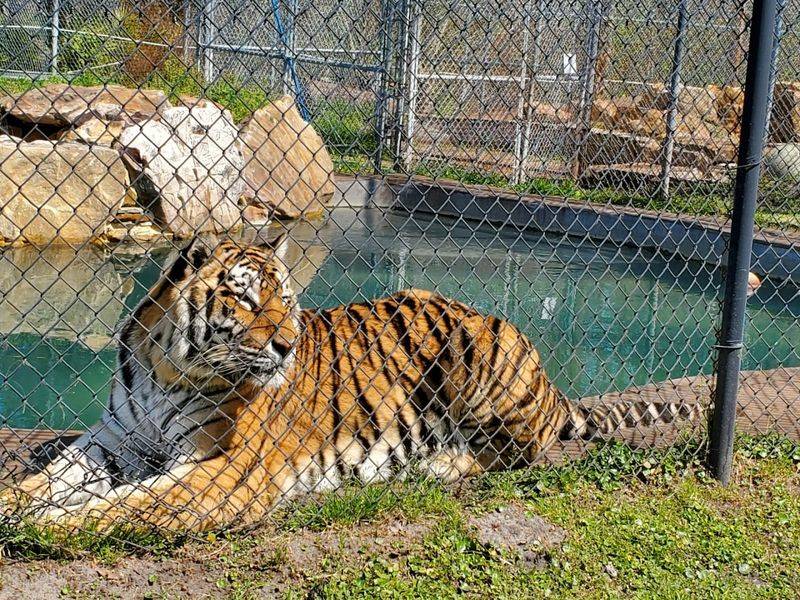
Big cats prowl, roar, and lounge across this 12-acre sanctuary dedicated to rescuing exotic felines that can’t survive in the wild. Tigers, lions, leopards, and cougars call this place home after being saved from neglect, illegal ownership, or failed breeding programs.
Unlike traditional zoos, Catty Shack operates as a nonprofit focused entirely on providing permanent sanctuary rather than entertainment.
The Friday and Saturday night feeding tours are absolutely worth scheduling around. Watching a 400-pound tiger devour dinner while staff share individual rescue stories creates an experience that sticks with you.
Daytime visits allow closer observation of the cats’ personalities, from playful cubs to dignified seniors who’ve found peace here.
Volunteers run this operation with genuine passion for animal welfare, and their knowledge shows during guided tours. They’ll explain why these magnificent creatures can never be released and how the sanctuary ensures quality care for life.
The intimate setting means smaller crowds and more opportunities to ask questions.
Admission fees directly fund food, veterinary care, and habitat maintenance for the residents. Photography is encouraged, and you’ll capture incredible shots through the secure fencing.
The sanctuary doesn’t allow physical contact with animals, prioritizing safety for both visitors and cats.
Located in a quiet area north of downtown, the drive takes about 20 minutes from central Jacksonville. Reservations are required for night feedings and recommended for daytime visits.
Wear closed-toe shoes and bring bug spray because you’re in genuine Florida wilderness here.
4. The Cummer Museum of Art & Gardens
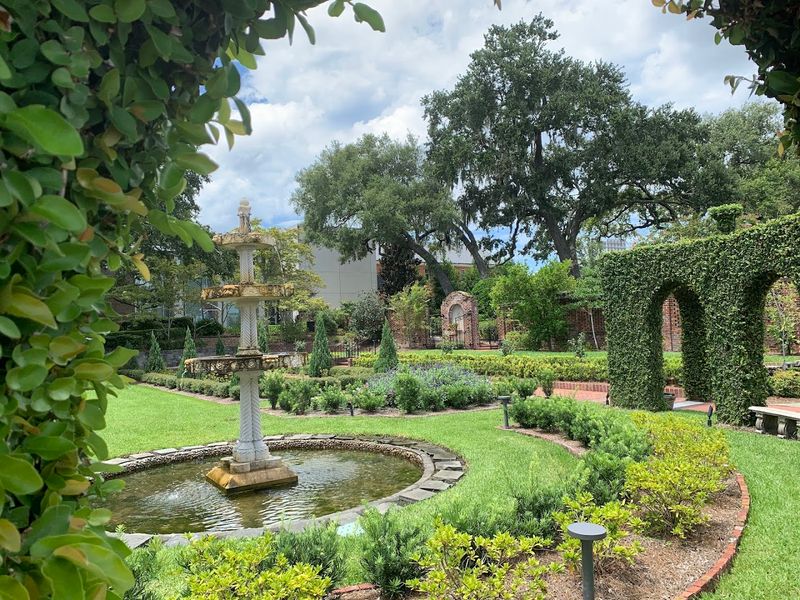
Art and nature merge beautifully at this riverside museum housing 5,000 works spanning from 2100 BCE to the 21st century. The permanent collection includes impressive European and American paintings, Meissen porcelain that’ll make your jaw drop, and one of the world’s finest collections of early Japanese woodblock prints.
Rotating exhibitions bring contemporary artists and traveling shows that keep regular visitors coming back.
The formal gardens steal the show for many guests, especially the English Garden with its manicured hedges and seasonal blooms. Two acres of historic gardens cascade down to the St. Johns River, offering shaded paths perfect for contemplation or romantic strolls.
The Italian Garden features a reflecting pool surrounded by classical statuary that looks particularly magical during golden hour.
Tuesday evenings often feature Art After Dark programs with live music, cash bar, and extended hours that attract a younger crowd. The education wing hosts hands-on art classes for kids and adults, from pottery to painting workshops.
Museum educators genuinely excel at making art accessible without dumbing it down.
The on-site café serves light lunch options with garden views, though it’s not open every day so check ahead. Free admission on Tuesday evenings makes this an affordable date night or solo cultural escape.
Gallery spaces stay comfortably climate-controlled, providing welcome relief from Jacksonville’s heat and humidity.
Parking is free and plentiful in the adjacent lot. The museum sits in the historic Riverside neighborhood, surrounded by charming shops and restaurants worth exploring before or after your visit.
5. Little Talbot Island State Park
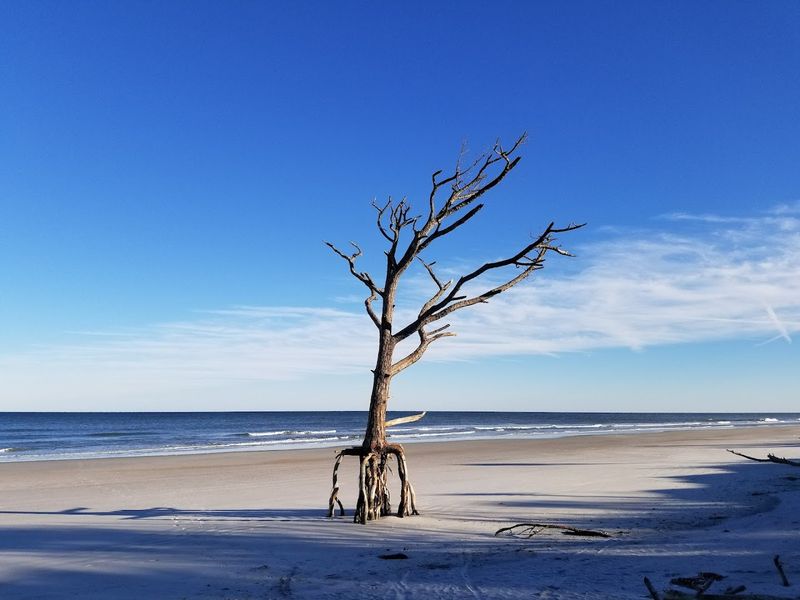
Pristine and wonderfully undeveloped, this barrier island feels like stepping back to Old Florida before condos and beach resorts took over. Five miles of wide sandy beaches stretch along the Atlantic, backed by towering dunes and maritime forest instead of high-rises.
Massive driftwood pieces scattered across the sand create natural sculptures that photographers and Instagram enthusiasts can’t resist.
The park protects diverse ecosystems from salt marshes to coastal hammocks, making it a hotspot for birdwatching and wildlife observation. You might spot bobcats, river otters, or nesting sea turtles depending on the season.
Kayak and canoe launches provide access to tidal creeks winding through spartina grass, where dolphins frequently hunt for fish.
Camping facilities offer both tent sites and full-hookup spots for RVs, letting you fall asleep to ocean waves and wake to seabird calls. The campground stays surprisingly quiet even on weekends because the park limits visitor numbers to preserve the natural environment.
Amenities remain basic but clean, with hot showers and restrooms that exceed typical state park standards.
Hiking trails loop through shaded forests where Spanish moss drapes from ancient oaks. The beach itself stays relatively uncrowded compared to Jacksonville Beach, giving you room to spread out.
Swimming conditions vary with tides and currents, so pay attention to posted warnings.
The entrance fee is modest and includes parking near beach access points. Arrive early during summer weekends because the park closes when capacity is reached.
Pack everything you need including food and plenty of water since no concessions exist on the island.
6. Riverside Arts Market
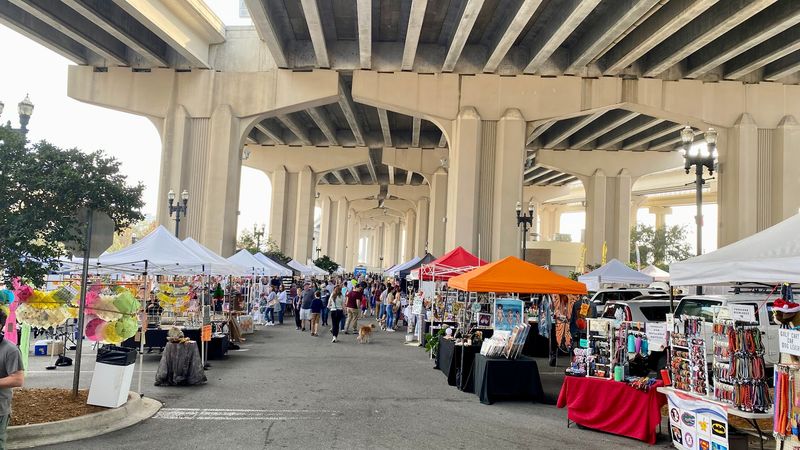
Every Saturday morning, the area beneath the Fuller Warren Bridge transforms into Jacksonville’s largest and most vibrant farmers market. More than 100 vendors set up shop selling everything from organic vegetables and artisan breads to handcrafted jewelry and original paintings.
The market pulses with energy as musicians perform, food trucks serve breakfast tacos and fresh-squeezed juice, and locals catch up over coffee.
Local artists display work that ranges from affordable prints to investment-worthy pieces, giving you chances to meet creators and hear the stories behind their craft. The quality varies as any market does, but you’ll discover genuine talent if you take time to browse.
Pottery, woodwork, photography, and textile arts all find representation here.
Fresh produce comes directly from North Florida farms, offering seasonal fruits and vegetables at prices that beat most grocery stores. Bakers bring sourdough loaves, croissants, and pastries that disappear fast, so early arrival pays off.
Prepared food vendors serve everything from Thai spring rolls to Cuban sandwiches, making this an excellent brunch destination.
The riverside setting provides beautiful views of downtown Jacksonville’s skyline across the water. Kids enjoy the open space to run around while parents shop, and leashed dogs are welcome.
Live music creates a festive atmosphere without overwhelming conversation.
Free parking fills up quickly after 10 a.m., especially during cooler months when the market is most pleasant. Bring reusable bags, cash for smaller vendors, and sunscreen because shade is limited.
The market runs rain or shine from 10 a.m. to 3 p.m., though arriving before noon gives you the best selection.
7. Jacksonville Arboretum & Botanical Gardens
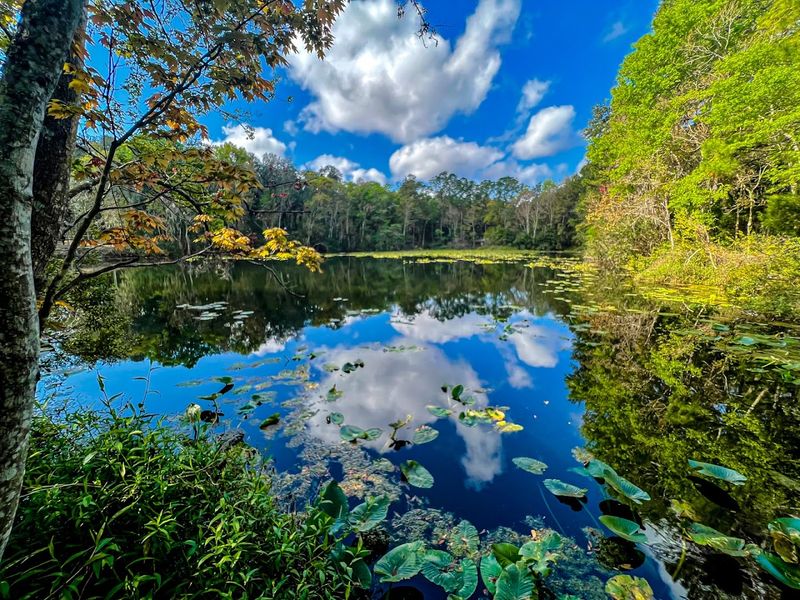
Hidden away on the city’s Westside, this 120-acre preserve showcases Florida’s native plant communities in their natural glory. Boardwalks and crushed-shell trails wind through hardwood forests, pine flatwoods, and wetlands that represent ecosystems once covering much of North Florida.
You’ll encounter towering longleaf pines, sprawling live oaks, and seasonal wildflowers that attract butterflies and native bees.
The arboretum operates entirely through volunteer efforts and stays completely free to visit, making it an incredible community resource. Trail maps available at the entrance guide you through different habitats, with interpretive signs explaining ecological relationships.
The Lake Loop Trail offers the easiest walking at 1.3 miles, while adventurous visitors can explore longer routes totaling over two miles.
Birdwatchers bring binoculars to spot woodpeckers, warblers, and wading birds that thrive in the preserved wetlands. Early morning visits reward you with active wildlife and cooler temperatures.
The gardens host occasional guided nature walks and educational programs that dive deeper into Florida ecology.
Unlike manicured botanical gardens featuring exotic imports, this place celebrates plants that evolved here over millennia. It’s educational without feeling like a classroom, beautiful without being fussy.
Photographers appreciate the natural light filtering through tree canopies and reflecting off still pond waters.
No facilities exist beyond porta-potties, so plan accordingly. The trails can get muddy after rain, making closed-toe shoes essential.
Bug spray proves useful during warmer months when mosquitoes emerge. Pets are welcome on leash, and the shaded paths make this a dog-friendly destination even during summer.
8. Kingsley Plantation
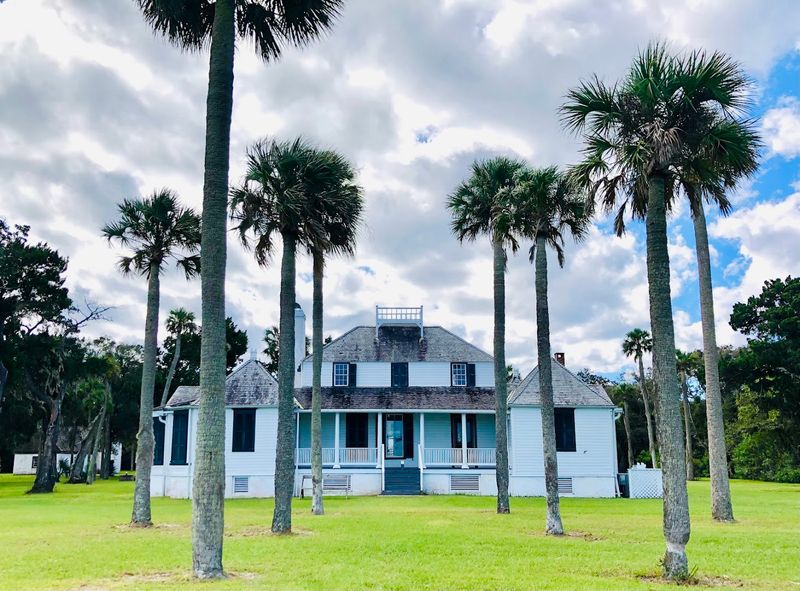
Built in 1798, this plantation tells uncomfortable but essential stories about Florida’s colonial past and the enslaved people who lived and labored here. The main house constructed from tabby, a concrete-like mixture of oyster shells, sits surrounded by the ruins of 23 slave cabins arranged in a semicircle.
Walking these grounds confronts visitors with the brutal realities of plantation life while honoring the resilience of those who endured it.
Zephaniah Kingsley owned this Sea Island cotton plantation and lived here with Anna Madgigine Jai, an enslaved African woman he eventually freed and acknowledged as his wife. Their complicated relationship challenges simplistic historical narratives, though it never excuses the violence of slavery.
Rangers lead interpretive programs that don’t shy away from difficult truths about how wealth was built on human suffering.
The grounds overlook salt marshes and the Fort George River, offering serene natural beauty that contrasts sharply with the site’s history. Ancient live oaks draped in Spanish moss create an atmosphere both beautiful and haunting.
The kitchen house, barn, and other outbuildings provide glimpses into daily operations of a working plantation.
Admission is free, making this accessible to anyone interested in honest historical education. The visitor center provides context through exhibits and a short film before you explore the grounds.
Self-guided tours allow you to move at your own pace, though ranger-led programs add valuable depth.
Located on Fort George Island about 30 minutes northeast of downtown Jacksonville, the drive itself passes through scenic coastal areas. Bring water and sun protection because shade is limited around the historic structures.
9. Timucuan Ecological and Historic Preserve
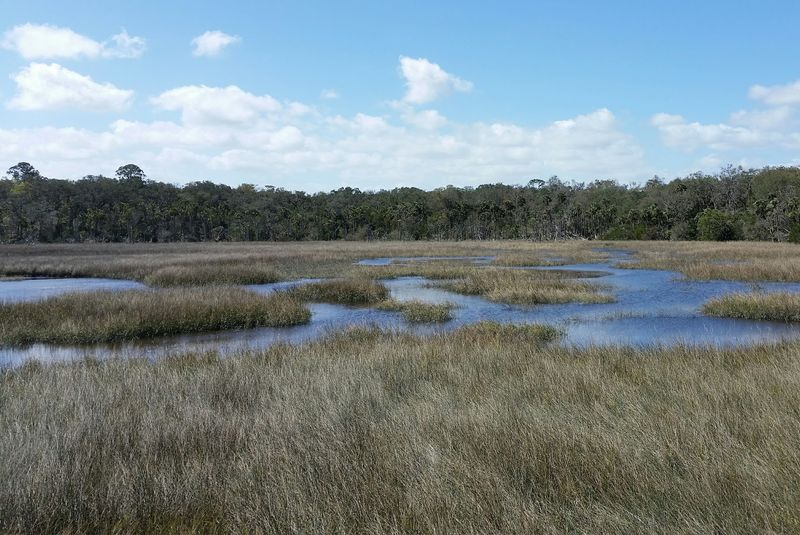
Spanning 46,000 acres of coastal wetlands, this preserve protects ecosystems and archaeological sites that tell 6,000 years of human history. Salt marshes, coastal dunes, and hardwood hammocks create habitats for endangered species like wood storks and manatees.
The preserve encompasses multiple sites including Fort Caroline, Kingsley Plantation, and miles of waterways perfect for kayaking and fishing.
Paddling through the tidal creeks reveals a different side of Jacksonville that most visitors never see. The intricate network of marshes changes dramatically with tides, creating ever-shifting landscapes.
Dolphins often patrol these waters hunting for mullet, and patient observers might spot bobcats or otters along the banks.
The preserve’s name honors the Timucua people who inhabited this region for thousands of years before European contact. Shell middens and archaeological sites dot the landscape, though most remain protected and off-limits to preserve them for future study.
The visitor center at Fort Caroline provides context about both natural and cultural history.
Hiking trails range from easy boardwalks to more challenging routes through maritime forests. The Spanish Pond Trail offers a moderate 2.5-mile loop with interpretive signs explaining the area’s ecology.
Birdwatching peaks during spring and fall migrations when hundreds of species pass through.
Unlike crowded beach parks, the preserve offers solitude and genuine wilderness experiences minutes from urban Jacksonville. No entrance fees apply to most areas, though some specific sites like Kingsley Plantation charge for tours.
Cell service gets spotty in remote sections, so download maps before heading out. Insect repellent is non-negotiable during warm months.
10. Friendship Fountain
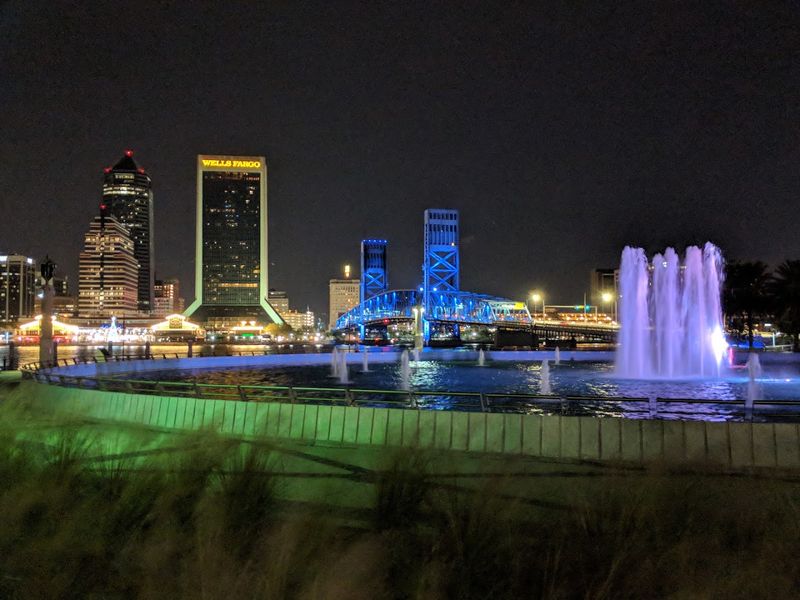
When this fountain was built in 1965, it held the title of world’s tallest and largest, shooting water 120 feet into the air. Located in St. Johns River Park along the Southbank Riverwalk, it remains an iconic Jacksonville landmark and gathering spot.
The fountain operates daily, with evening light shows transforming the water jets into a colorful spectacle that reflects off the river.
Families spread blankets on the surrounding lawn for picnics with skyline views, while joggers and cyclists use the adjacent riverwalk for exercise. The open green space hosts occasional concerts and festivals that draw crowds from across the city.
Kids love running through the splash pad area during hot months, getting soaked while parents relax on nearby benches.
The fountain underwent major renovations in recent years to restore it to original glory after decades of wear. Modern LED lighting and updated pump systems now create more dramatic displays while using less energy.
Photographers position themselves here for sunset shots with the fountain in the foreground and downtown towers behind.
The Southbank Riverwalk extends in both directions from the fountain, offering miles of paved paths along the water. You’ll pass restaurants, museums, and parks that make this area perfect for spending an entire afternoon.
Water taxis dock nearby, providing scenic transportation to downtown attractions across the river.
Parking is available in nearby lots, though spaces fill quickly during events. The park stays open from dawn until 11 p.m., with fountain shows running until 10 p.m. most nights.
Bring a camera for the evening light show, and consider packing a picnic to enjoy while watching boats cruise the river.
11. Fort Caroline National Memorial
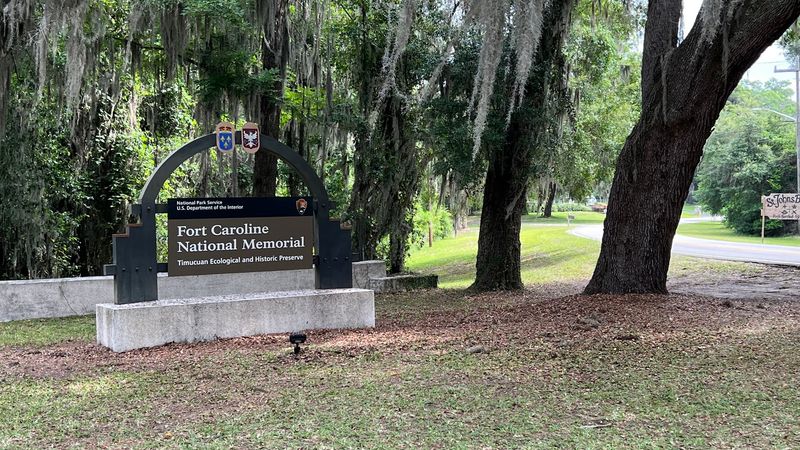
French Huguenots established a settlement here in 1564, making it one of the earliest European colonies in what would become the United States. The original fort lasted barely a year before Spanish forces destroyed it, but the reconstructed triangular wooden fortification gives visitors a sense of the colonial outpost’s layout and defenses.
Walking through the fort’s interior, you can imagine the desperation of colonists struggling to survive in an unfamiliar land.
The site sits within the Timucuan Ecological and Historic Preserve, surrounded by the same coastal forests and marshes the French colonists encountered. A visitor center presents exhibits about the short-lived French colony, Spanish conquest, and the Timucua people who were here first.
Rangers offer talks that bring this complex history to life, explaining how European power struggles played out on Florida shores.
Nature trails wind through maritime hammocks where interpretive signs explain both natural and cultural history. The Spanish Pond Trail leads to a quiet pond surrounded by ancient oaks, offering peaceful spots for reflection.
Wildlife viewing opportunities abound, with birds, deer, and occasionally alligators making appearances.
The site remains relatively quiet compared to Jacksonville’s beach attractions, making it perfect for history buffs seeking substance over crowds. Admission is free, and the small scale means you can explore thoroughly in about an hour.
The fort overlooks the St. Johns River, providing beautiful water views that help explain why colonists chose this location.
Located about 20 minutes from downtown, the memorial makes an easy half-day trip combined with other Timucuan Preserve sites. Parking is ample and free.
Bring water and sun protection since shade is limited around the fort reconstruction.