It Should Be Illegal To Visit Tampa Bay And Miss These 8 Places
Tampa Bay is packed with incredible spots that most tourists never even hear about. Sure, you could stick to the usual theme parks and beaches, but you’d be missing out on some of the most unique and memorable experiences Florida has to offer. From hidden nature preserves to stunning architecture and world-class art, this region has treasures that deserve way more attention than they get.
These eight places aren’t just worth visiting—they’re so good that skipping them should practically be against the law.
1. Tampa Theatre
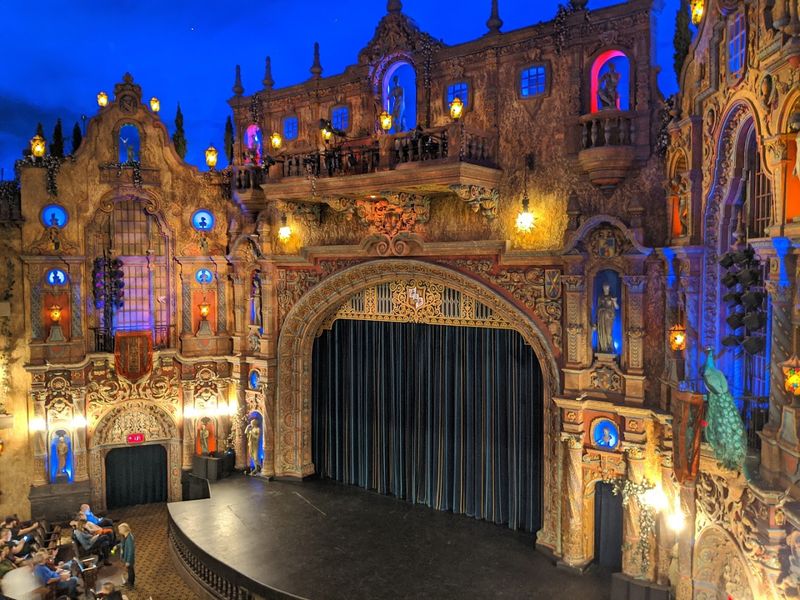
Walking into Tampa Theatre feels like stepping through a time portal straight into the golden age of cinema. This 1926 movie palace wasn’t just built to show films—it was designed to transport audiences to another world entirely. The architects created an atmospheric theater that mimics a Mediterranean courtyard under a starlit sky, complete with statues, flowers, and twinkling lights overhead.
The interior is absolutely jaw-dropping. Every surface features intricate details, from the hand-painted ceiling to the vintage organ that still rises from the floor before select screenings. Real gargoyles peer down from balconies, and the whole space glows with warm, golden light that makes you feel like you’ve crashed the fanciest party of the 1920s.
Tampa Theatre isn’t a museum—it’s a working cinema showing everything from classic films to new releases and special events. Catching a movie here beats any modern multiplex by a mile. The experience combines history, architecture, and entertainment in a way that’s genuinely magical.
Tours are available if you want to learn the building’s fascinating backstory, including tales of its near-demolition and dramatic rescue. Whether you’re a film buff, history nerd, or just someone who appreciates beautiful spaces, this theater delivers an experience you won’t find anywhere else in Florida.
2. Lettuce Lake Park
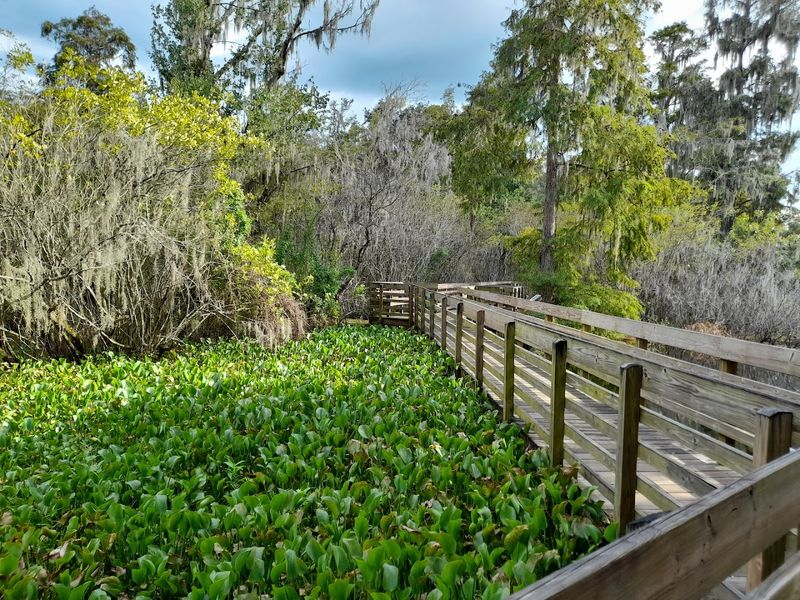
Most people zoom right past this gem on their way to somewhere else, which is honestly their loss. Lettuce Lake Park gives you front-row access to authentic Florida wilderness without requiring a machete or a guide. The park sits along the Hillsborough River, where alligators, turtles, and wading birds go about their business completely unfazed by human spectators.
The elevated boardwalk stretches nearly a mile through cypress swamp and hardwood forest, keeping your feet dry while you explore ecosystems that have existed for thousands of years. Observation platforms let you pause and scan for wildlife—bring binoculars if you’ve got them. The three-story observation tower offers panoramic views that photographers absolutely love, especially during golden hour.
Beyond the boardwalk, paved trails loop through shaded areas perfect for jogging, cycling, or just wandering. Picnic areas with grills make this spot ideal for a laid-back afternoon with family. Canoe and kayak launches provide water access for paddlers wanting a closer look at river life.
Rangers lead nature programs on weekends, teaching visitors about local ecosystems and the creatures that inhabit them. Kids especially love spotting gators sunning themselves on the banks. The park manages to feel wild and remote despite being just minutes from downtown Tampa, offering an easy escape that actually feels like an escape.
3. The Dalí Museum
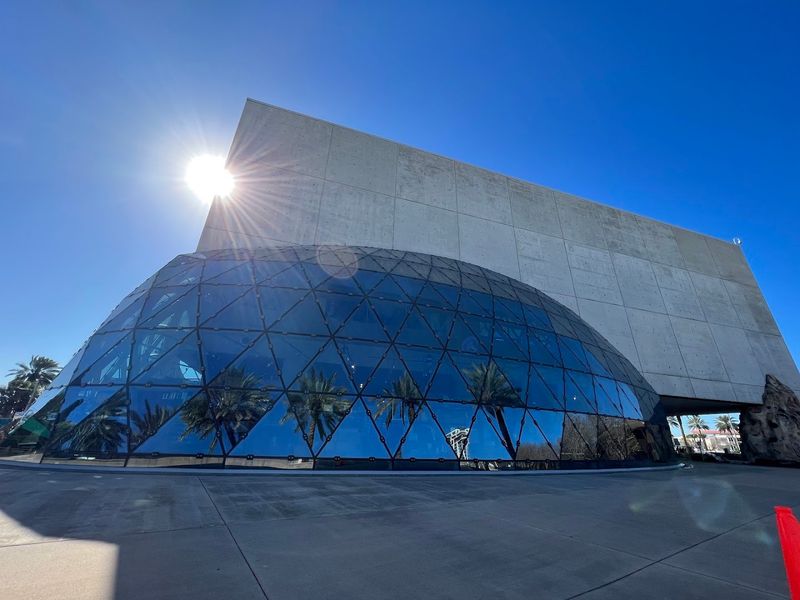
Salvador Dalí’s melting clocks and surrealist dreamscapes have found a permanent home in St. Petersburg, and the collection here rivals anything you’d see in Europe. This museum holds the largest collection of Dalí’s work outside Spain, featuring over 2,400 pieces spanning his entire career. The building itself is a work of art—a geometric glass structure called the Enigma that seems to burst from the museum’s conventional exterior.
Inside, you’ll encounter masterpieces that define surrealism as an art movement. Giant canvases show Dalí’s technical brilliance alongside his wild imagination, while smaller works reveal his evolution as an artist. The museum doesn’t just hang paintings on walls and call it done—they’ve created immersive experiences with virtual reality elements and interactive displays that help decode Dalí’s symbolism.
Even if you think modern art isn’t your thing, this place has a way of winning people over. The docents are genuinely passionate and can explain the stories behind the bizarre imagery without making you feel dumb for asking questions. Special exhibitions rotate throughout the year, bringing fresh perspectives on Dalí and his contemporaries.
The waterfront location adds another layer of appeal. After exploring the galleries, you can stroll along the harbor or grab coffee at the museum café while processing all the weirdness you just witnessed. It’s culture without pretension, housed in a building as memorable as the art inside.
4. Sunken Gardens
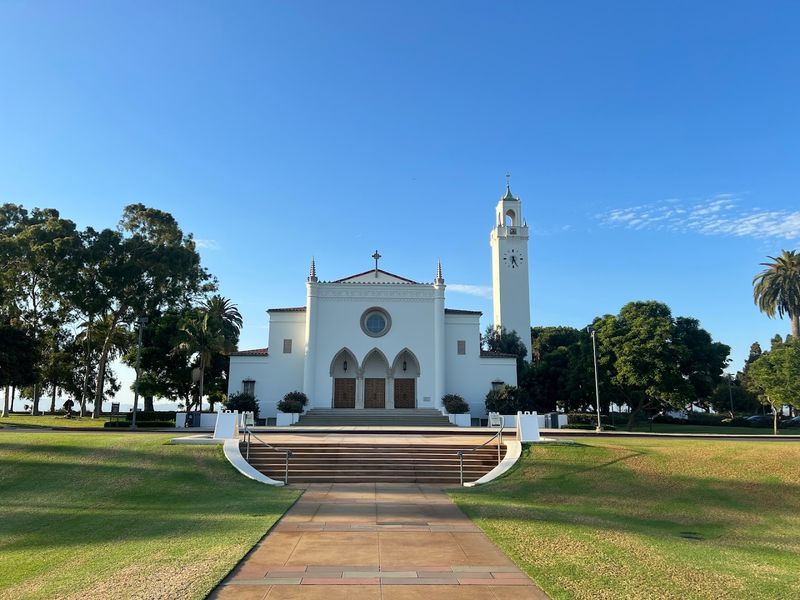
Hidden in a residential St. Petersburg neighborhood, Sunken Gardens has been enchanting visitors since 1903. A plumber named George Turner bought a lake, drained it, and planted a garden in the sinkhole—which sounds slightly crazy but turned out to be brilliant. Today, this four-acre botanical paradise contains some of the oldest tropical plants in the region, with specimens that have been growing here for over a century.
Winding brick paths lead you through distinct garden rooms, each with its own personality and plant collections. Flamingos strut around their habitat like they own the place, while koi fish glide through tranquil ponds. The canopy of mature trees creates natural shade, making this one of the coolest spots in St. Pete during summer—literally and figuratively.
Orchids, bromeliads, and rare palms thrive in carefully maintained microclimates throughout the garden. Seasonal blooms ensure something’s always putting on a show, whether it’s azaleas in spring or vibrant tropicals during summer months. Butterflies flit between flowers, and the whole place buzzes with life in the best possible way.
Photography enthusiasts find endless subjects here, from macro shots of exotic blooms to portrait backgrounds that look professionally designed. Wedding ceremonies happen regularly because few venues can compete with this natural beauty. It’s peaceful without being boring, educational without feeling like homework, and affordable enough that you can visit repeatedly without guilt.
5. Fort De Soto Park
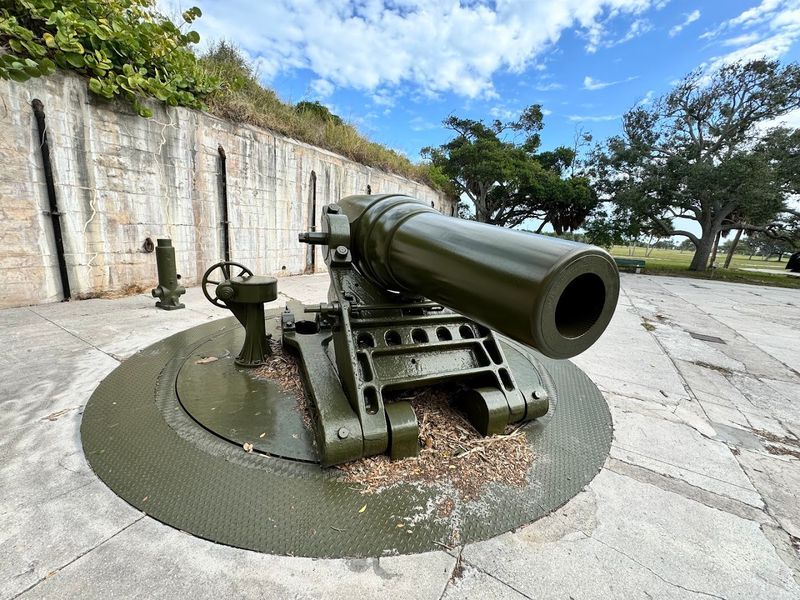
Consistently ranked among America’s best beaches, Fort De Soto Park sprawls across five interconnected islands at the mouth of Tampa Bay. This isn’t some crowded tourist trap with overpriced parking and elbow-to-elbow sunbathers. The 1,136-acre park offers seven miles of waterfront, including beaches that actually look like the Florida of vintage postcards—white sand, clear water, and plenty of space to claim your own territory.
The historic fort itself, built during the Spanish-American War, still stands with original mortars and cannons pointing out to sea. Exploring the brick structures and gun batteries gives you a tangible connection to Florida’s military history. Kids love clambering around the fortifications while adults appreciate the surprisingly well-preserved architecture.
North Beach consistently wins awards for cleanliness and natural beauty, but the entire park delivers outdoor recreation options beyond just sunbathing. Kayakers can explore mangrove tunnels teeming with marine life. The fishing pier extends 1,000 feet into the Gulf, attracting anglers chasing snook, redfish, and tarpon.
Bike trails wind through coastal habitats where you’ll spot dolphins, manatees, and over 300 species of birds.
Unlike many Florida beaches that have been developed within an inch of their lives, Fort De Soto retains a wild, natural character. Camping facilities let you extend your stay, waking up to sunrise over the water. It’s the complete beach experience without the commercial nonsense that ruins so many coastal destinations.
6. Weedon Island Preserve
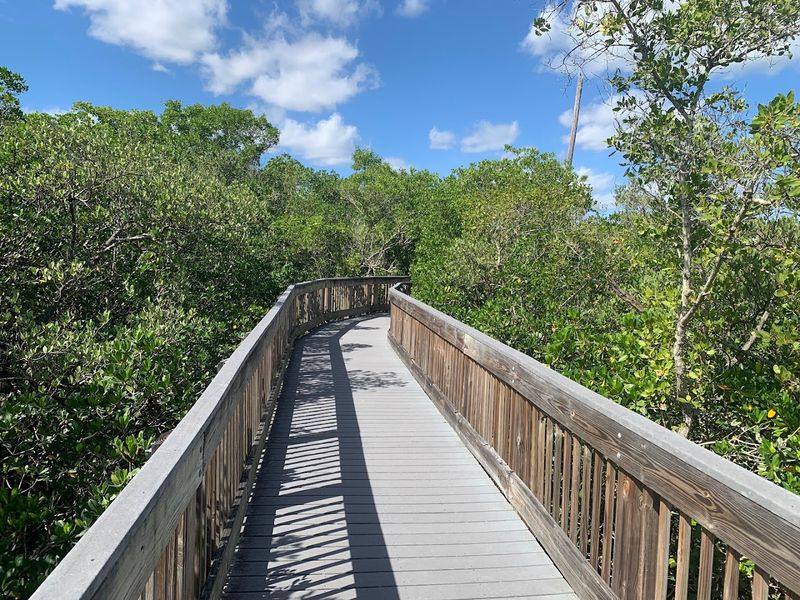
Archaeologists have documented human presence at Weedon Island dating back 10,000 years, making this preserve a living history lesson as well as an ecological treasure. Native American cultures thrived here for millennia, leaving behind shell mounds and artifacts that tell stories of ancient Florida. Today, the 3,700-acre preserve protects the same coastal ecosystems those early inhabitants depended on.
Boardwalks and trails guide you through mangrove forests, tidal flats, and upland hammocks without disturbing fragile habitats. The preserve’s five miles of trails range from easy waterfront strolls to longer loops for serious hikers. Observation platforms positioned throughout the preserve offer prime bird-watching spots—over 250 species have been recorded here, including rare visitors that send birders scrambling for their life lists.
The natural history center features exhibits explaining the area’s archaeological significance and ecological importance. Rangers lead guided walks and kayak tours that reveal details you’d miss exploring solo. Paddling through the mangrove tunnels at high tide ranks among Tampa Bay’s most serene experiences, with fish jumping and birds calling overhead.
Unlike more developed parks, Weedon Island maintains an untouched quality that feels increasingly rare in urban Florida. There’s no snack bar, no souvenir shop, no manufactured attractions—just authentic wilderness minutes from downtown St. Petersburg. Photographers chase spectacular sunsets over Tampa Bay from the preserve’s western shore, where the views stretch unobstructed to the horizon.
7. Philippe Park
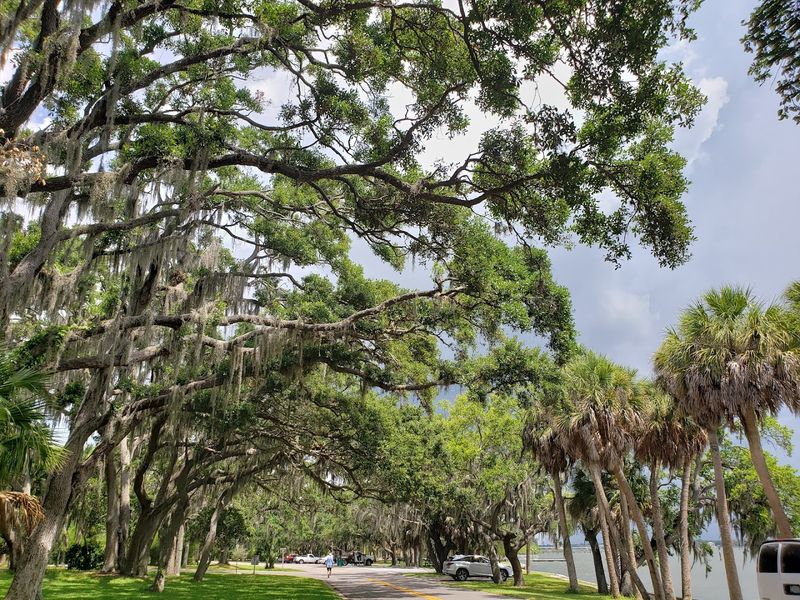
Philippe Park holds the distinction of being Pinellas County’s oldest park and home to one of the most significant Native American archaeological sites in Florida. The massive Tocobaga temple mound rises 25 feet above the surrounding landscape, built by indigenous peoples between 900 and 1500 AD. Climbing to the top connects you with centuries of history while offering panoramic views of Old Tampa Bay that haven’t changed much since those ancient builders first shaped this earthwork.
Count Odet Philippe, the park’s namesake, established the first permanent homestead in Pinellas County here in 1842. He introduced citrus cultivation to the area, launching an industry that would define Florida’s agricultural identity. His story represents the complex layers of Florida history—European settlement built atop indigenous heritage, all of it visible in this single location.
Beyond history, the park functions as a beautiful waterfront retreat. Massive live oaks draped with Spanish moss shade picnic areas and playgrounds. The swimming beach draws families during summer months, while the boat ramp provides access to some of Tampa Bay’s best fishing waters.
Nature trails wind through coastal hammock where you might spot armadillos, raccoons, or the occasional bobcat.
Sunset from Philippe Park is legitimately spectacular, with the bay reflecting brilliant oranges and pinks as the sun drops behind the water. Local families treasure this spot as a low-key alternative to busier beaches, offering the same waterfront beauty without crowds or parking hassles.
8. Ybor City Historic District
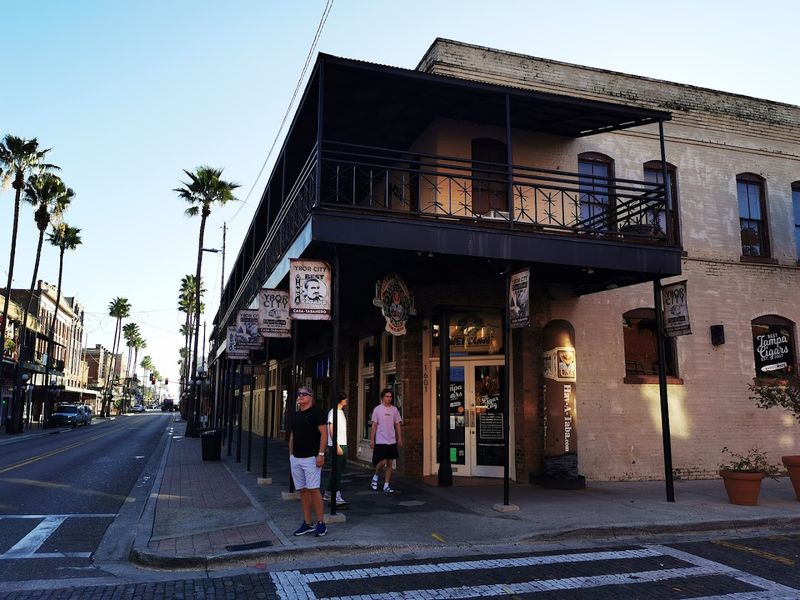
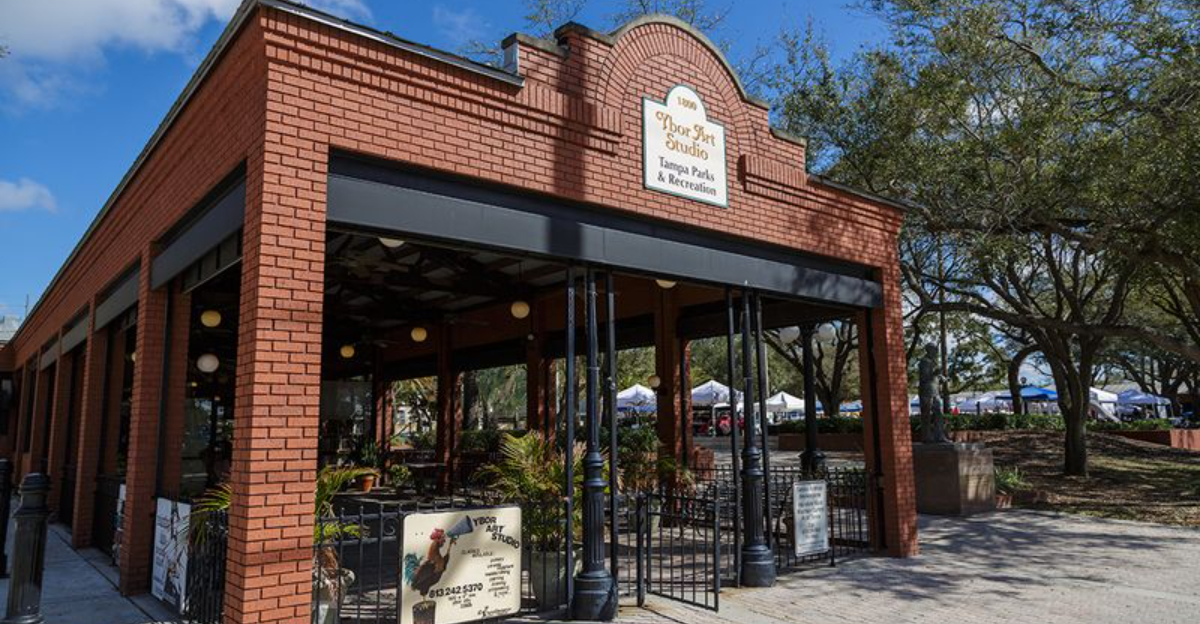
Founded in 1885 by cigar manufacturer Vicente Martinez-Ybor, this neighborhood became the cigar capital of the world by the early 1900s. Immigrants from Cuba, Spain, Italy, and Germany flooded into Ybor City, creating a cultural melting pot unlike anywhere else in the South. The district’s brick streets and historic buildings survived urban renewal efforts that destroyed similar neighborhoods nationwide, preserving an authentic slice of Tampa’s immigrant heritage.
Today, Ybor City pulses with energy that shifts throughout the day. Morning brings the aroma of Cuban coffee from cafés serving cafecito to locals who’ve been coming for decades. Historic cigar shops still roll premium cigars by hand, continuing traditions passed down through generations.
You can watch artisans work while learning about the craft that built this community.
Architecture enthusiasts find endless subjects here—ornate iron balconies, colorful facades, and century-old warehouses converted into restaurants and galleries. Street art and murals add contemporary flair to historic backdrops. The district’s compact size makes it perfect for walking, with new discoveries around every corner.
Weekend nights transform Ybor into Tampa’s entertainment epicenter, with clubs, bars, and live music venues drawing crowds. But even party-goers should explore during daylight hours to appreciate the history behind the party scene. The Ybor City Museum occupies a former bakery, telling immigrant stories through photographs and artifacts.
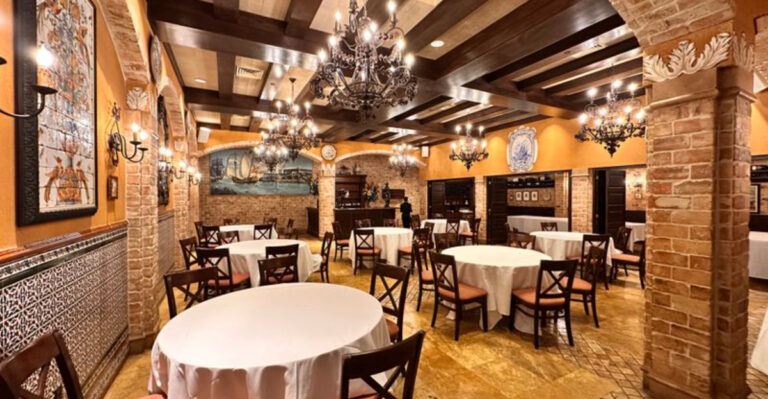
Columbia Restaurant, Florida’s oldest restaurant, serves Spanish-Cuban cuisine in a building that’s been feeding Tampa since 1905.