This Florida City Has a Healthcare System So Advanced It Ranks Among America’s Finest

Orlando might be famous for theme parks and sunny weather, but something equally impressive is happening behind the scenes. The city has built one of the most advanced healthcare systems in the entire country, earning national recognition that puts it in the top tier of American medical centers. When it comes to cutting-edge treatment, expert doctors, and life-saving technology, Orlando is proving it’s not just a vacation destination but a healthcare powerhouse worth celebrating.
1. AdventHealth Orlando Earns Top 1% National Ranking
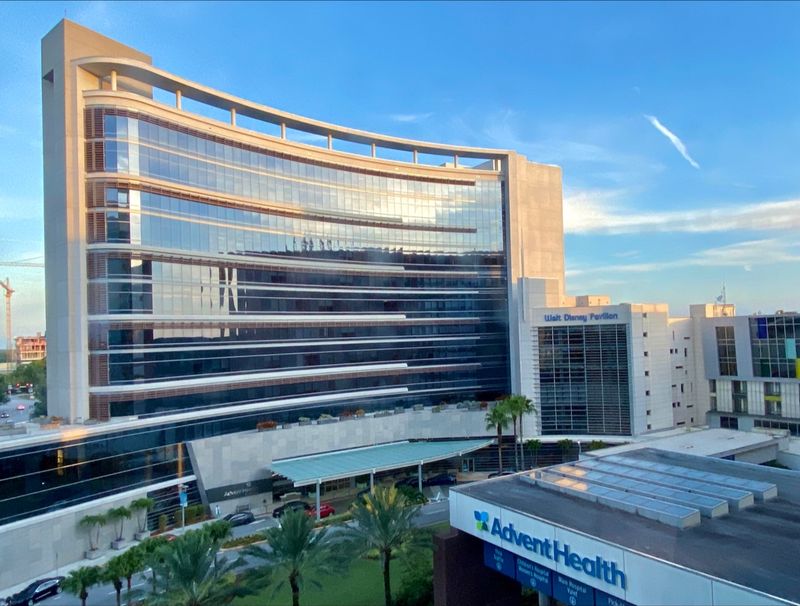
AdventHealth Orlando just claimed a spot among America’s 50 Best Hospitals for 2026 according to Healthgrades, placing it in the elite top 1% nationally for overall clinical quality. That’s not a one-time fluke either. The hospital earned this same prestigious distinction in both 2024 and 2025, proving consistency in delivering exceptional patient outcomes year after year.
What makes this ranking so meaningful is how it’s determined. Healthgrades analyzes millions of patient records across the country, looking at survival rates, complication rates, and overall treatment success. Hospitals that make the top 50 list are statistically outperforming nearly every other facility in America.
For Orlando residents, this means access to world-class care without traveling to major metropolitan areas like New York or Boston. Whether you need cardiac surgery, orthopedic treatment, or complex cancer care, you’re getting services that rival the nation’s most celebrated medical centers.
The recognition also attracts top medical talent to the region. Surgeons, specialists, and researchers want to work at facilities with this level of reputation, creating a positive cycle that keeps raising the bar. When a hospital consistently ranks this high, it signals something special is happening in how they approach patient care, invest in technology, and train their medical teams.
2. Comprehensive Specialty Services Under One Roof

Walking into AdventHealth Orlando feels less like visiting a single hospital and more like entering a complete medical campus. The facility houses dozens of specialized departments, each staffed with experts who focus exclusively on their field. From neurosurgery to transplant services, the breadth of specialties available means patients rarely need referrals to distant cities.
Cardiac care stands out as a particular strength. The hospital performs thousands of heart procedures annually, including complex surgeries that many facilities simply don’t offer. Their cardiac catheterization labs use the latest imaging technology, allowing doctors to diagnose and treat heart conditions with remarkable precision.
Cancer patients benefit from a fully integrated oncology program that combines chemotherapy, radiation, surgery, and supportive care in coordinated treatment plans. Instead of bouncing between different buildings or cities, patients can receive comprehensive cancer care from a team that communicates daily about their progress.
Orthopedics, women’s health, neurology, and gastroenterology round out the specialty offerings. Each department maintains its own research initiatives, clinical trials, and advanced equipment. This depth of expertise means Orlando families can handle serious medical situations close to home, surrounded by their support networks rather than traveling hours away for specialized treatment that’s available right in their backyard.
3. State-of-the-Art Medical Technology and Equipment

Technology moves fast in healthcare, and Orlando’s top hospitals are keeping pace with equipment that would make science fiction fans jealous. Robotic surgical systems now assist doctors in performing incredibly precise procedures through tiny incisions, reducing recovery time and complications. These machines don’t replace surgeons but enhance their capabilities, allowing for operations that would have been impossible just a decade ago.
Imaging technology has transformed diagnostics completely. High-resolution MRI and CT scanners can detect problems earlier than ever before, when they’re most treatable. Some machines can complete full-body scans in minutes, providing detailed three-dimensional images that help doctors plan treatments with unprecedented accuracy.
Emergency departments benefit from rapid diagnostic tools that deliver lab results in minutes rather than hours. When someone arrives with a heart attack or stroke, every second matters. Advanced testing equipment helps doctors make life-saving decisions faster, improving survival rates and reducing long-term damage.
Operating rooms feature integrated systems that connect surgical tools, monitoring equipment, and imaging displays in seamless networks. Surgeons can view real-time data without looking away from their work. Anesthesiologists track dozens of vital signs simultaneously.
These technological advances don’t just sound impressive on paper. They translate directly into better outcomes, fewer complications, and patients who recover faster and return home sooner.
4. Highly Trained Medical Professionals and Specialists

Behind every successful hospital system stands an army of talented professionals who dedicated years to mastering their craft. Orlando attracts physicians who trained at the nation’s most competitive residency programs and completed fellowships at prestigious institutions. Many hold board certifications in multiple specialties, representing the highest level of medical expertise available.
Nurses in Orlando’s top facilities aren’t just following orders. They’re highly educated professionals with bachelor’s and master’s degrees in nursing, many specializing in areas like critical care, oncology, or pediatrics. The nursing staff participates in ongoing education programs, staying current with the latest protocols and treatment approaches.
Support staff including respiratory therapists, physical therapists, and radiology technicians complete the care team. Each role requires specialized training and certification. When these professionals work together in a well-coordinated system, patients receive comprehensive care that addresses every aspect of their condition.
Teaching programs at these hospitals train the next generation of healthcare workers. Medical residents, nursing students, and allied health professionals learn from experienced mentors while providing additional coverage and fresh perspectives. This academic environment keeps everyone sharp, as teaching requires staying current with the latest research and best practices.
For patients, it means being treated by teams that are constantly learning, questioning, and improving their approaches to care.
5. Advanced Emergency and Trauma Care Capabilities

When disaster strikes, minutes determine whether someone lives or dies. Orlando’s healthcare system includes Level I trauma centers equipped to handle the most severe injuries and medical emergencies. These facilities maintain specialized teams on standby 24/7, ready to treat gunshot wounds, severe car accidents, strokes, heart attacks, and other life-threatening conditions.
Trauma teams include surgeons, anesthesiologists, emergency physicians, and specialized nurses who train constantly for high-pressure situations. They run regular drills simulating mass casualty events, ensuring everyone knows their role when chaos erupts. This preparation shows in their response times and survival statistics.
Helicopter landing pads allow critical patients to arrive from across Central Florida within minutes. Air ambulances bypass traffic and distance, bringing accident victims from rural areas or other hospitals that lack specialized capabilities. Once patients land, they’re wheeled directly into trauma bays where teams are already scrubbed and ready.
Stroke and heart attack protocols demonstrate the system’s sophistication. Specialized
6. Comprehensive Cancer Treatment and Research Programs

Cancer treatment has evolved dramatically, moving away from one-size-fits-all approaches toward personalized medicine tailored to each patient’s unique situation. Orlando’s cancer centers embrace this philosophy, offering genetic testing that identifies specific mutations driving tumor growth. Doctors then select treatments targeting those exact abnormalities, improving effectiveness while reducing unnecessary side effects.
Clinical trials give patients access to cutting-edge therapies years before they become widely available. These research studies test new drugs, immunotherapies, and treatment combinations that show promise in early testing. Participating in trials means receiving close monitoring from research teams while potentially benefiting from breakthrough treatments.
Radiation therapy has become remarkably precise. Modern machines can target tumors with pinpoint accuracy while sparing surrounding healthy tissue. Some systems track tumor movement as patients breathe, adjusting the radiation beam in real-time.
This precision means fewer side effects and better outcomes.
Support services recognize that cancer affects more than just the body. Social workers help patients navigate insurance and financial concerns. Nutritionists design eating plans that maintain strength during treatment.
Support groups connect patients with others facing similar challenges. Palliative care specialists focus on quality of life, managing pain and symptoms so patients can maintain dignity and comfort throughout their journey, regardless of prognosis.
7. Cardiovascular Excellence and Heart Care Innovation

Heart disease remains America’s leading killer, making cardiovascular care capabilities critically important. Orlando’s cardiac programs perform everything from routine angioplasties to complex open-heart surgeries and heart transplants. Their catheterization labs stay busy around the clock, with interventional cardiologists opening blocked arteries and inserting stents to restore blood flow.
Structural heart programs address valve problems without open surgery. Doctors thread replacement valves through blood vessels, positioning them inside the heart using real-time imaging guidance. Patients who once faced high-risk operations now undergo procedures with tiny incisions, going home in days rather than weeks.
Electrophysiology specialists treat irregular heartbeats using ablation techniques that destroy misfiring electrical pathways. These procedures can cure arrhythmias that medication only manages, eliminating the need for lifelong drugs and dramatically improving quality of life.
Heart failure programs help patients with weakened hearts live longer, more comfortable lives. Advanced therapies include mechanical support devices that assist failing hearts, buying time for recovery or serving as bridges to transplantation. Transplant teams evaluate candidates, coordinate organ procurement, and provide lifelong follow-up care.
The entire cardiovascular system operates as an integrated network, with specialists consulting on complex cases and sharing expertise. This collaboration ensures patients receive optimal care regardless of how complicated their condition becomes.
8. Patient Safety Standards and Quality Outcomes

Numbers tell stories in healthcare, and Orlando’s top hospitals have statistics worth celebrating. Lower-than-expected mortality rates mean patients survive serious illnesses and surgeries at higher rates than national averages. Reduced complication rates indicate procedures are performed skillfully with proper precautions.
These metrics aren’t accidents but results of systematic quality improvement efforts.
Infection control programs work tirelessly to prevent hospital-acquired infections. Teams monitor hand hygiene compliance, sterilization procedures, and antibiotic usage patterns. When infections do occur, rapid response protocols contain spread and adjust practices to prevent recurrence.
These behind-the-scenes efforts keep patients safe from dangers they never see.
Medication safety systems use technology to prevent prescription errors. Computerized order entry systems flag potential drug interactions and dosing mistakes before medications reach patients. Pharmacists review every order, serving as a final check against errors.
Bar-code scanning ensures the right patient receives the right medication at the right time.
Patient satisfaction scores reflect the human side of healthcare quality. Hospitals survey patients about their experiences, measuring everything from pain management to communication with doctors. High scores indicate staff members are not just clinically competent but compassionate and attentive.
When hospitals consistently rank in the top percentiles nationally for both clinical outcomes and patient experience, it signals a culture that values excellence in every dimension of care.