This Tiny Florida Beach Town Has Fewer Than 1,000 Residents and Feels Like a Secret
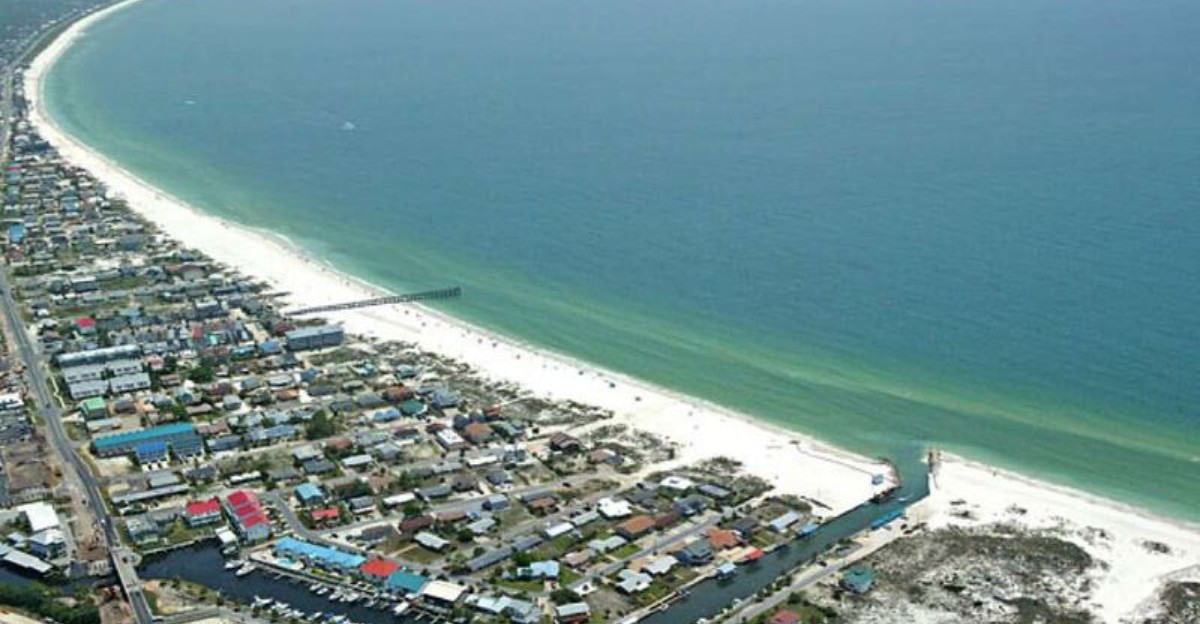
Mexico Beach sits along the Florida Panhandle like a quiet rumor most people haven’t heard yet. With just over 900 residents, this Gulf Coast gem refuses to follow the overdeveloped script written by its flashier neighbors. If you’re craving sugar-white sand without the spring break chaos, this unassuming stretch of coastline might just become your new happy place.
1. A Population That Keeps Things Perfectly Intimate
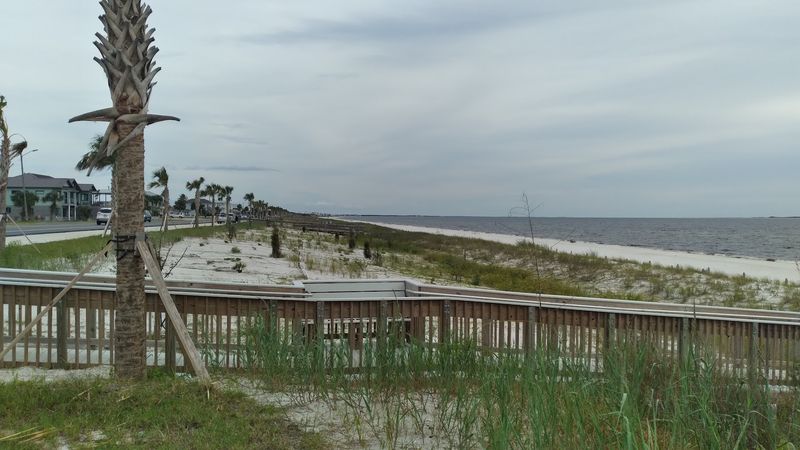
Most Florida beach towns brag about growth. Mexico Beach? It celebrates staying small.
The 2020 census counted just 916 souls calling this place home, down from 1,072 a decade earlier. That shrinking number isn’t a red flag. It’s a feature, not a bug, for anyone tired of elbow-to-elbow beach blankets and hour-long waits for mediocre seafood.
When Hurricane Michael roared through in 2018, many wondered if Mexico Beach would rebuild into something bigger and shinier. Instead, the town doubled down on its low-key charm. Locals rebuilt thoughtfully, keeping the vibe authentic rather than chasing tourist dollars with high-rise condos and chain restaurants that nobody asked for.
Walk the streets here and you’ll recognize faces after just a weekend visit. Shop owners remember your name. Neighbors wave from porches.
The grocery store doesn’t need a massive parking lot because half the town walks or bikes everywhere anyway.
This isn’t a place where you’ll find nightclubs or outlet malls. What you will find is breathing room, genuine conversation, and the kind of pace that makes you forget why you were rushing in the first place. Some towns measure success in dollars and development.
Mexico Beach measures it in sunsets watched without a crowd blocking your view.
2. Miles of Uncrowded Shoreline That Actually Stays Uncrowded
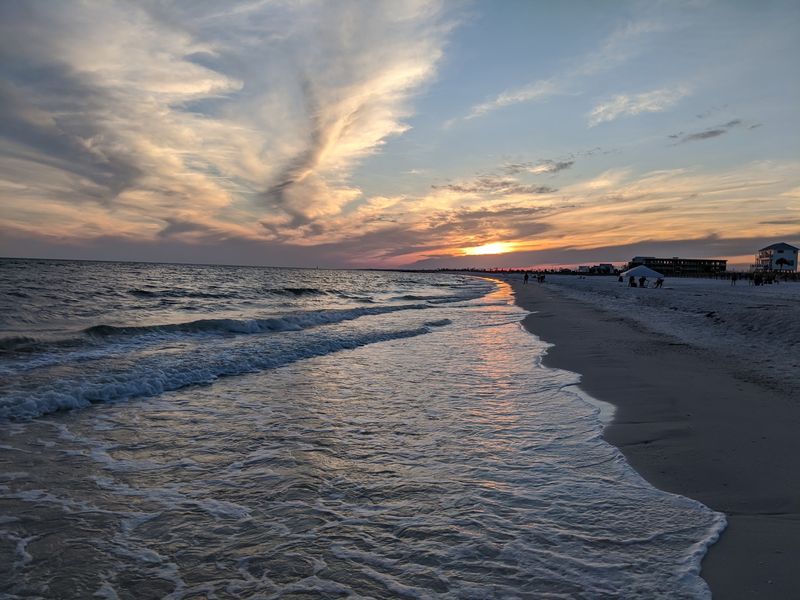
Picture this: four miles of soft white sand stretching along the Gulf, and you can actually claim your own patch without planting your umbrella six inches from a stranger’s cooler. Mexico Beach’s shoreline doesn’t require you to arrive at dawn to stake your territory. Even on gorgeous summer weekends, you’ll find space to spread out and pretend you own the whole beach.
The sand here has that powdery consistency that squeaks under your feet and doesn’t cling to sunscreen like concrete mix. Water clarity rivals destinations that cost three times as much to visit. You can wade out waist-deep and still count your toes, watching small fish dart around your ankles like you’re part of their neighborhood.
Because the town never allowed massive hotel development, the beach maintains its natural rhythm. No jet ski rental operations blasting music. No parasailing companies shouting through megaphones.
Just waves, wind, and the occasional pelican doing a nosedive for breakfast.
The lack of crowds means kids can actually play without constant supervision anxiety. Teenagers can throw a football without beaning someone’s grandmother. Adults can read three chapters without getting splashed by someone’s Instagram-worthy cannonball.
When people say they want a “relaxing beach vacation,” this is the platonic ideal they’re describing but rarely find.
3. Fishing Culture That Runs Deeper Than Tourist Traps
Forget those staged fishing charters where they practically hand you a pre-caught fish for your photo op. Mexico Beach hosts anglers who actually know which end of the rod goes in the water. This town was built by fishing families, and that heritage didn’t disappear when the first tourists showed up with their brand-new tackle boxes.
The Mexico Beach Artificial Reef Association has sunk dozens of structures offshore, creating underwater neighborhoods where grouper, snapper, and amberjack set up shop. Local captains know these spots like their own driveways. Charter a boat here and you’re learning from someone who fishes these waters year-round, not a college kid working a summer gig.
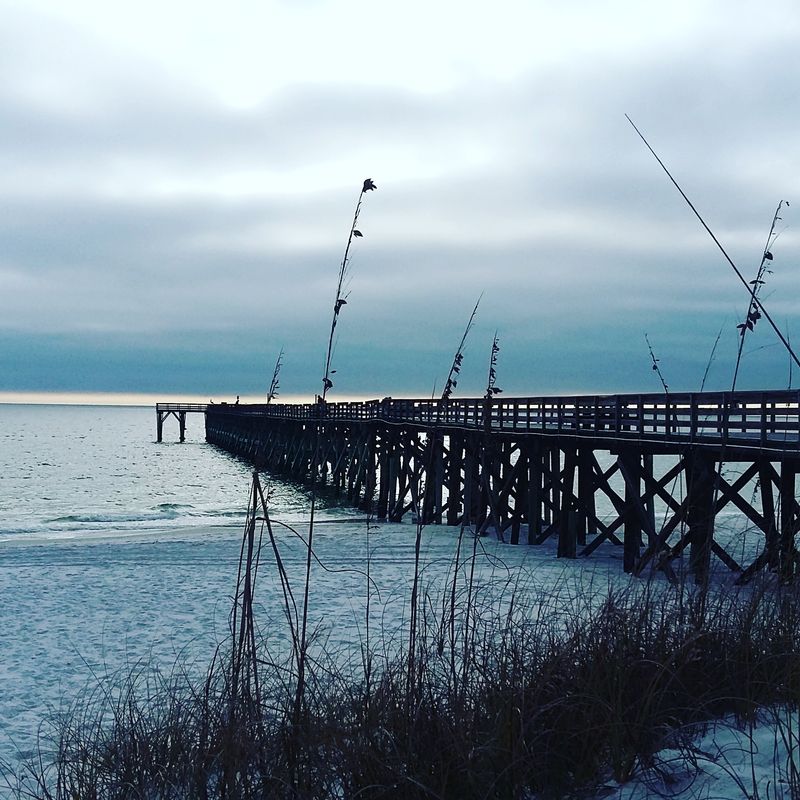
Pier fishing at the Mexico Beach Pier gives you front-row seats to Gulf action without needing a boat. Spanish mackerel, pompano, and whiting cruise past regularly. Early mornings bring serious anglers casting for bigger prizes, while afternoons attract families teaching kids the patience required to outsmart something with a brain smaller than a peanut.
The town’s annual Kingfish Tournament draws competitors from across the Southeast, but it maintains a friendly, community-focused vibe rather than cutthroat competition. Weigh stations buzz with fish tales that grow slightly larger with each retelling. Even if you don’t fish, watching the day’s catch come in beats scrolling through social media any afternoon of the week.
4. Local Restaurants Where Menus Change With the Catch
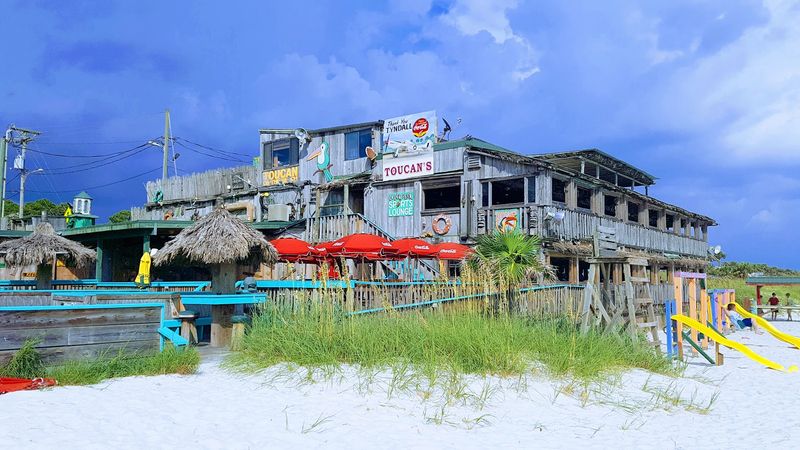
Chain restaurants haven’t colonized Mexico Beach, which means your grouper sandwich actually tastes like grouper instead of whatever mystery fish got bulk-shipped from overseas. The handful of local spots here build their menus around what boats brought in that morning. When the menu says “market price,” it’s because nobody knew what would be available until the fishermen returned.
Killer Seafood serves portions that require strategic planning and possibly a nap afterward. Their shrimp come from Gulf waters you can literally see from the dining room. The gumbo tastes like someone’s grandmother supervised the recipe, threatened the cook with a wooden spoon, and approved every batch personally.
Toucan’s isn’t trying to win design awards with Edison bulbs and reclaimed wood. It’s trying to feed you well without charging resort prices. Their tuna melts use actual tuna steaks, not the canned stuff that tastes like regret.
The grouper nuggets have converted more than one seafood skeptic into a true believer.
Sharon’s Cafe handles breakfast like it matters, because around here, it does. Biscuits arrive fluffy and buttery. Eggs come from somewhere closer than a factory farm three states away.
The coffee is strong enough to jumpstart a boat motor, served by people who remember how you take it after one visit. Nobody’s rushing you out to flip the table for the next seating because there isn’t a line of tourists waiting outside.
5. Hurricane Michael’s Story of Resilience Worth Knowing
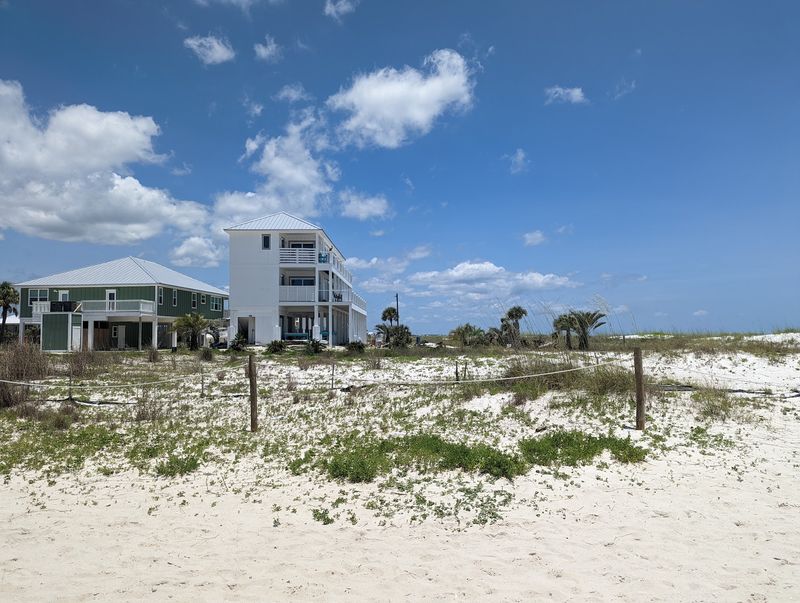
October 10, 2018, carved a line through Mexico Beach’s history that residents measure time against. Hurricane Michael slammed ashore as a Category 5 monster, packing 160 mph winds that didn’t just damage the town but essentially erased large sections of it. Aerial photos afterward looked apocalyptic, like a giant toddler had thrown a tantrum with buildings as toys.
What happened next defines this community more than any tourism brochure could. Instead of selling out to developers promising shiny new resorts, locals rebuilt with intention. They updated building codes, elevated structures, and strengthened everything from roofs to resolve.
The town that emerged isn’t identical to what existed before, but it’s authentically Mexico Beach rather than some corporate vision of what a beach town should be.
Walking through town now, you’ll spot houses on stilts that look like they could withstand a zombie apocalypse. New construction blends thoughtfully with restored buildings that survived the storm. Empty lots remain, yes, but they’re gradually filling with homes built by people committed to this place rather than investors chasing quick returns.
Talking with longtime residents reveals pride mixed with pragmatism. They don’t sugarcoat what happened or pretend rebuilding was easy. But they chose to stay, to rebuild, to preserve what makes Mexico Beach special even when starting over somewhere easier would have made more sense on paper.
That kind of stubborn love for place creates communities worth visiting and protecting.
6. State Park Access That Protects Natural Beauty
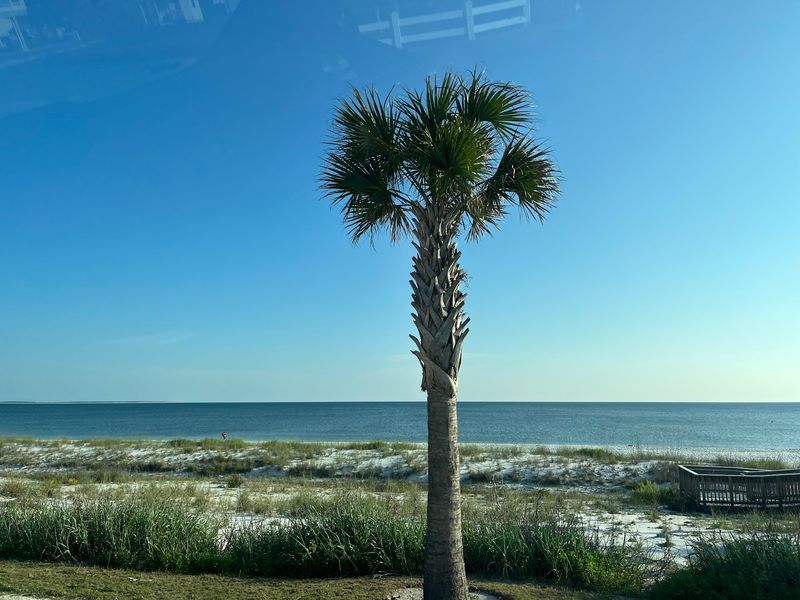
Just a short drive from Mexico Beach, St. Joseph Peninsula State Park proves that not every inch of Florida coastline needs a tiki bar and volleyball net. This 2,516-acre preserve showcases what the Gulf Coast looked like before developers discovered it, with towering dunes, scrubby vegetation, and beaches that exist for nature’s purposes rather than human convenience.
The park consistently ranks among America’s best beaches, but you won’t find that validation plastered on billboards. What you will find are nine miles of wilderness shoreline where shorebirds outnumber people most days. Sea oats wave in the breeze like they’re conducting an orchestra only they can hear.
Ghost crabs scuttle sideways, looking perpetually surprised by their own existence.
Camping here means falling asleep to wave sounds instead of highway traffic. The park offers both tent sites and cabins for those who prefer their nature experiences with slightly more structure and significantly fewer sand spurs in sleeping bags. Either way, you’re waking up to sunrise over water that hasn’t been Photoshopped or filtered, just naturally gorgeous.
Hiking trails wind through coastal scrub where you might spot everything from painted buntings to bobcats, assuming you’re quiet and lucky. The park doesn’t try to entertain you with manufactured attractions. It simply protects a slice of Old Florida and trusts that people who appreciate such things will find their way here.
Mexico Beach locals consider this park a neighborhood amenity, proof that preservation and tourism can coexist when done thoughtfully.
7. Sunset Rituals That Don’t Require Reservations or Crowds
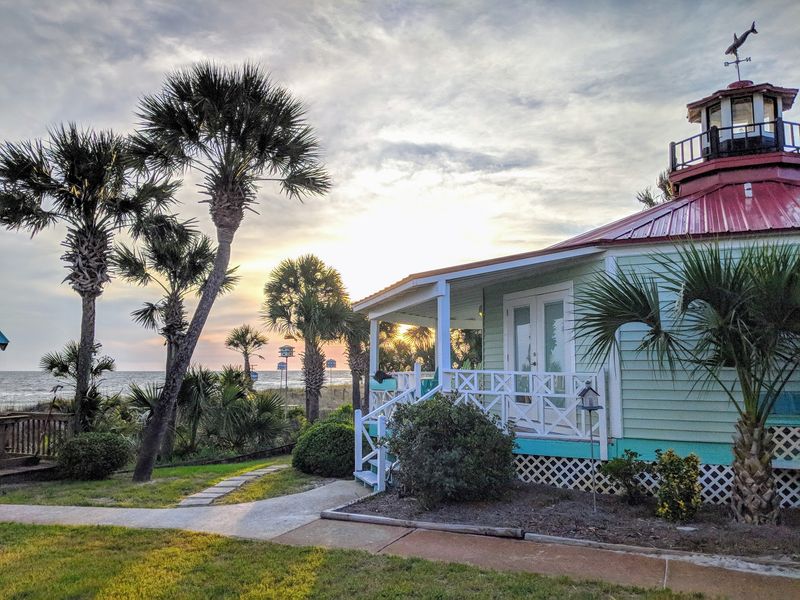
Some beach towns turn sunset into a ticketed event with fire dancers and overpriced cocktails. Mexico Beach just lets the sun do its job without adding unnecessary production value. Every evening, the Gulf serves up a free show that changes daily, and you don’t need to fight for viewing space or arrive an hour early to claim a spot.
The best sunset watching happens from your own beach chair, cold drink in hand, with enough personal space that nobody’s conversation invades yours. Colors shift from orange to pink to purple like someone’s slowly adjusting a dimmer switch on the world’s largest mood light. Pelicans cruise past in formation, perfectly silhouetted against the fading light like they rehearsed this routine.
Local families make sunset a daily ritual when weather permits. Kids build final sandcastles while parents decompress from whatever the day demanded. Couples walk the waterline holding hands without feeling like they’re performing for an audience.
Solo travelers sit peacefully without anyone asking if they’re okay or need company, because sometimes the best company is a good sunset and your own thoughts.
As darkness settles, the lack of light pollution reveals stars that city dwellers forgot existed. The Milky Way stretches overhead like someone spilled glitter across black velvet. You can actually see constellations without a phone app pointing them out.
This is the kind of simple, profound beauty that expensive vacations try to manufacture but rarely deliver. Mexico Beach just offers it up nightly, no cover charge required.
8. The Kind of Slow That Modern Life Forgot
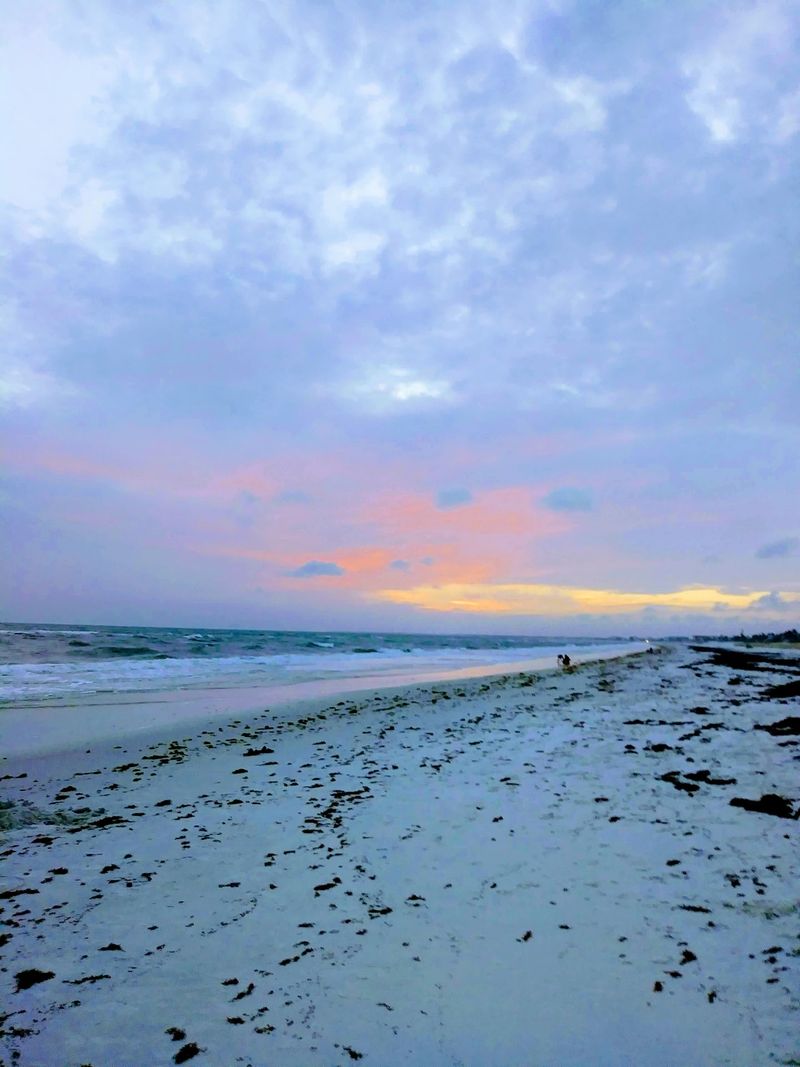
Mexico Beach operates on a timeline that makes even other small towns look frantic. Traffic jams here mean waiting for a family of sandhill cranes to finish crossing the road at their own prehistoric pace. Rush hour involves maybe six cars at the four-way stop, and everyone still waves each other through politely.
The town lacks those aggressive “fun” activities that tourist destinations use to separate you from your money. No banana boat rides screaming past every three minutes. No timeshare presentations disguised as free breakfast.
No event calendars packed so full you need a vacation from your vacation. What fills the space instead is time to actually relax, a concept many people claim to want but struggle to embrace when it arrives.
Mornings might involve a slow walk to grab coffee and a newspaper, because yes, people still read actual newspapers here. Afternoons pass with books finished, naps taken without guilt, and conversations that meander without anyone checking their watch. Evenings happen without consulting a itinerary or worrying about missing out on whatever everyone else is supposedly doing.
This pace isn’t for everyone. Some visitors get antsy without constant stimulation and entertainment options. But for those who arrive genuinely exhausted from modern life’s relentless speed, Mexico Beach offers something increasingly rare: permission to slow down without feeling lazy.
The town doesn’t judge you for doing absolutely nothing productive. It practically encourages it, proving that sometimes the best vacation souvenir is simply feeling rested for the first time in months.