This 8-Mile Bike Ride Near Jax Is Packed With Water Views and Wild Little Surprises
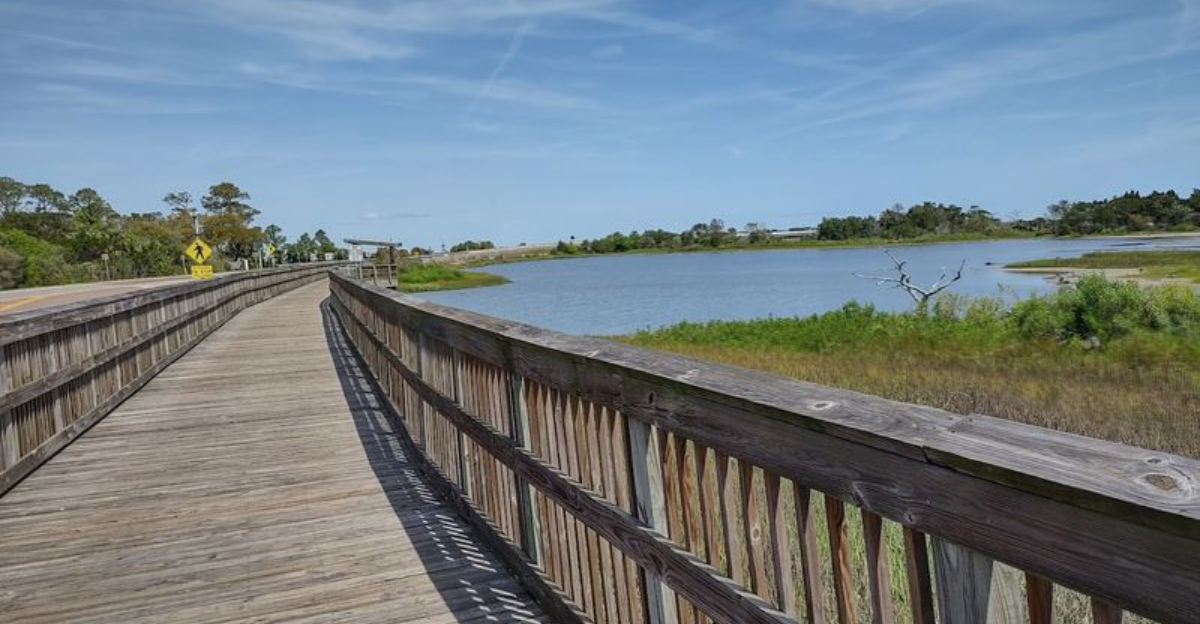
Looking for a bike ride that feels like an adventure without leaving the Jacksonville area? The Timucuan Trail near Heckscher Drive delivers exactly that—eight miles of paved path winding through coastal scenery, hidden beaches, and unexpected wildlife encounters. Whether you’re cruising solo or bringing the whole family, this trail surprises you at every turn with views that’ll make you forget you’re just minutes from the city.
1. Starting Point With Easy Access
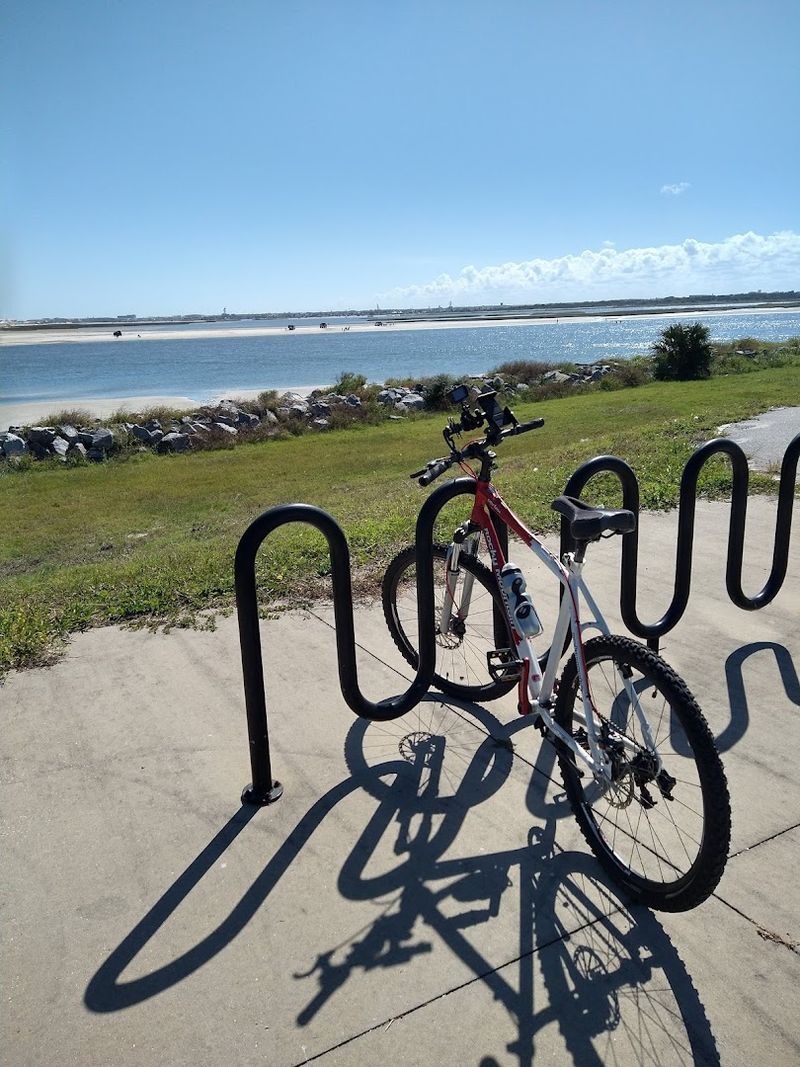
Kicking off your ride at the Timucuan Trail Trailhead means starting with zero hassle. The parking lot sits right off Heckscher Drive, and it’s completely free—no hunting for quarters or dealing with confusing payment kiosks. You’ll find a convenient underpass that takes you safely under the highway, connecting you straight to the paved trail without dodging traffic.
The trailhead operates 24 hours a day, so early birds and sunset chasers both get their chance to ride. Locals love this spot because it’s well-maintained and clearly marked, making it perfect for first-timers who might feel nervous about finding their way. The pavement is smooth enough for road bikes but sturdy enough for hybrids or even e-bikes.
Pack your water bottles and snacks before you arrive, though. There aren’t any concession stands at the trailhead itself, and you’ll want to stay fueled for the full eight miles. The surrounding area stays pretty natural and undeveloped, which adds to the charm but means you’re responsible for your own supplies.
Reviewers consistently give this starting point high marks for convenience and safety. Families appreciate how easy it is to unload bikes and gear, while serious cyclists like that they can jump right onto a quality trail without dealing with rough pavement or confusing intersections right off the bat.
2. Oceanside Views That Steal the Show
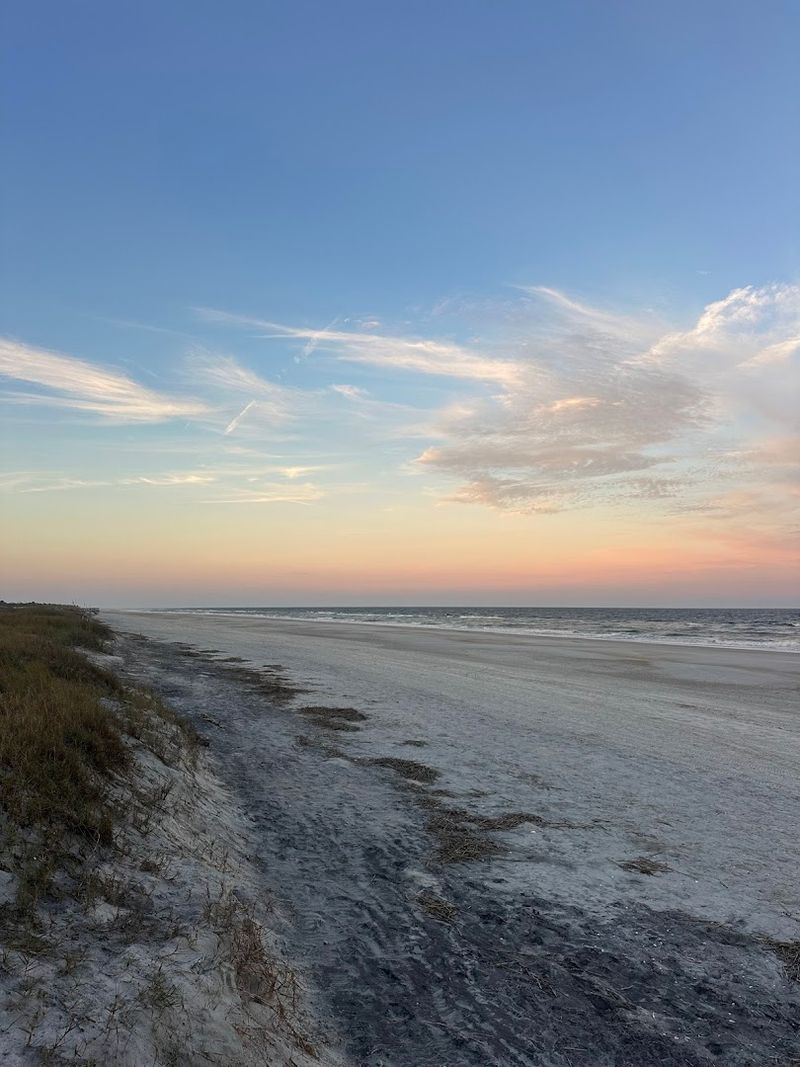
Riding along the water is where this trail really shines. The path hugs the coastline for stretches that’ll have you reaching for your phone to snap photos every few minutes. You’ll catch glimpses of the Intracoastal Waterway sparkling in the sunlight, with boats drifting by and seabirds diving for fish.
The ocean views aren’t just background scenery—they’re front and center for much of your ride. Marshlands spread out on one side while the water stretches endlessly on the other, creating that classic Florida coastal vibe. On clear days, the horizon seems to go on forever, and the breeze coming off the water keeps you cool even when the sun beats down.
Many riders mention how therapeutic it feels to pedal alongside these views. The combination of fresh salt air, rhythmic waves, and wide-open sky creates a meditative quality that’s hard to find on busier urban trails. It’s the kind of scenery that makes you slow down just to soak it all in.
Photographers and nature lovers especially appreciate this section. The changing light throughout the day transforms the water from deep blue to golden amber, and wildlife like dolphins occasionally makes surprise appearances. Bring a camera or make sure your phone is charged—you’ll definitely want to capture these moments for later.
3. Picnic Tables Along the Way
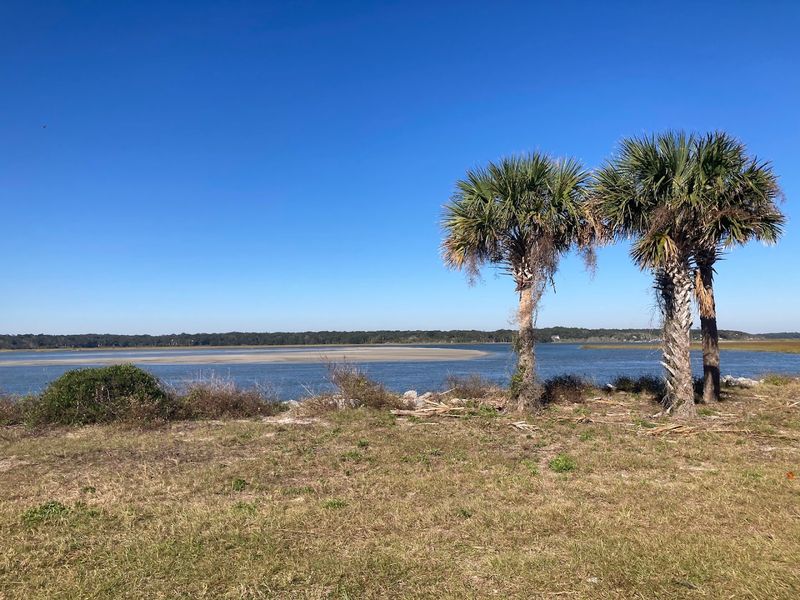
Scattered throughout the trail, picnic tables offer perfect rest stops when your legs need a break or your stomach starts growling. These aren’t fancy facilities—just simple wooden tables—but they’re positioned in spots that maximize the views and provide welcome shade under coastal trees.
Smart riders pack sandwiches, fruit, or snacks to enjoy at these rest areas. There’s something special about eating lunch with an ocean breeze and water views that makes even a basic PB&J taste better. The tables give you a chance to refuel without having to cut your ride short or head back to your car.
Families with younger kids find these stops especially helpful. Little ones can take a breather, have a snack, and stretch their legs before continuing the journey. The tables also work great for couples looking to make the ride more romantic—pack a small picnic and turn your bike ride into a waterside date.
Keep in mind that these are first-come, first-served, and on busy weekends they might be occupied. But the trail has multiple tables spread throughout, so you’ll likely find an open spot if you’re flexible. Just remember to pack out whatever you pack in—there aren’t always trash cans nearby, and keeping this beautiful trail clean is everyone’s responsibility.
4. Wooden Bridges Connecting the Islands
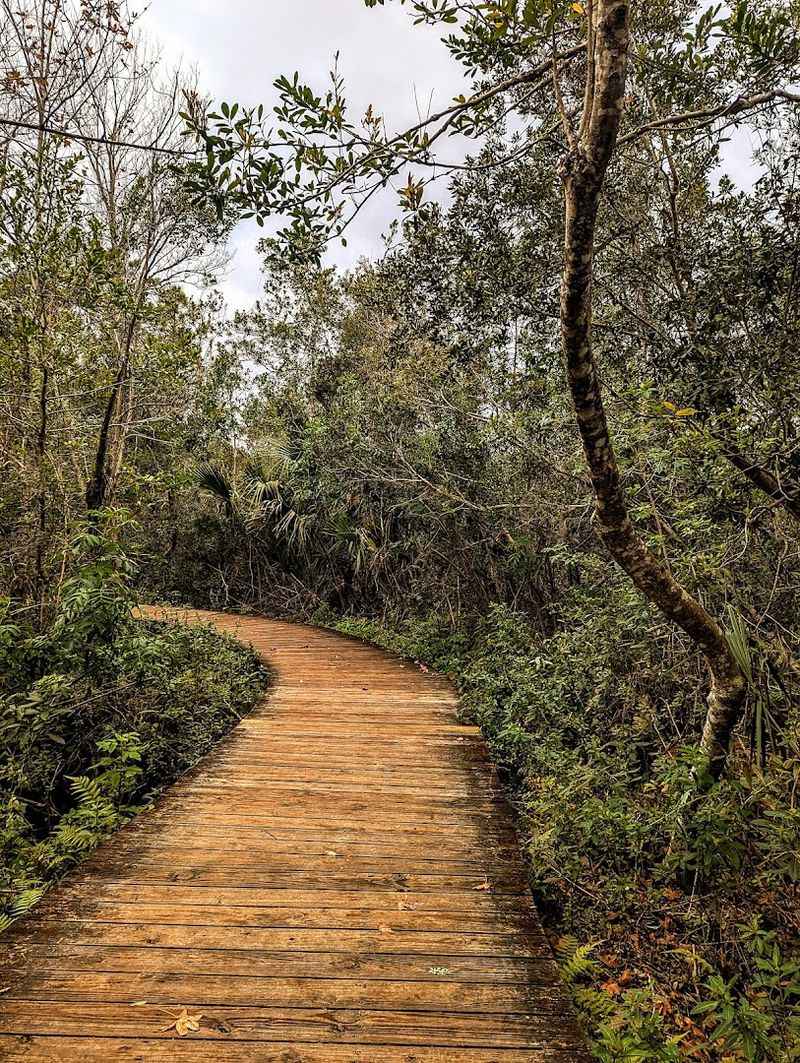
Around mile eight, you’ll hit a wooden bridge that marks a major highlight of the trail. These pedestrian bridges connect Big Talbot and Little Talbot Islands, creating a seamless path where there used to be a gap. The construction extended the trail and opened up new possibilities for longer rides without dealing with car traffic.
Crossing these bridges gives you a bird’s-eye view of the marshlands below. You can spot crabs scuttling through the mud, fish jumping in the shallow water, and wading birds hunting for their next meal. The elevated perspective transforms the landscape into something almost magical, especially during golden hour when the light hits just right.
Some riders feel a bit nervous on the bridges—they’re sturdy but exposed, and if you’re not a fan of heights, the open design might give you pause. Take your time crossing, and remember that it’s perfectly fine to walk your bike if that makes you more comfortable. The experience is worth any momentary butterflies.
After the wooden bridge, you’ll cross another bridge before rejoining the bike path. This section includes a few stops and yield signs, so your pace naturally slows down. But that’s not necessarily a bad thing—it gives you more time to appreciate the unique ecosystem you’re riding through and spot wildlife you might otherwise zoom past.
5. Wildflowers and Natural Florida Beauty
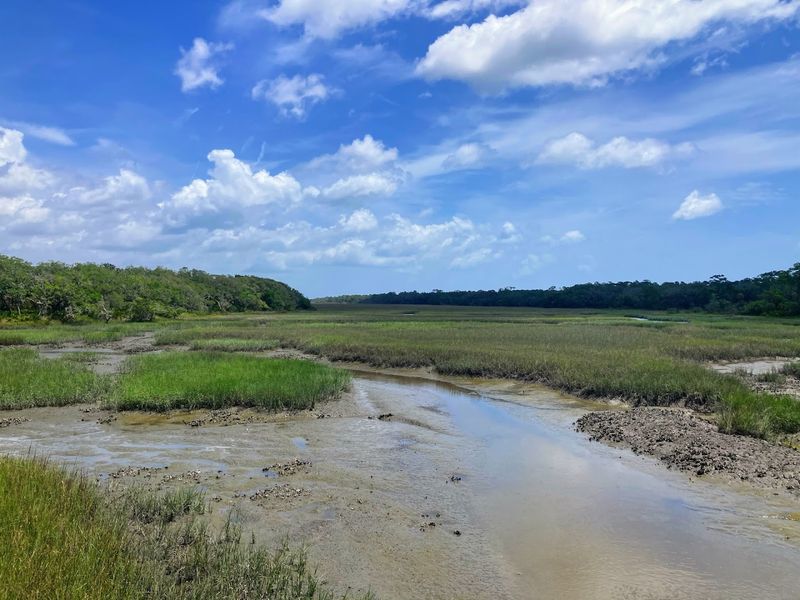
Springtime riders get treated to an unexpected bonus: wildflowers blooming in vibrant patches along the trail. These aren’t carefully planted garden flowers—they’re native Florida species that pop up naturally, painting the landscape with purples, yellows, and whites. The flowers add bursts of color against the green backdrop of dunes and coastal vegetation.
The trail showcases Florida in its most authentic form. Instead of manicured lawns and imported palms, you’ll see native plants, sea oats swaying in the breeze, and scrubby vegetation that’s perfectly adapted to the sandy, salty conditions. It’s the kind of scenery that reminds you why people fall in love with Florida’s natural side.
Bird watchers bring binoculars to spot species that call this coastal ecosystem home. Herons, egrets, pelicans, and osprey are common sightings, and if you’re lucky, you might even spot a roseate spoonbill with its distinctive pink plumage. The diversity of wildlife makes every ride feel a little different.
Fall brings its own magic as some trees change color—a subtle shift compared to northern states, but still noticeable. The changing seasons give regular riders something new to look forward to throughout the year, and the therapeutic quality of being surrounded by nature never gets old, no matter how many times you ride this trail.
6. Side Trails to Hidden Beaches
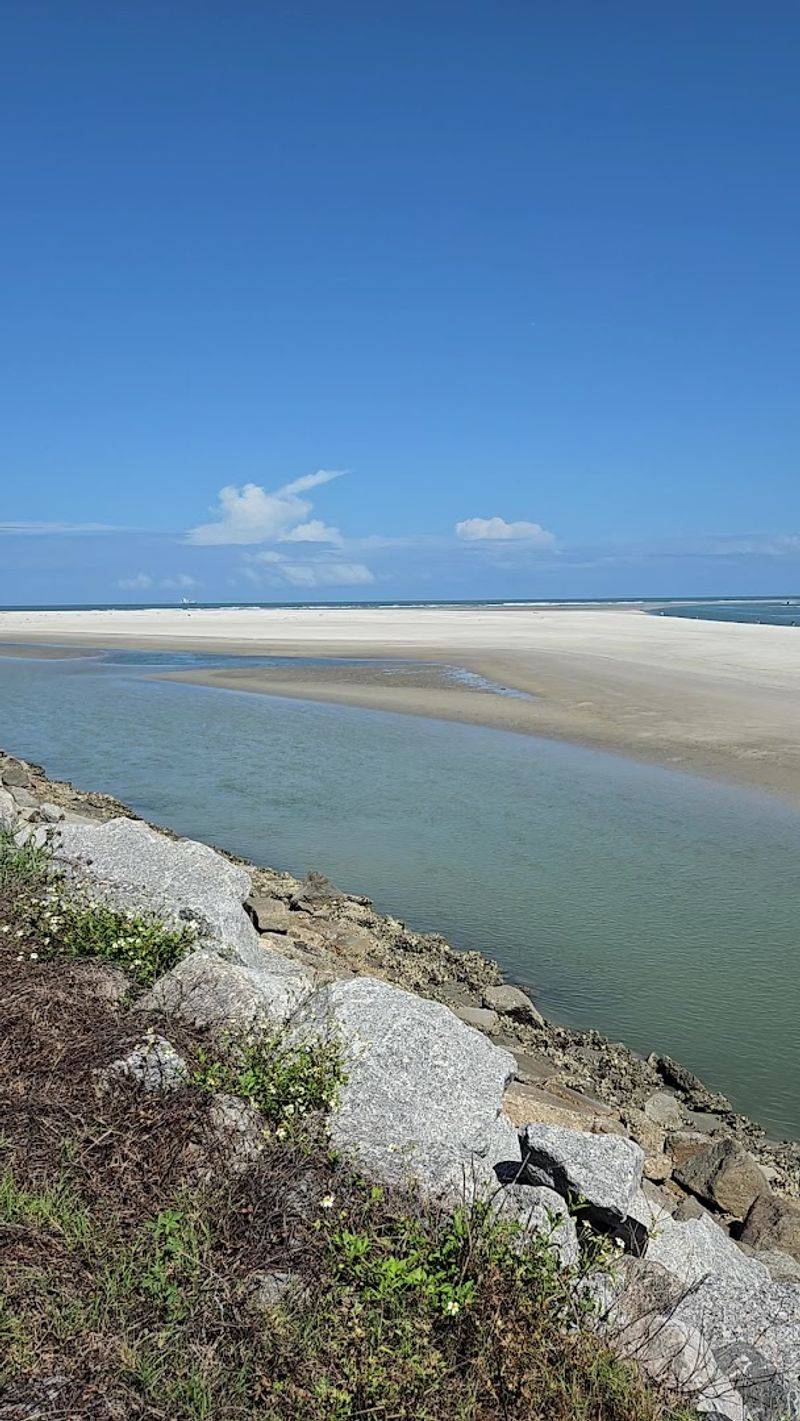
One of the trail’s best-kept secrets is the network of spur trails branching off toward beaches. These side paths aren’t always obvious, but once you spot them, they lead to less-crowded stretches of sand where you can dip your toes in the water or explore tide pools. It’s like discovering hidden treasure during your ride.
Big Talbot and Little Talbot Islands both offer beach access points that make perfect detour destinations. Lock your bike to a tree or rack, kick off your shoes, and spend some time beach-combing or just sitting in the sand. The beaches here feel more wild and natural than the developed stretches closer to Jacksonville proper.
Families with kids love these stops because they turn a simple bike ride into a multi-activity adventure. Children can burn off energy playing in the sand, collecting shells, or splashing in the shallow water while parents catch their breath. Just remember to bring sunscreen—the beach sun is no joke, even in cooler months.
These beach access points also provide great photo opportunities. The untouched quality of these barrier island beaches creates stunning backdrops for vacation photos or social media posts. The combination of bike trail and beach access makes this ride feel more like a full day of exploration than just a simple pedal from point A to point B.
7. Wildlife Encounters and Natural Surprises
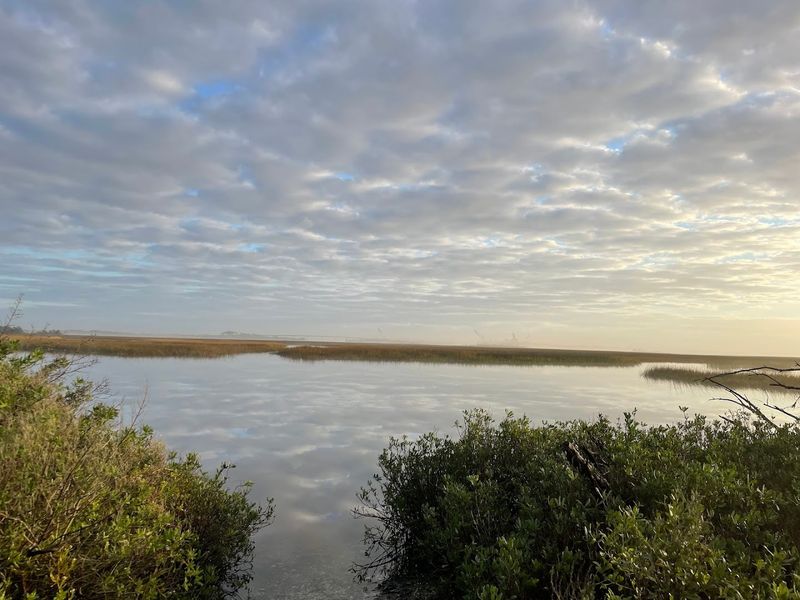
Expect the unexpected when it comes to wildlife along this trail. Reviewers mention spotting everything from dolphins playing offshore to land crabs crossing the path. One rider even caught crabs during their visit, turning a bike ride into an impromptu fishing adventure.
The variety of creatures you might encounter adds an element of surprise to every trip.
Watch where you step and ride, though. Some areas have thorny plants and even small cacti growing near the trail edges, so keeping pets and small children on the main path is smart. Bear and coyote scat occasionally appears, reminding riders that this is genuine wildlife habitat, not a sanitized theme park experience.
Most wildlife sightings are harmless and exciting rather than dangerous. Birds are the most common encounters, with pelicans, herons, and egrets going about their daily routines seemingly unbothered by passing cyclists. Watching a pelican dive-bomb into the water or seeing an egret gracefully stalk through shallow water never gets old.
The
8. Extended Riding Options to Amelia Island
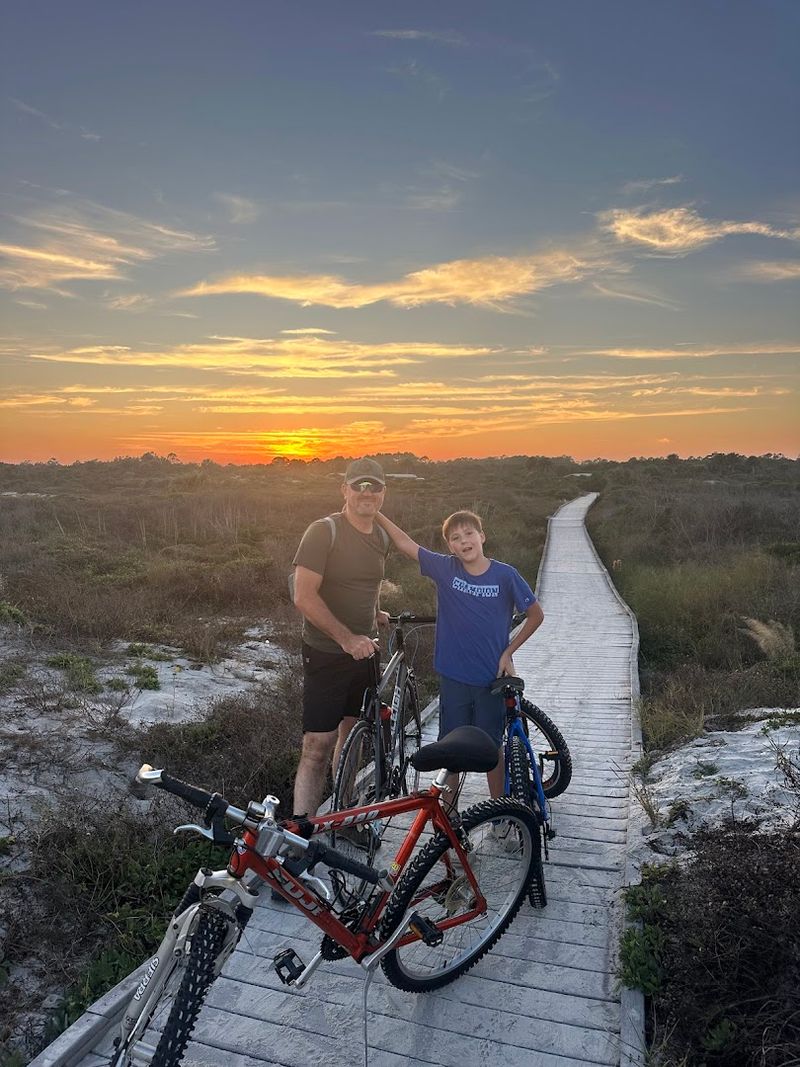
Ambitious riders can extend their adventure well beyond the initial eight miles. The trail continues north all the way to Amelia Island, adding up to 18 miles one way if you’re up for the challenge. That creates a potential 36-mile round trip for serious cyclists looking to push their limits.
The route to Amelia Island crosses some bridges that certain riders find intimidating. The elevation and exposure can feel scary if you’re not comfortable with heights or fast-moving traffic nearby. But for those who brave it, the reward is reaching charming Fernandina Beach with its historic downtown and waterfront restaurants perfect for a well-earned meal.
Most reviewers suggest picking either the Talbot Island segment or the Amelia Island extension, but not attempting both in a single day unless you’re an experienced cyclist. The full distance requires good conditioning, plenty of water, and realistic expectations about your energy levels. E-bike riders have an easier time covering the longer distances.
If you do venture to Amelia Island, you’ll find the road riding is pleasant with respectful drivers who share the road well. You can explore downtown Fernandina Beach about nine miles from the second bridge, or take a six-mile route to Amelia City. The flexibility to customize your ride length makes this trail system work for everyone from casual riders to endurance enthusiasts.